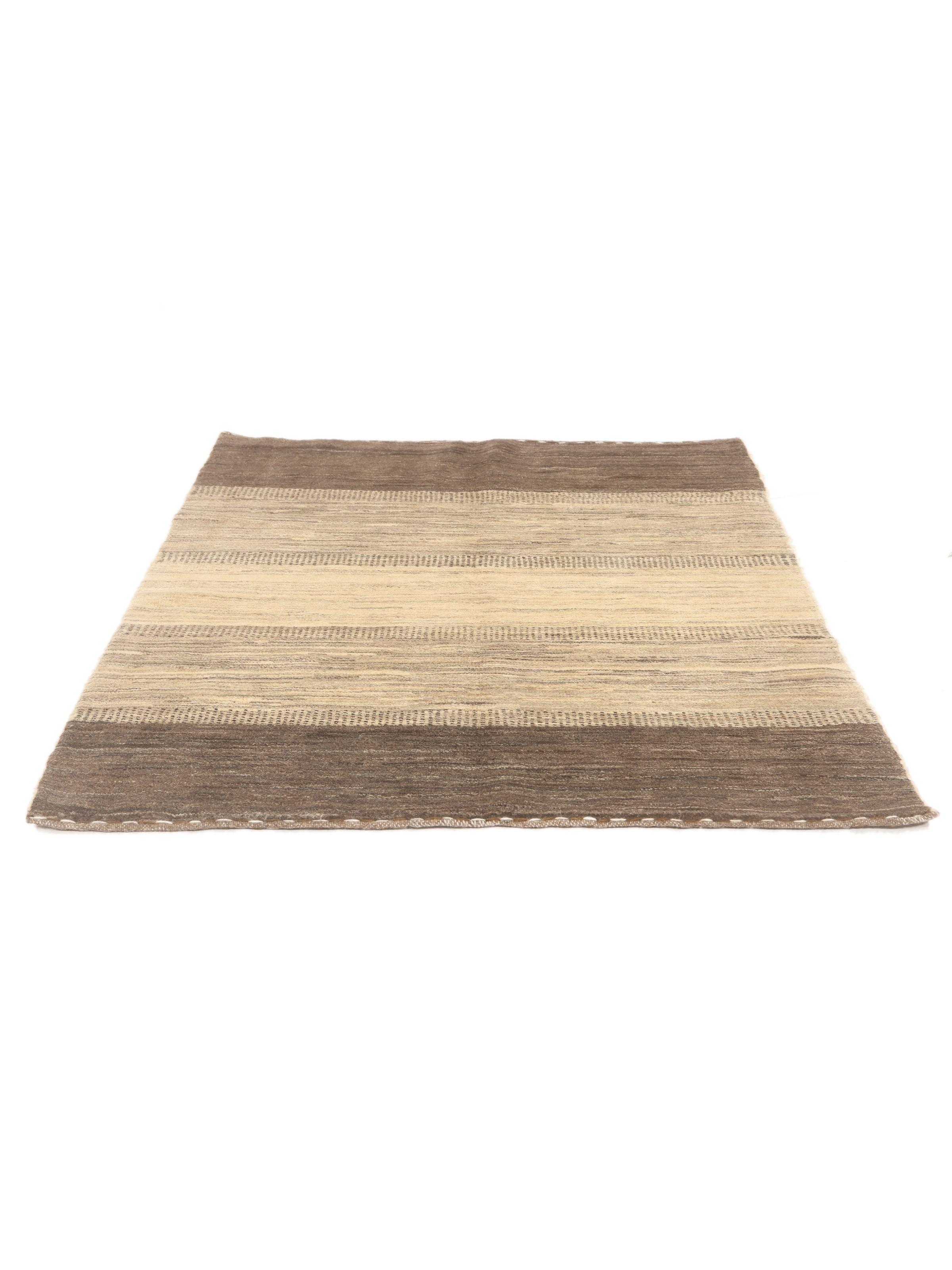
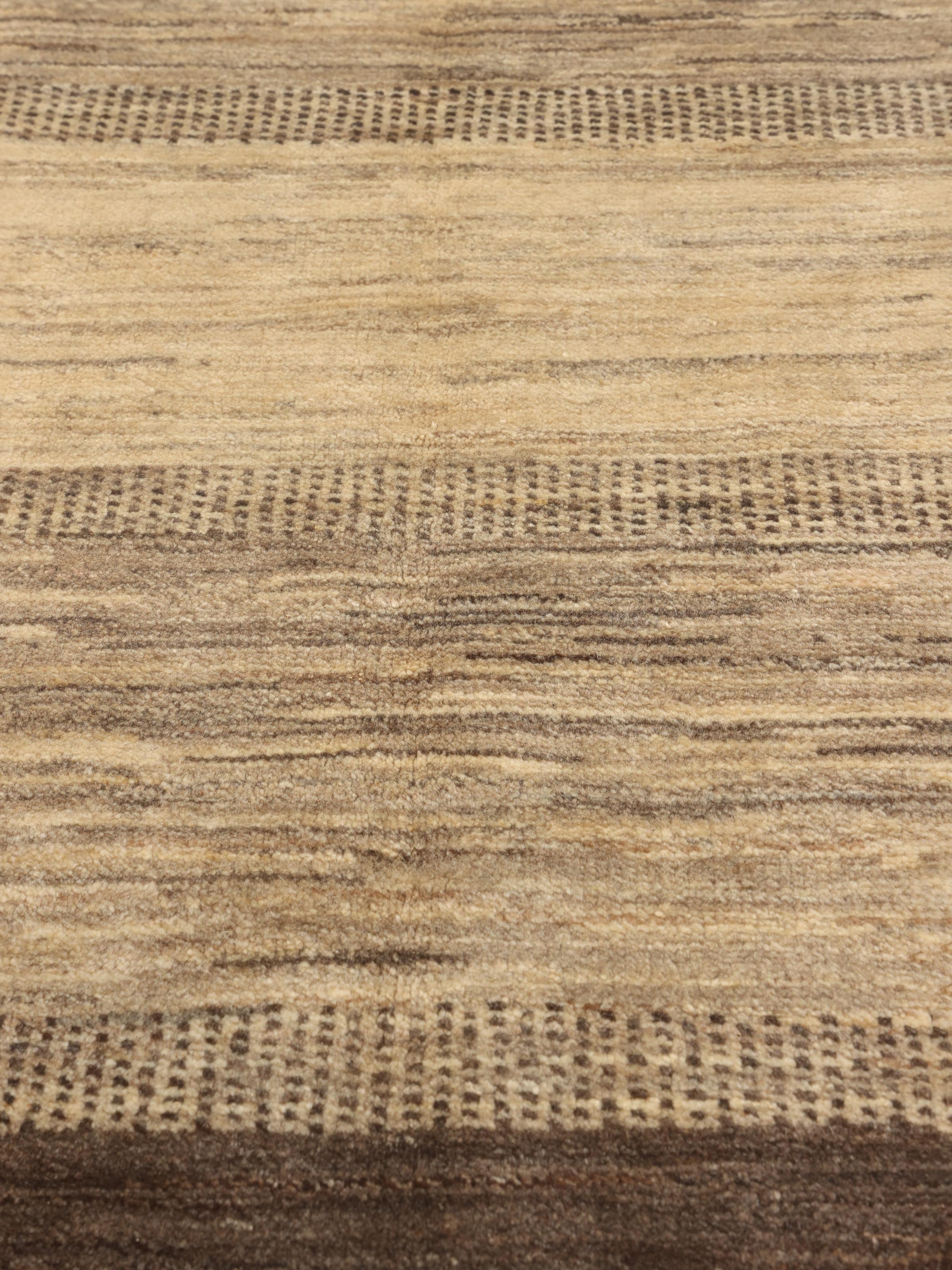
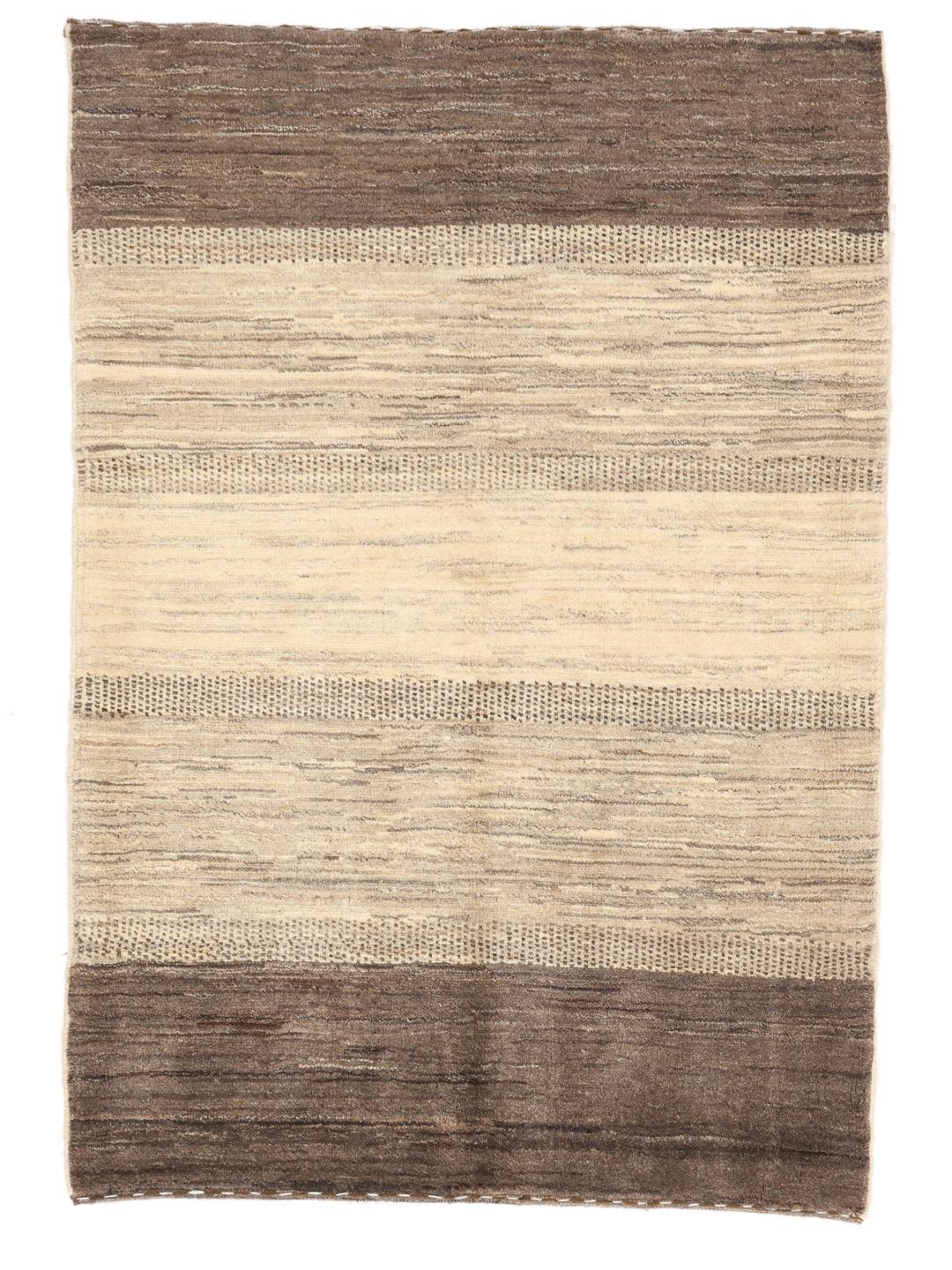
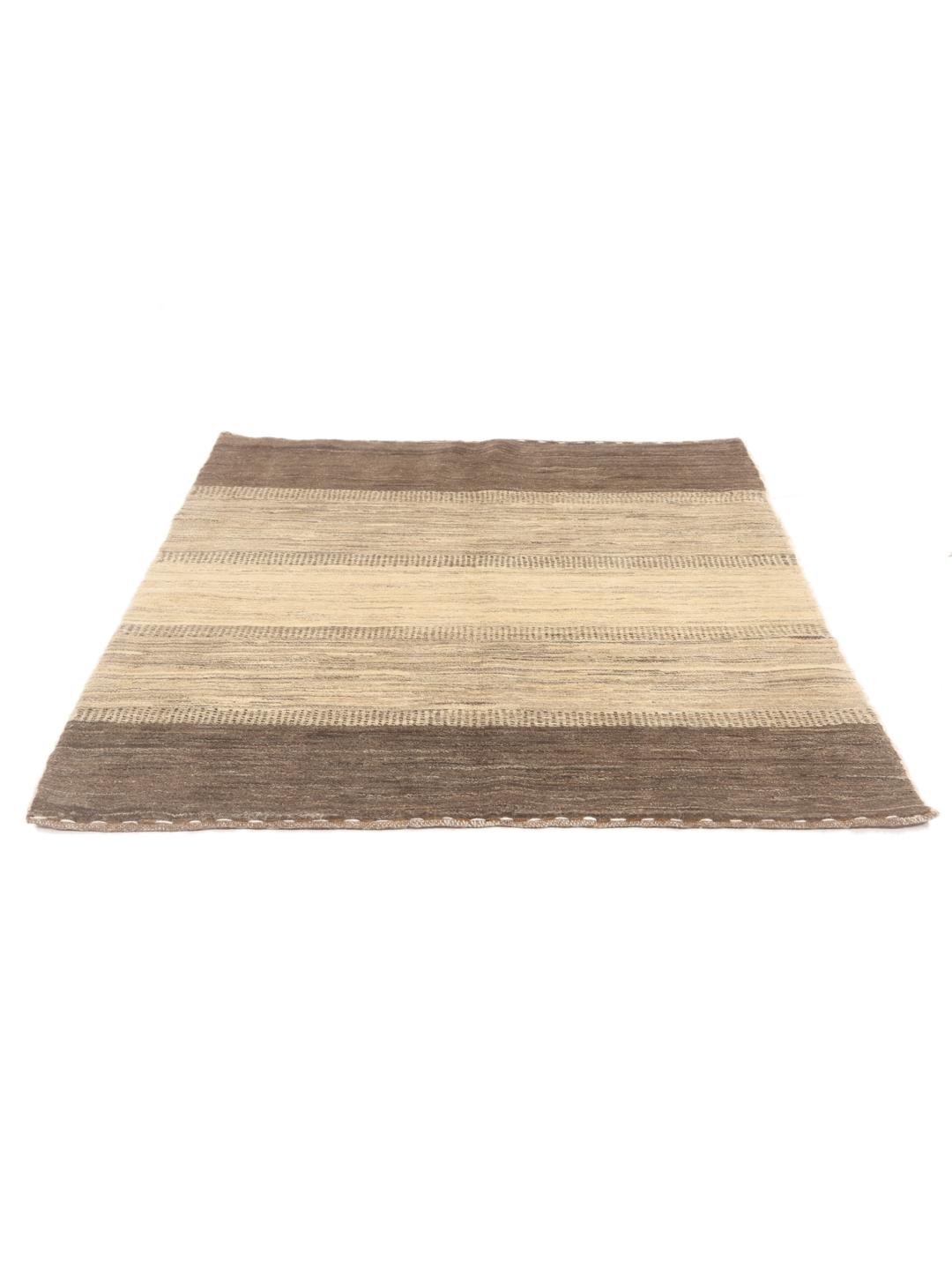
The history of this rug is deeply intertwined with the nomadic traditions of the Middle East. Originally, these pieces were created by tribal weavers for personal use, serving as warm bedding or floor coverings in tents. These rugs were never intended for the commercial market, which explains their raw, honest, and highly creative nature.
The terminology surrounding these rugs often refers to their humble origins, with the term itself meaning 'raw' or 'natural' in local dialects. This focus on simplicity is what defines the category, prioritising the inherent beauty of the materials over complex, rigid patterns. The evolution of these rugs from utility items to celebrated art forms highlights the transition from nomadic necessity to global appreciation.
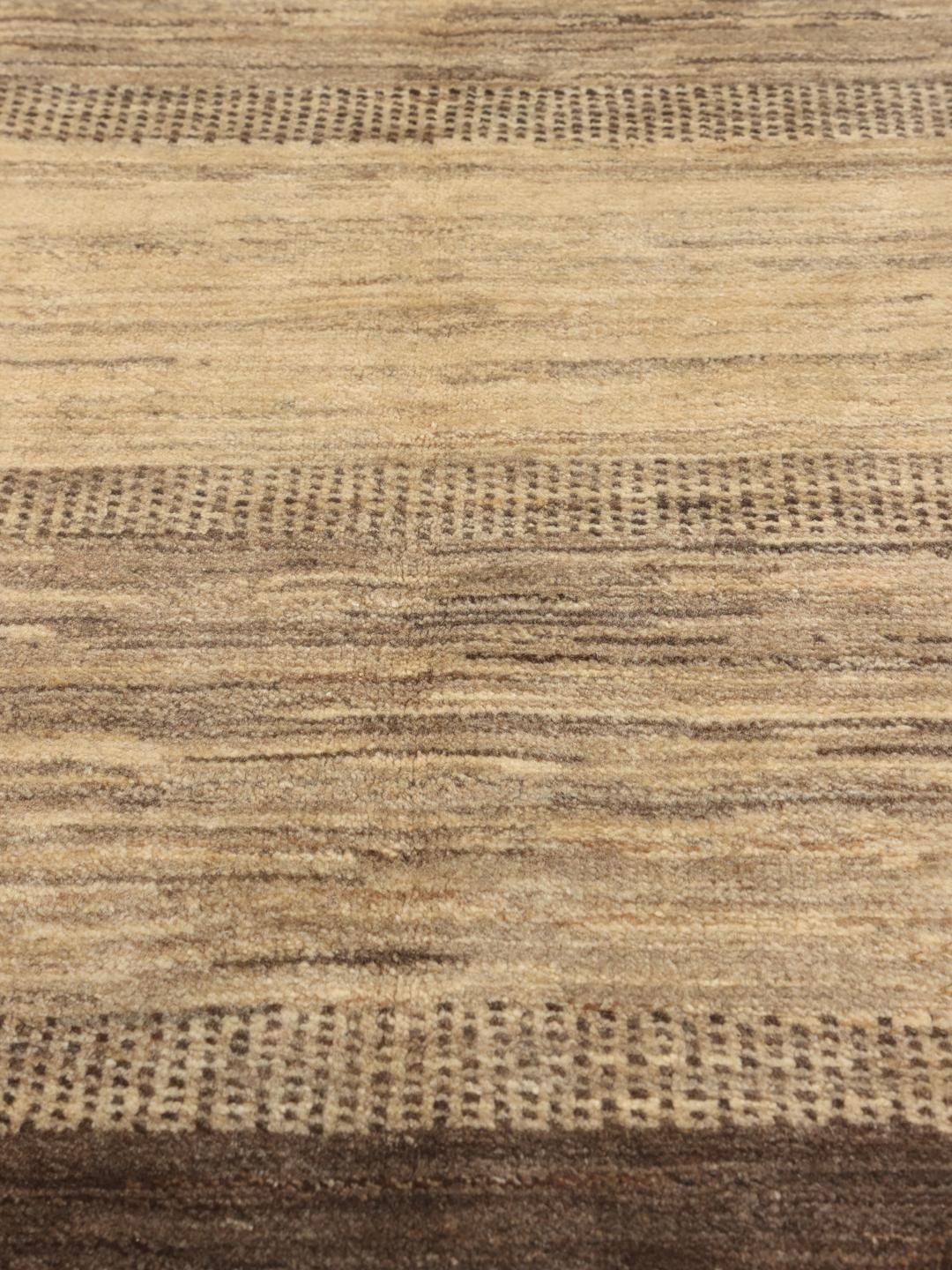
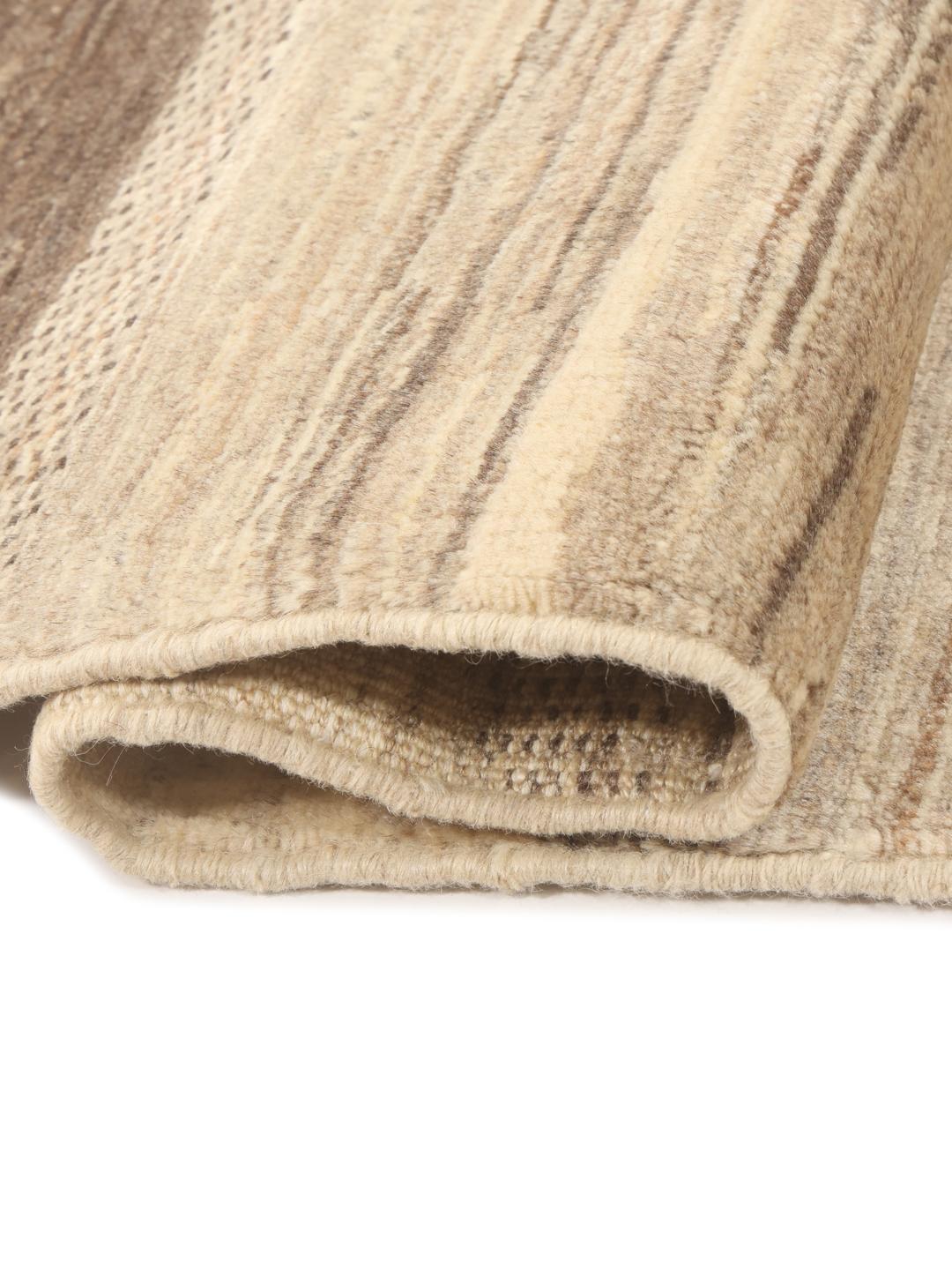
Visually, these rugs are defined by their open fields and spontaneous, often abstract, design language. While many traditional rugs are governed by symmetrical, intricate floral motifs, this tradition embraces a more organic approach, often utilising wide bands or minimalistic compositions. The use of natural, undyed wool colours is a hallmark of the style, creating a palette that feels timeless and deeply connected to the earth.
Today, these rugs are highly sought after by collectors who value the human element in every stitch. Owning one is an investment in cultural preservation and individual skill. They represent a bridge between ancient ways of living and the modern home, offering a tactile experience that connects the owner to the history and landscape of their origin.