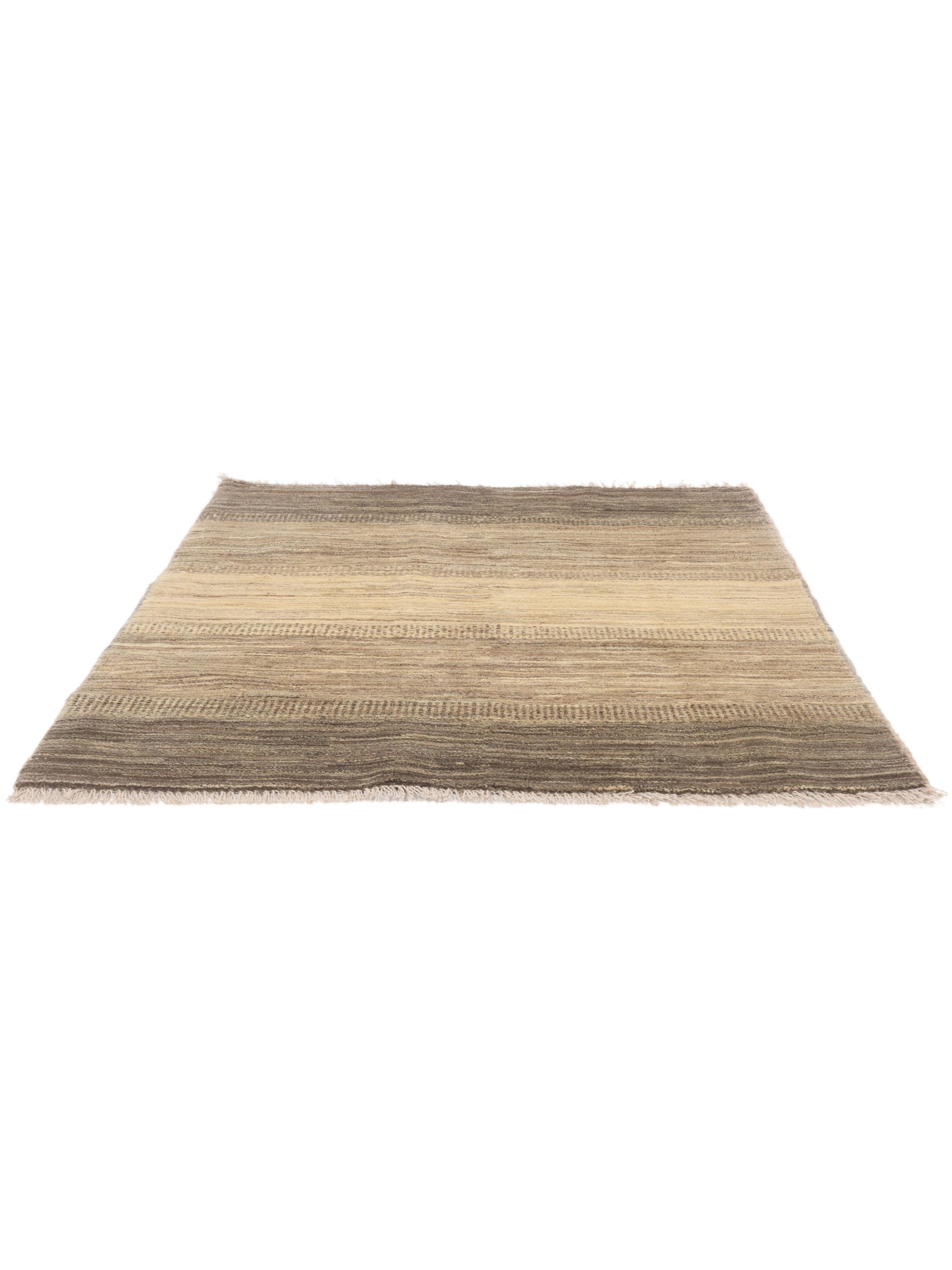
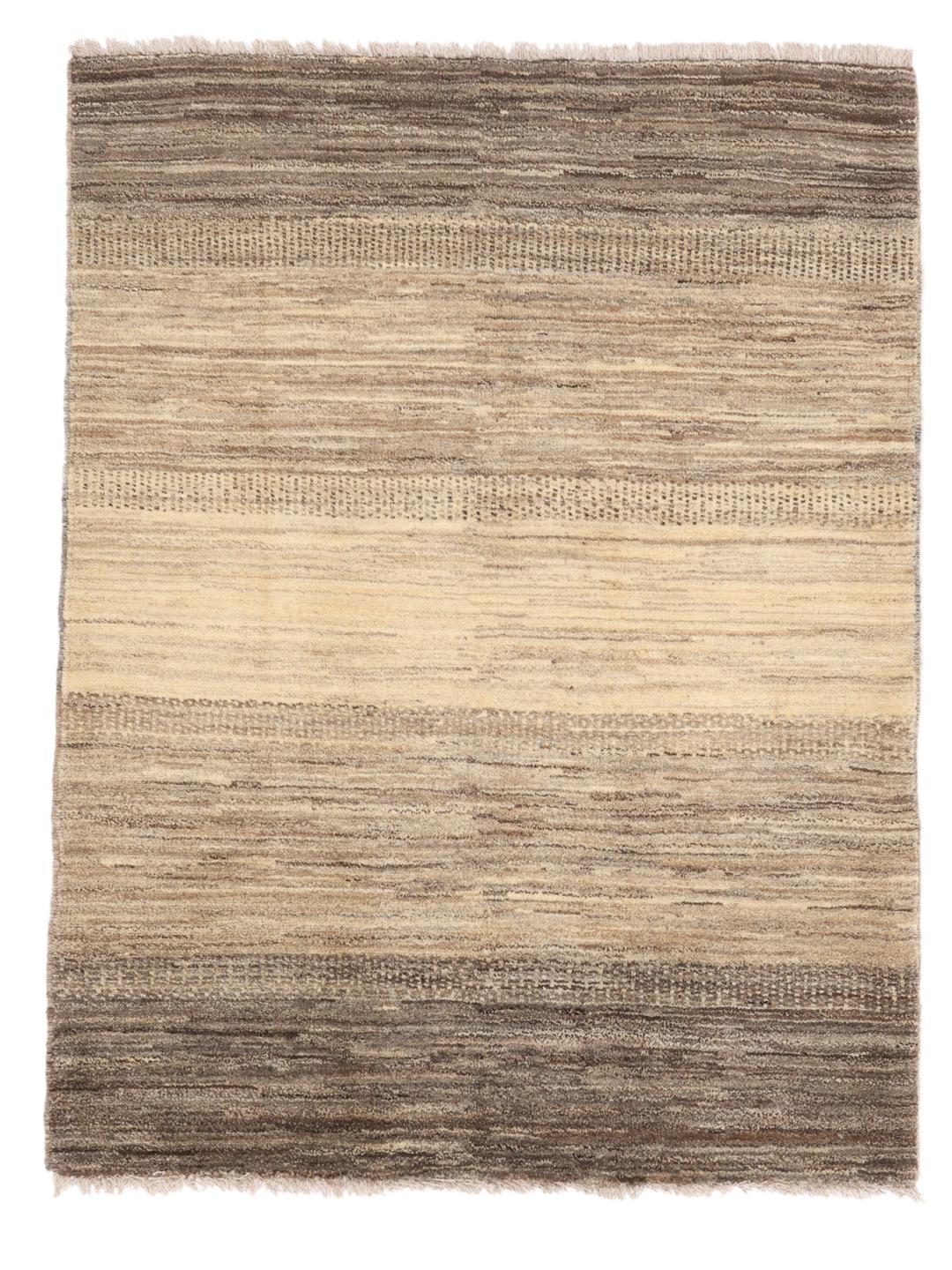
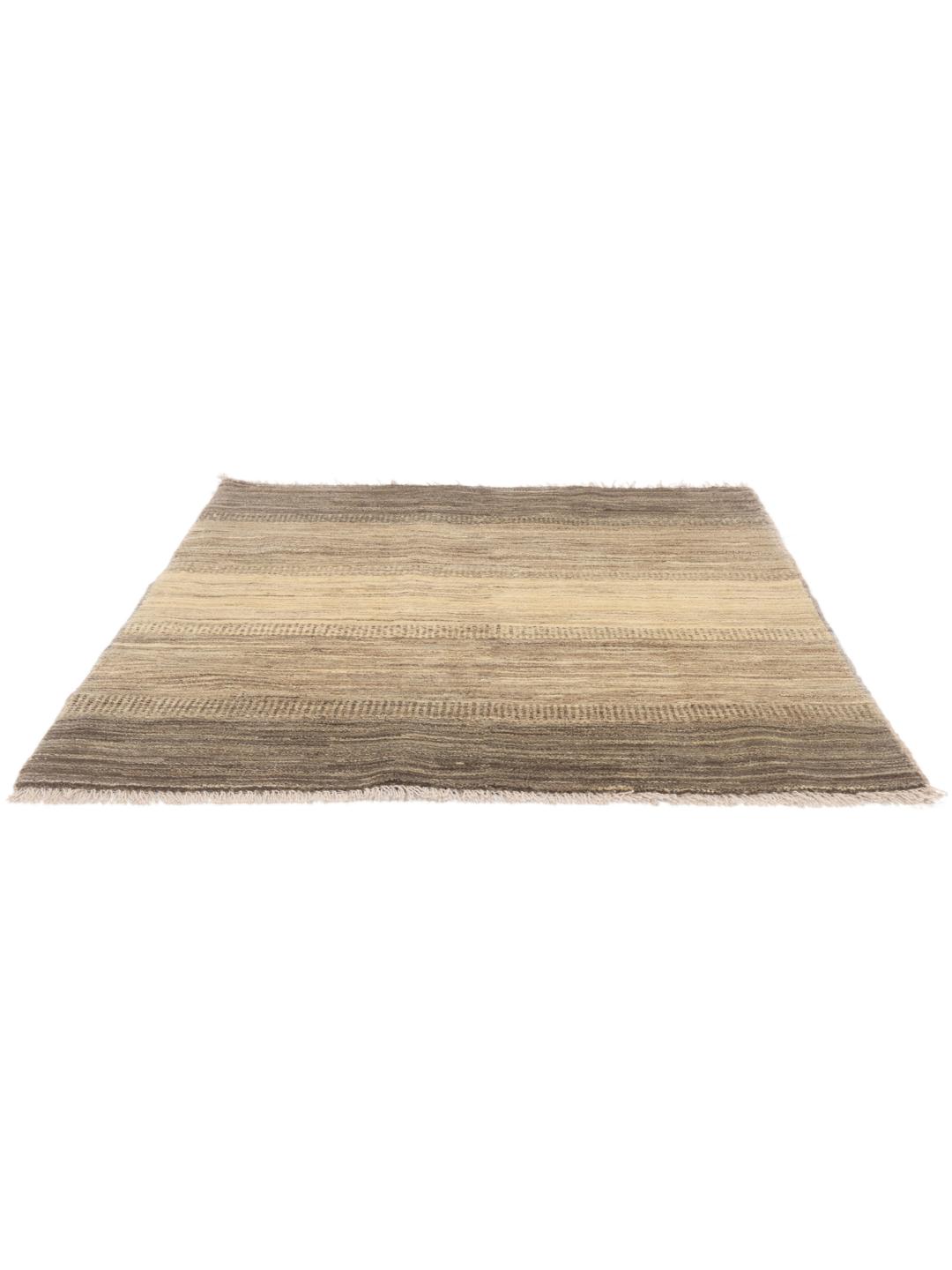
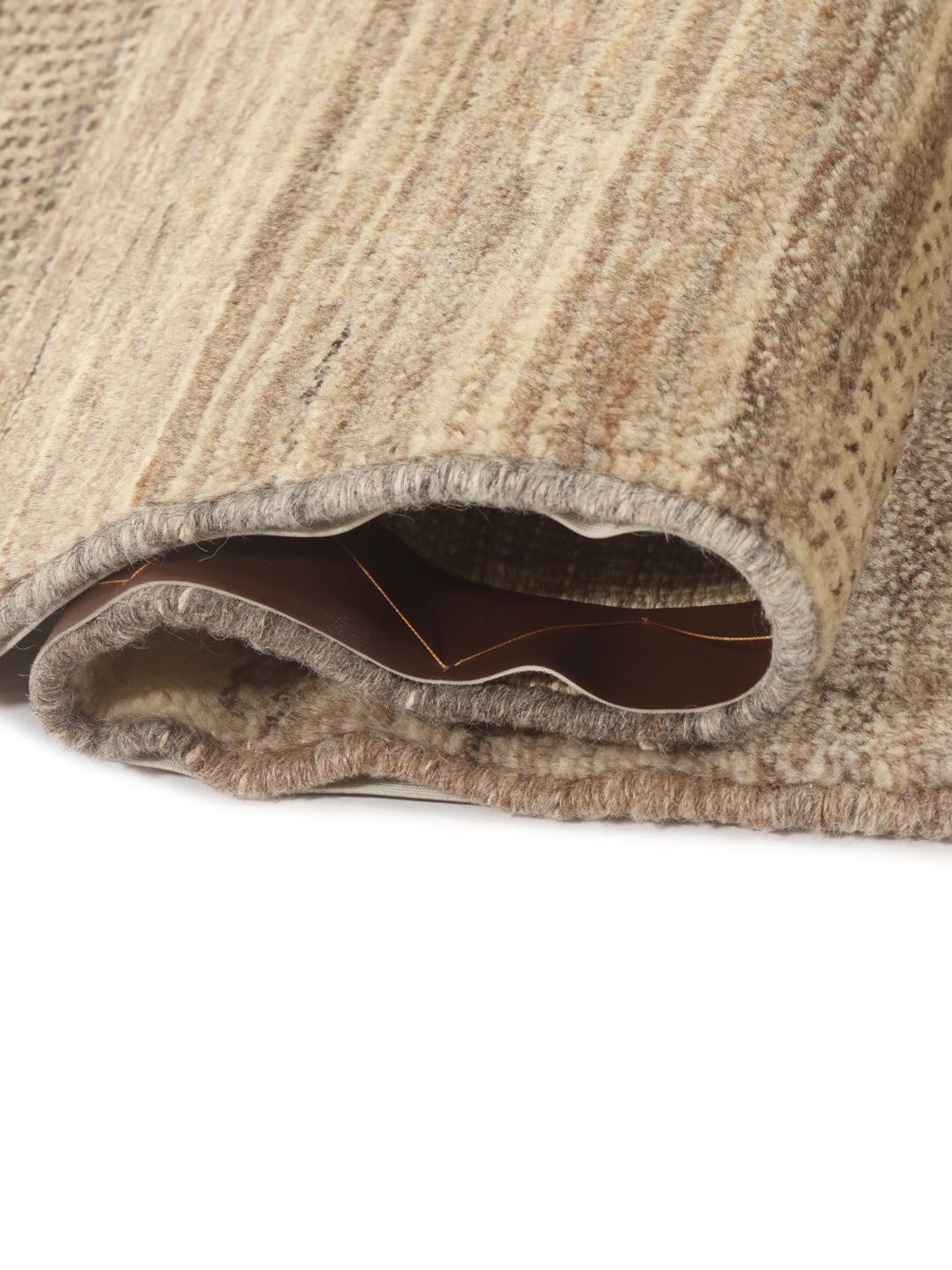
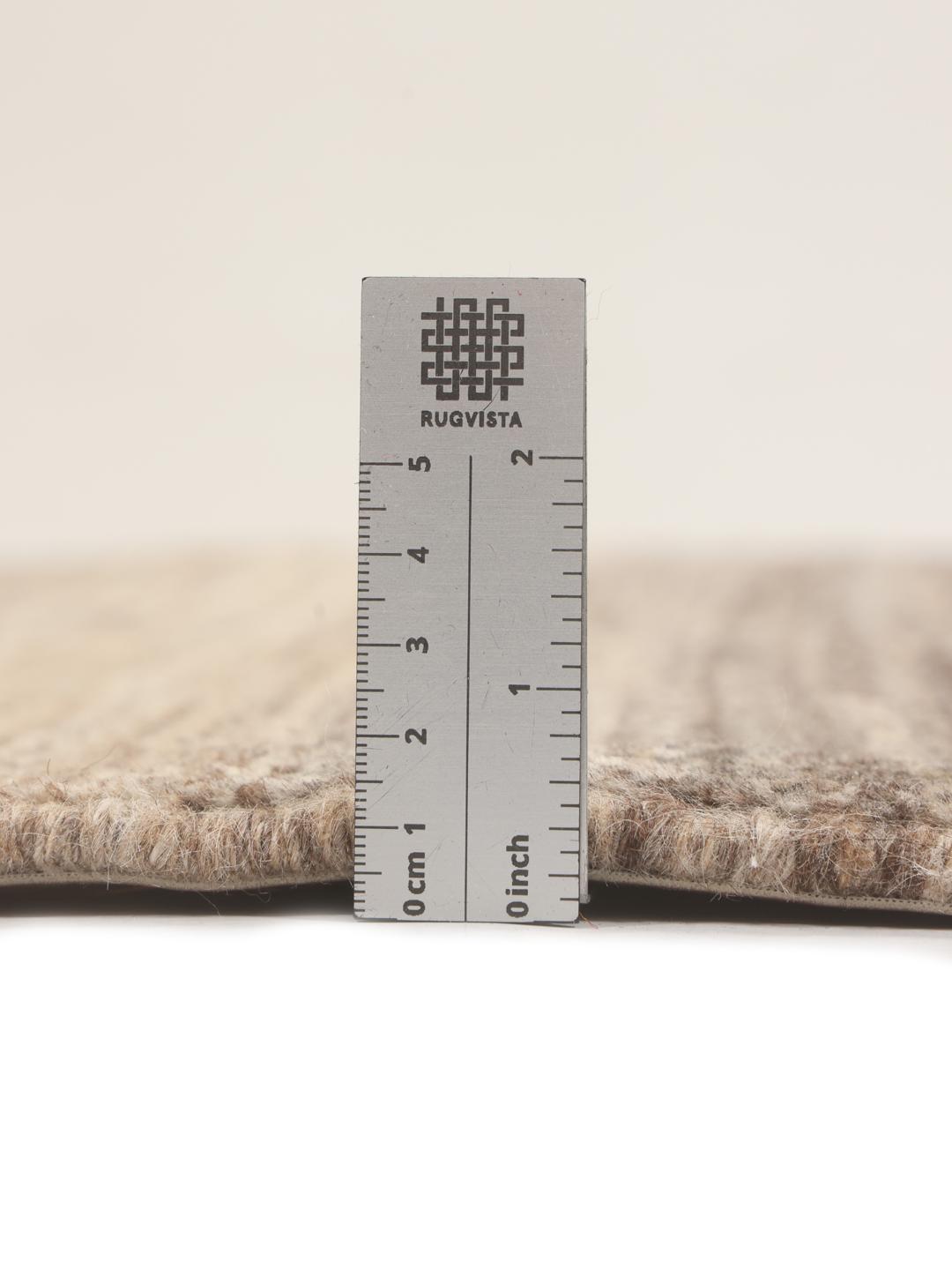
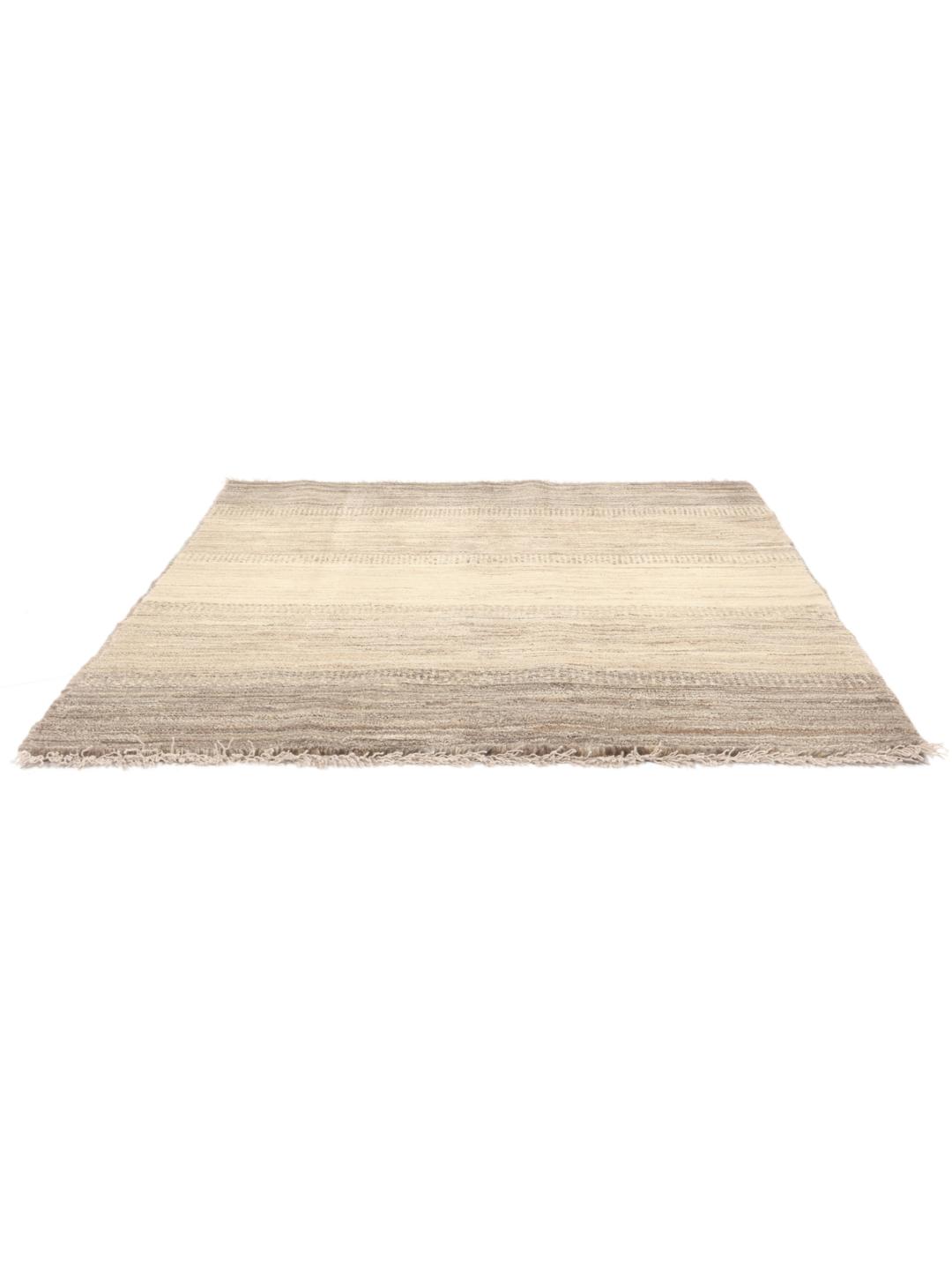
Gabbeh rugs trace their roots to the nomadic tribes of the Middle East, where they were originally woven for personal use rather than for trade. These rugs were designed to be thick and heavy to protect families from the cold, hard ground of the desert, embodying a practical approach to design that has persisted for centuries.
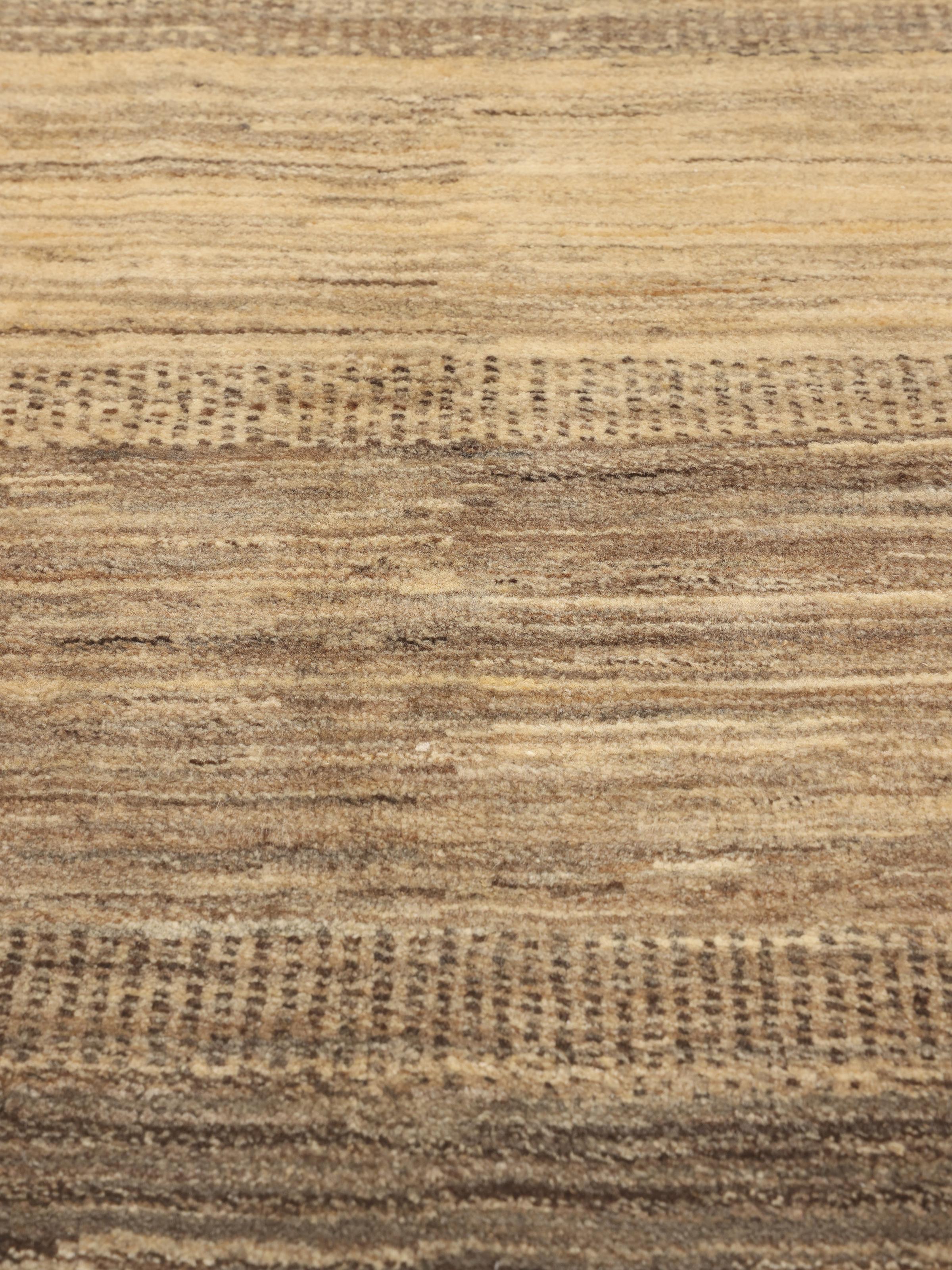
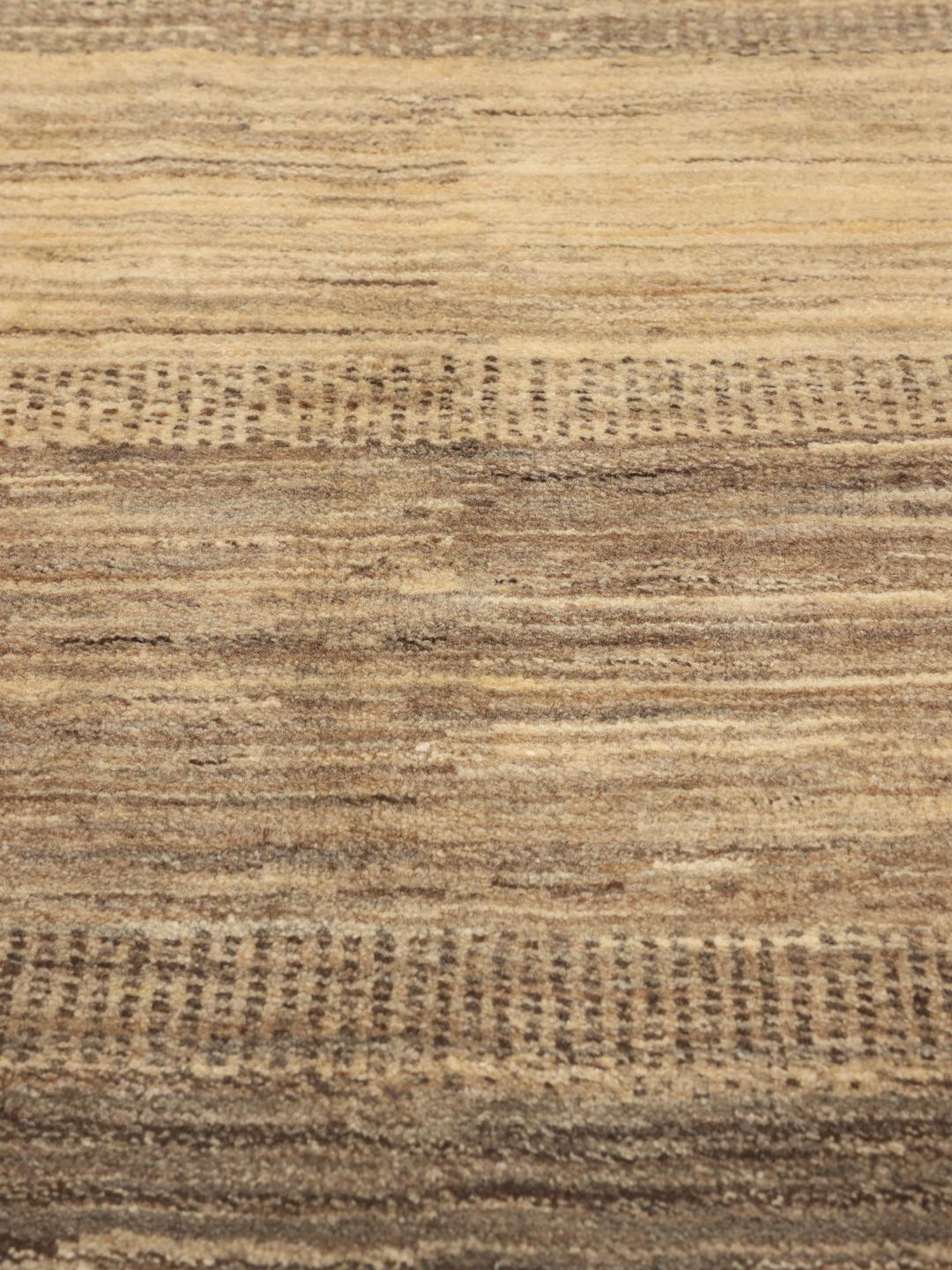
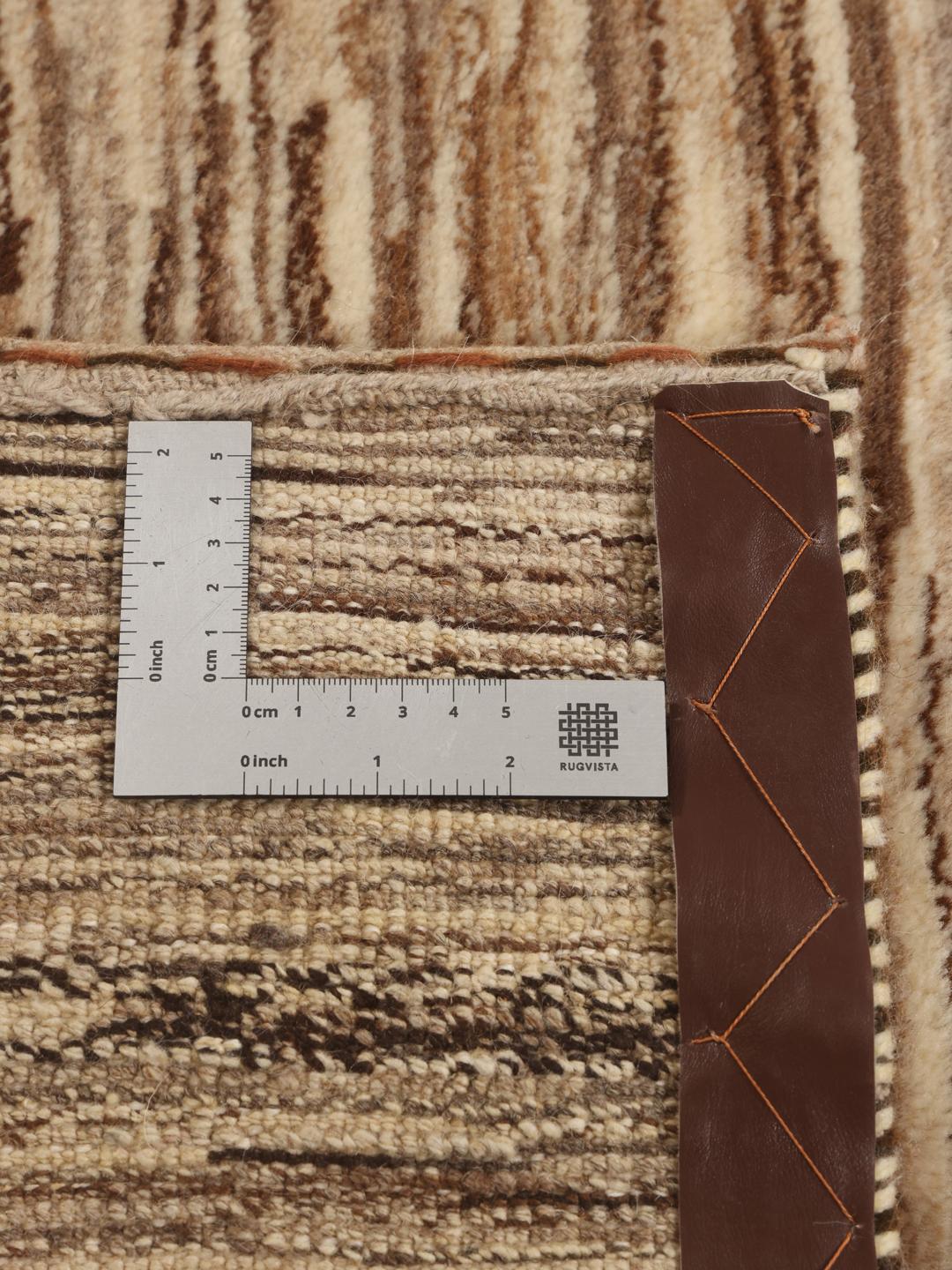
The term Shabargan refers to a specific tradition of fine, high-quality weaving that emphasises the natural character of the wool. Unlike more formal urban carpets, these rugs prioritise the tactile nature of the material, often showcasing the raw beauty of hand-spun wool and traditional dyeing methods that result in subtle, earthy variations.
Design-wise, Gabbeh rugs are celebrated for their minimalistic and abstract aesthetic. Rather than relying on complex, pre-planned floral or geometric patterns, the weavers often express their surroundings, emotions, or local legends through simple, bold blocks of colour and occasional stylised motifs, making every rug a personal narrative.
Collecting a Gabbeh rug is an invitation to own a piece of cultural heritage that values individual expression over mass reproduction. These rugs are highly regarded for their honest construction and the deep connection they maintain to the ancestral craft traditions of the Middle East, serving as a bridge between ancient nomadic life and the modern home.