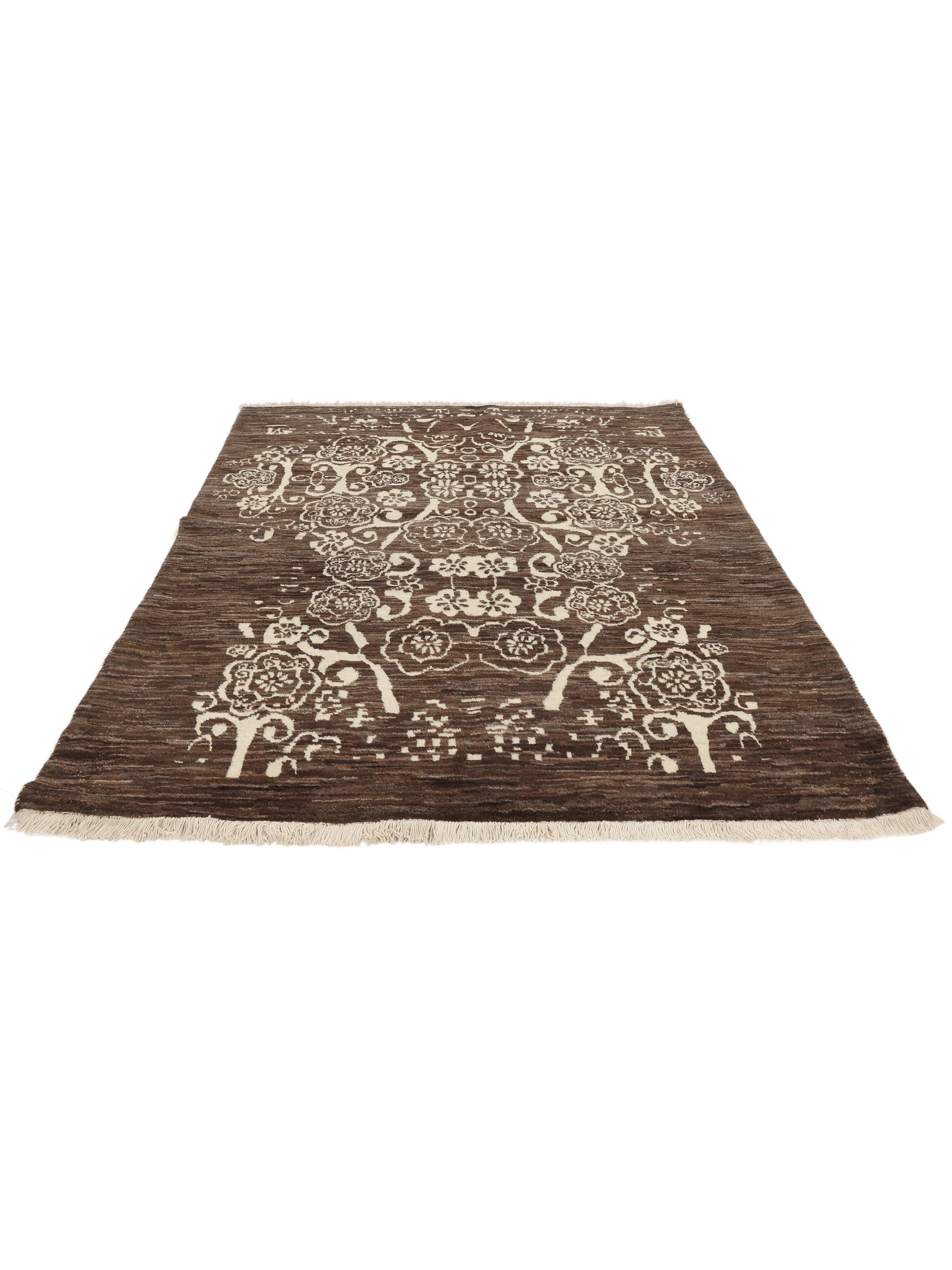
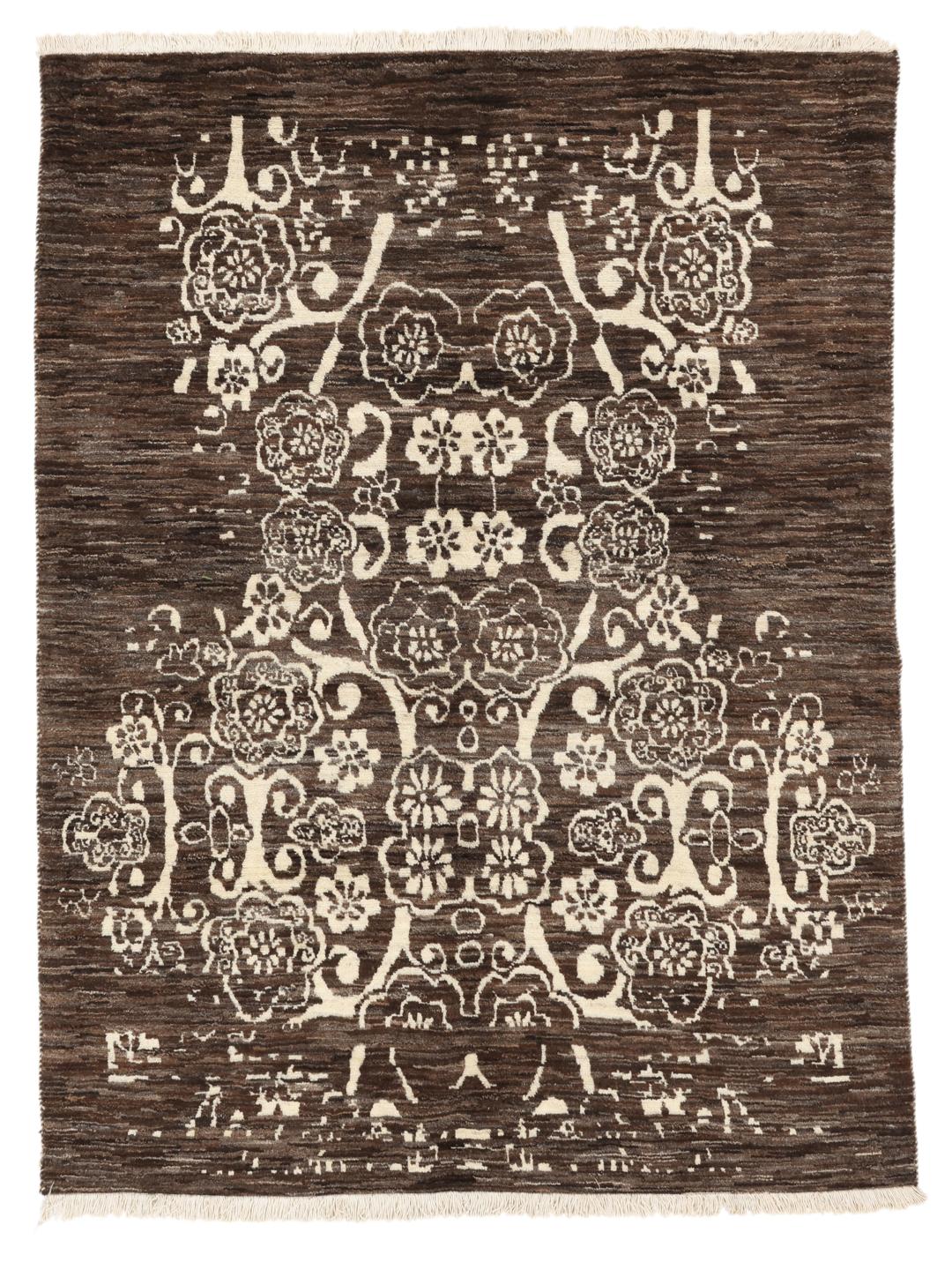
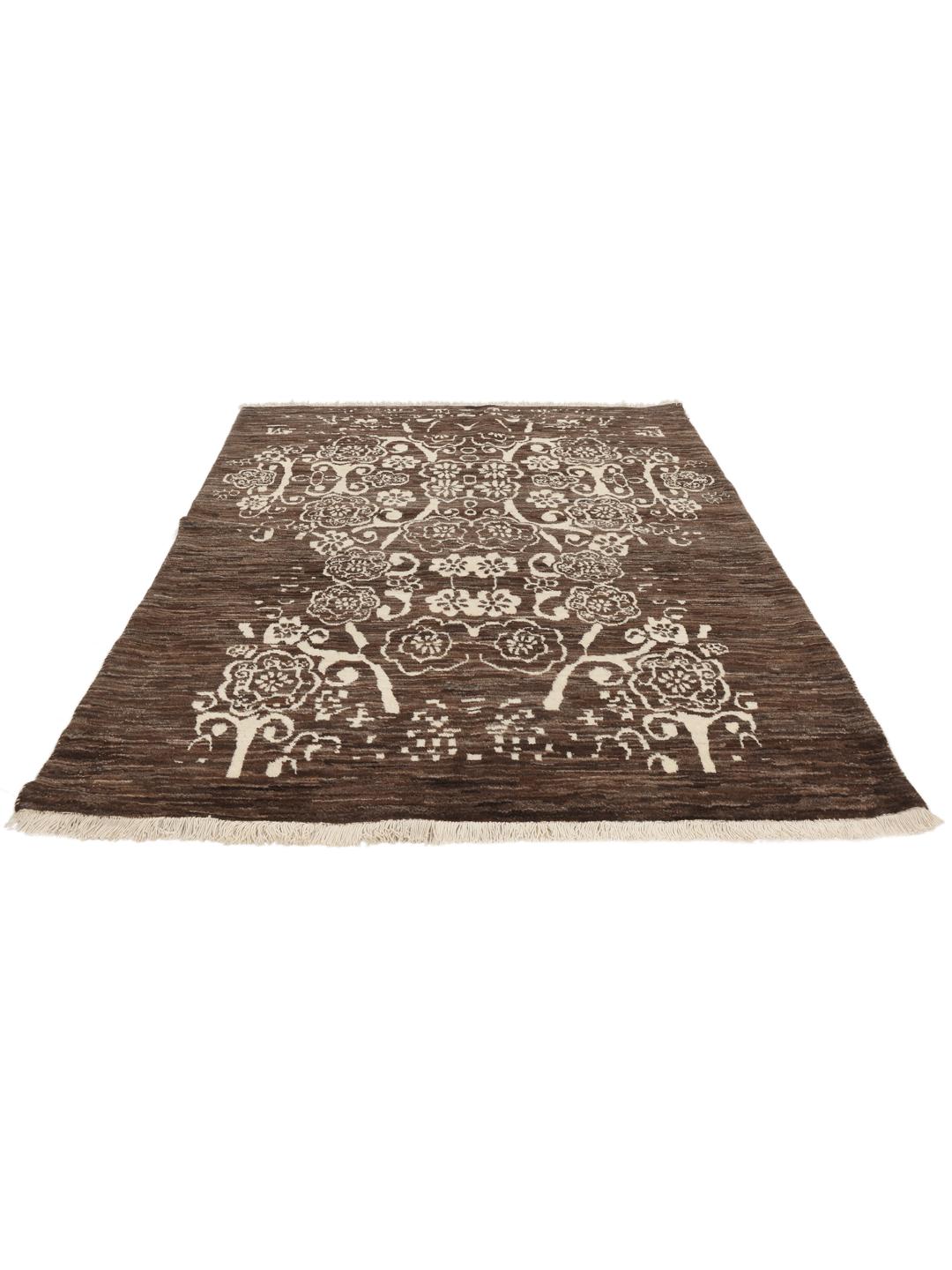
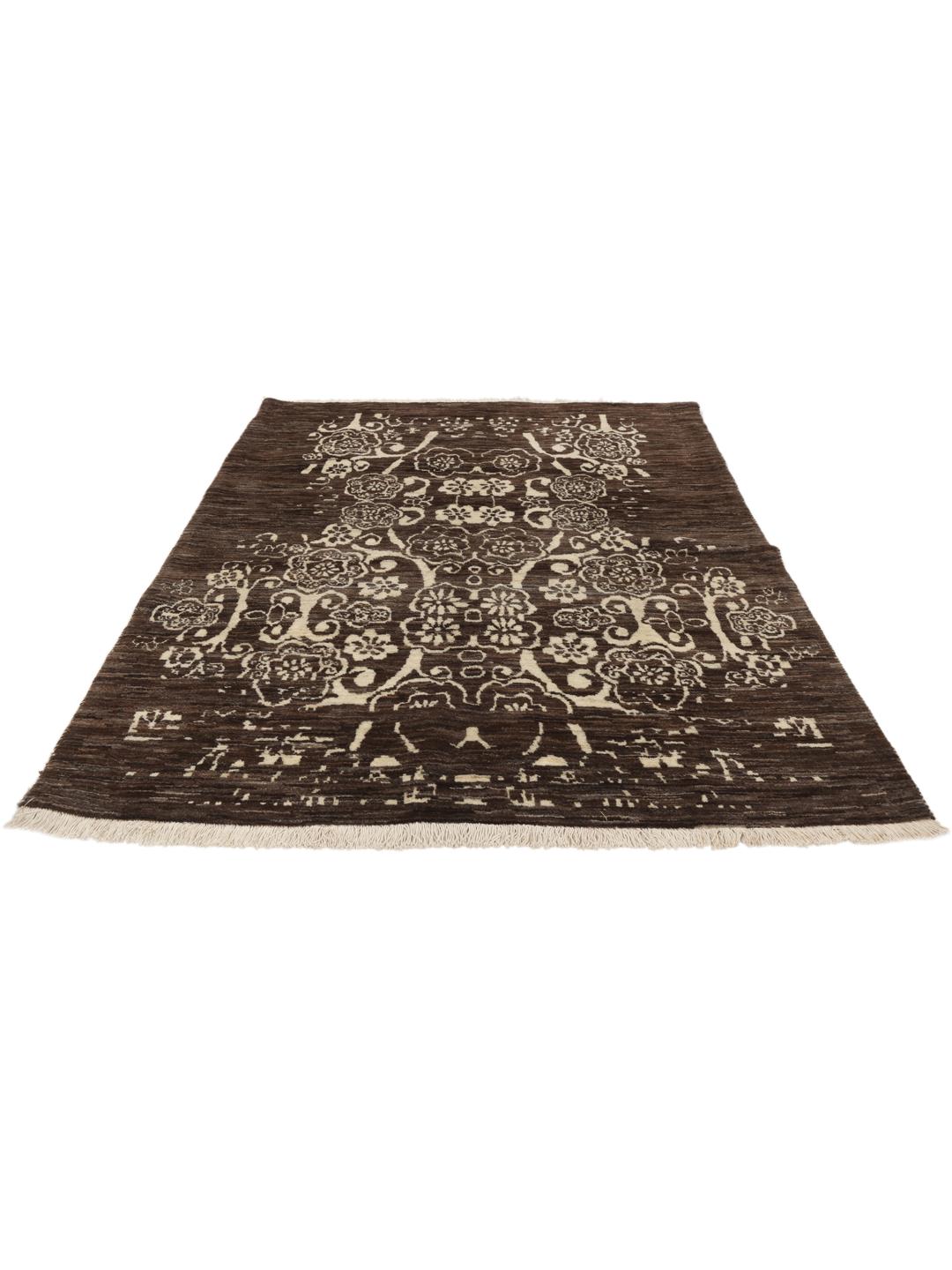
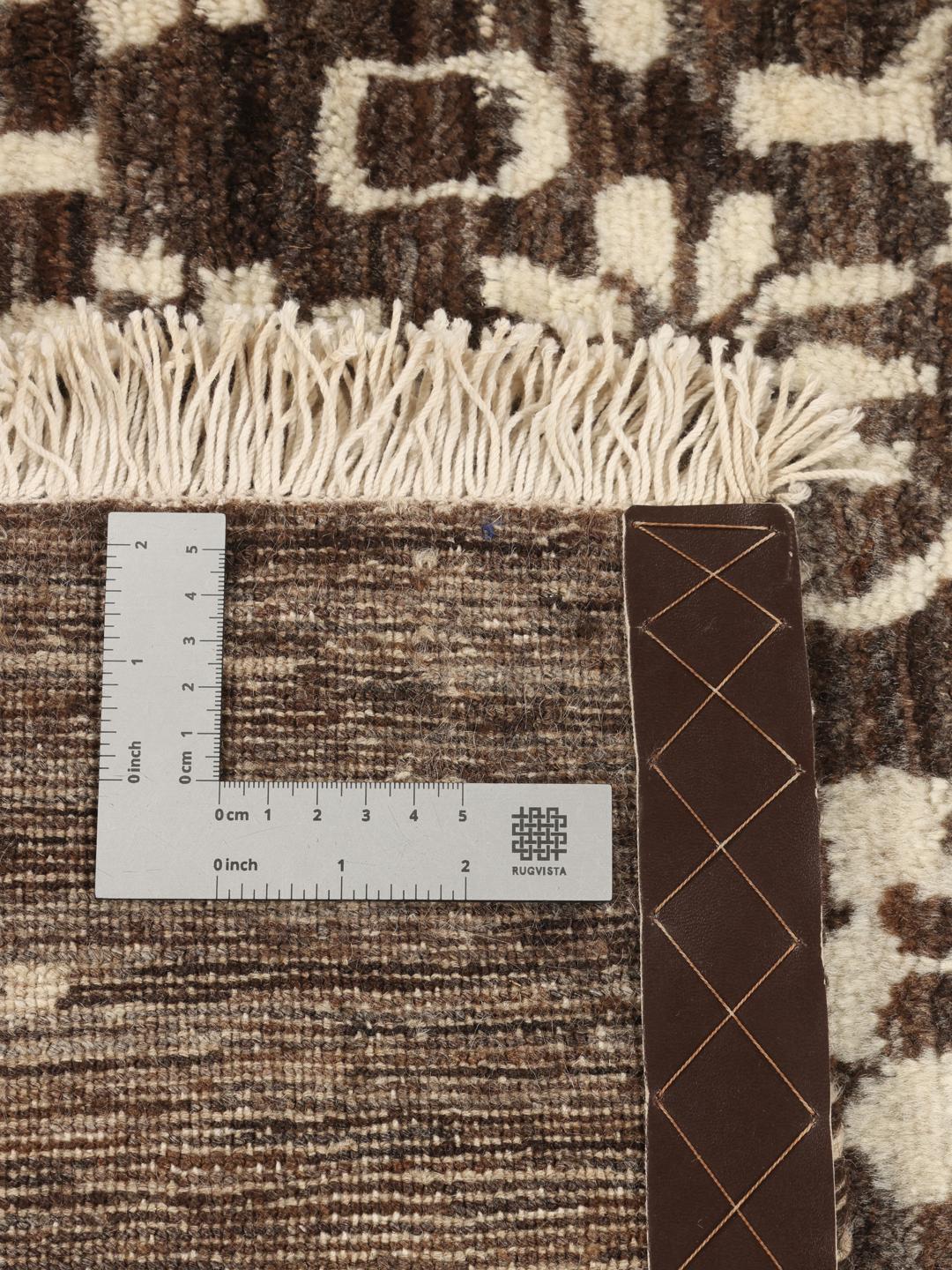
Gabbeh rugs originate from the nomadic tribes of the Middle East, specifically the Ghashgai people. Historically, these rugs were woven for personal use within the family tent, serving as essential bedding and floor coverings that provided necessary insulation against the harsh desert climate.
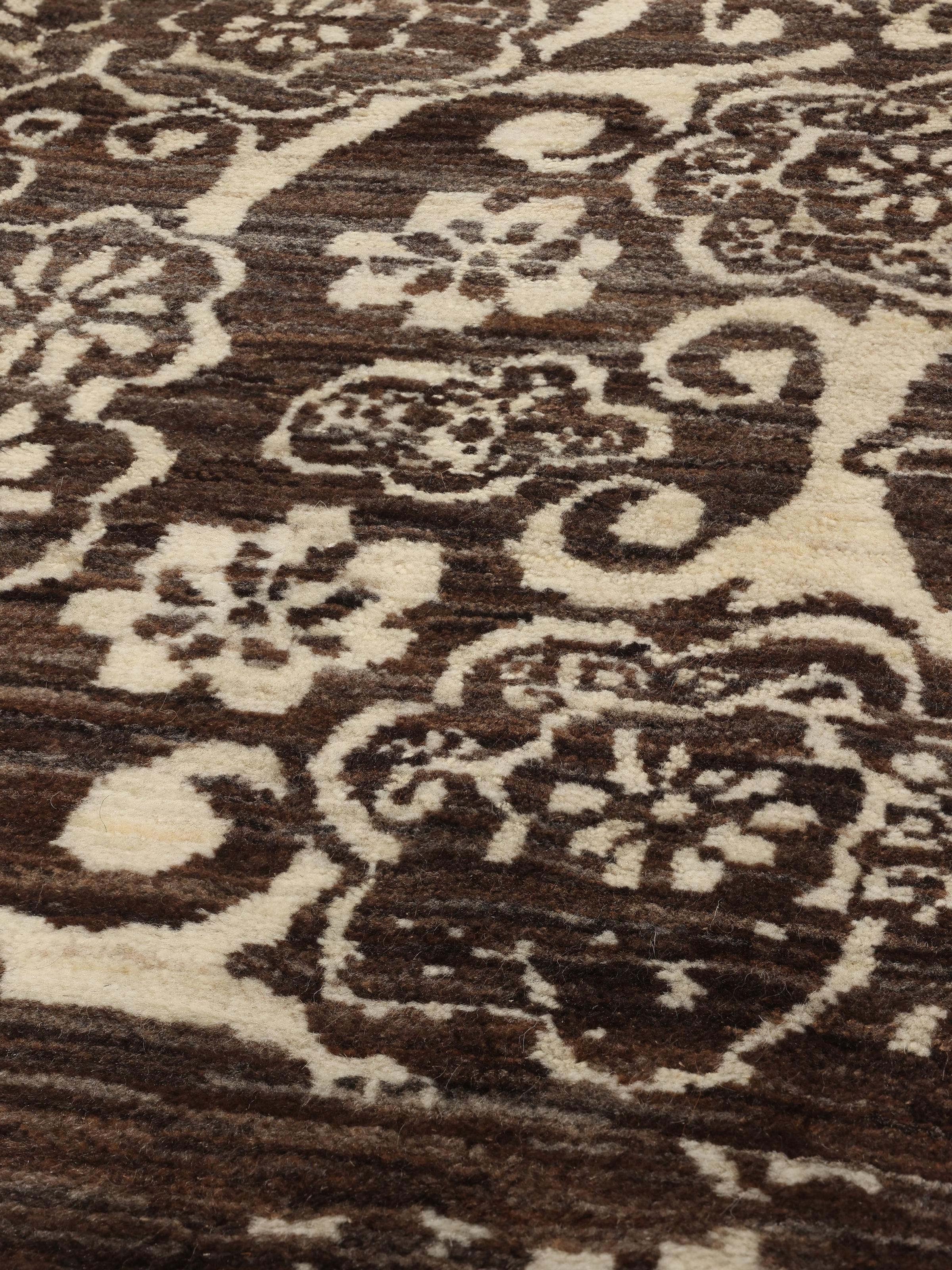
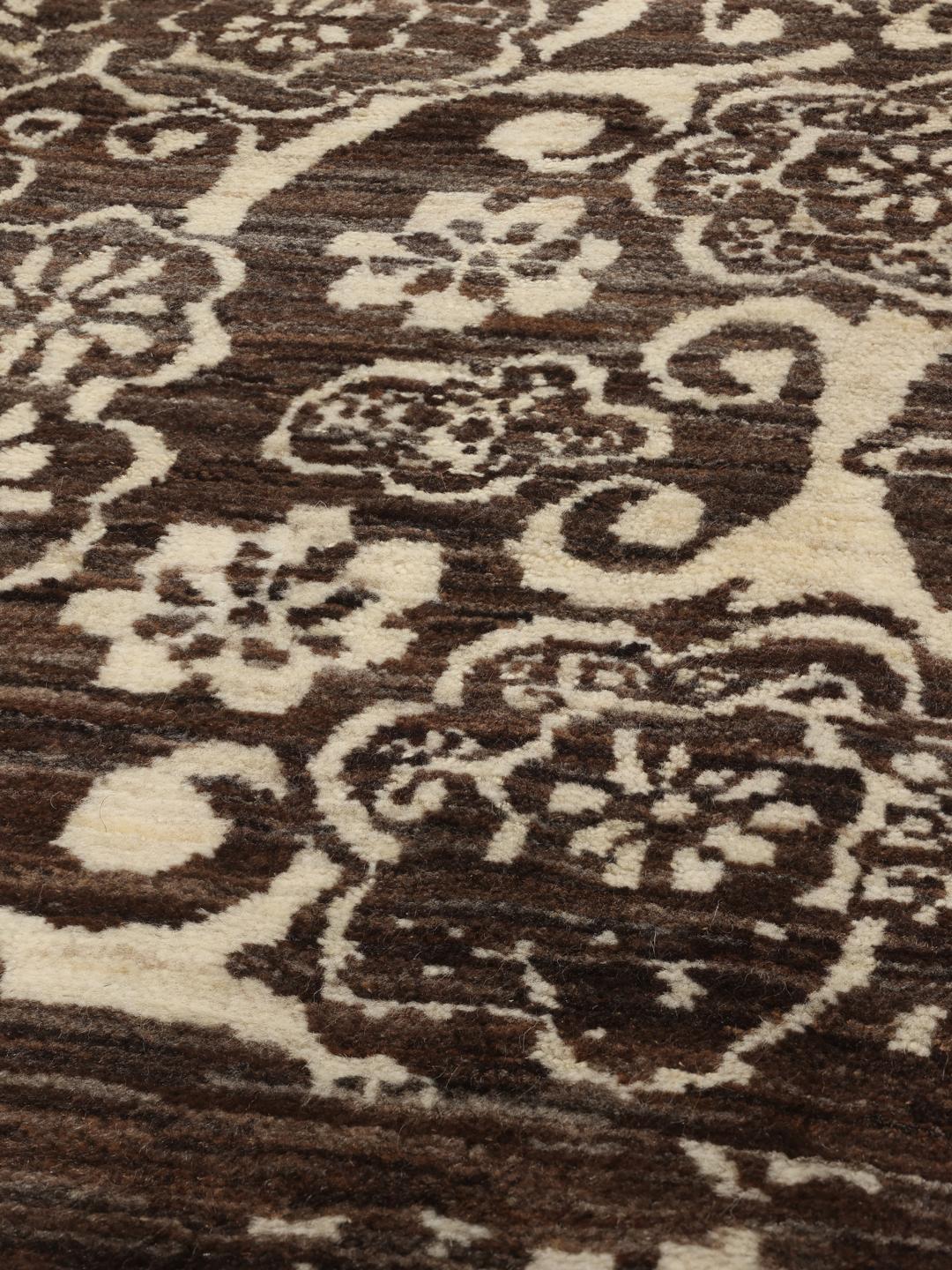
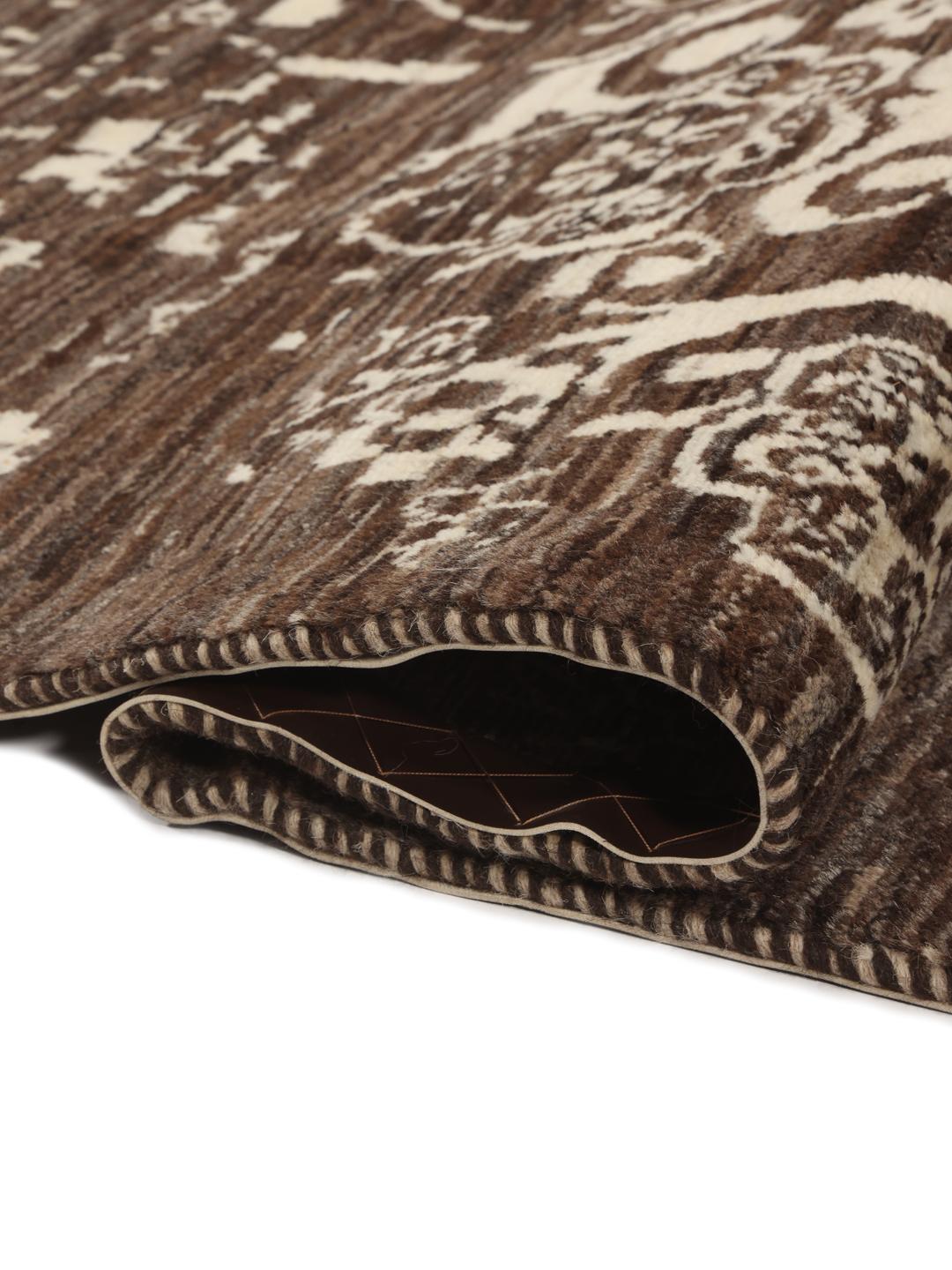
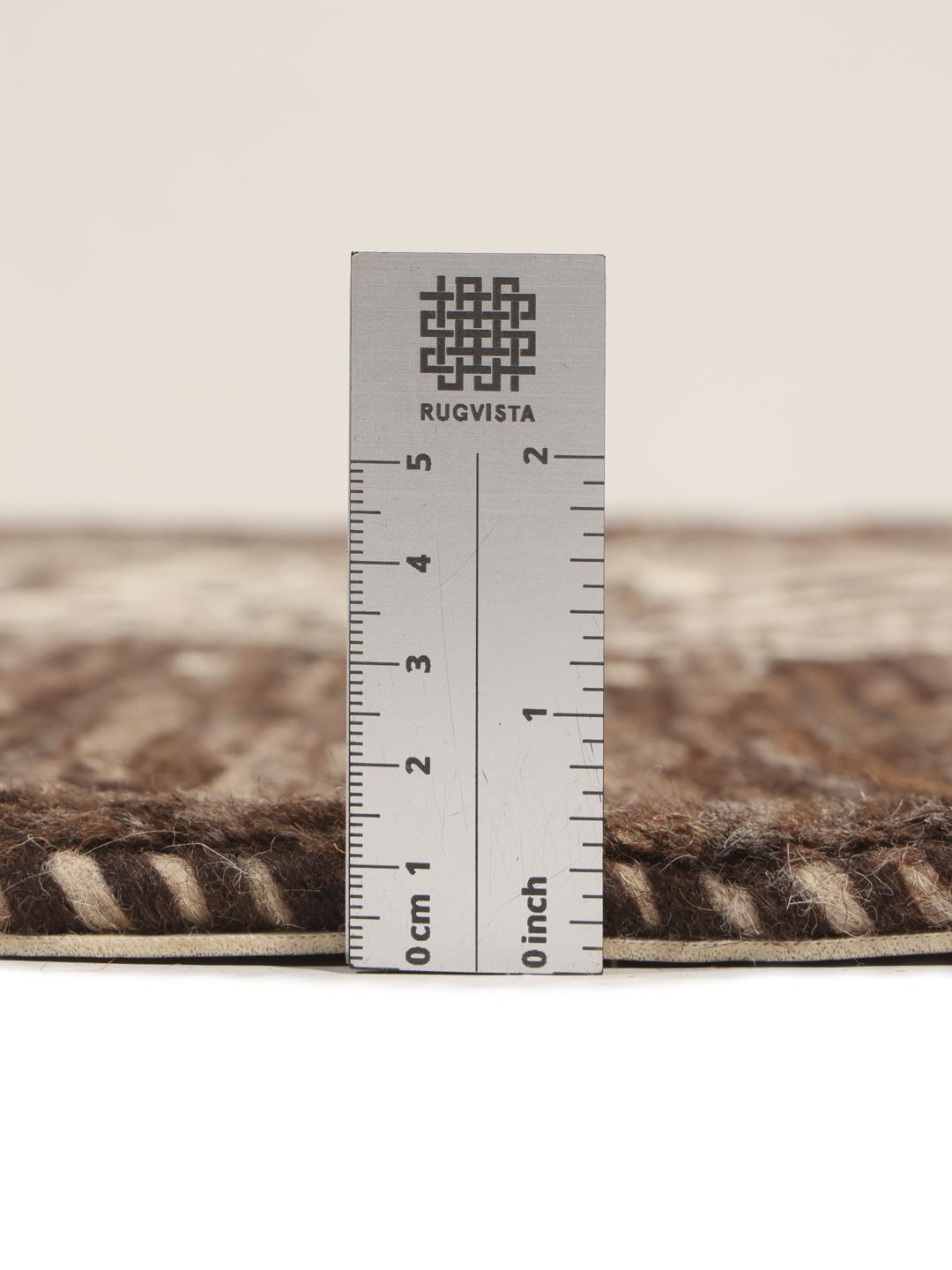
The term Gabbeh itself means raw, natural, or unclipped, which speaks to the traditional, thicker pile that characterises these pieces. Unlike formal city rugs that follow strict, symmetrical patterns, the Gabbeh has always been a canvas for the weaver’s own creative expression and daily life.
The signature design elements often feature simplified, stylised motifs including floral shapes, animals, or geometric representations of the landscape. The use of natural, earthy colours is a hallmark of the tradition, relying on simple dyes to create a look that is both rustic and sophisticated.
Today, these rugs are highly valued by collectors for their authentic connection to nomadic history and their artistic freedom. Owning a Gabbeh is not just about floor decor; it is about preserving a piece of cultural heritage that celebrates the skill and storytelling of generations of weavers.