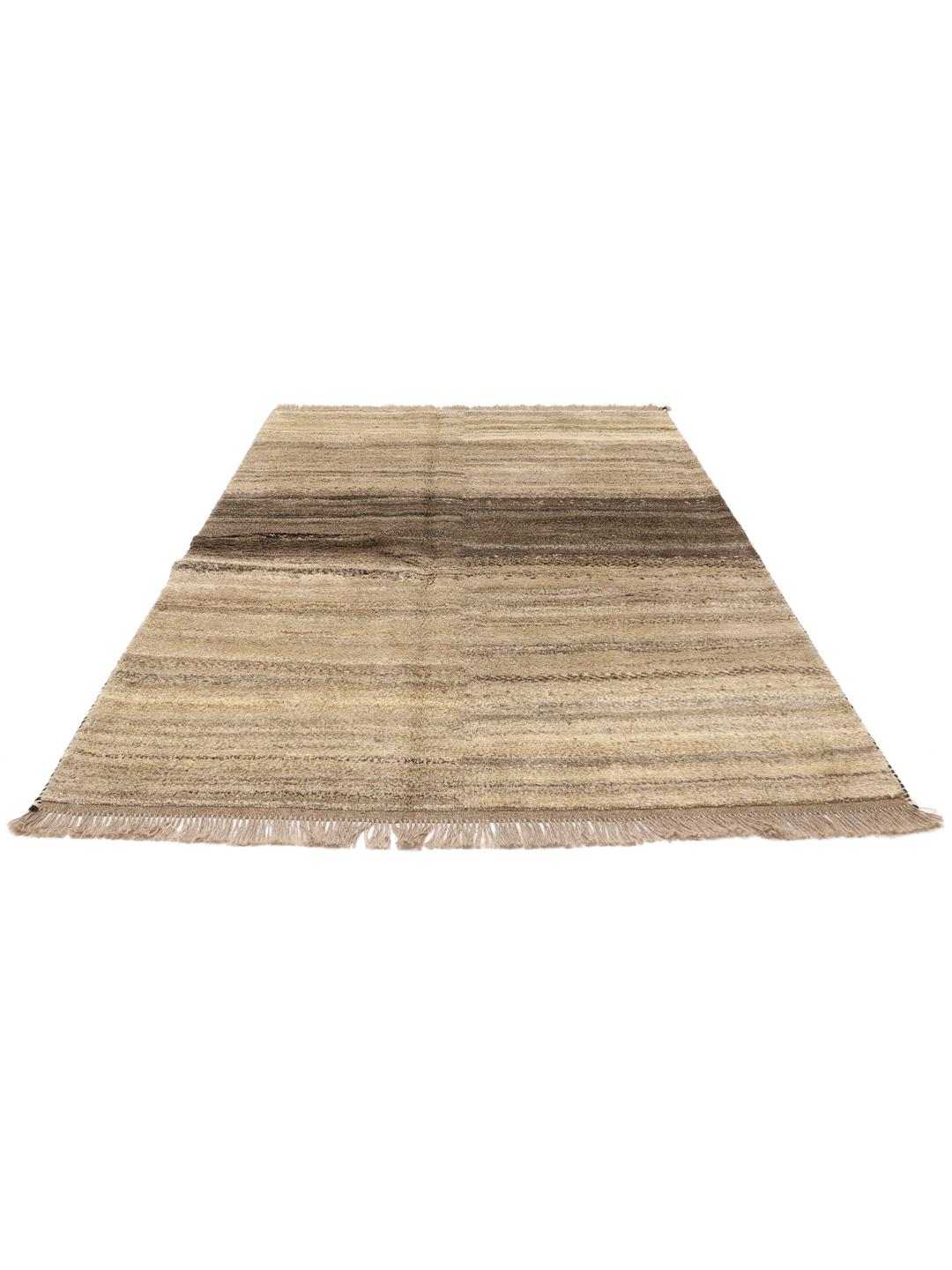
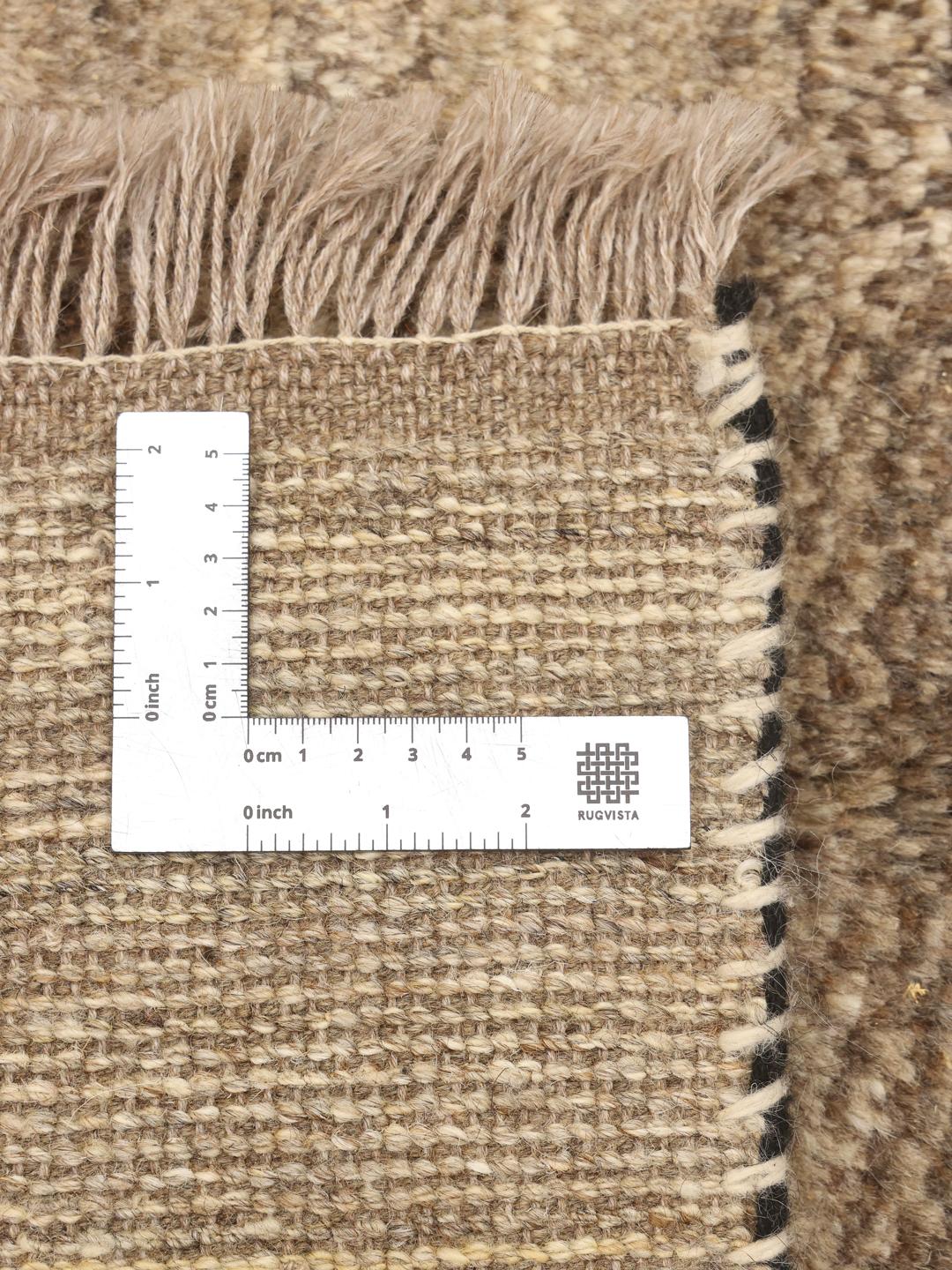
The Gabbeh tradition represents one of the most honest and expressive forms of weaving from the Middle East. Originally crafted by nomadic tribes for their own domestic use, these rugs were designed to be durable, warm, and comfortable. They were never intended for commercial sale, which allowed the weavers to focus entirely on their own creativity, often incorporating personal narratives and symbols into the patterns.
The term 'Gabbeh' itself translates to 'raw', 'natural', or 'unclipped', reflecting the simplicity and authenticity of these pieces. Unlike formal city rugs that follow rigid, pre-planned cartoons, Gabbeh rugs are often woven from memory and intuition. This freedom of design is what gives each piece its spontaneous and organic feel, making them highly prized by those who value individuality over mass production.
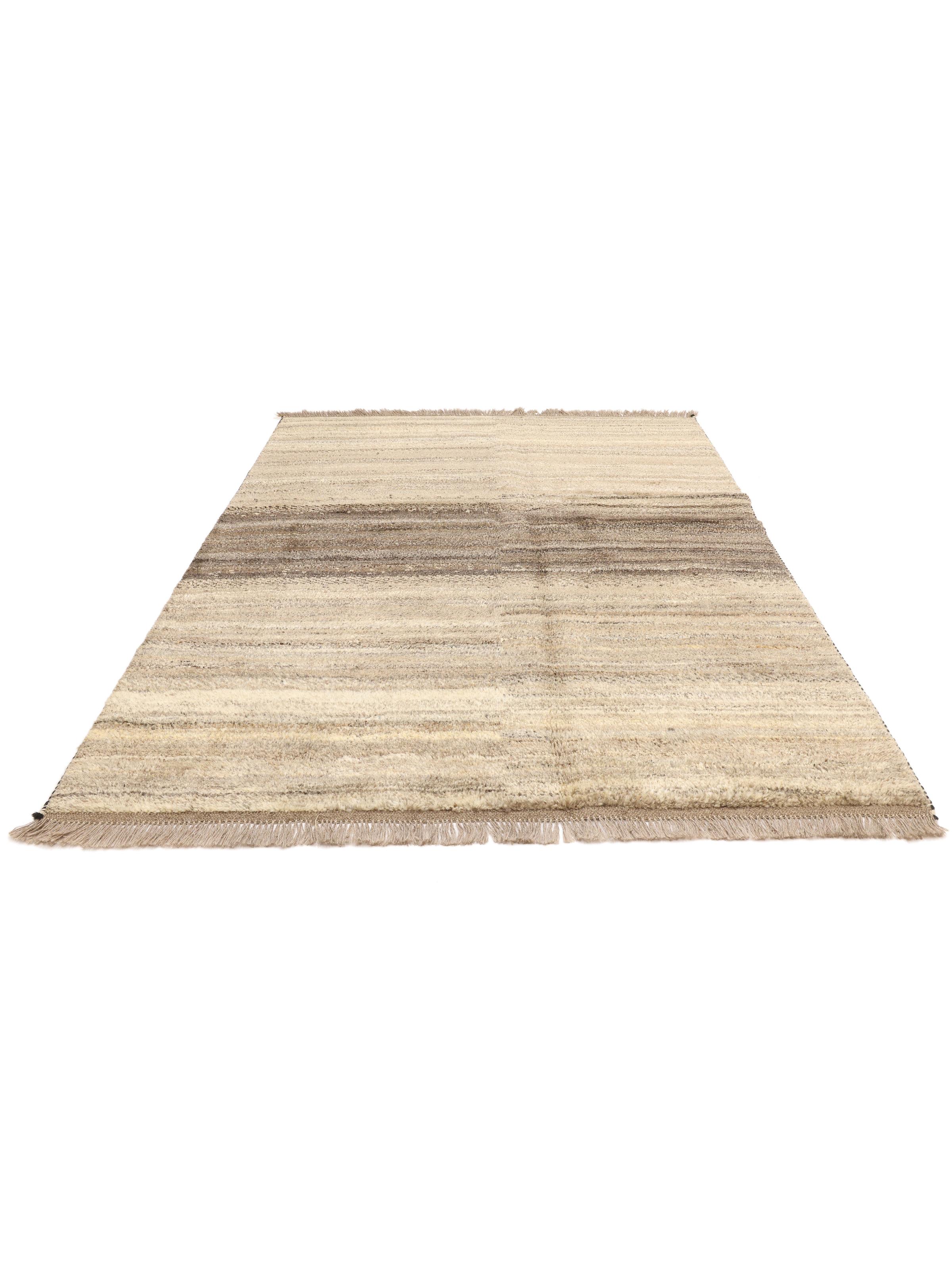
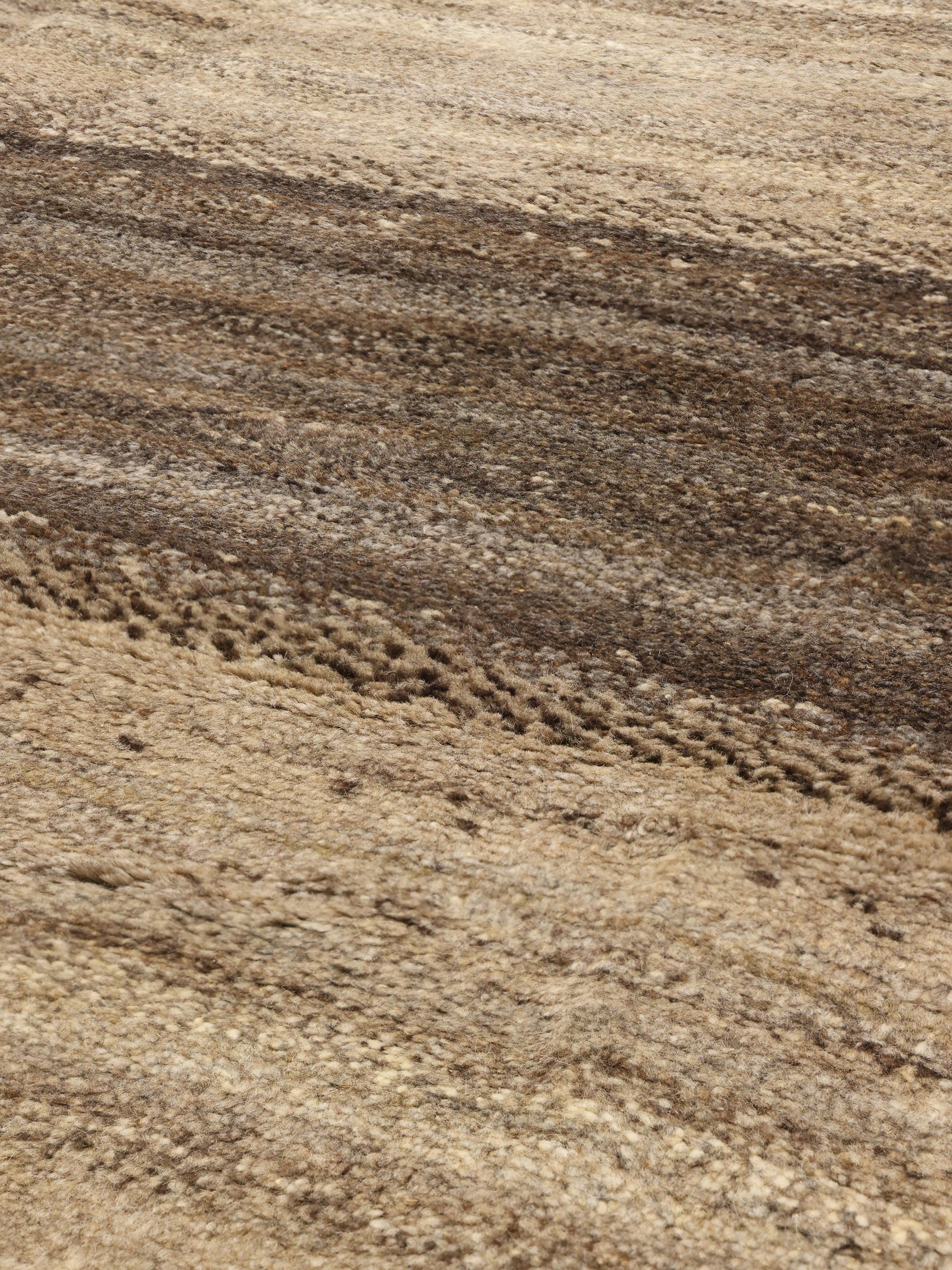
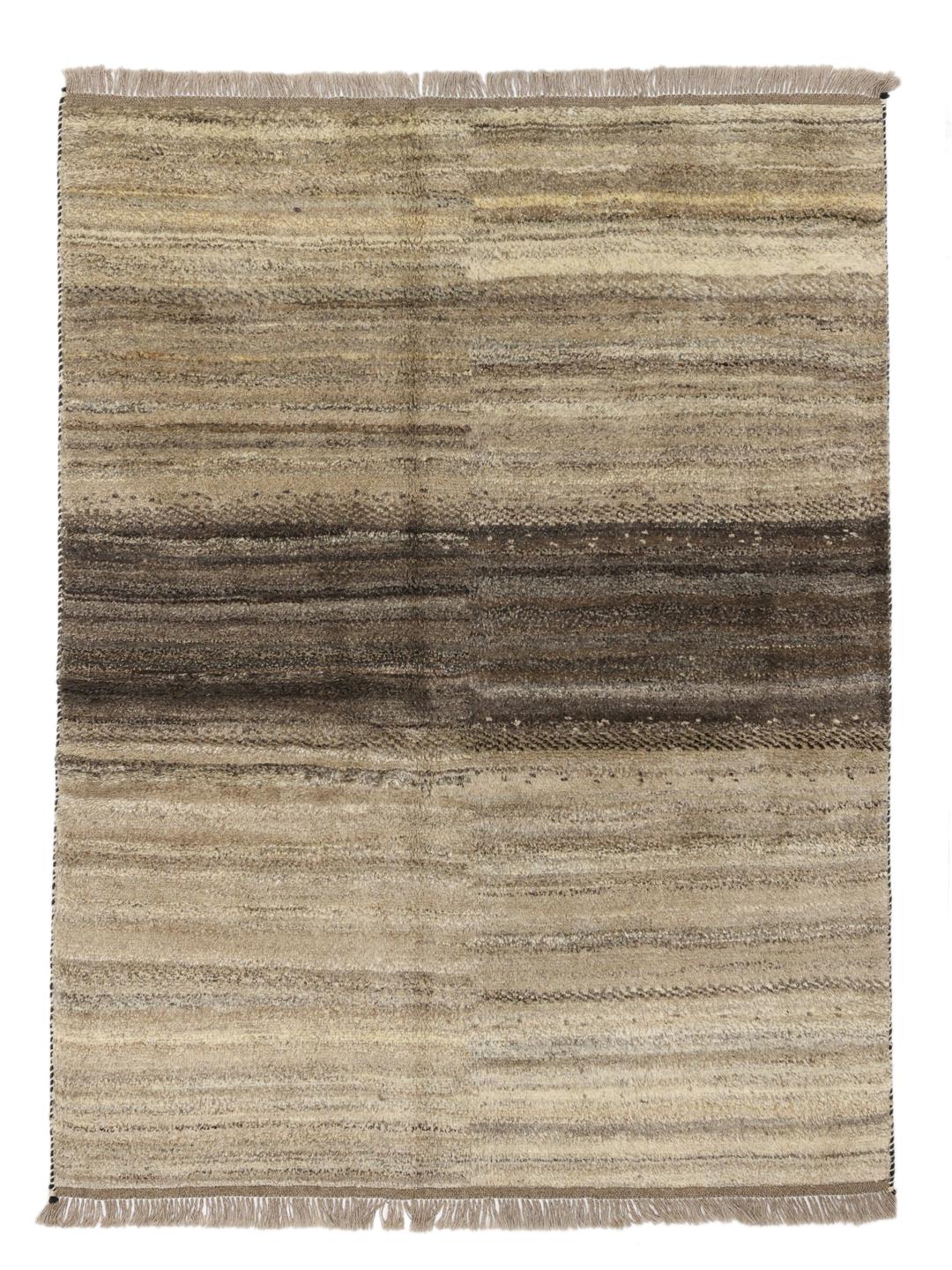
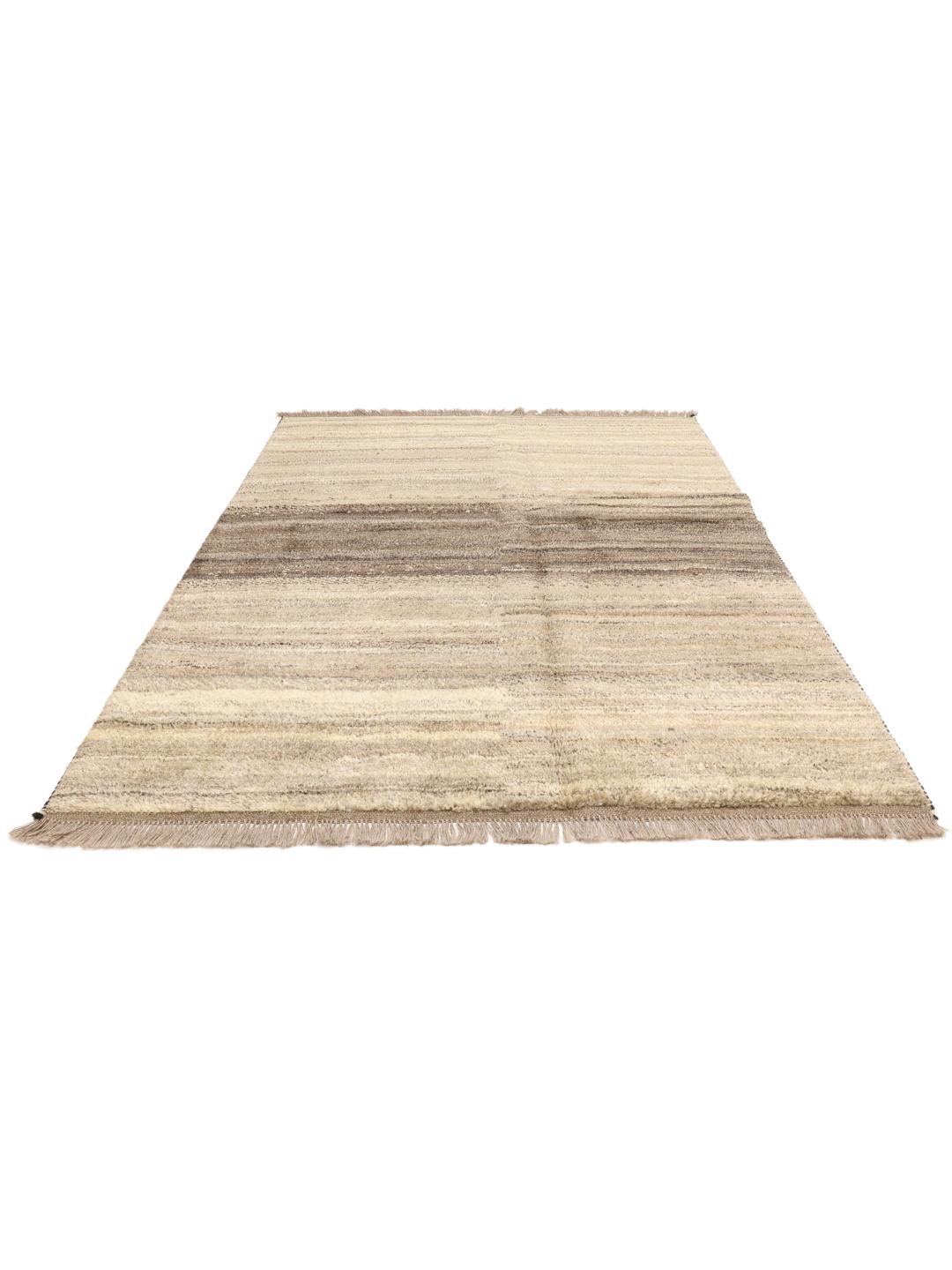
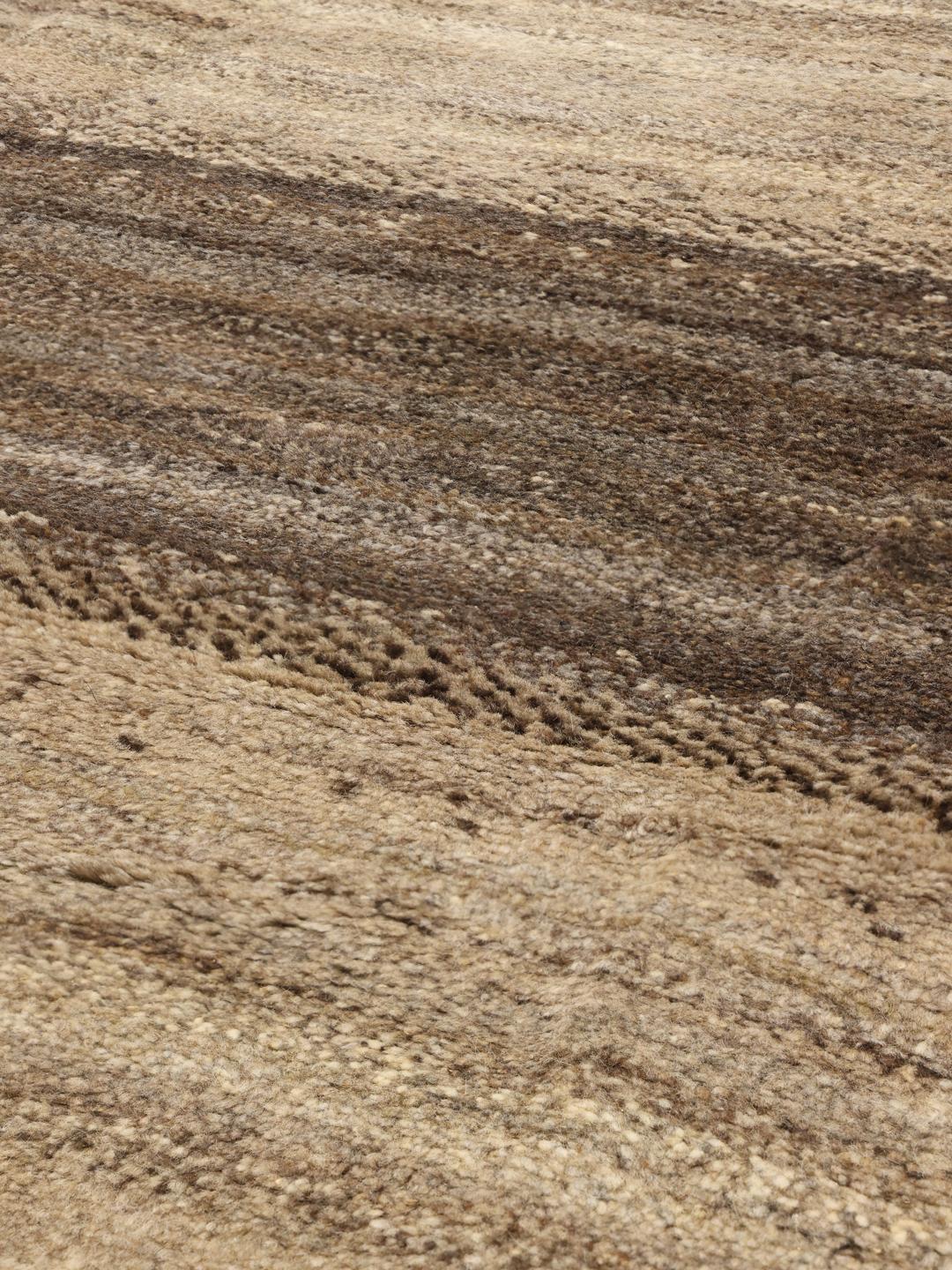
Visually, these rugs are defined by their minimalist aesthetic and use of natural, undyed wool colours. They often feature large, open fields of colour or simple, bold geometric motifs. The use of varied, earthy tones—ranging from deep browns to soft creams—is achieved through the use of natural dyes, which develop a beautiful, muted patina as the years pass, further enhancing the rug's character.
Today, owning a Gabbeh rug is about more than just decoration. It is about connecting with a long-standing tradition of nomadic artistry that prioritises human connection and natural materials. Collectors value these pieces for their authenticity and the skill involved in their creation, viewing them as essential elements in a home that celebrates warmth, heritage, and the beauty of the handmade.