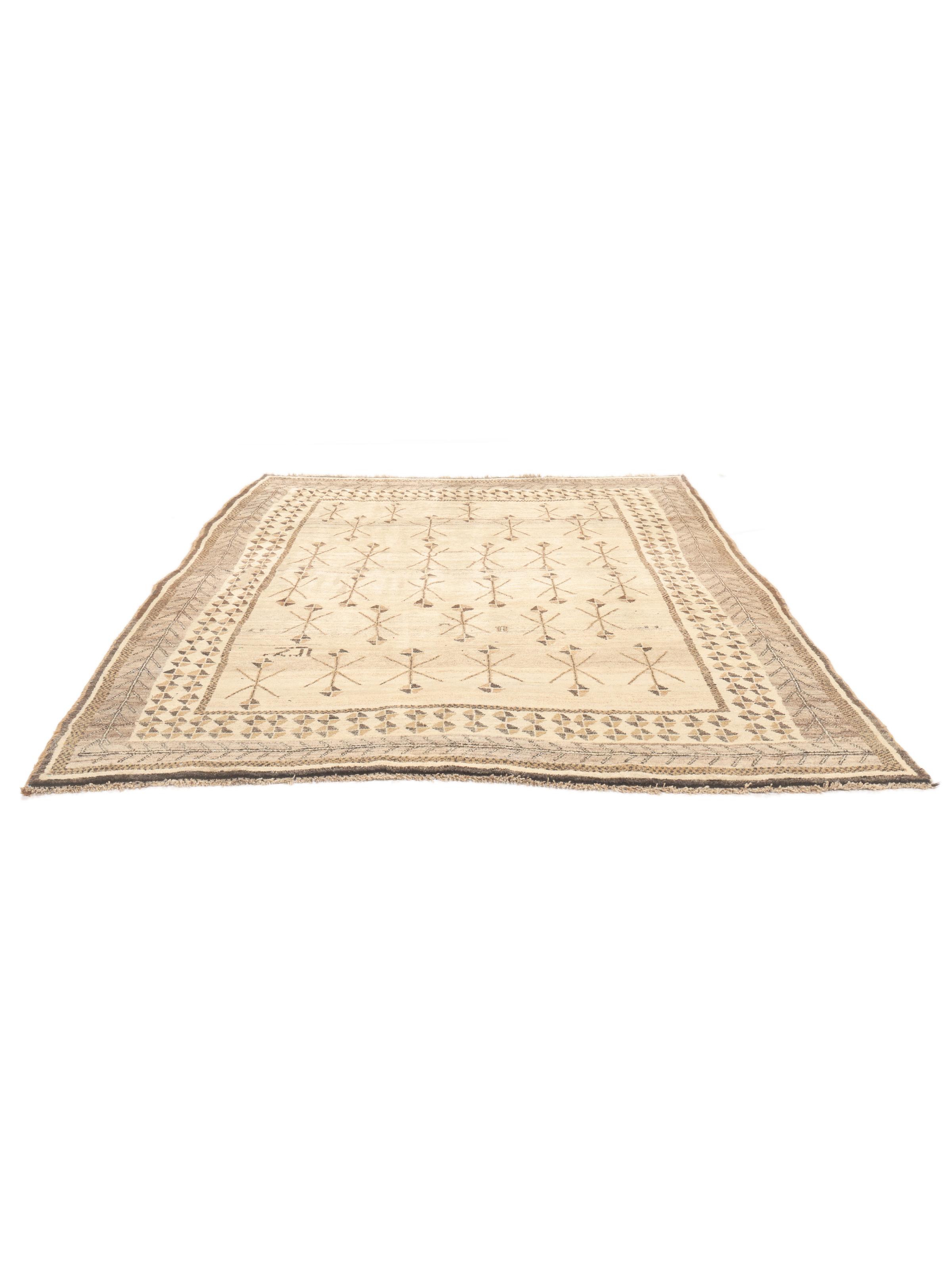
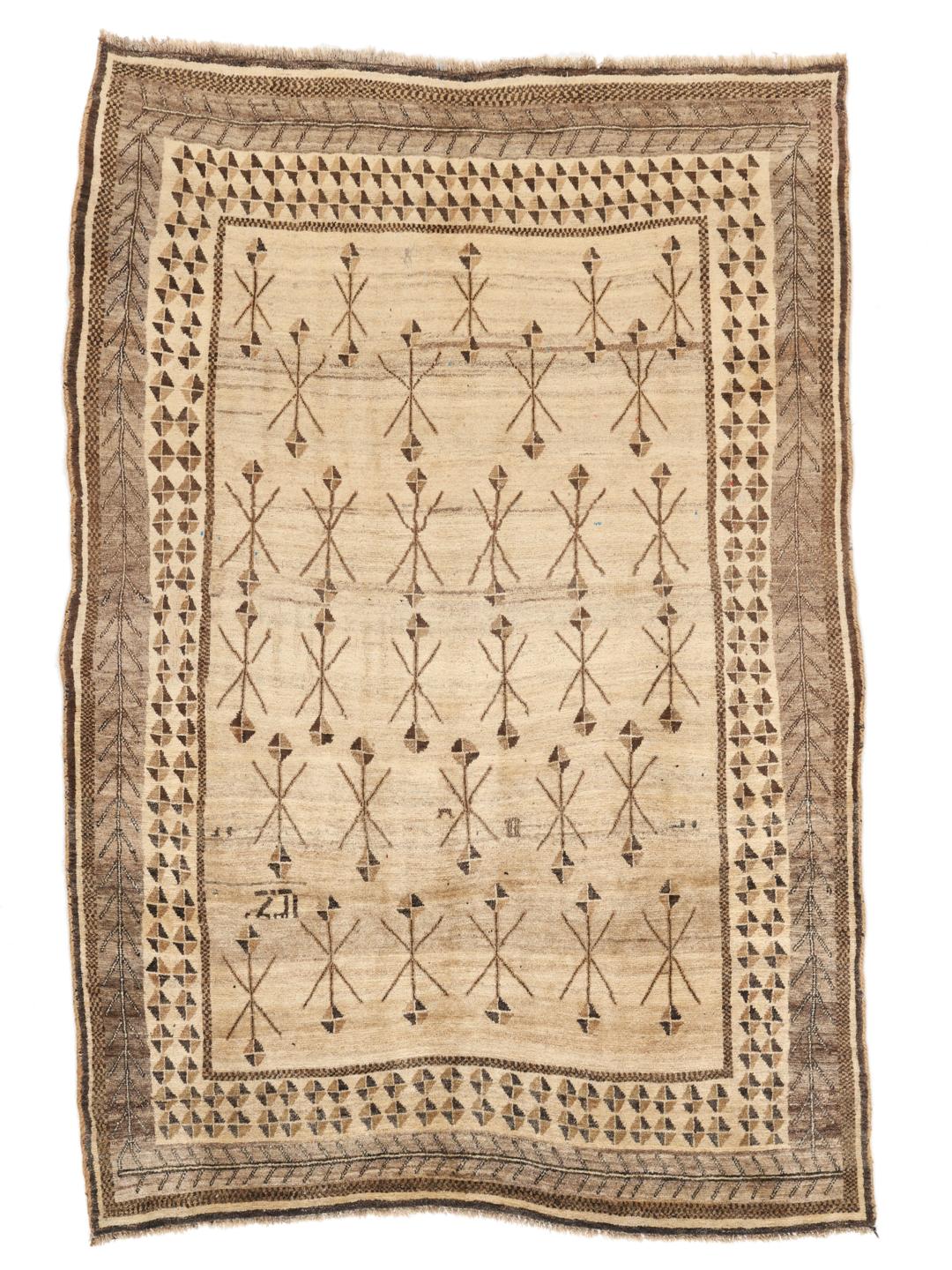
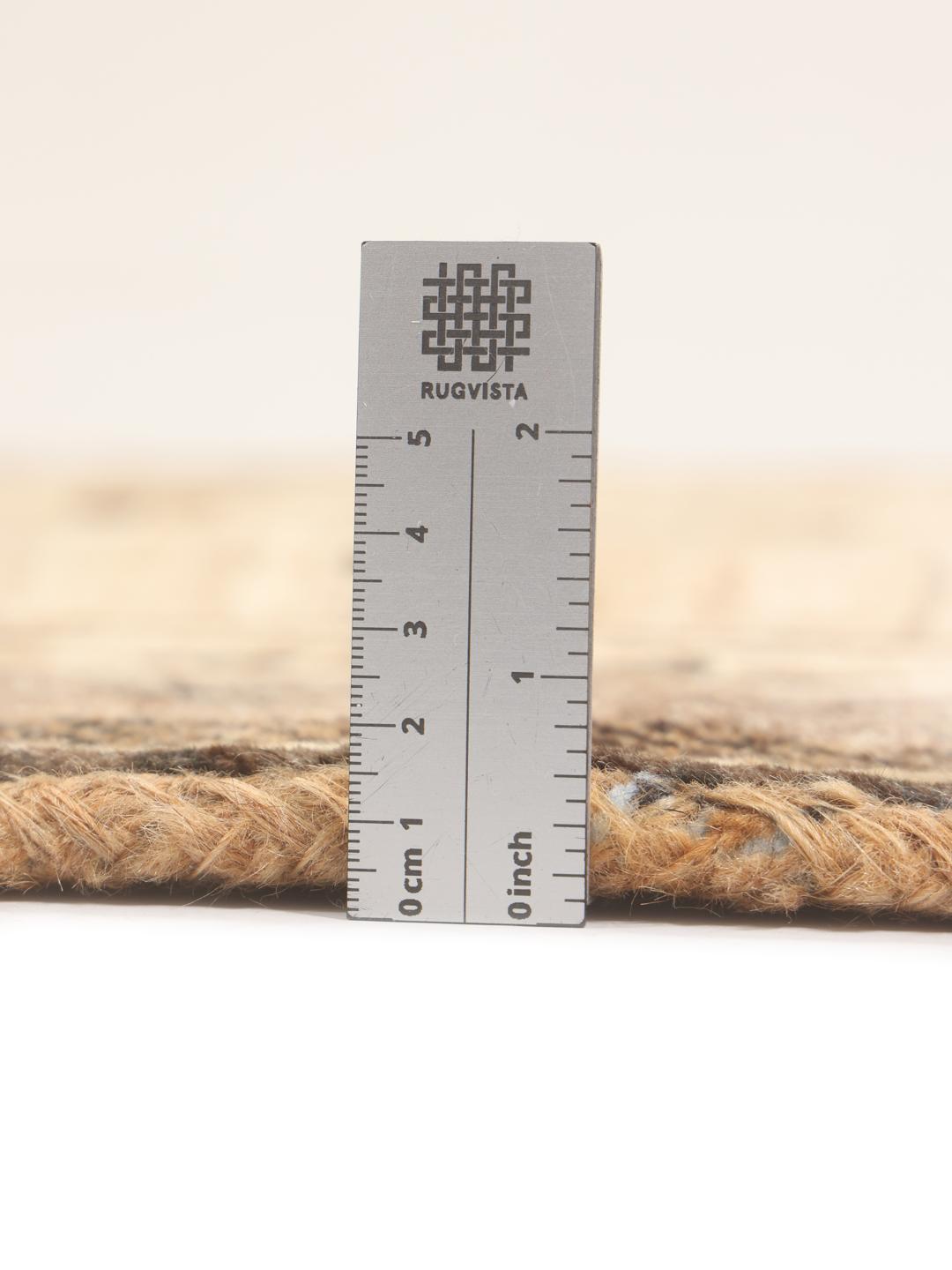
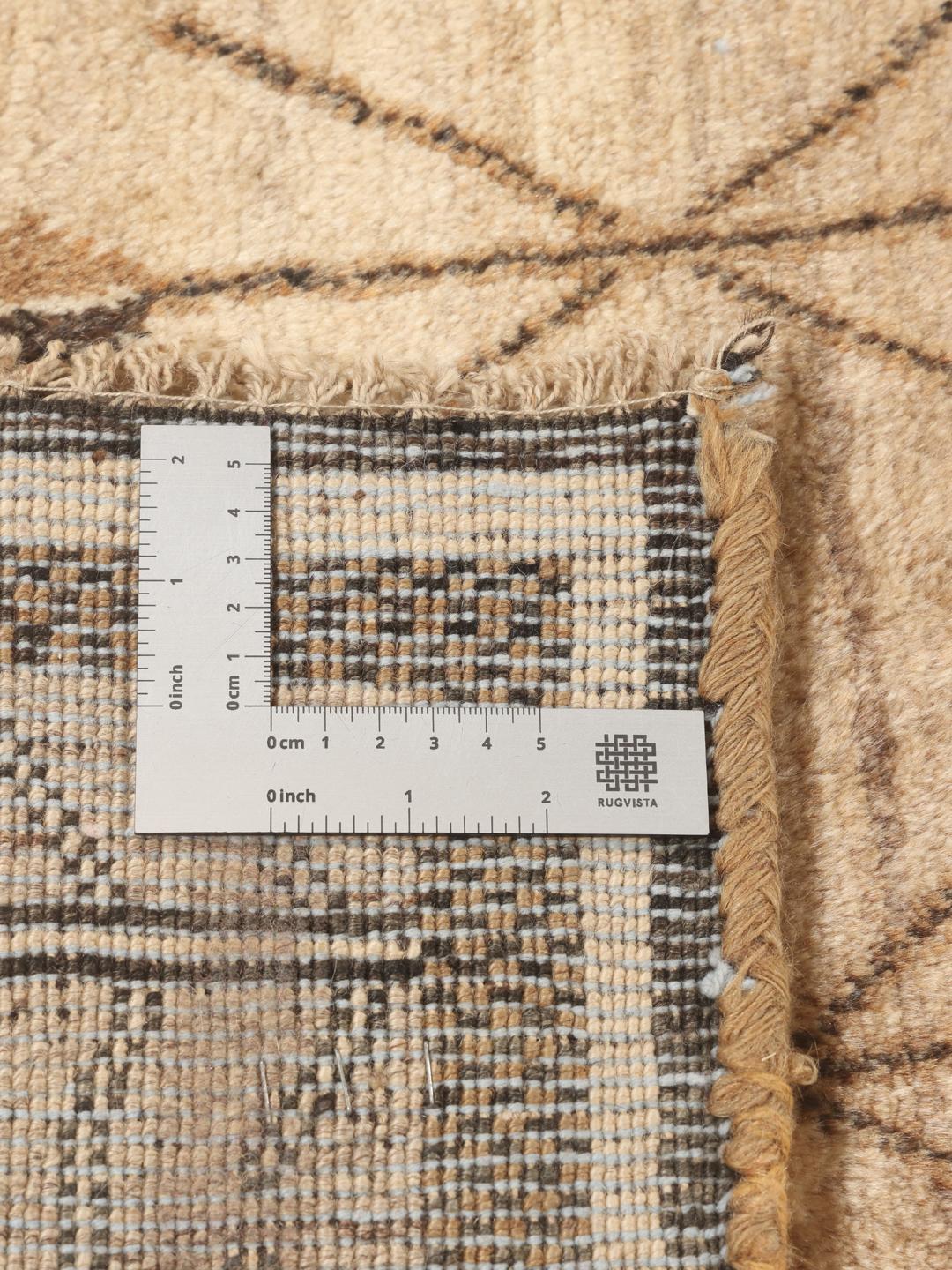
The Gabbeh rug tradition originates from the nomadic tribes of the Middle East, particularly the Qashqai people. Historically, these rugs were woven for personal use rather than for trade, intended to provide warmth and insulation in the harsh, variable climates of the high plateaus. This utilitarian origin is why they are celebrated today for their thick, plush pile and honest, straightforward construction.
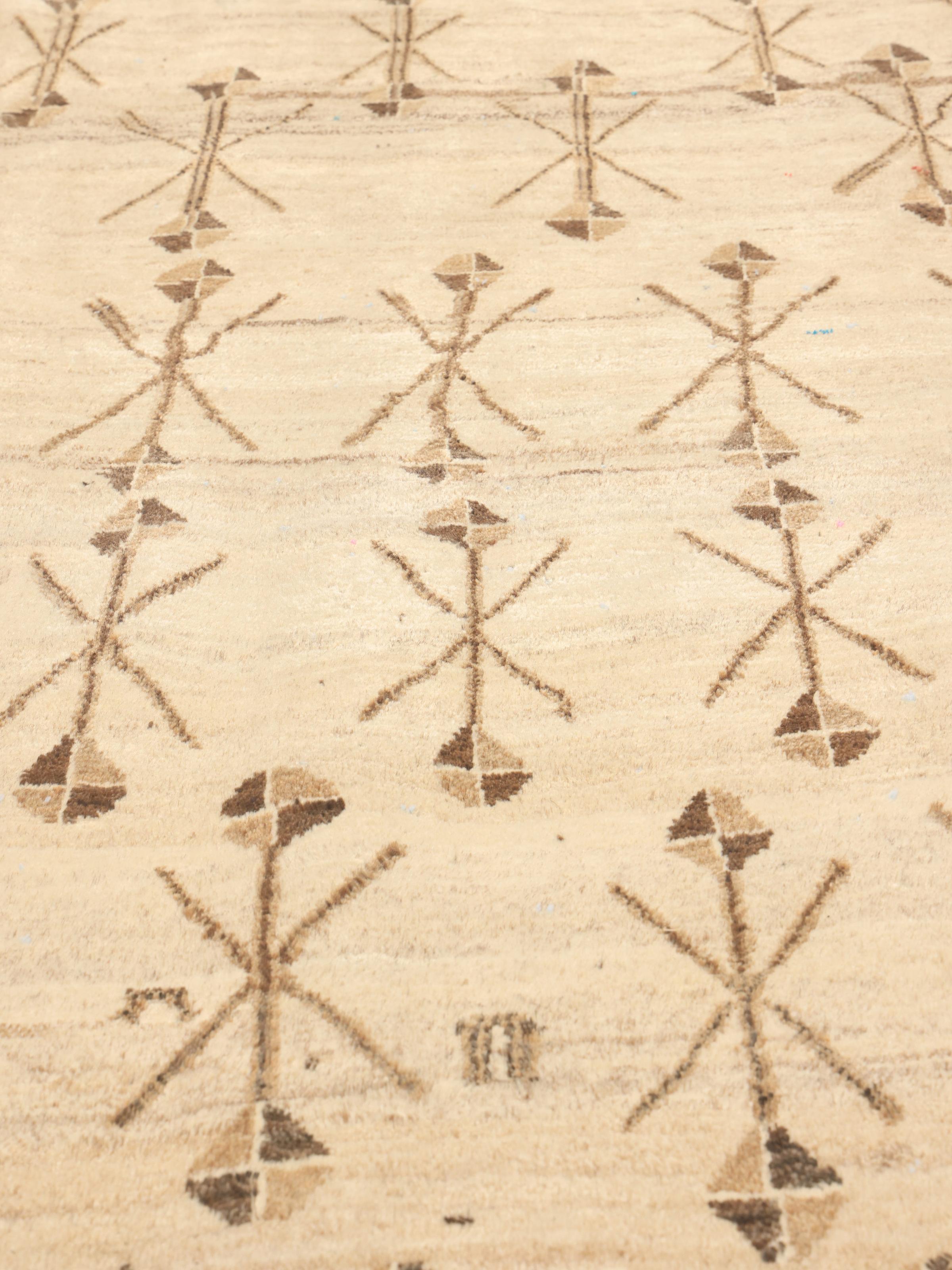
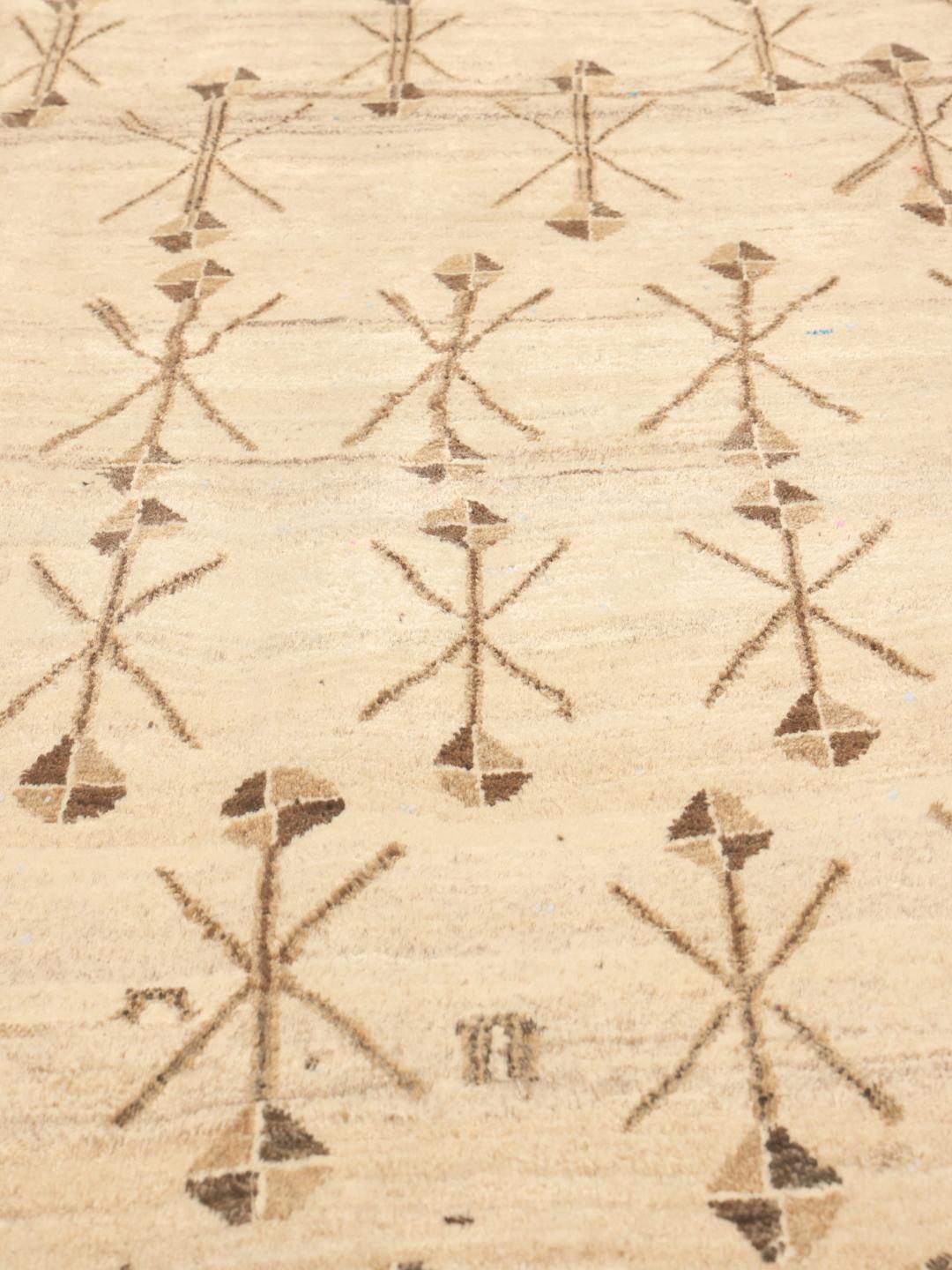
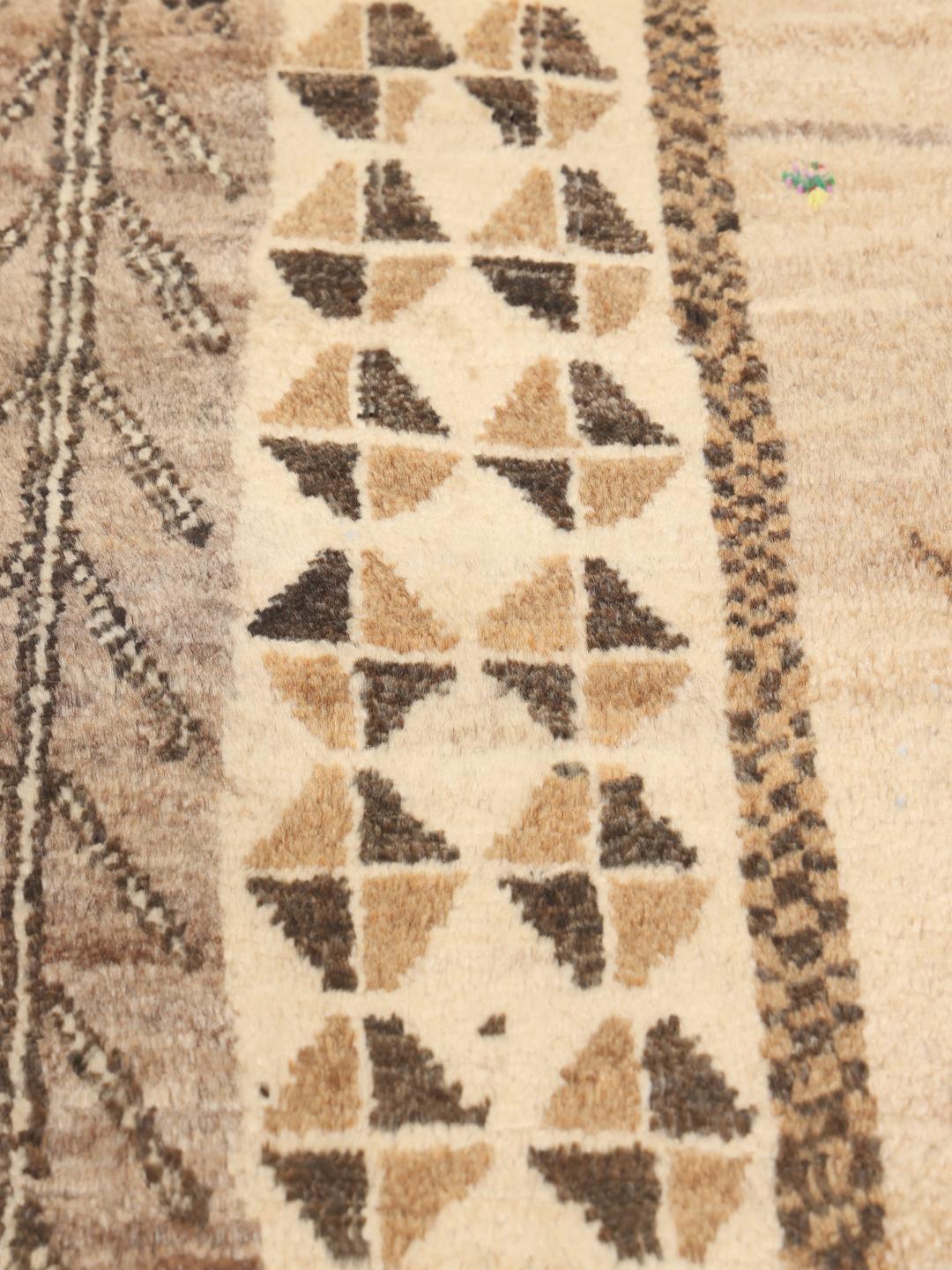
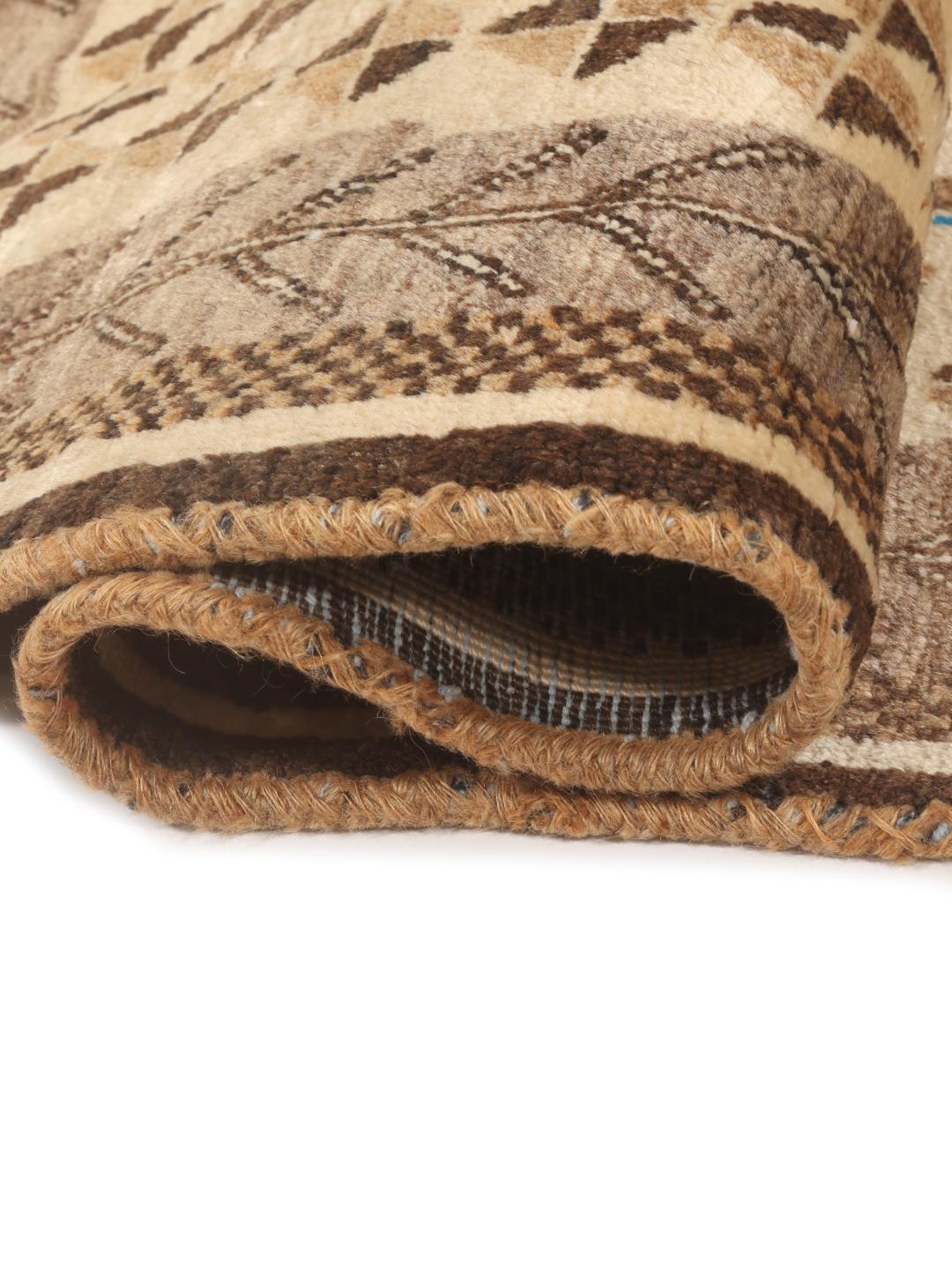
The term 'Gabbeh' itself translates to 'raw' or 'natural', reflecting the tradition of using hand-spun, undyed or vegetable-dyed wool. The 'Fine' designation in this piece indicates a higher standard of knotting and a more refined finish than the thicker, more rustic versions typically associated with the category. This refinement allows for more intricate geometric patterns while maintaining the soft, inviting feel that defines the tradition.
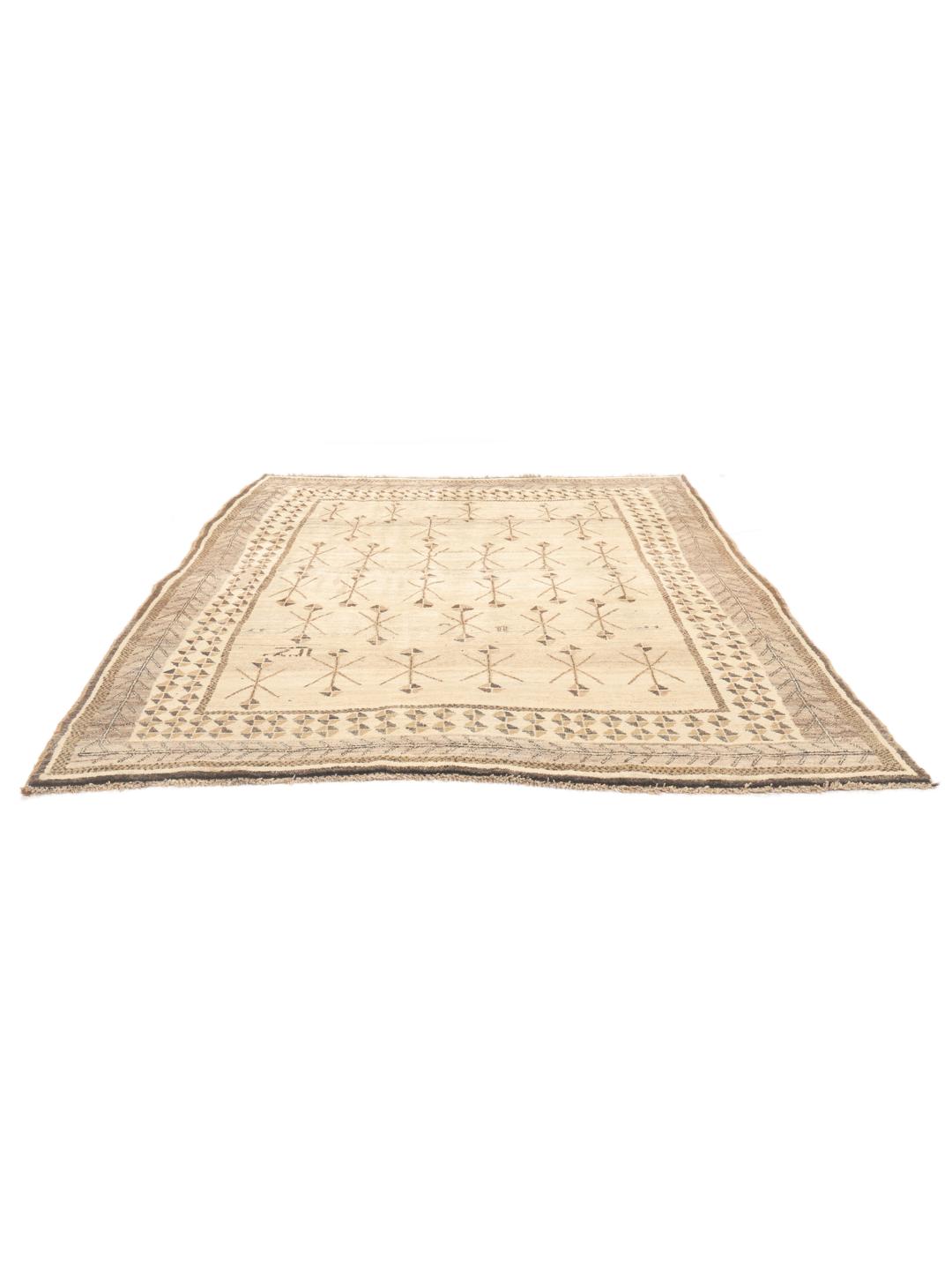
Visually, these rugs are known for their minimalist, often abstract or symbolic designs. Unlike the rigid, formal patterns found in other regional traditions, Gabbeh motifs are often inspired by the weaver's immediate environment—stylised representations of mountains, animals, or tribal symbols. The borders are typically kept simple or feature repeating geometric elements that frame the central field without distracting from its organic flow.
Collecting a Gabbeh rug is a way of connecting with a resilient nomadic heritage. These rugs are valued not just for their aesthetic appeal, but for the skill and cultural history woven into every strand. They represent a bridge between ancient pastoral traditions and modern interior design, offering a timeless sense of authenticity to those who appreciate the artistry of hand-crafted textiles.