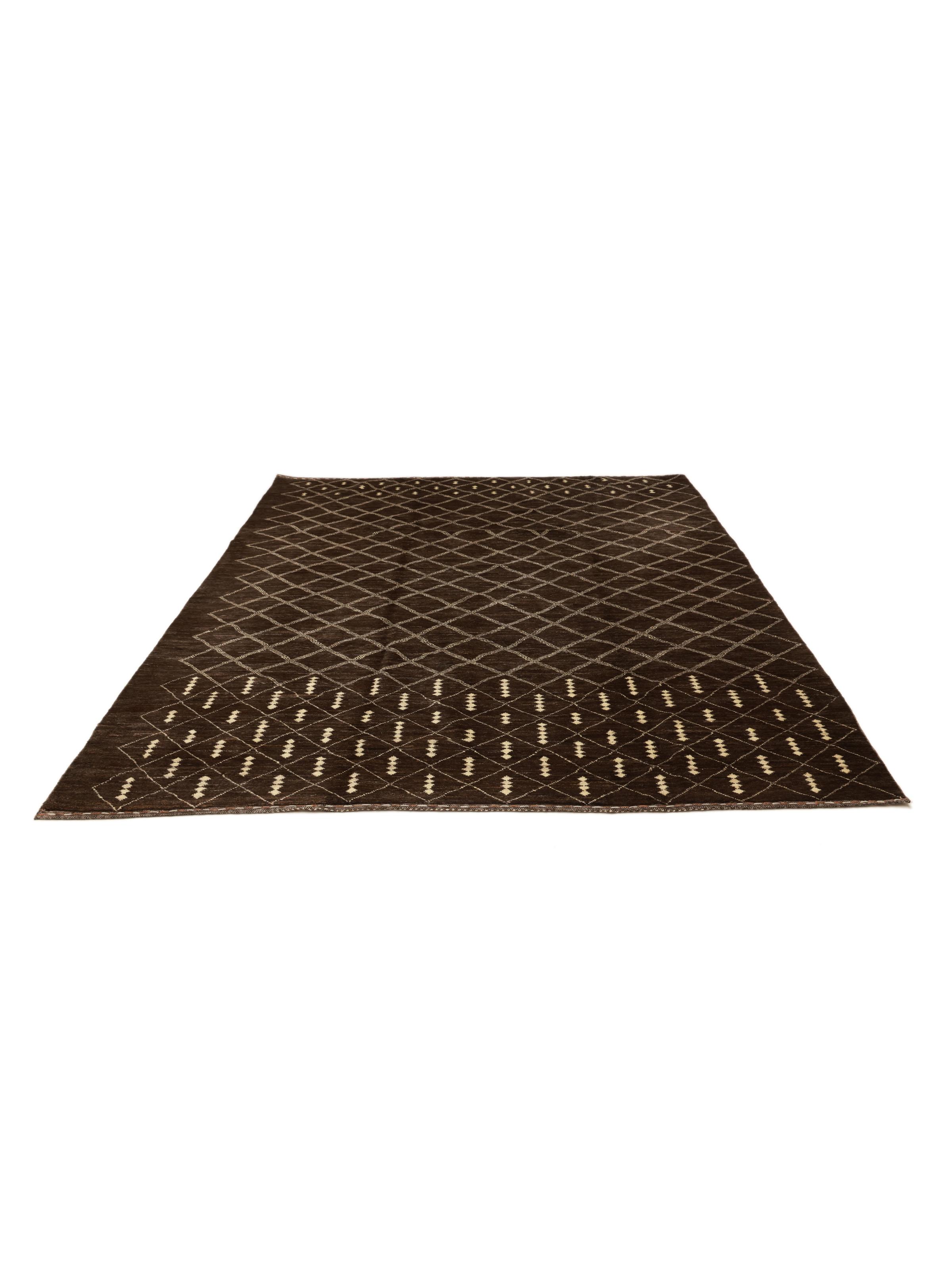
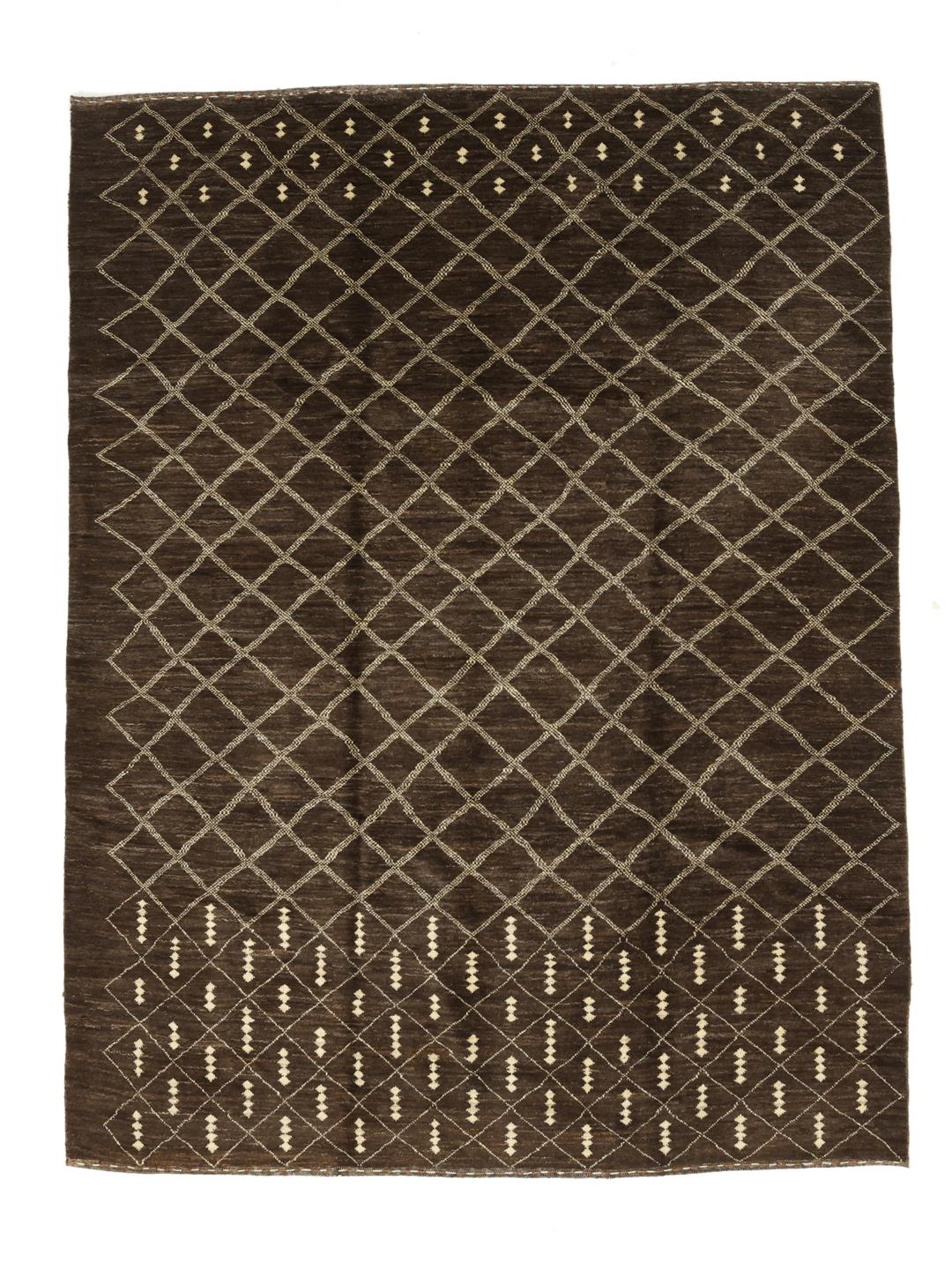
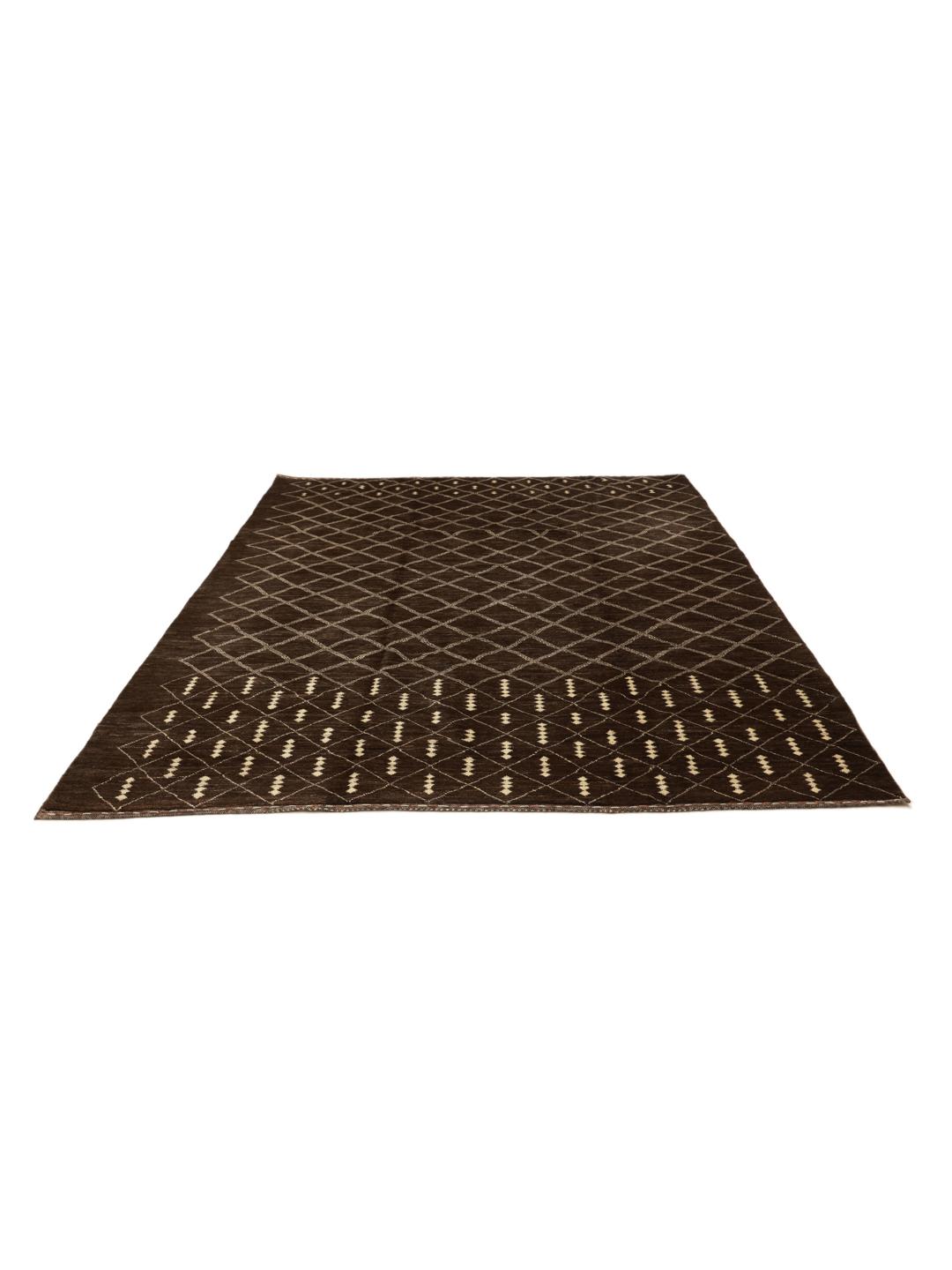
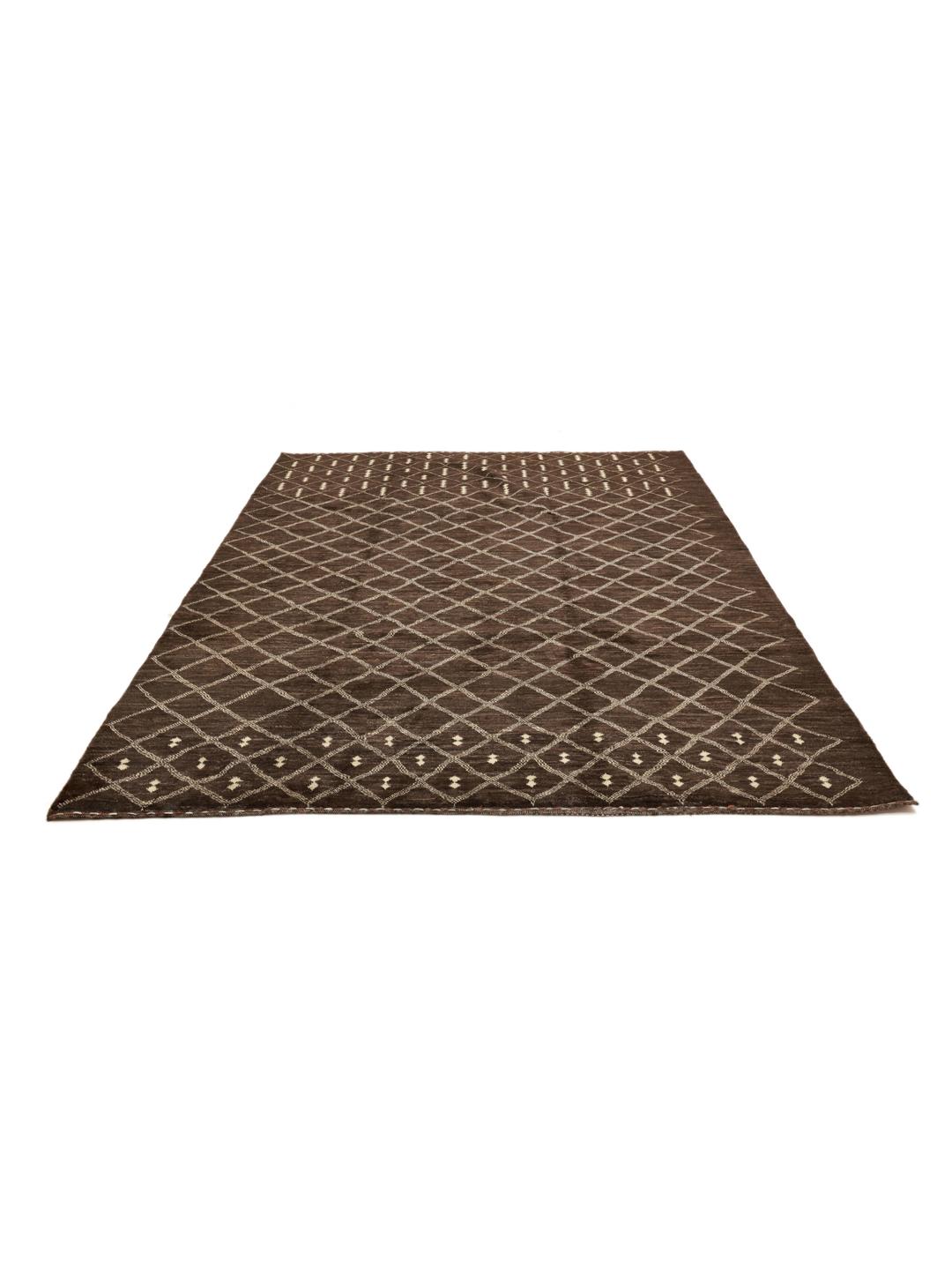
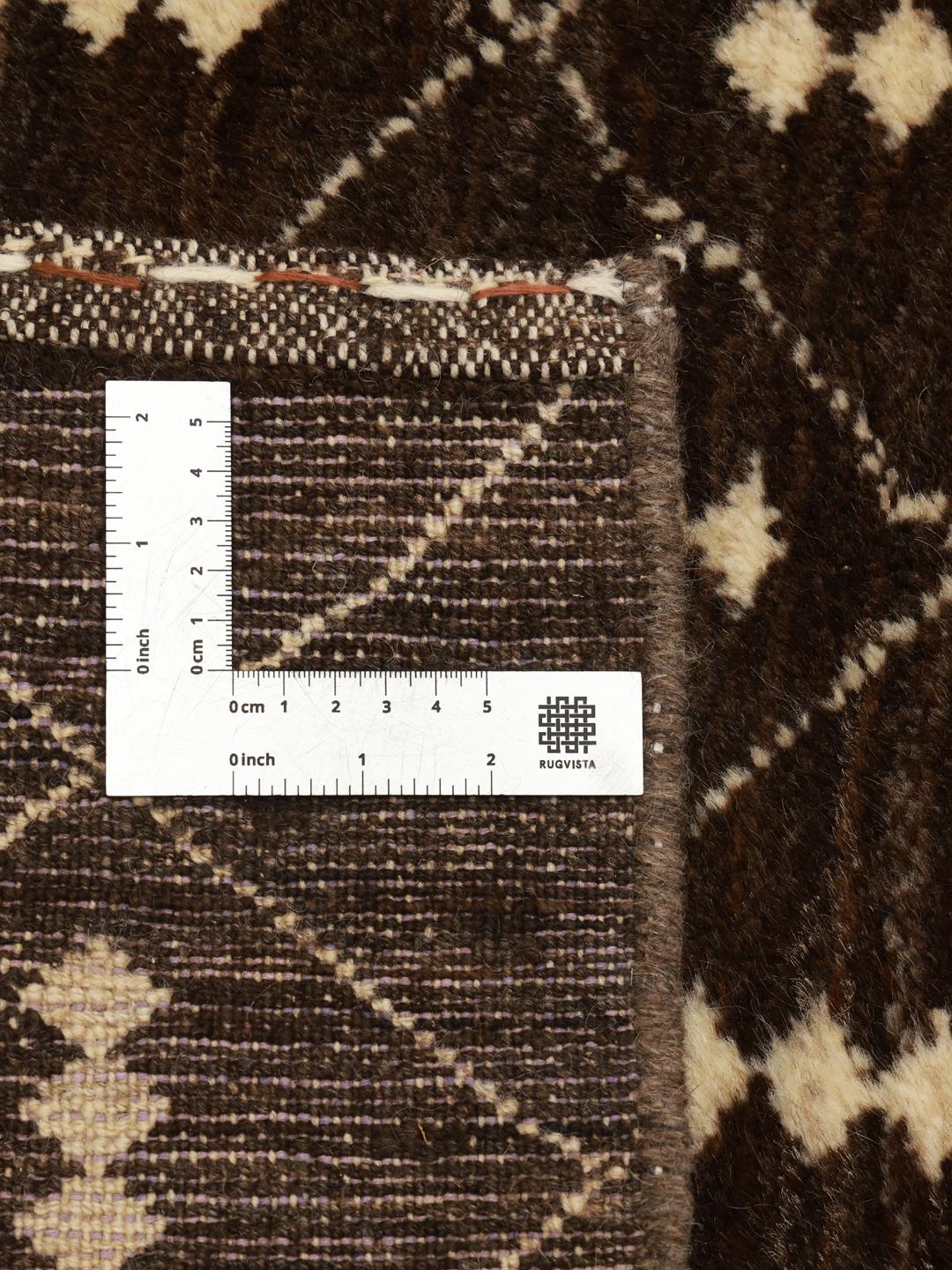
The Gabbeh rug tradition originates from the tribal regions of the Middle East, where nomadic weavers have historically crafted these textiles for domestic use. Unlike more formal, city-made rugs, Gabbeh rugs were traditionally woven by hand for warmth and comfort, often serving as bedding or floor coverings in tents. Their evolution has led them from purely functional tribal items to sought-after pieces of art that are celebrated for their raw, expressive beauty.
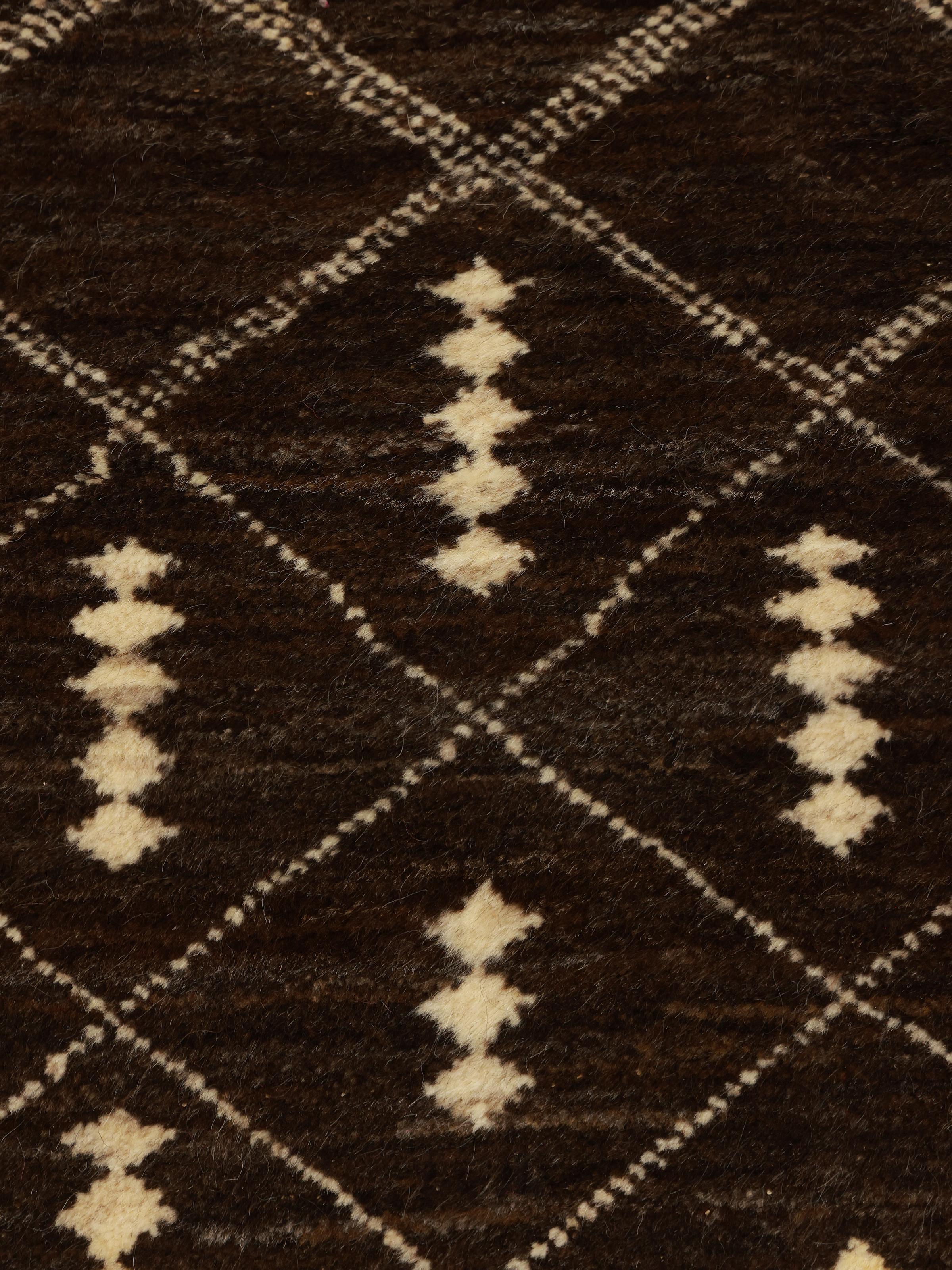
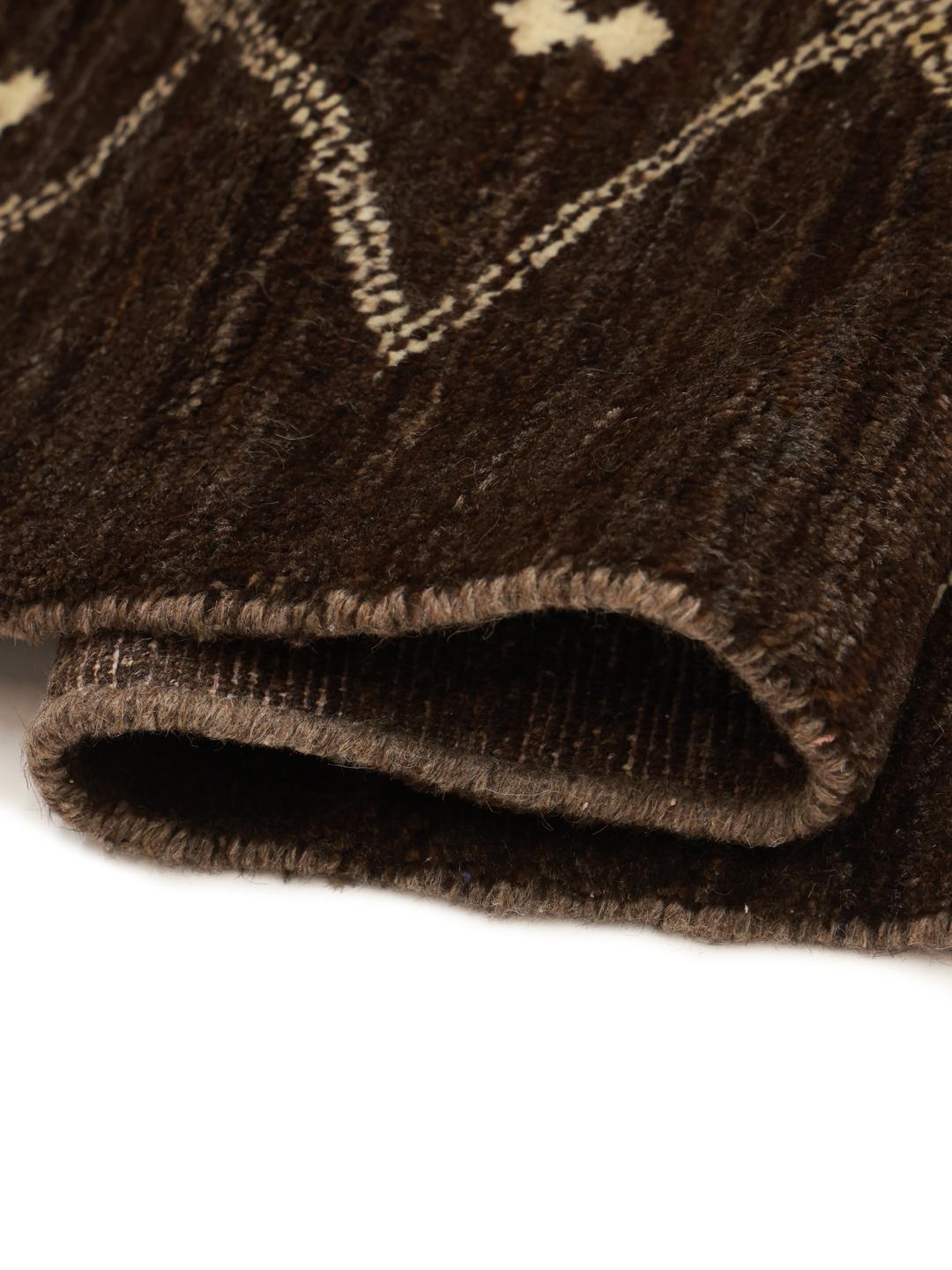
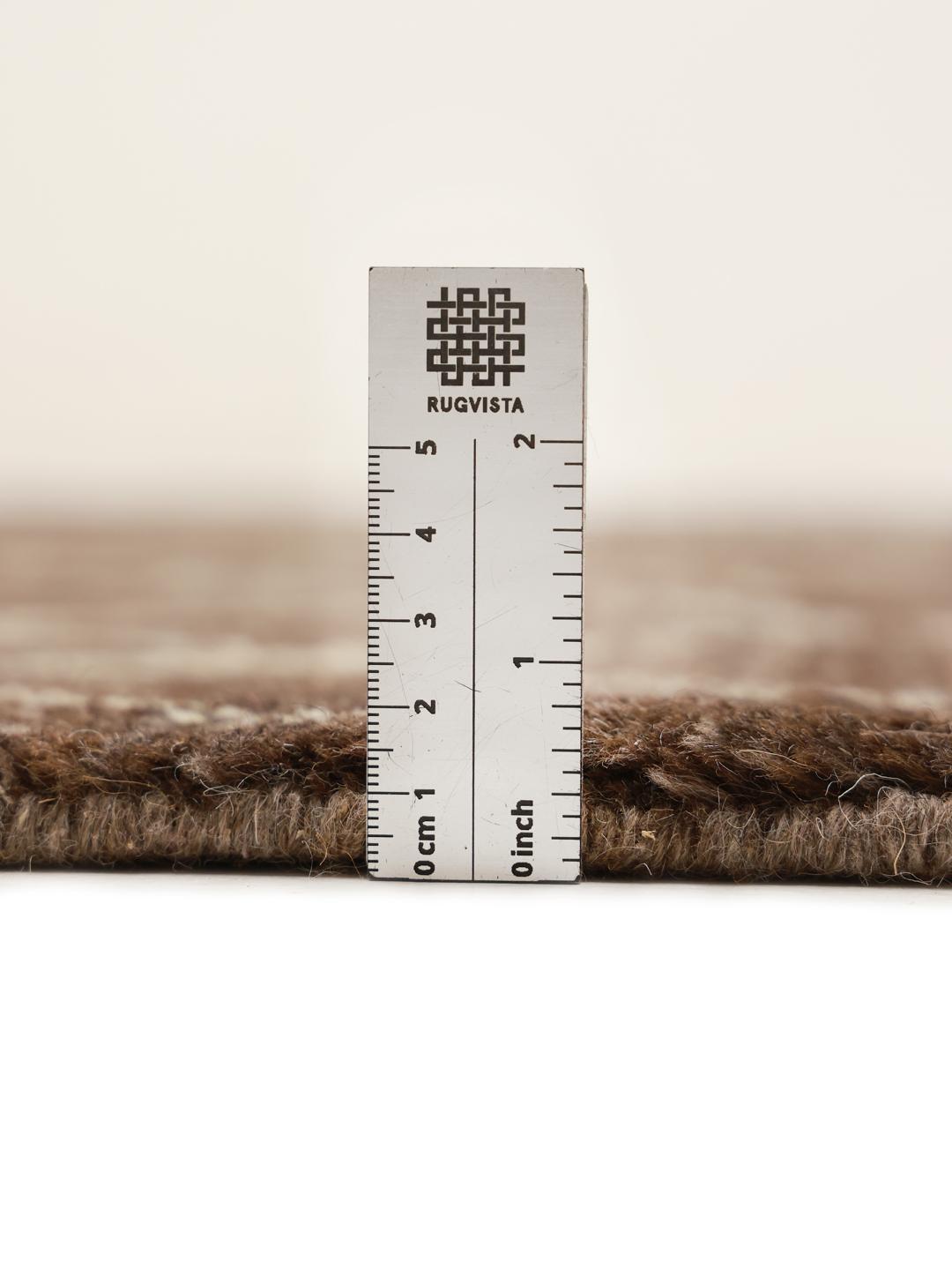
The term 'Gabbeh' itself translates to 'raw,' 'natural,' or 'unfinished,' which speaks to the tradition of using hand-spun, undyed, or naturally dyed wool. This approach results in a tactile, thick pile that feels remarkably soft and inviting. The weaving process focuses on simplicity, often utilising thicker yarns that contribute to the characteristic heavy, durable, and plush texture that sets these rugs apart from finer, more intricate varieties.
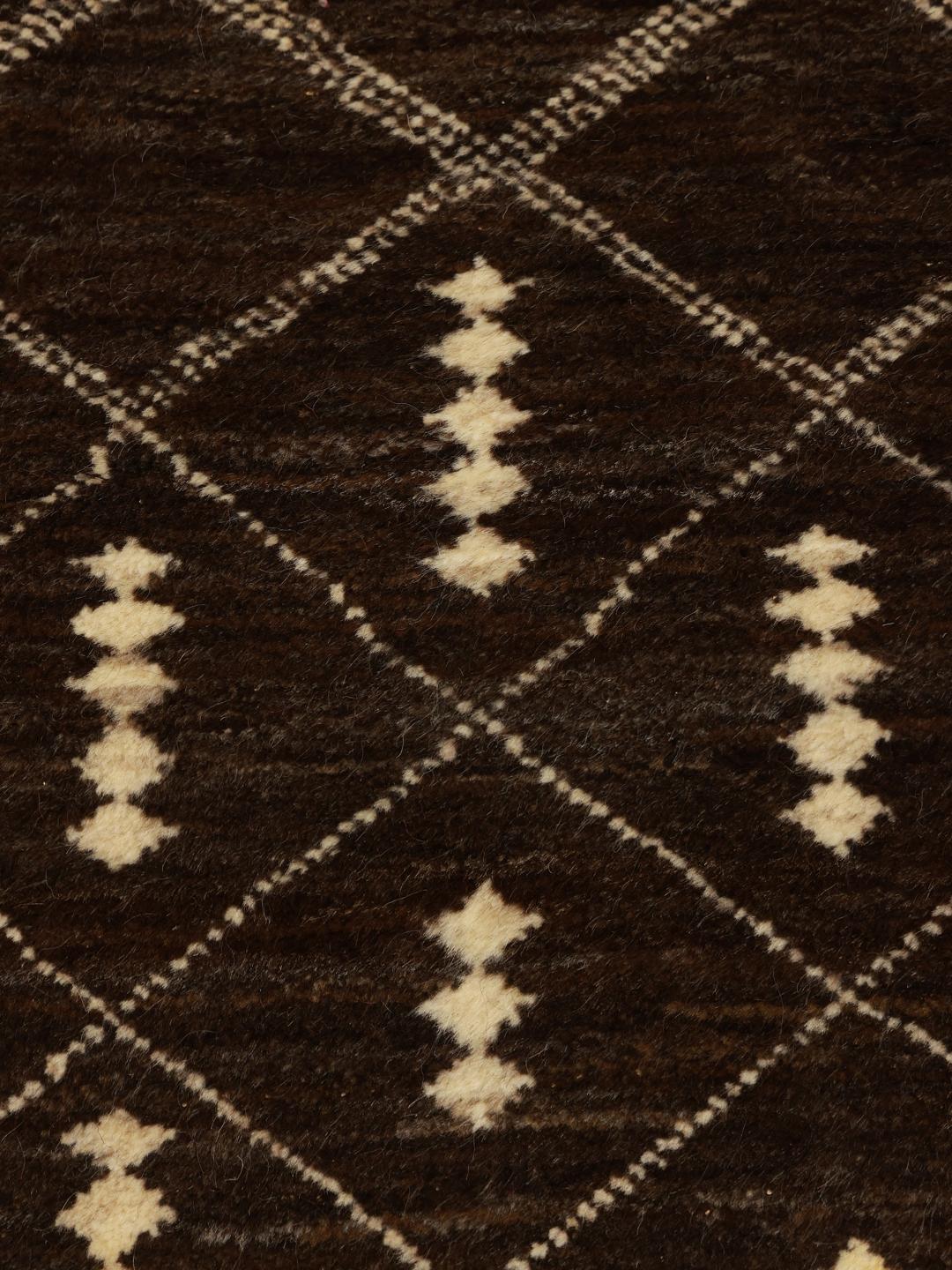
Signature design elements of the Gabbeh tradition often feature bold, geometric motifs, abstract landscapes, or, as seen here, simplified grid patterns. These designs are not pre-planned on paper but are instead drawn from the weaver's imagination and daily life, resulting in a unique visual language. The use of natural, earthy colours like deep browns and creams is a hallmark of the style, grounding the rug in the natural landscape of its origin.
Collecting a piece from this tradition is an investment in cultural heritage and human skill. Because these rugs are not mass-produced, they carry the spirit of the weaver and the legacy of a craft passed down through generations. Owning a Gabbeh is about valuing the imperfections and the honest, hand-crafted nature of a textile that tells a story of survival, creativity, and the enduring need for beauty in the home.