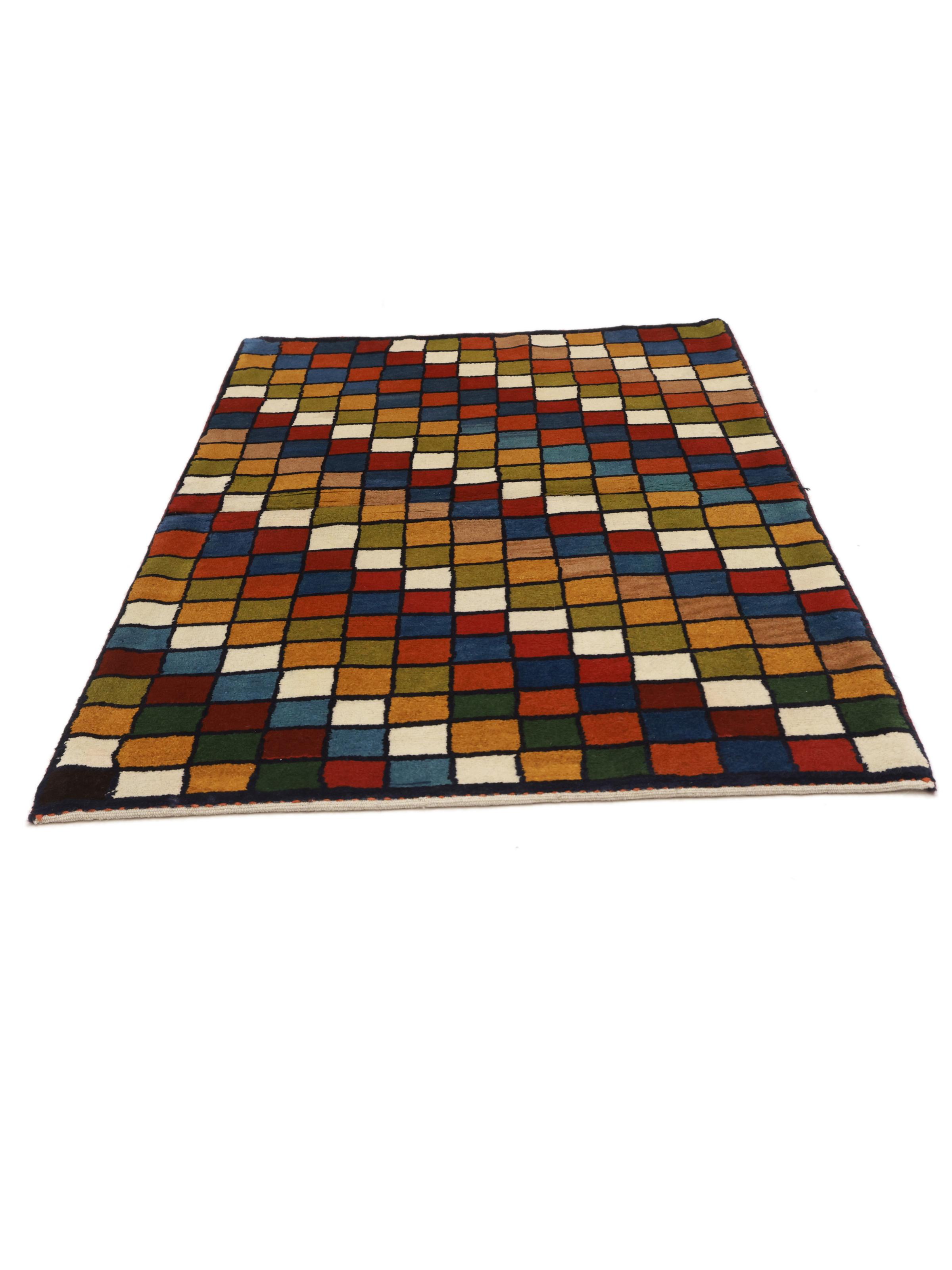
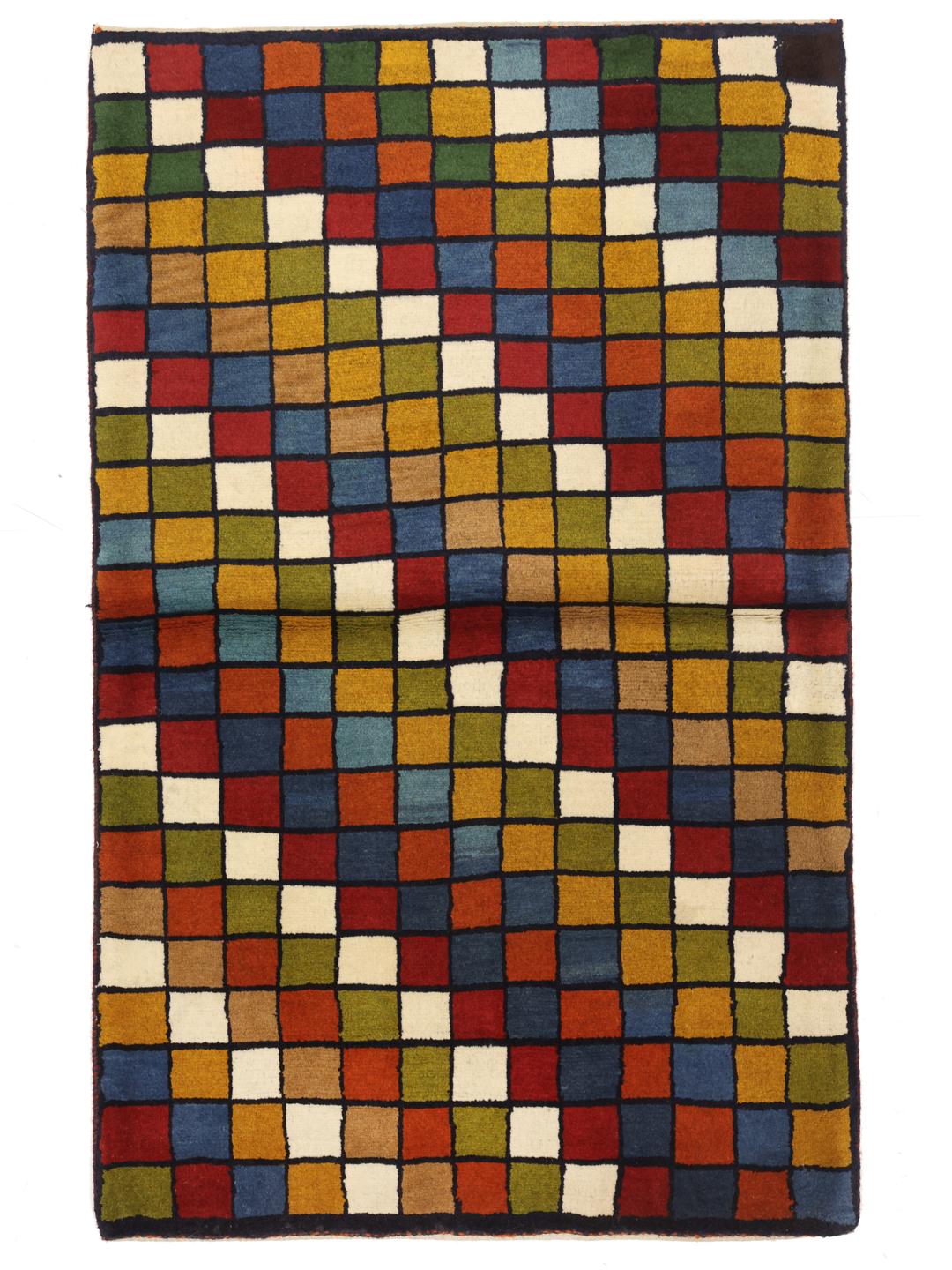
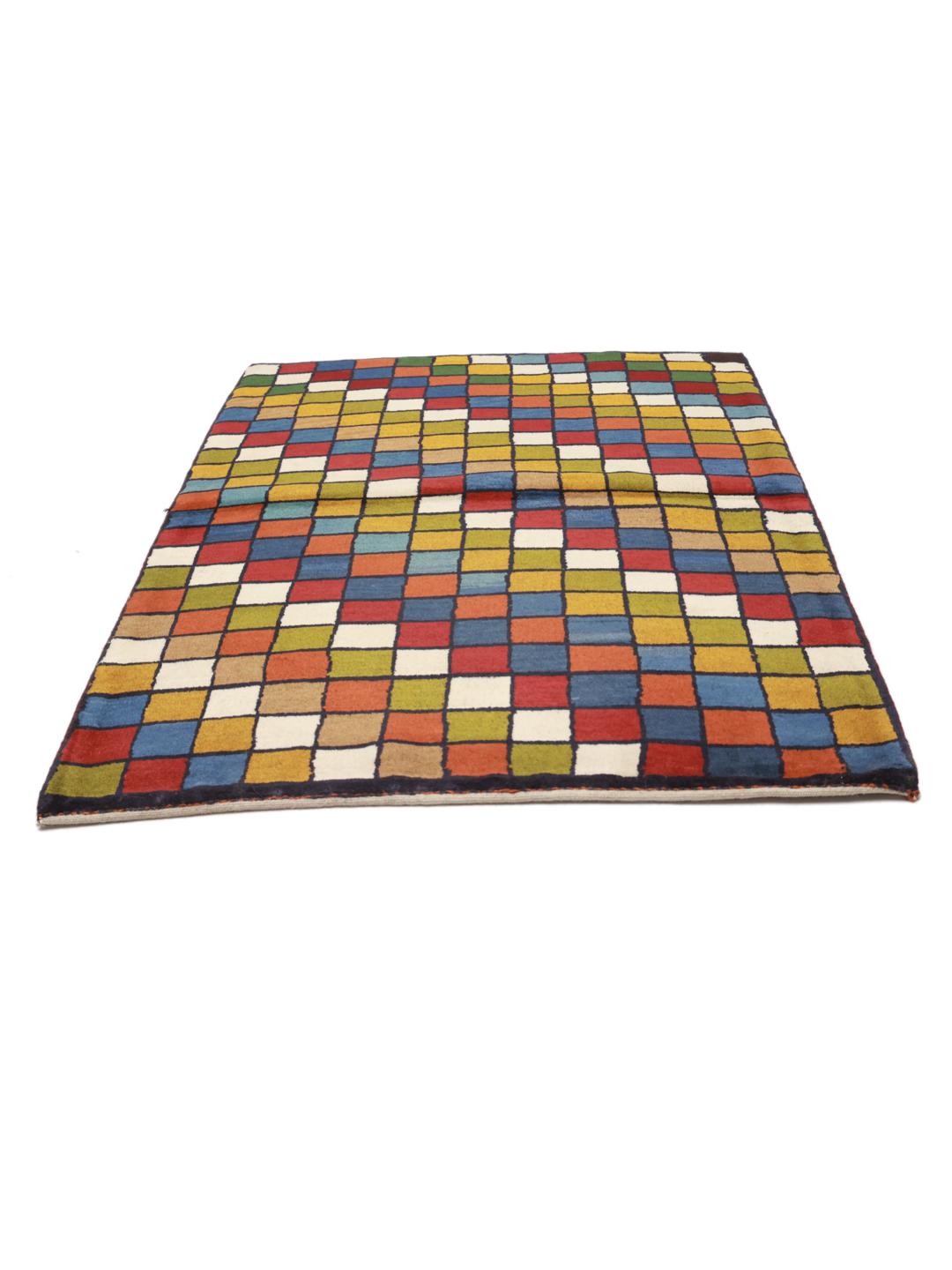
Gabbeh rugs are a cherished tradition from the nomadic tribes of the Middle Eastern plateau. Historically, these rugs were created by tribal weavers for their own domestic use rather than for trade, which allowed for a high degree of creative freedom and a focus on comfort that remains their hallmark today.
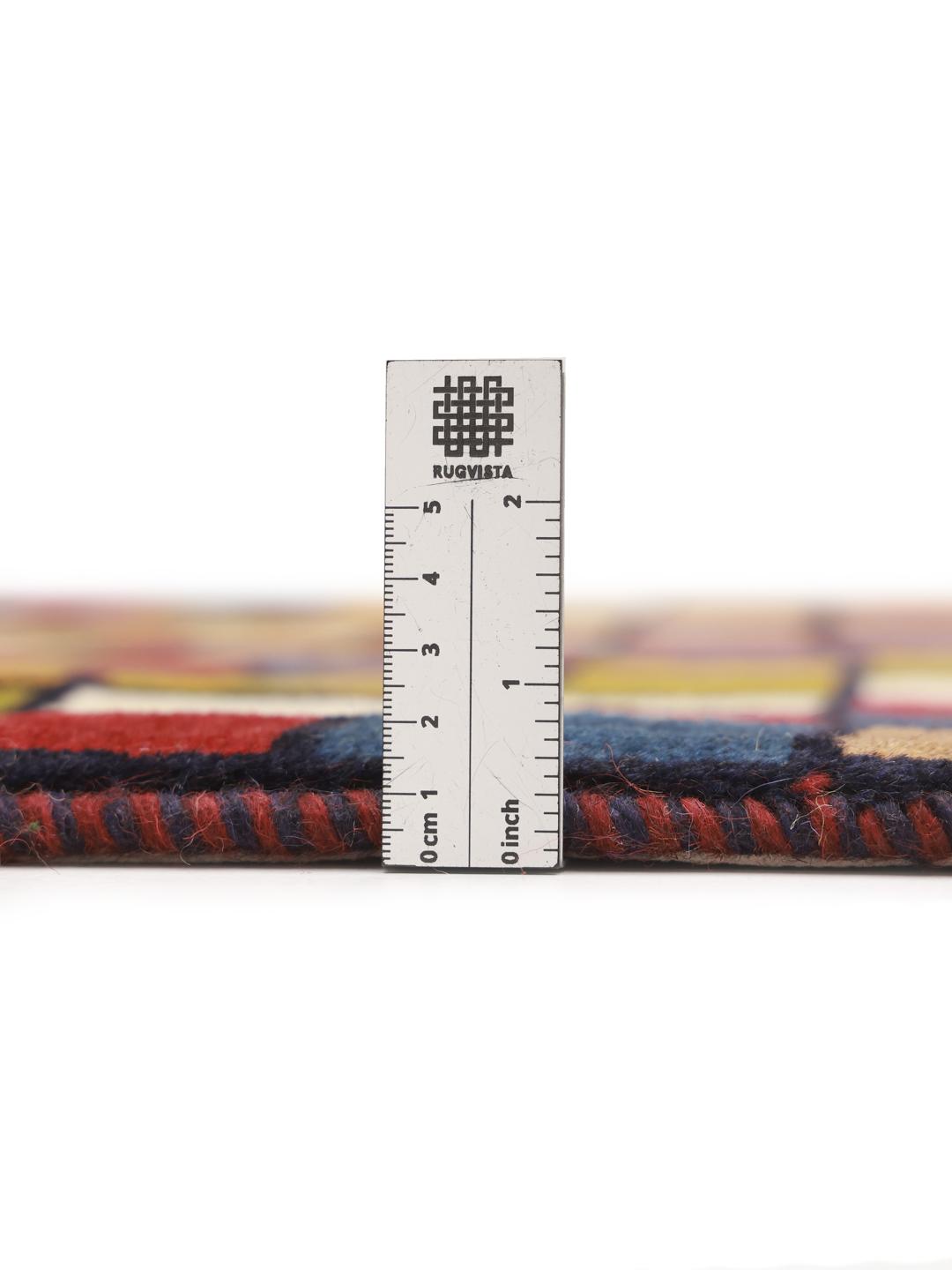
The term Gabbeh itself refers to a rug that is left in its most natural, raw state. These pieces are traditionally defined by their thicker pile and simpler, more abstract designs compared to the highly intricate, formal patterns found in city-made rugs. This simplicity is intentional, focusing on the quality of the material and the warmth it provides in the harsh mountain climates where these weavers lived.
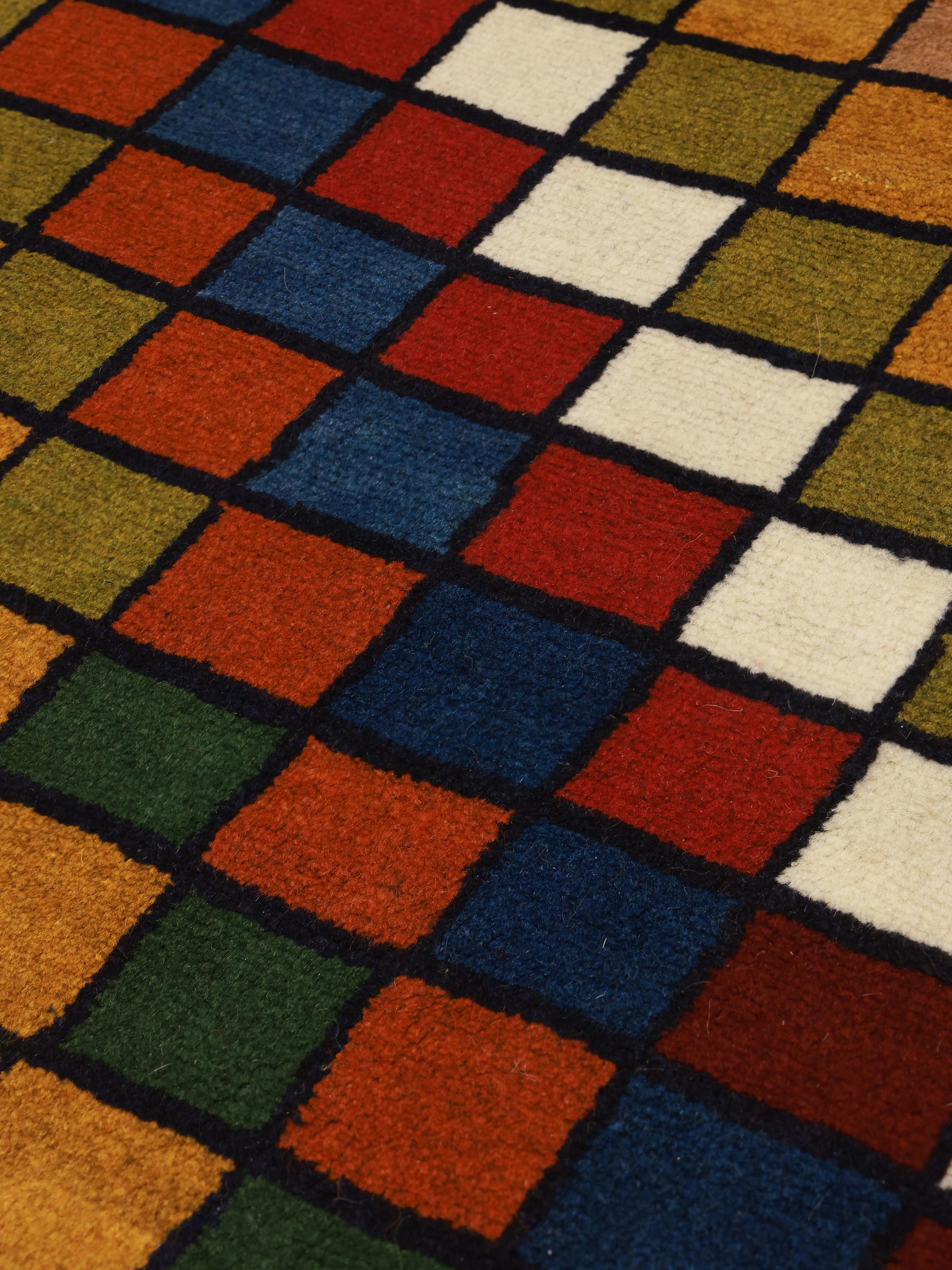
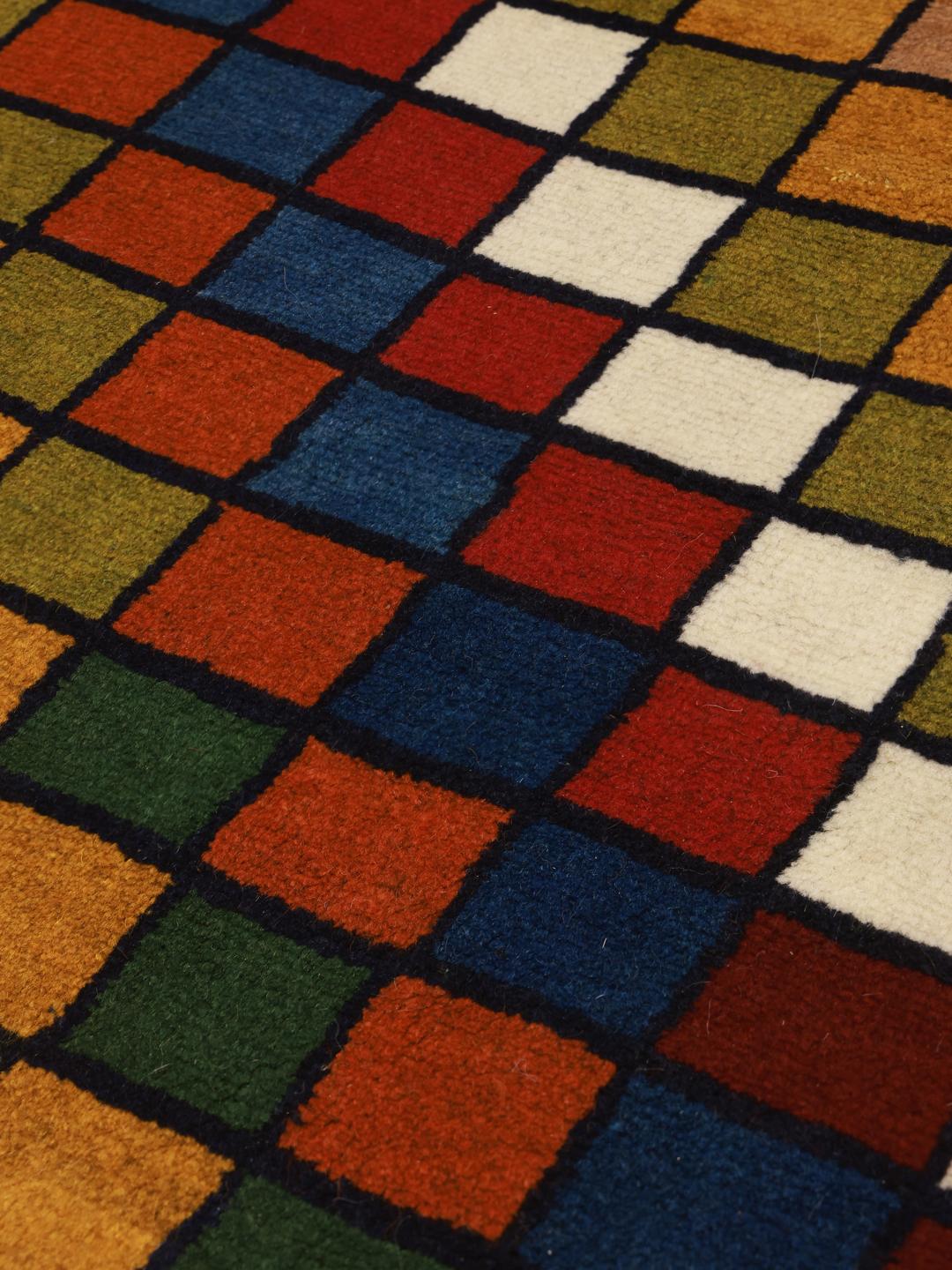
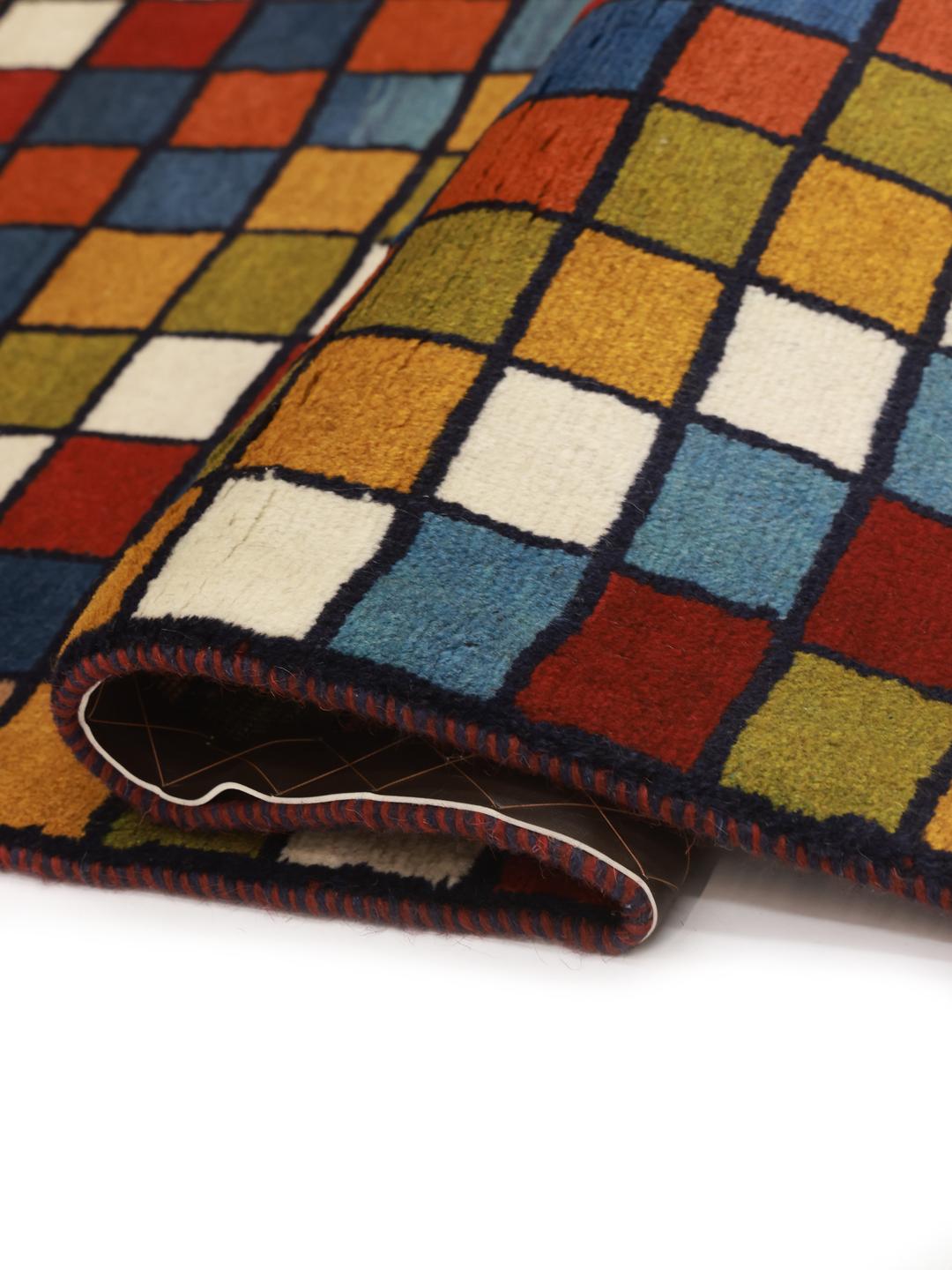
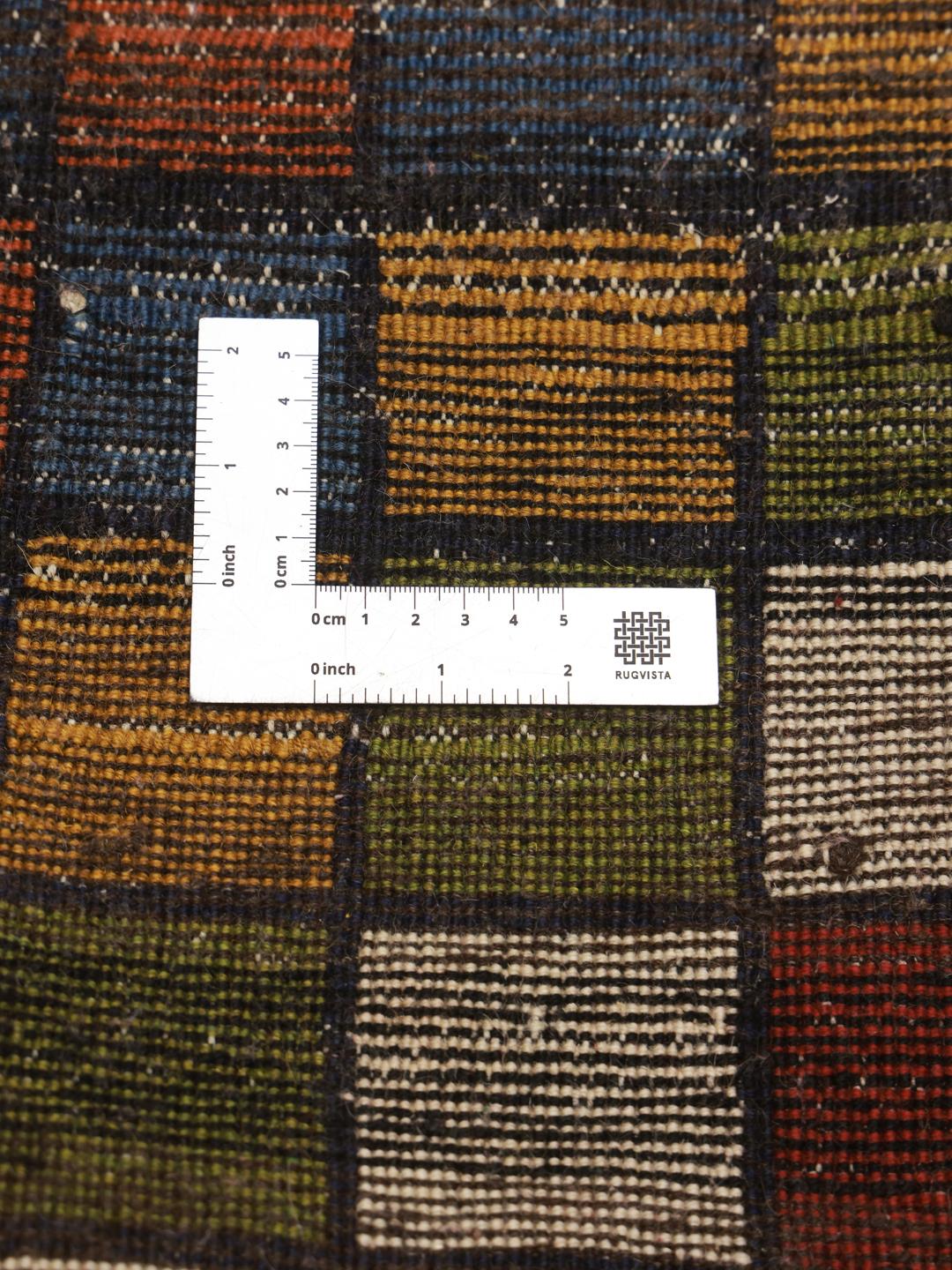
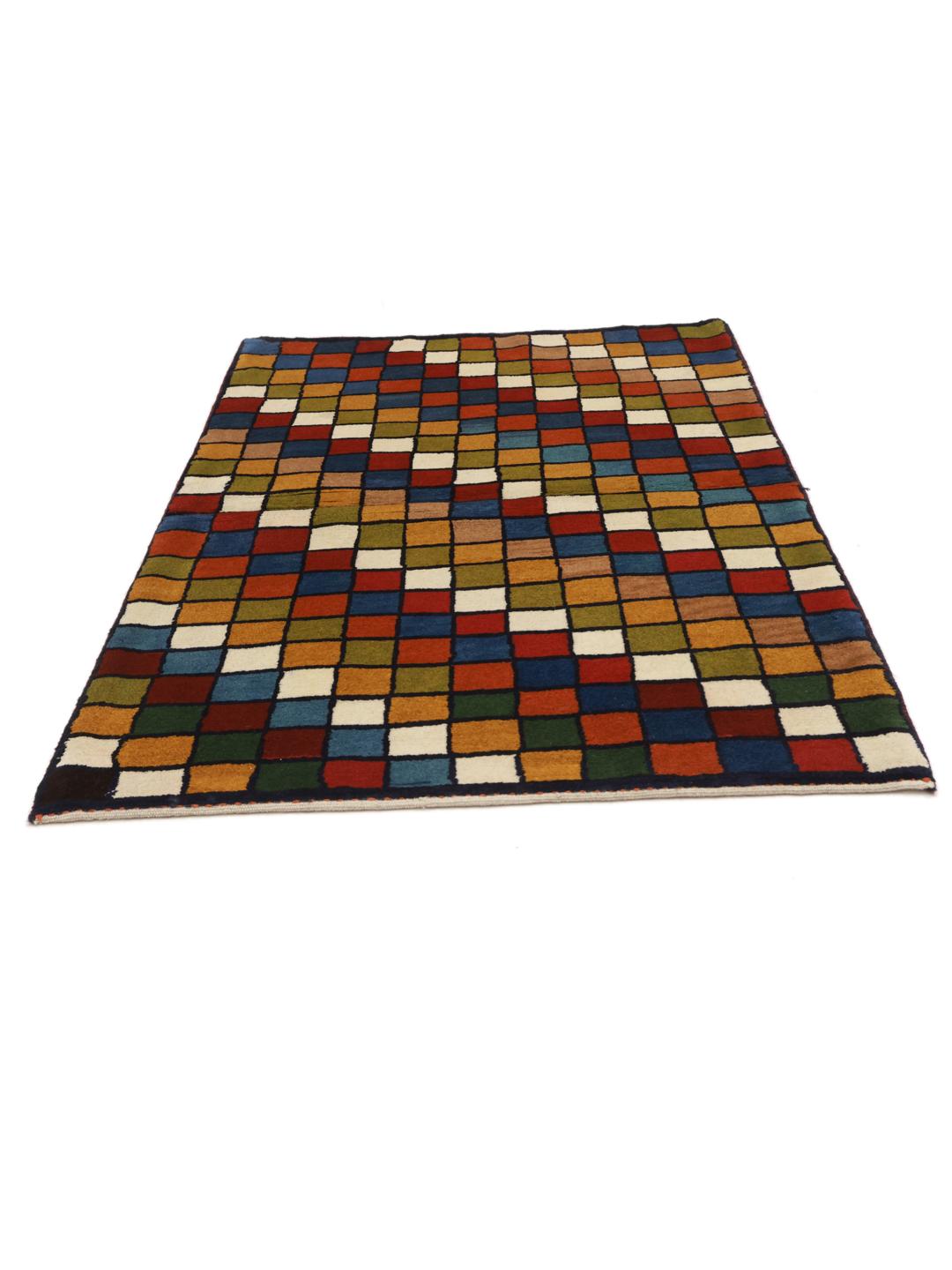
The visual language of a Gabbeh is rooted in the weaver's environment and imagination. While many feature simple geometric shapes or fields of solid colour, others like this one incorporate bold, repeating grids that reflect a modern sensibility while remaining deeply connected to tribal roots. The use of hand-spun, naturally dyed wool is a cornerstone of this tradition, resulting in subtle colour variations known as abrash, which add depth and life to the surface of the rug.
Collecting a Gabbeh is an appreciation of the enduring skill of tribal artisans. These rugs are valued not just for their aesthetic appeal, but for what they represent: a connection to a slow, deliberate way of life where every piece is a unique story told in wool. By bringing one into your home, you are preserving a cultural legacy of craftsmanship that has been passed down through generations.