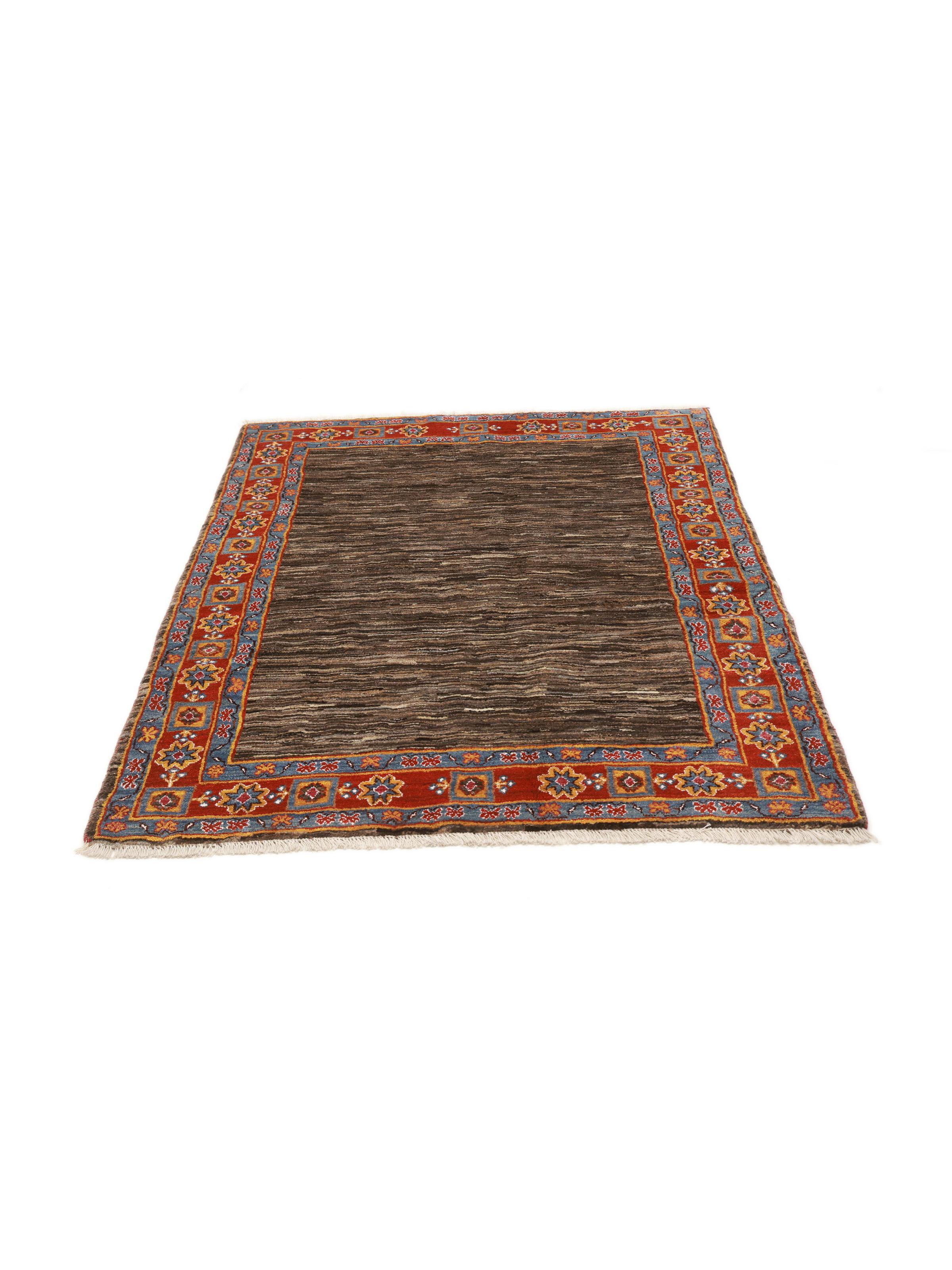
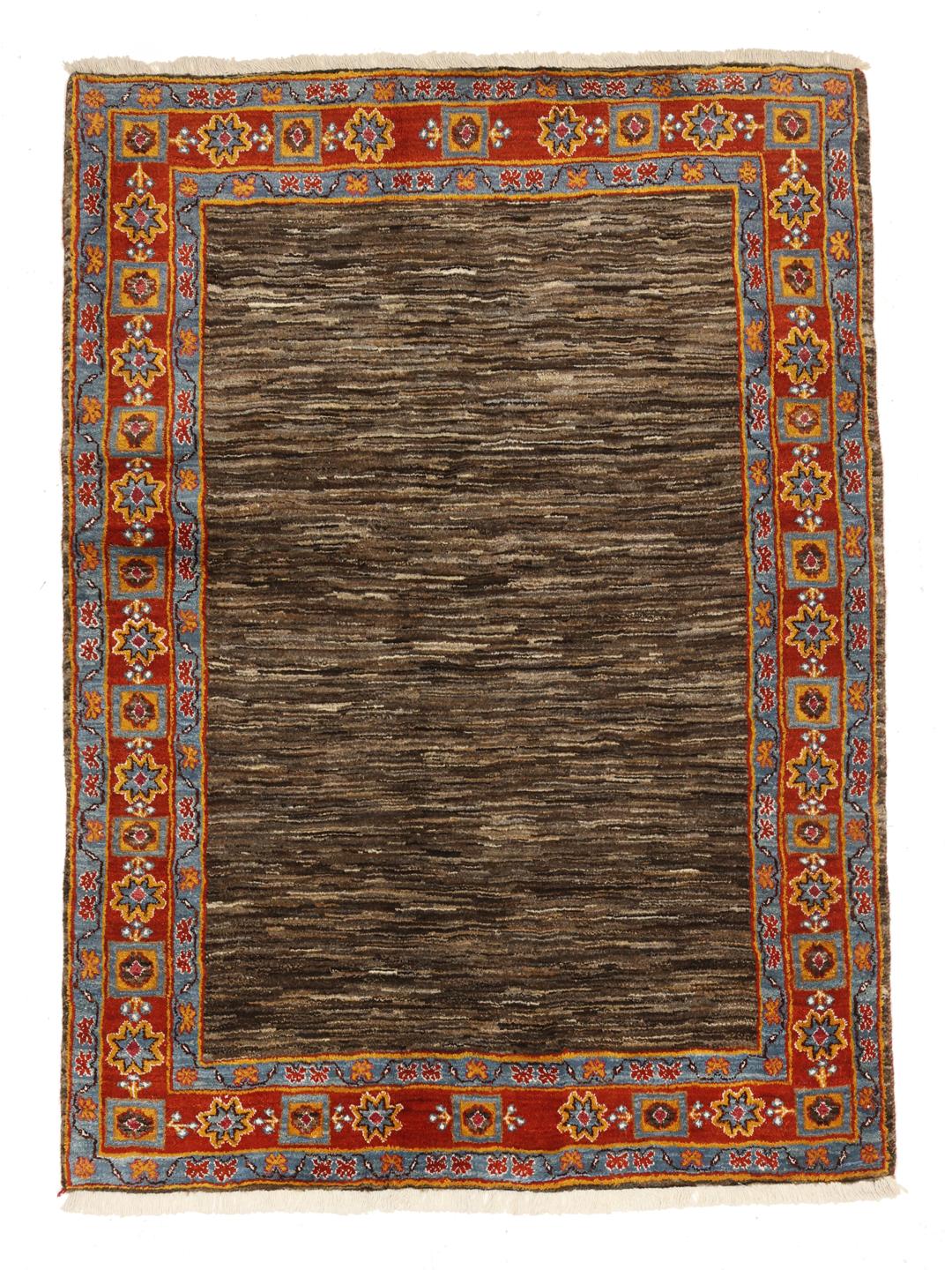
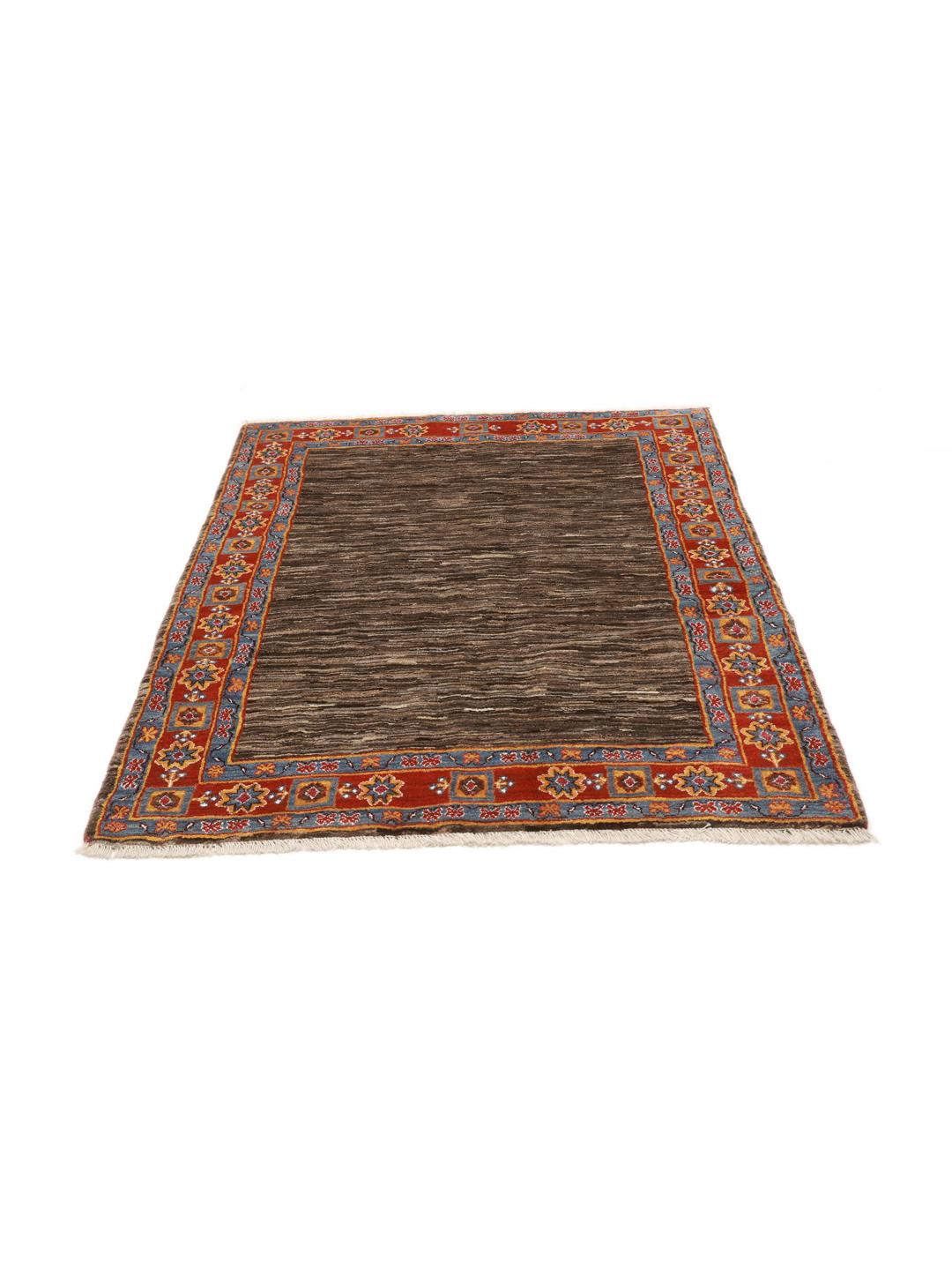
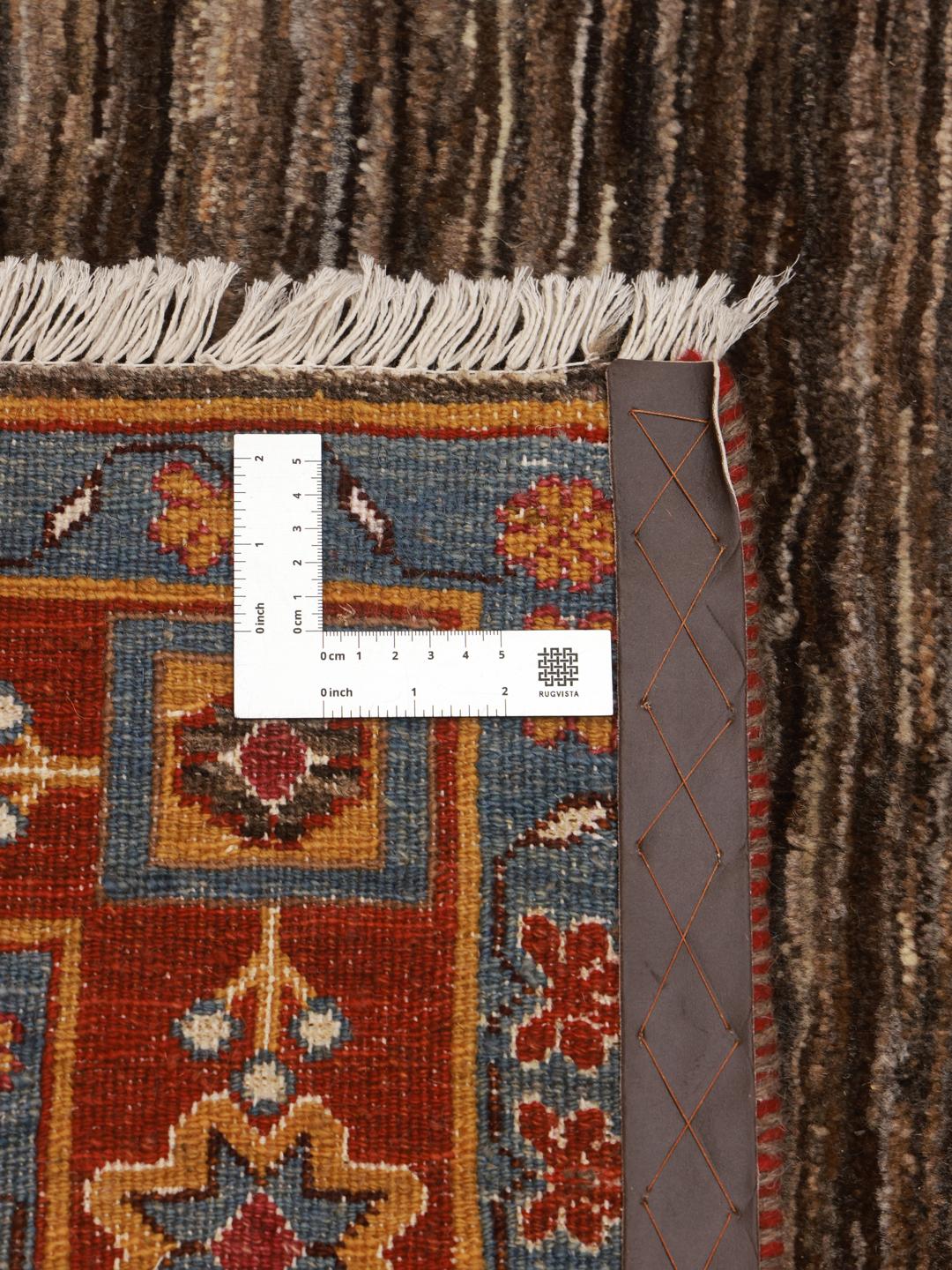
The Gabbeh tradition finds its roots in the nomadic cultures of the Middle East, where weavers historically created these rugs for their own daily use rather than for trade. Unlike formal, highly structured designs, Gabbeh rugs are celebrated for their expressive, often minimalist aesthetic that reflects the weaver's personal environment, emotions, and local lore.
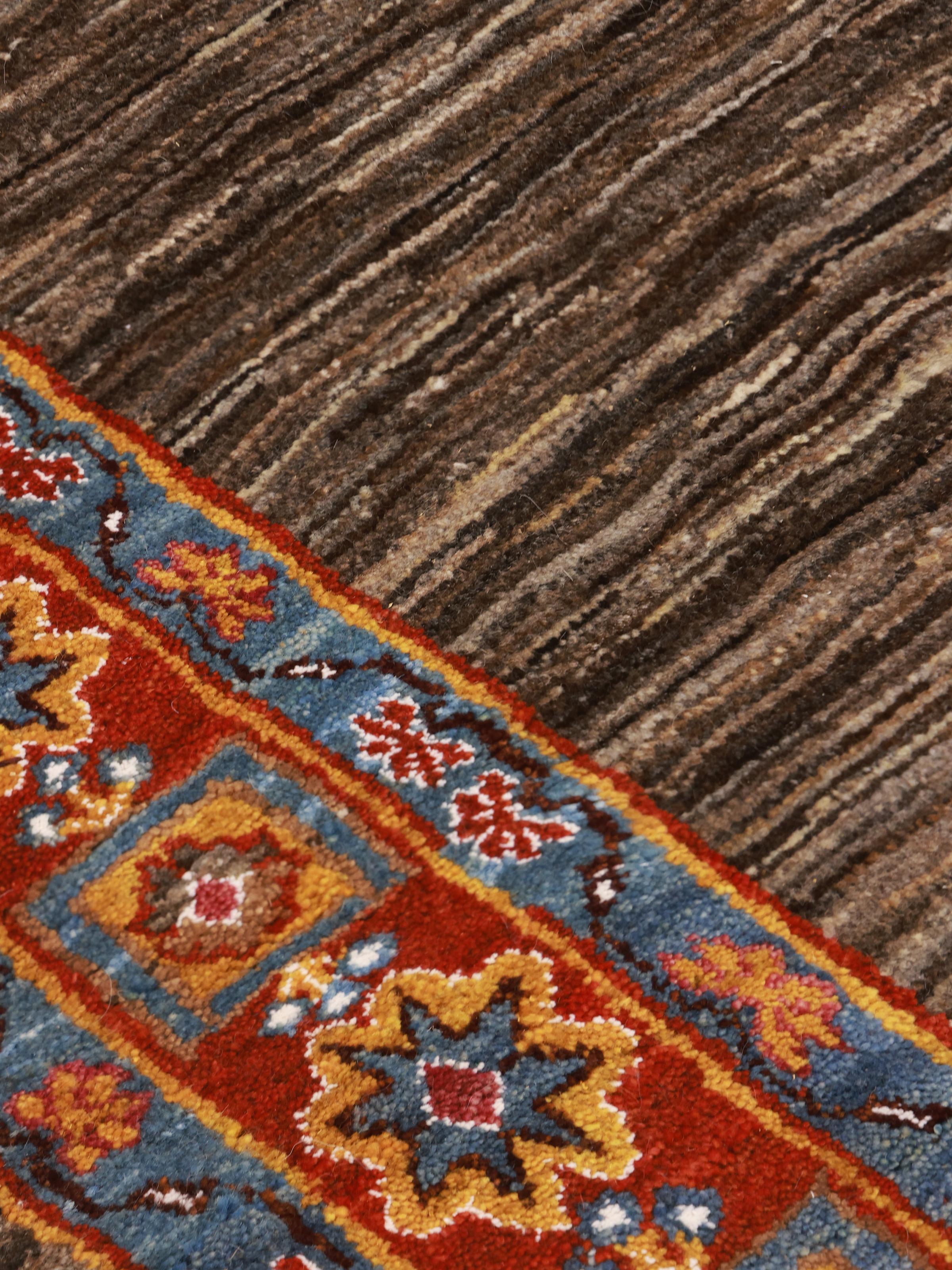
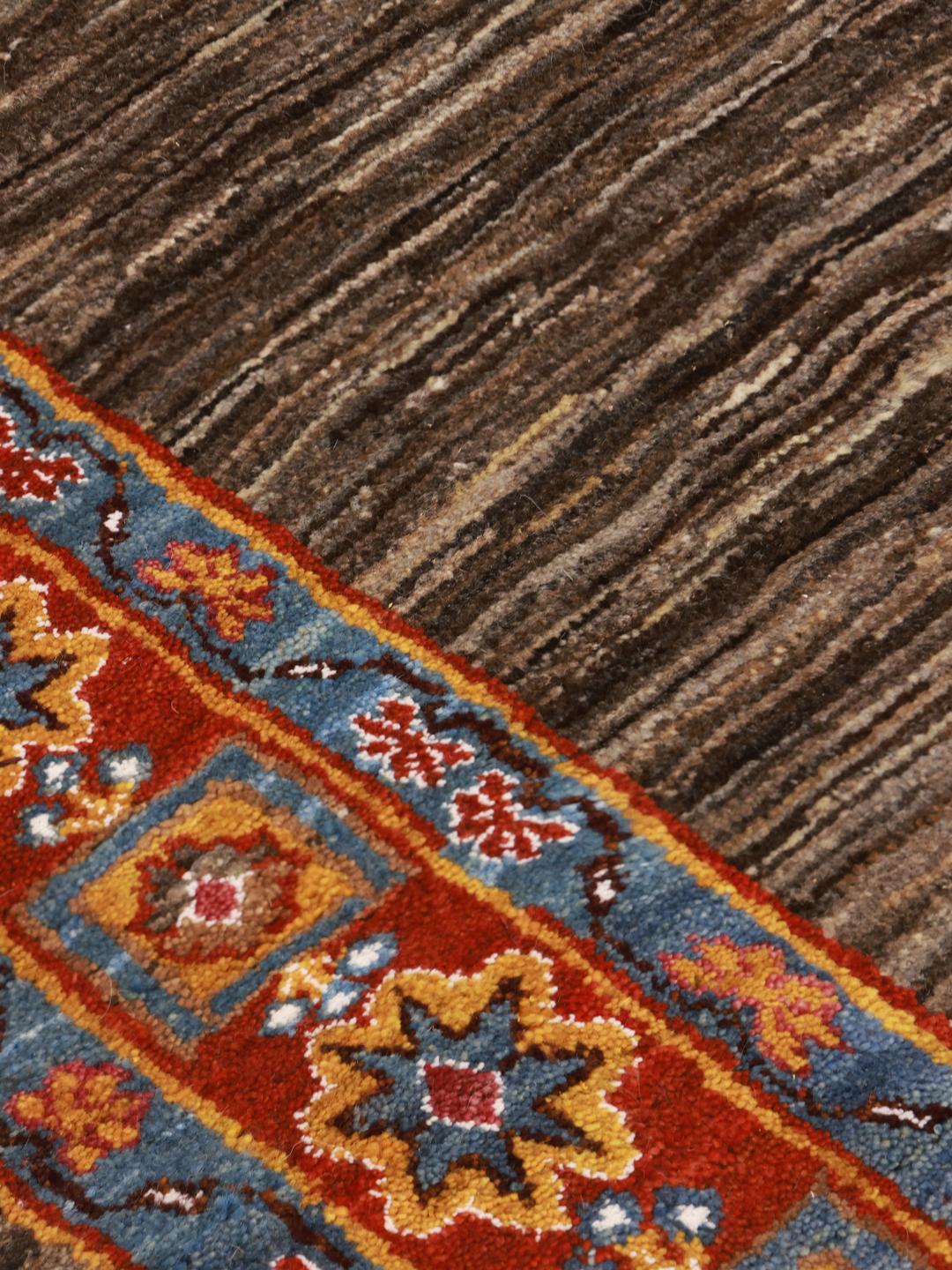
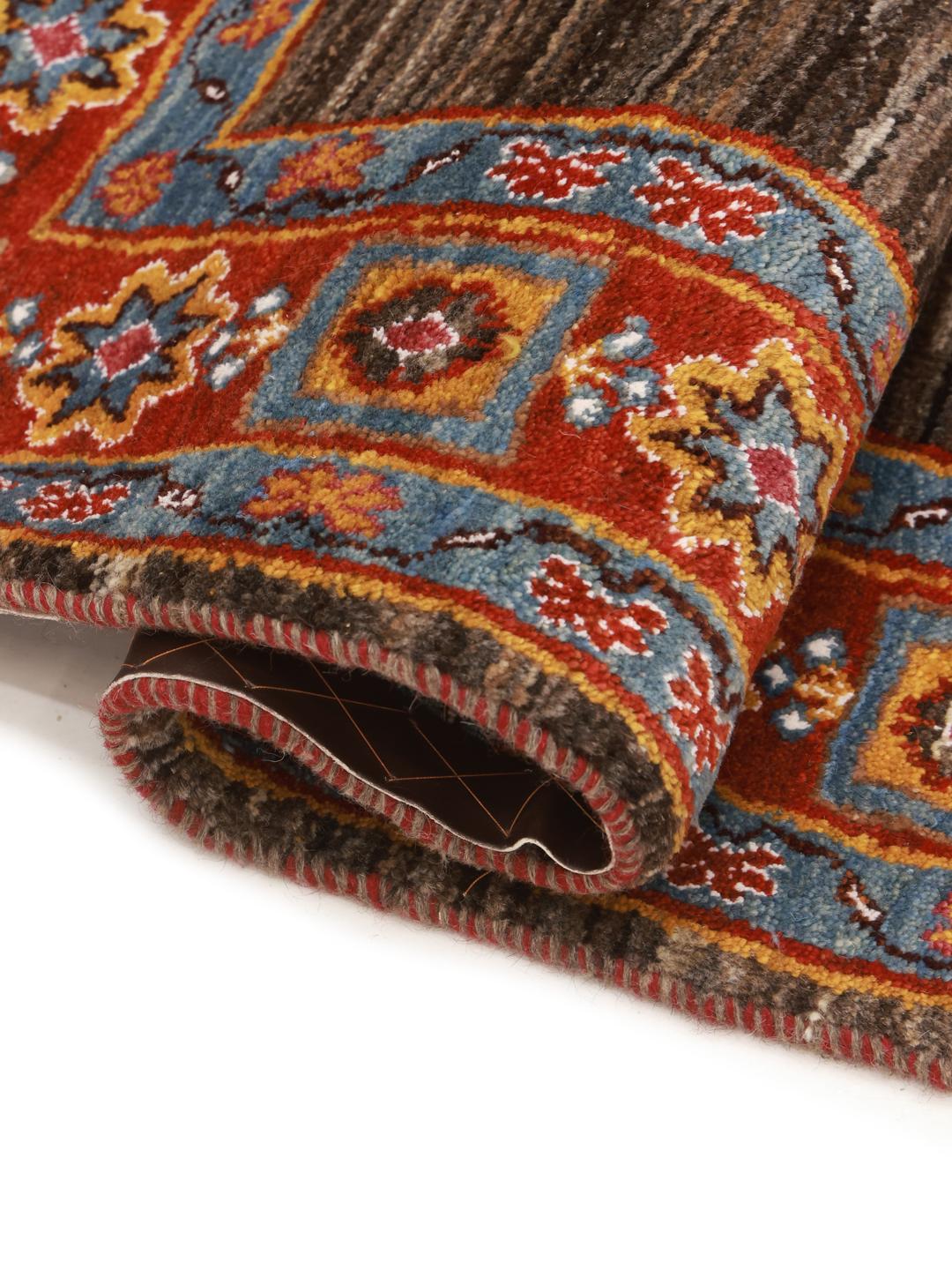
The term Gabbeh itself refers to a 'raw' or 'natural' style, which is reflected in the use of hand-spun wool. This traditional method of preparation keeps the natural lanolin in the fibres, resulting in a pile that is exceptionally soft, durable, and resistant to dirt. This material quality is a hallmark of the craft, ensuring that these rugs are as practical for nomadic life as they are beautiful.
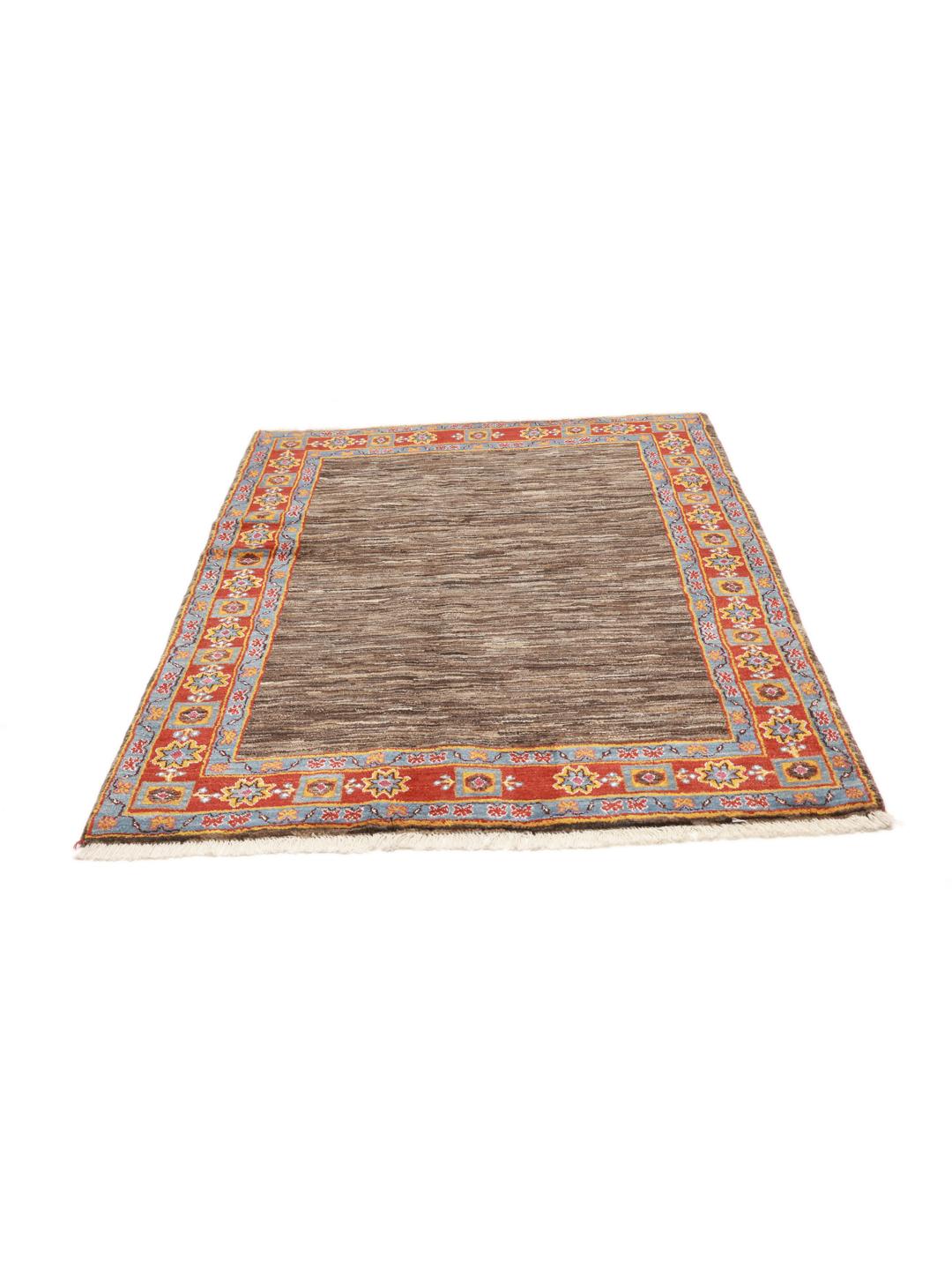
Visually, these rugs are defined by their open fields and playful, often abstract motifs. While many Gabbeh rugs feature simple geometric shapes or representations of local flora and fauna, the borders often provide a sophisticated contrast. The use of vibrant, natural dyes derived from plants and minerals gives the rugs a depth of colour that evolves beautifully over time, gaining character with every passing year.
Today, owning a Gabbeh is seen as an act of preserving a dying art form. As modern production methods become more common, the skill required to hand-knot a traditional Gabbeh becomes increasingly rare. Collectors value these pieces not only for their aesthetic warmth but for the cultural narrative they carry, representing a bridge between ancient nomadic traditions and the contemporary home.