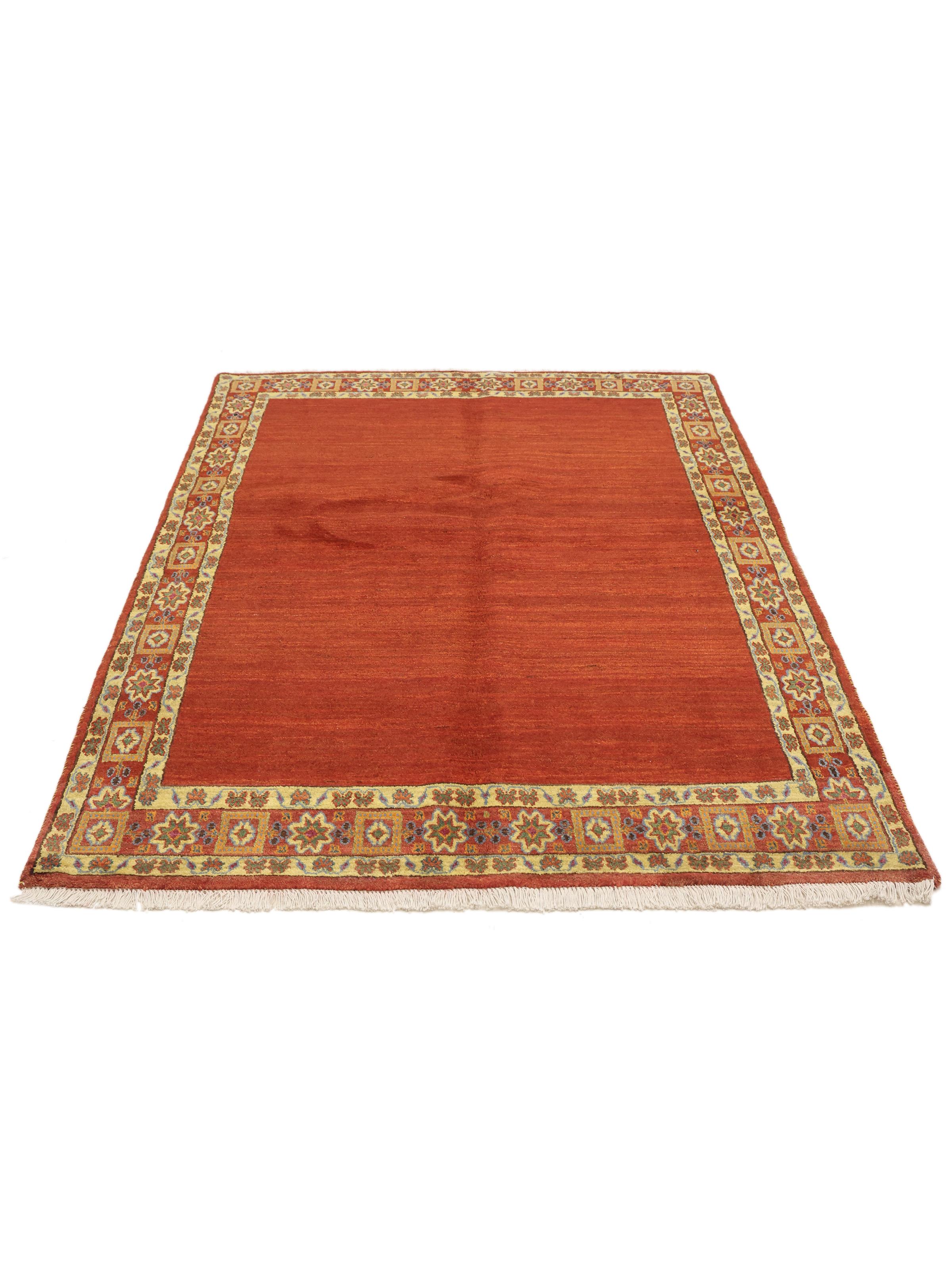
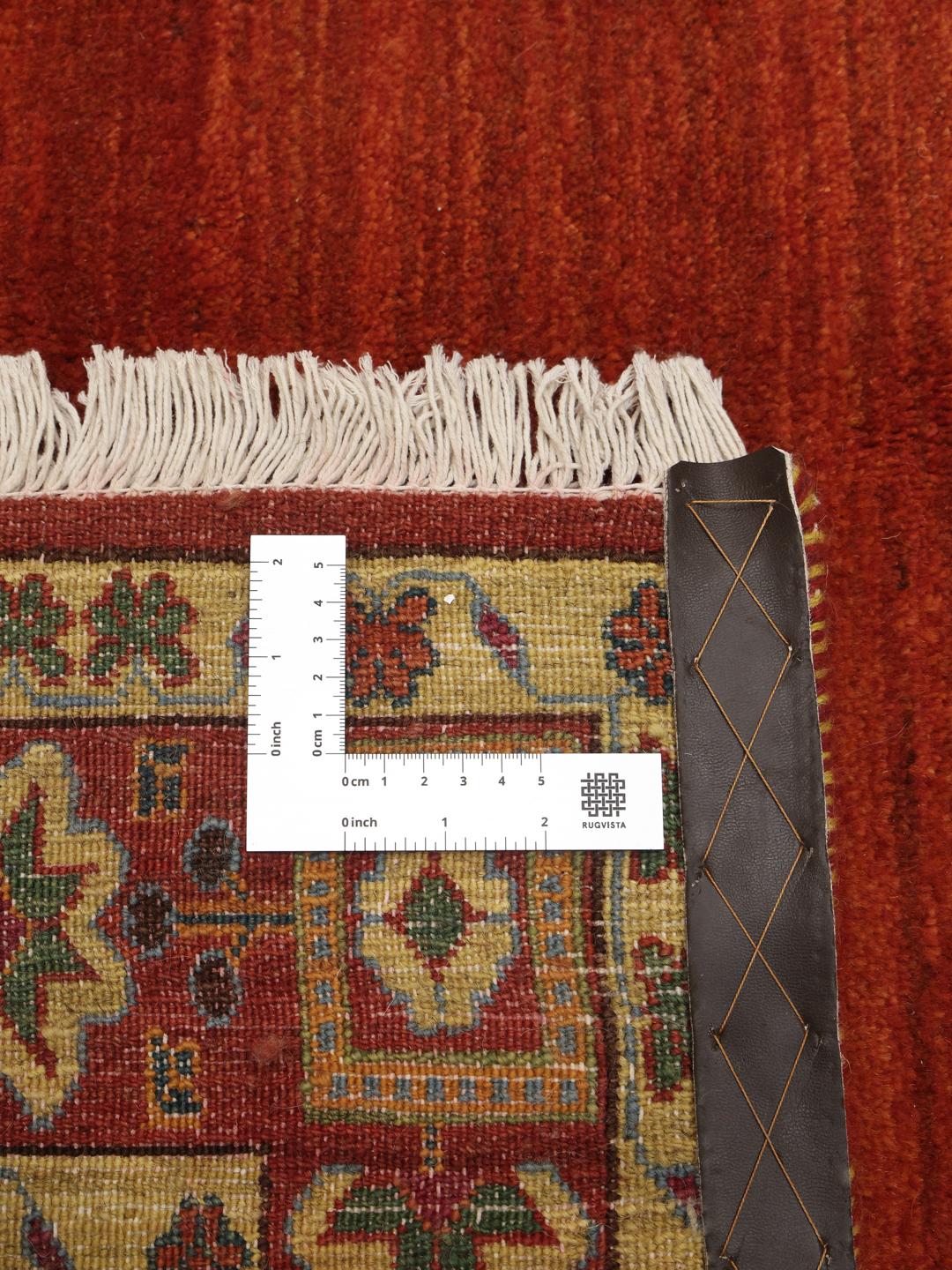
Gabbeh rugs originate from the nomadic tribes of the Middle East, primarily woven by the Qashqai and Luri people. Traditionally, these rugs were created for personal use within the family, serving as thick, protective floor coverings that offered warmth against the cold desert nights. Unlike more formal urban rugs, Gabbeh designs were deeply personal, often reflecting the surroundings, beliefs, and daily life of the weaver.
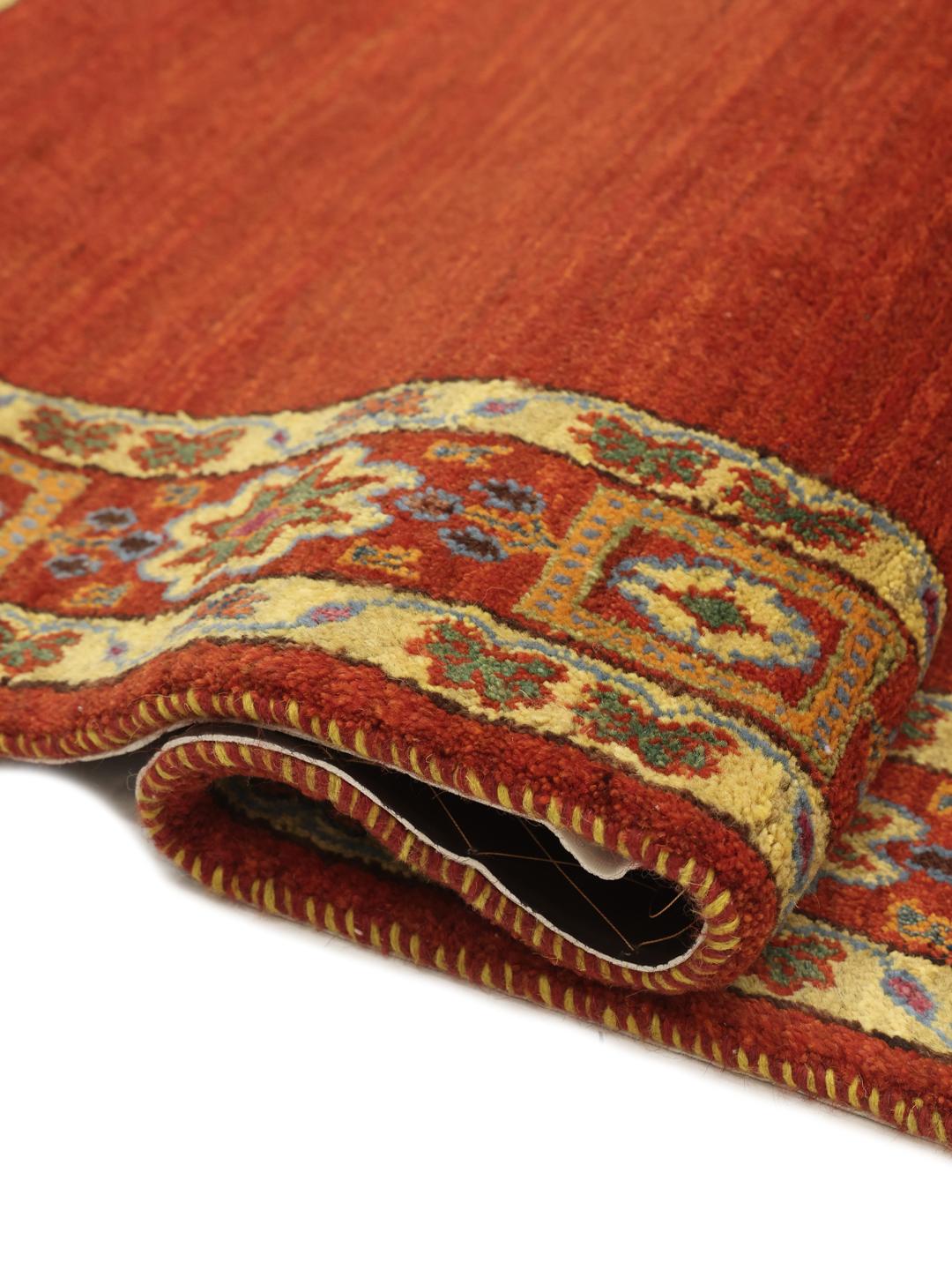
The term Gabbeh itself refers to a 'natural' or 'raw' style, characterised by a thicker pile and a more simplified, abstract approach to design. While modern production has refined the techniques, the core of the craft remains the use of hand-spun, high-quality Wool. This material is prized for its natural lanolin content, which gives the finished rug a soft, lustrous sheen and an inherent resistance to wear.
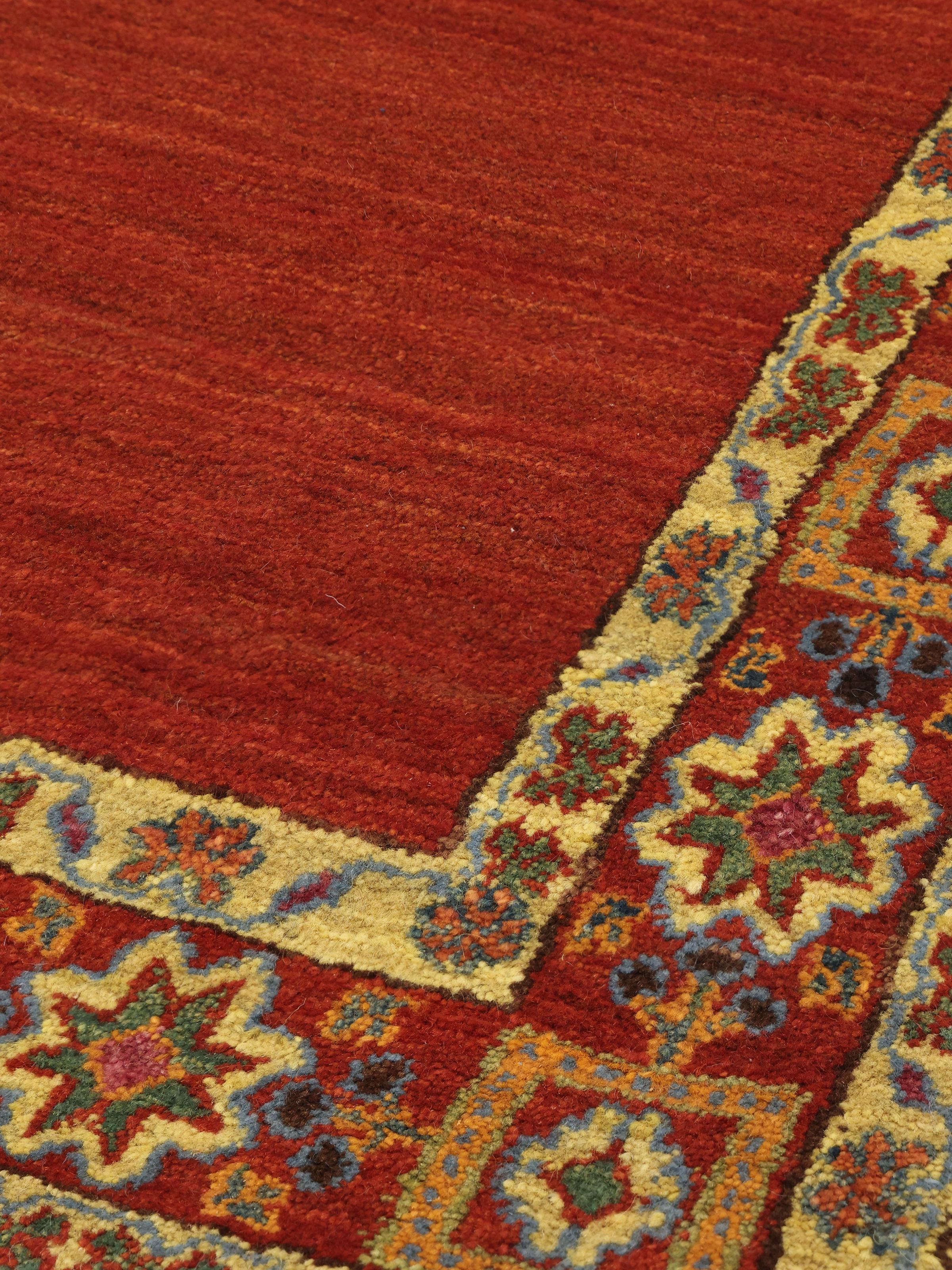
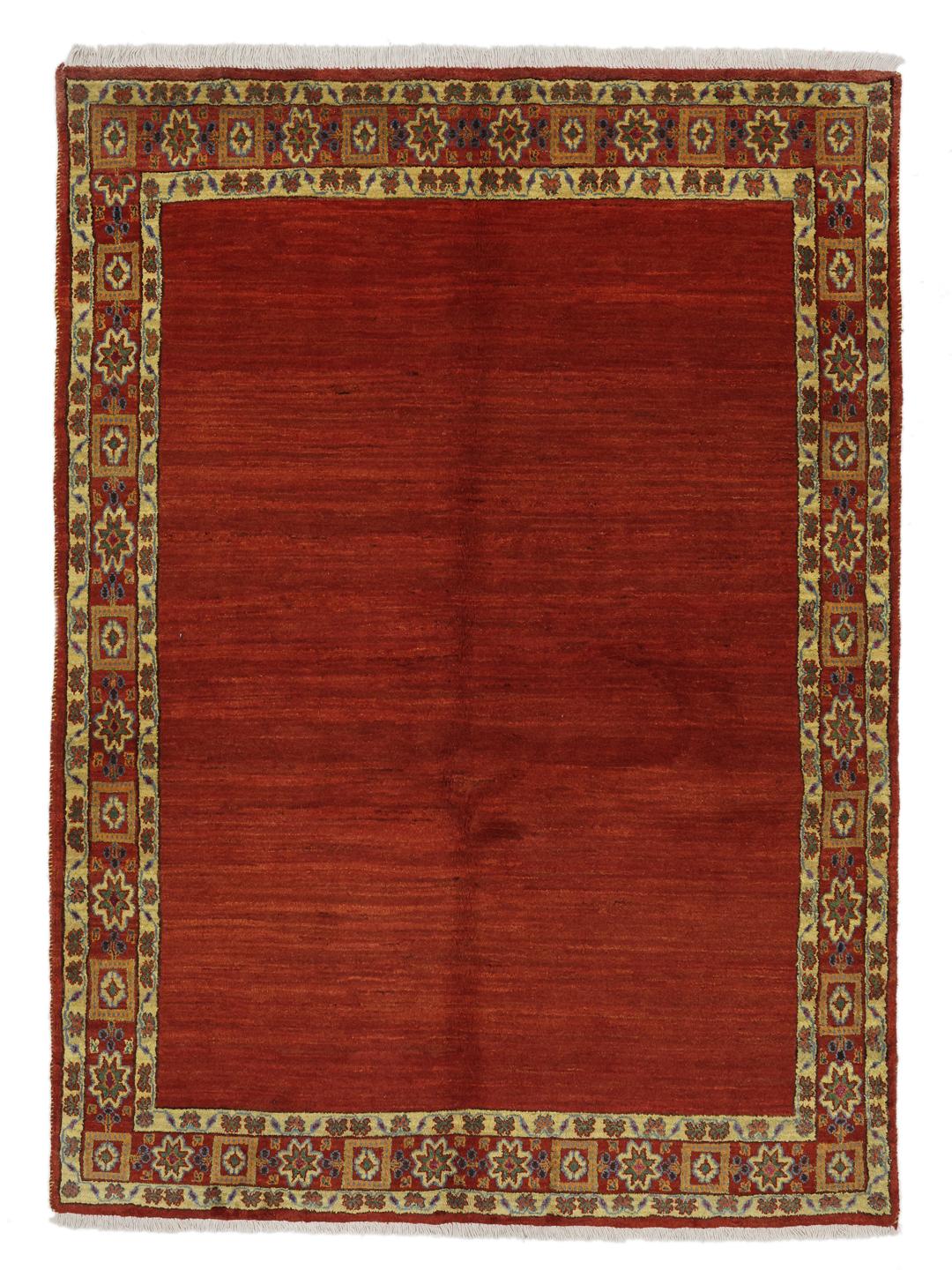
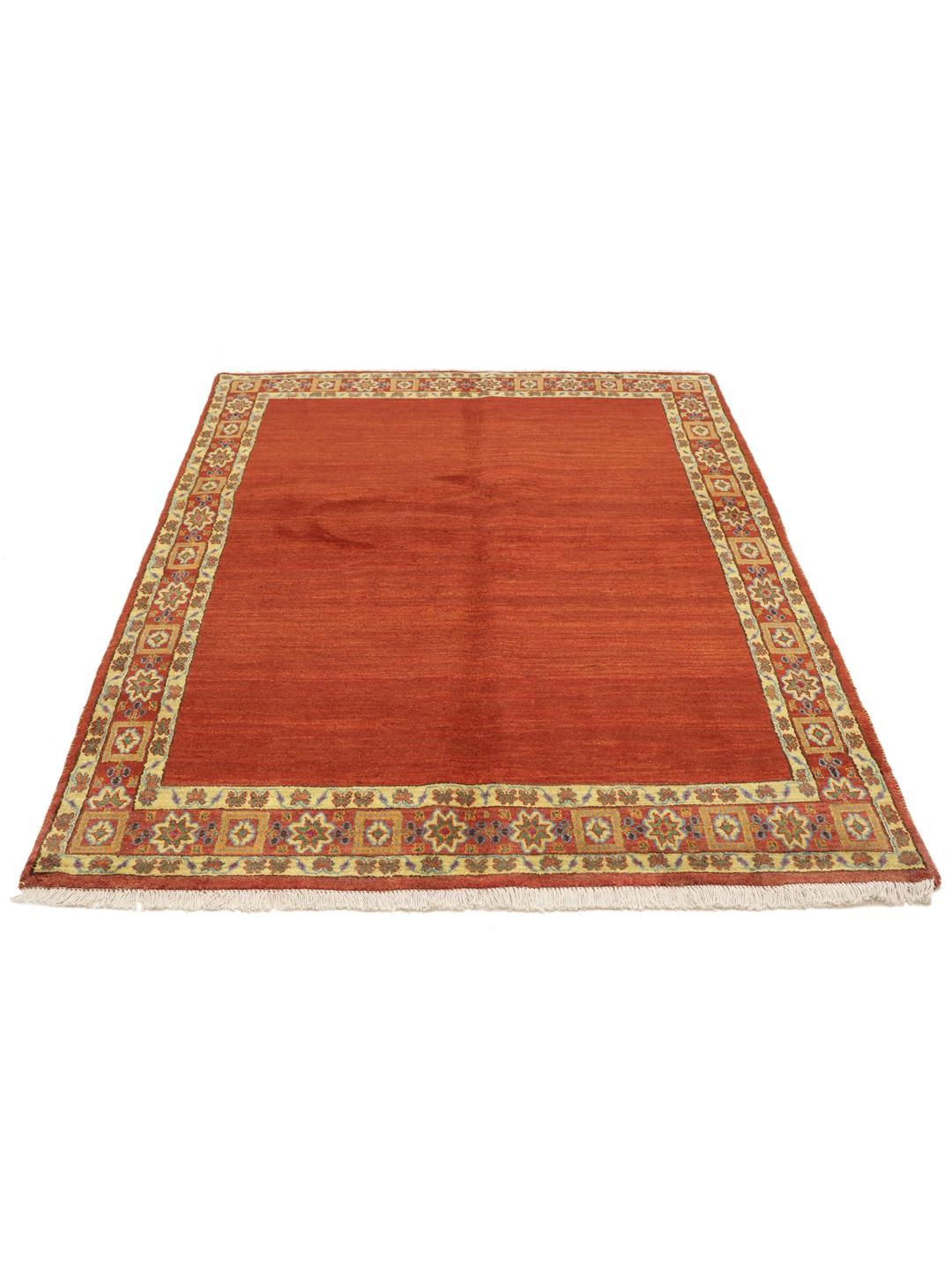
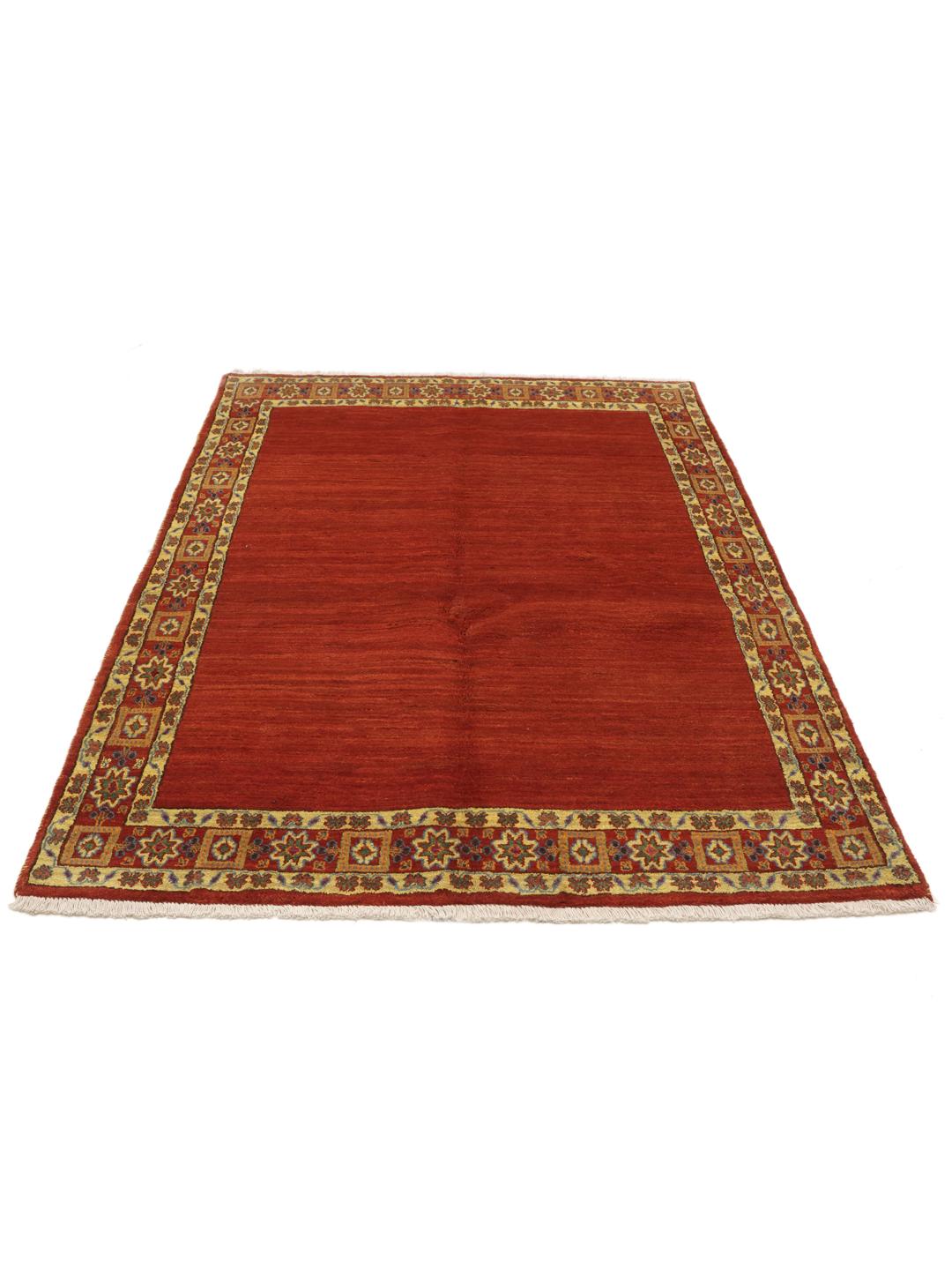
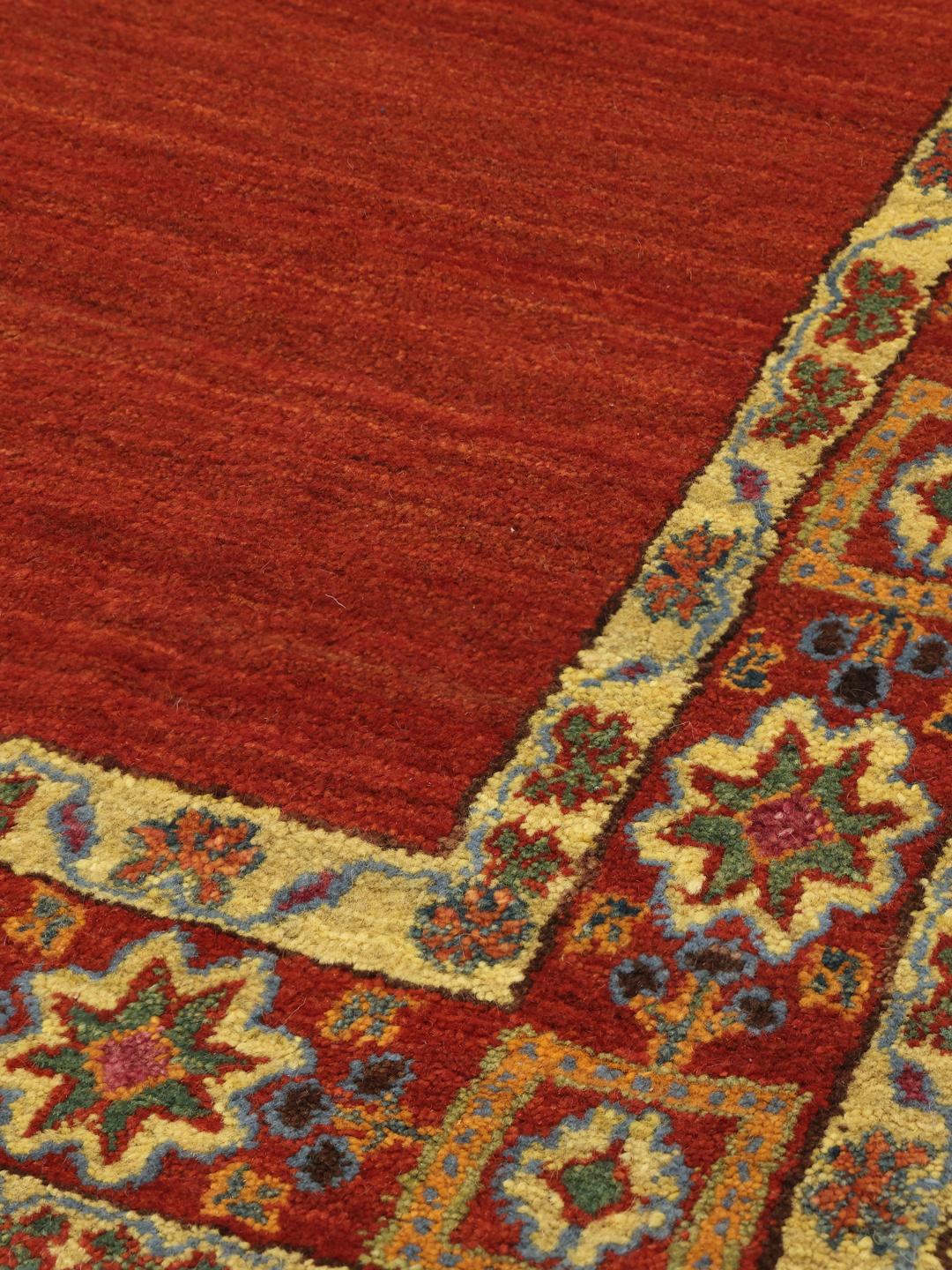
The visual language of a Gabbeh is defined by its bold, open fields and geometric motifs. While this specific piece features a striking red field, the borders often incorporate stylised floral and geometric patterns that draw from traditional tribal iconography. These designs are not mere decoration but a form of artistic storytelling, passed down through generations of weavers.
Today, these rugs are highly valued by collectors for their authenticity and the human element present in every fibre. Owning a Gabbeh is about more than just aesthetics; it is about honouring a centuries-old tradition of nomadic craftsmanship. Each piece represents a connection to a rich cultural heritage, providing your home with a sense of history and genuine, lasting quality.