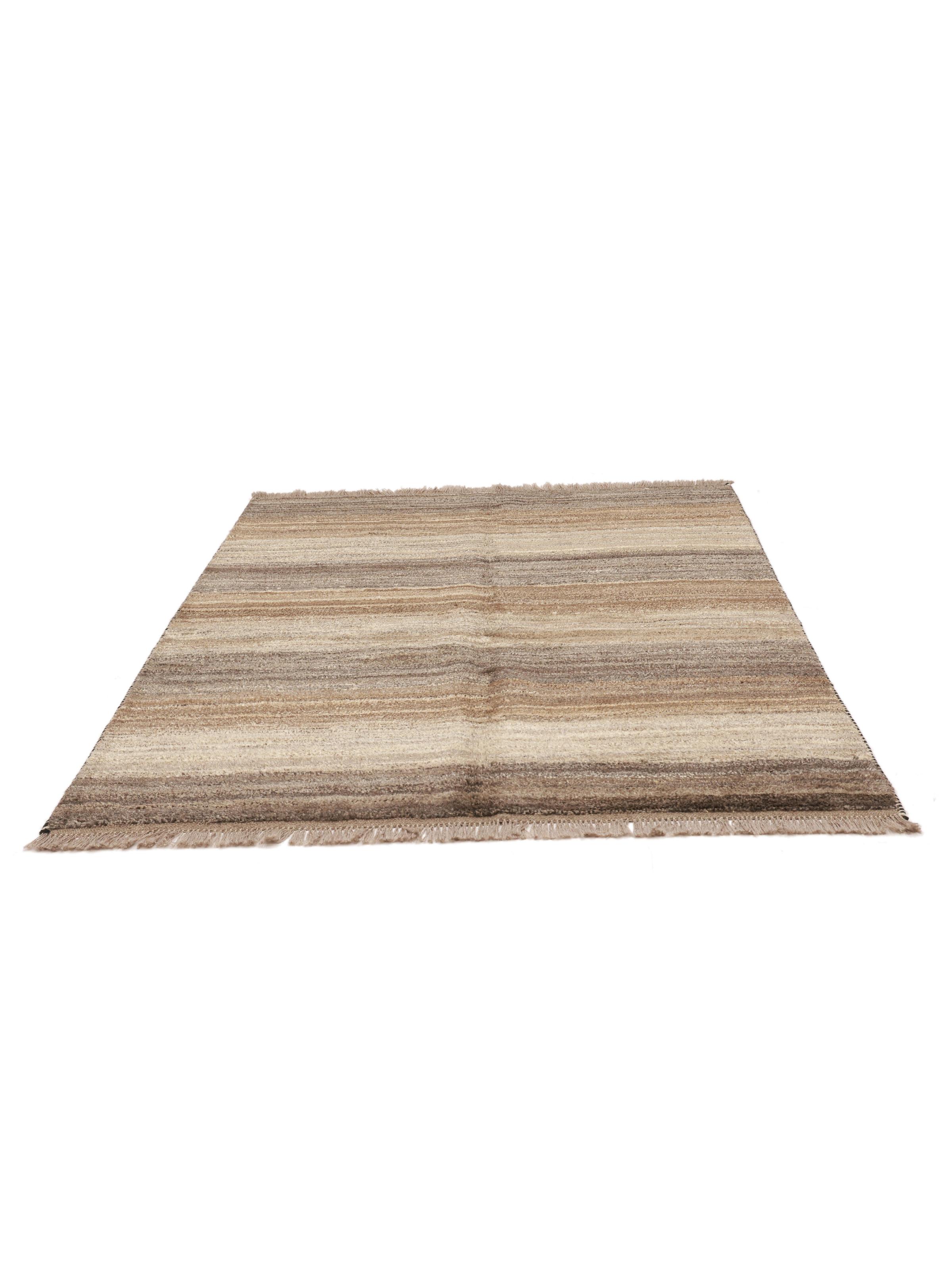
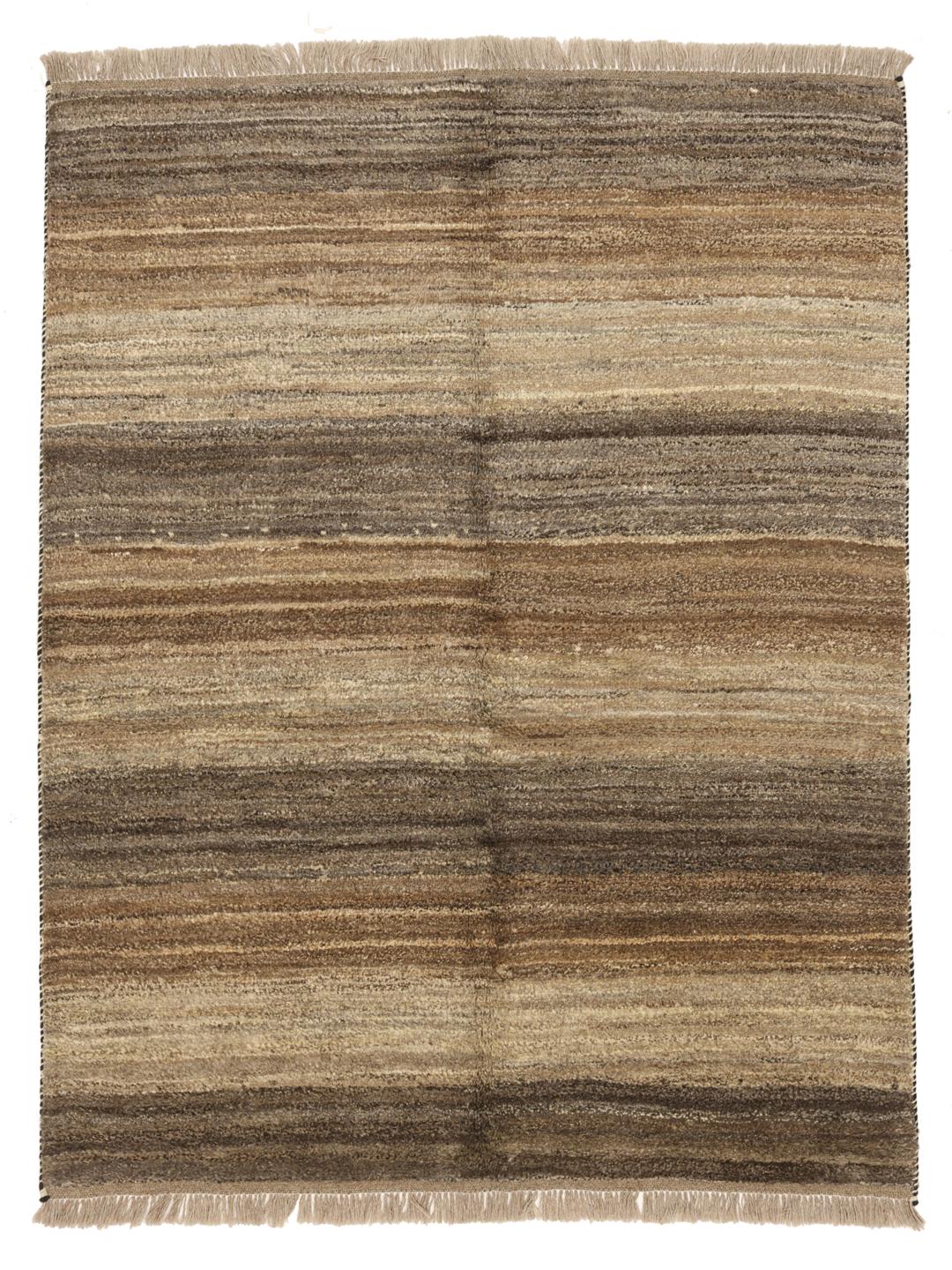
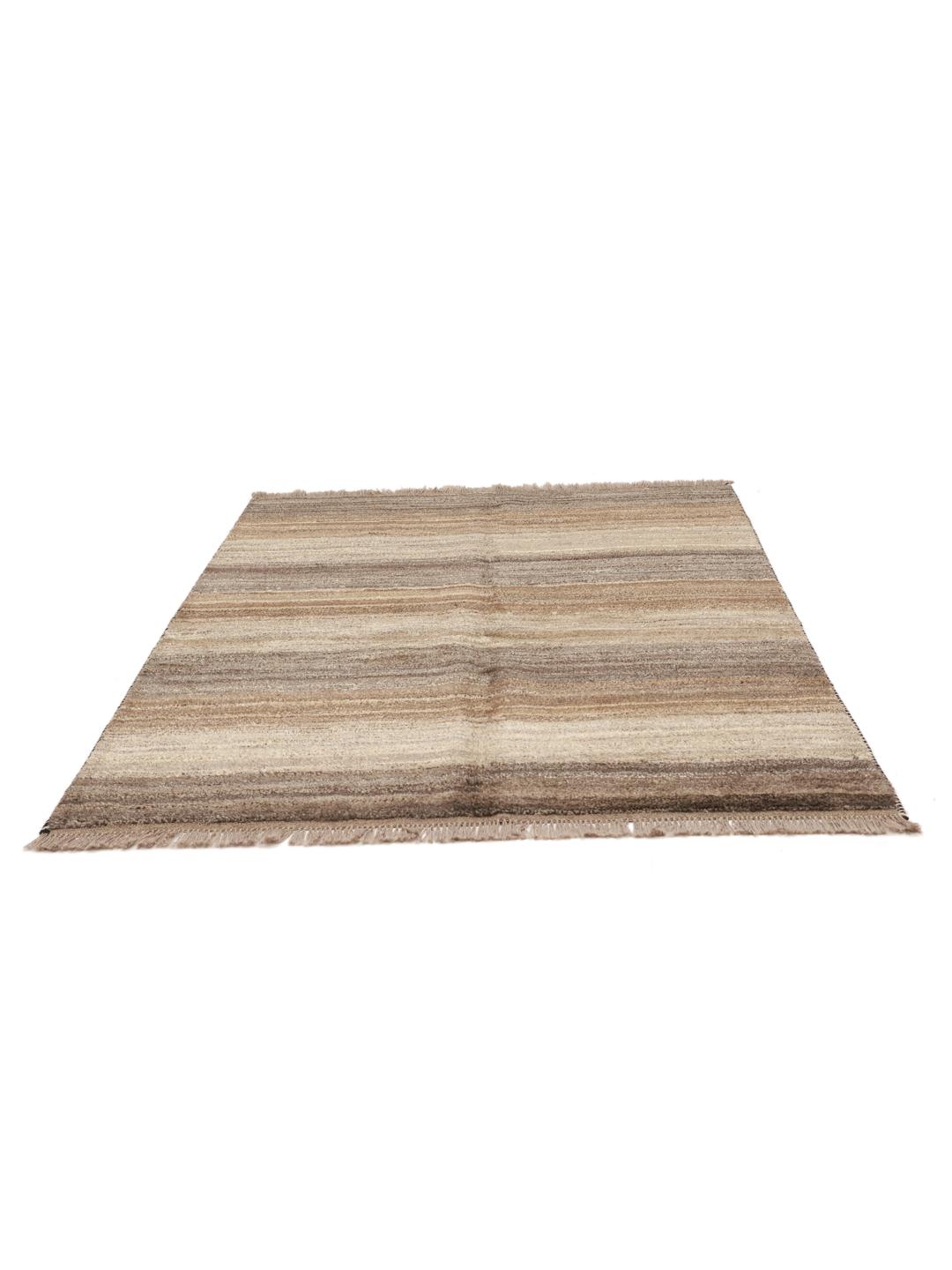
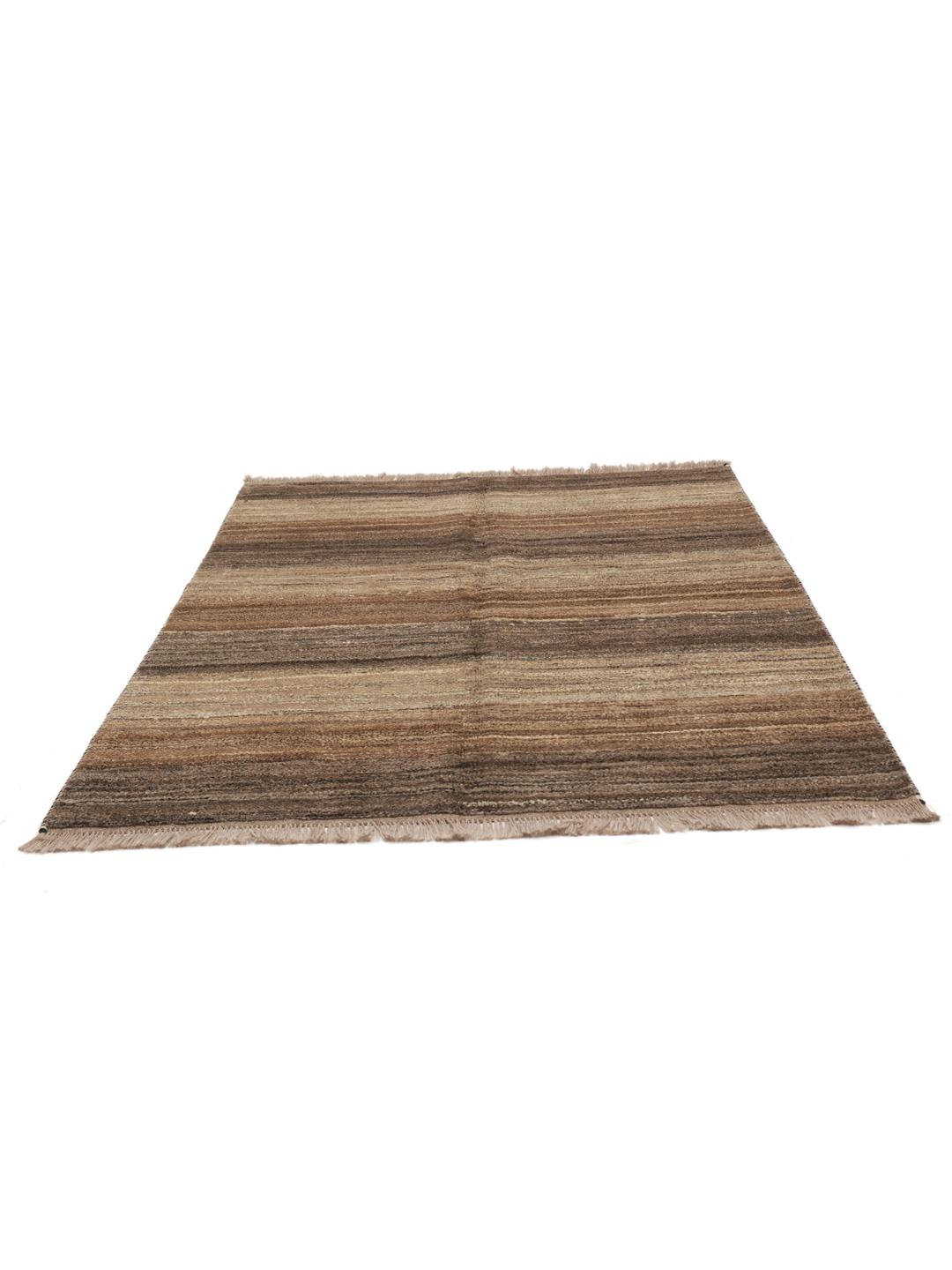
The Gabbeh tradition originates from the nomadic tribes of the Middle East, where weavers created these rugs primarily for their own domestic use rather than for trade. These pieces were historically crafted to provide warmth and comfort in the harsh, variable climates of the region, serving as bedding or floor coverings within tents.
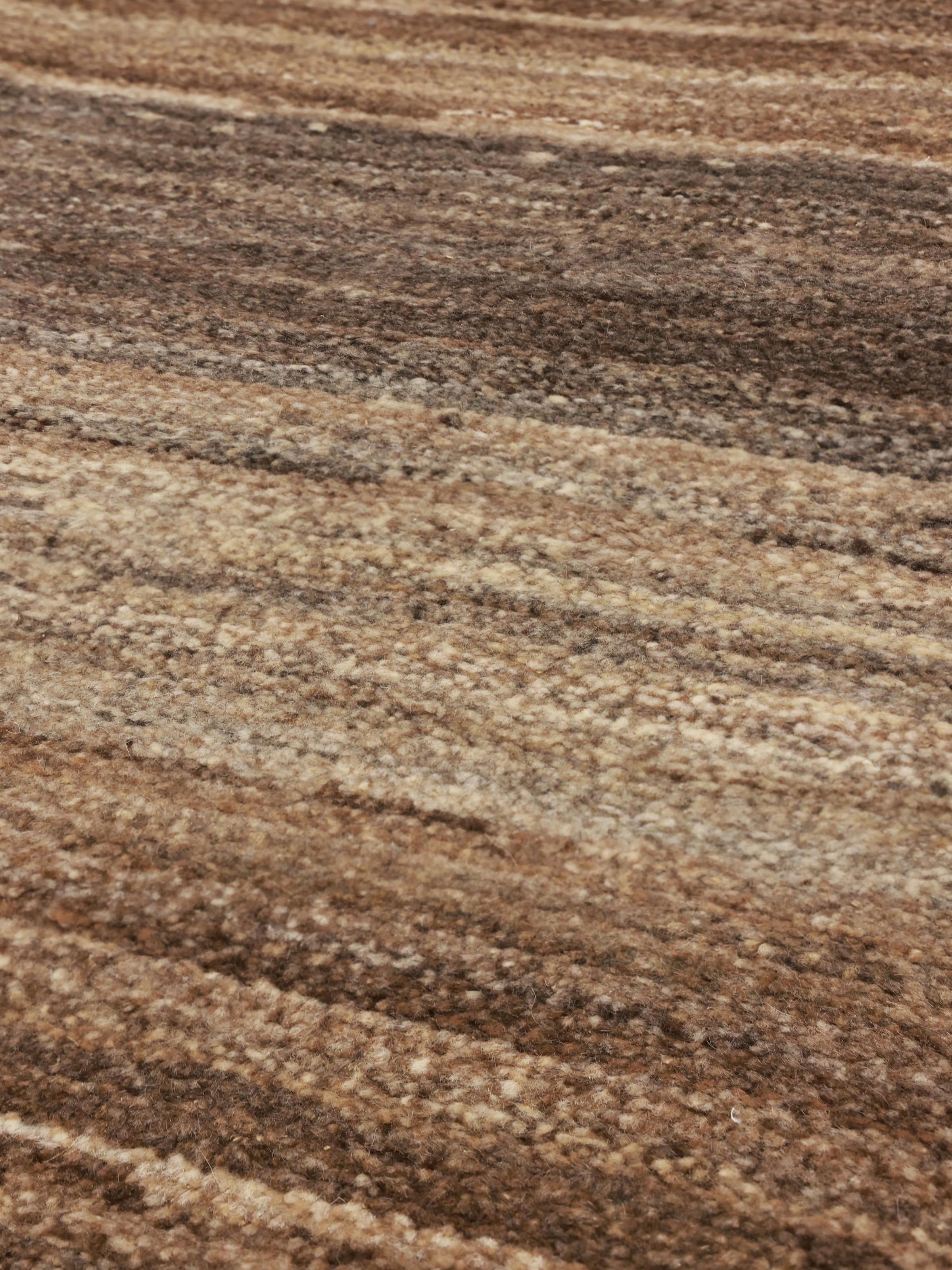
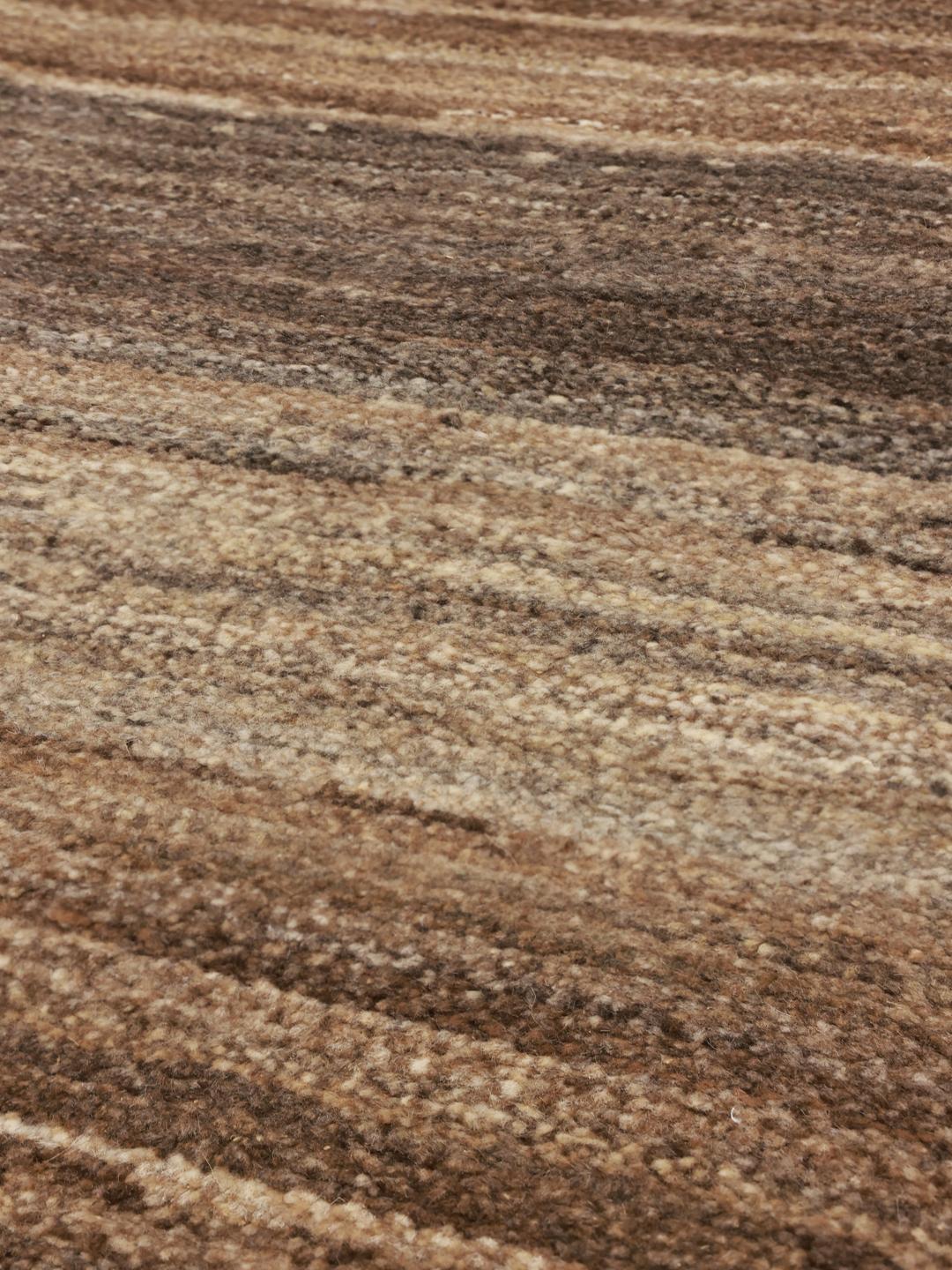
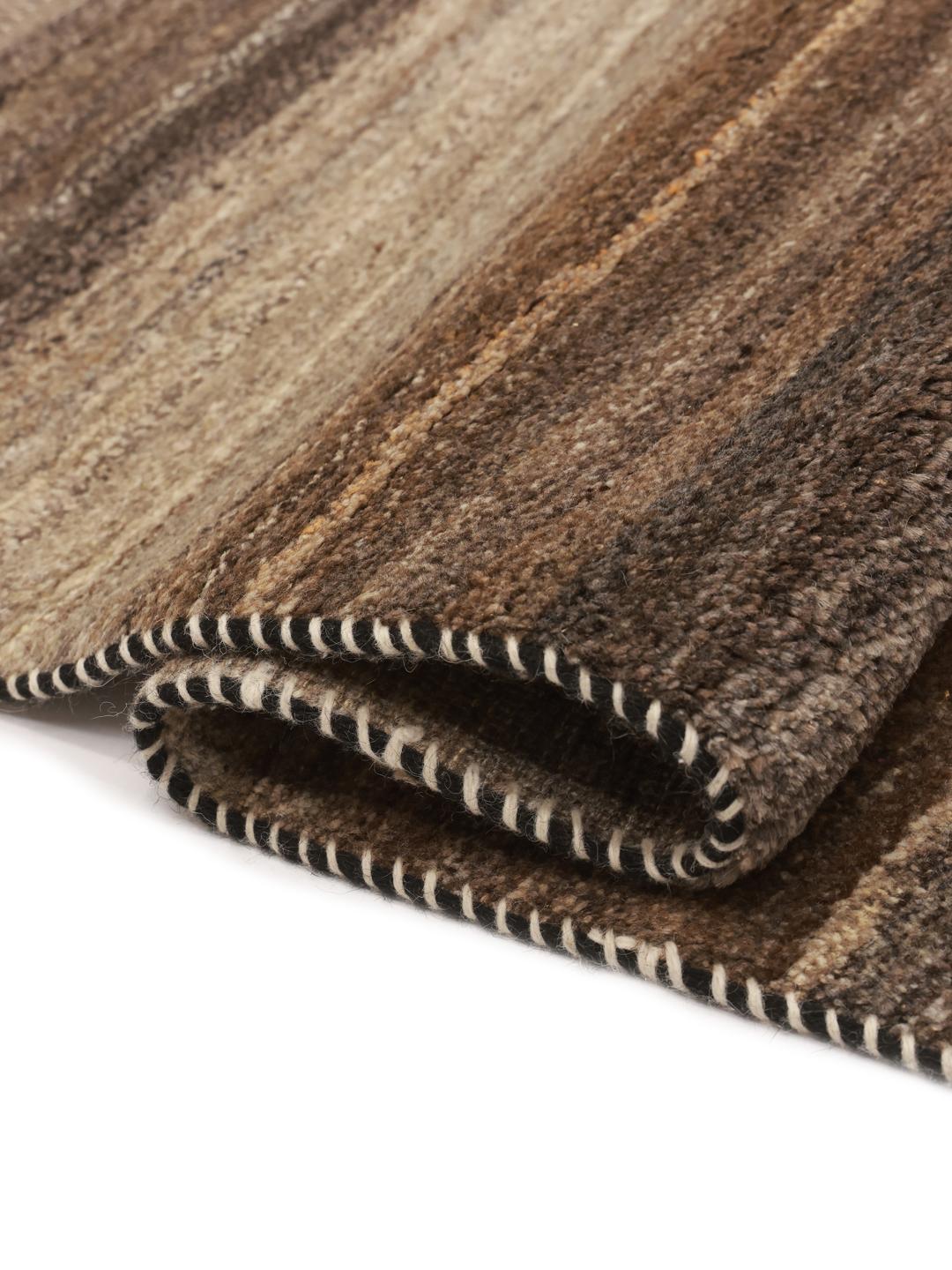
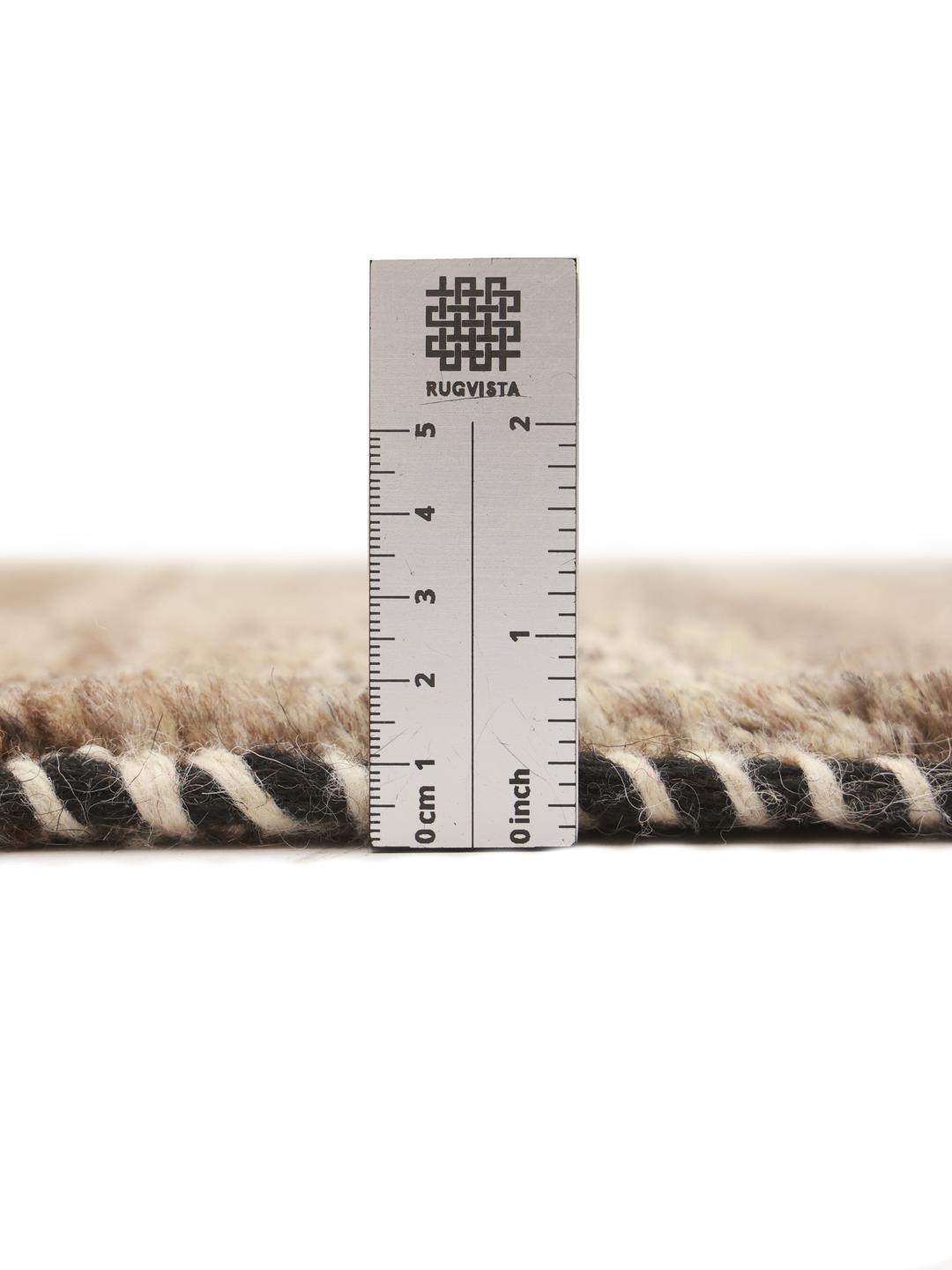
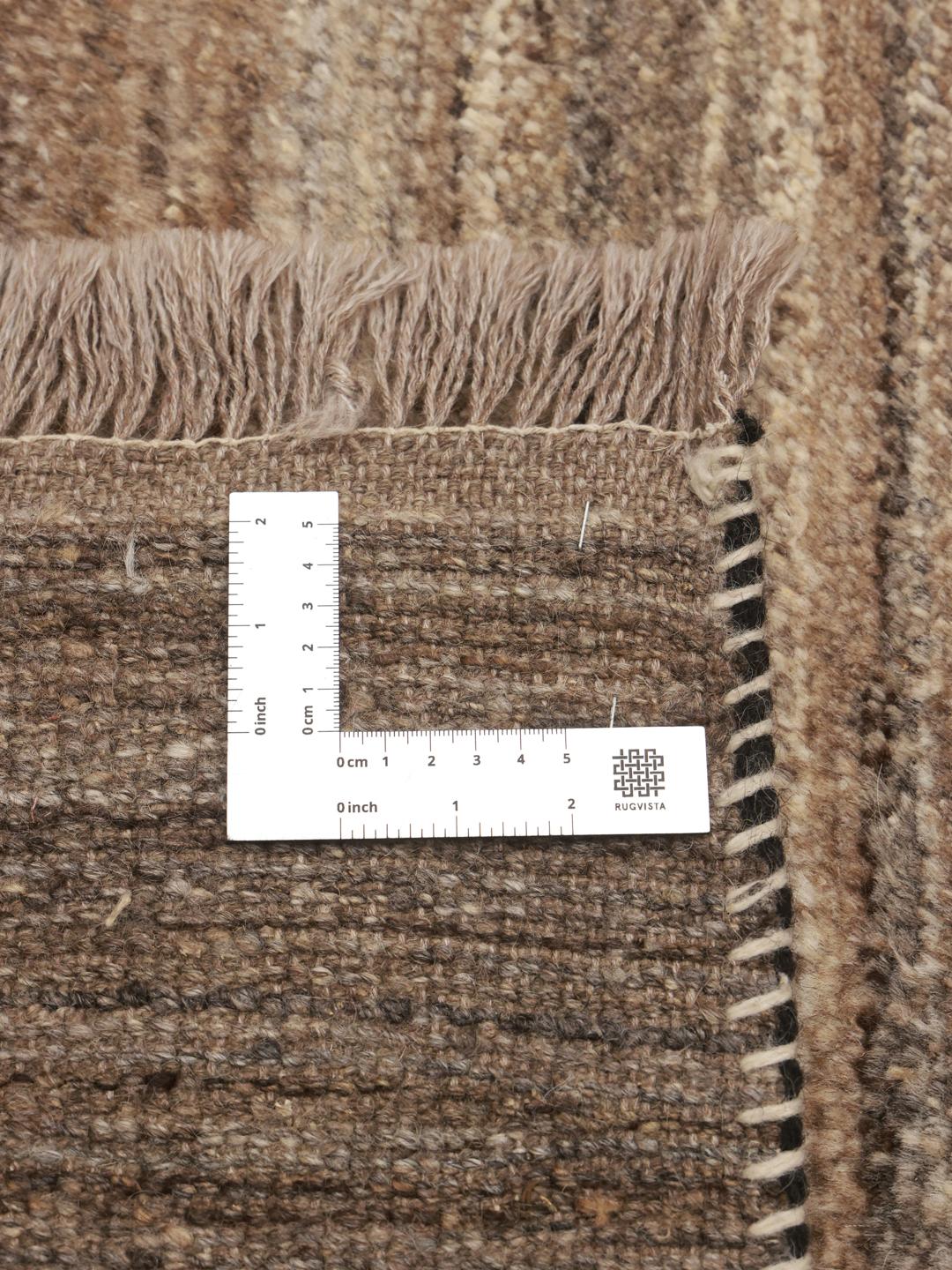
Technically, the Gabbeh style is celebrated for its simplicity and the use of hand-spun, often undyed Wool. By utilising the natural variations in the fleece, weavers create a depth of colour that feels organic and alive. This approach emphasises the quality of the raw material, resulting in a pile that is thicker and more resilient than many other types of floor coverings.
Visually, these rugs are known for their minimalist approach, often featuring bold, abstract, or striped designs that deviate from the complex geometric motifs found in formal city-made rugs. This specific Shabargan style captures a refined version of this tradition, focusing on harmonious colour transitions that evoke the landscape of its origin.
Collecting a Gabbeh rug is an investment in a living heritage. These pieces are highly valued for their raw, expressive beauty and the story of the artisan behind them. Owning one is a way to connect with an ancient craft tradition that prioritises functional comfort and authentic, unrefined aesthetics.