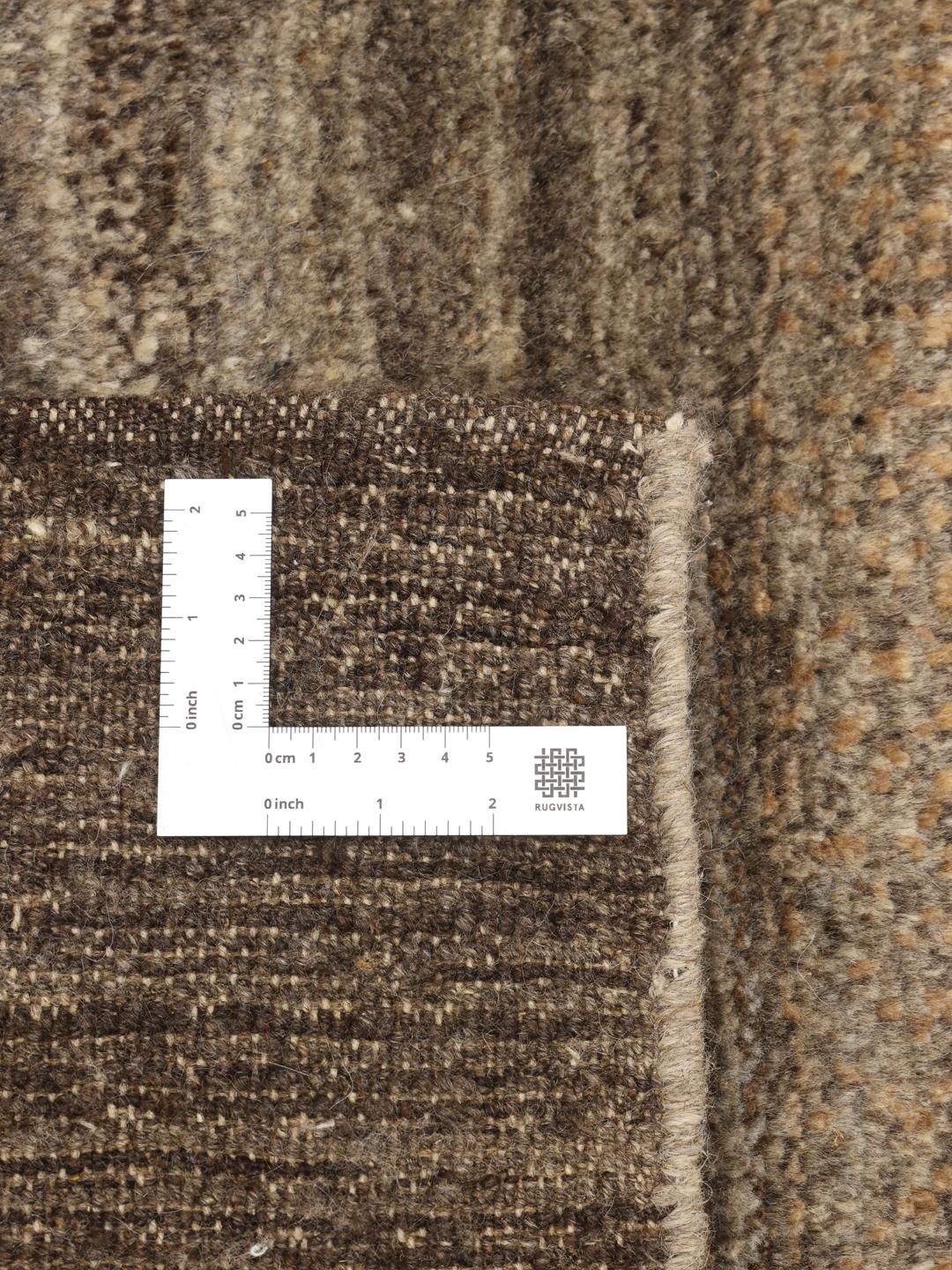
The Gabbeh tradition finds its roots in the nomadic cultures of the Middle East, where weavers historically created these rugs for their own domestic use rather than for trade. Unlike formal, city-made rugs, these pieces were designed to provide warmth and comfort in the rugged, mountainous regions where these communities lived.
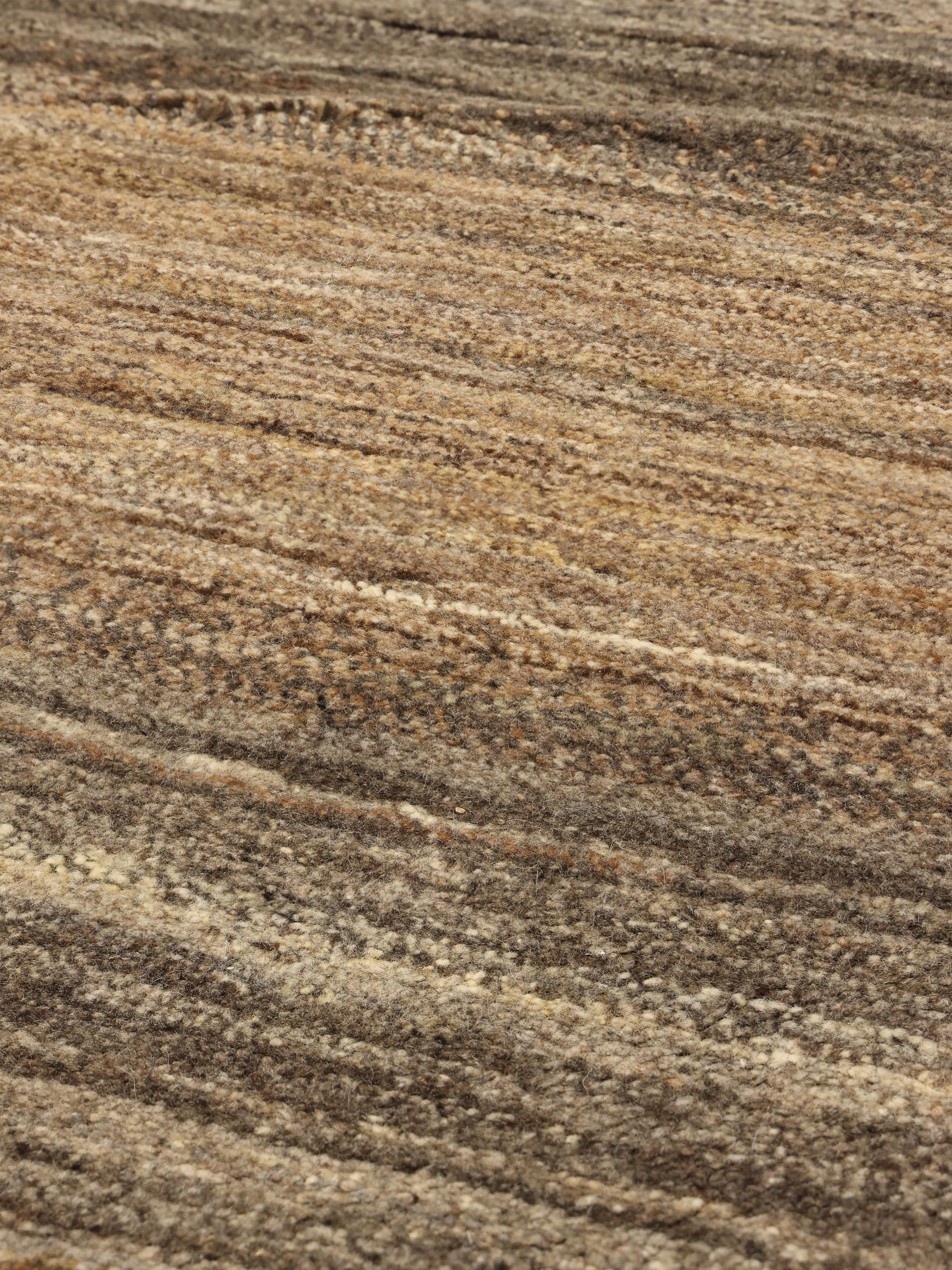
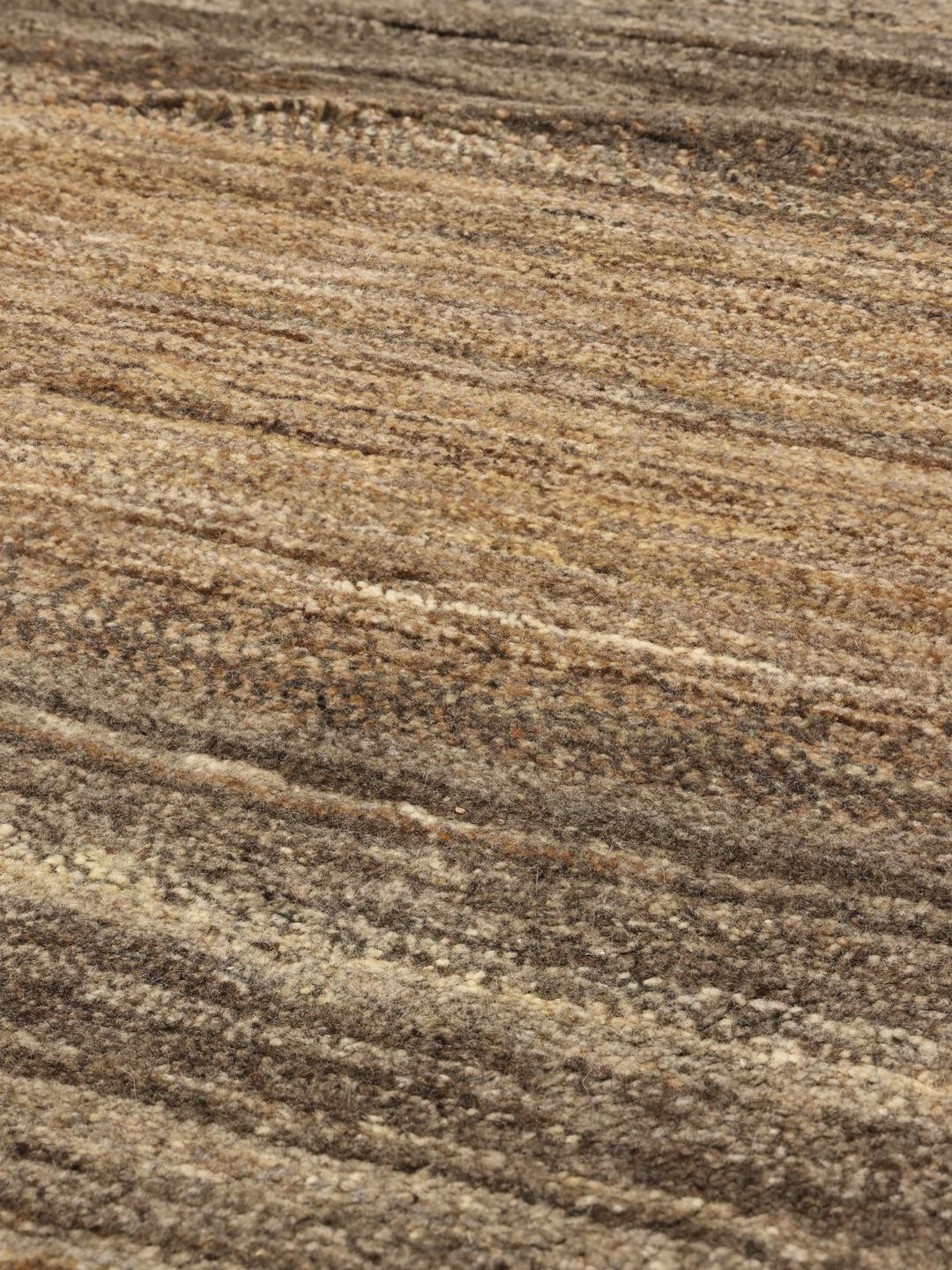
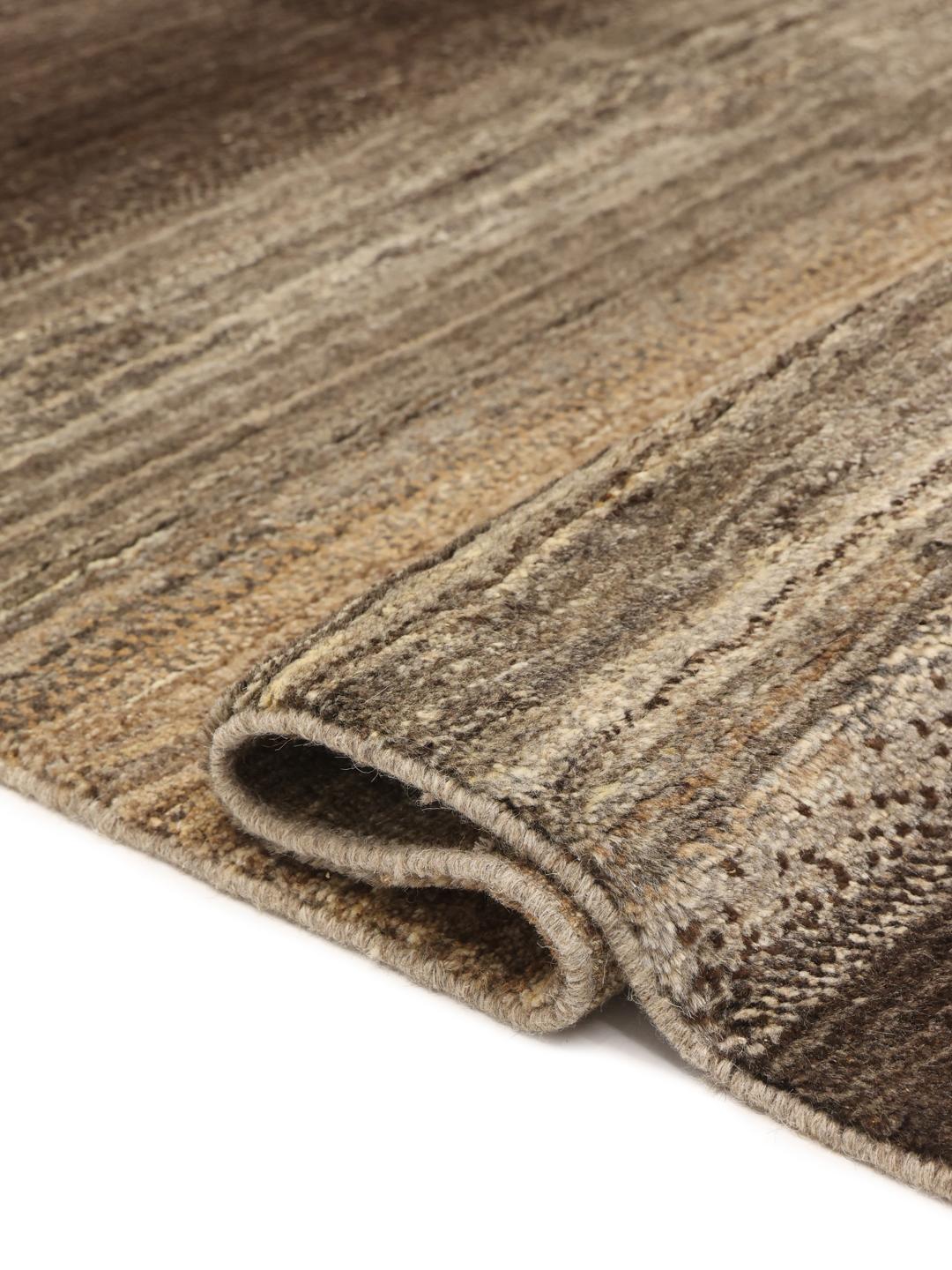
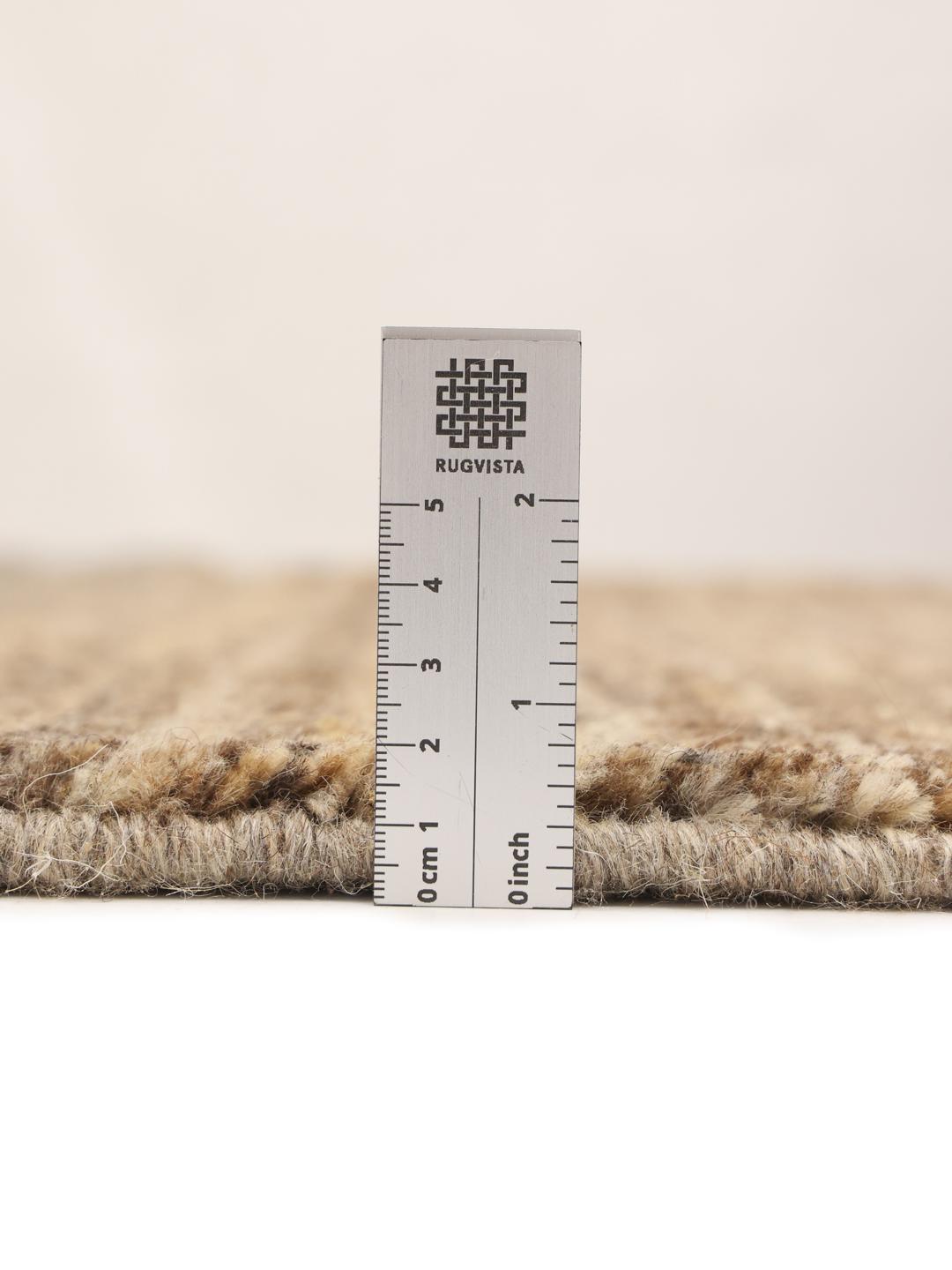
The term itself refers to a rug that is 'raw' or 'natural', a philosophy reflected in the simple, bold designs and the use of undyed or naturally dyed Wool. This approach allows the intrinsic beauty of the material to take centre stage, prioritising a soft, thick pile that is highly valued for its insulating properties against cold stone or earth floors.
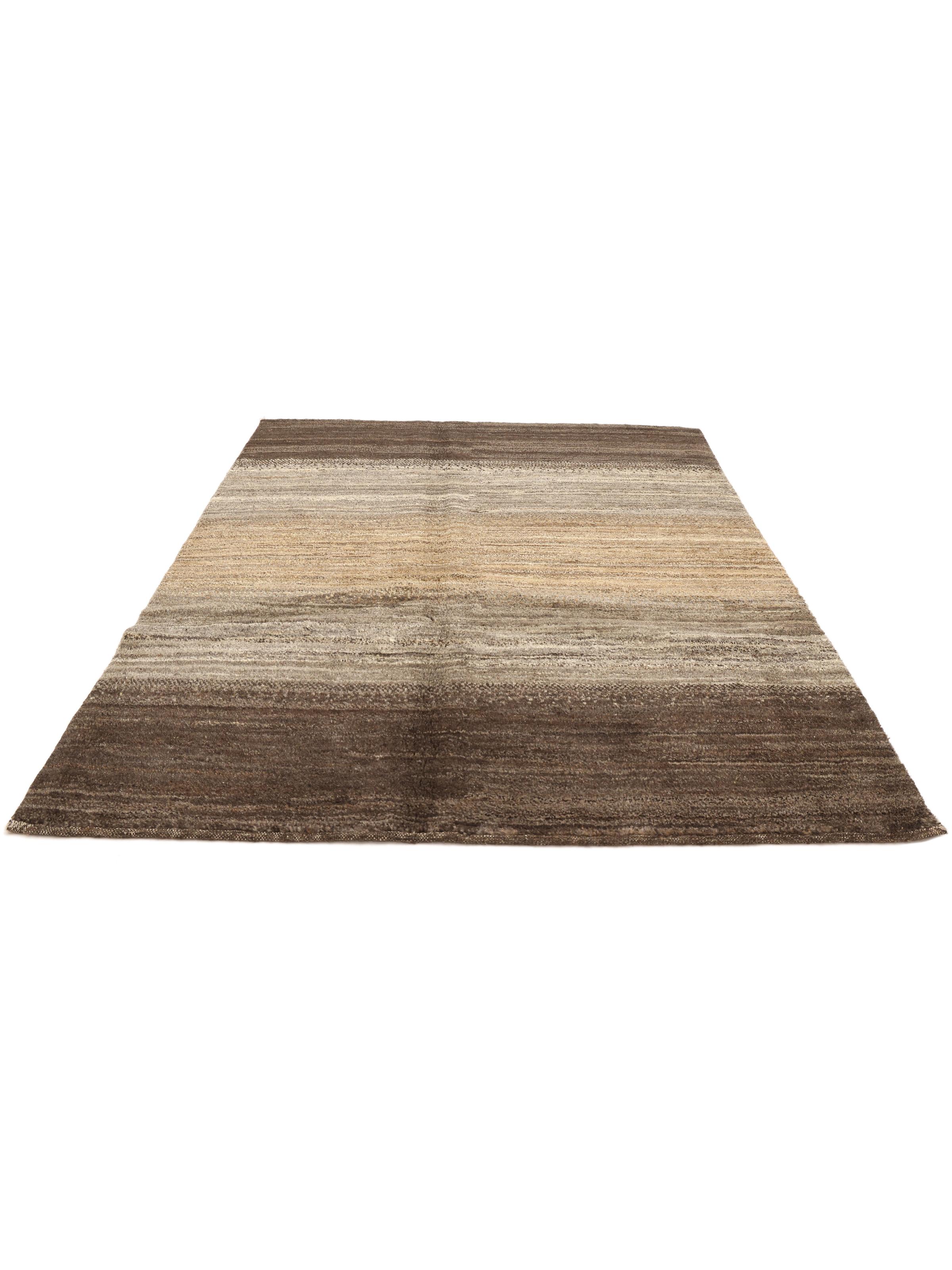
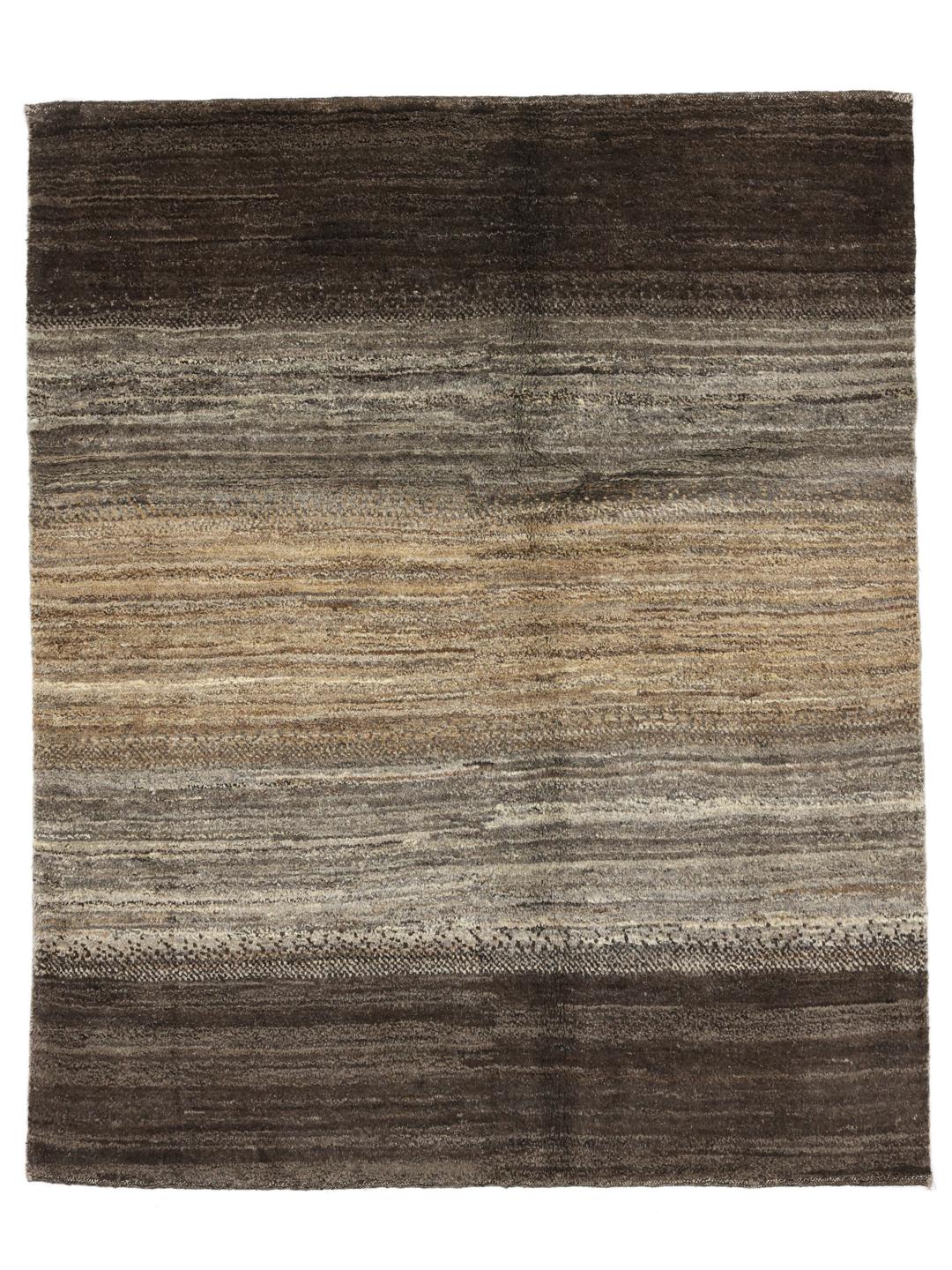
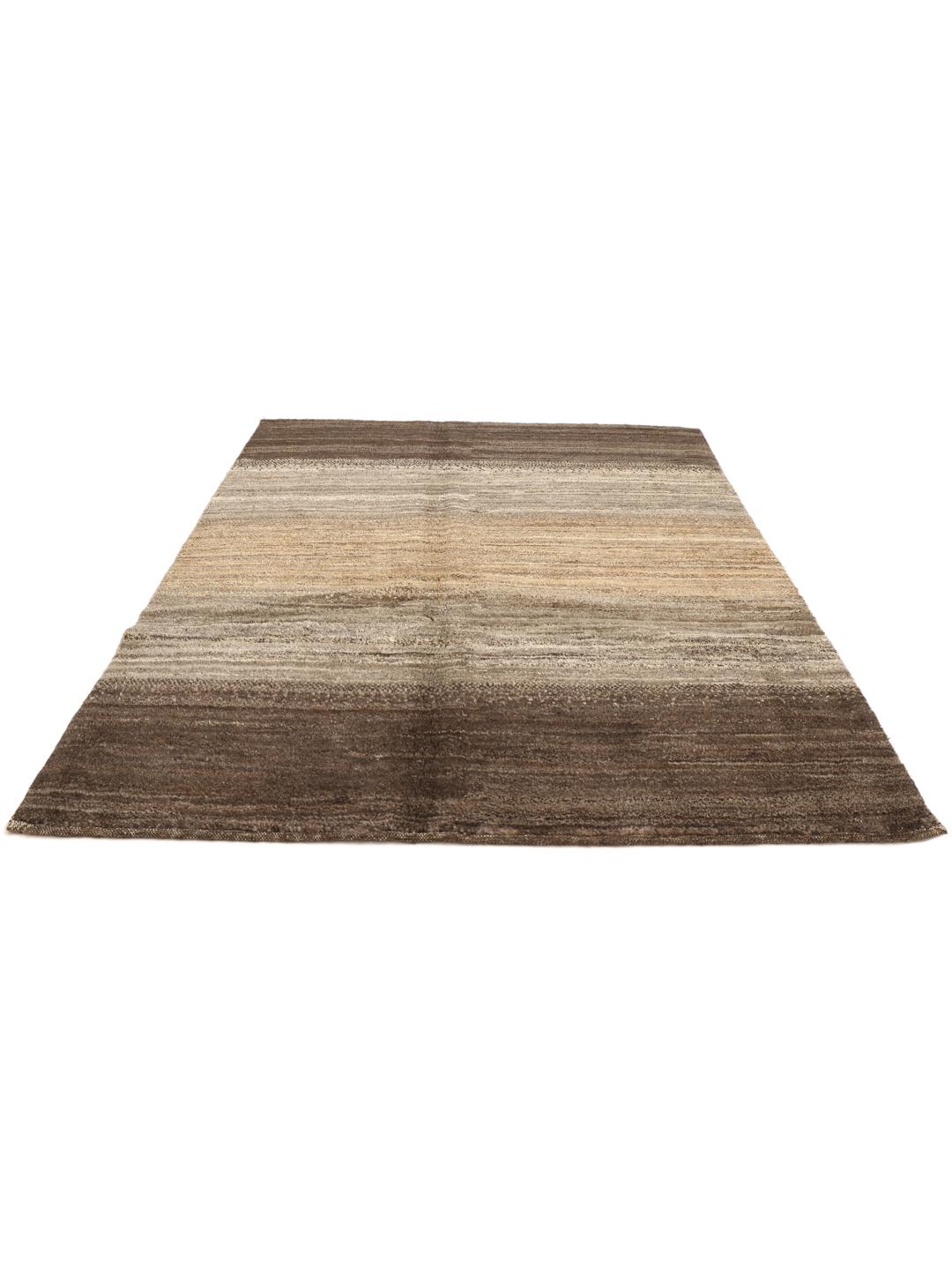
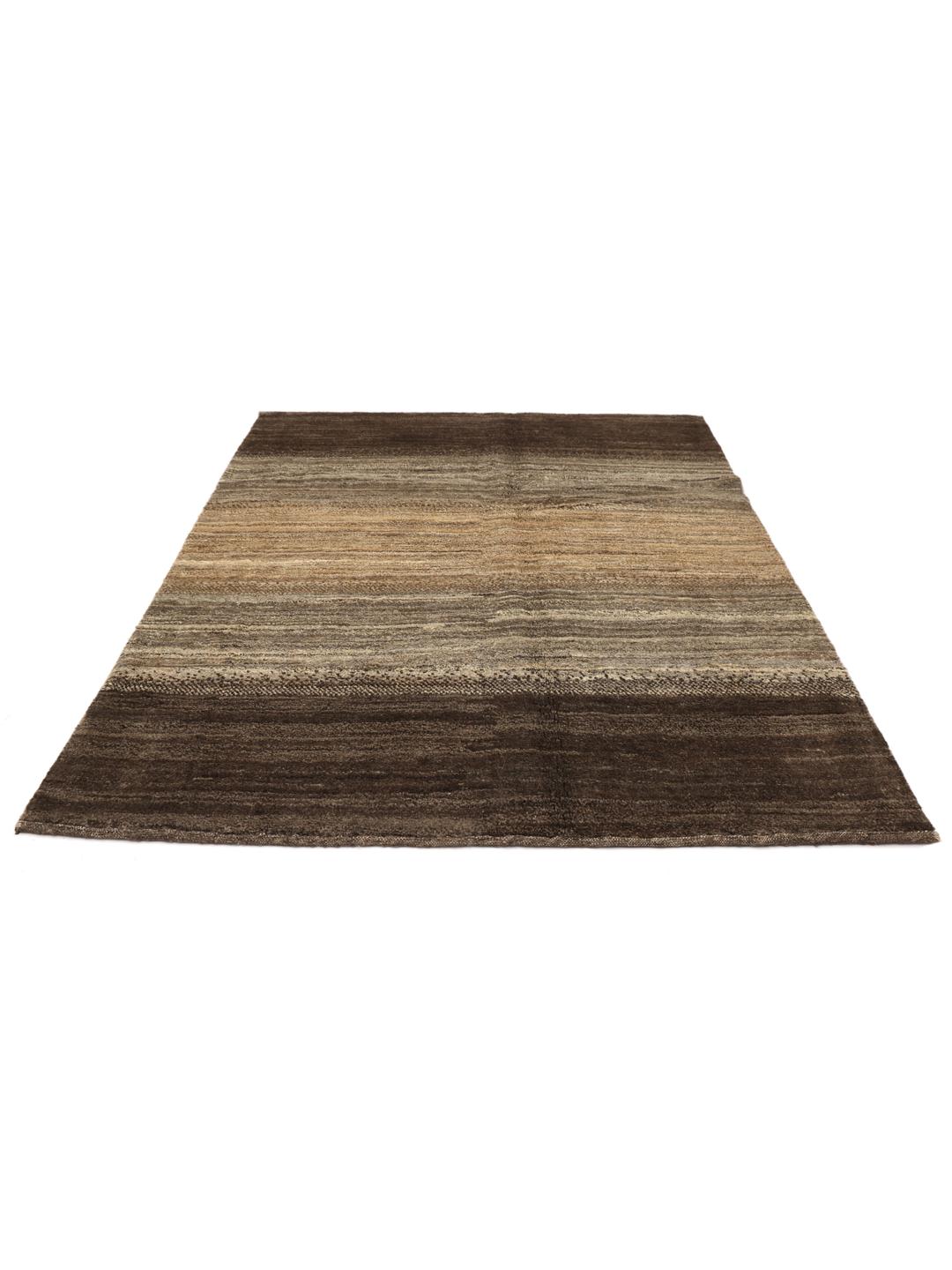
Visually, these rugs are defined by their minimalist aesthetic, often featuring wide, sweeping bands of colour or simple geometric motifs. The colour palette typically draws from the natural landscape, utilising earthy tones that create a serene and balanced look. This particular piece showcases this tradition through its layered, organic colour transitions that evoke the shifting hues of the desert or mountain soil.
Today, these rugs are cherished by collectors for their authenticity and the honest, unpretentious skill they represent. Owning a piece from this tradition is an invitation to connect with a long-standing heritage of nomadic artistry, where every rug serves as a testament to the weaver's instinct for colour, balance, and practical beauty.