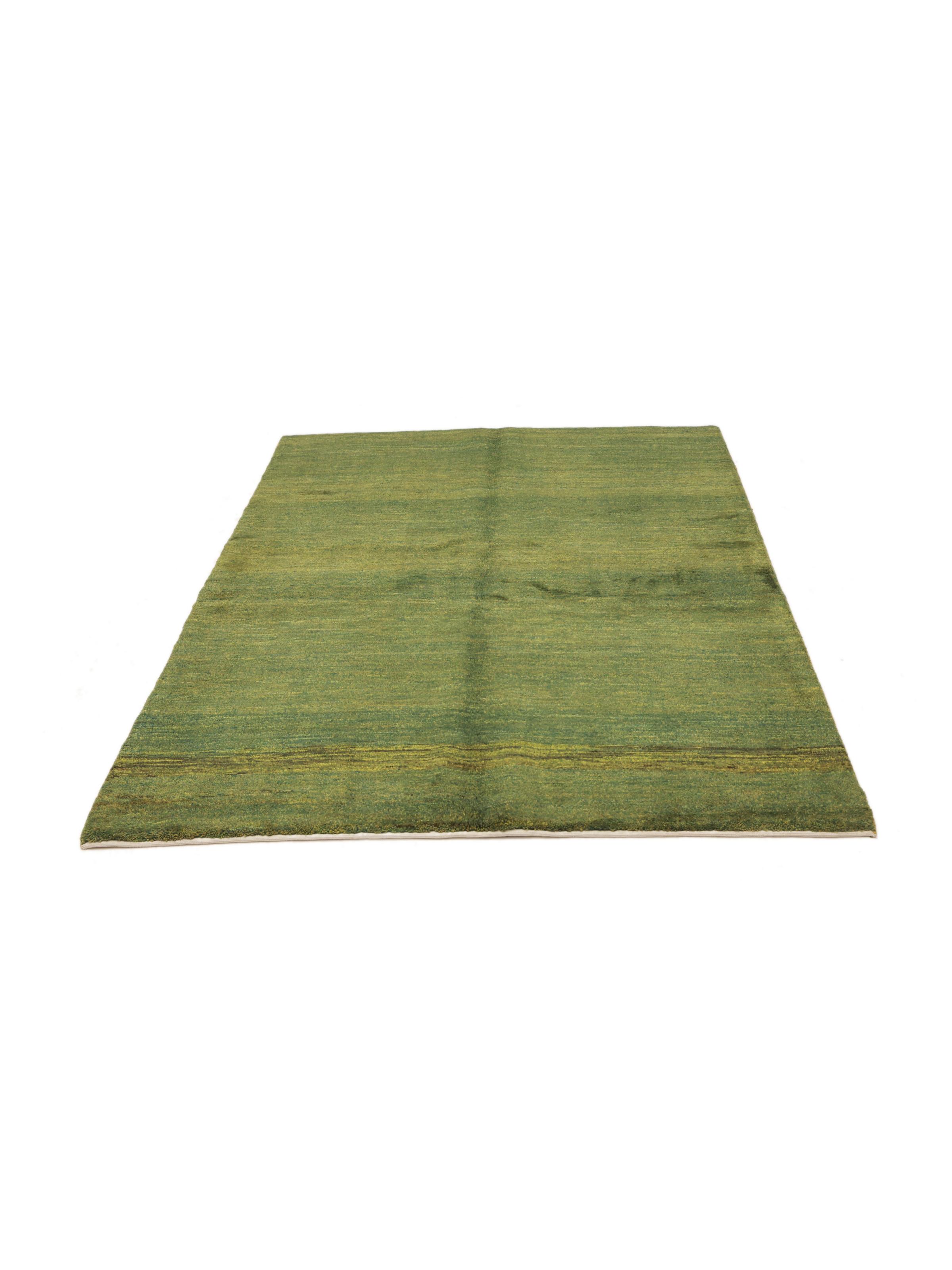
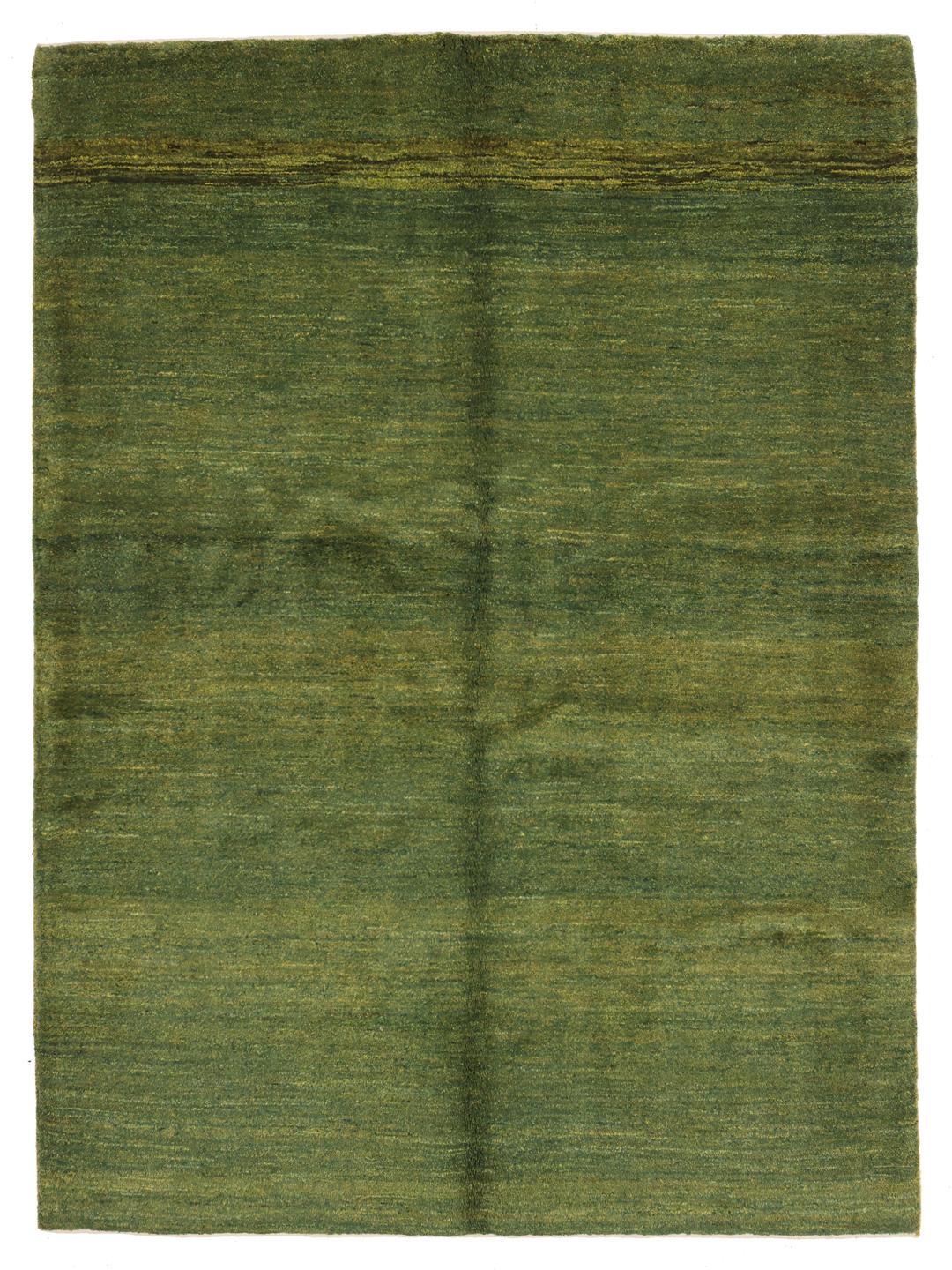
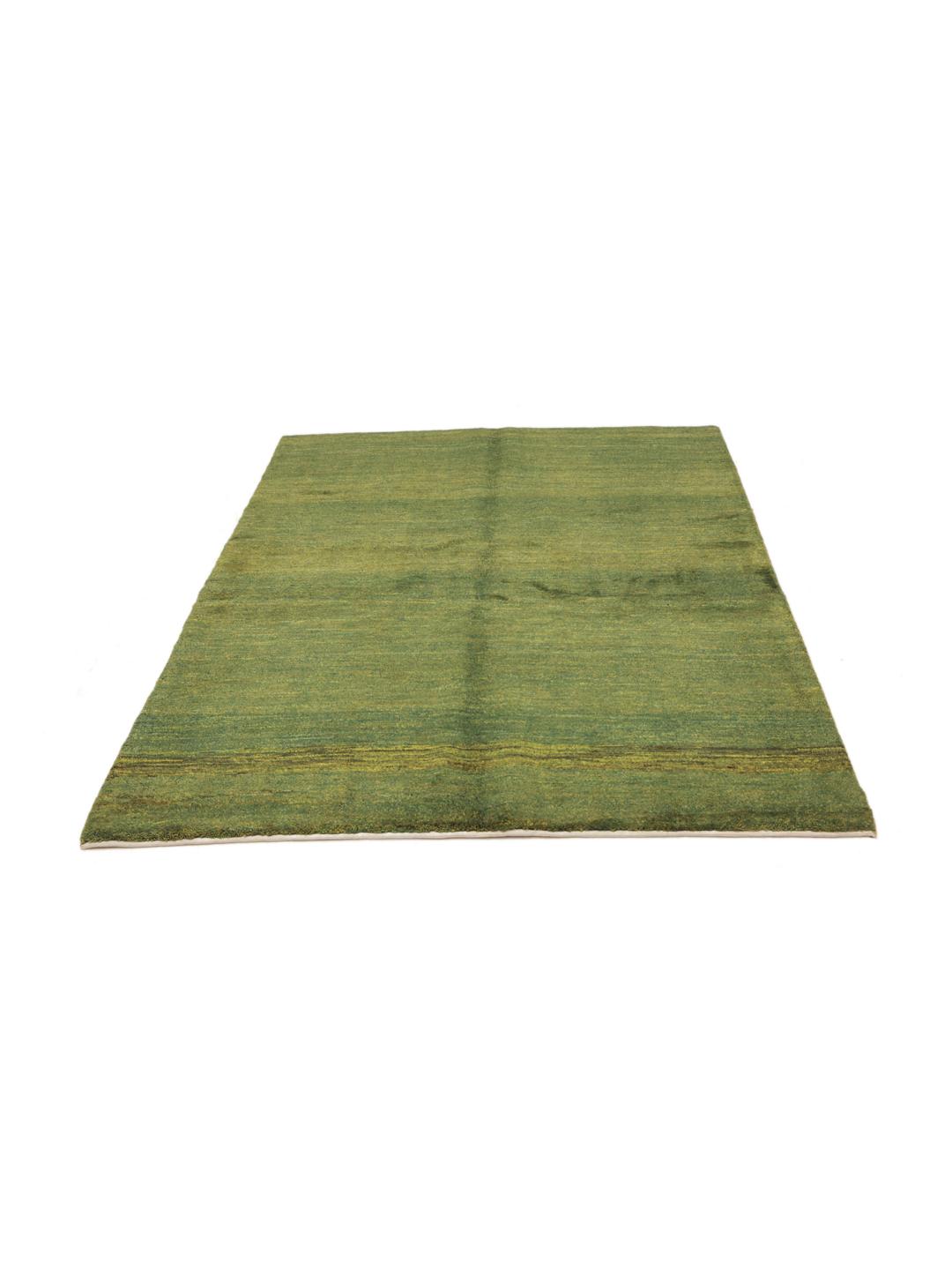
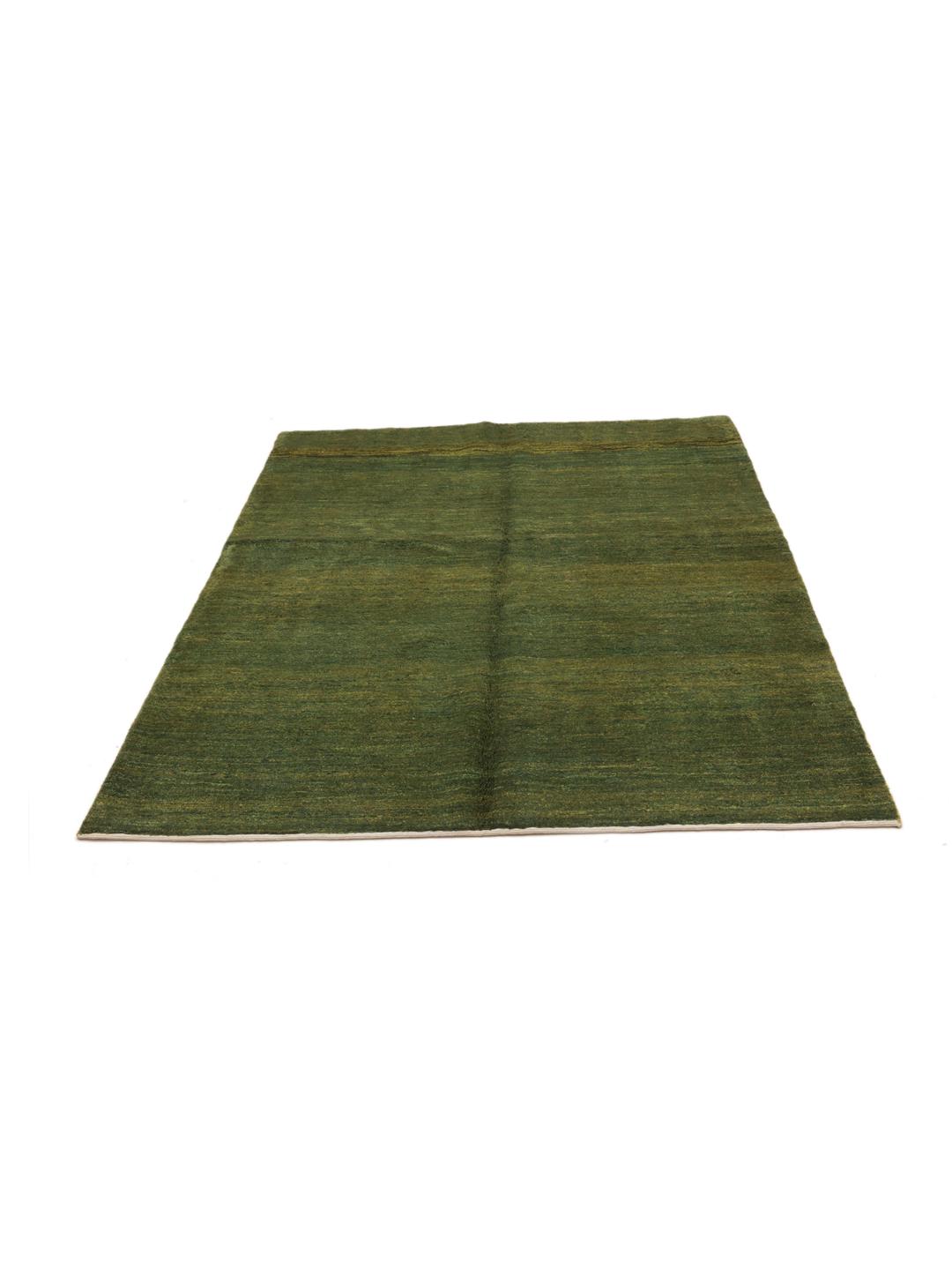
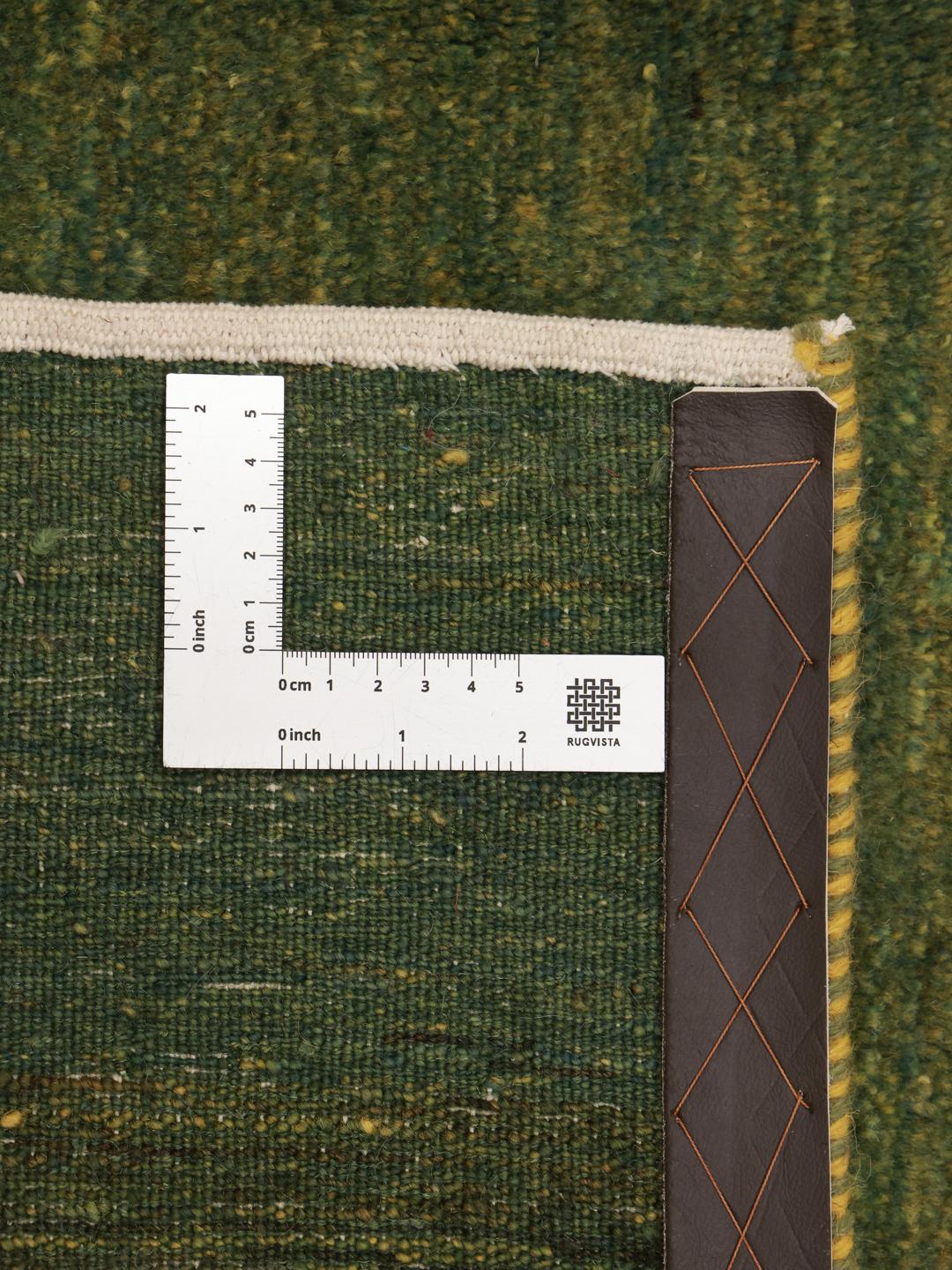
Gabbeh rugs are a celebrated tradition originating from the nomadic tribes of the Middle East. Historically, these rugs were woven primarily for personal use within the family, serving as warm, protective floor coverings in nomadic tents. Unlike more formal, city-made rugs, the Gabbeh was designed to be functional, comfortable, and deeply personal, reflecting the daily lives and natural surroundings of the weavers.
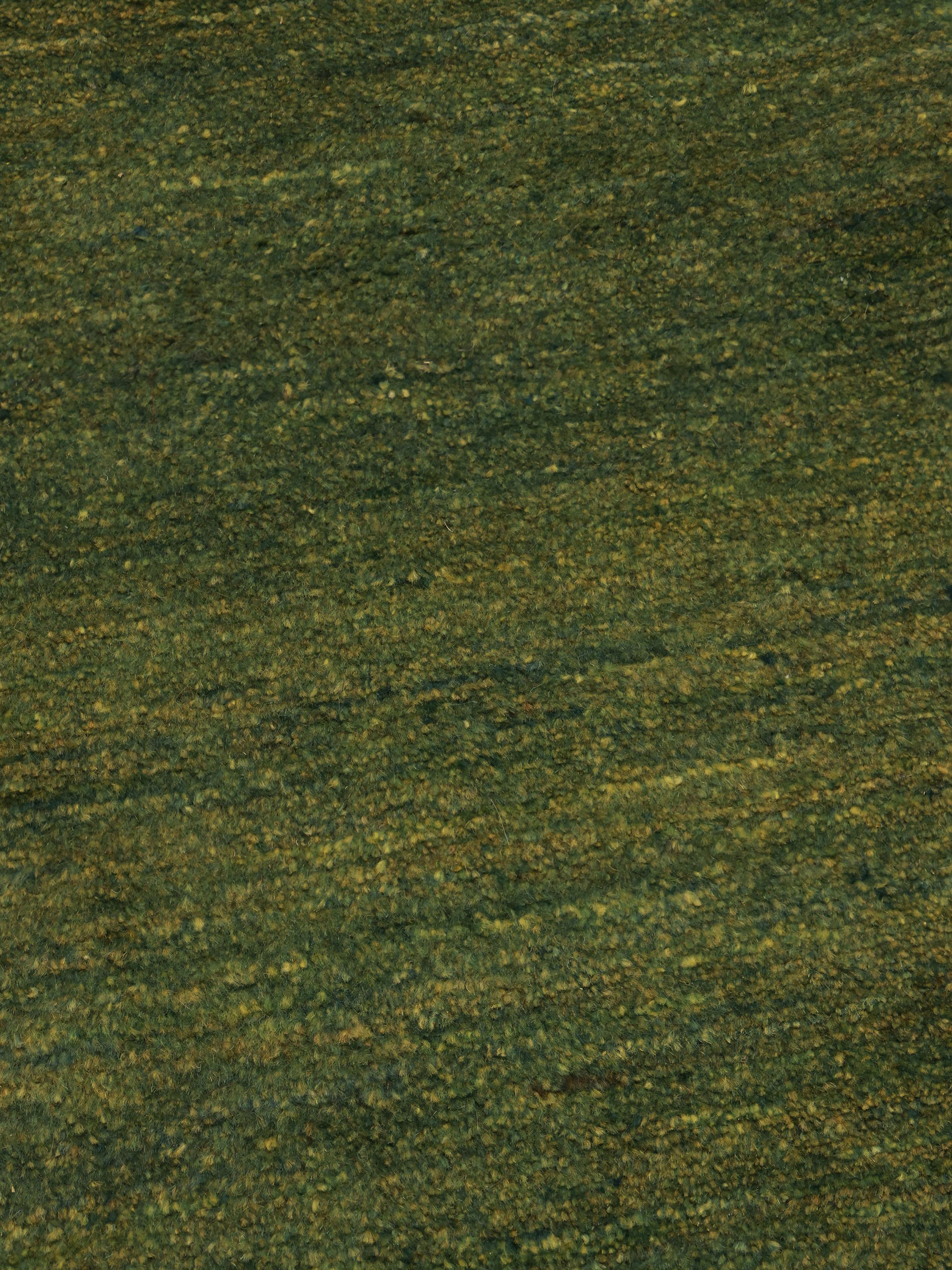
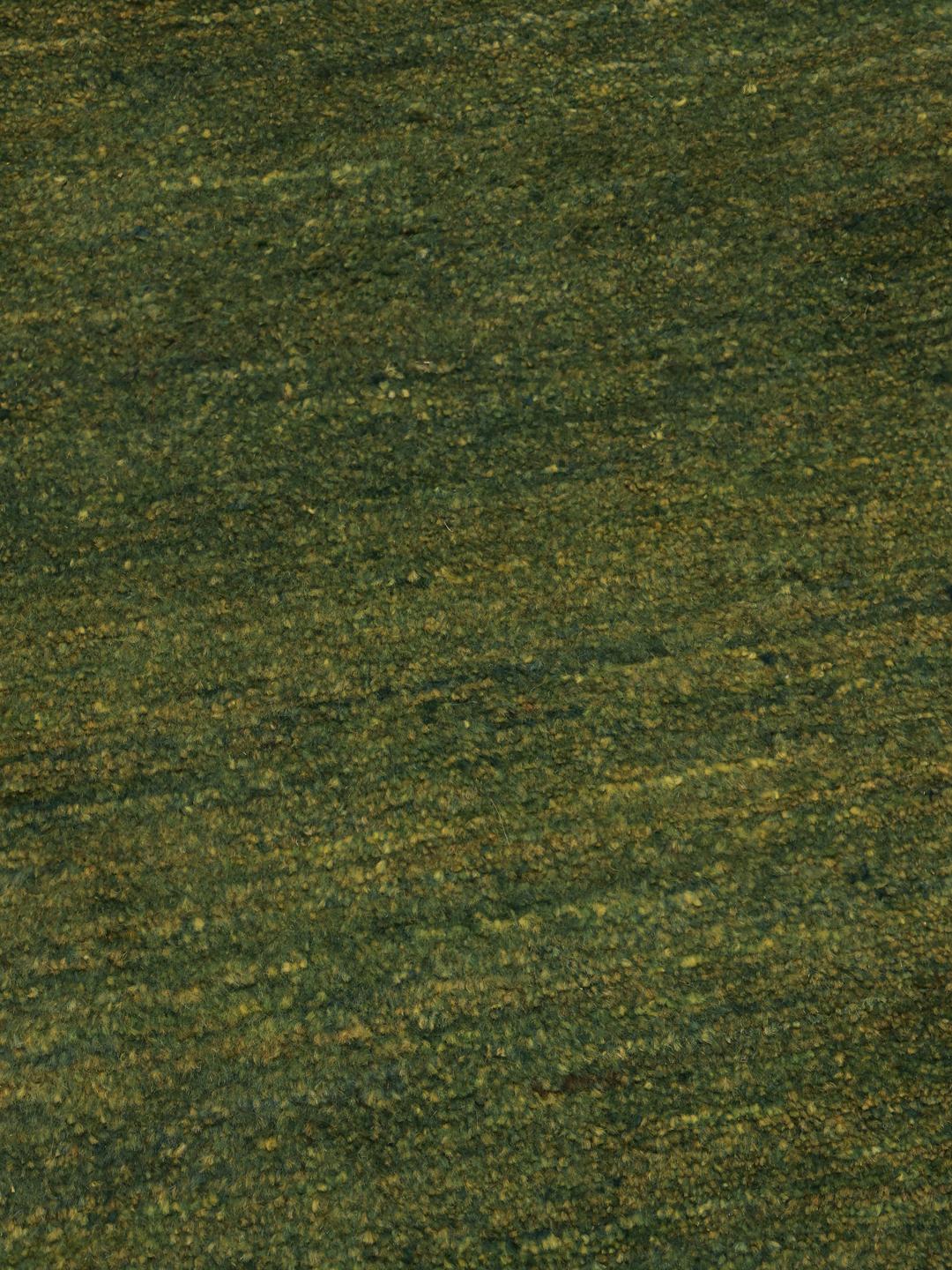
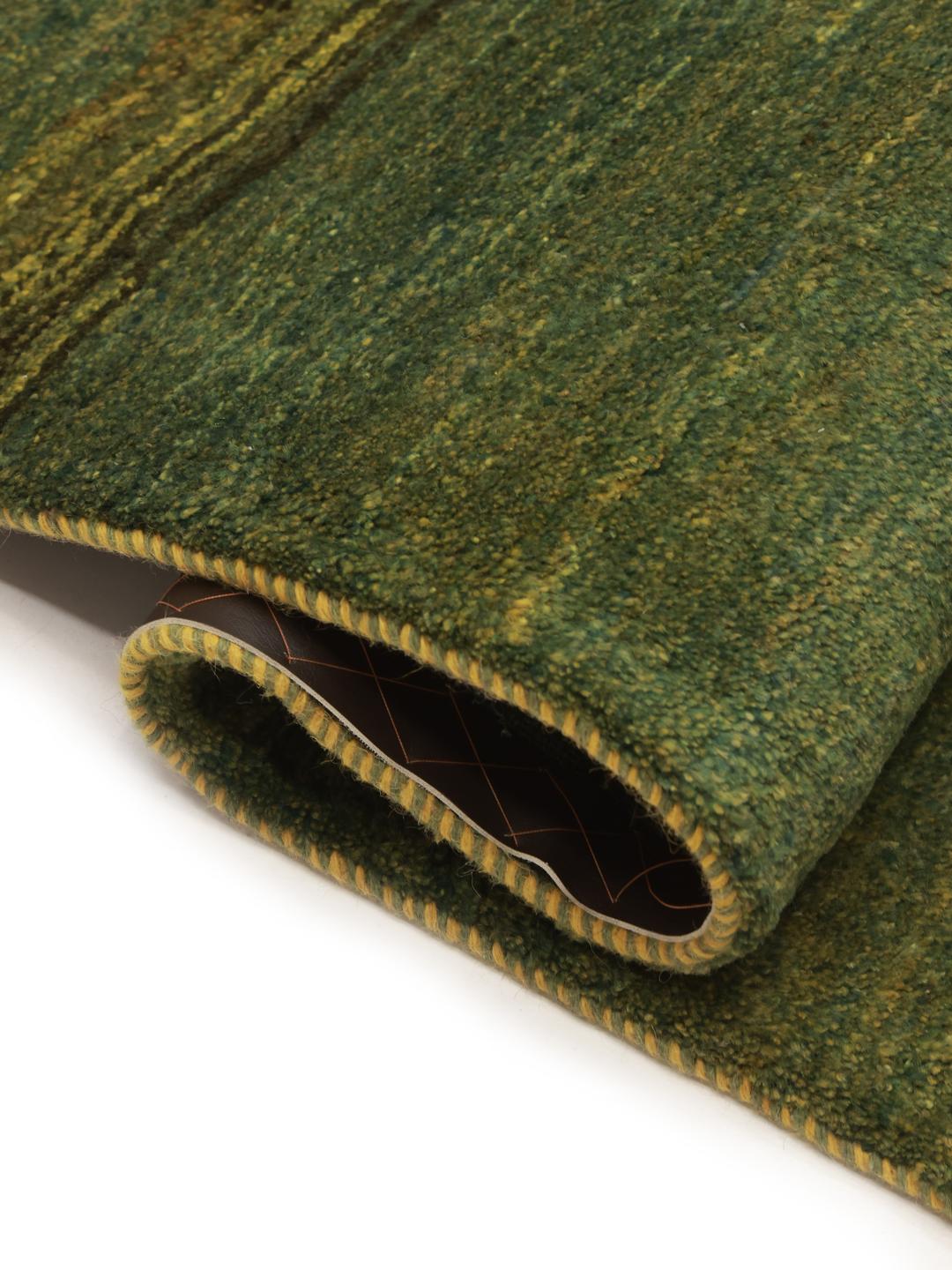
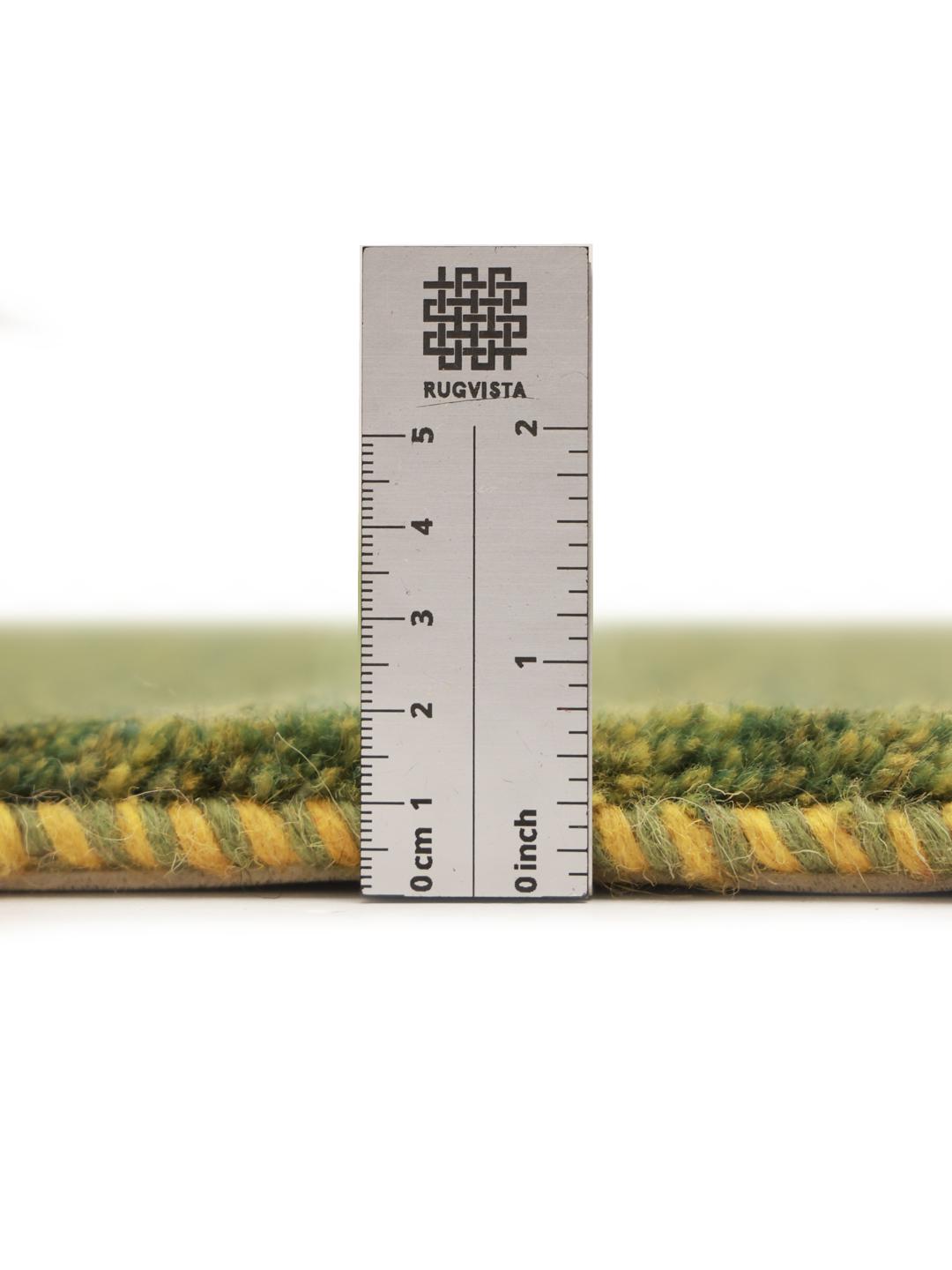
The term 'Gabbeh' itself translates to 'raw' or 'natural', which perfectly describes the aesthetic philosophy behind these pieces. They are known for their thicker pile and simpler, often abstract designs compared to the intricate floral motifs found in other regional styles. This construction method creates a durable, high-pile surface that is exceptionally soft and warm, making them highly prized for their comfort.
The design language of the Gabbeh is famously minimalist and artistic. While many traditional rugs rely on complex, repetitive patterns, the Gabbeh often features open fields of colour, subtle tonal variations, and occasional primitive motifs that represent local flora, fauna, or nomadic symbols. These rugs are highly sought after by collectors for their spontaneous, creative nature and their ability to bridge the gap between traditional craft and modern design.
Owning a Gabbeh is an opportunity to connect with a living tradition of artistry. These rugs are not just floor coverings, but expressions of individual creativity and heritage. Because they were traditionally made without a pre-drawn pattern, each rug is an honest reflection of the weaver's mood and environment, ensuring that every piece remains a genuine, collectible work of art that holds cultural and historical significance.