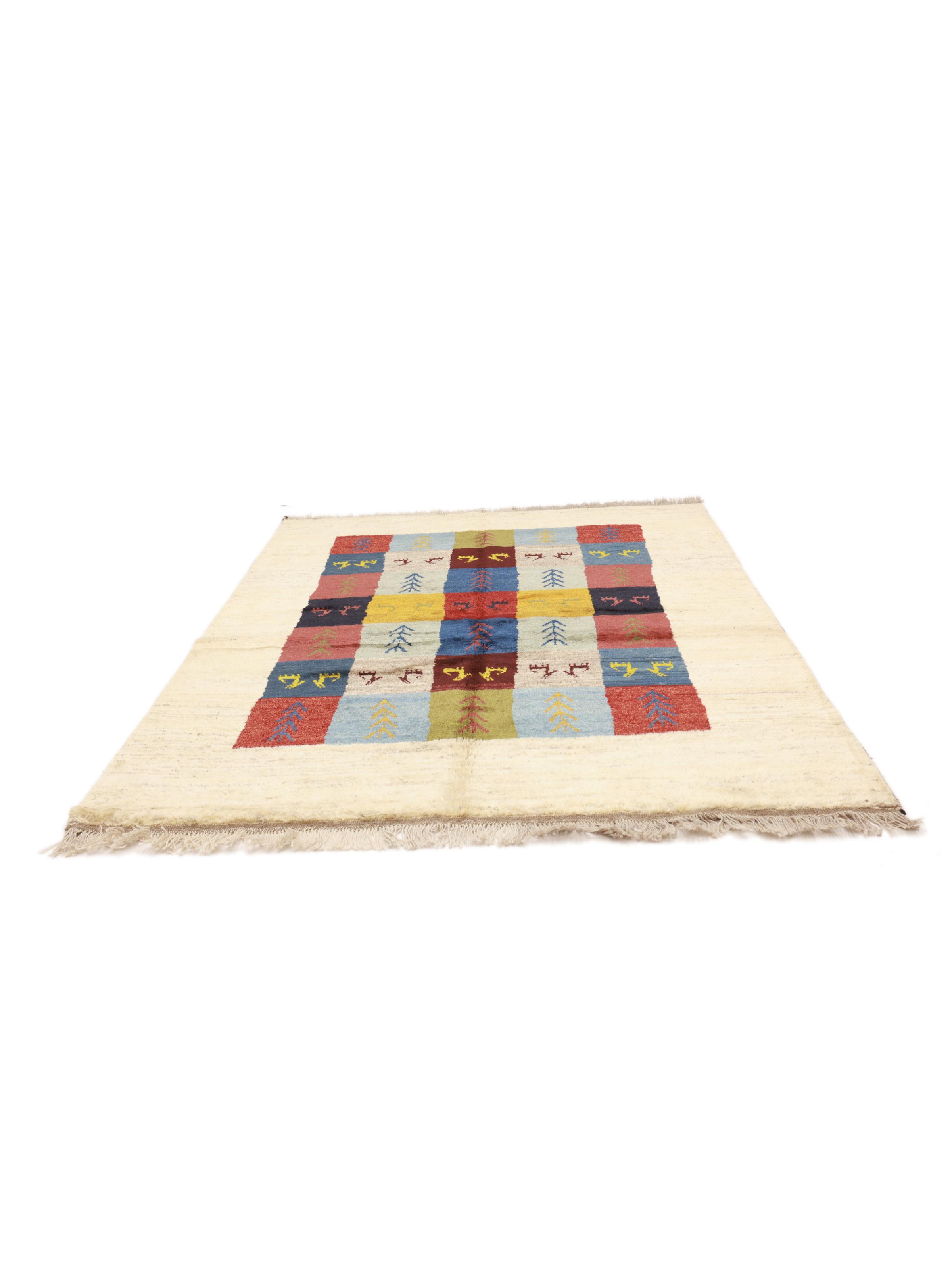
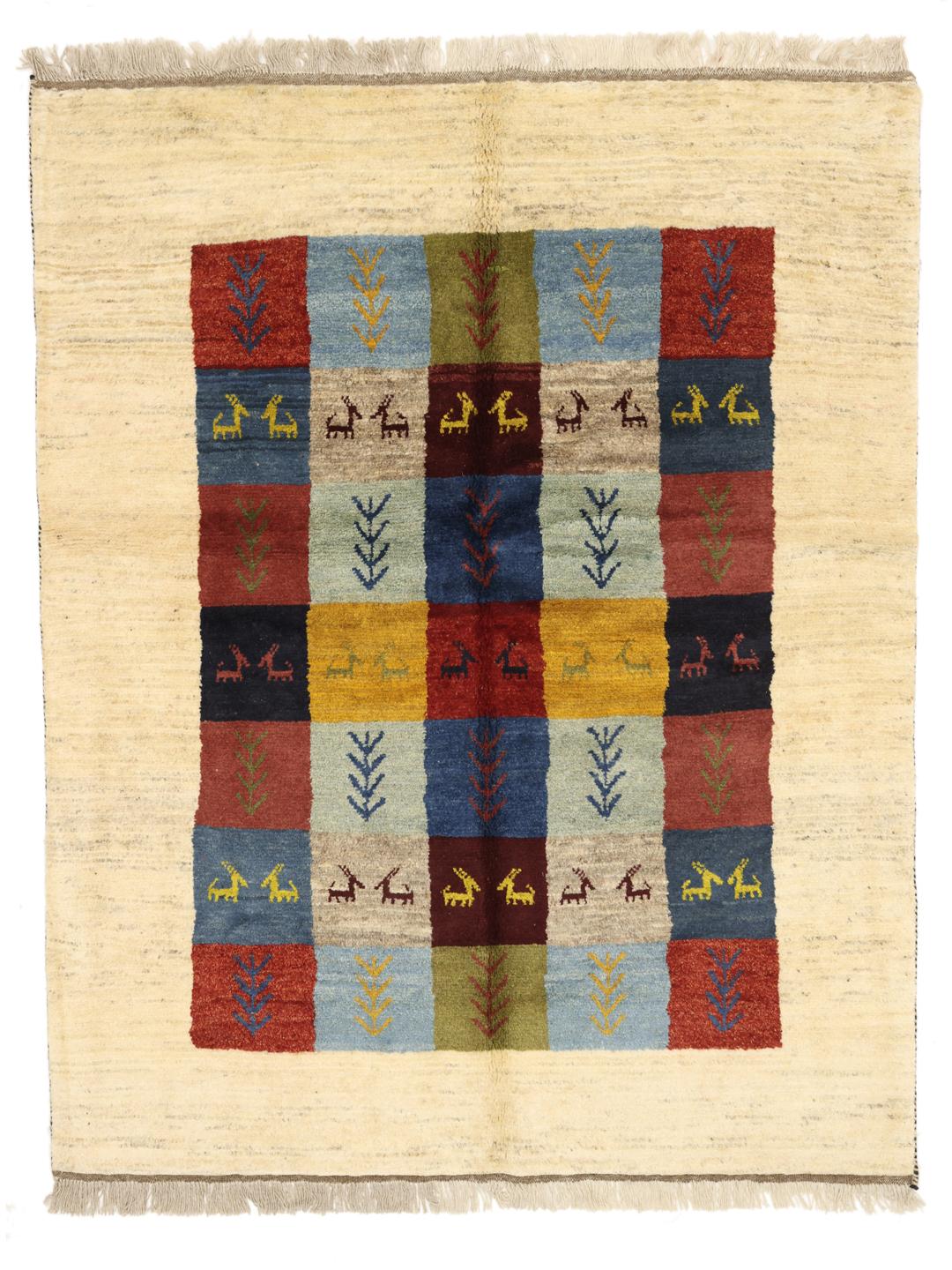
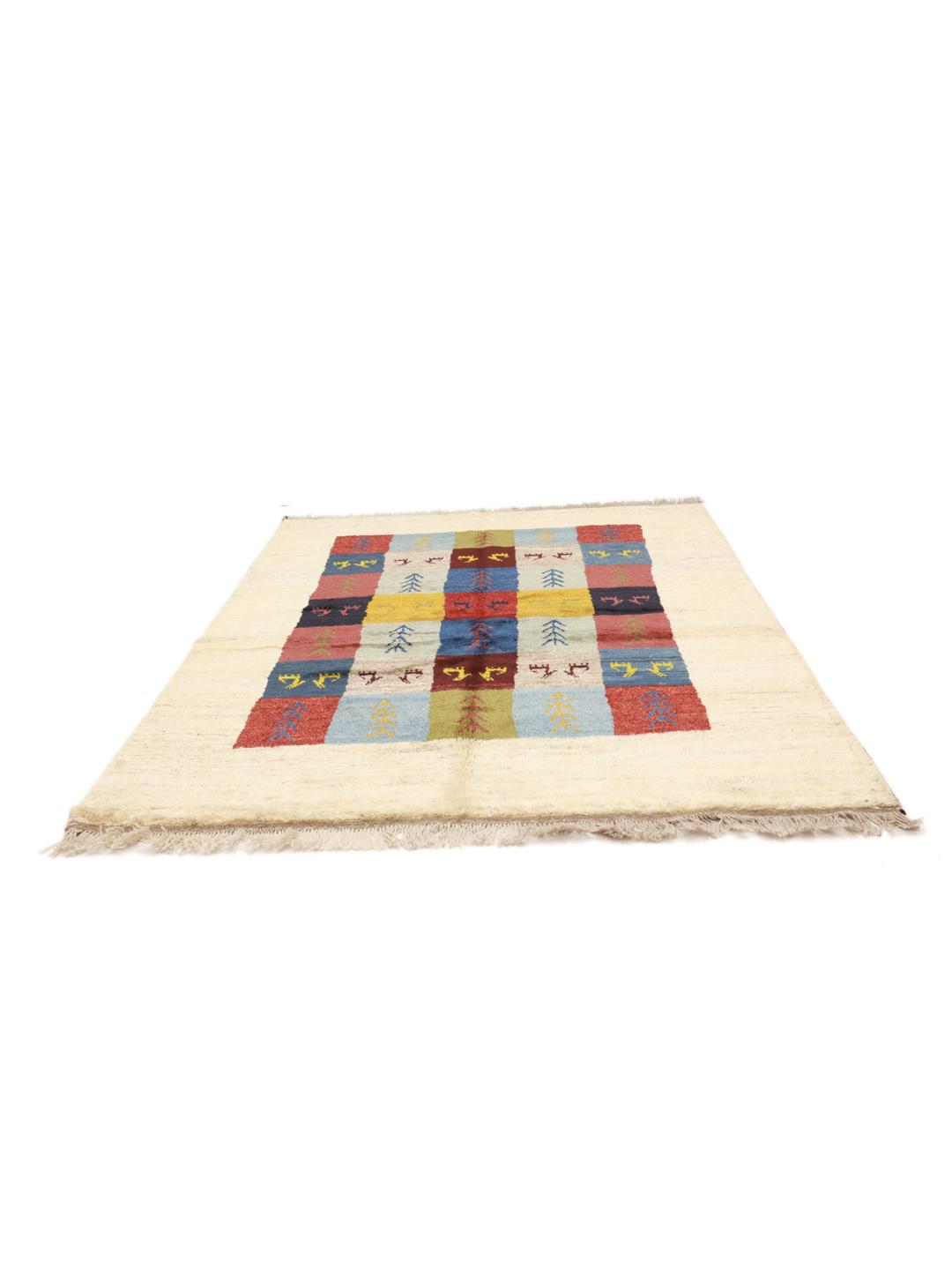
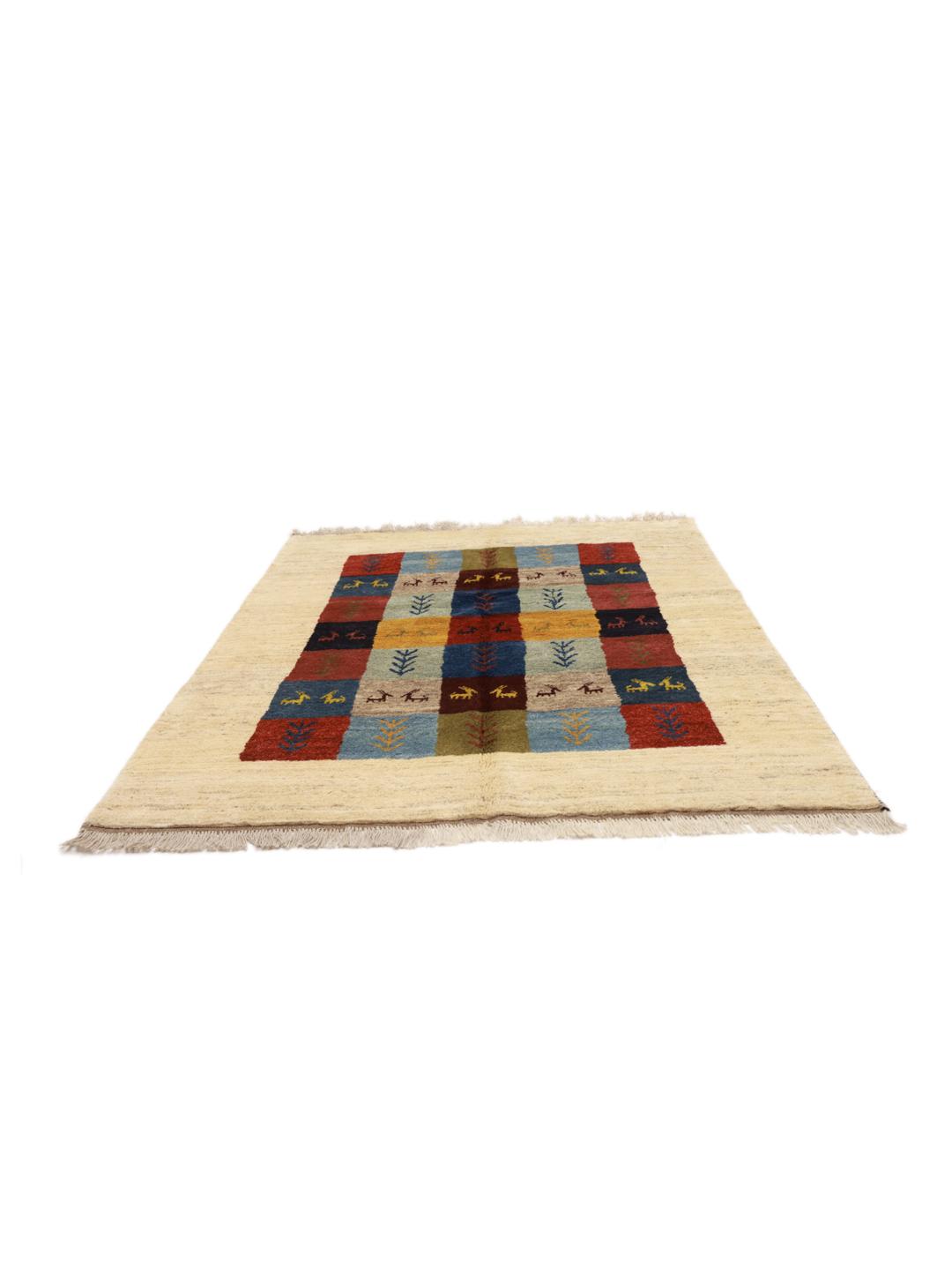
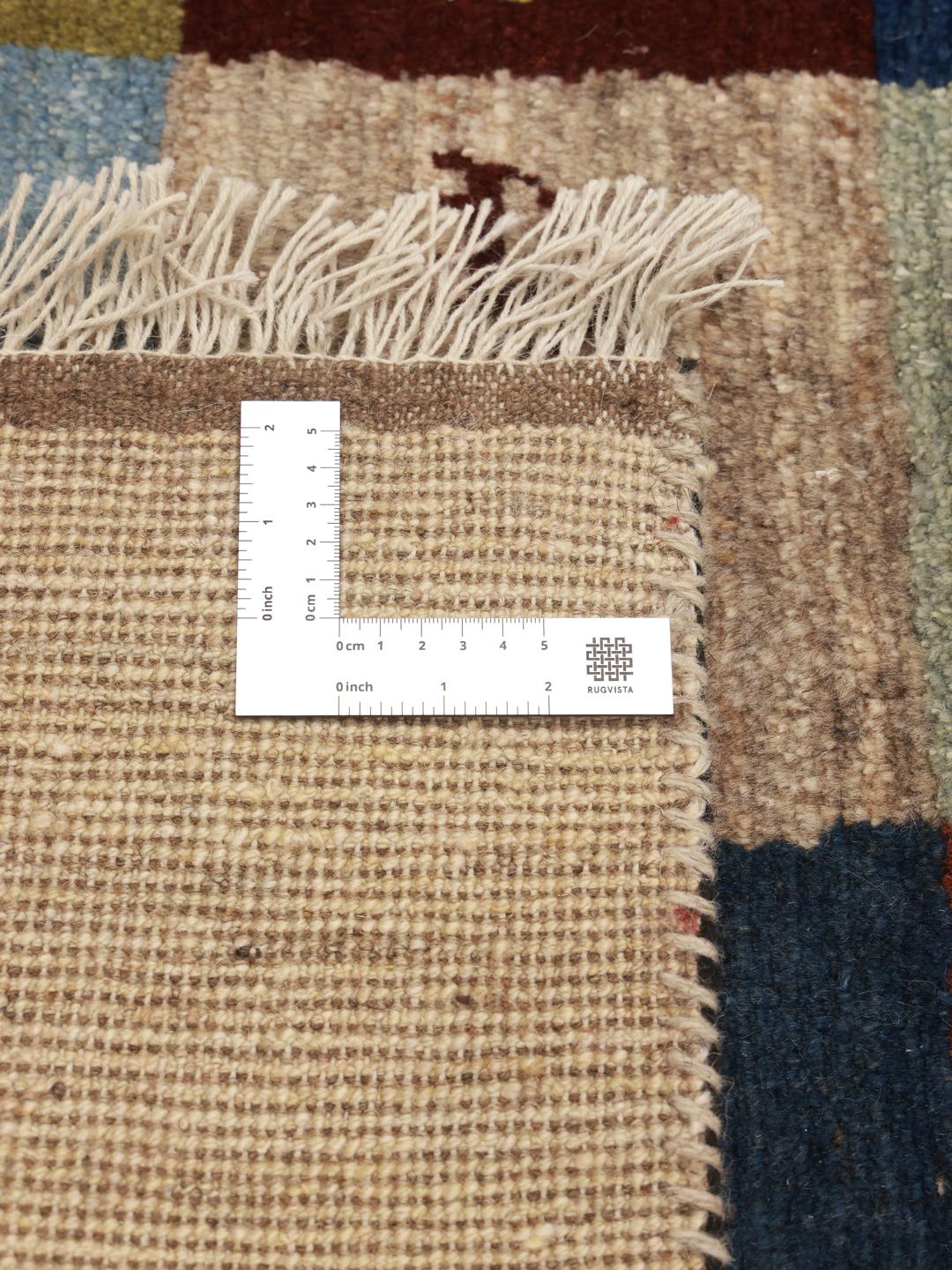
Gabbeh rugs are a cherished tradition within Middle Eastern nomadic weaving, historically crafted by tribal groups for their own practical use. Unlike more formal, city-made rugs, these pieces were designed to be functional, warm, and durable, often serving as bedding or floor coverings in harsh climates. The name itself, Gabbeh, translates to 'raw' or 'natural', reflecting the unpretentious and honest nature of these textiles.
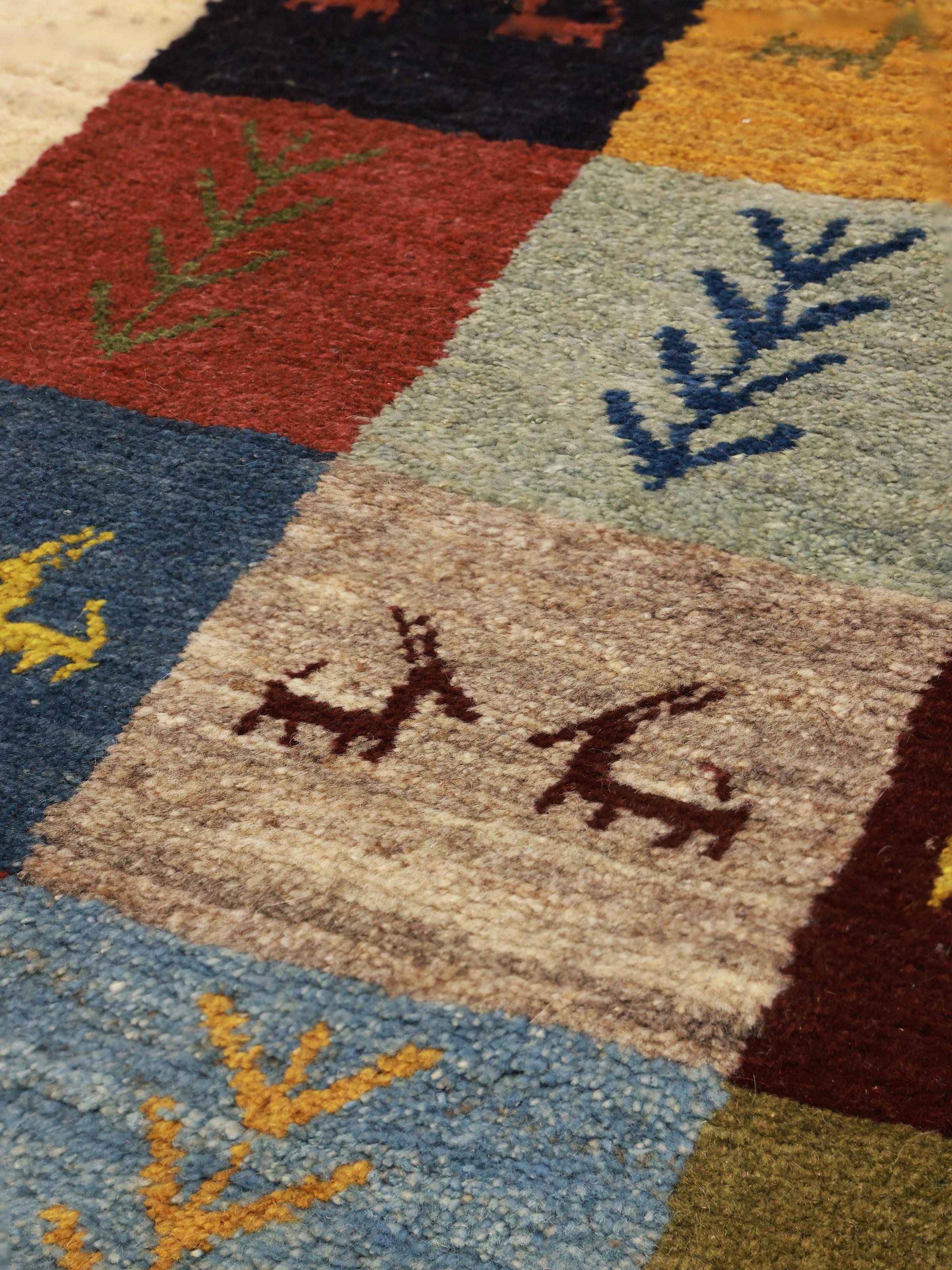
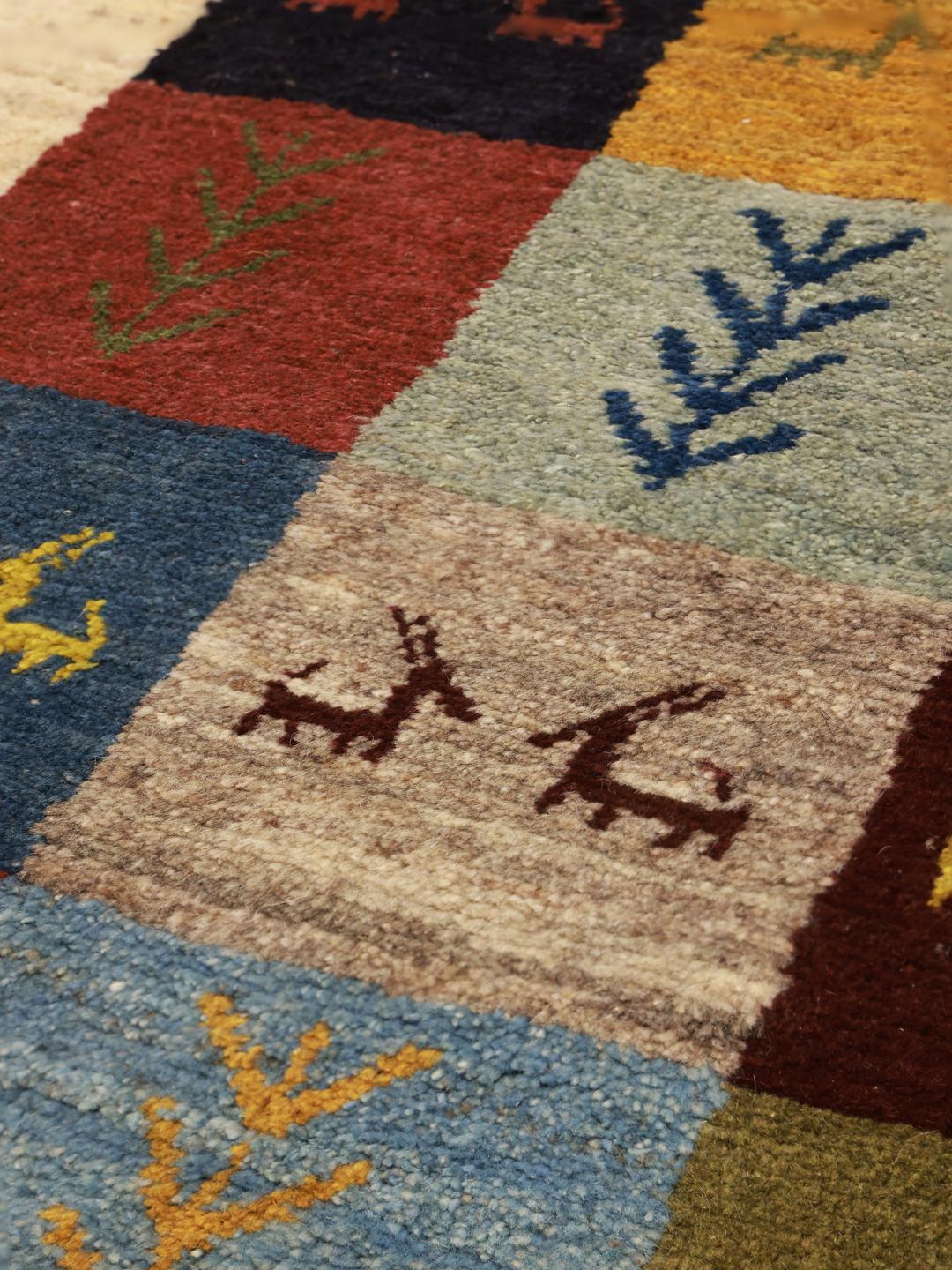
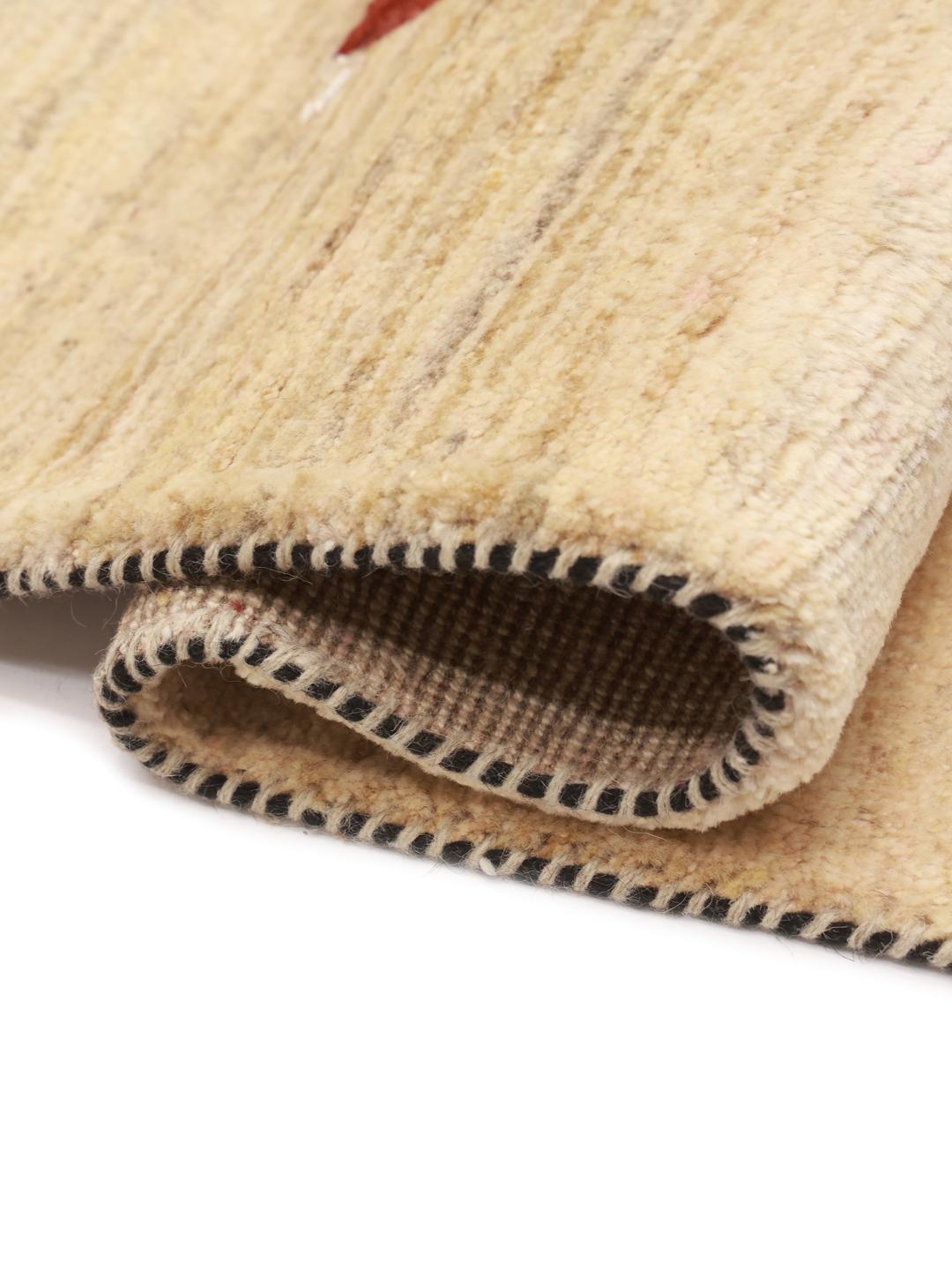
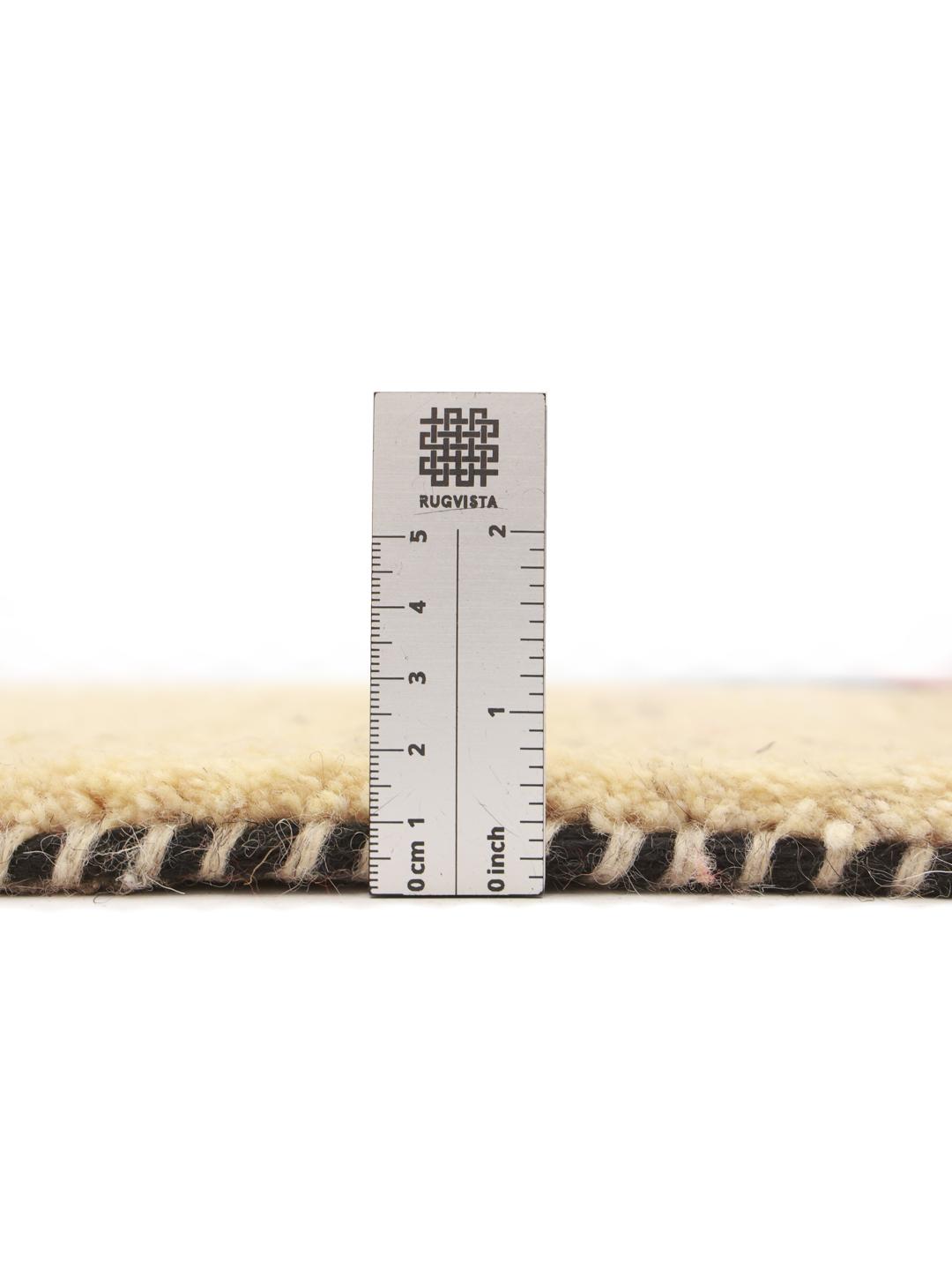
The craft relies on a foundation of hand-spun wool, which is often dyed using natural pigments sourced from local plants and minerals. This gives each rug a characteristic depth of colour that can vary slightly across the surface, creating a subtle, organic beauty. The thicker, coarser pile compared to other traditions is a hallmark of the style, providing superior insulation and a soft, inviting texture that remains a favourite for modern homes.
Visually, these rugs are defined by their bold, minimalist approach to design. While classic carpets often feature intricate floral patterns and formal medallions, this tradition celebrates geometric simplicity, open fields of colour, and playful, stylised motifs. Common symbols include animals, trees, and abstract shapes that hold personal or cultural significance to the weaver, turning the rug into a visual narrative of their surroundings.
Collecting these rugs is an appreciation of both artistry and tribal history. They are valued for their individualistic character, as weavers often improvise their patterns, ensuring that no two rugs are ever the same. To own a piece like this is to connect with a centuries-old tradition of craft, where the weaver's personal vision and the resilience of the materials come together to create a lasting, meaningful object for the home.