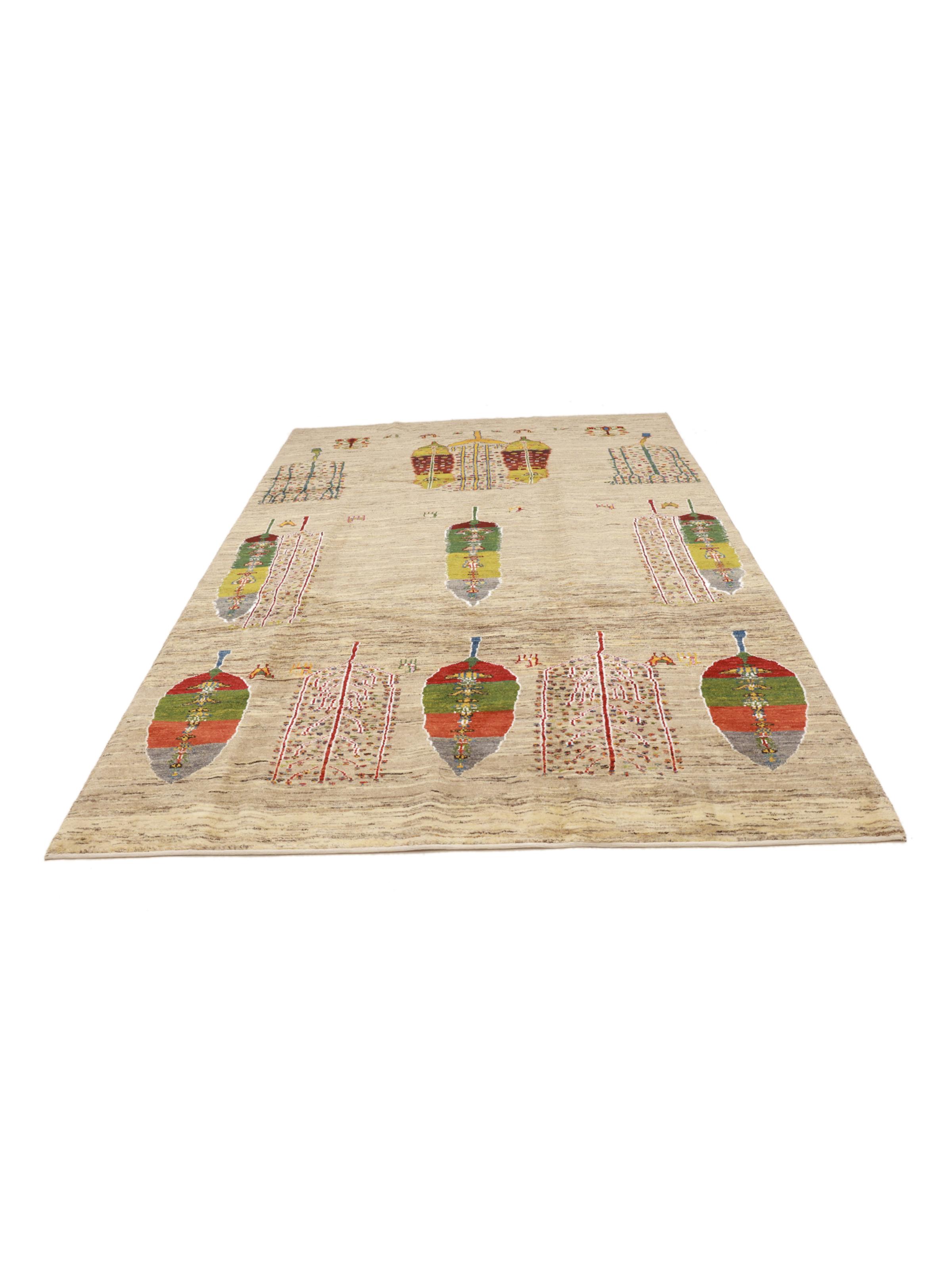
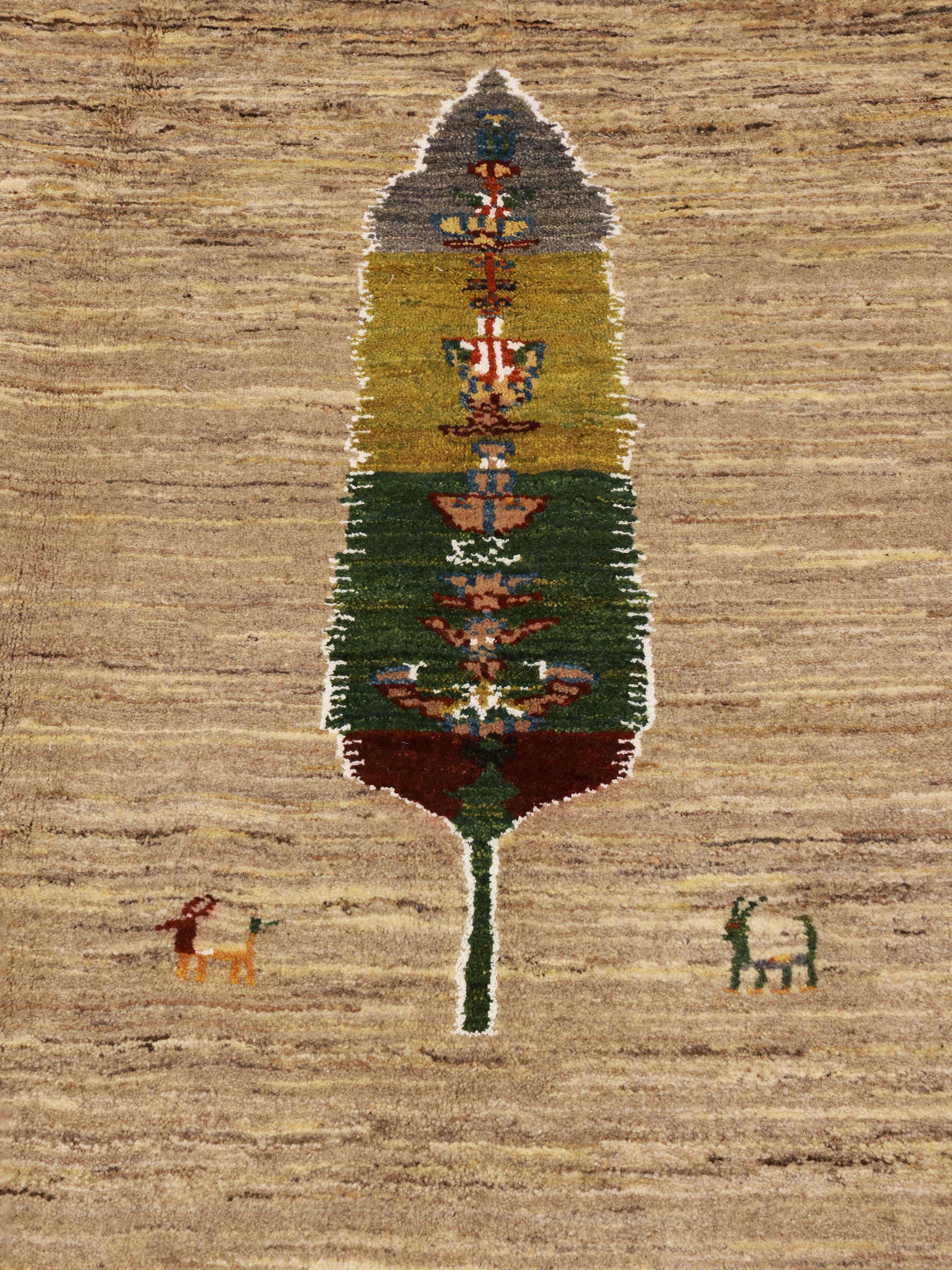
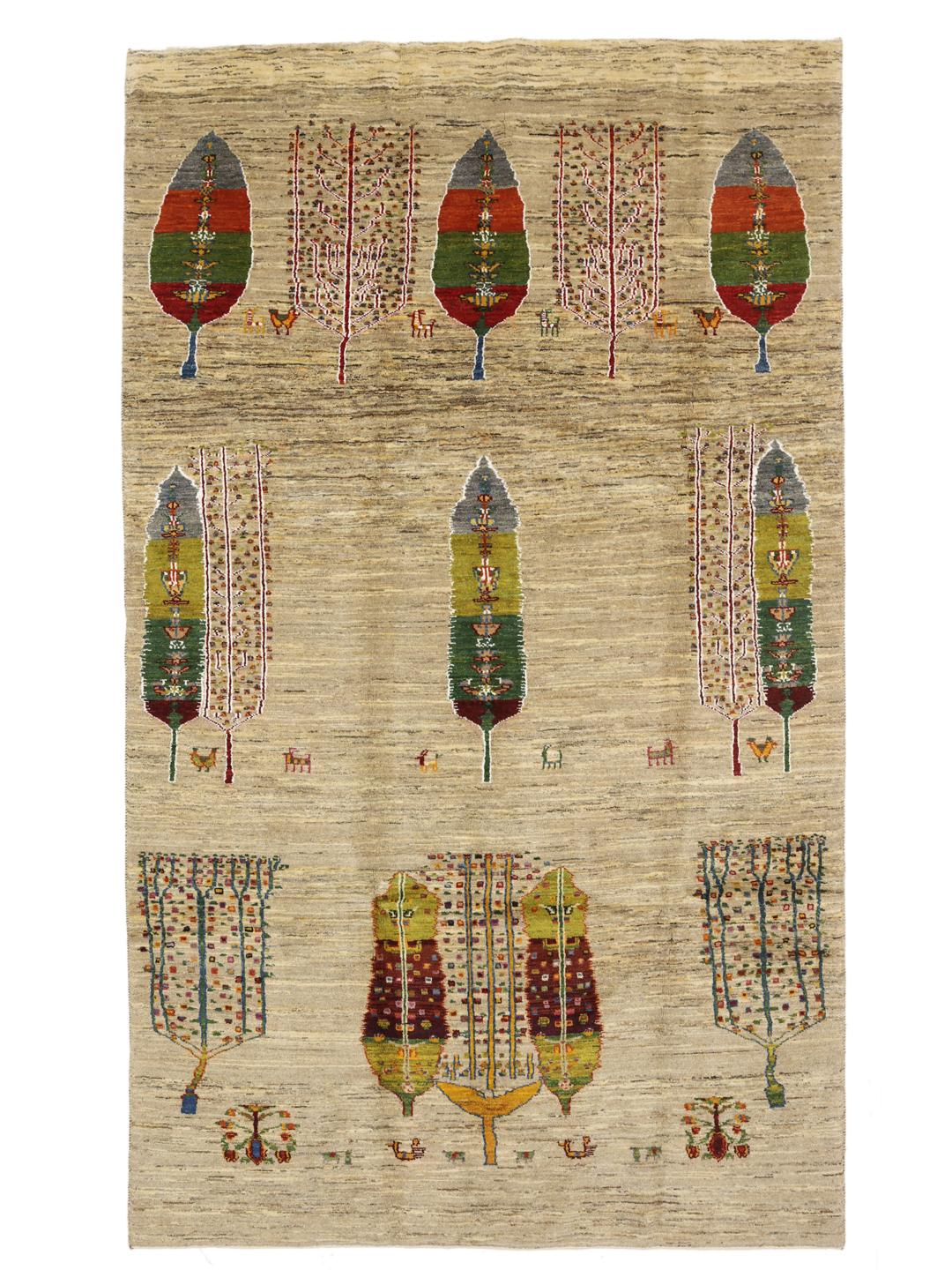
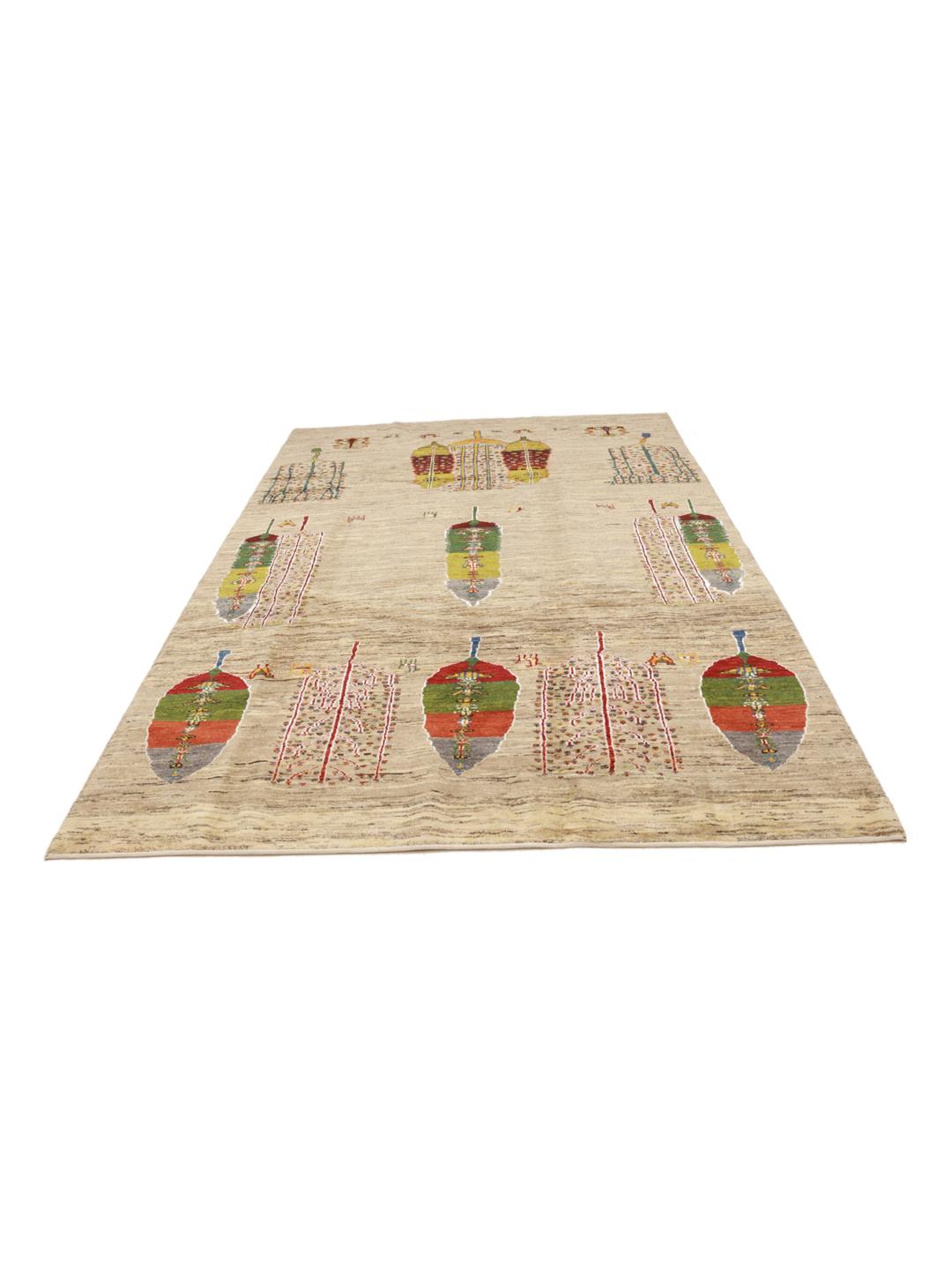
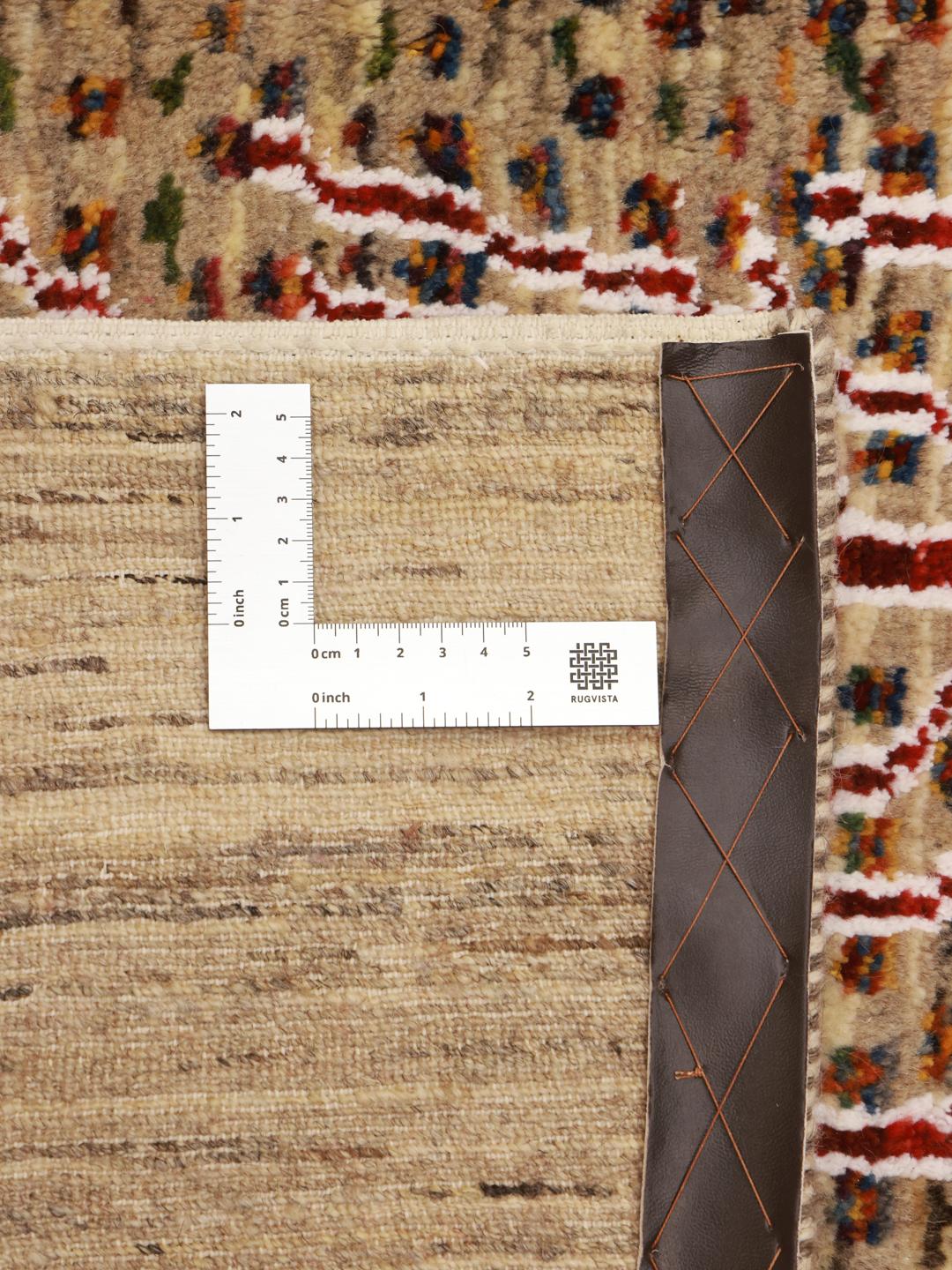
Gabbeh rugs have a long and storied history within Middle Eastern weaving traditions, originally created by nomadic tribes for their own domestic use. Unlike the formal, symmetrical designs often found in urban workshops, Gabbeh rugs were designed as expressions of the weaver's personal environment and imagination. They served as warm, durable bedding and floor coverings, meant to provide comfort in the harsh conditions of mountainous landscapes.
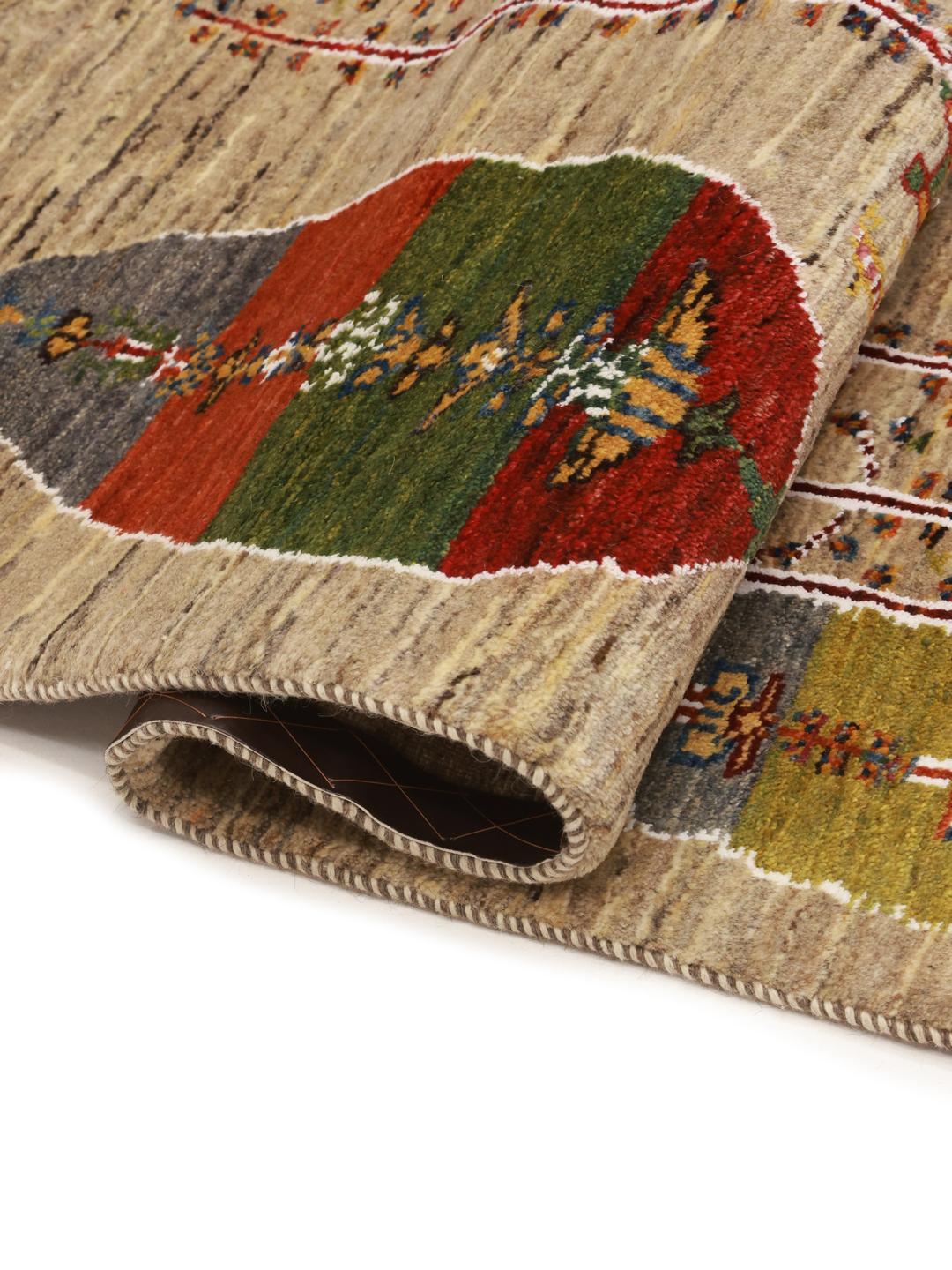
The term Gabbeh refers to a style that is intentionally unrefined and rugged, characterised by a thicker pile and a more relaxed approach to design. By using hand-spun wool, the weavers achieve a depth of texture that machine-made alternatives simply cannot match. This traditional method of construction creates a robust, long-lasting surface that has become highly sought after by collectors who value the authenticity of the nomadic craft.
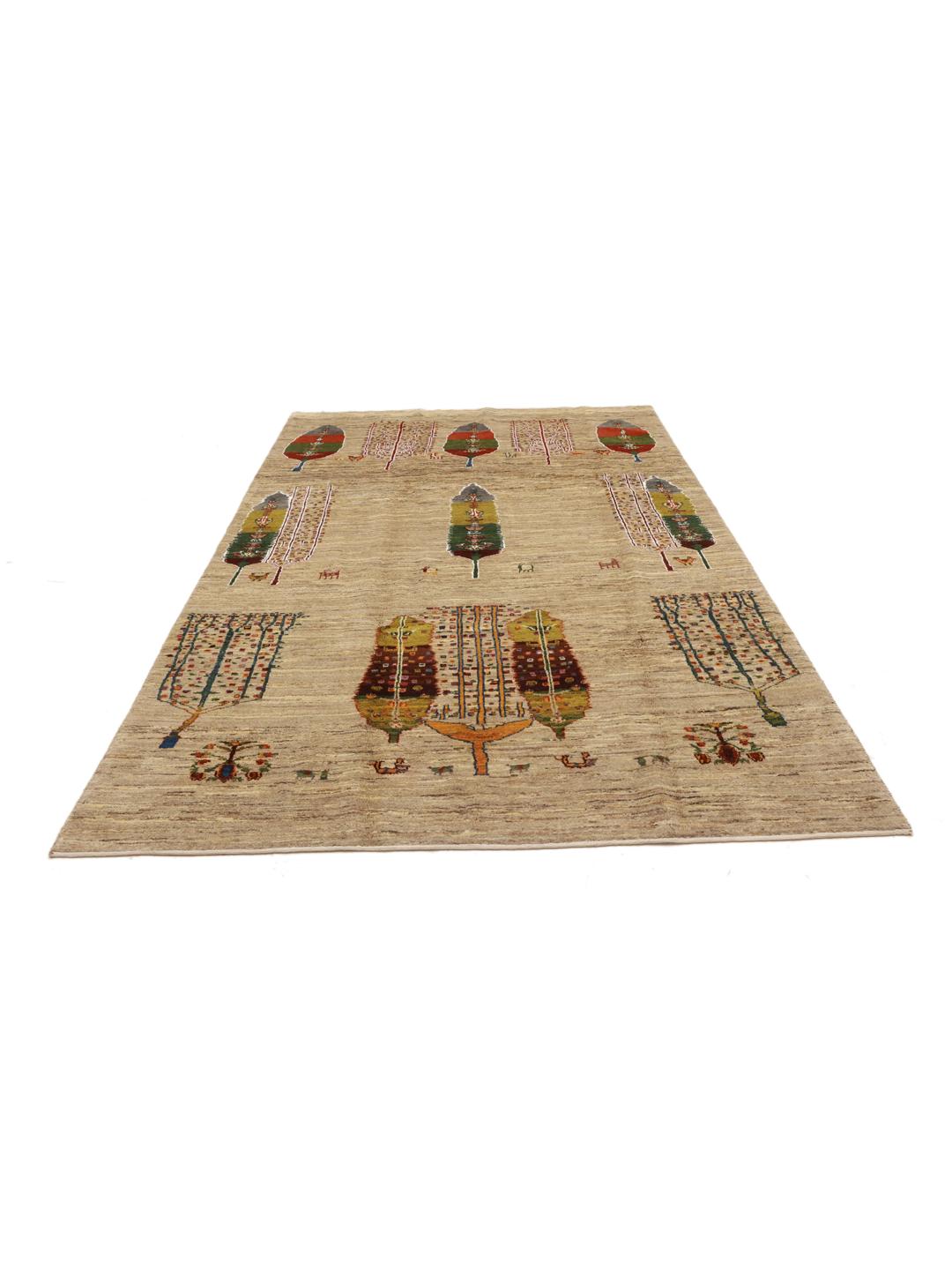
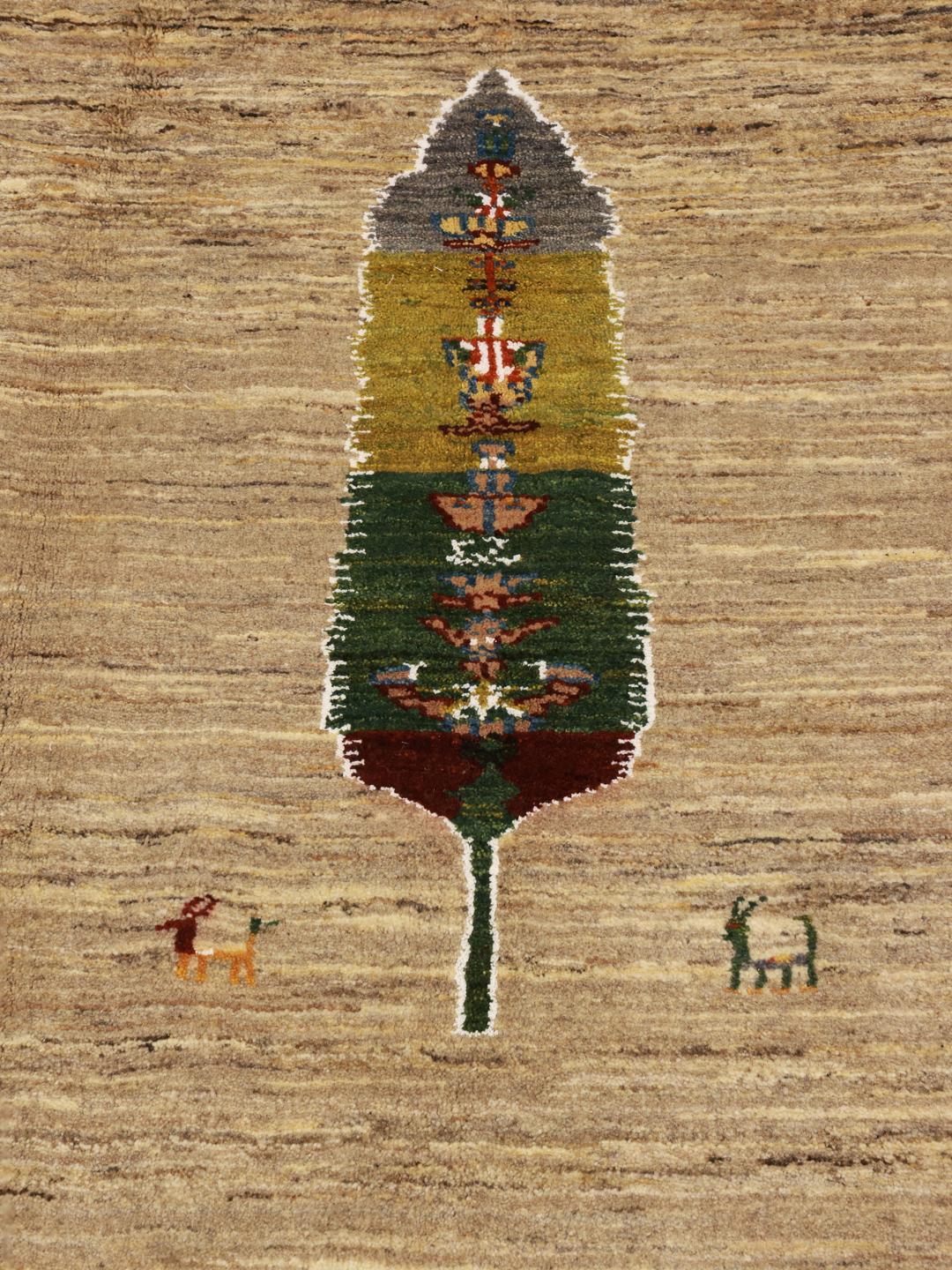
Visually, these rugs are defined by their use of open fields and simplified, symbolic imagery. Common motifs include trees, animals, and geometric shapes that represent the weaver's daily life and the flora and fauna of their region. The colour palettes are traditionally derived from natural dyes, resulting in rich, earthy tones that age gracefully over time. This particular piece displays a unique interpretation of these symbols, showcasing the creative freedom that defines the Gabbeh tradition.
Today, owning a Gabbeh rug is about more than just aesthetics; it is about preserving a cultural legacy. These pieces are valued for their honesty, their connection to the natural world, and the skill required to create them without the aid of complex machinery. As one-of-a-kind items, they hold a special place in the home, offering a tactile reminder of a timeless craft that continues to inspire modern design.