Gabbeh rugs have a long and storied history rooted in the nomadic tribes of the Middle East. Originally woven for personal use rather than for sale, these rugs were designed to provide warmth and comfort in harsh environments. Unlike more formal, city-woven carpets that often feature intricate, predetermined patterns, Gabbeh rugs are celebrated for their simplicity and the freedom of expression they offer to the weaver.
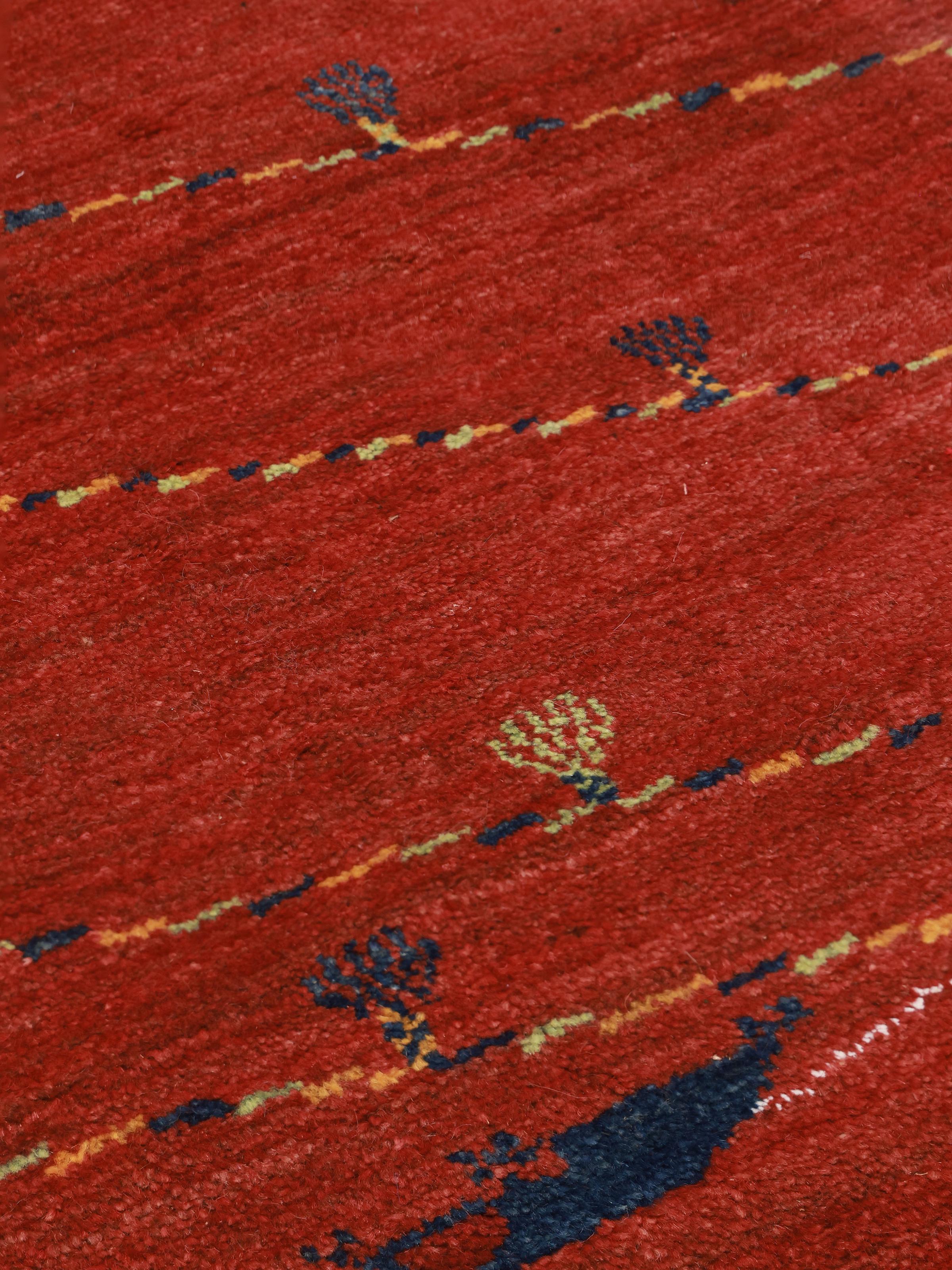
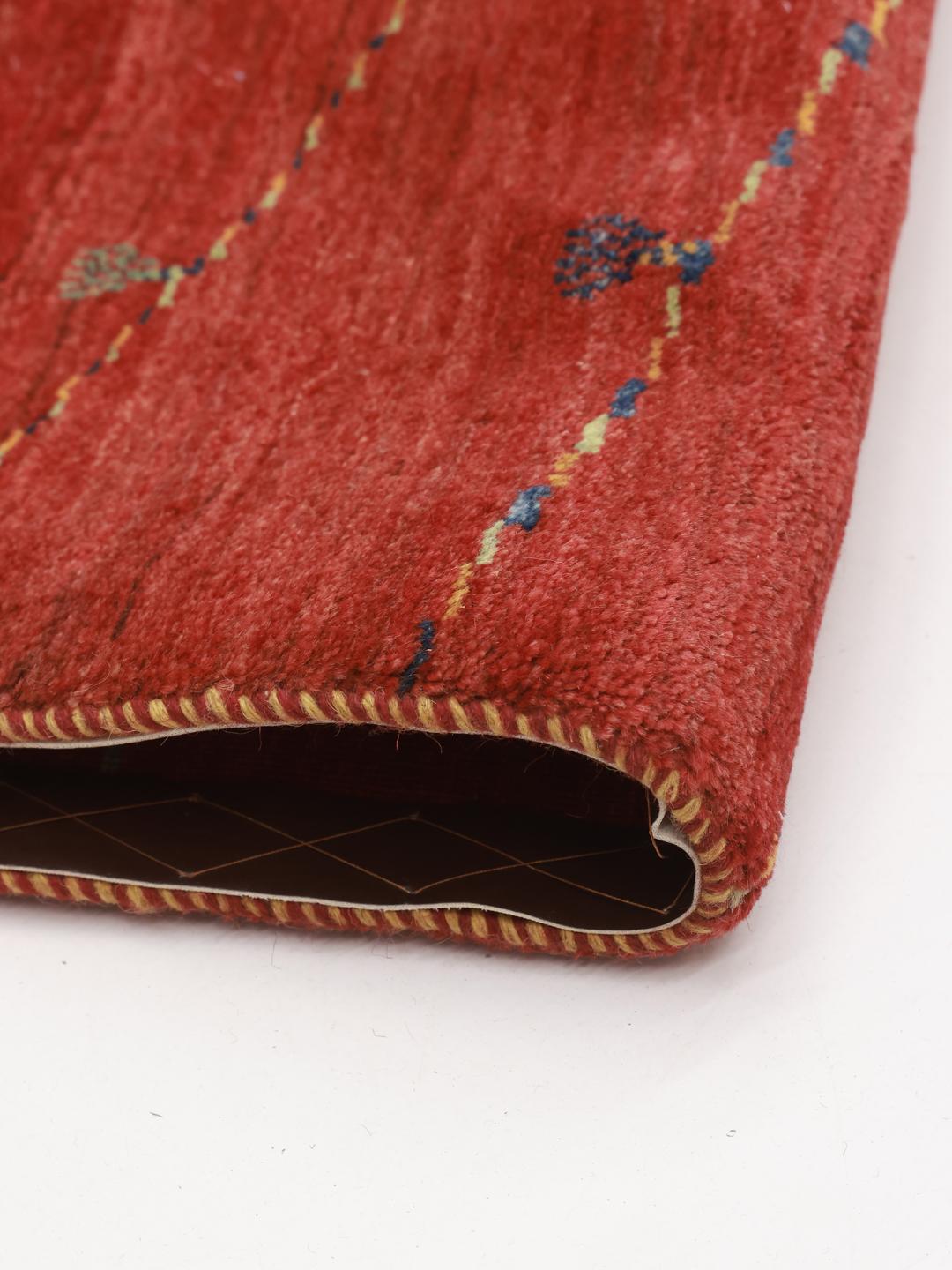
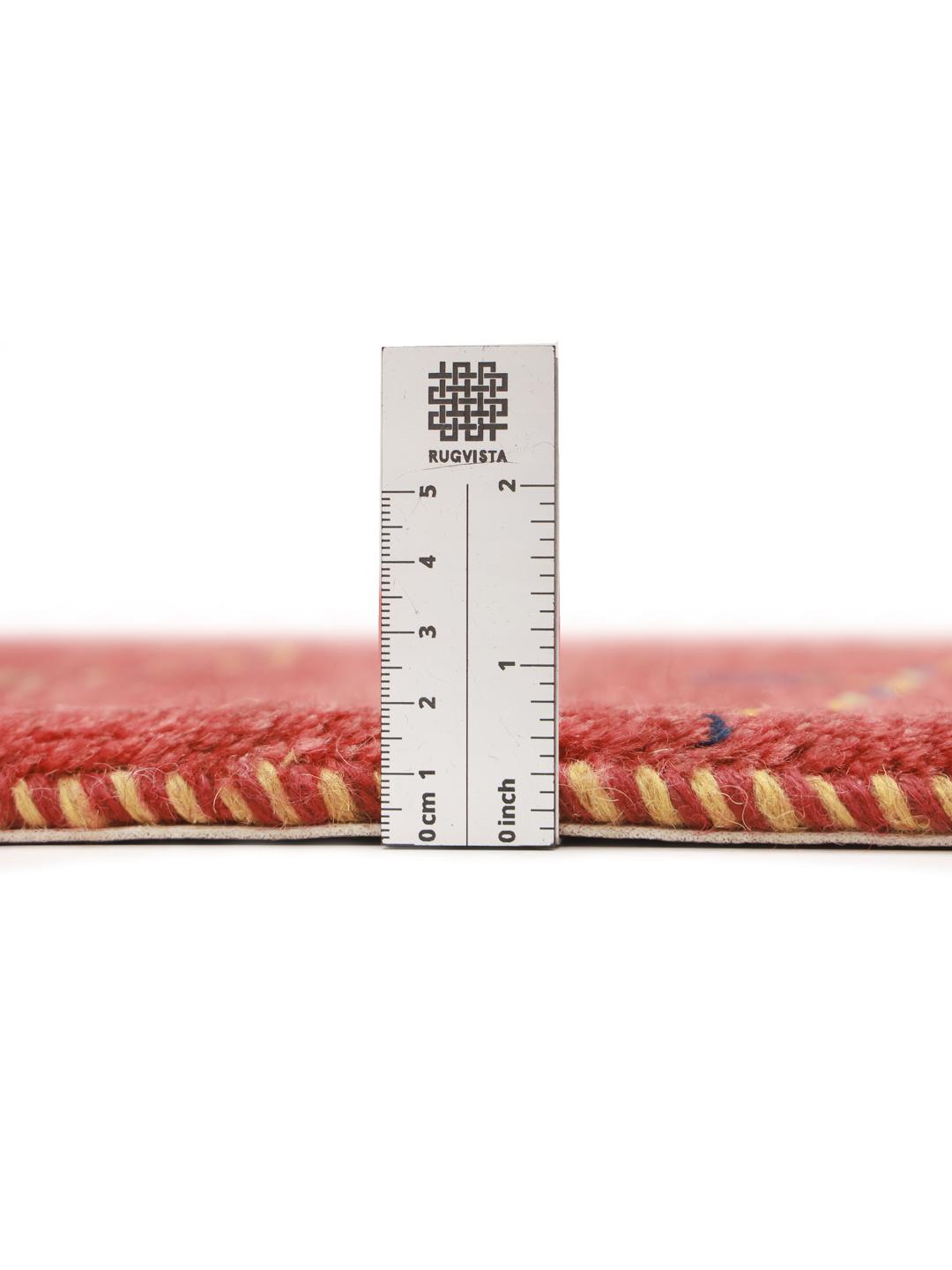
The term Gabbeh refers to a type of pile rug that is characterised by its thickness and long pile, which provides a soft, cushioning effect. These rugs are traditionally made using hand-spun wool, often dyed with natural pigments that mellow beautifully over time. The quality of a Gabbeh is measured by the density and the quality of the wool, which gives the rug its signature plush feel and long-lasting durability.
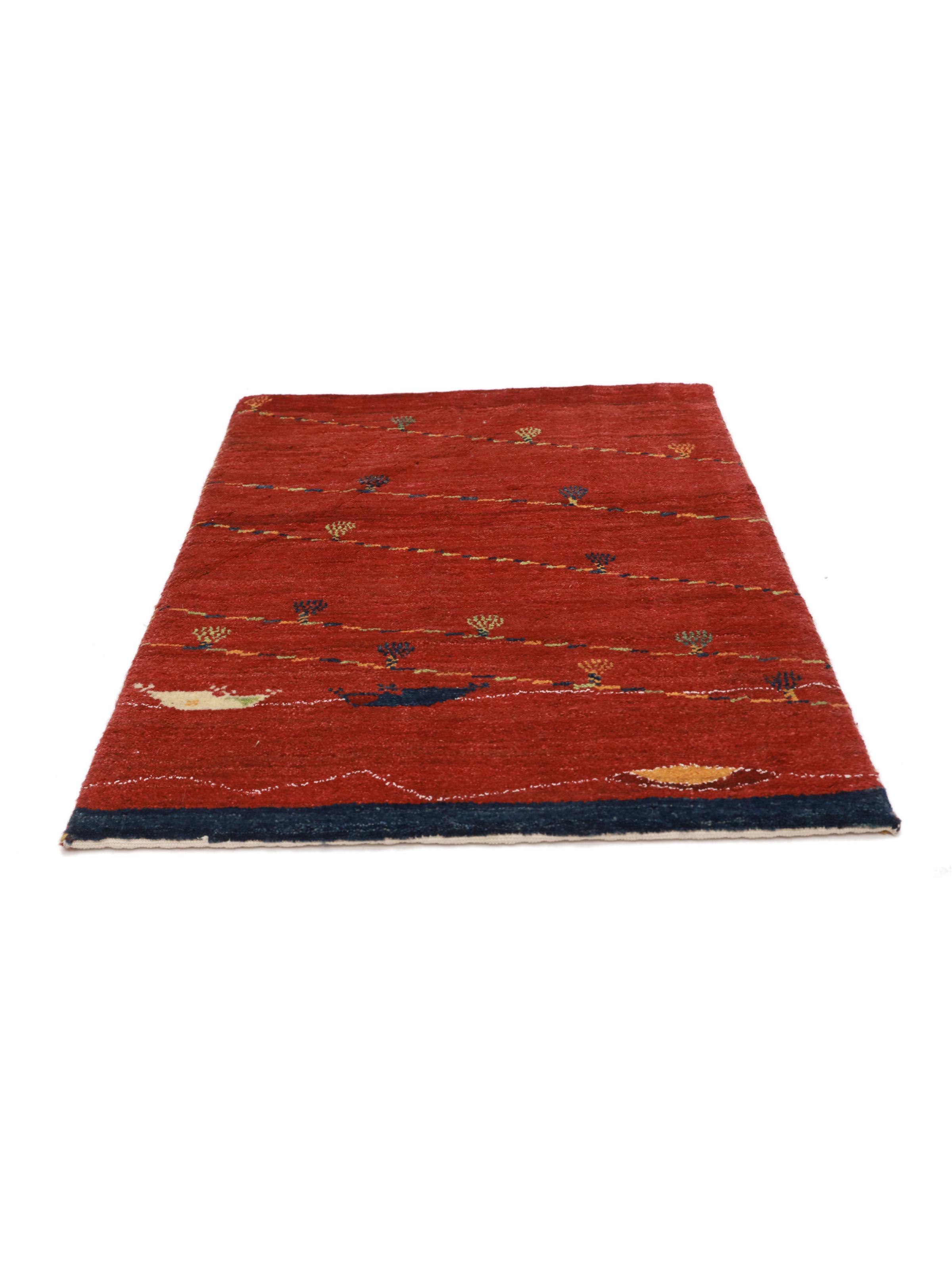
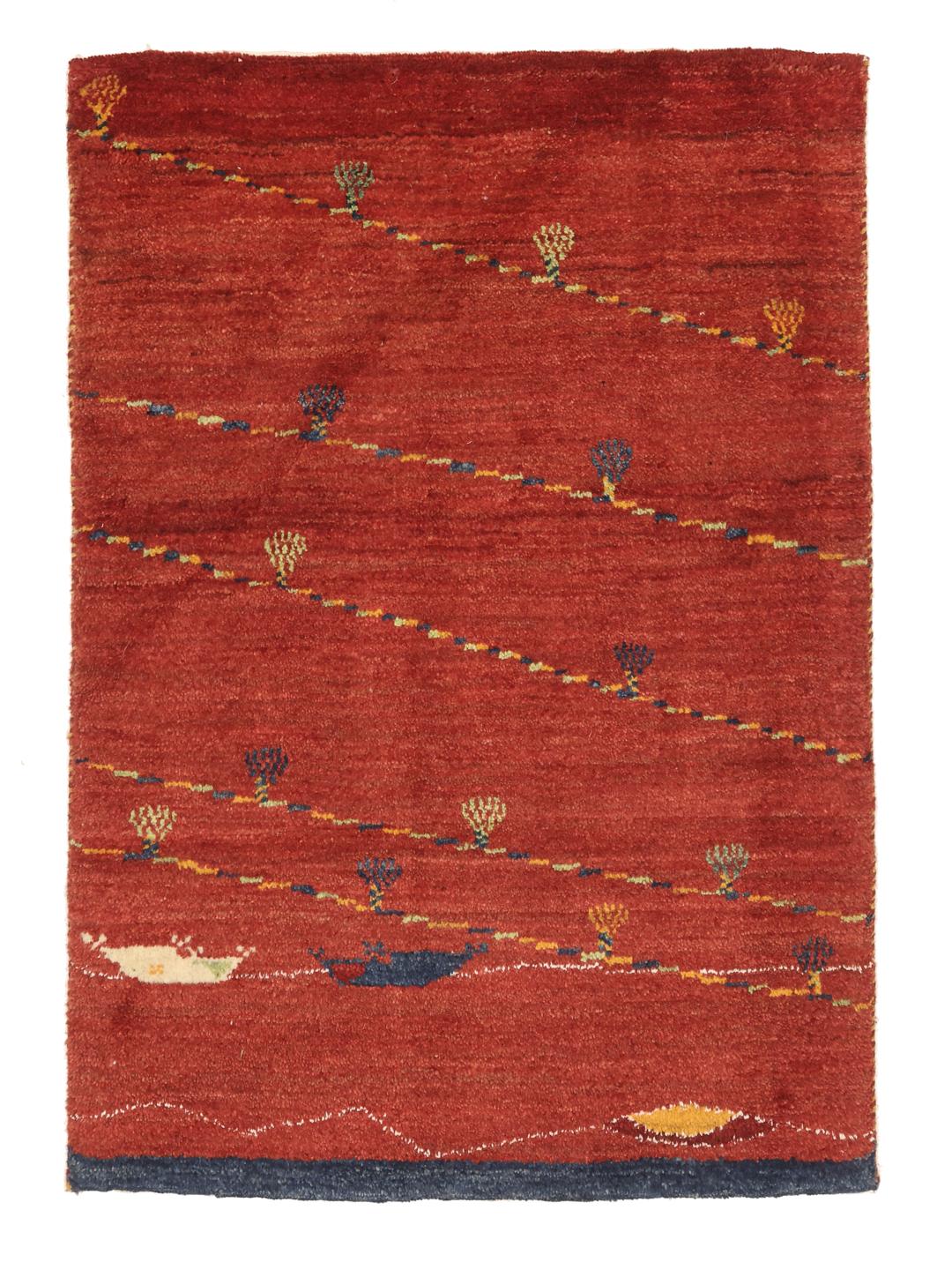
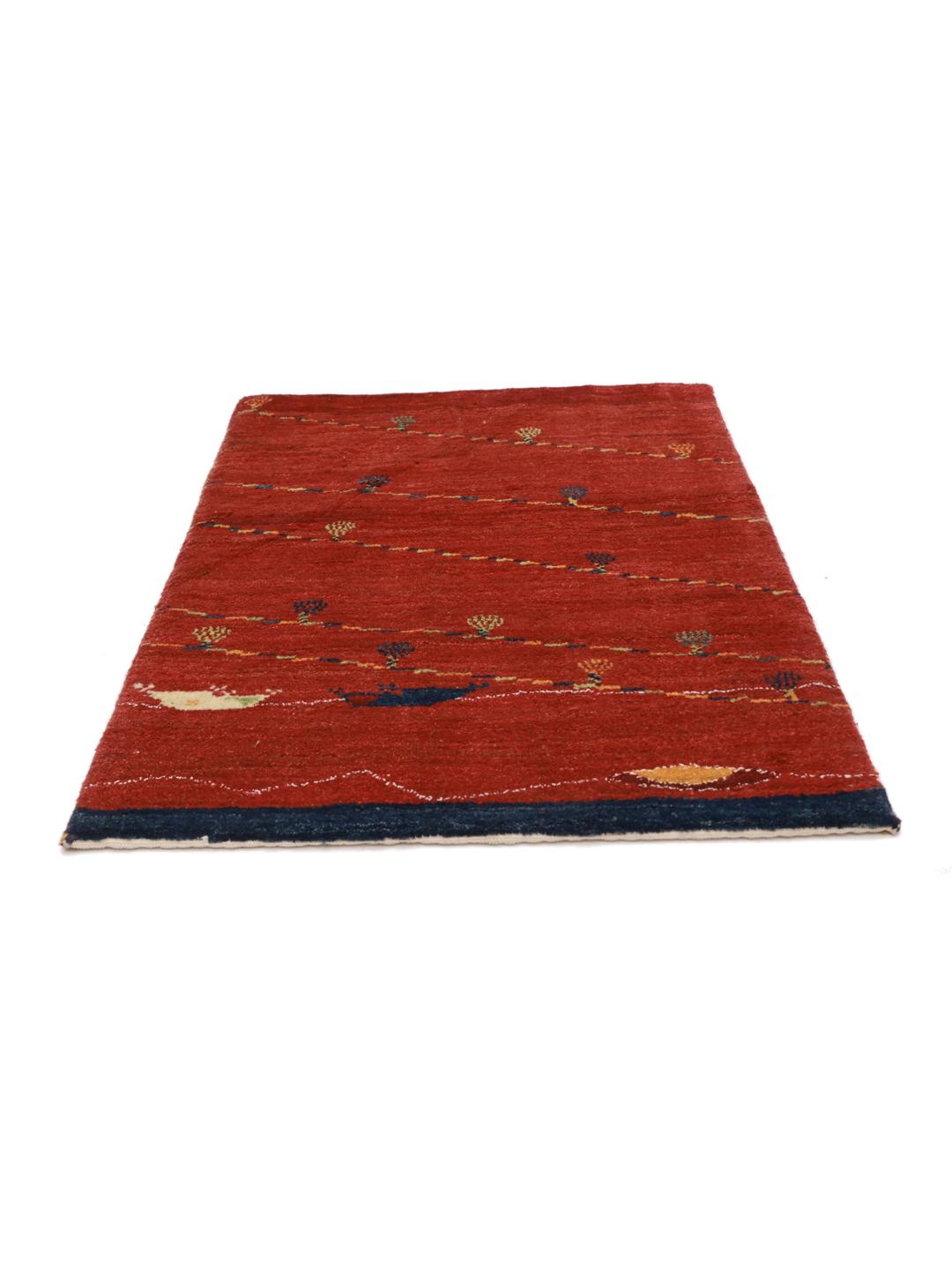
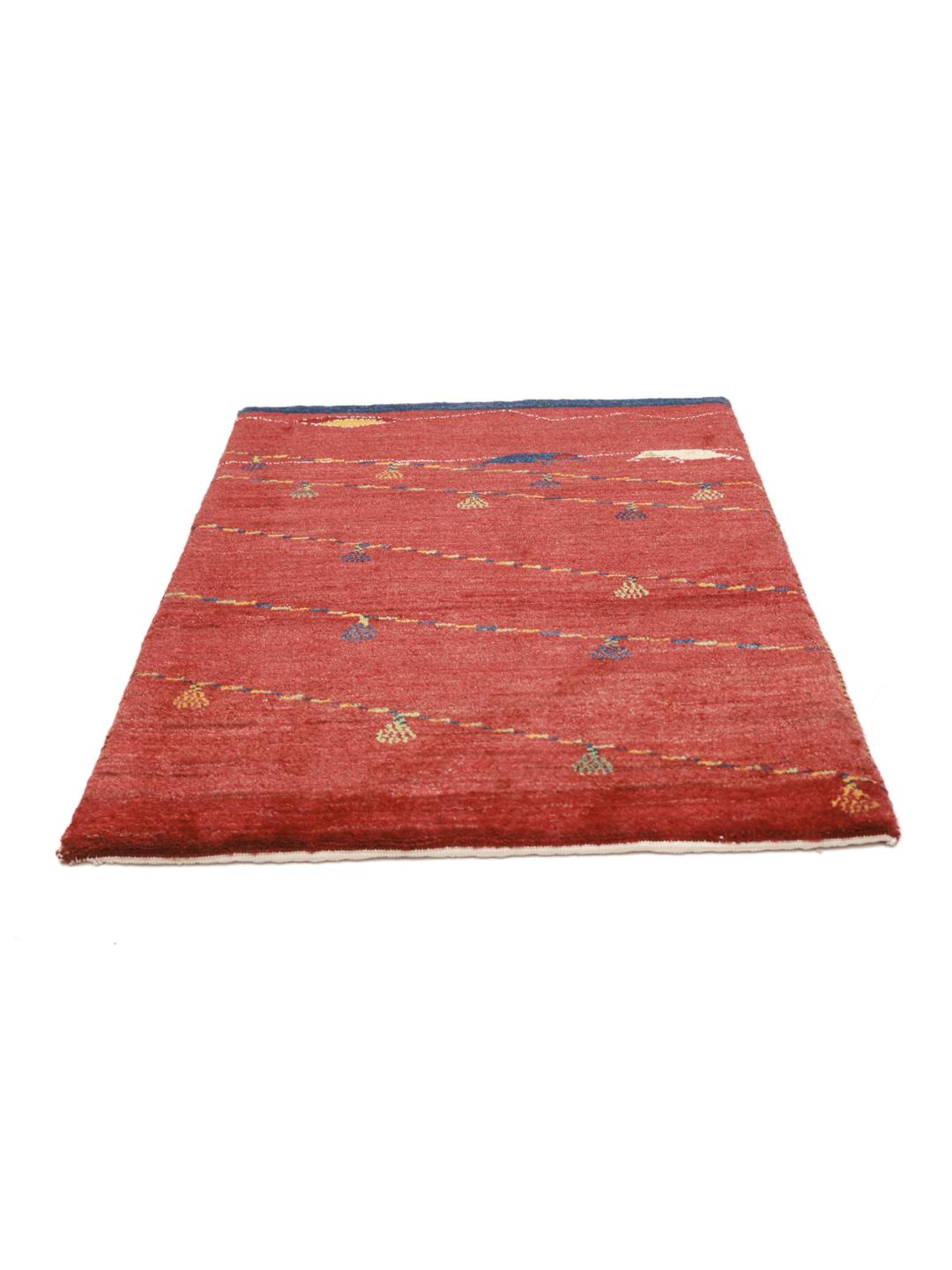
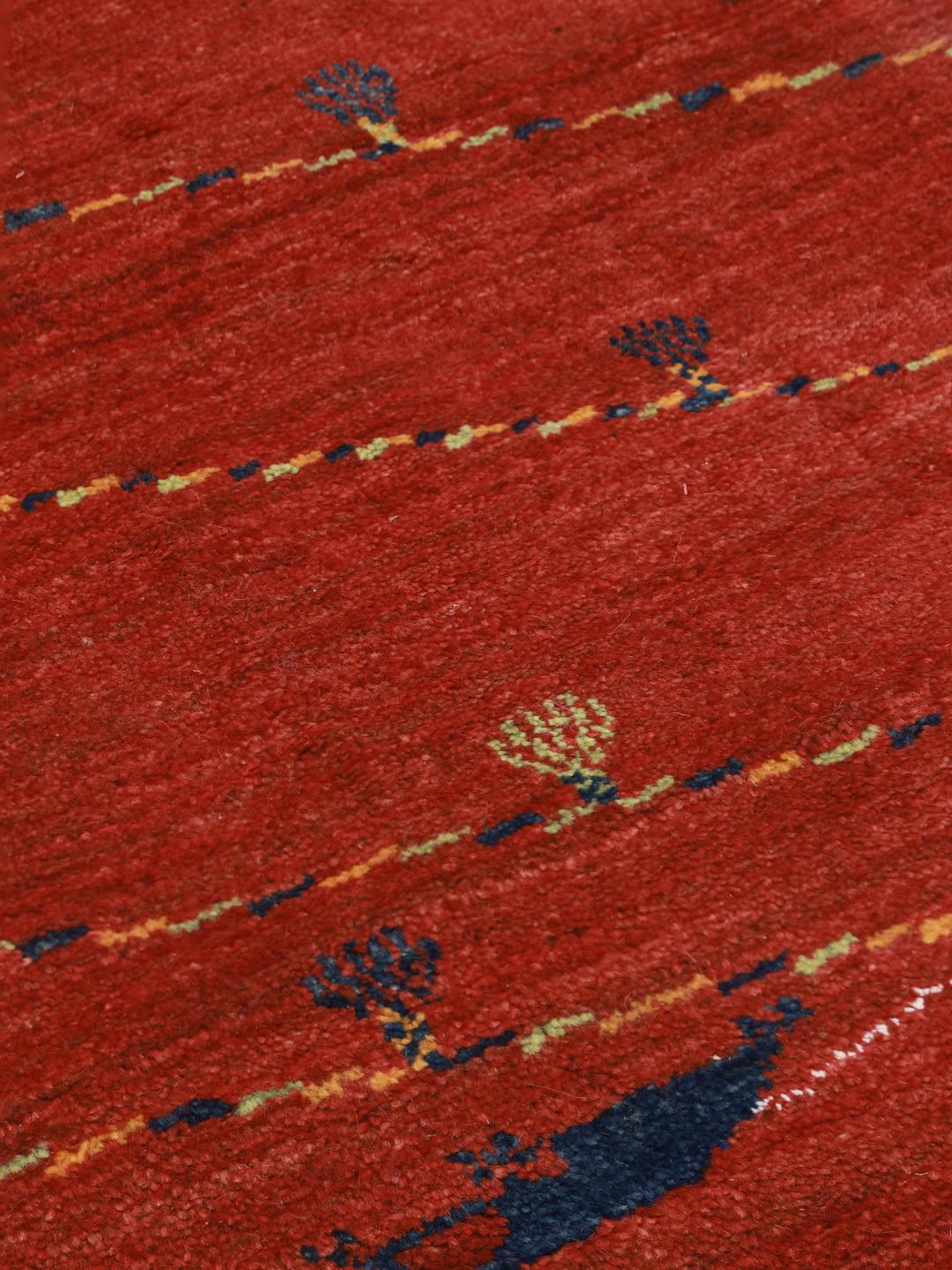
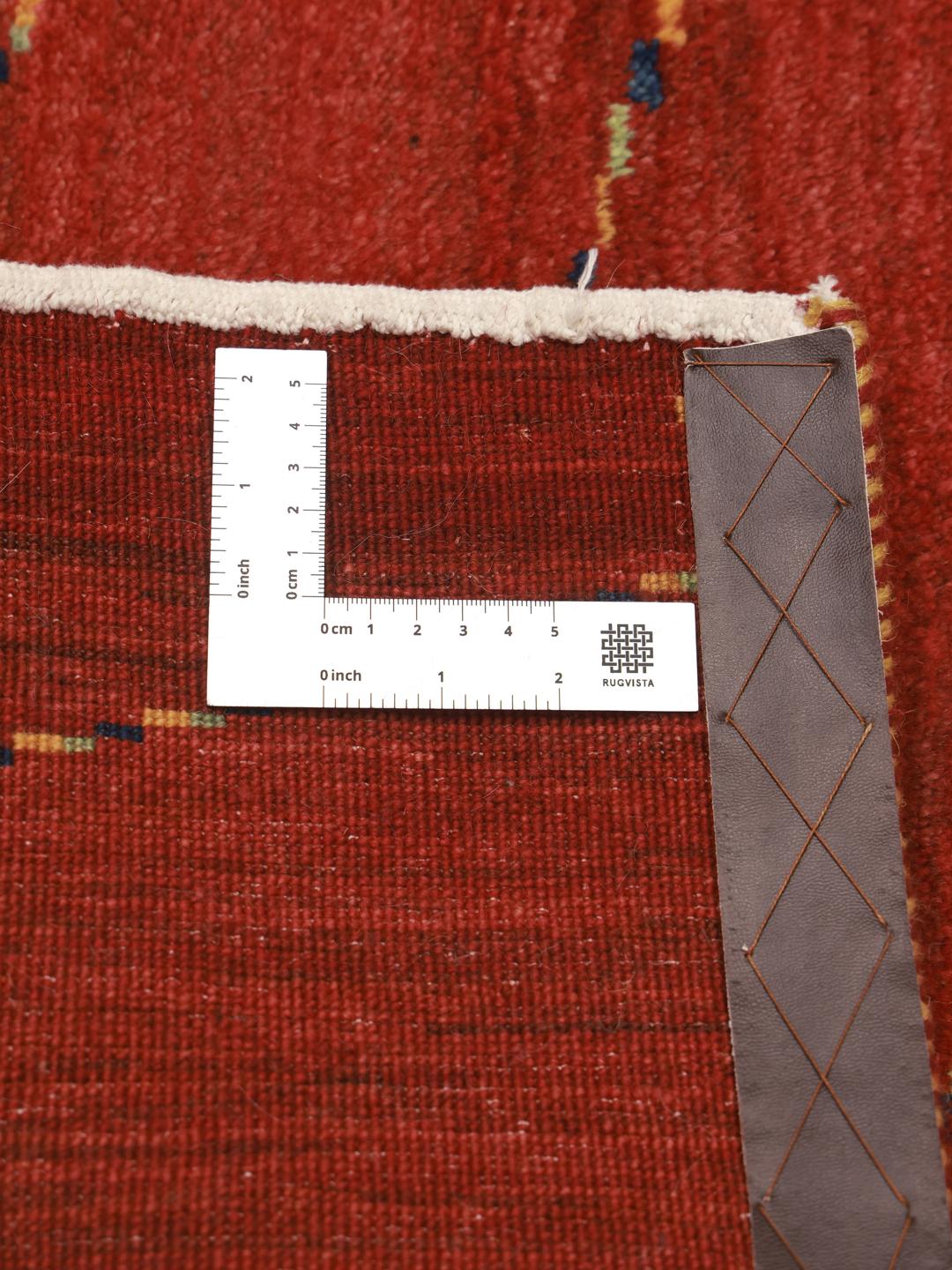
Visually, these rugs are known for their minimalist, artistic designs. You will often find large, open fields of colour punctuated by simple geometric, animal, or floral motifs. This specific rug, with its playful organic patterns, is a wonderful example of how weavers infuse their surroundings and personal stories into their work. The use of a vibrant red field is a classic choice in this tradition, symbolising warmth and vitality.
Collecting a Gabbeh rug is about more than just floor decor; it is about honouring a tradition of skill and artistic independence. Because they were historically woven by women in nomadic settings, each rug reflects the individual vision of its maker. Owning one means you are preserving a piece of cultural heritage that values human touch over uniformity, offering a genuine, soulful quality that is increasingly rare in the modern world.