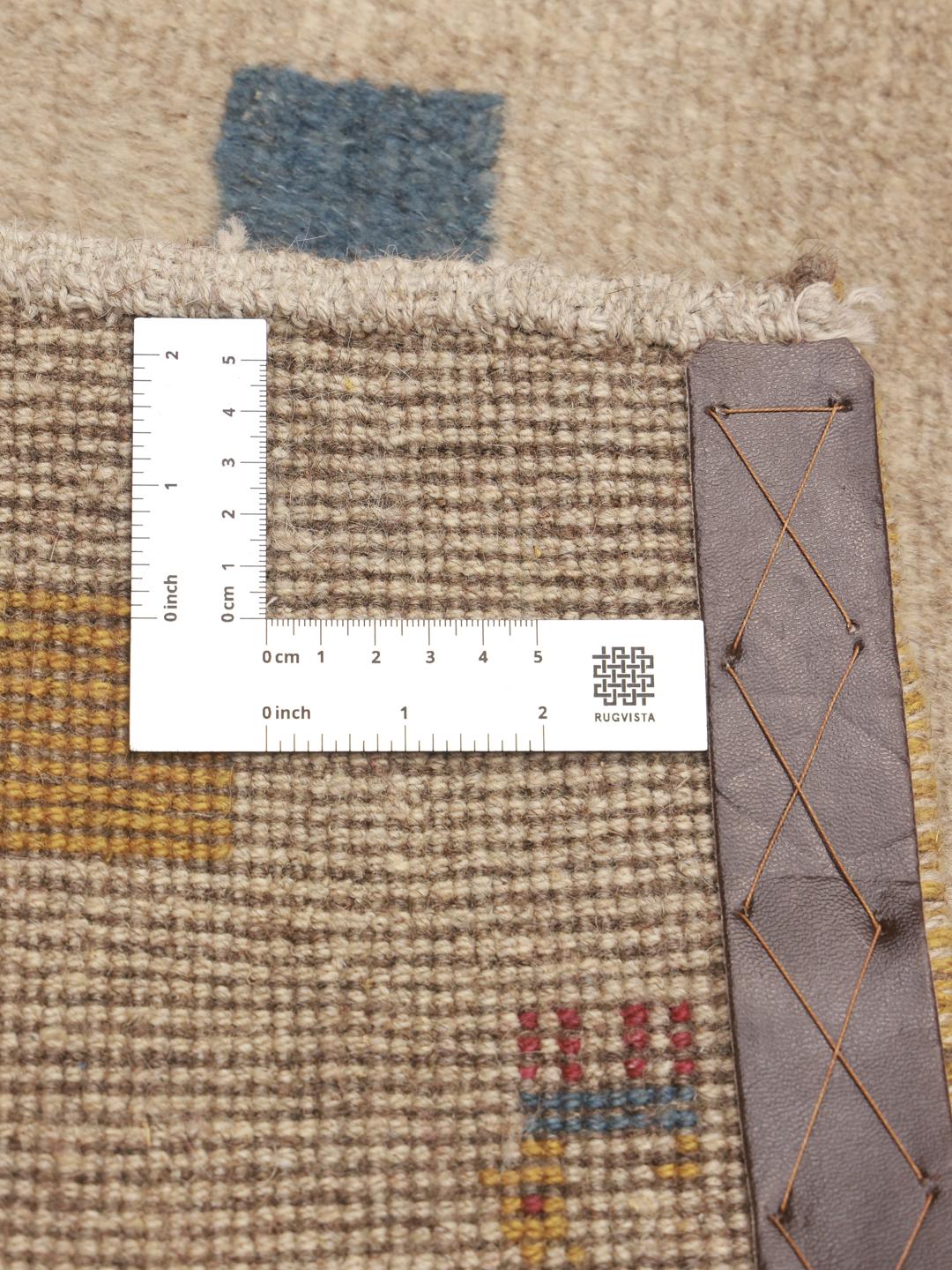
Gabbeh rugs trace their roots to the nomadic tribes of the Middle Eastern countryside, where they were originally crafted for practical use as bedding and floor coverings within tents. These rugs were woven using hand-spun, undyed or naturally dyed wool, resulting in a product that was prized for its warmth, durability, and natural aesthetic.
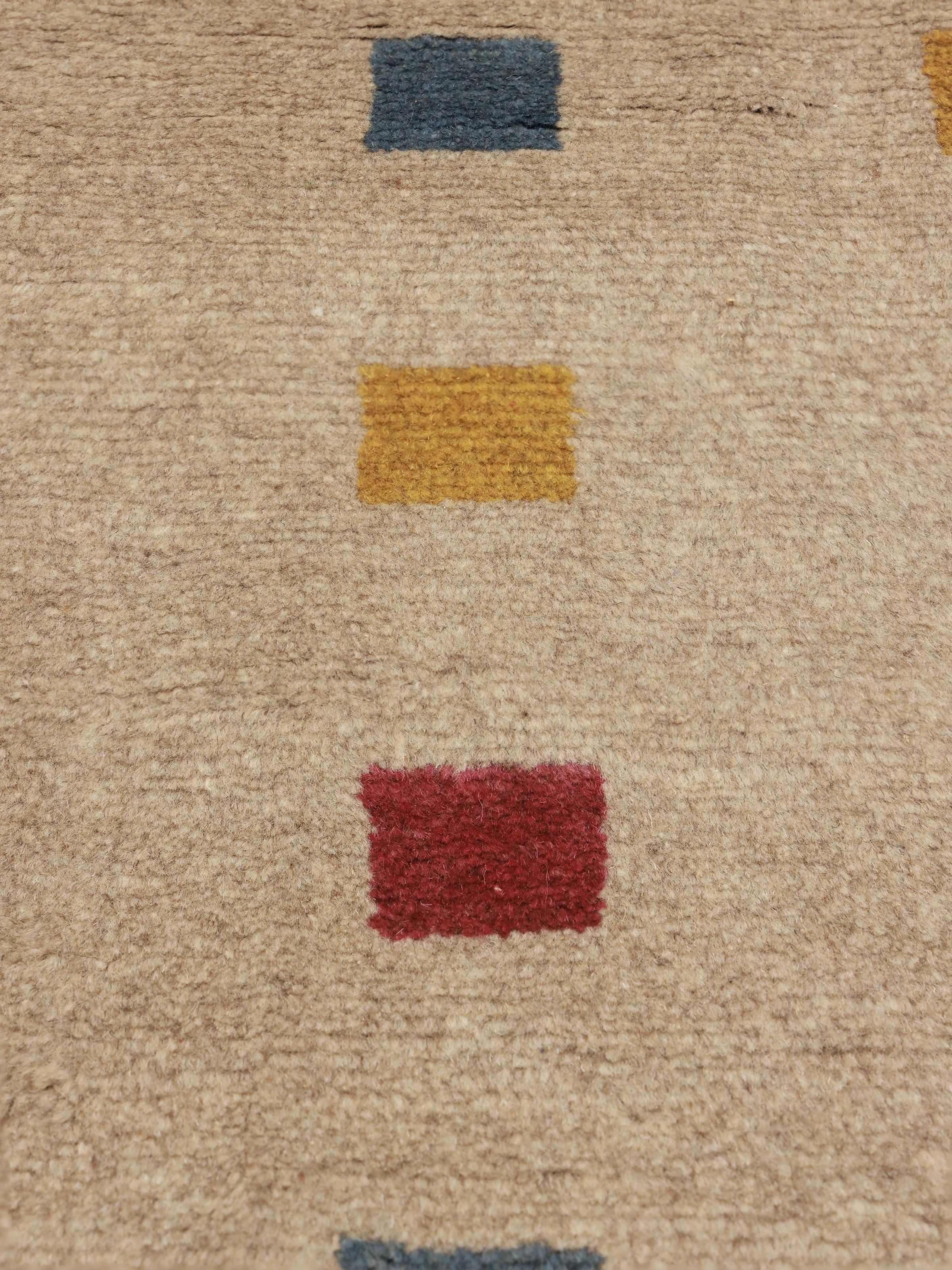
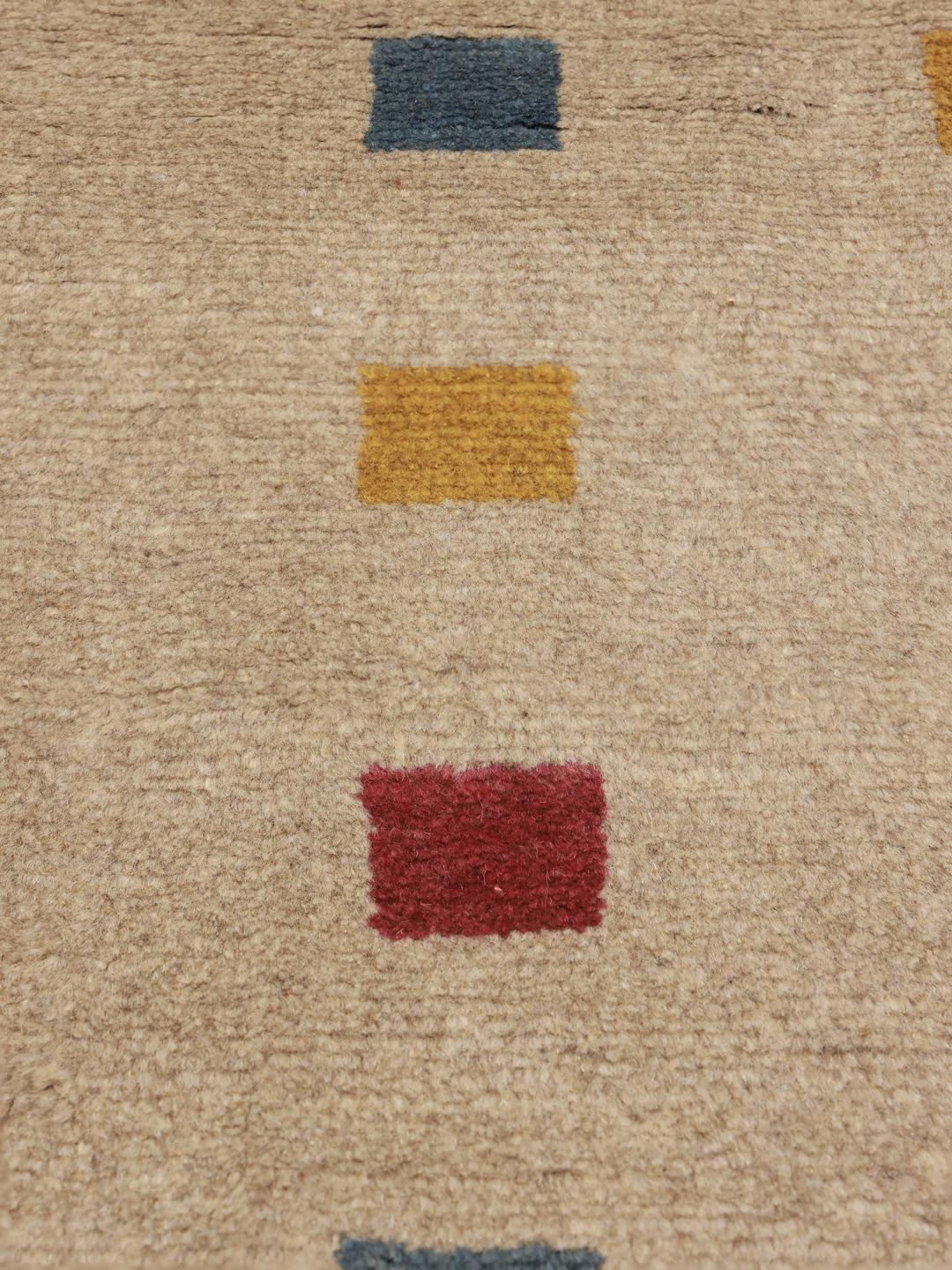
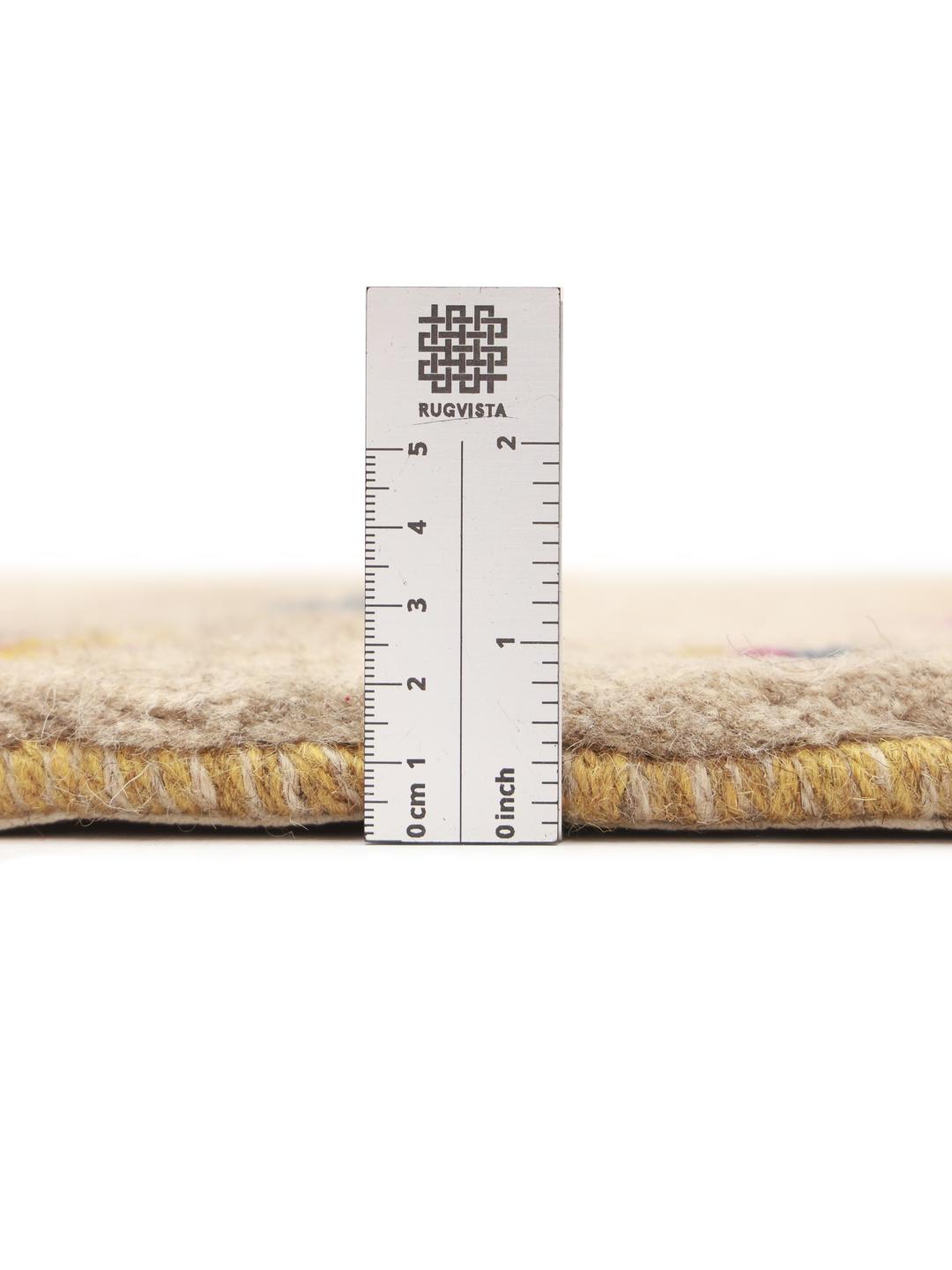
The term Shabargan refers to a specific regional style of these nomadic rugs, known for their thicker, more plush pile compared to other varieties. This specific construction technique emphasises the tactile quality of the wool, making these rugs exceptionally comfortable and ideal for creating a cosy, welcoming environment in any modern home.
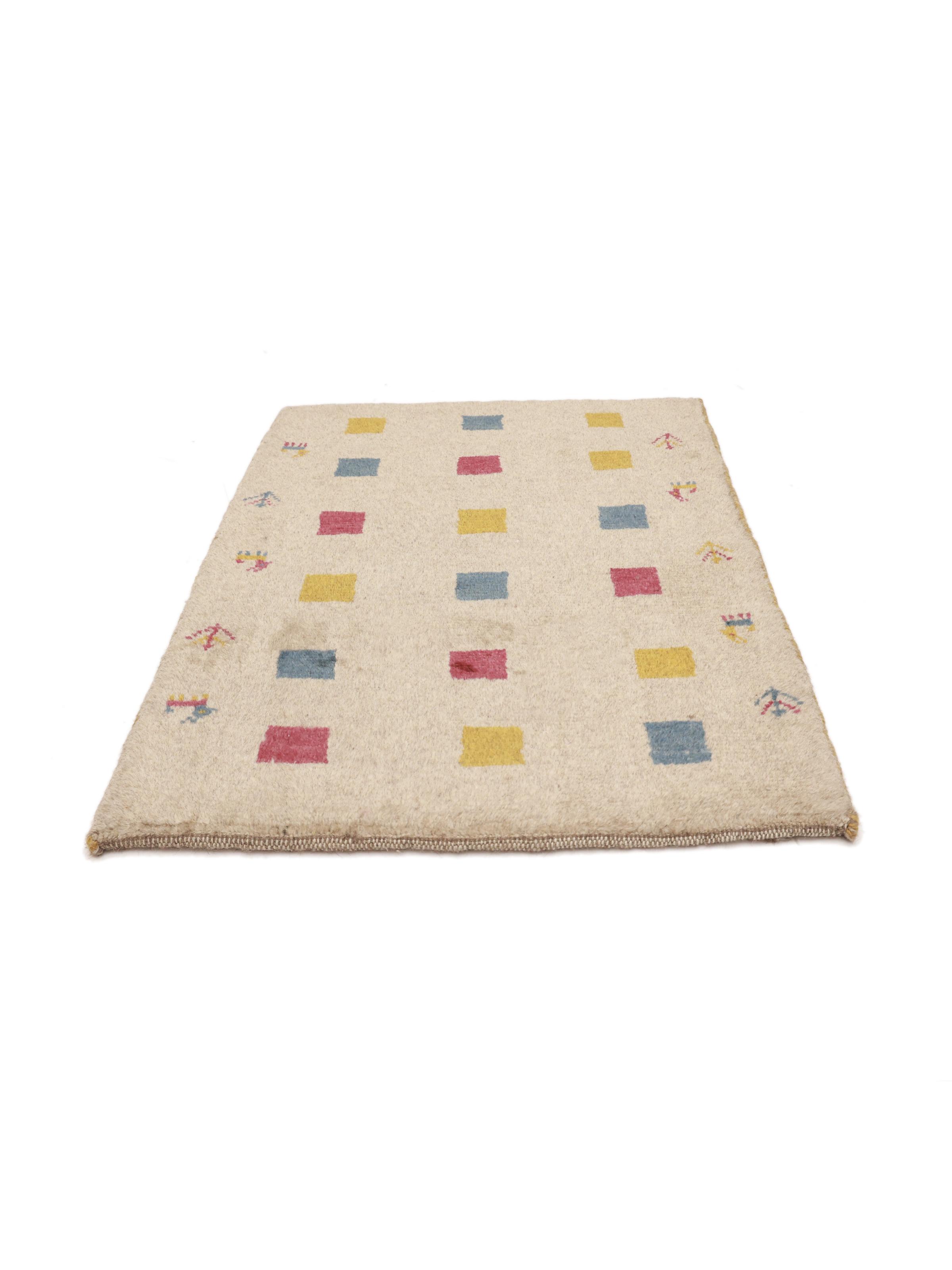
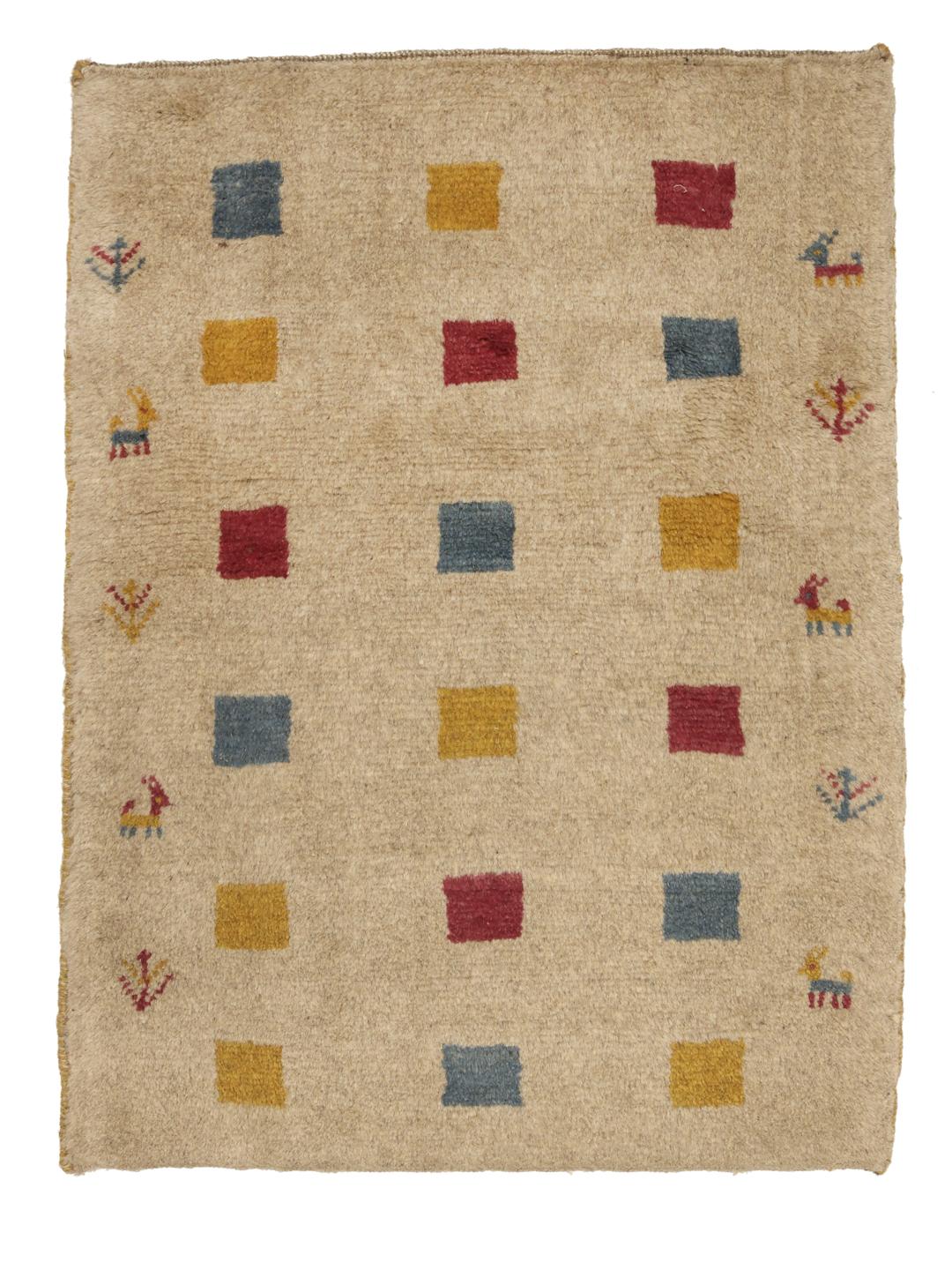
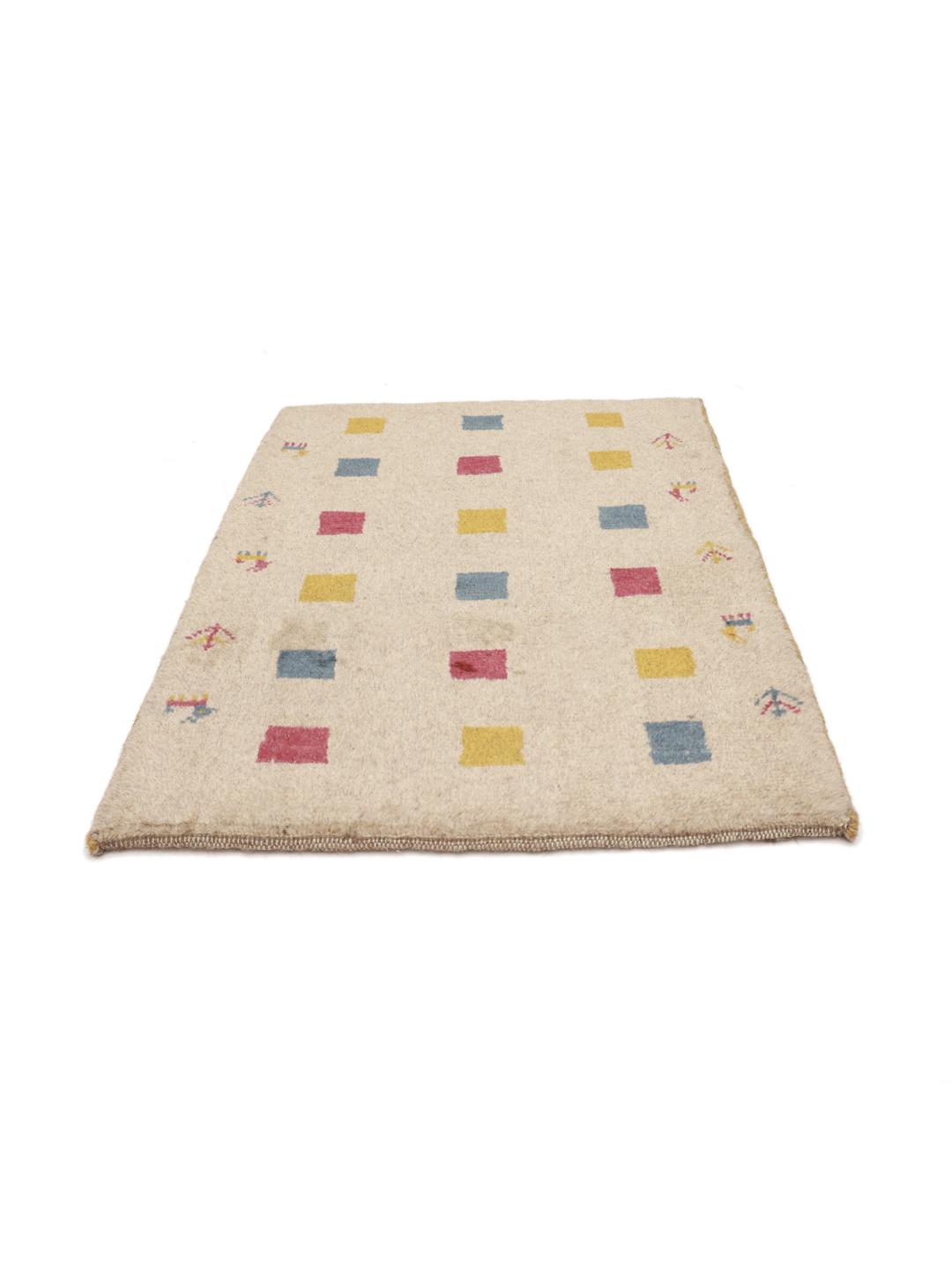
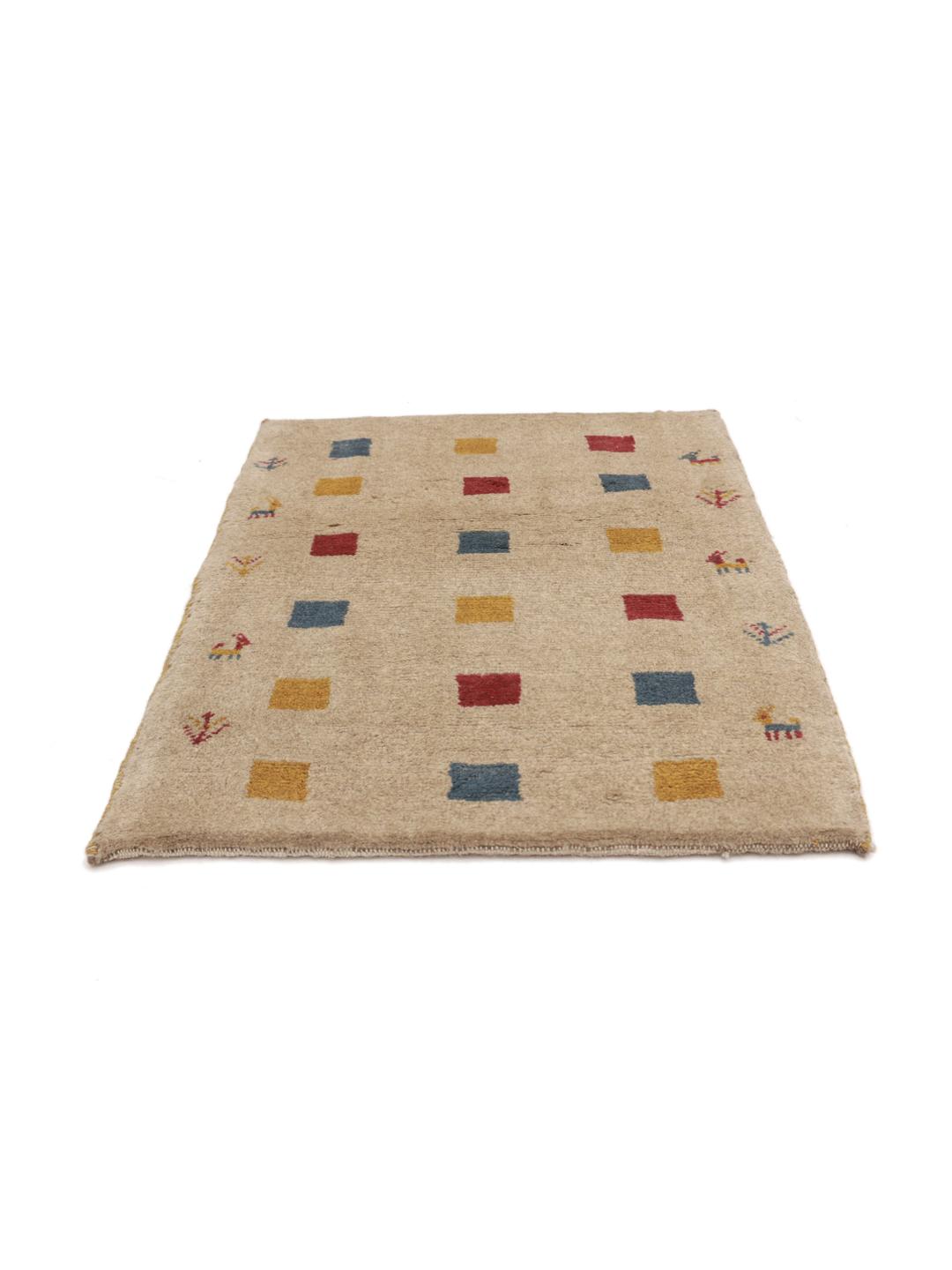
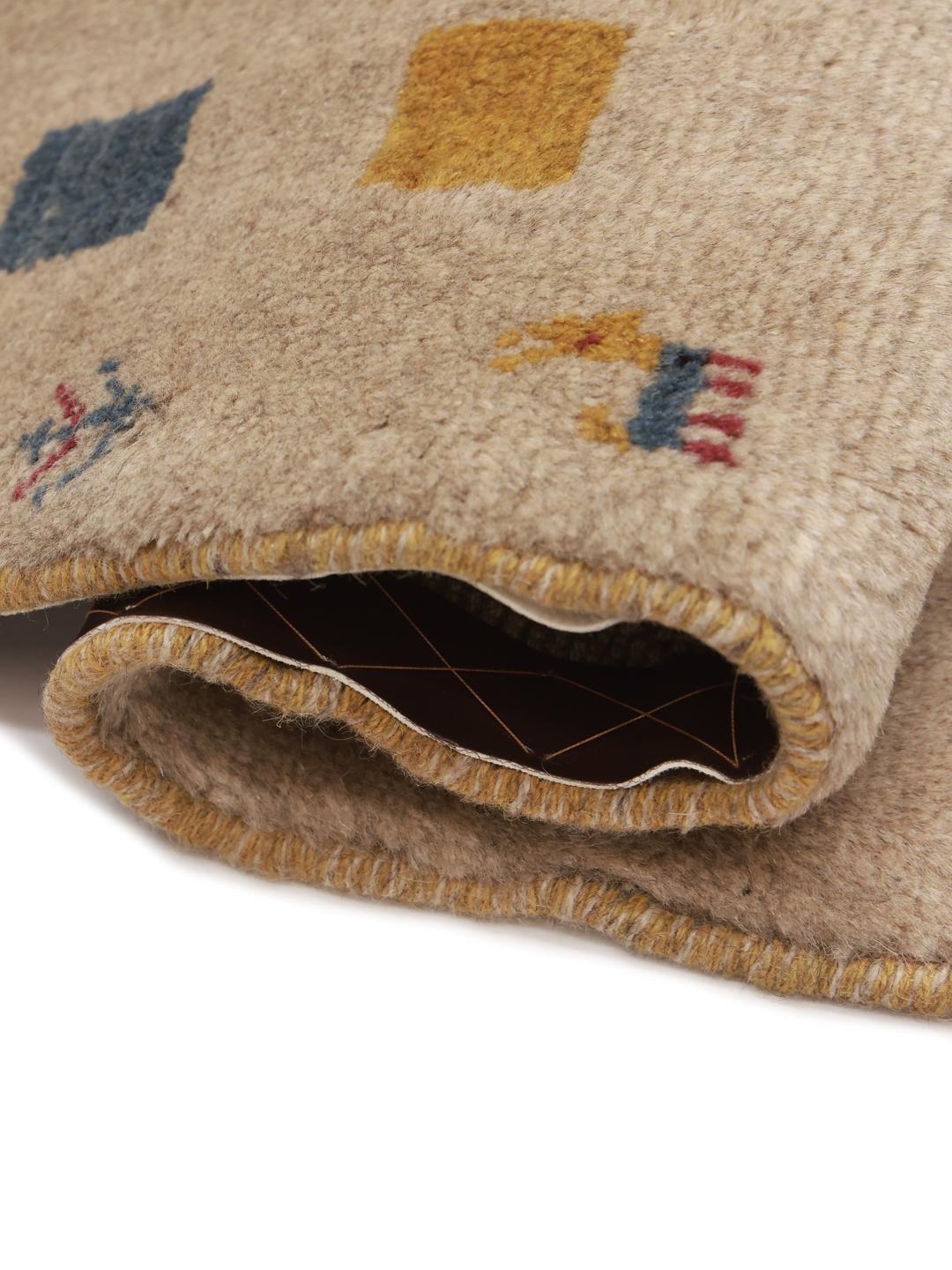
Visually, Gabbeh rugs are celebrated for their artistic freedom. Unlike more rigid, formal rug styles, these pieces often feature large fields of solid colour or simple geometric shapes that reflect the weaver's immediate environment and imagination. The inclusion of small, stylised animal or floral motifs—as seen in this piece—is a hallmark of the tradition, serving as symbolic representations of the weaver's life and surroundings.
Today, these rugs are highly valued by collectors and design enthusiasts alike for their unpretentious beauty and the human story behind every knot. Owning one is an opportunity to connect with a centuries-old craft tradition, celebrating the skill of the weaver and the lasting appeal of hand-made objects that bring character and soul to a home.