Gabbeh rugs trace their origins to the nomadic tribes of the Middle East, where they were traditionally woven for personal use rather than for trade. These rugs served as essential, practical floor coverings that offered warmth and comfort against the cold ground of tents and dwellings, reflecting the simple and functional lifestyle of their creators.
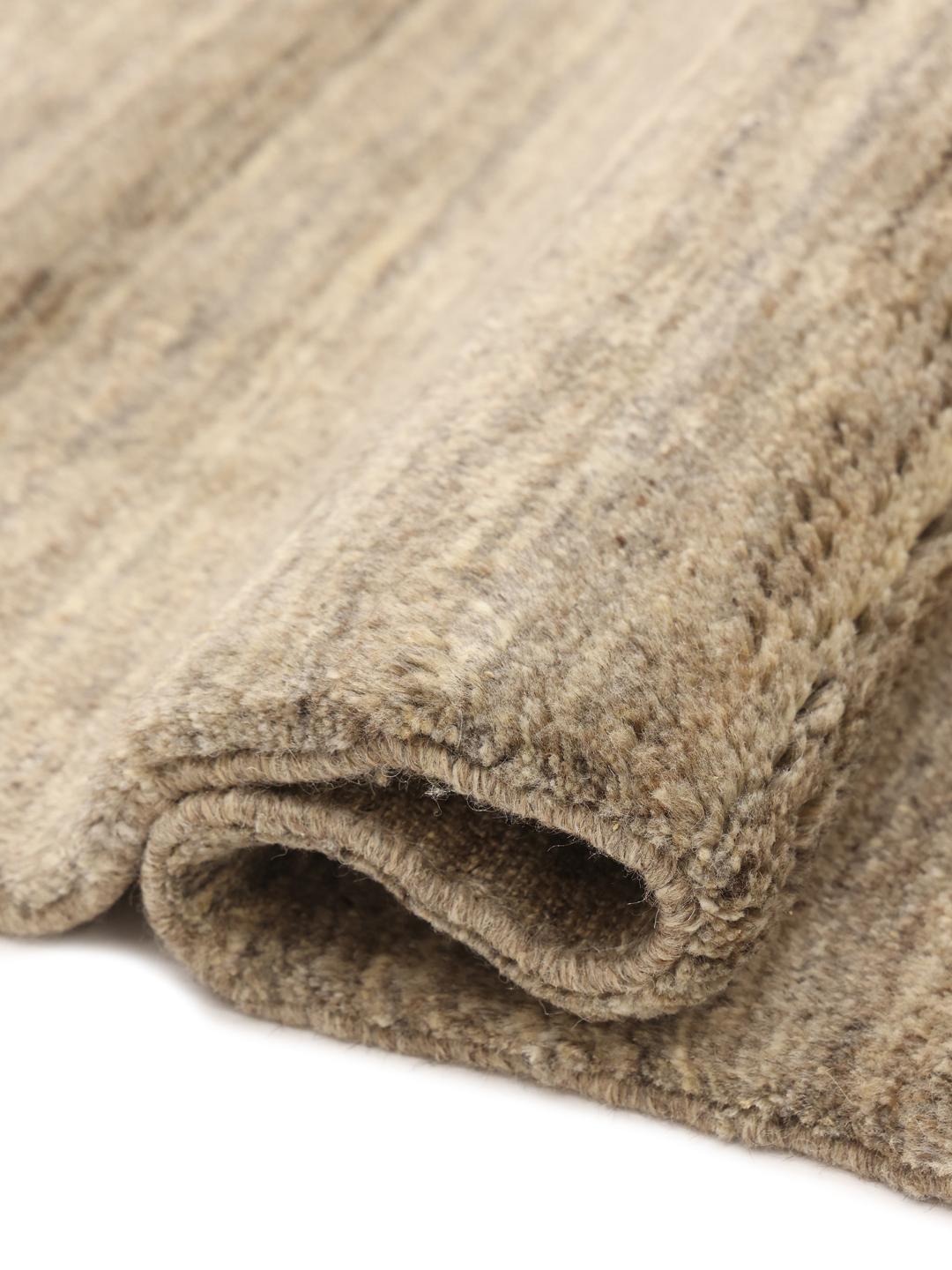
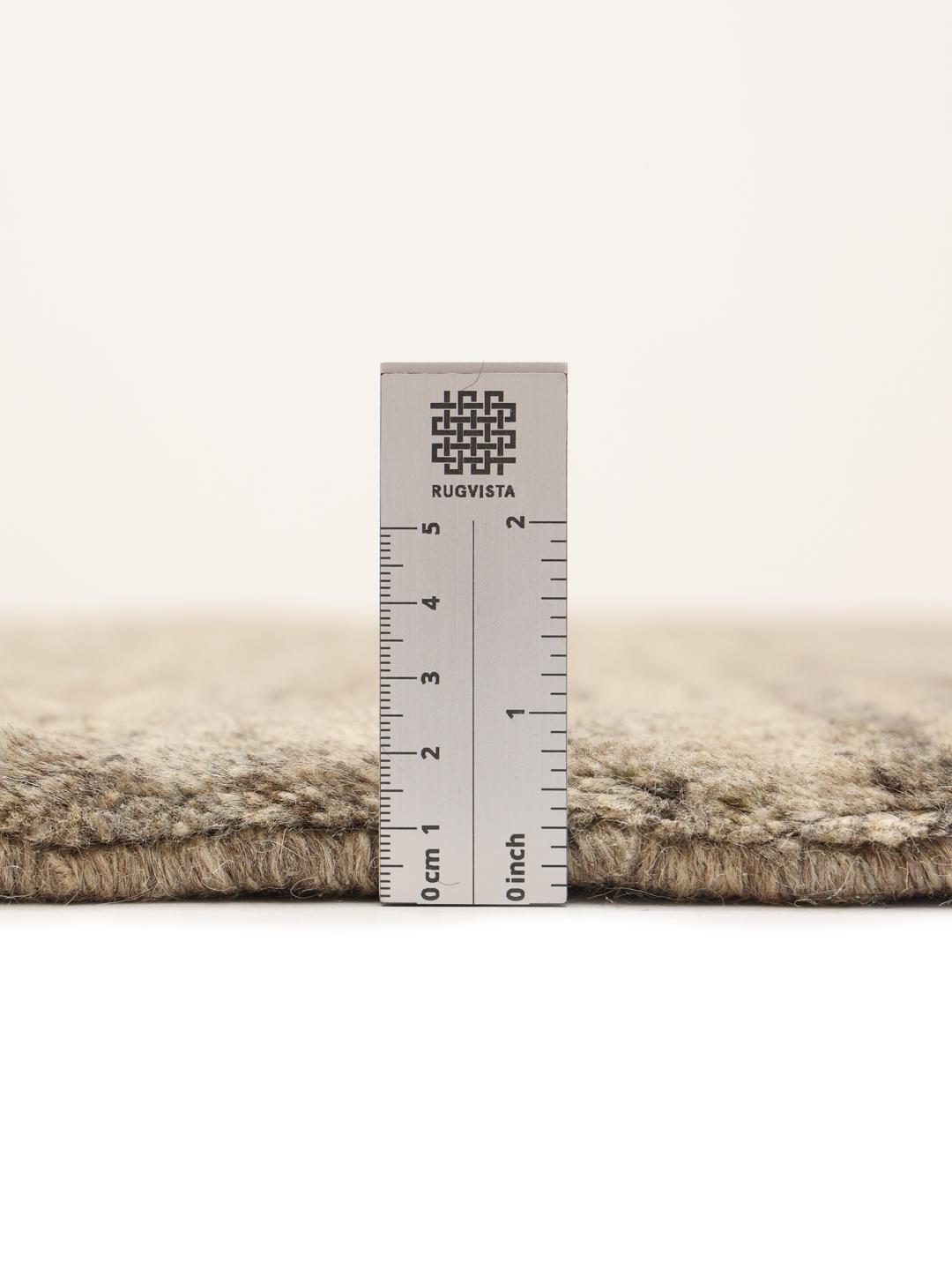
The term Gabbeh itself implies something raw, natural, or unclipped, which perfectly describes the aesthetic of these pieces. Unlike formal city rugs that rely on complex geometric calculations, Gabbeh rugs are celebrated for their thick, deep pile and a more spontaneous, free-form approach to design that prioritises tactile comfort and warmth.
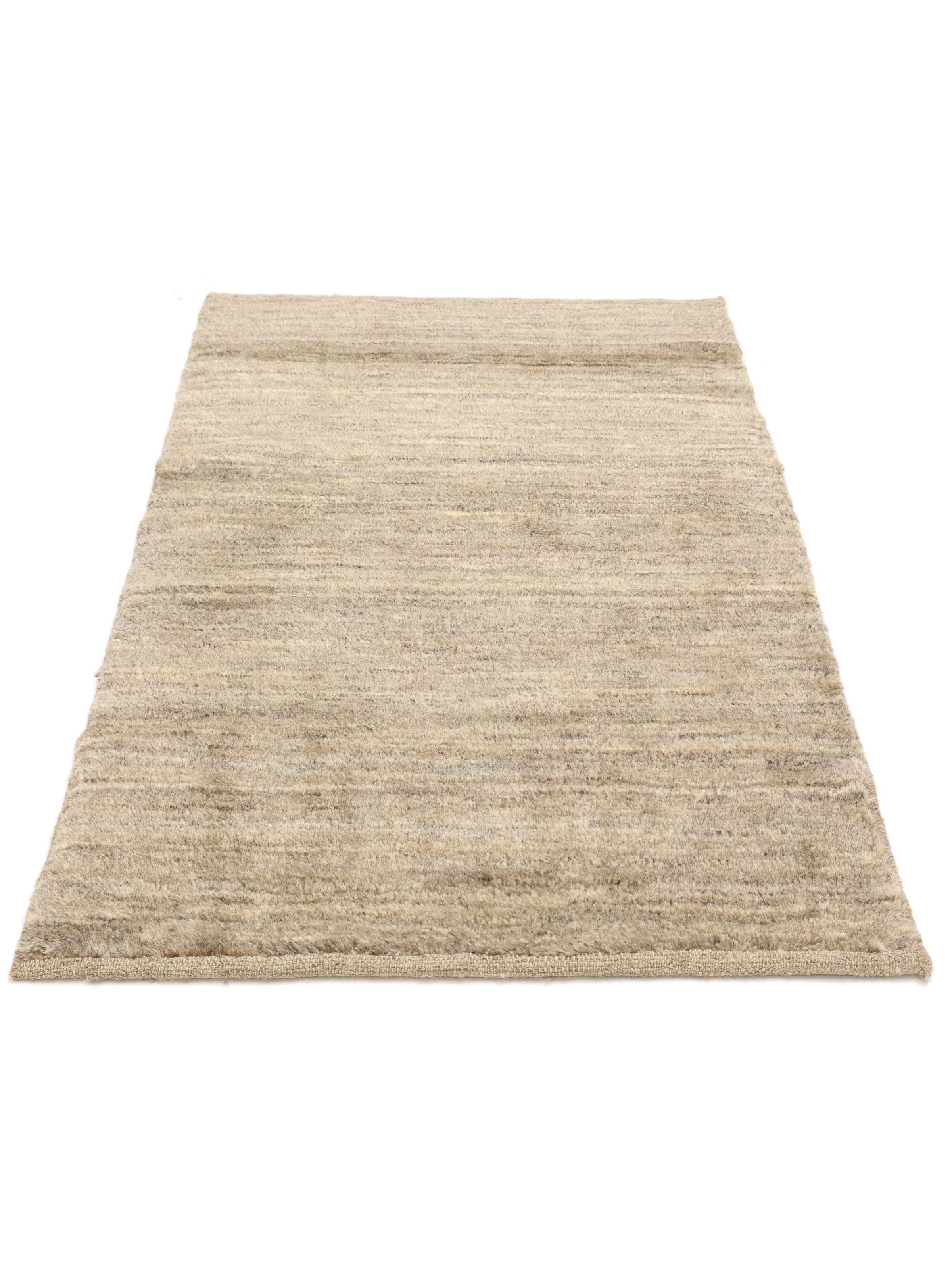
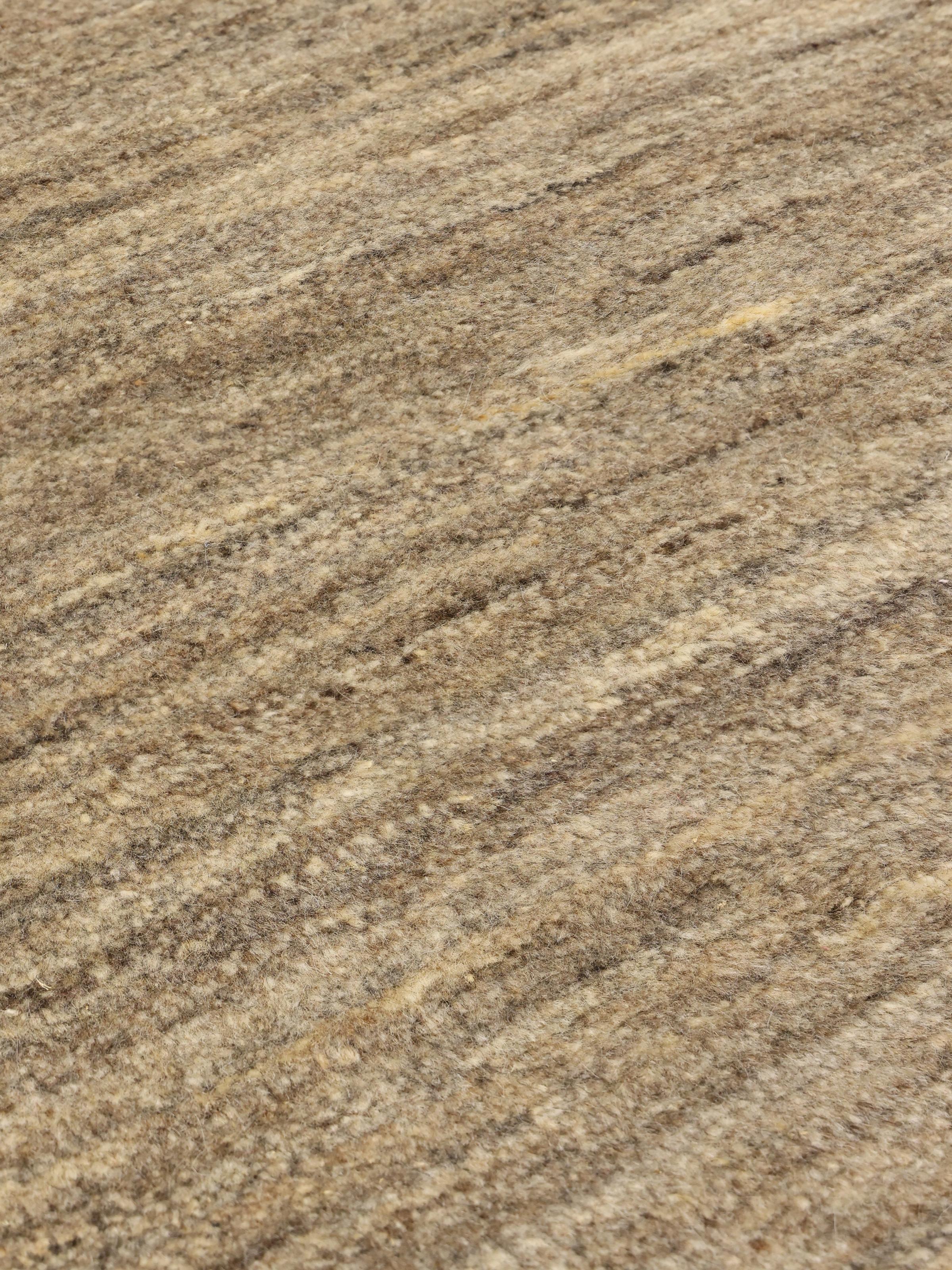
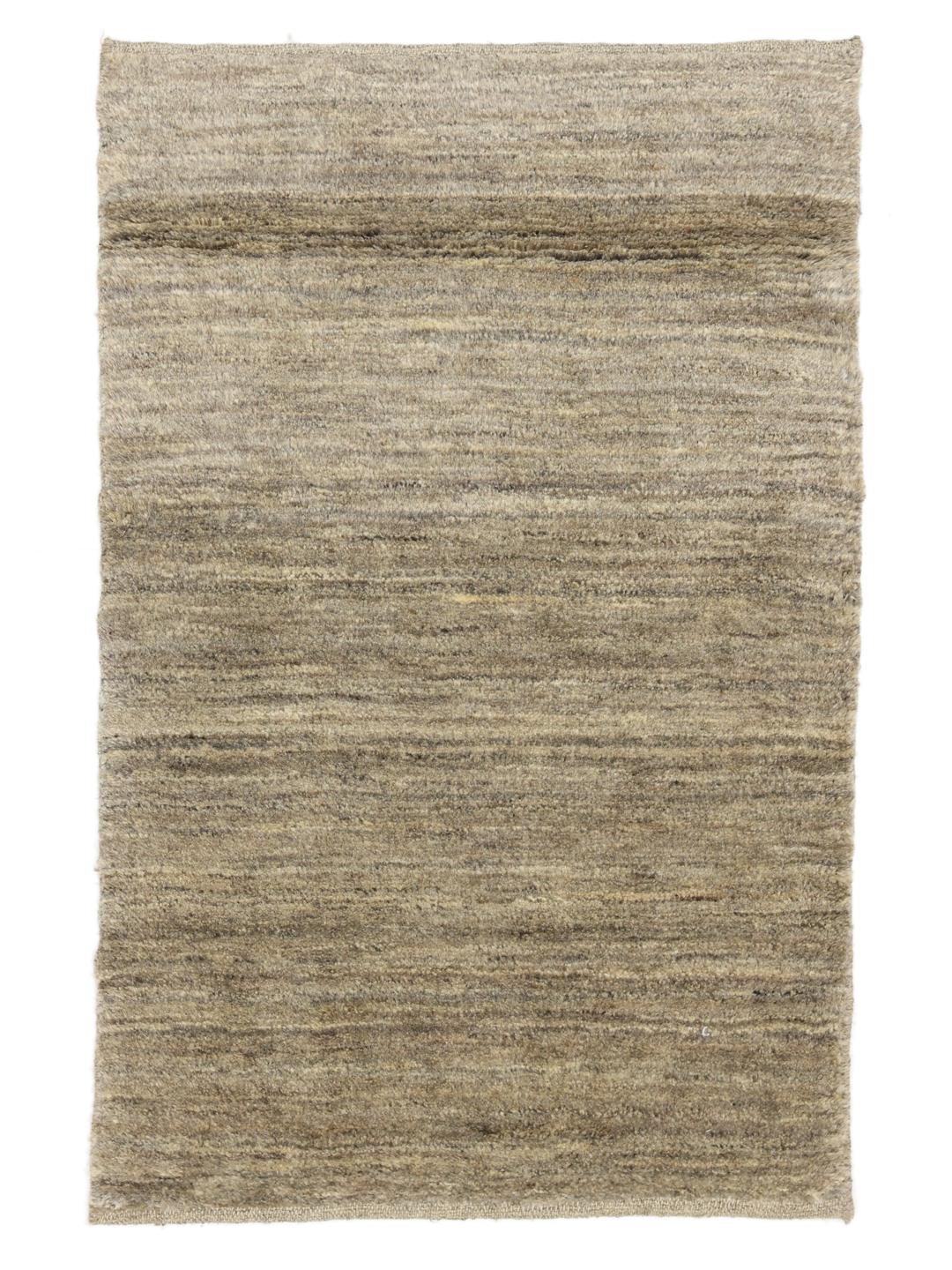
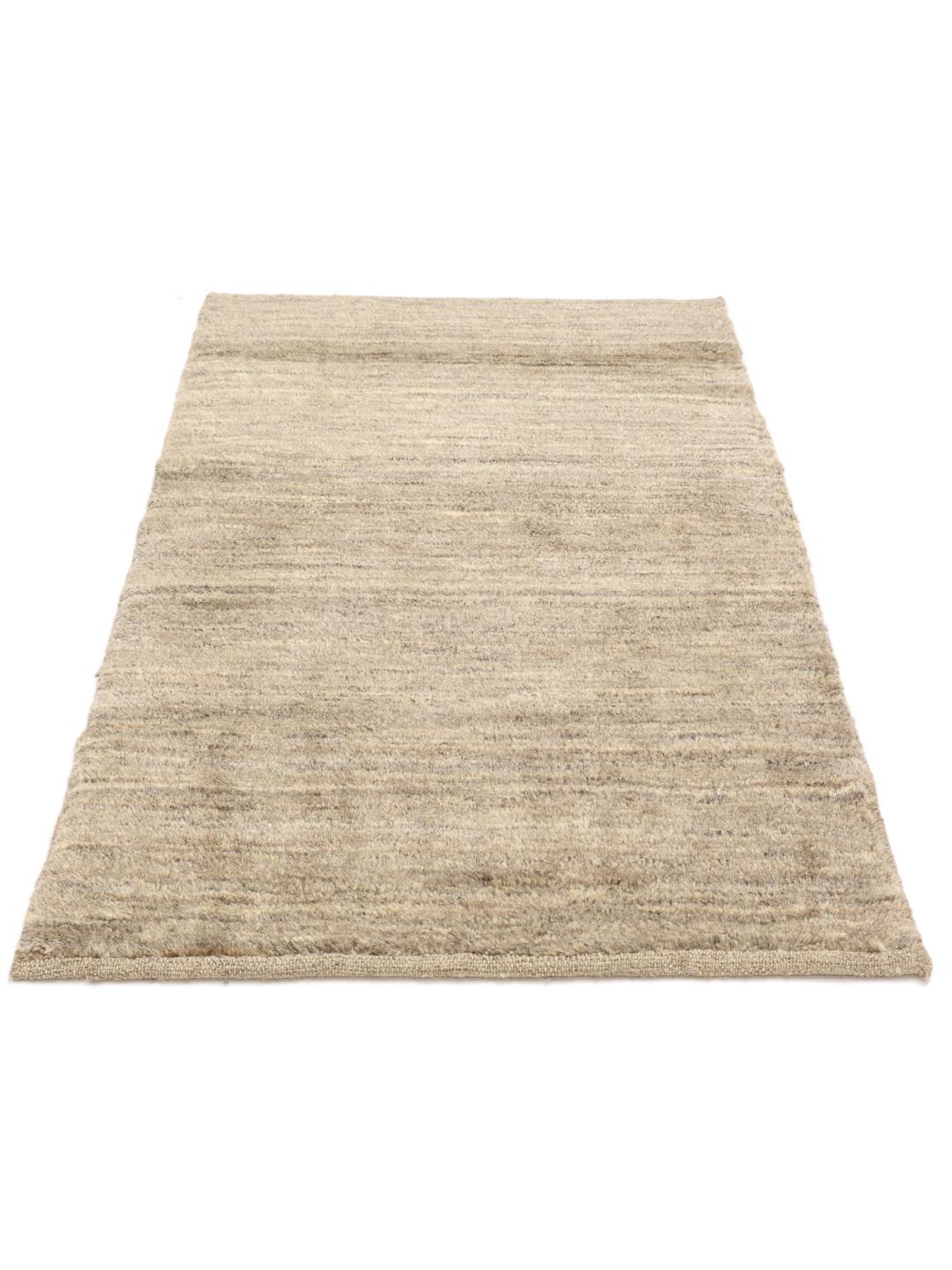
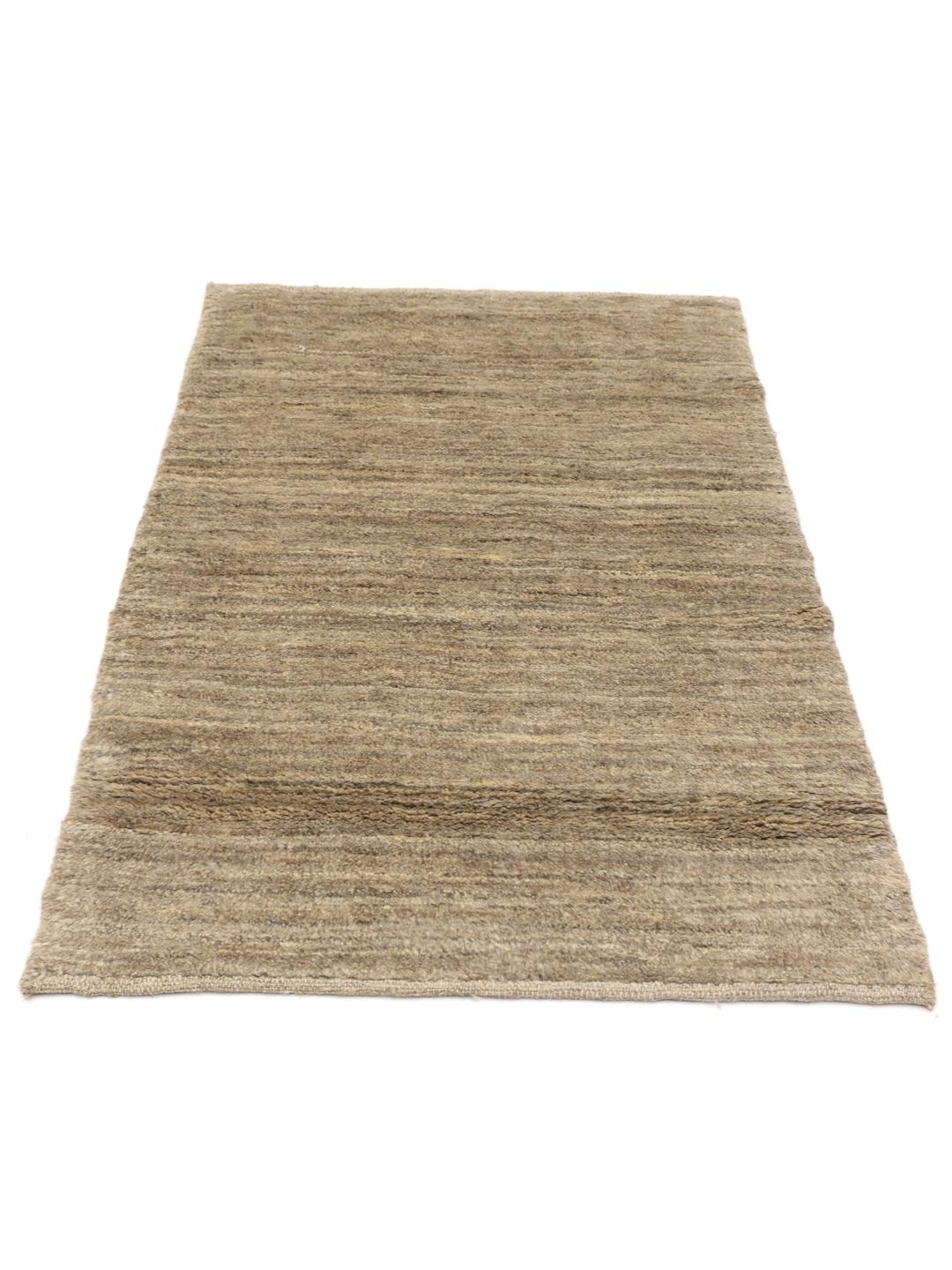
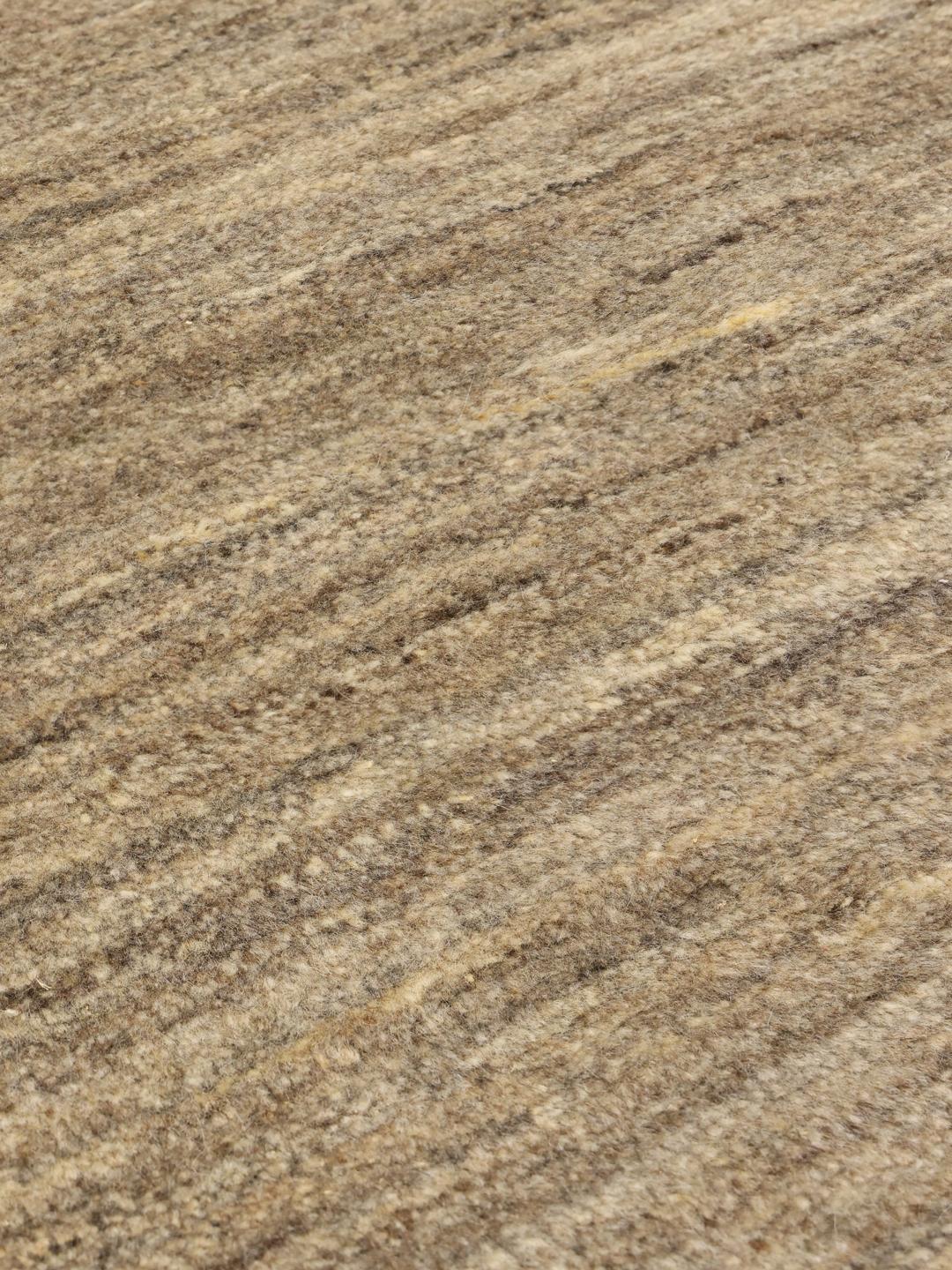
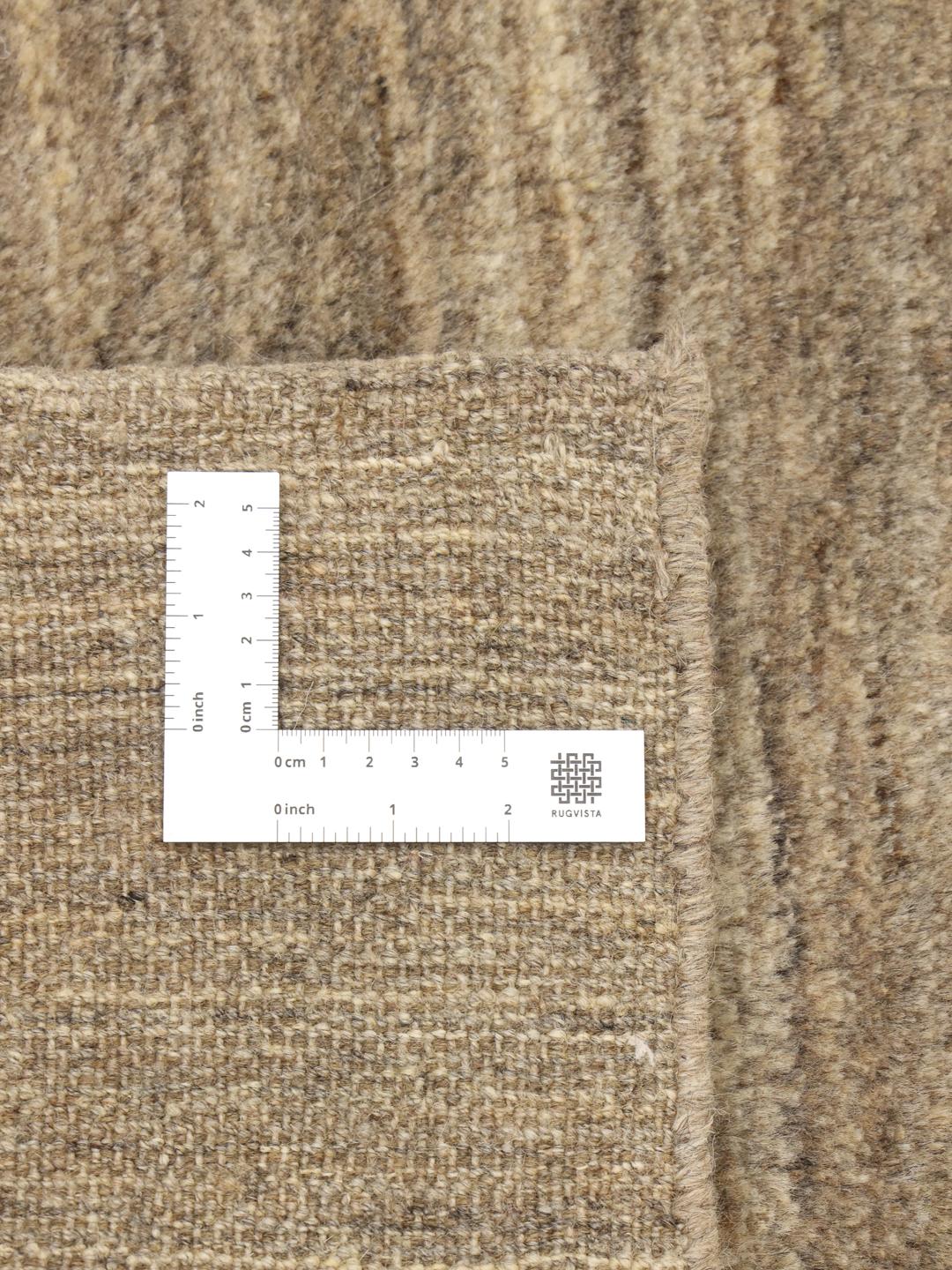
Visual language in these rugs is often minimalist, favouring open fields of colour and subtle, organic variations. While they may incorporate simple motifs, the true beauty lies in the interplay of natural, undyed, or hand-dyed wools. This rug's earthy palette is a classic hallmark of the tradition, highlighting the honest beauty of the materials themselves.
Today, these rugs are highly valued by collectors and enthusiasts who appreciate their authenticity and the human story behind every knot. Owning a Gabbeh is not just about acquiring a floor covering, but about preserving a piece of cultural heritage that celebrates the enduring skill and creative spirit of nomadic weavers.