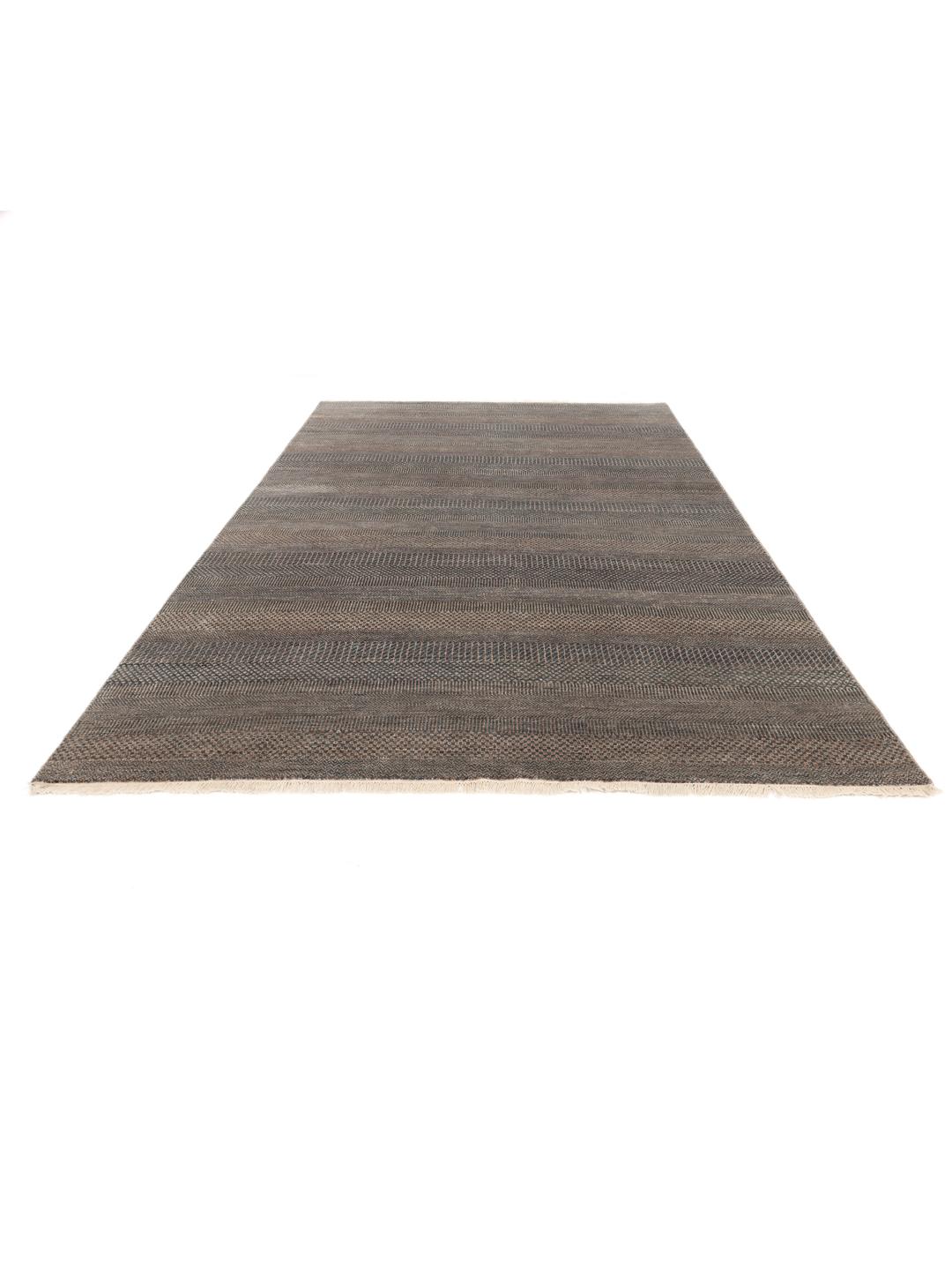
Gabbeh rugs trace their origins to the nomadic tribes of the Middle East, where they were traditionally woven for personal use and protection against the elements. These rugs were valued for their simplicity, functionality, and the raw, unrefined beauty of their wool, which provided essential warmth in harsh environments.
The term Gabbeh itself refers to a style that is typically more rustic and simplified compared to formal, court-style carpets. Modern interpretations of this tradition, such as those crafted in India, continue to honour this heritage by focusing on natural materials and a tactile, honest construction that prioritises comfort and utility.
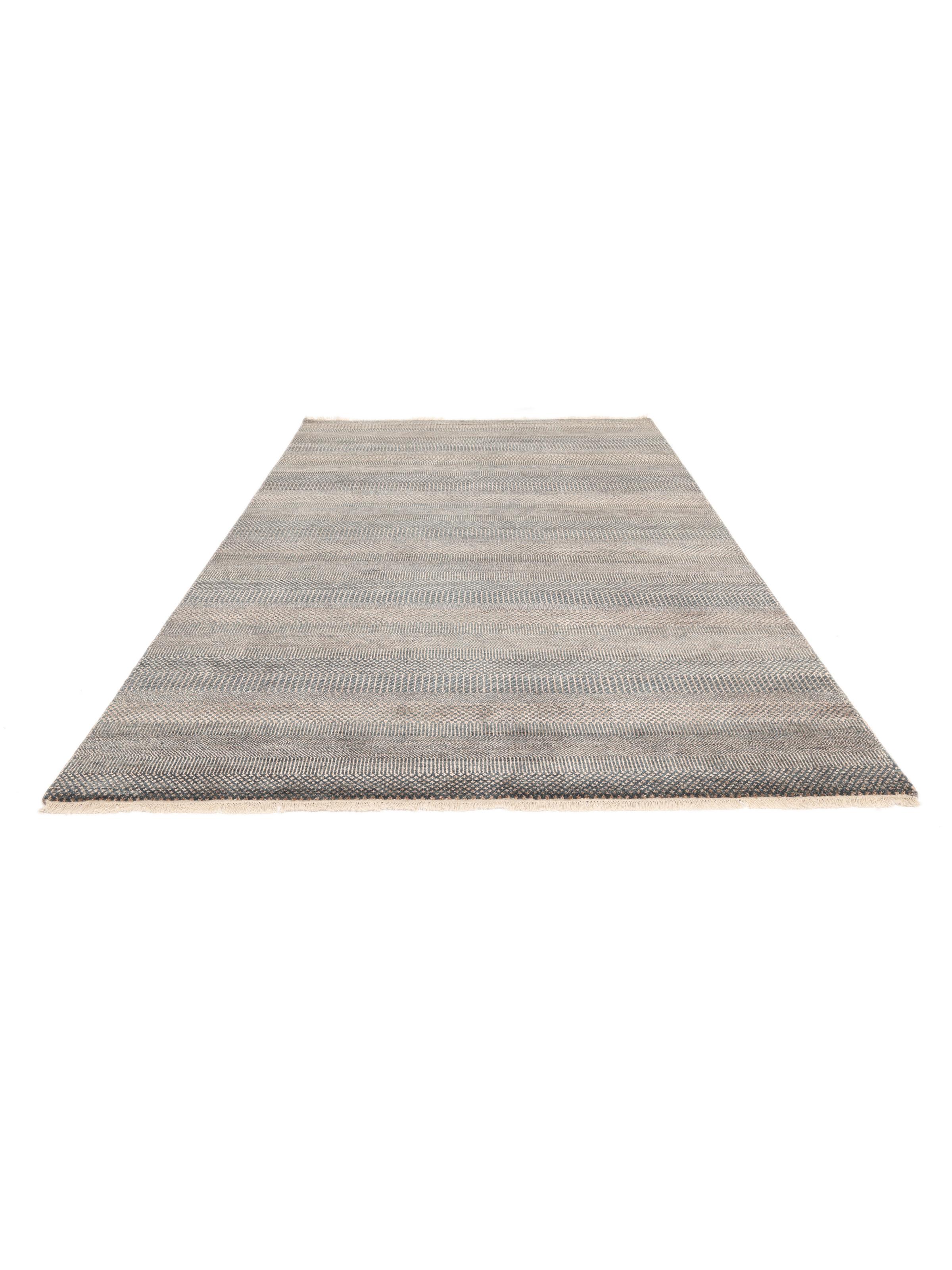
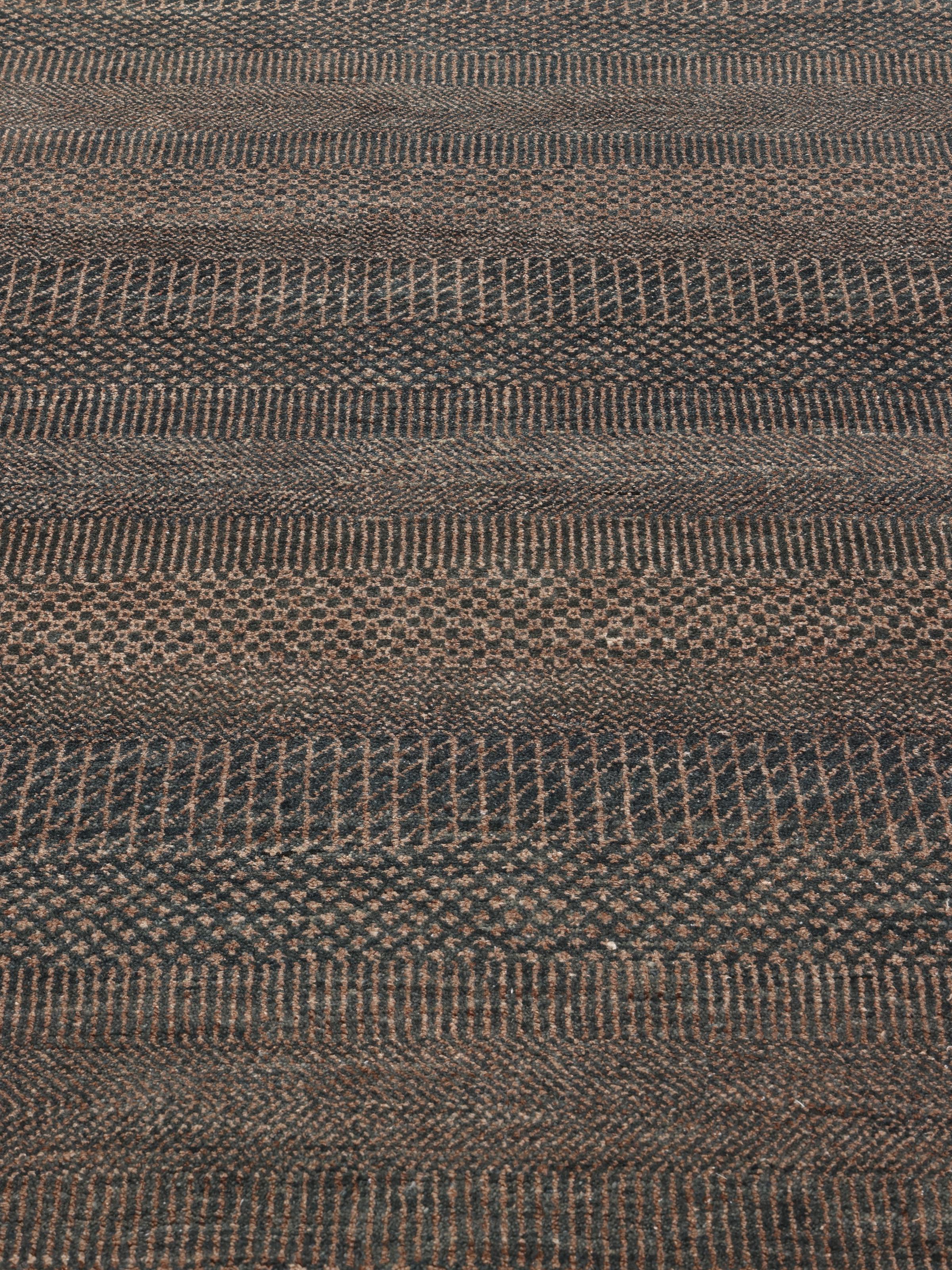
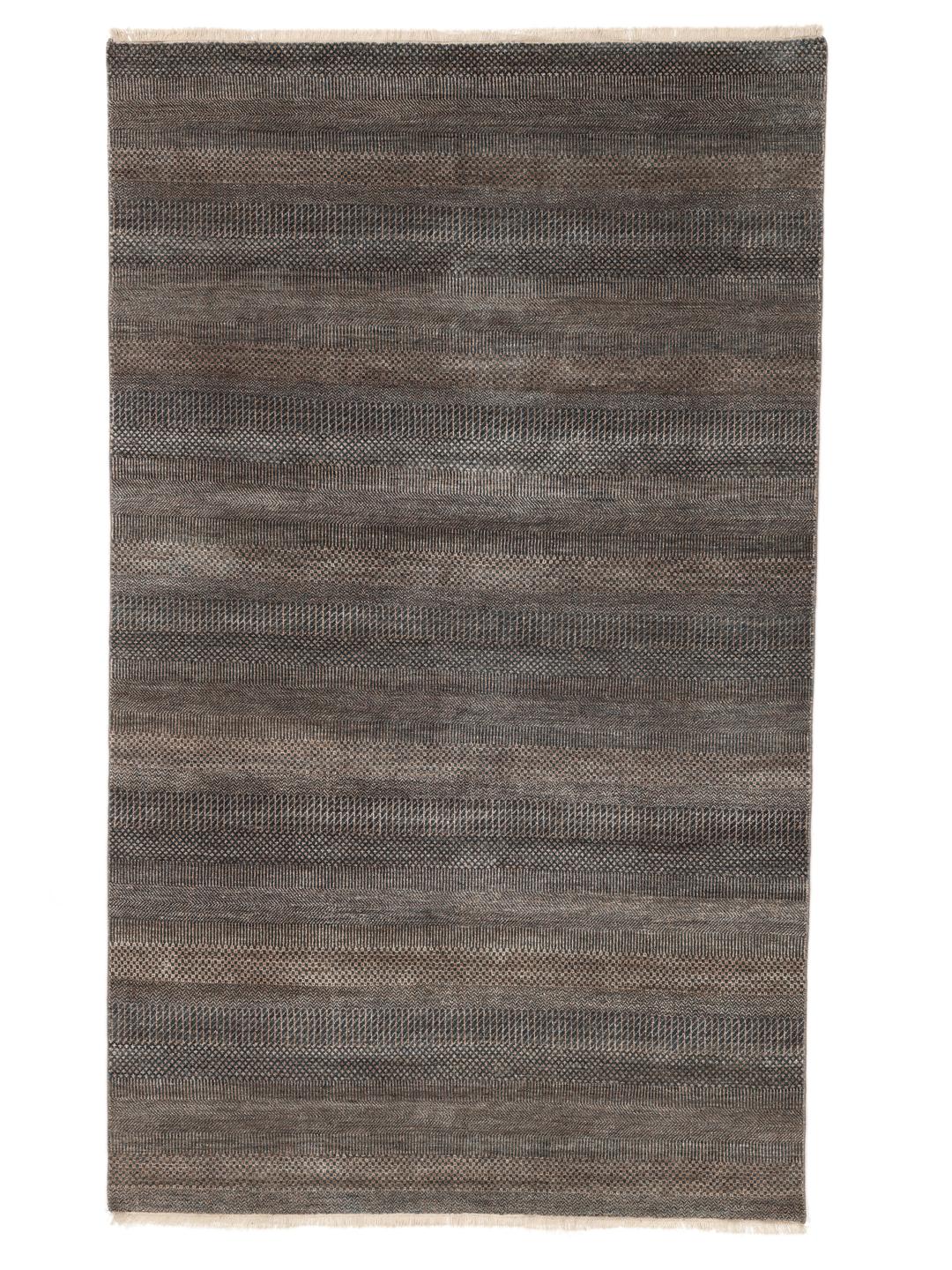
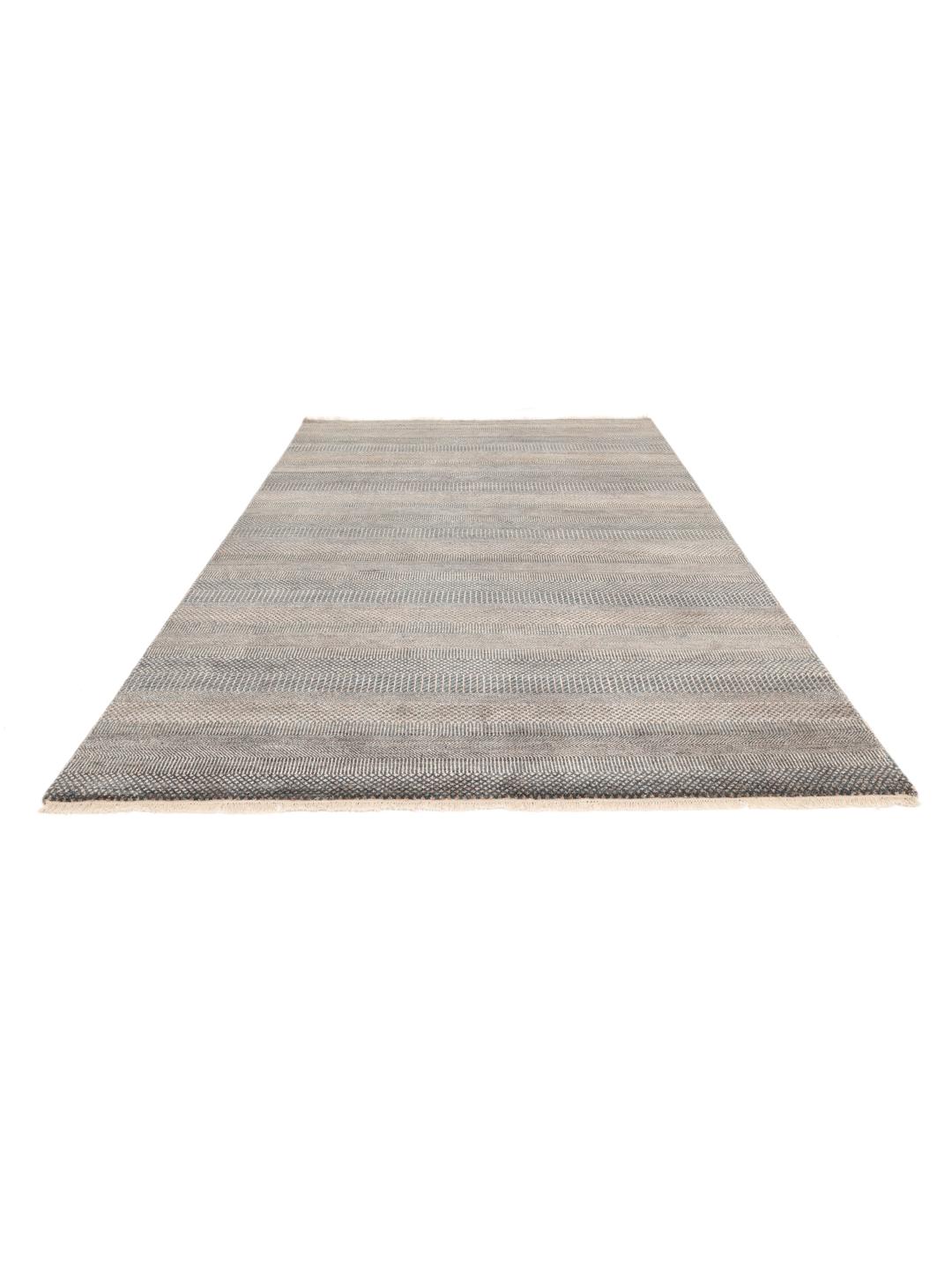
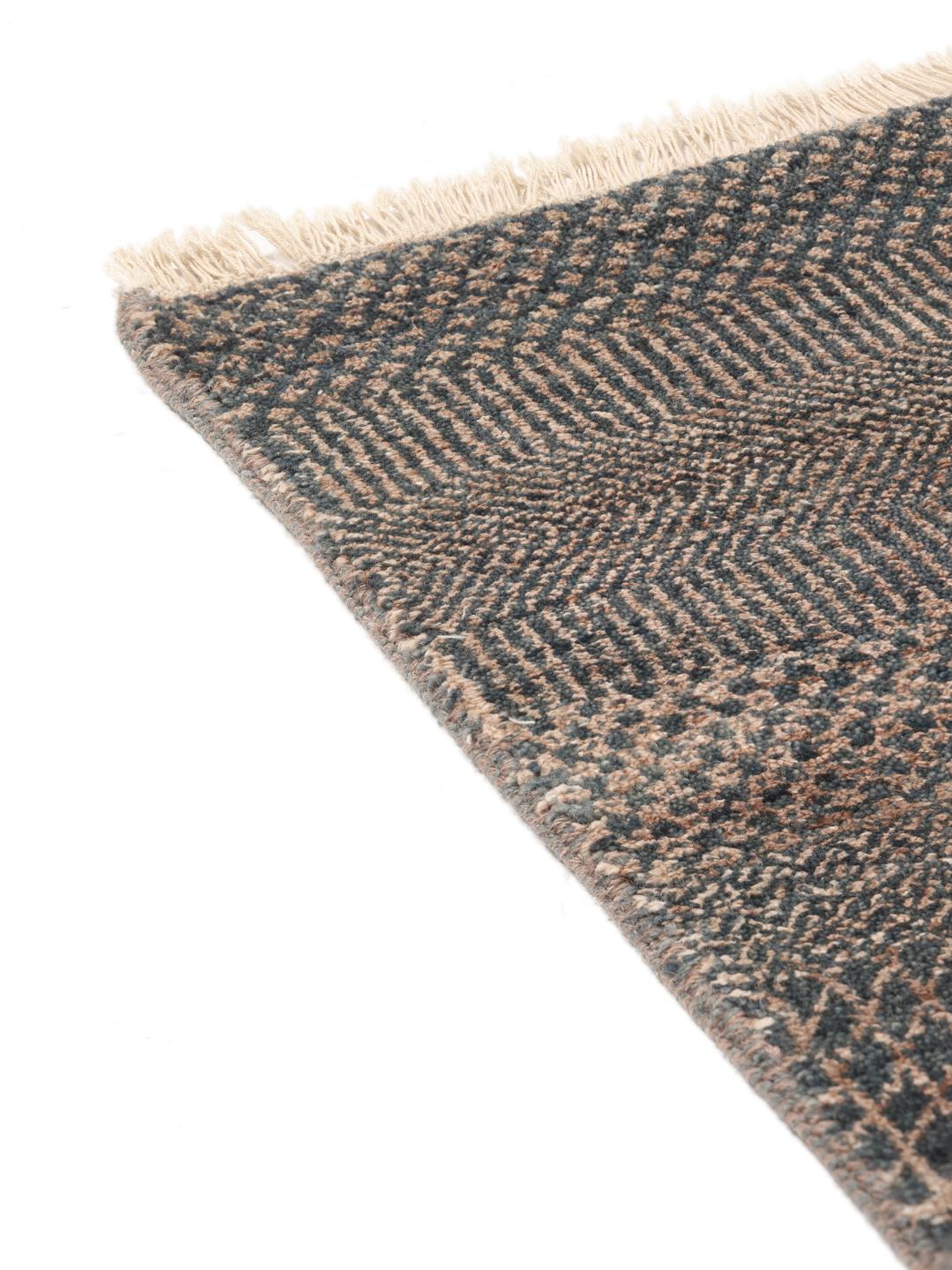
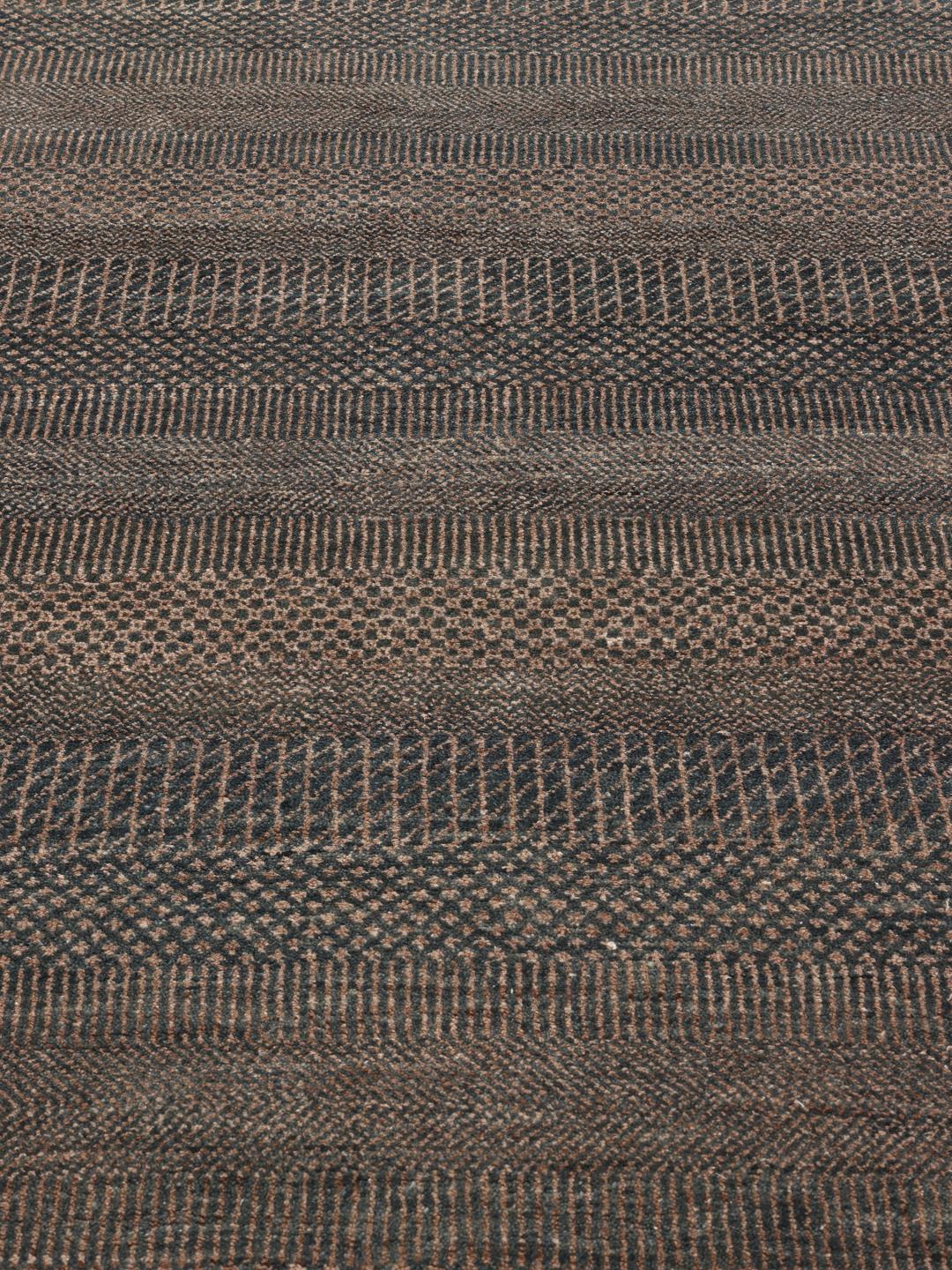
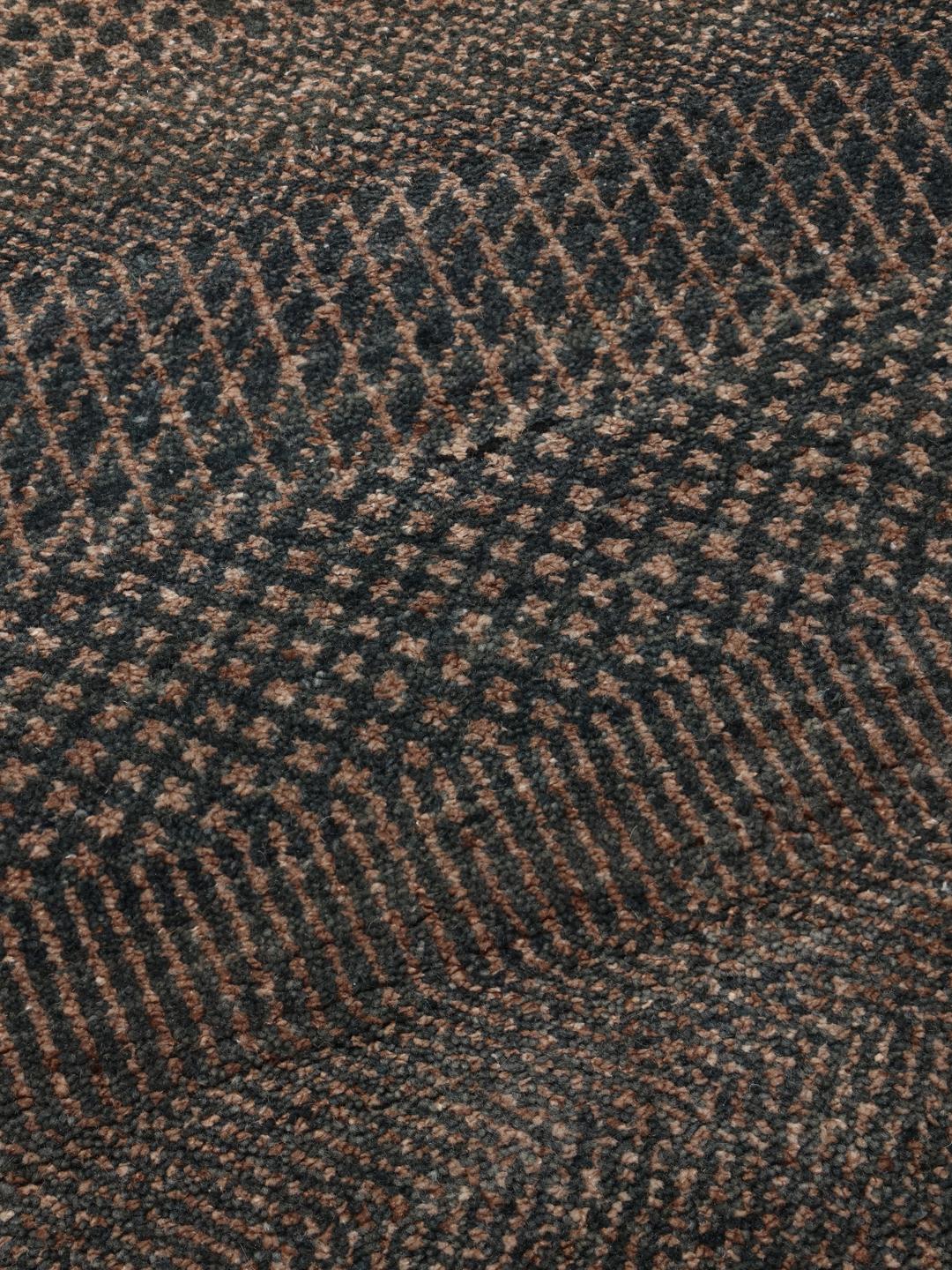
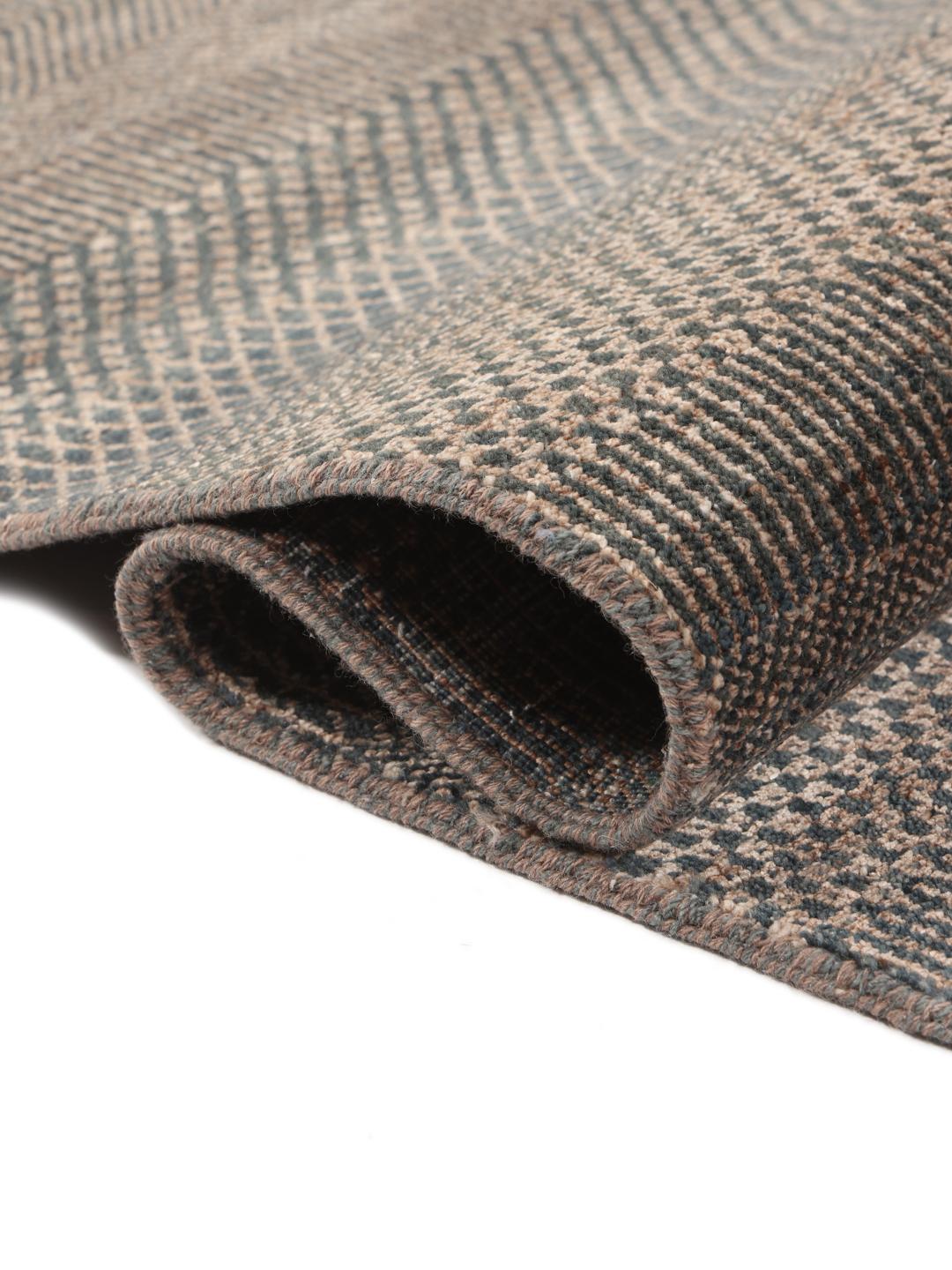
Visually, these rugs are often defined by their minimalist approach, frequently featuring open fields of colour or simple, geometric motifs that reflect the weaver's natural surroundings. This specific rug captures that spirit through its layered, organic stripes, which create a serene and balanced aesthetic that feels both ancient and contemporary.
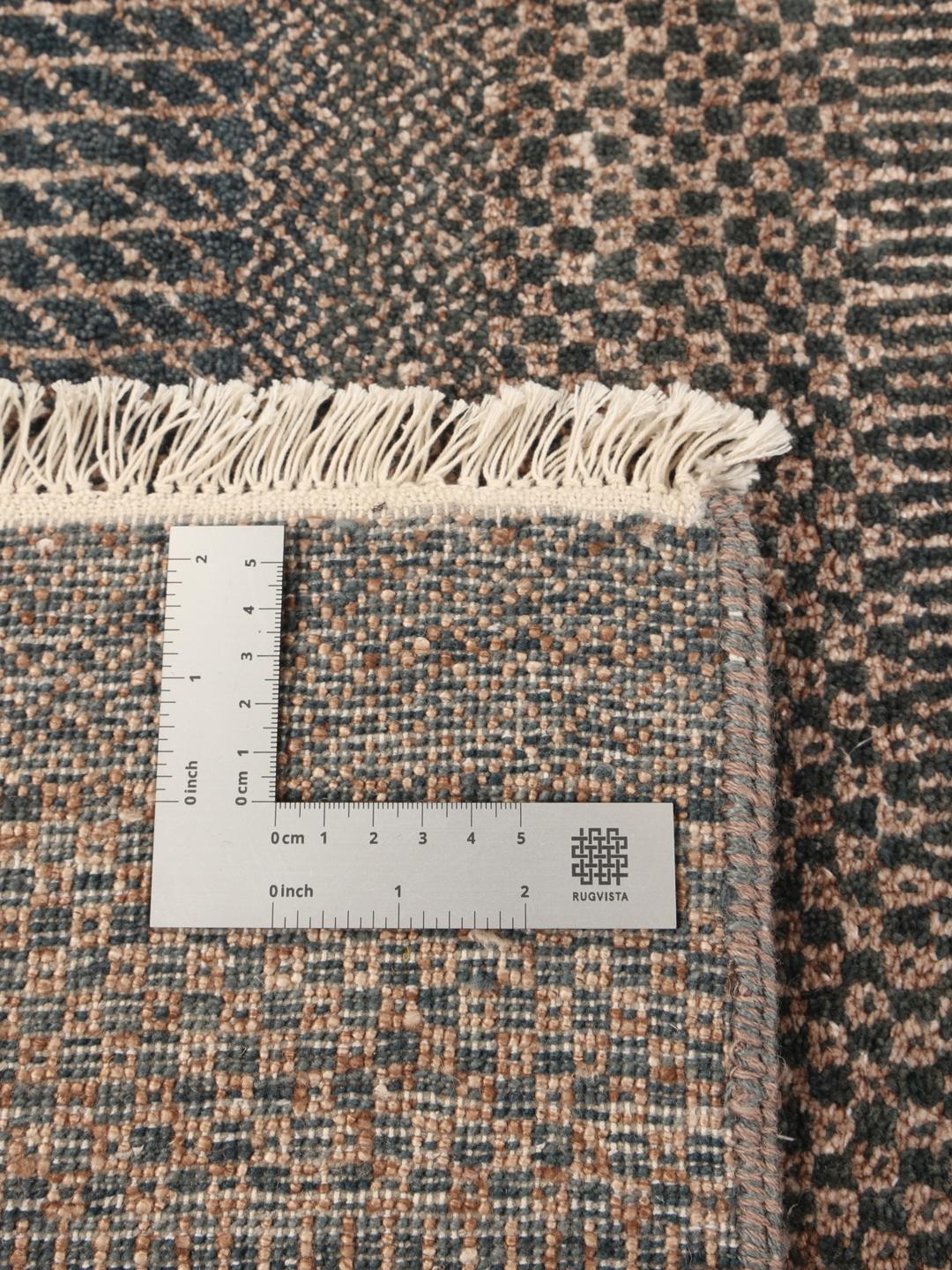
Owning a hand-knotted piece like this means participating in a legacy of human skill that has been passed down through generations. These rugs are highly regarded by collectors and enthusiasts for their ability to bring a sense of history and human connection into modern homes, serving as a testament to the enduring value of traditional craft.