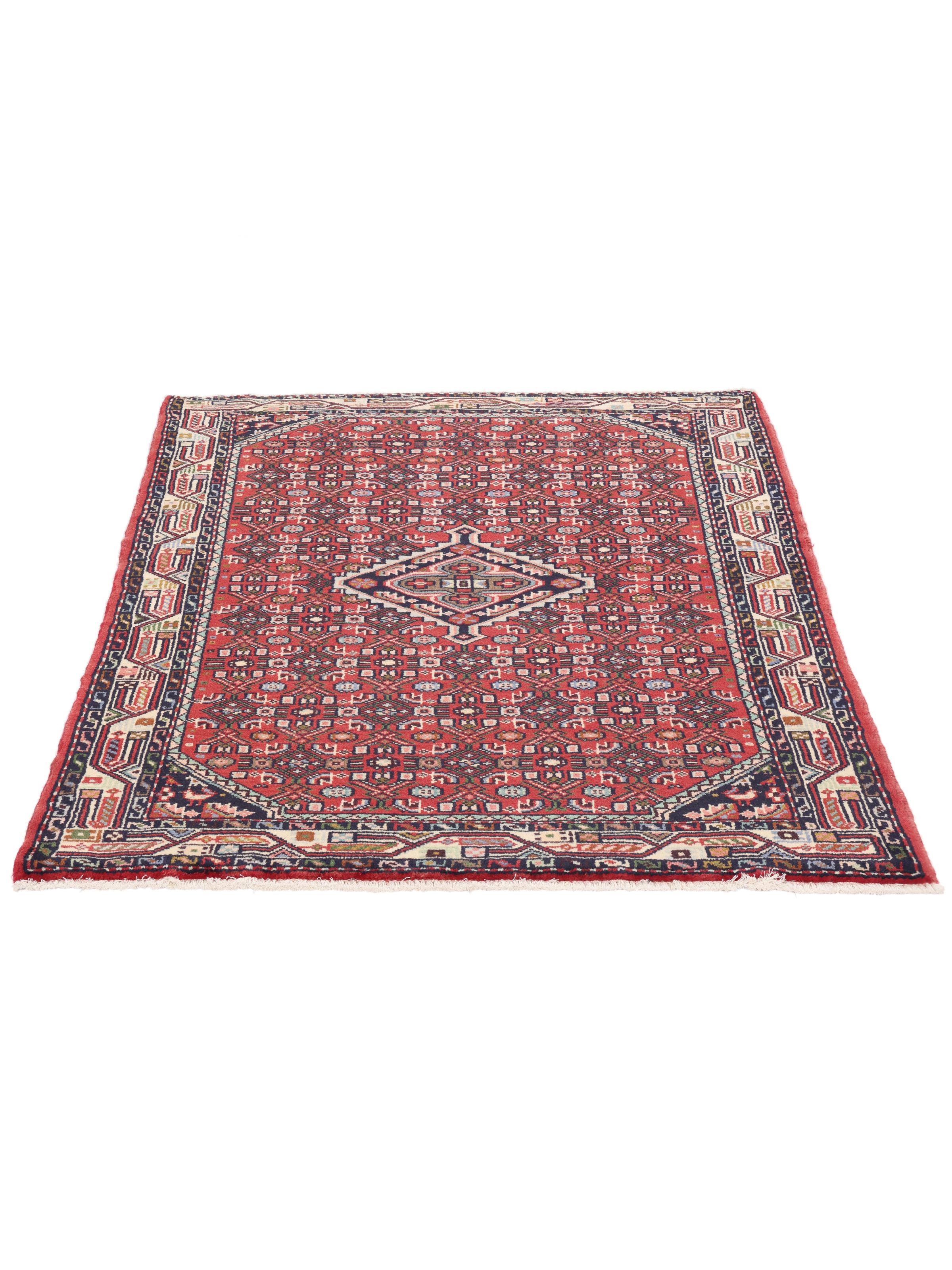
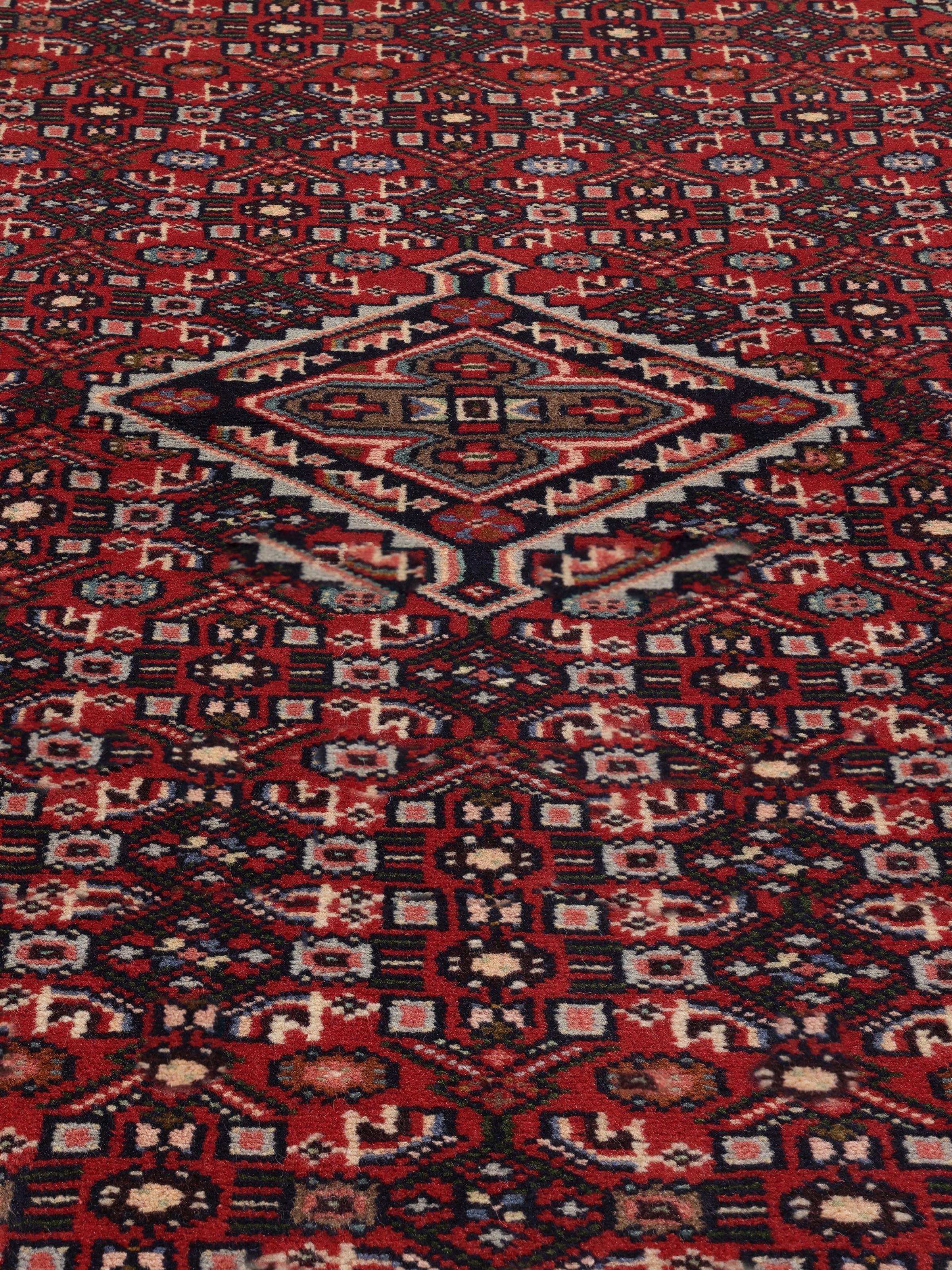
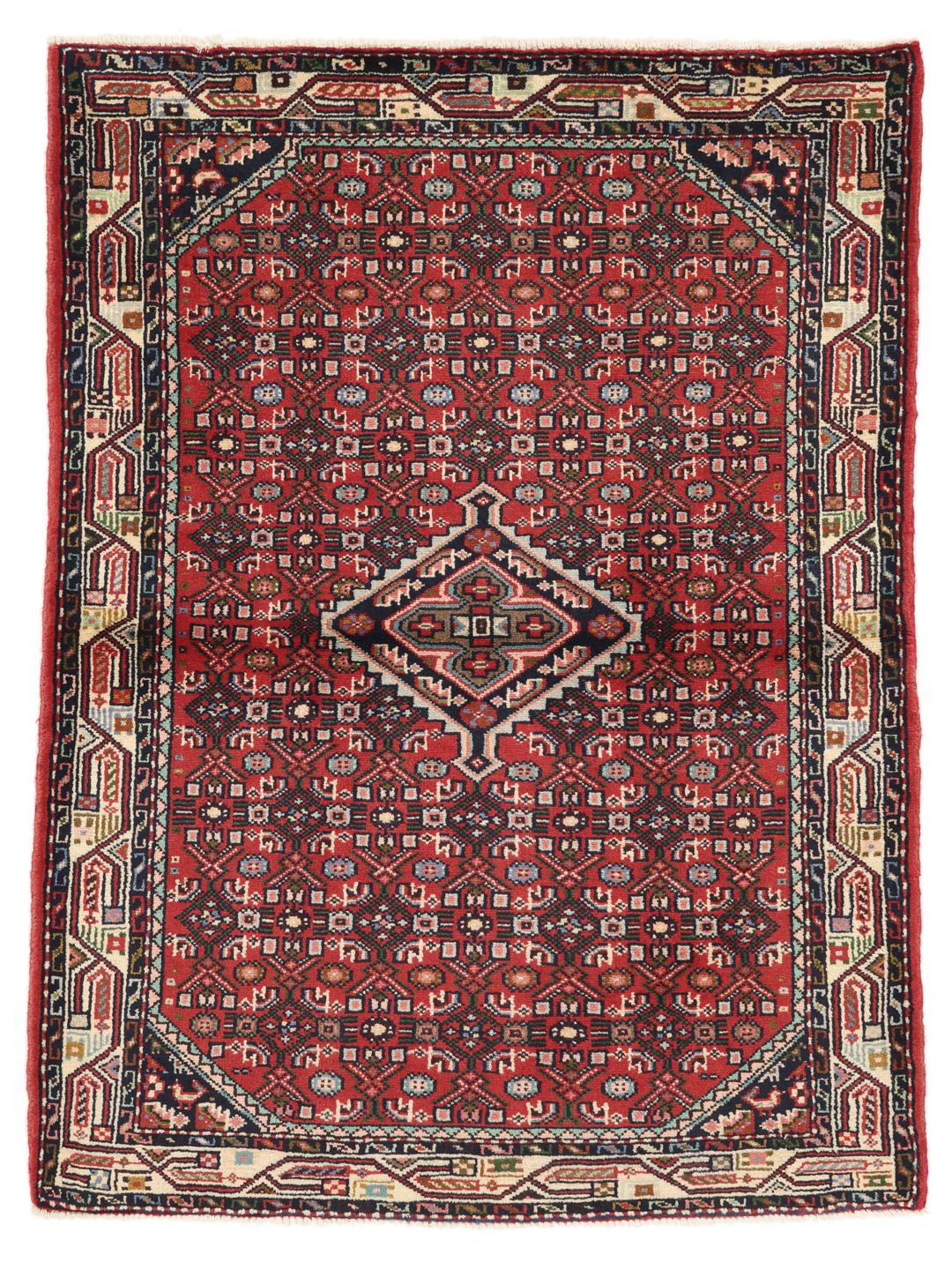
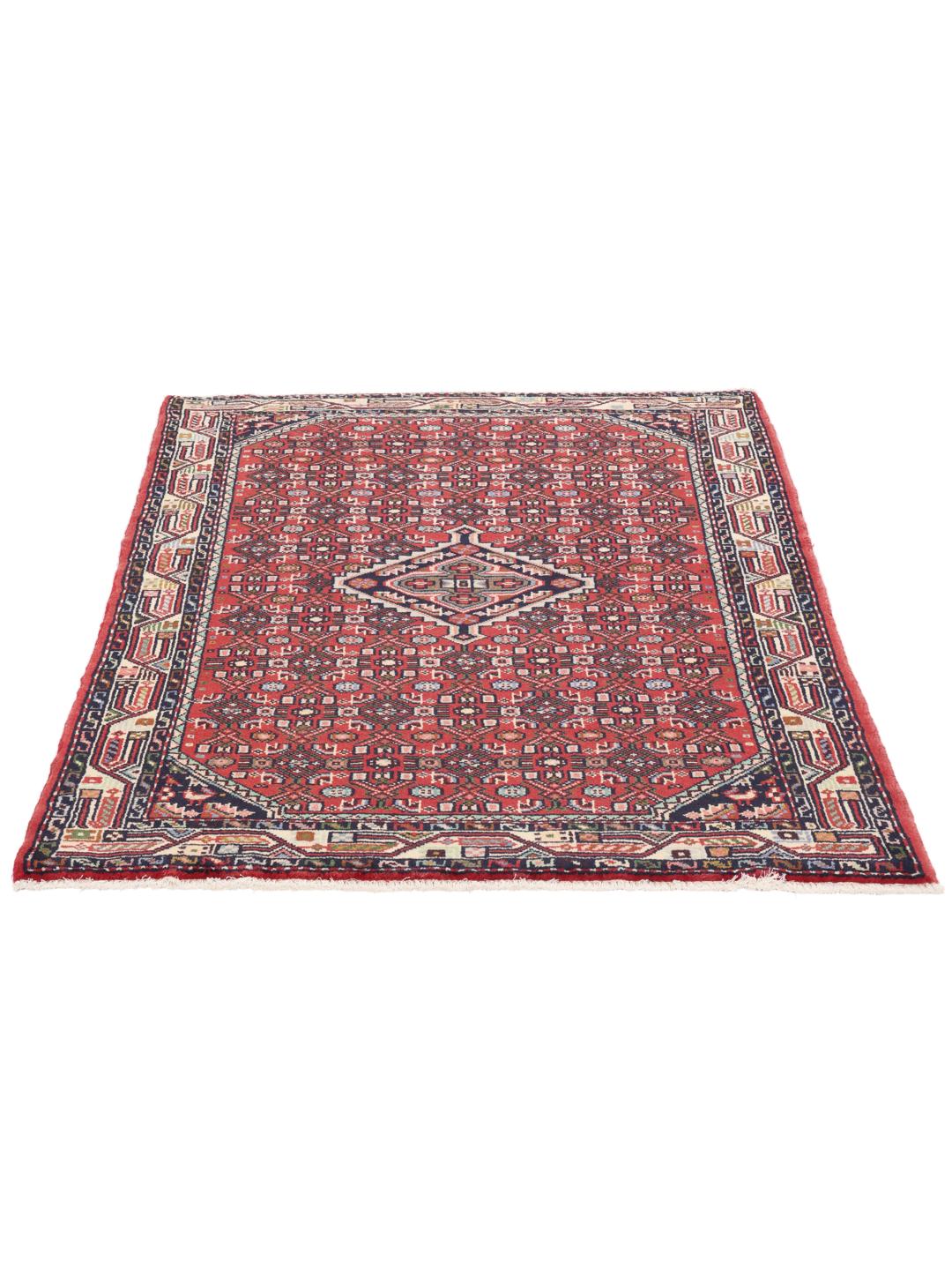
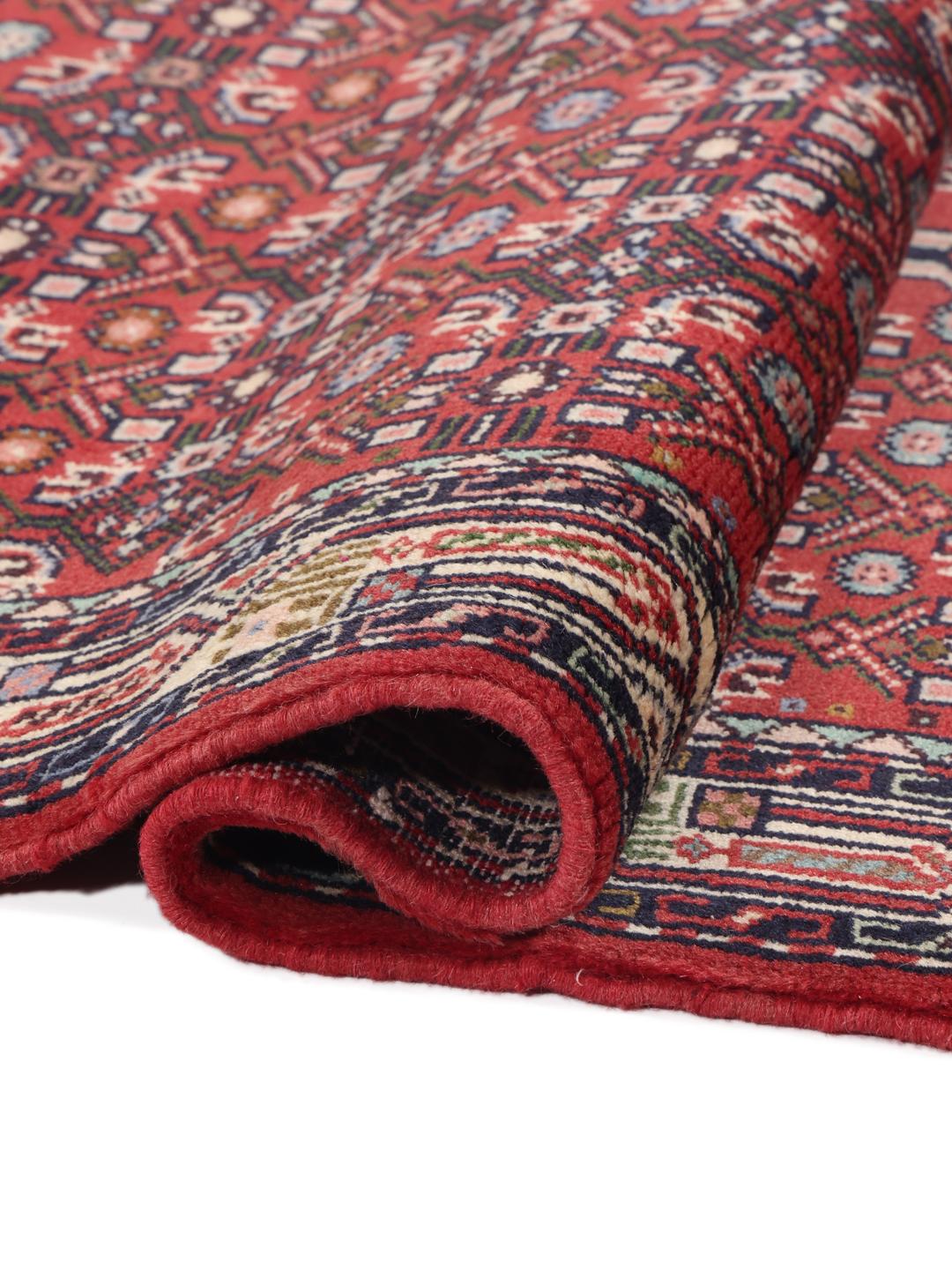
Hamadan rugs hail from one of the oldest cities in the Middle East, a region with a deep and storied history of textile production. Situated in the western part of the region, the city of Hamadan serves as a major trade centre for the surrounding villages, each of which contributes its own unique variations to the classic Hamadan style. This tradition of weaving has been passed down through generations, making these rugs a cornerstone of the local cultural heritage.
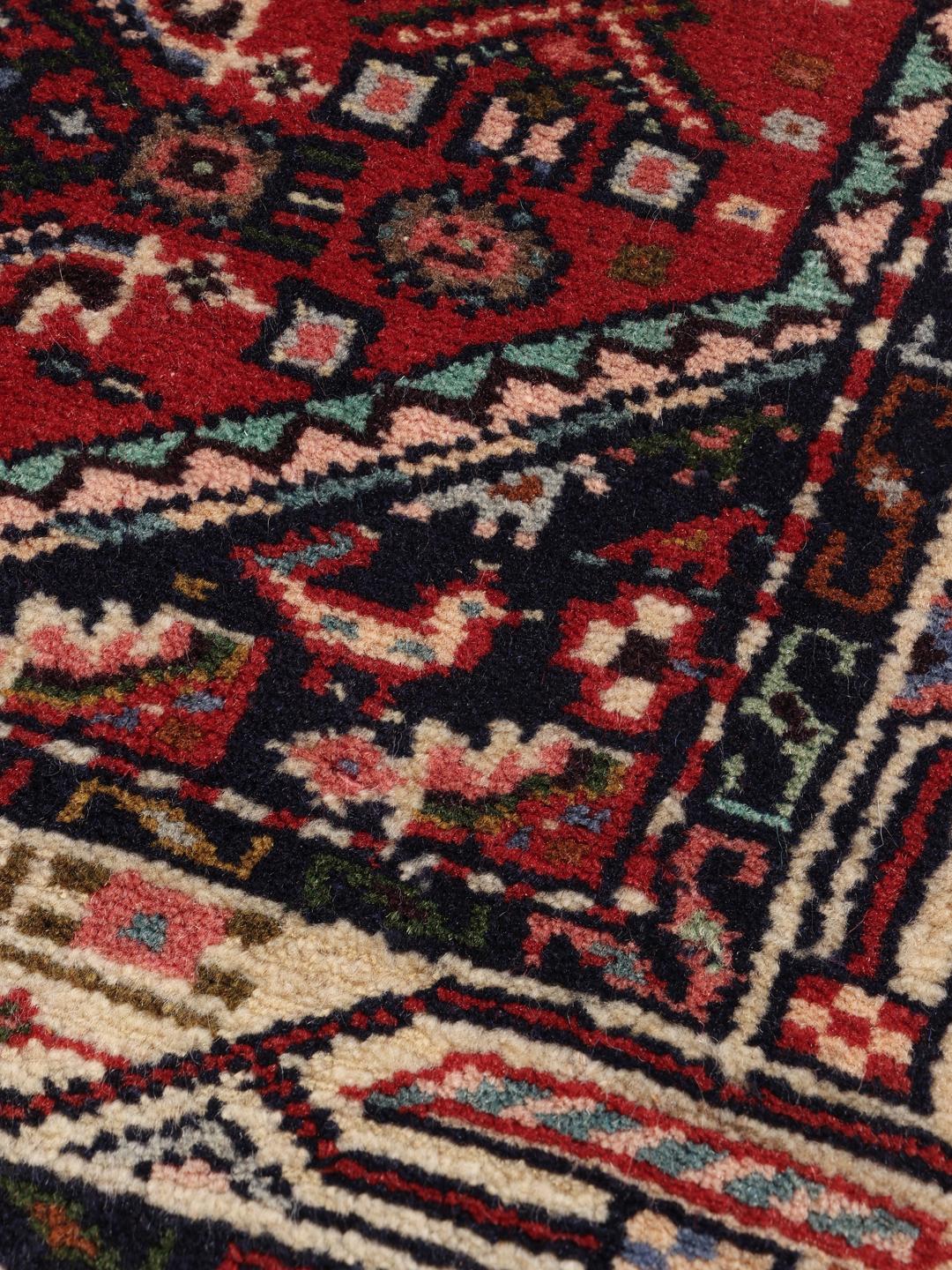
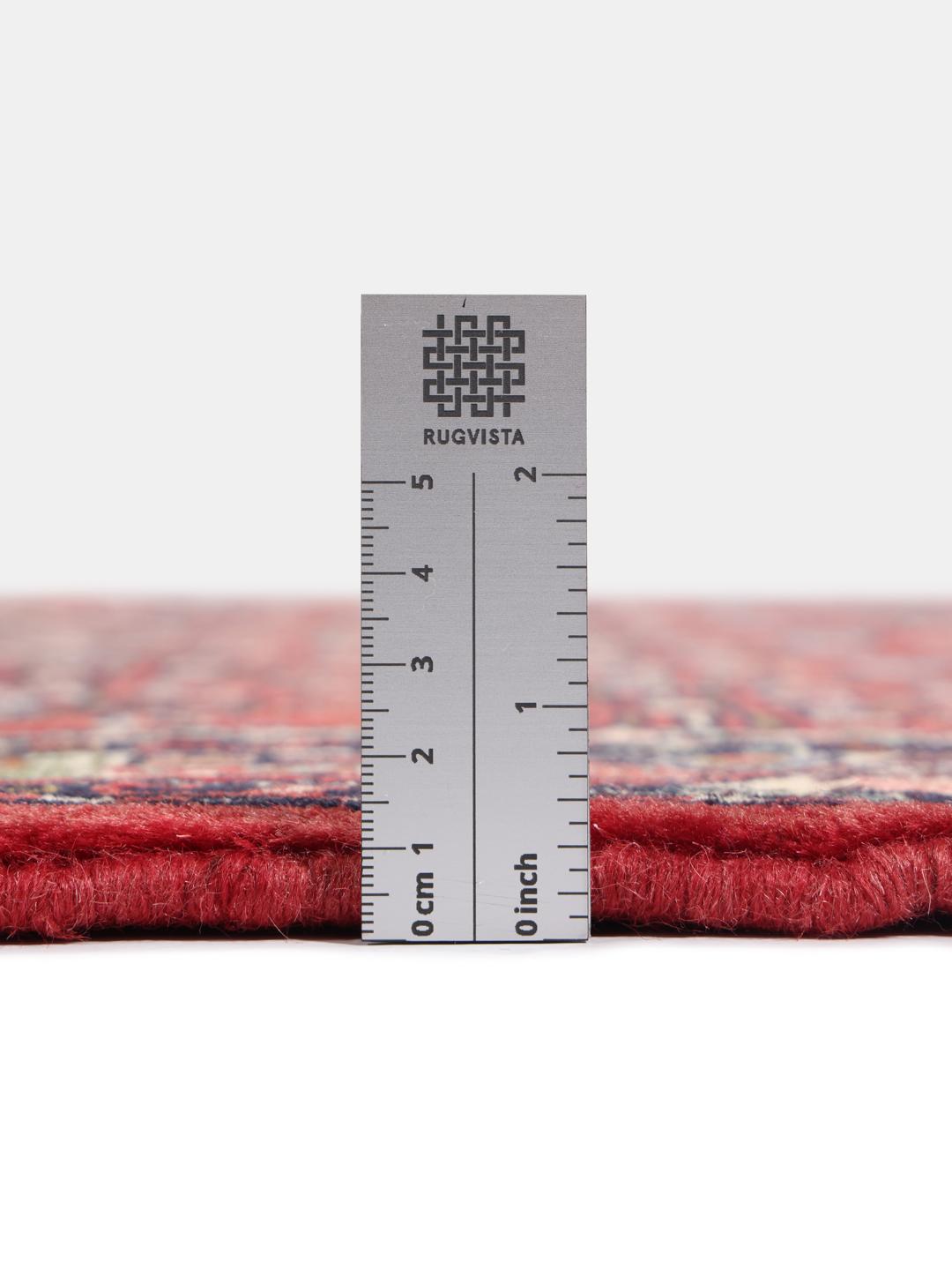
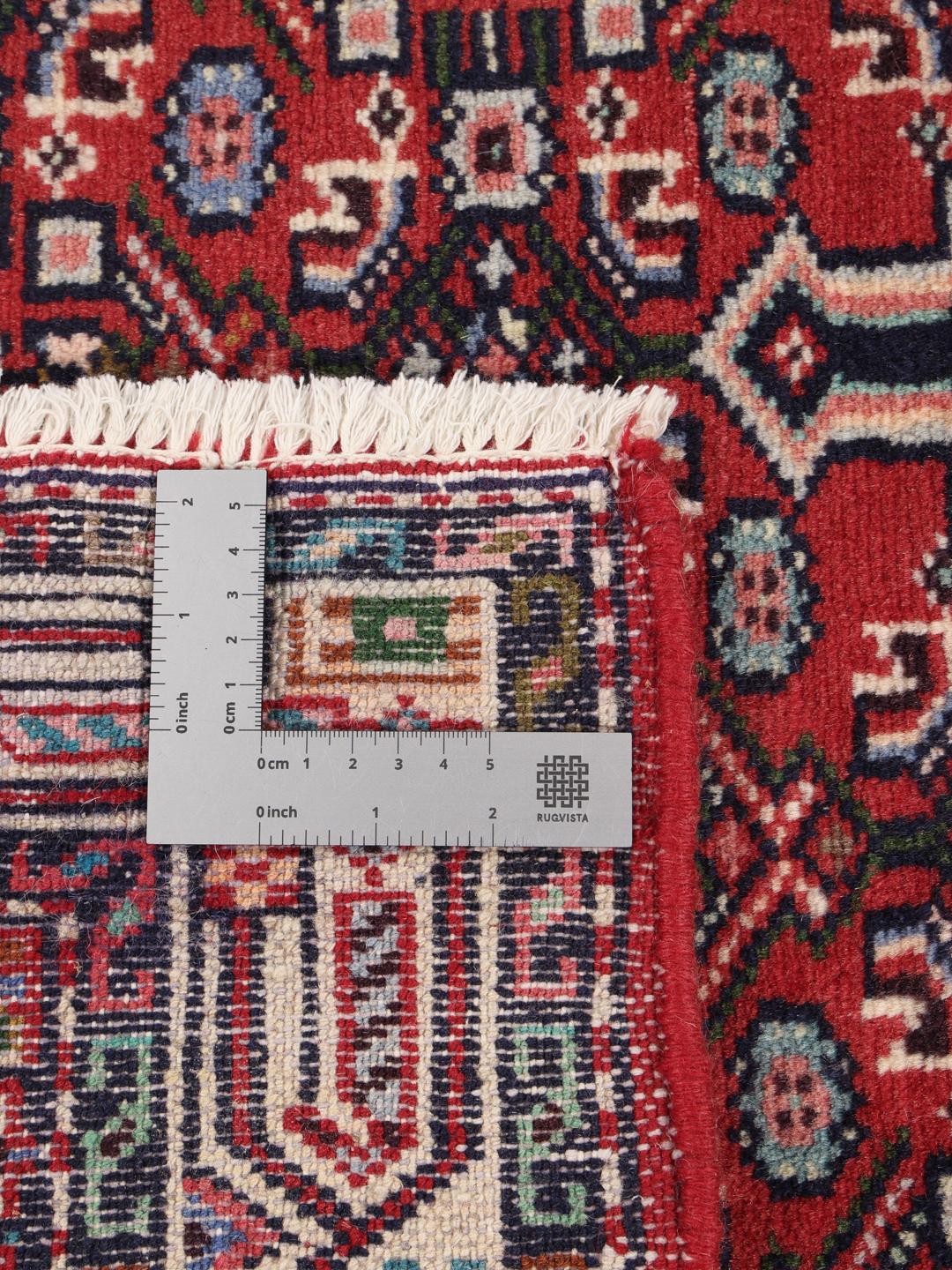
The term Hamadan refers to a diverse group of rugs rather than a single, uniform style, reflecting the creativity of the many individual weavers in the region. These rugs are known for their sturdy construction, which often utilises high-quality wool. The use of traditional weaving techniques ensures that each piece is robust and capable of enduring the wear of daily life, a characteristic that has made them highly sought after by collectors and homeowners alike.
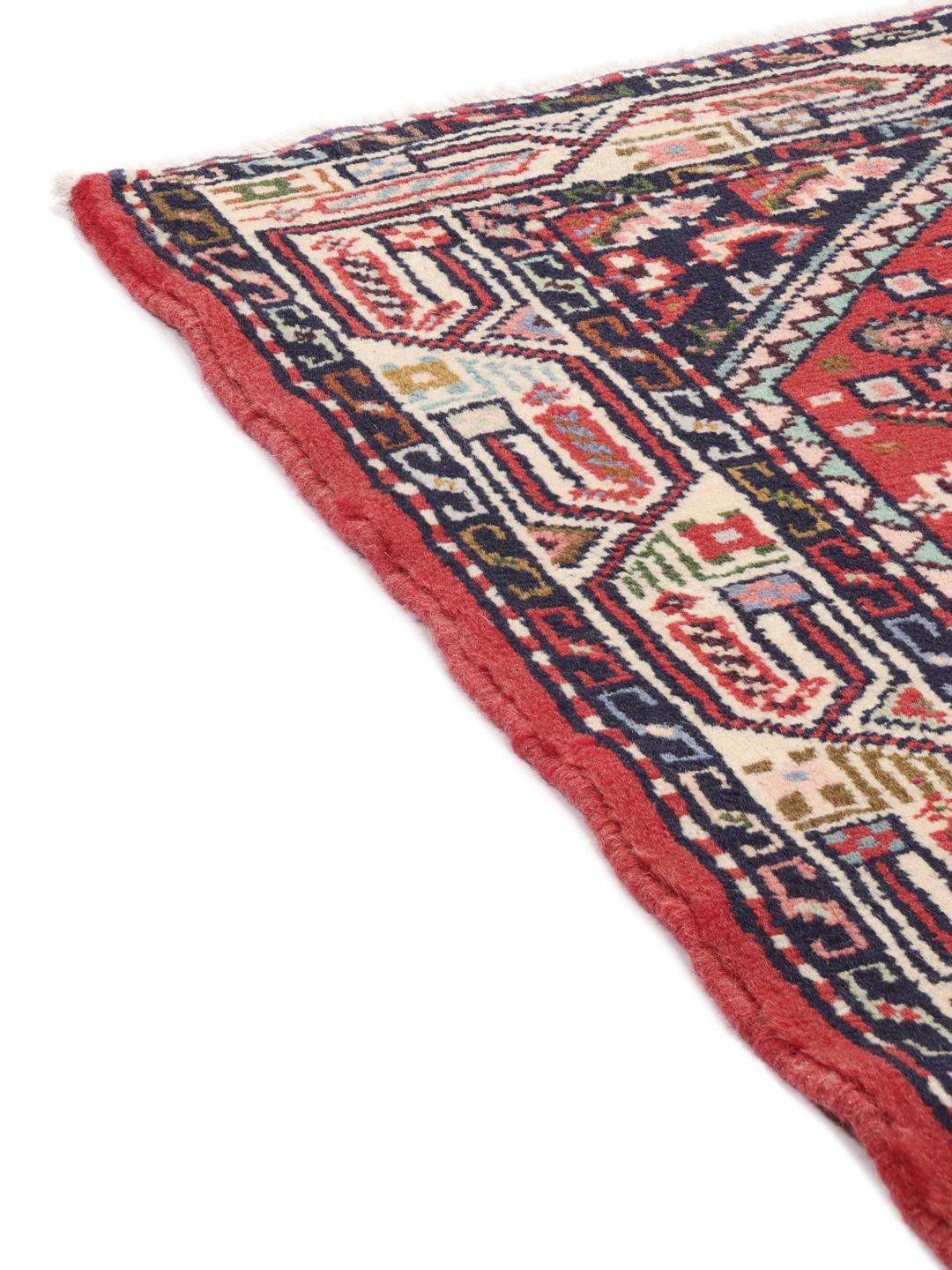
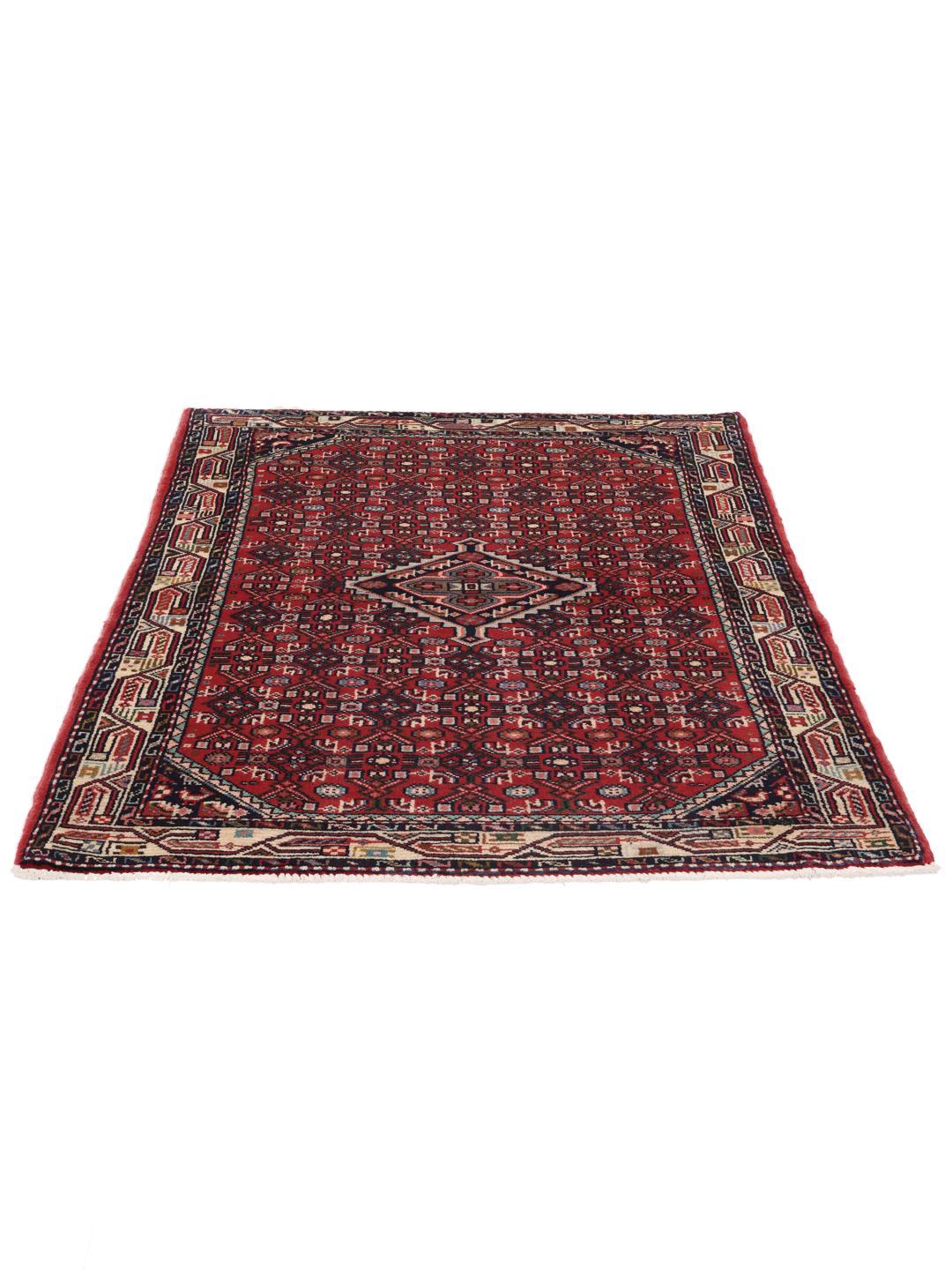
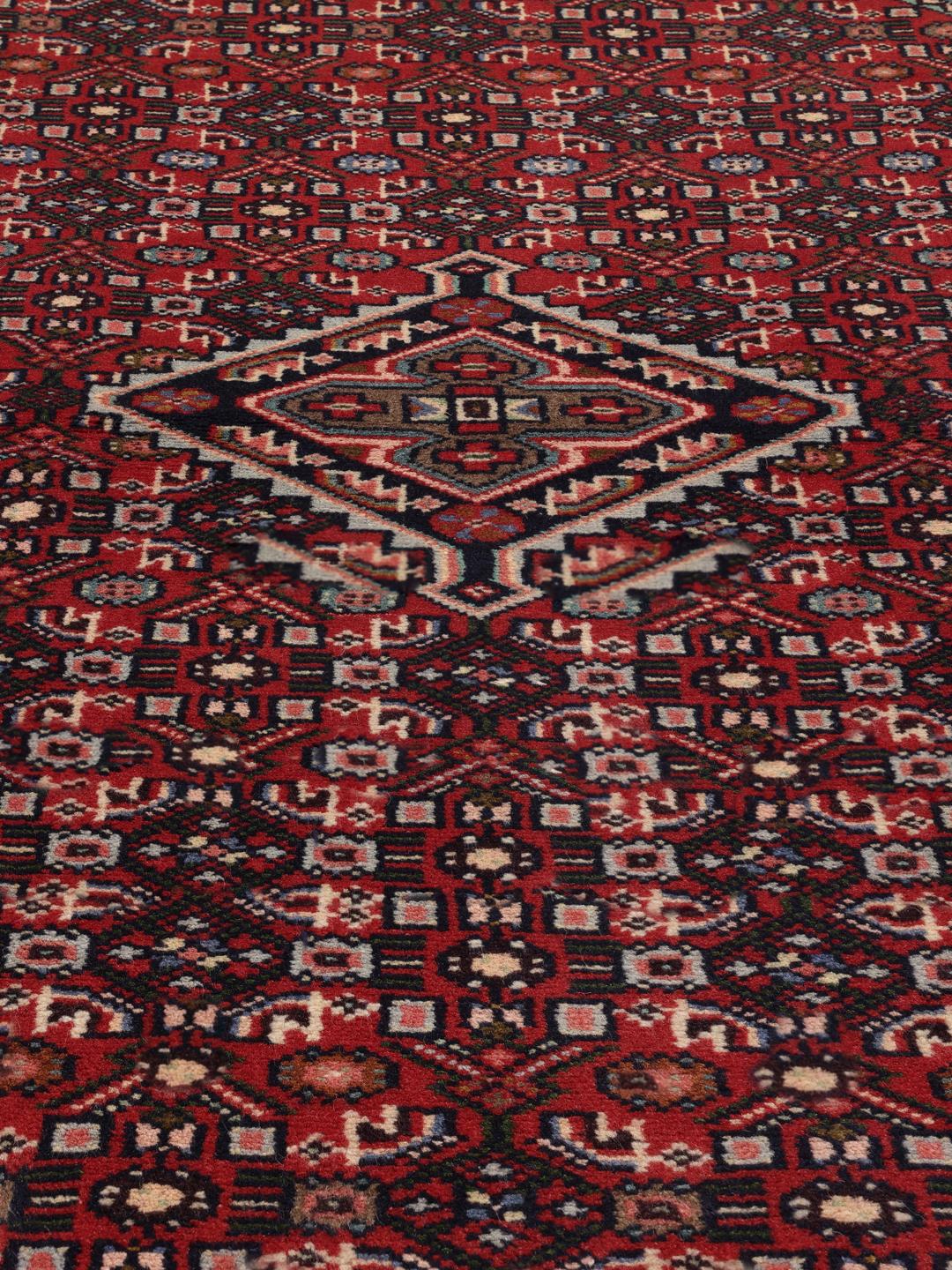
Signature design elements of the Hamadan tradition often include bold geometric patterns, with central medallions being a frequent focal point. The borders are typically well-defined, framing the intricate central field with rhythmic, repeating motifs that showcase the weaver's skill. The use of rich, natural-looking colours is a hallmark of the style, creating a sense of balance and harmony that is instantly recognisable to those familiar with regional rug aesthetics.
Owning a Hamadan rug is more than just a decorative choice; it is an acquisition of cultural history and human skill. Because these rugs are produced in smaller, village-based settings, they carry a sense of authenticity that is rare in the modern world. Collectors value them for their regional personality, their enduring quality, and the way they tell the story of a vibrant tradition that has remained relevant and cherished for centuries.