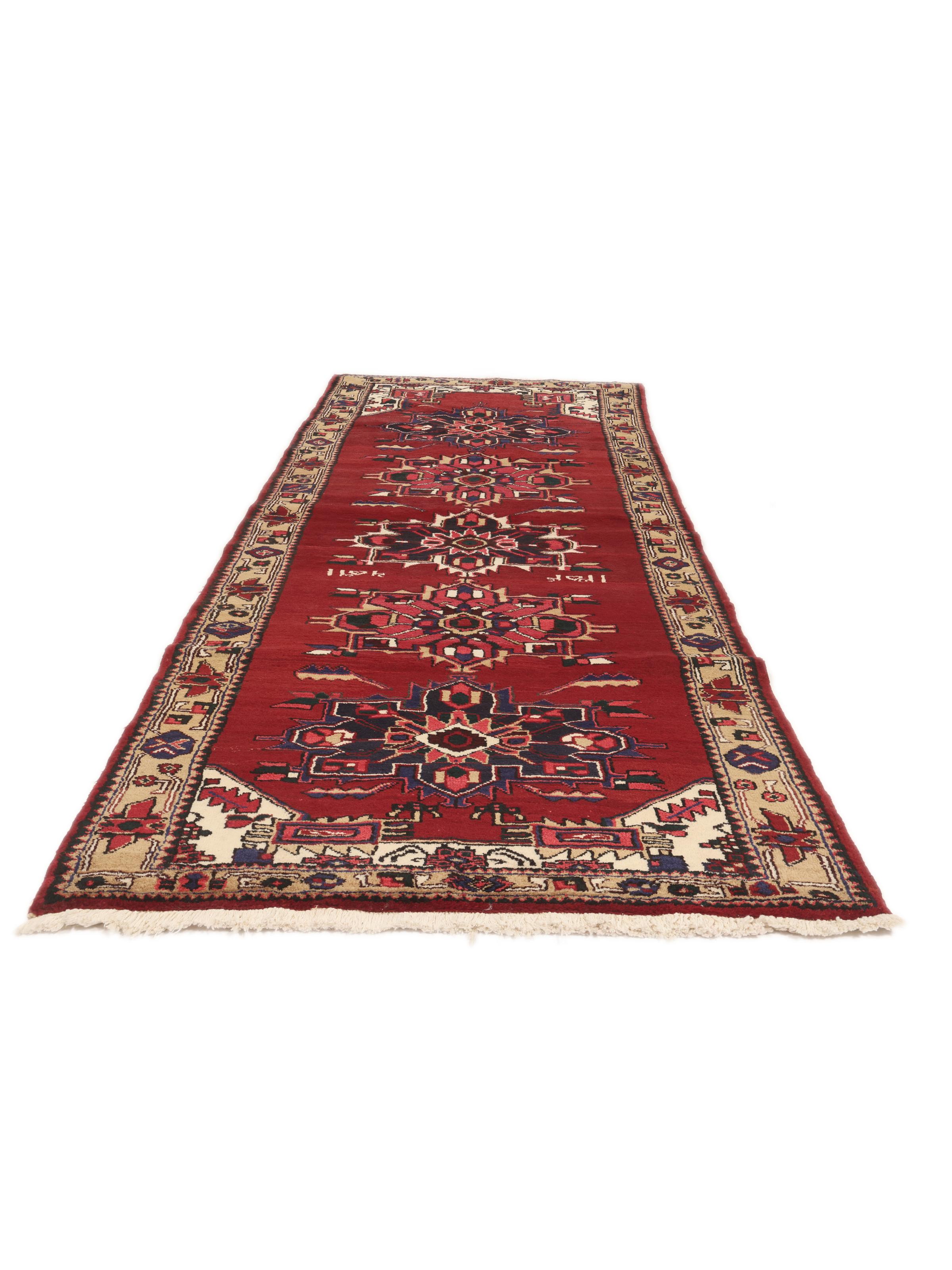
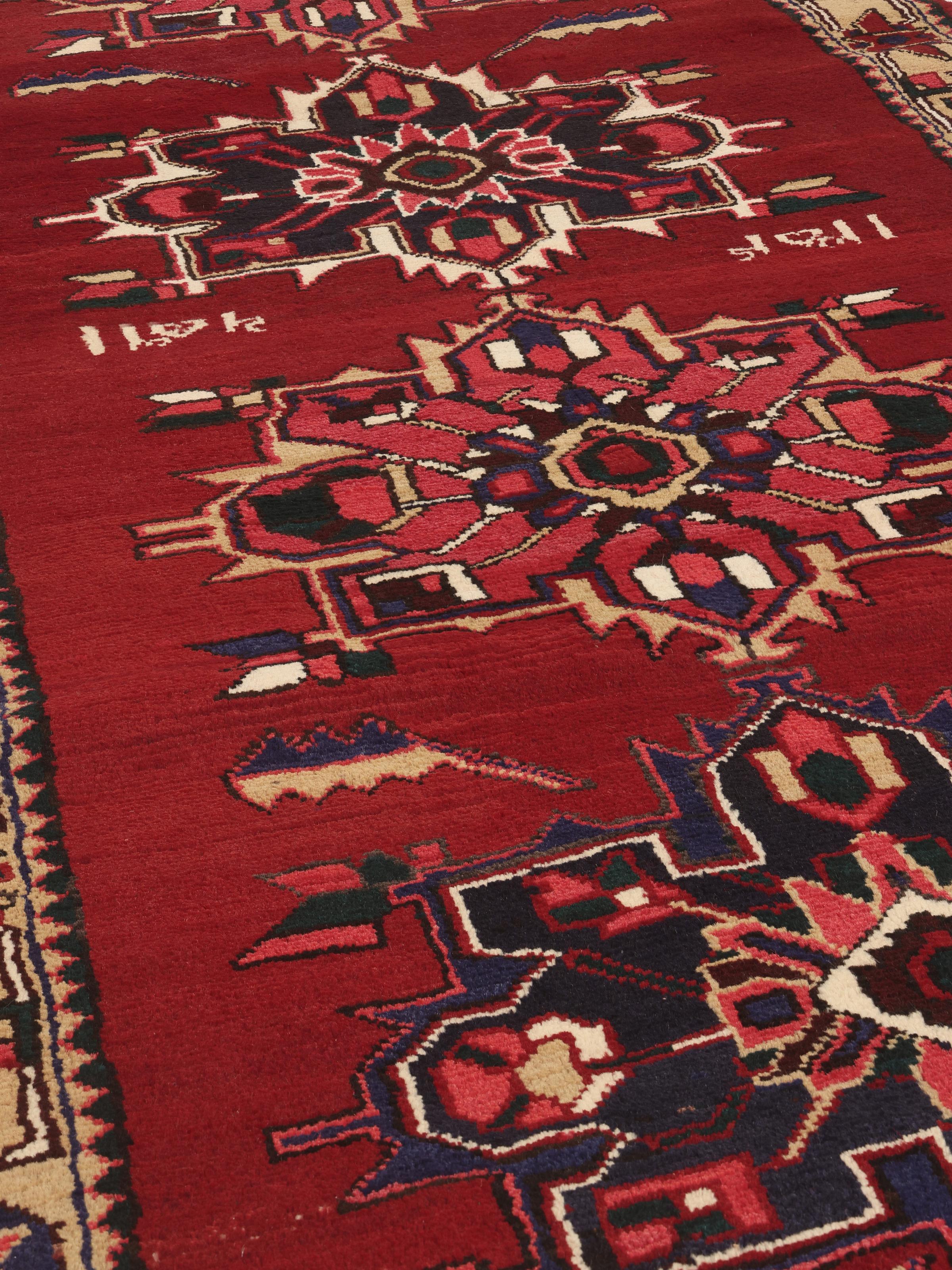
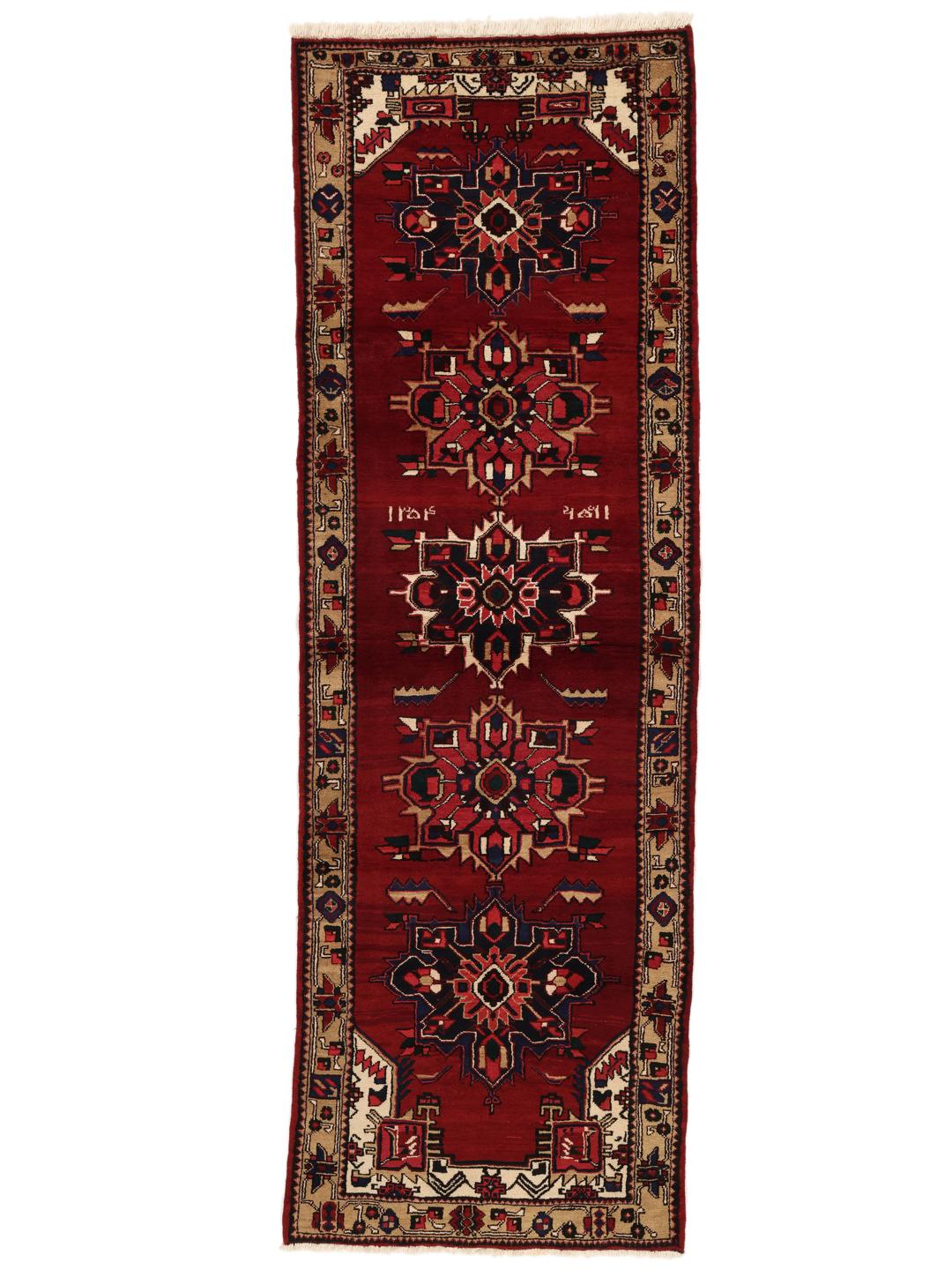
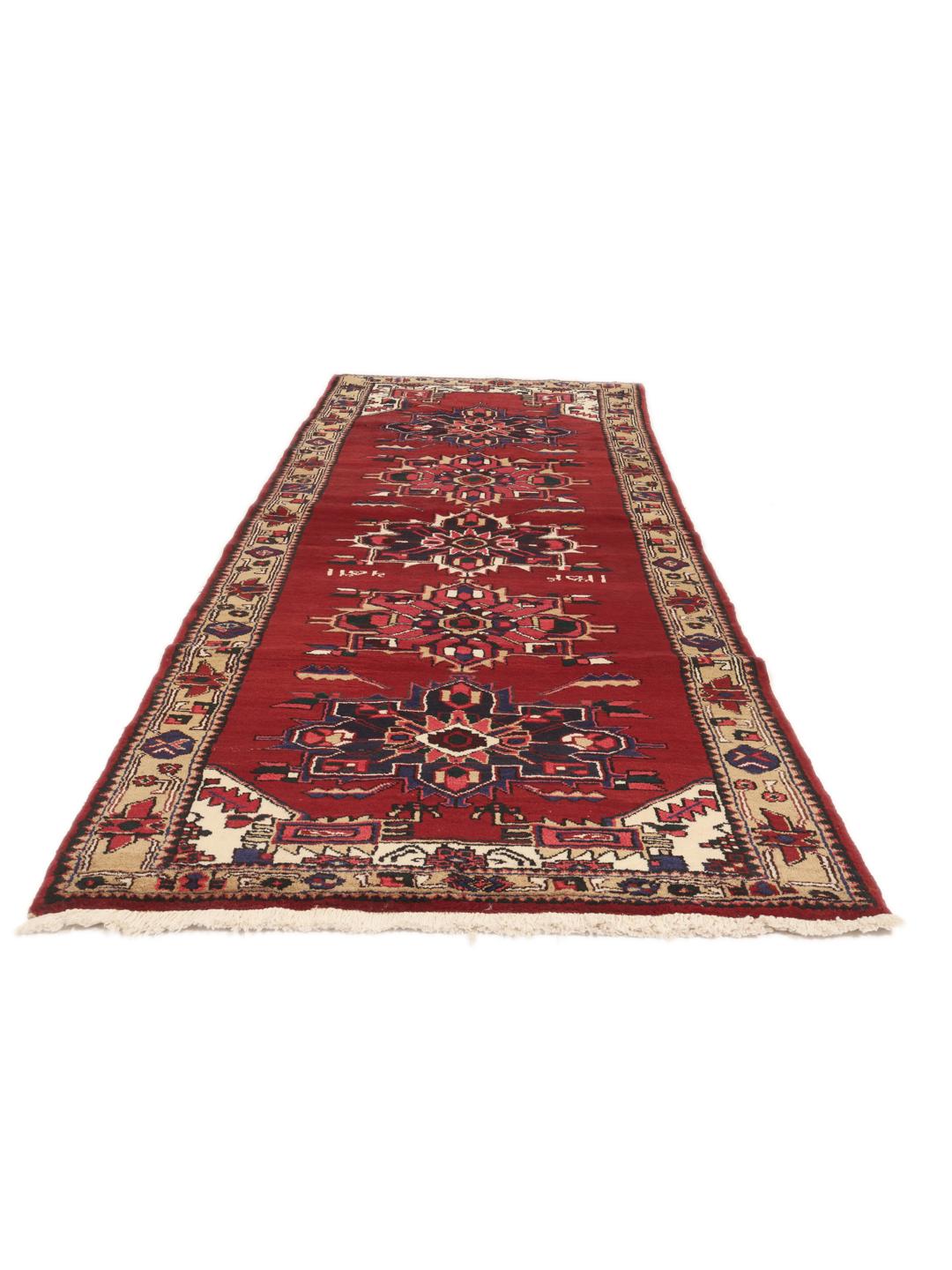
The Hamadan region in the Middle East is one of the oldest and most significant centres for rug production. Historically, this area has been a crossroads for diverse weaving traditions, resulting in a style that is both varied and deeply rooted in local customs. These rugs are renowned for their ability to blend traditional patterns with a boldness that is distinctly their own, reflecting the vibrant history of the surrounding landscape.
The term Hamadan refers to a wide variety of rugs produced in the city and hundreds of surrounding villages. While the designs can be eclectic, they are united by a common commitment to high-quality wool and durable construction. This diversity is what makes collecting them so rewarding, as each piece offers a unique insight into the specific village or family tradition that created it.
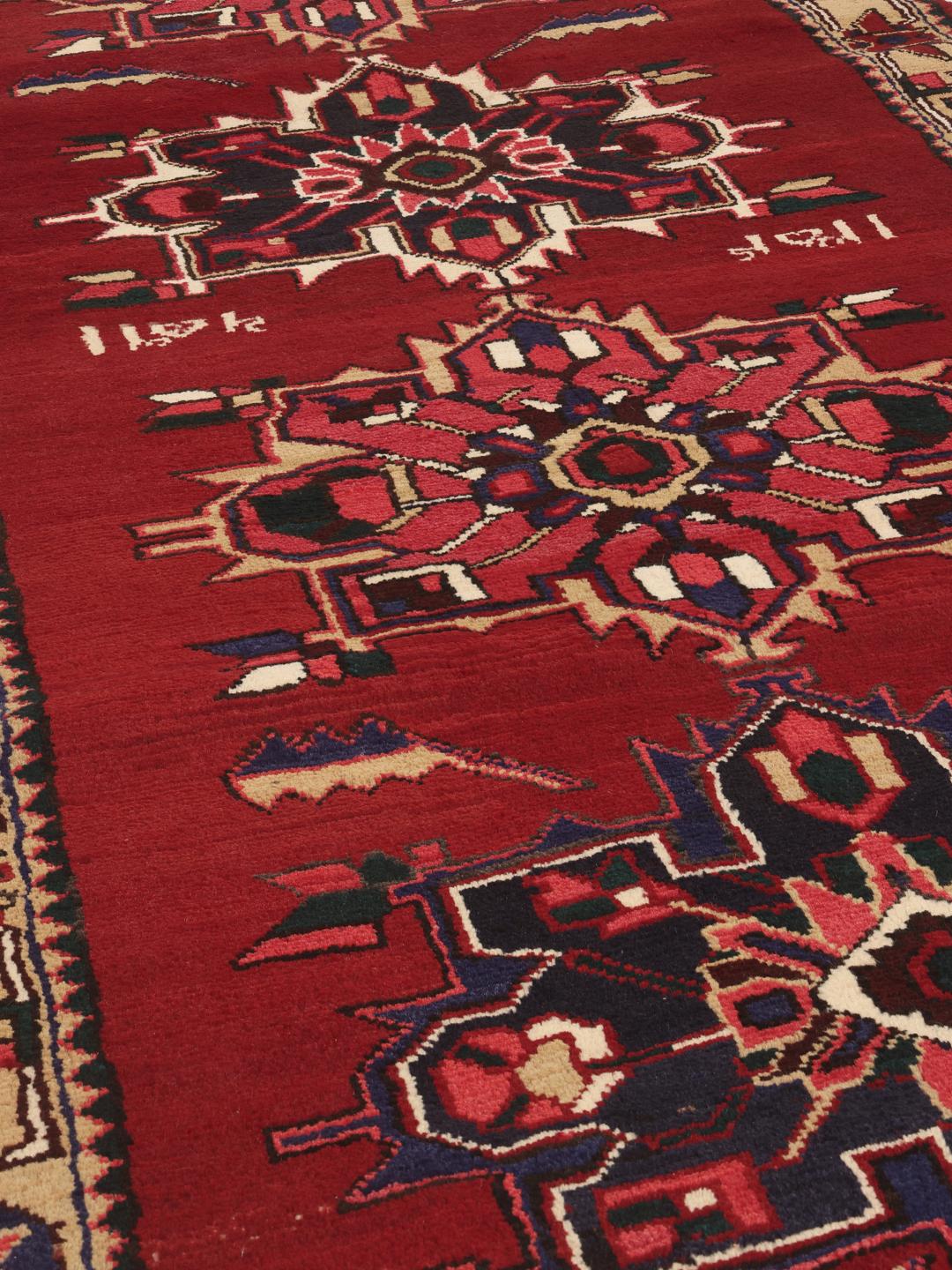
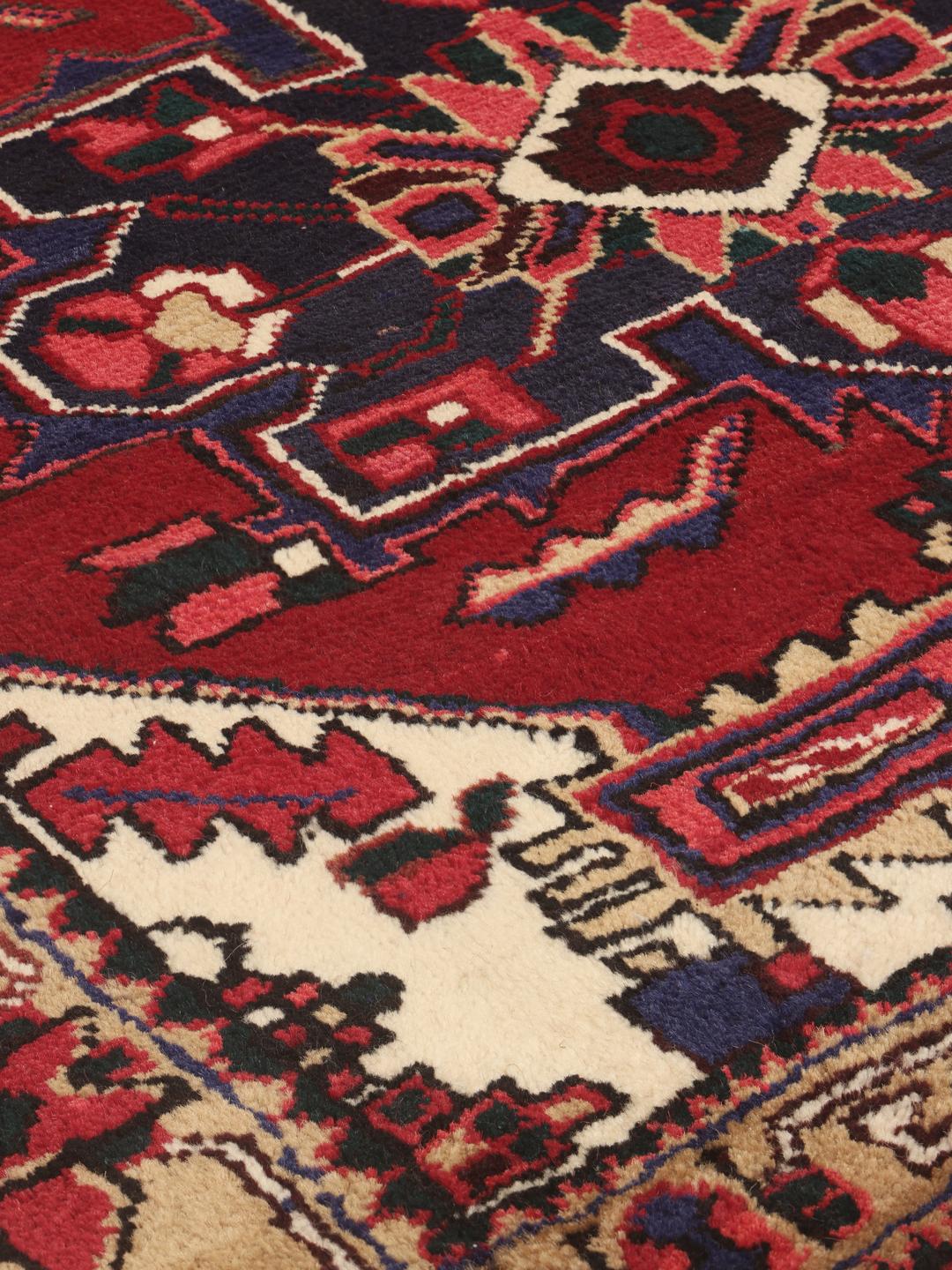
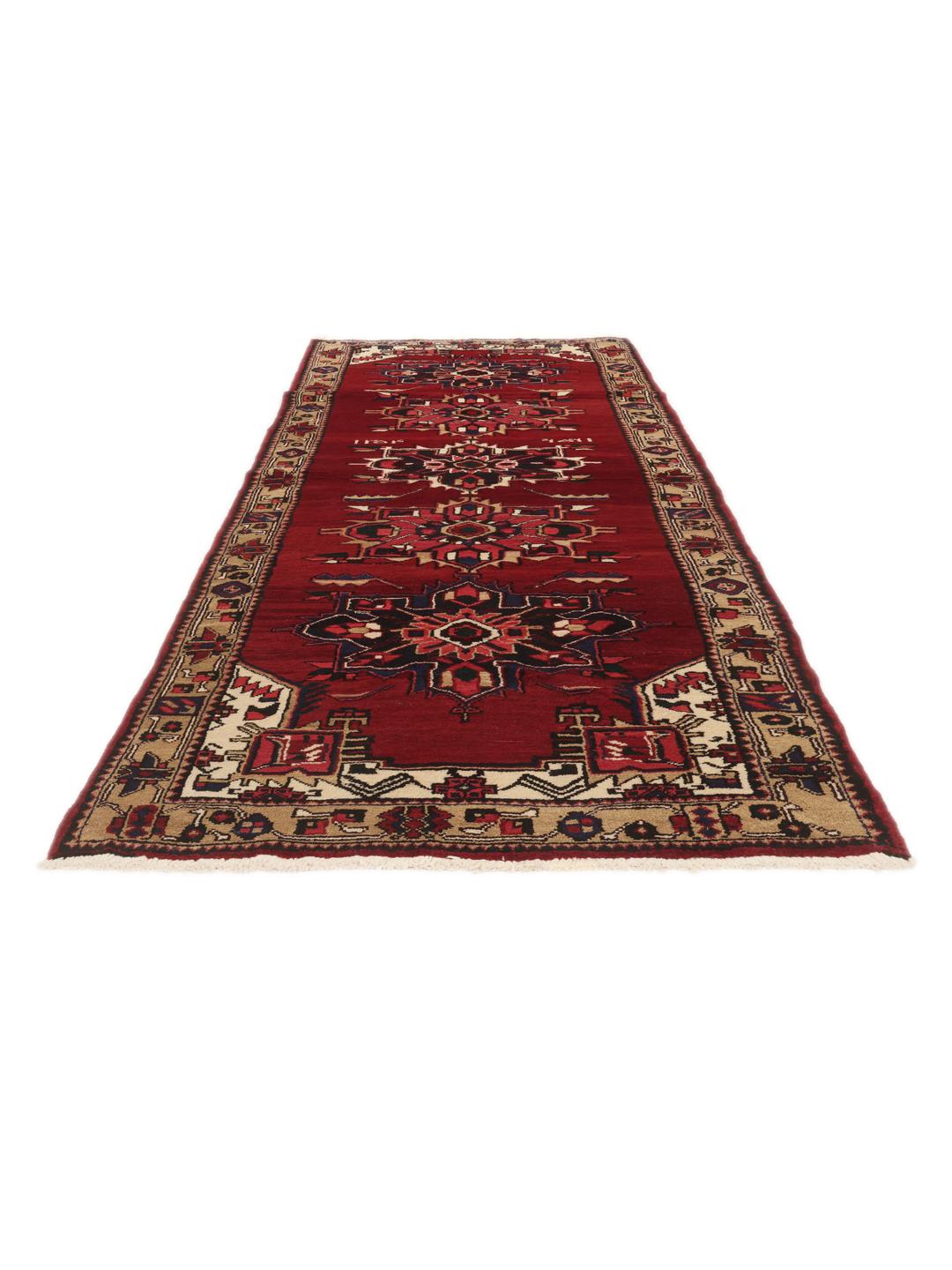
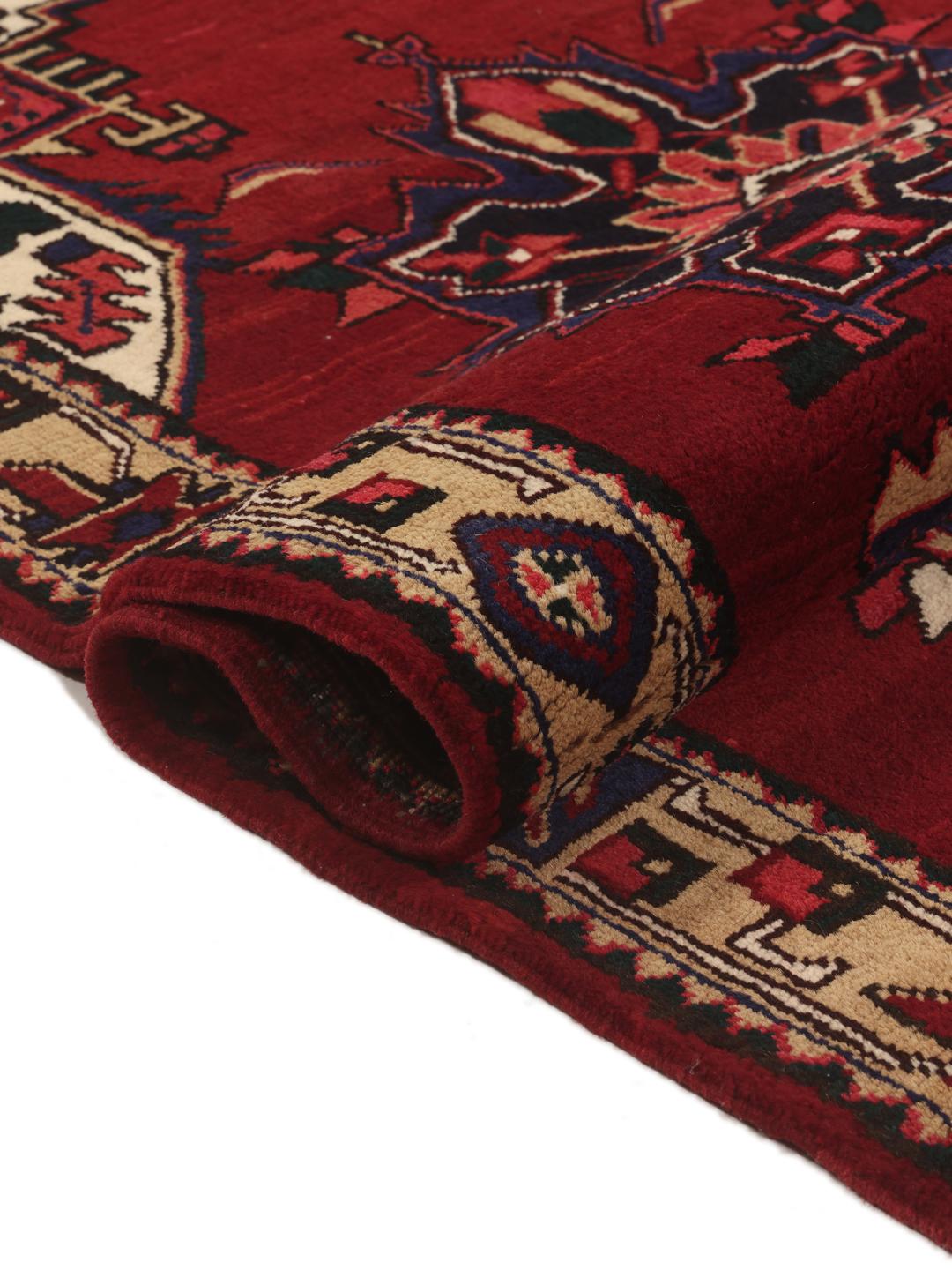
Signature motifs often include central medallions, such as the one featured on this runner, frequently surrounded by repeating floral or geometric patterns. These designs are not merely decorative but are symbolic of the culture and environment of the weavers. The border traditions in Hamadan rugs are particularly striking, often framing the field with intricate, repetitive motifs that balance the central design.
Collecting a piece from this tradition is an investment in cultural heritage. These rugs are valued for their longevity and the way they age, developing a unique character that only improves over time. By welcoming this runner into your home, you are continuing a long lineage of craft, ensuring that these traditional skills are preserved and appreciated in a modern context.