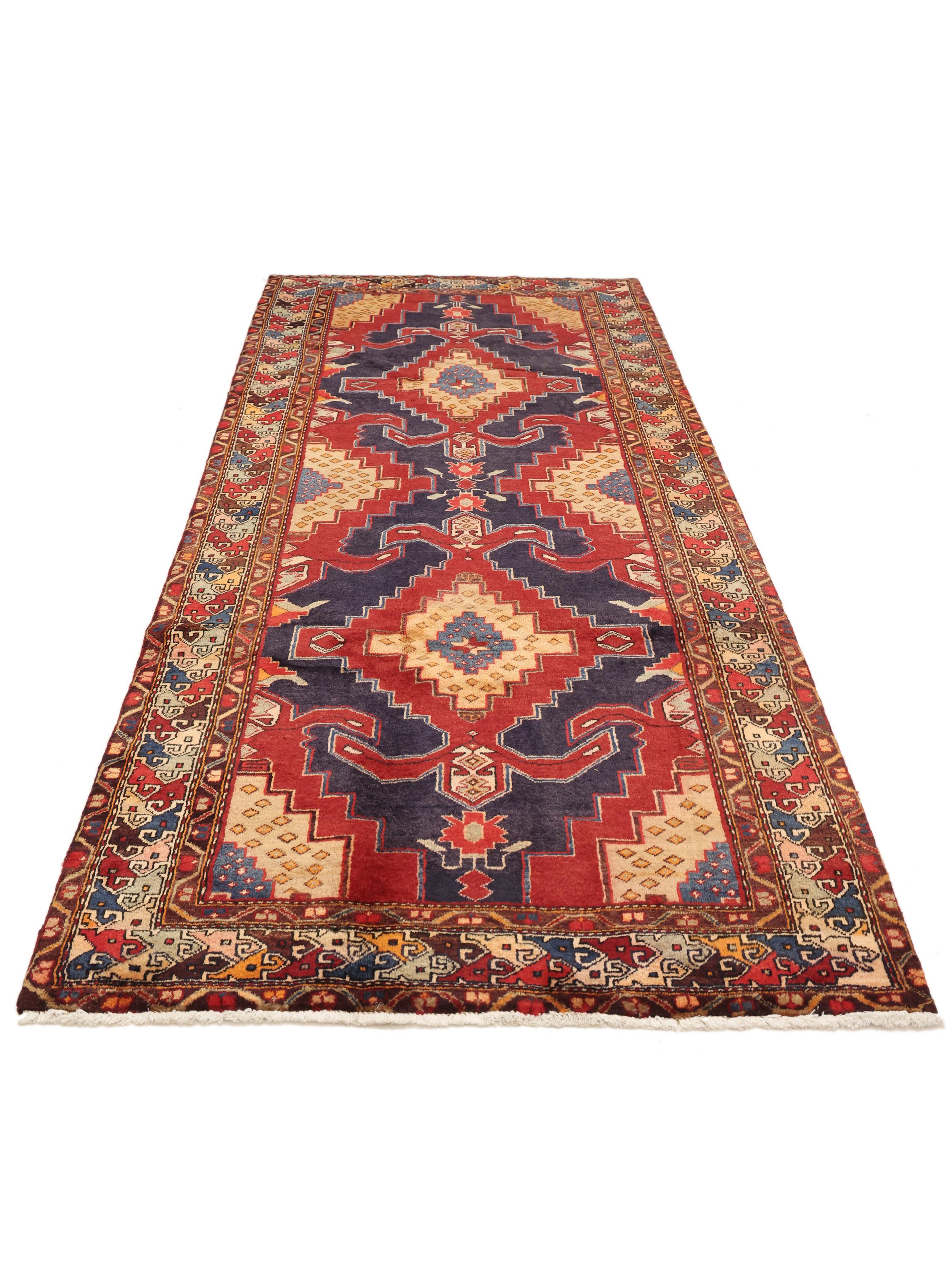
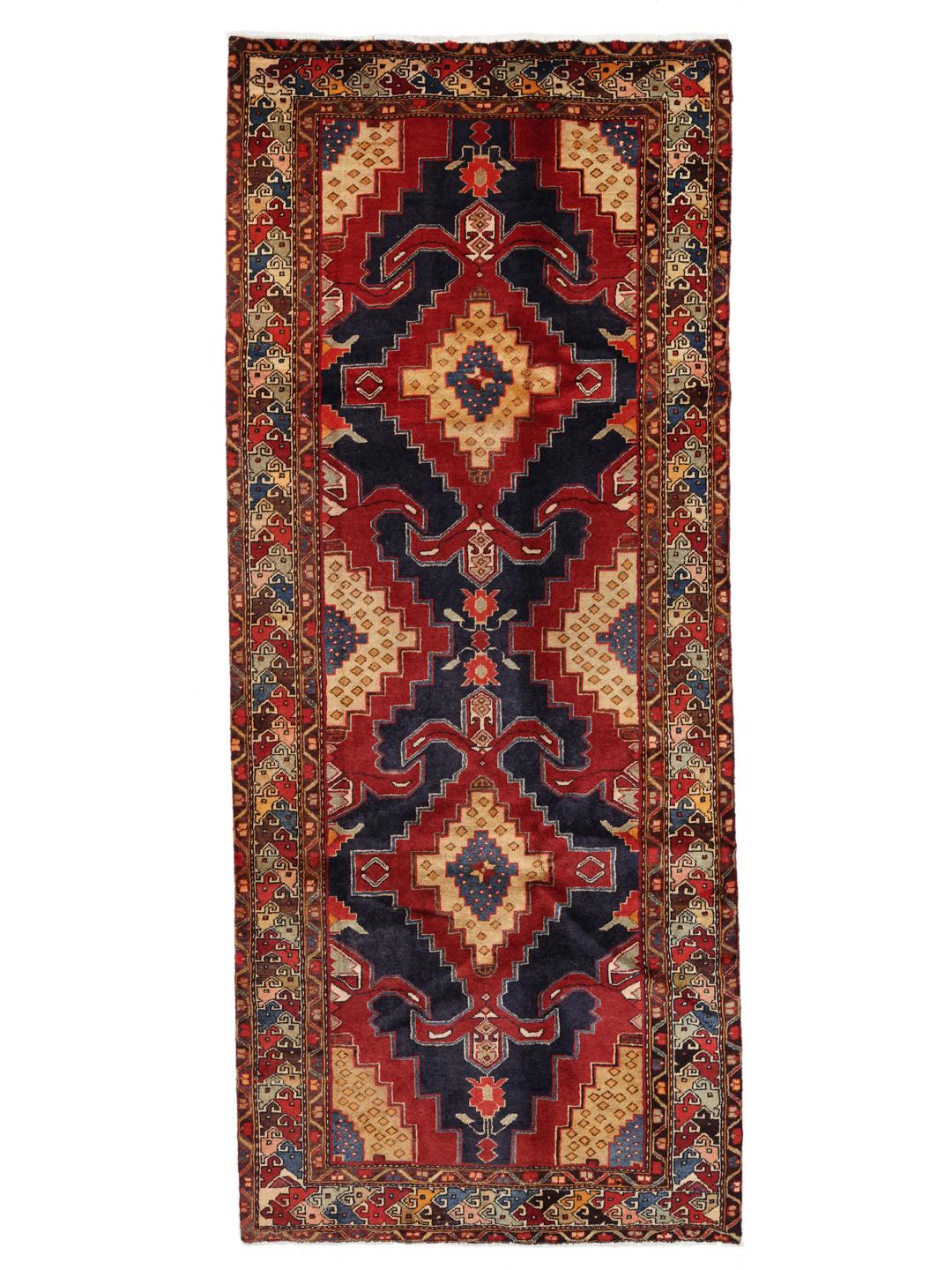
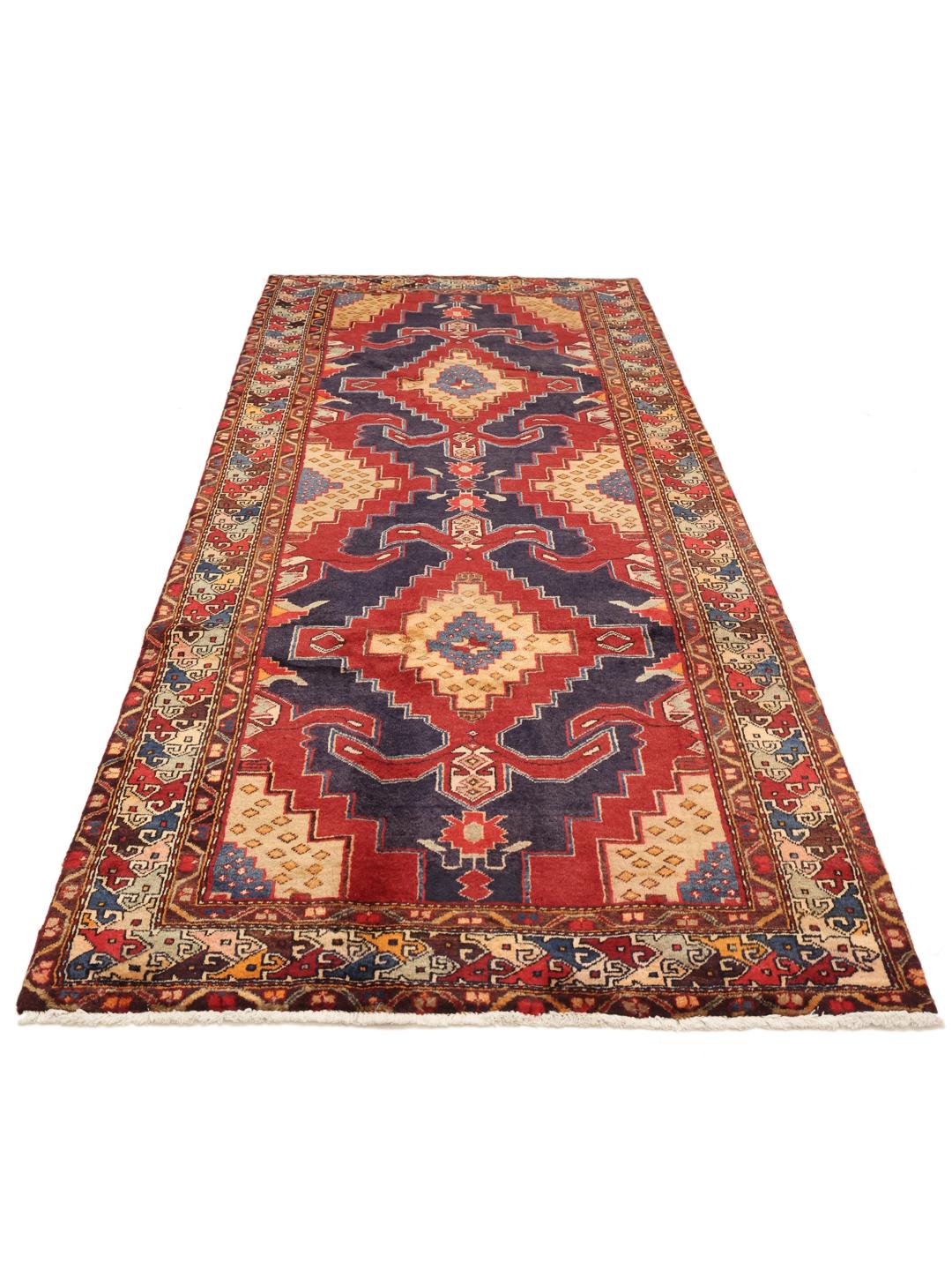
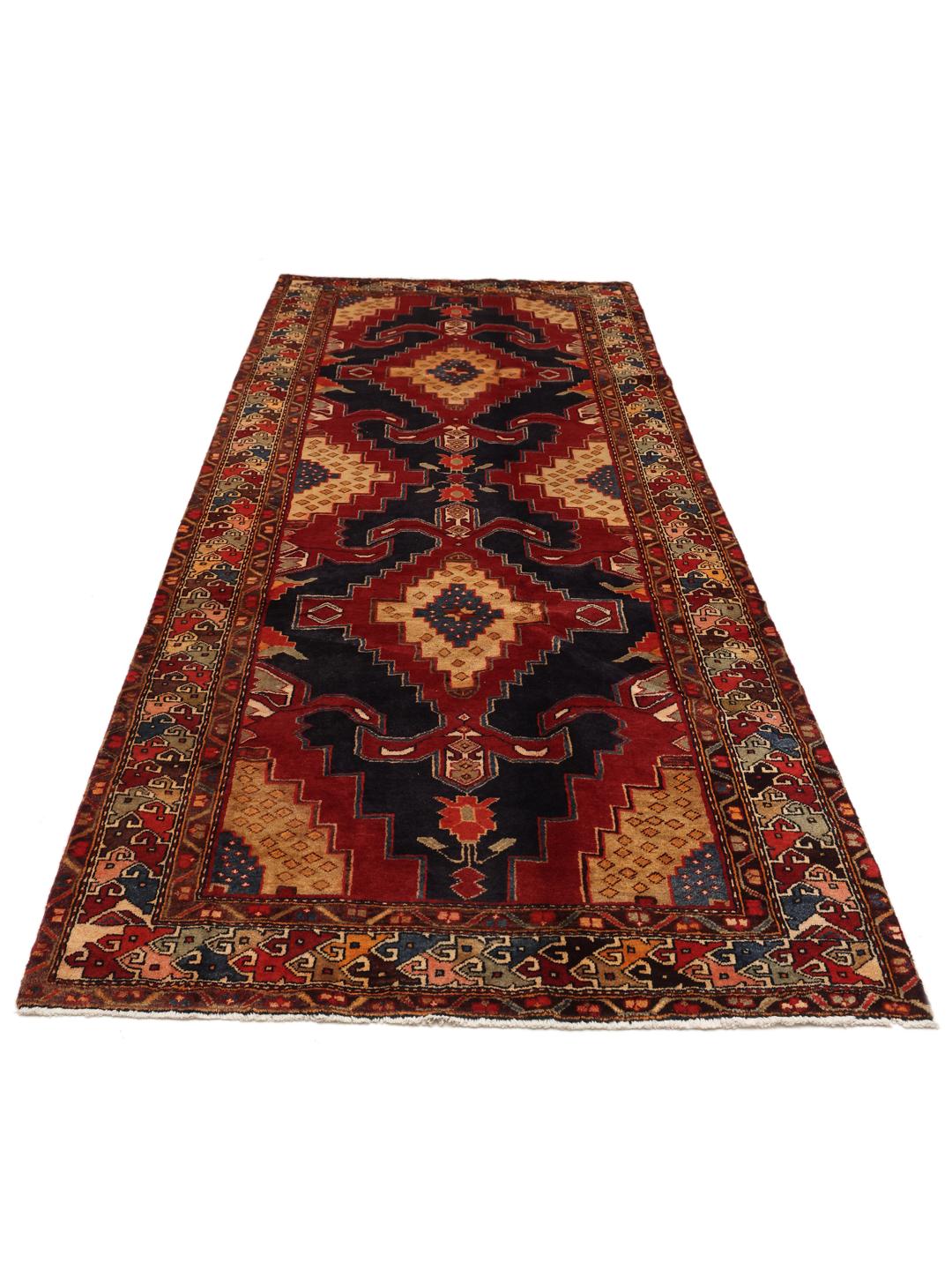
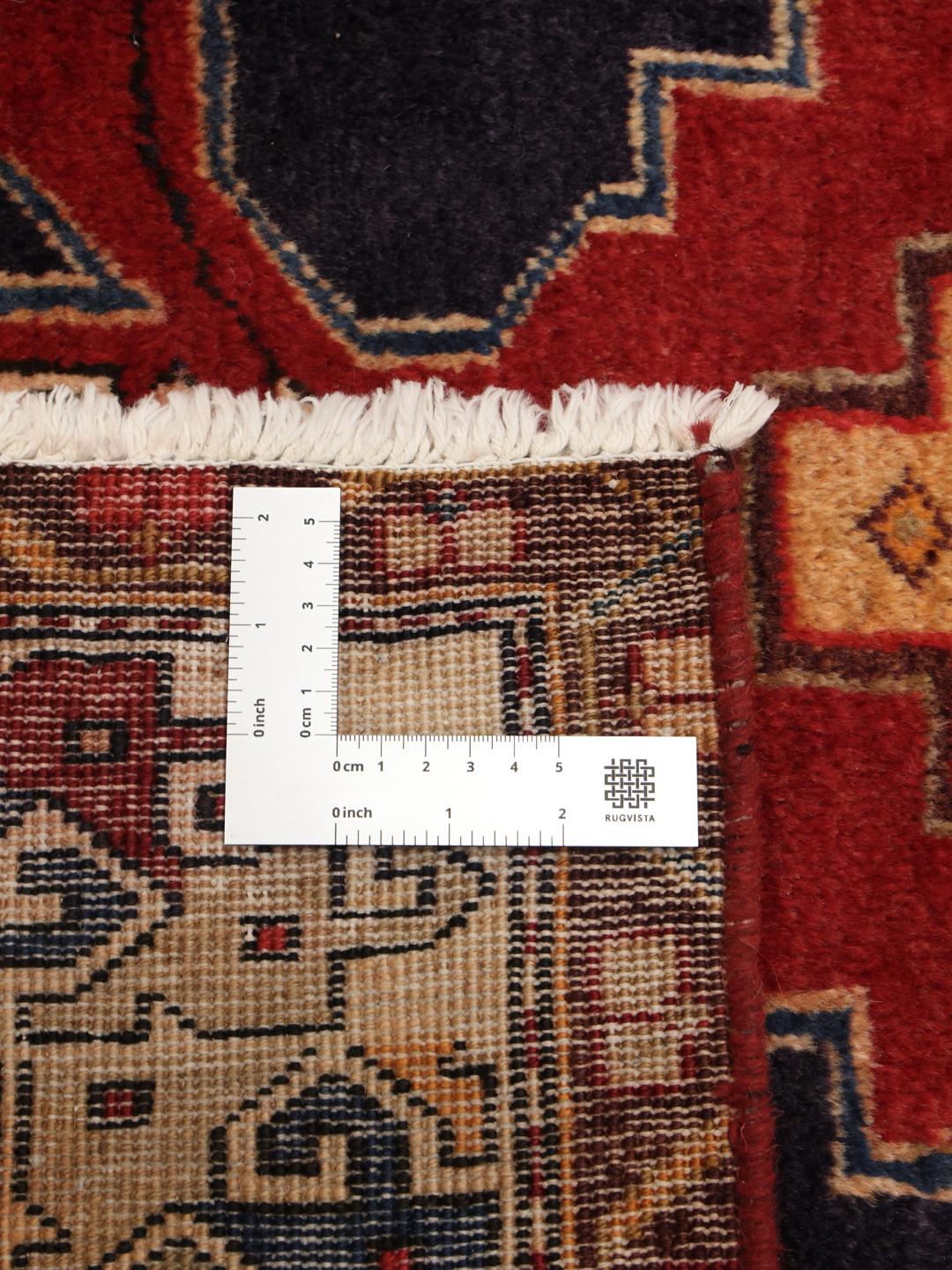
Hamadan rugs hail from one of the oldest cities in the Middle East. Situated in the mountainous regions, this area has been a central hub for textile production for centuries, serving as a collection and distribution point for the many surrounding villages. Each village in this region often has its own distinct way of interpreting traditional motifs, leading to a vast and varied landscape of designs.
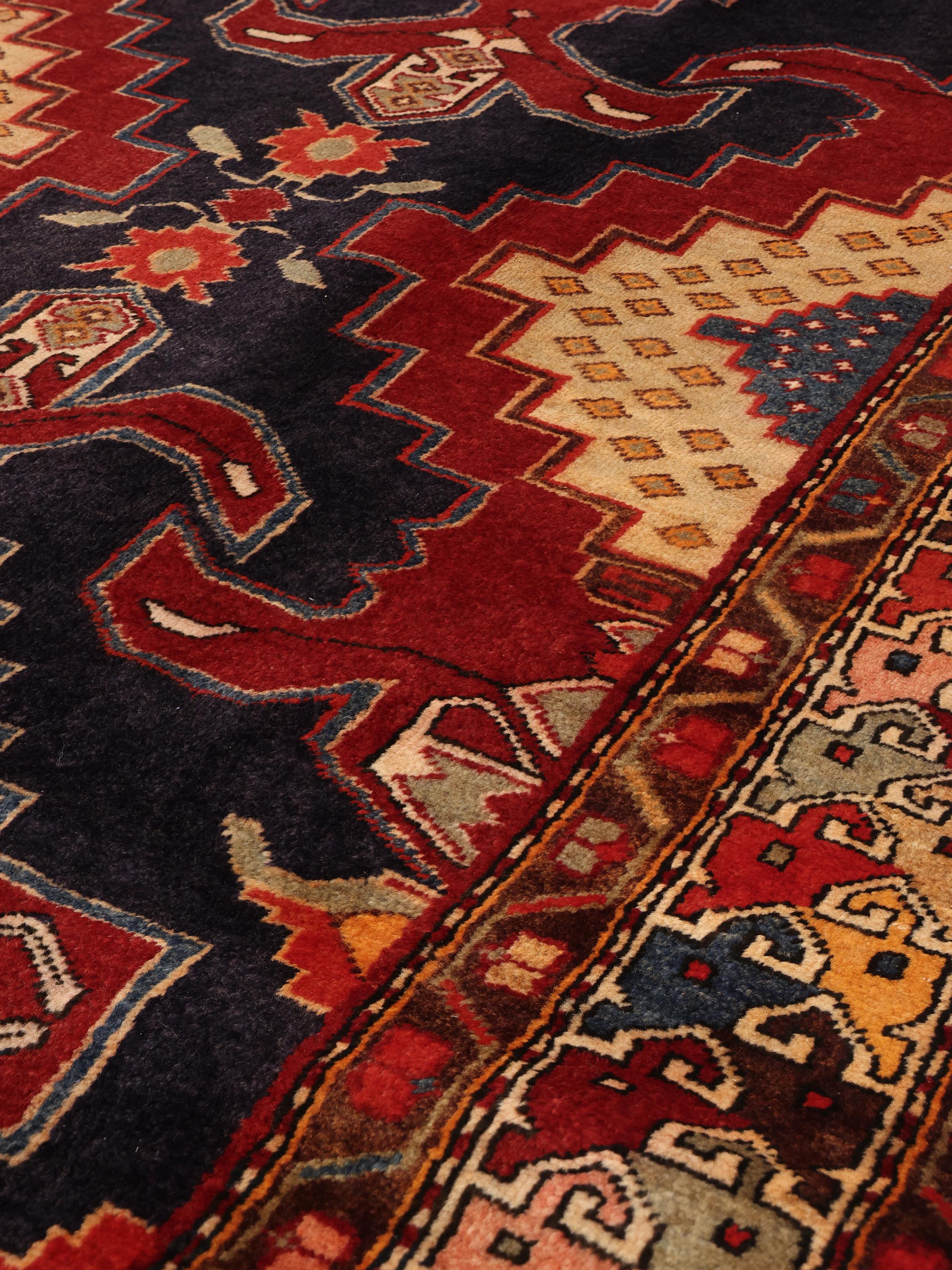
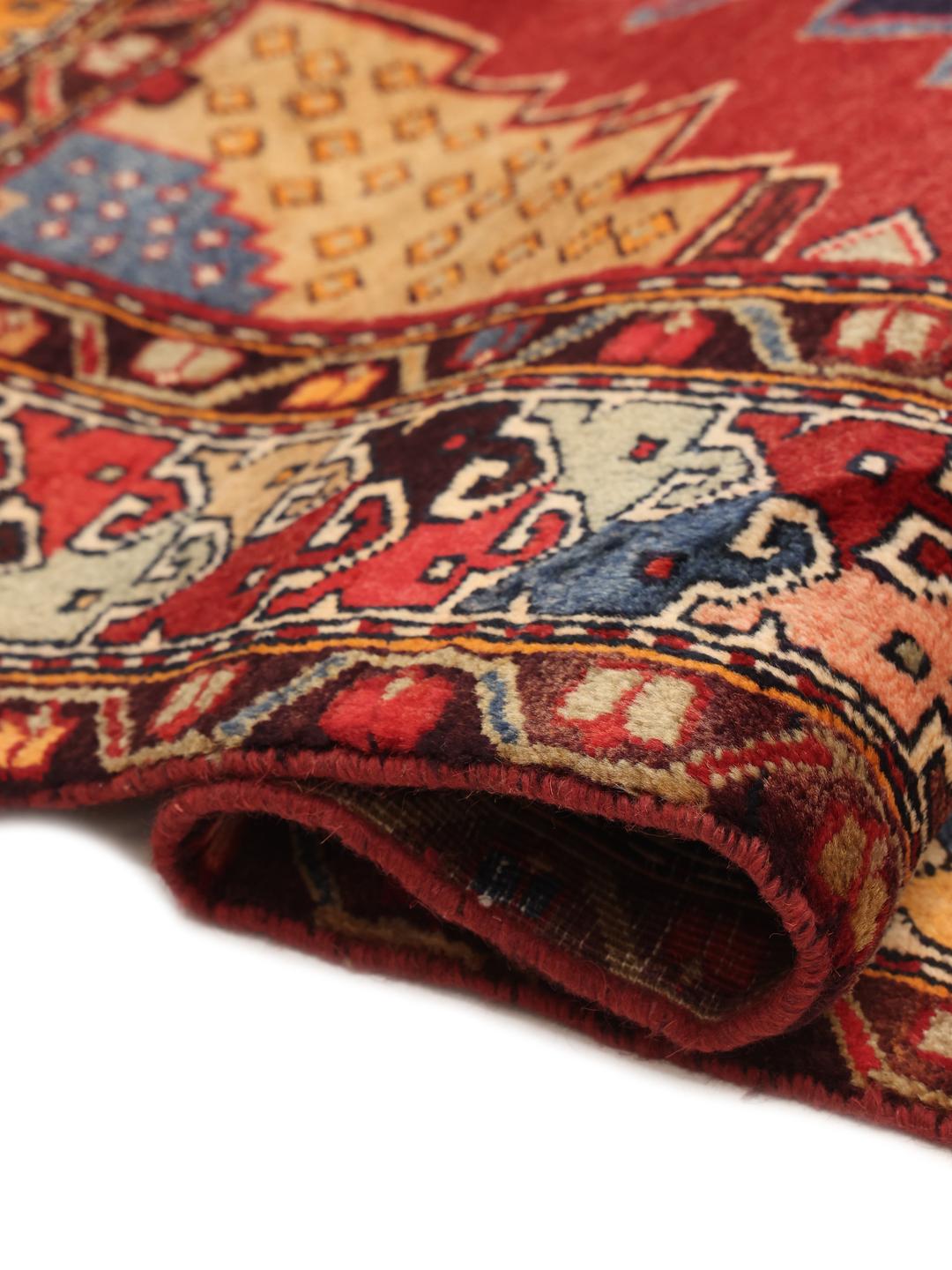
The term Hamadan refers to a wide array of rugs made in this sprawling region, rather than a single specific style. These rugs are known for their sturdy construction and the use of high-quality wool, often sourced from local mountain sheep. This wool is celebrated for its natural lanolin content, which gives the pile a soft, lustrous finish and makes it remarkably resistant to wear and tear.
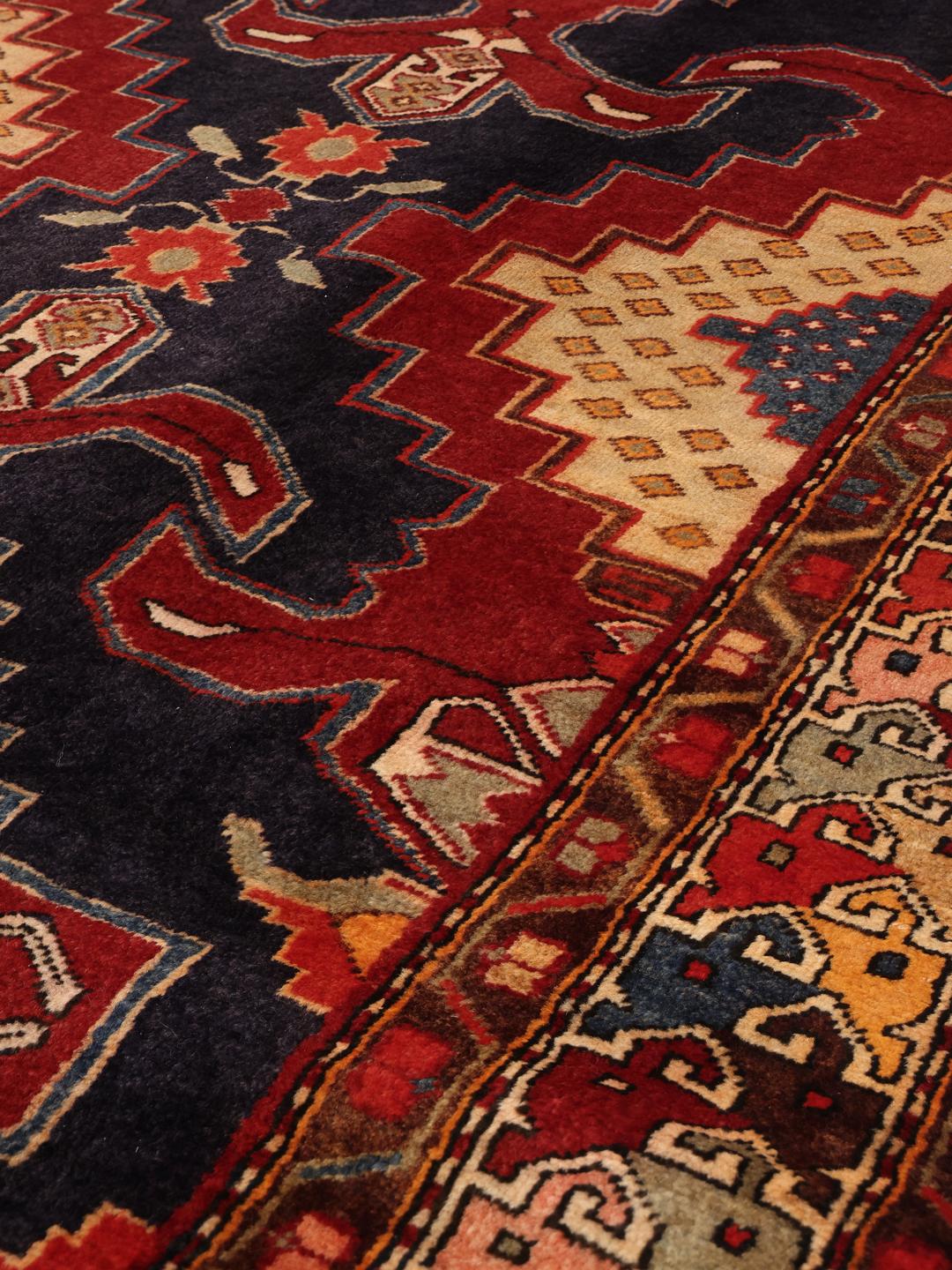
Visually, these runners often feature bold geometric patterns and striking medallions, frequently framed by intricate, repeating borders. The designs are deeply rooted in the cultural heritage of the area, often incorporating stylised floral elements and geometric interpretations of natural forms. The colour schemes are traditionally vibrant, utilising deep reds and blues that have been achieved through generations of expertise in natural dyeing.
Collecting a rug from this tradition means acquiring a piece of living history. These textiles are valued not only for their aesthetic beauty but also for their status as functional art that connects modern homes to an ancient lineage of craft. Owning a piece from this region is a testament to an appreciation for heritage, skill, and the enduring quality of hand-made objects.