Hamadan rugs take their name from one of the oldest cities in the Middle East, a historic hub that has served as a central trading point for centuries. Located in a region renowned for its diverse weaving communities, these rugs represent a vast tradition of village-based craft where designs are often passed down through generations. The evolution of Hamadan weaving has seen a unique blend of tribal influence and classical floral precision, making each piece a distinct representative of its local heritage.
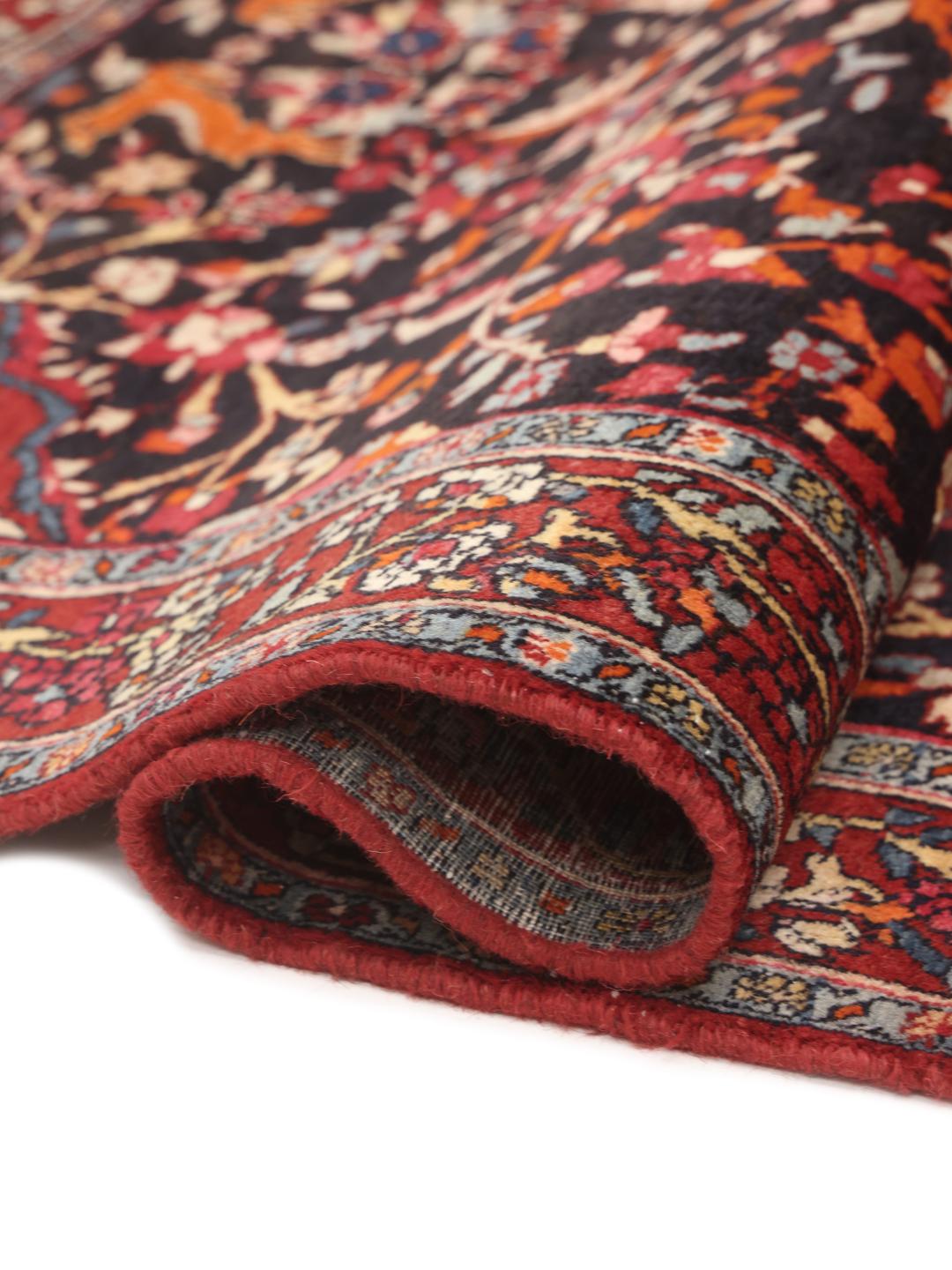
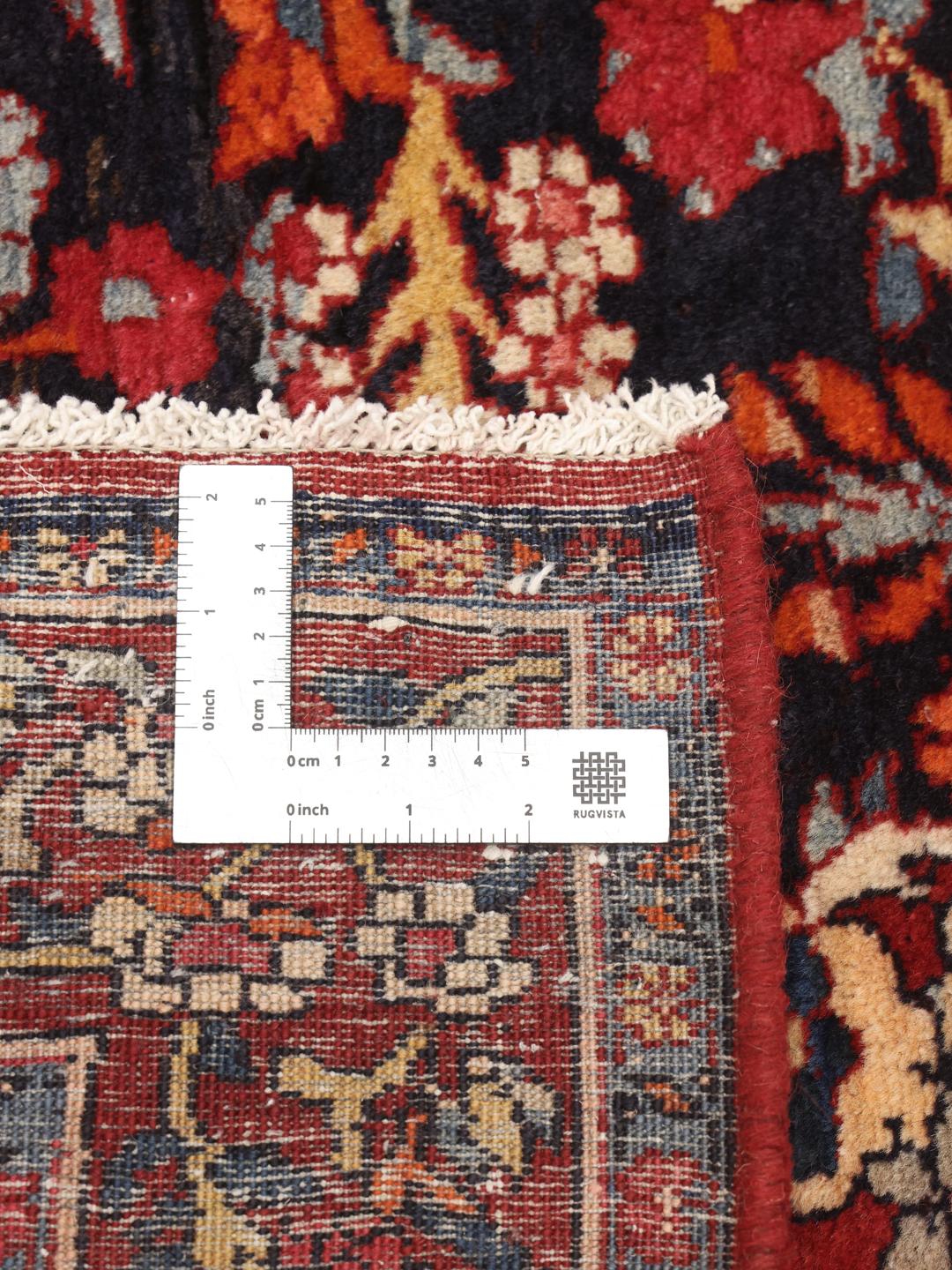
Technically, the quality of a Hamadan is defined by its robust construction, often utilising a sturdy foundation that allows for a long-lasting, dense pile. The term refers to a wide variety of patterns and styles originating from the surrounding villages, yet they are united by their reputation for reliability and longevity. Understanding these technical foundations helps one appreciate why these rugs are not merely decorative, but functional investments for a home.
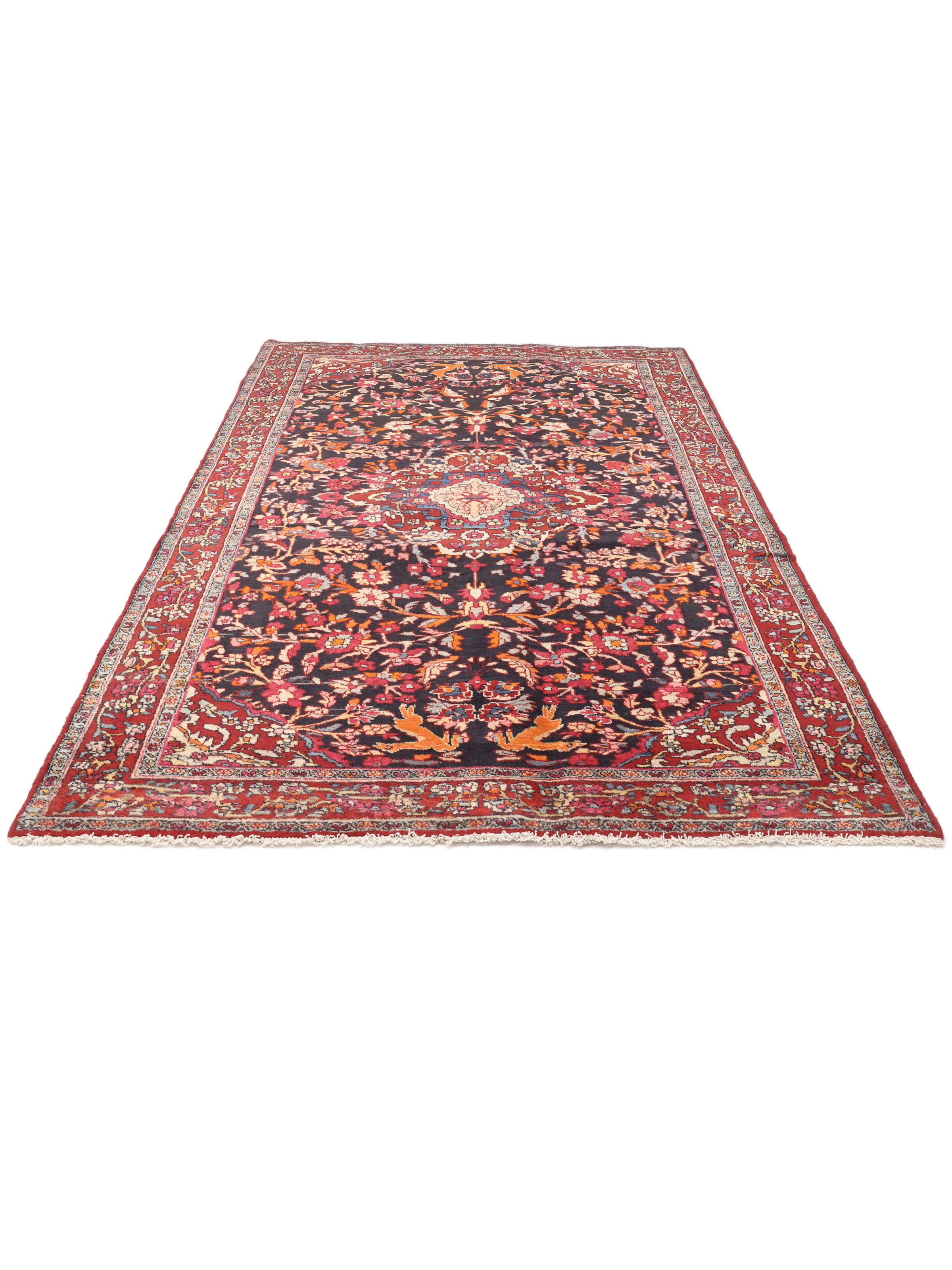
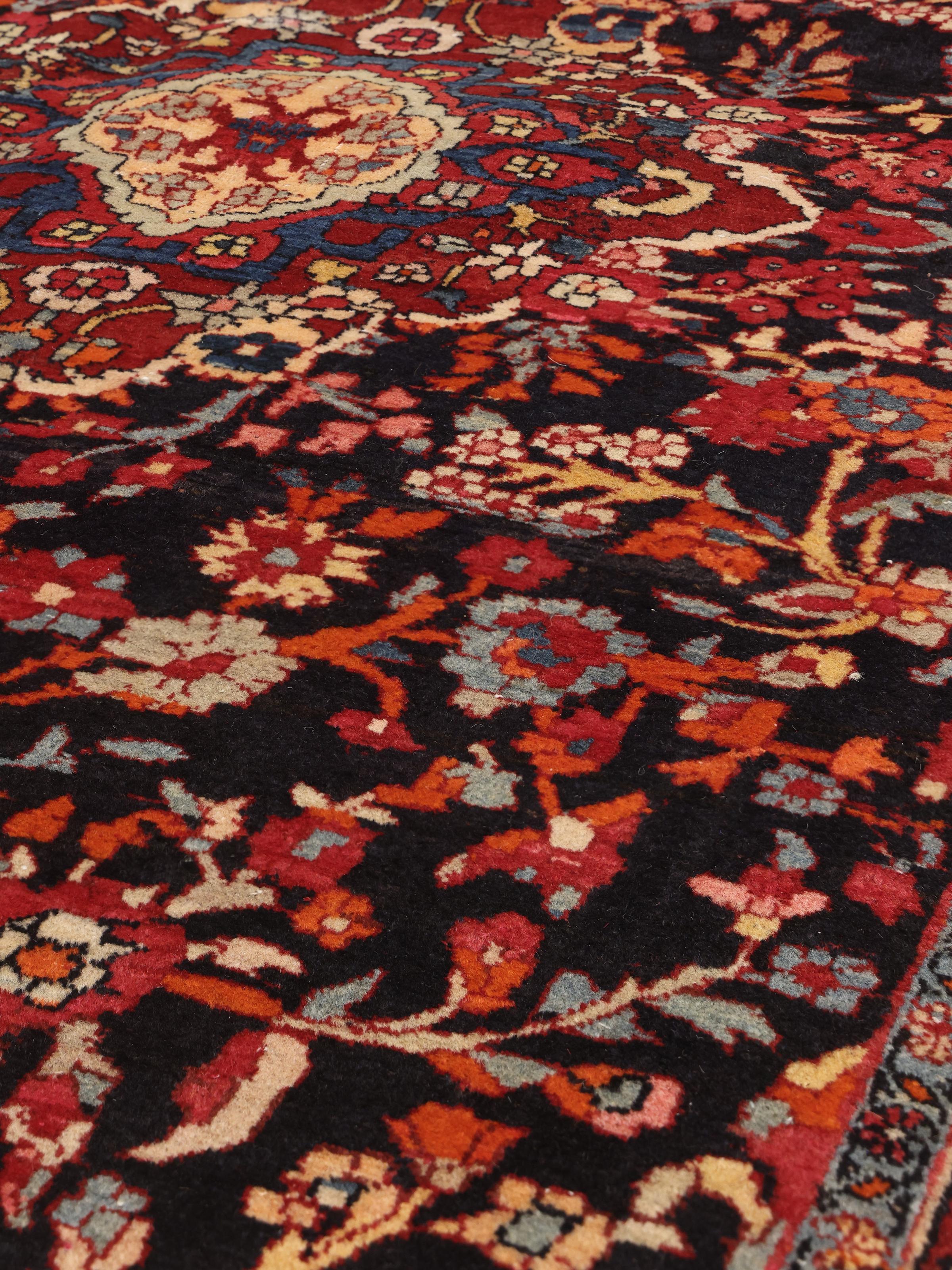
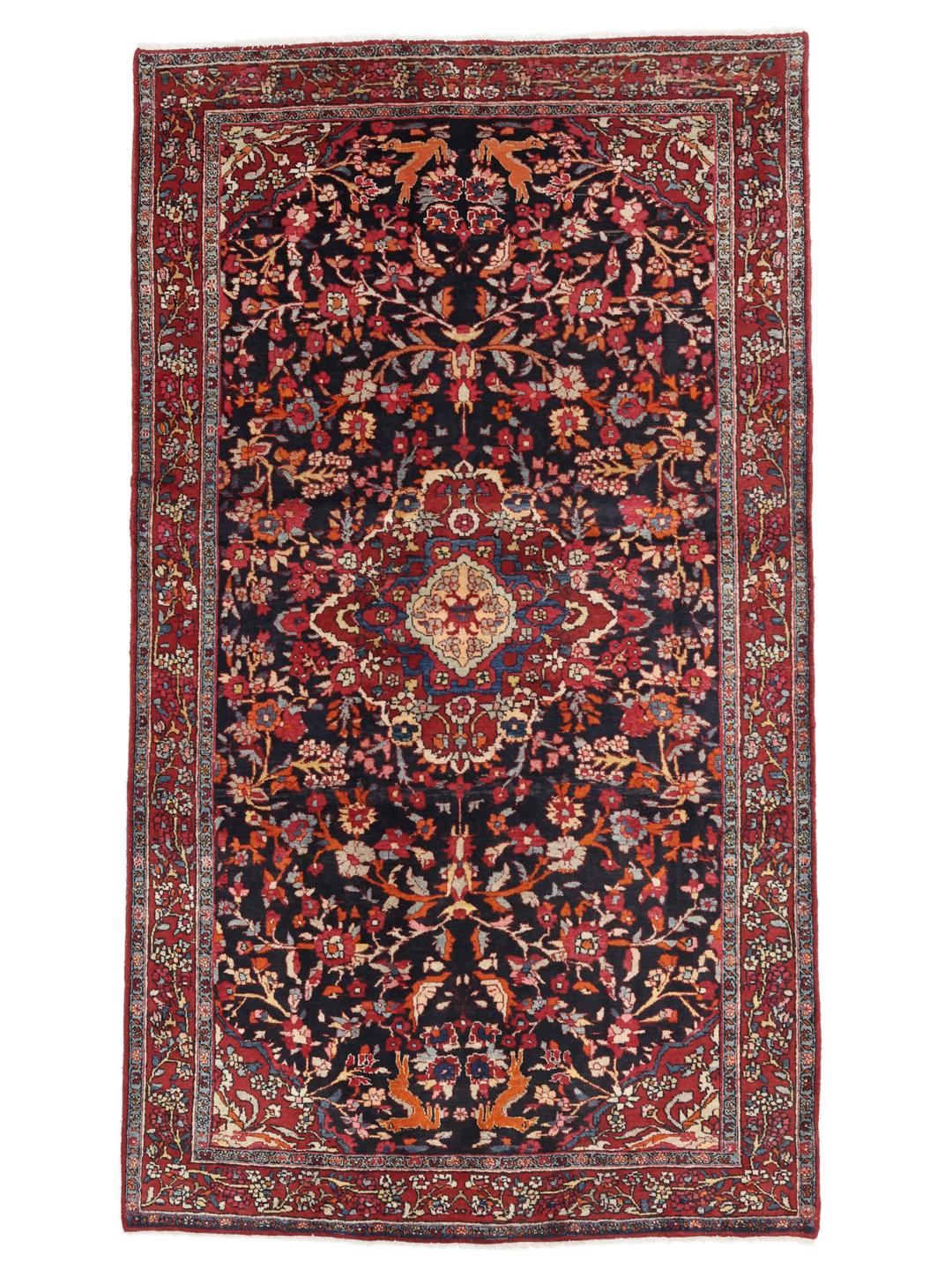
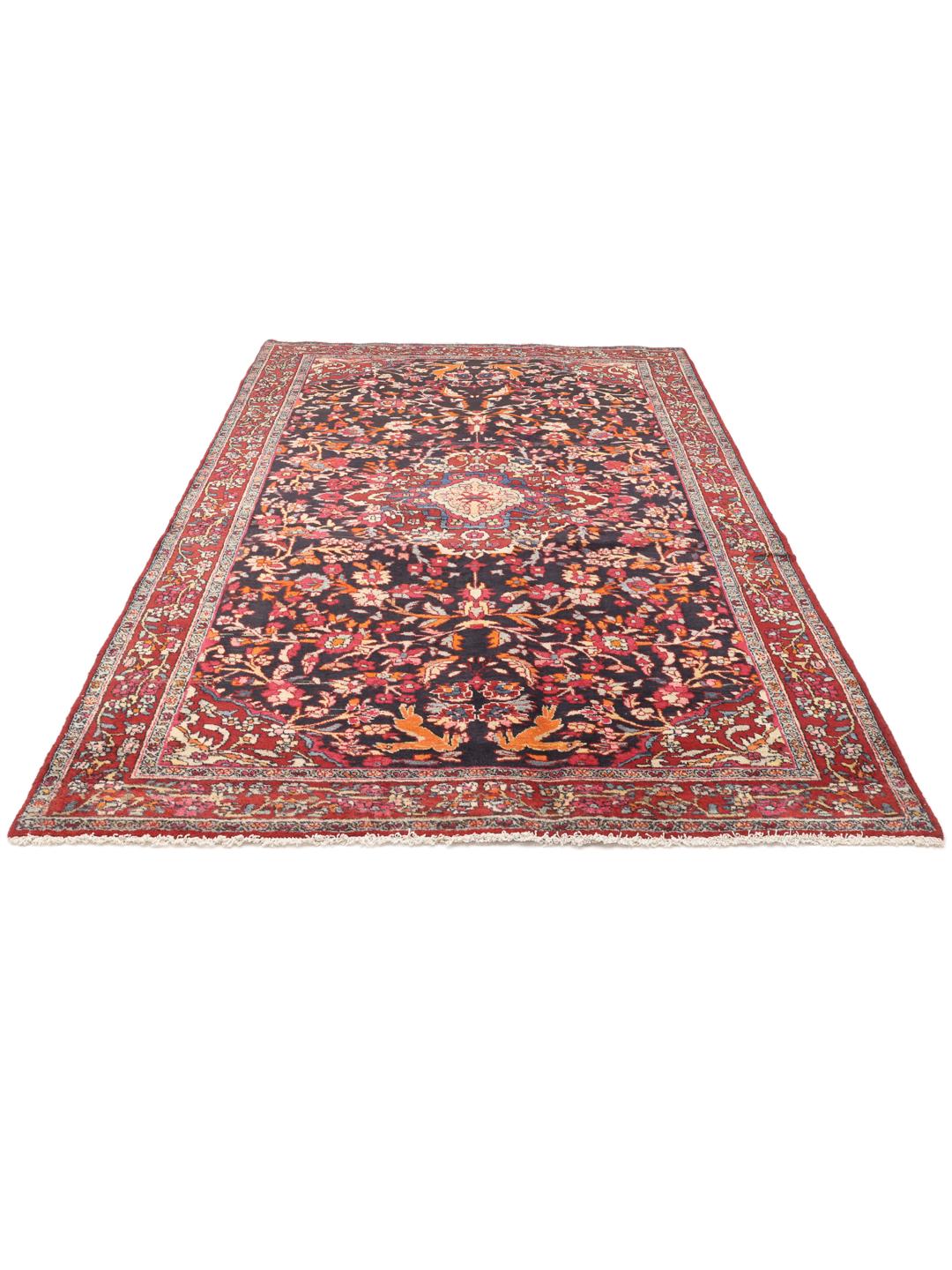
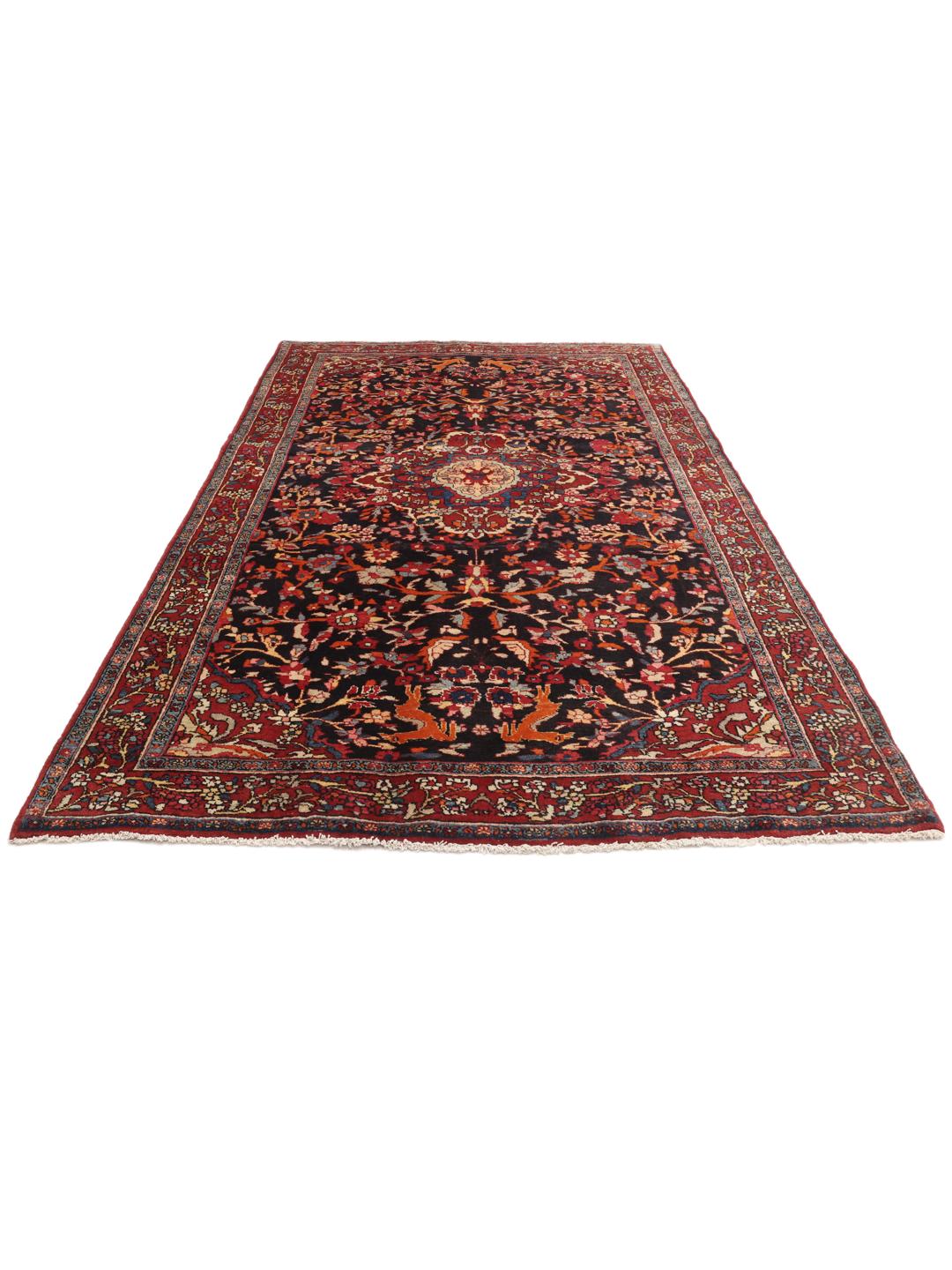
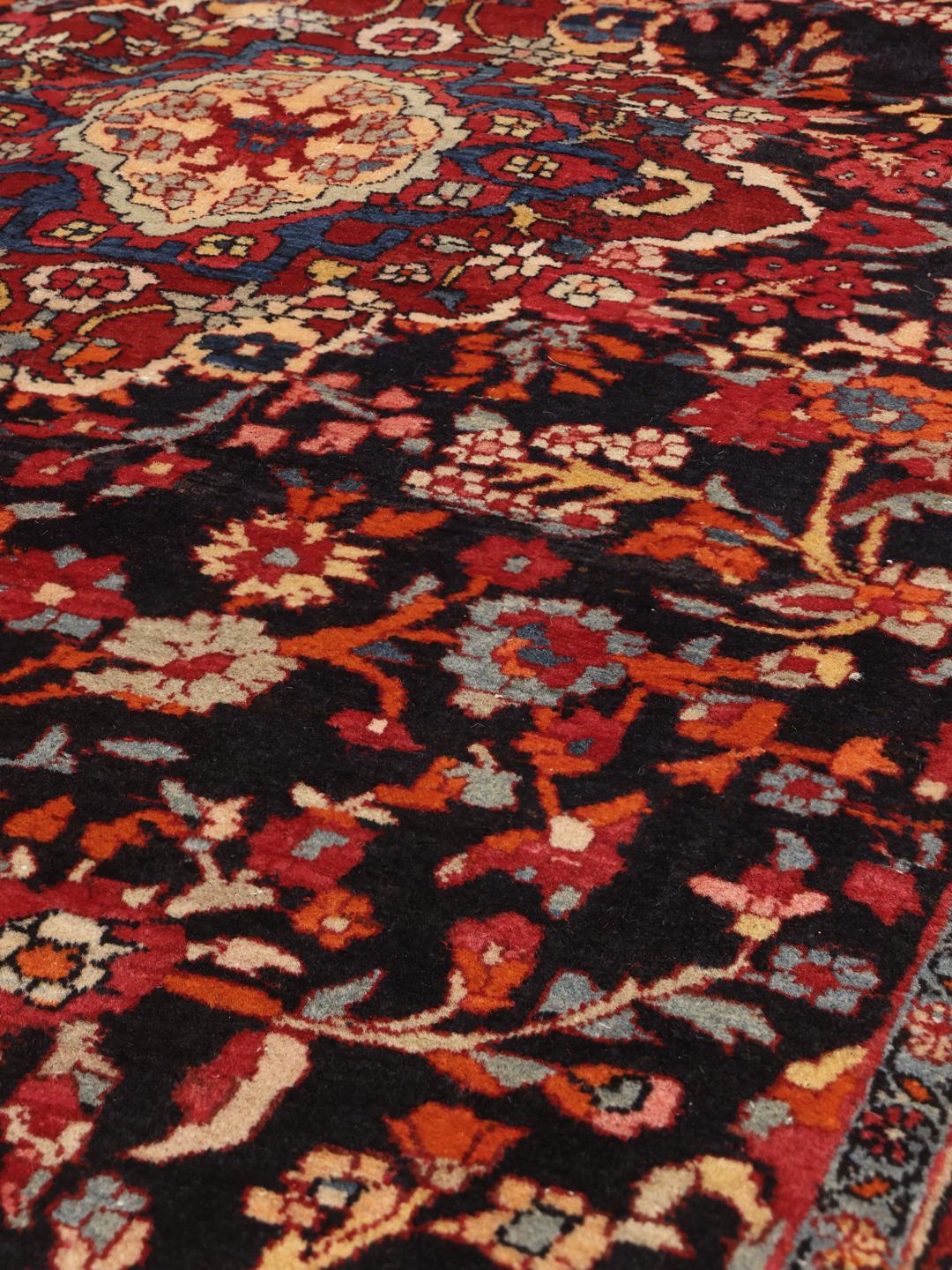
The visual language of this tradition is characterised by a rich array of floral motifs, often centred around a bold medallion that draws the eye inward. While the classic palette frequently features deep reds and blues, the specific arrangement of flowers and vines can vary significantly from village to village, reflecting the unique creative voice of the individual weaver. This specific rug showcases a sophisticated use of these traditional elements, balanced with a depth of colour that highlights the skill involved.
Collectors value Hamadan rugs for their authenticity and the palpable sense of history they bring into a space. Owning a piece from this tradition is an opportunity to connect with a centuries-old craft that prizes patience, skill, and the preservation of regional identity. These rugs are celebrated not just for their aesthetic appeal, but for their ability to age with grace, becoming more beautiful and storied as they remain a central part of the home.