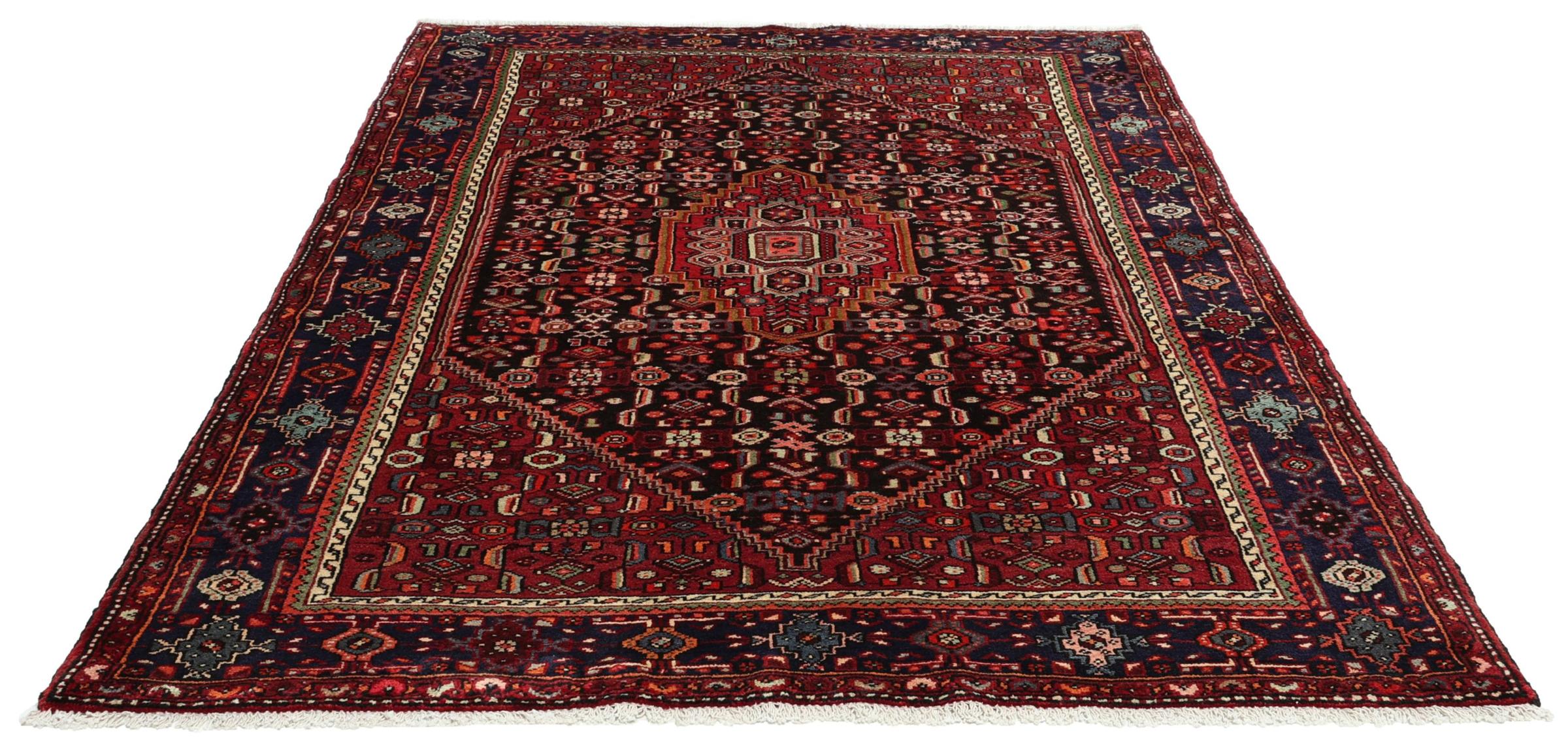
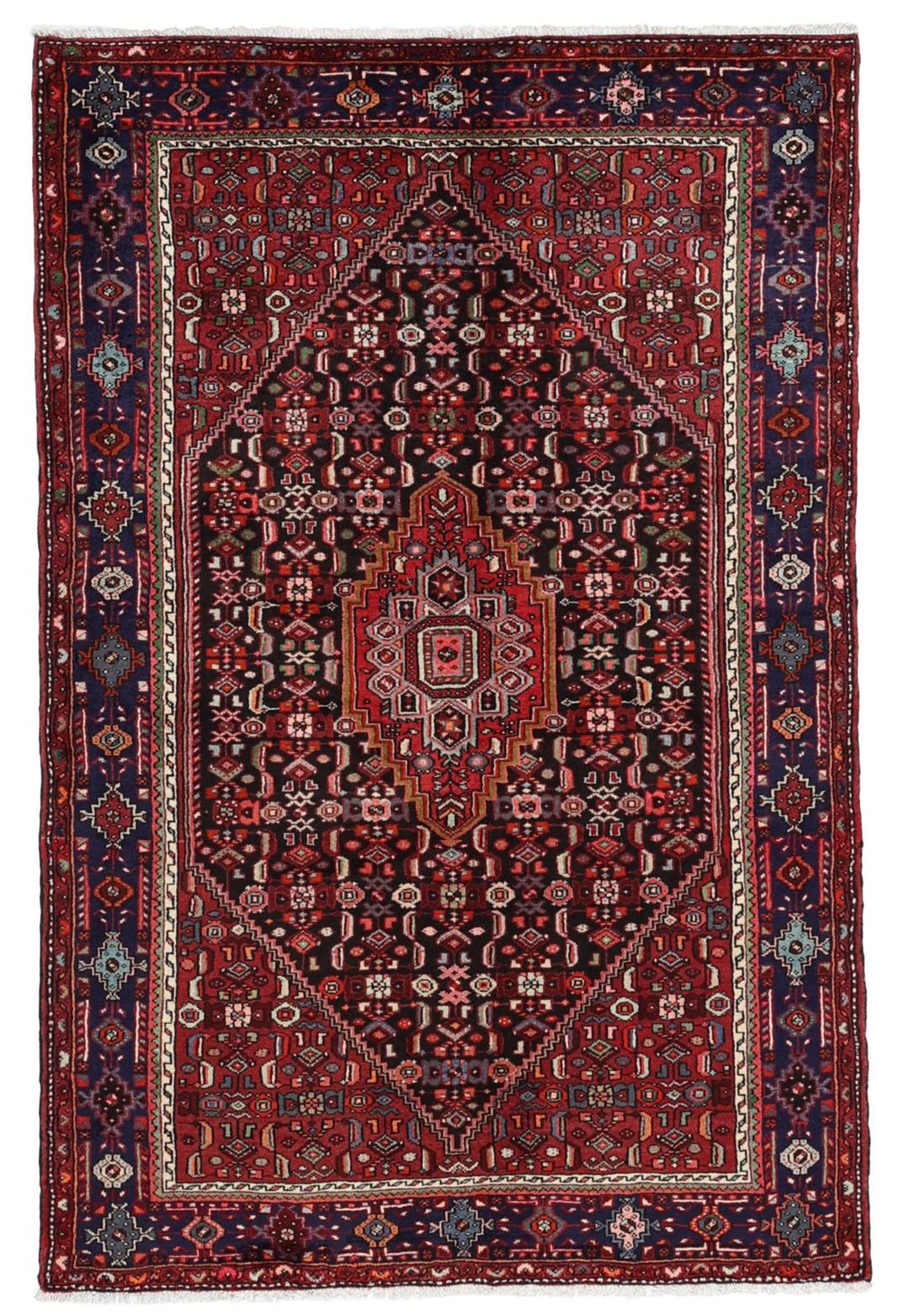
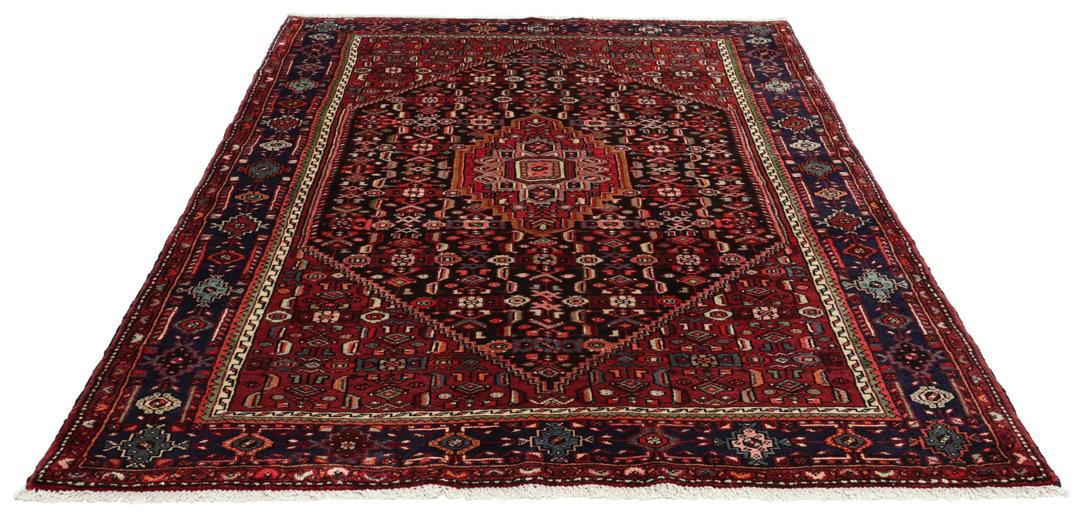
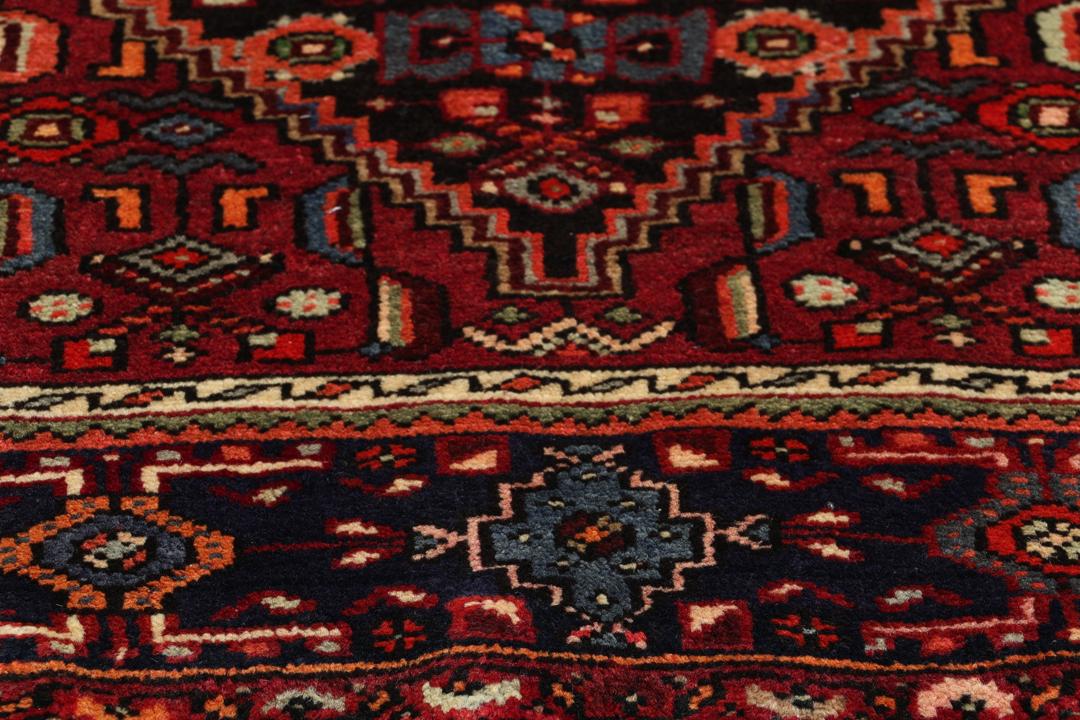
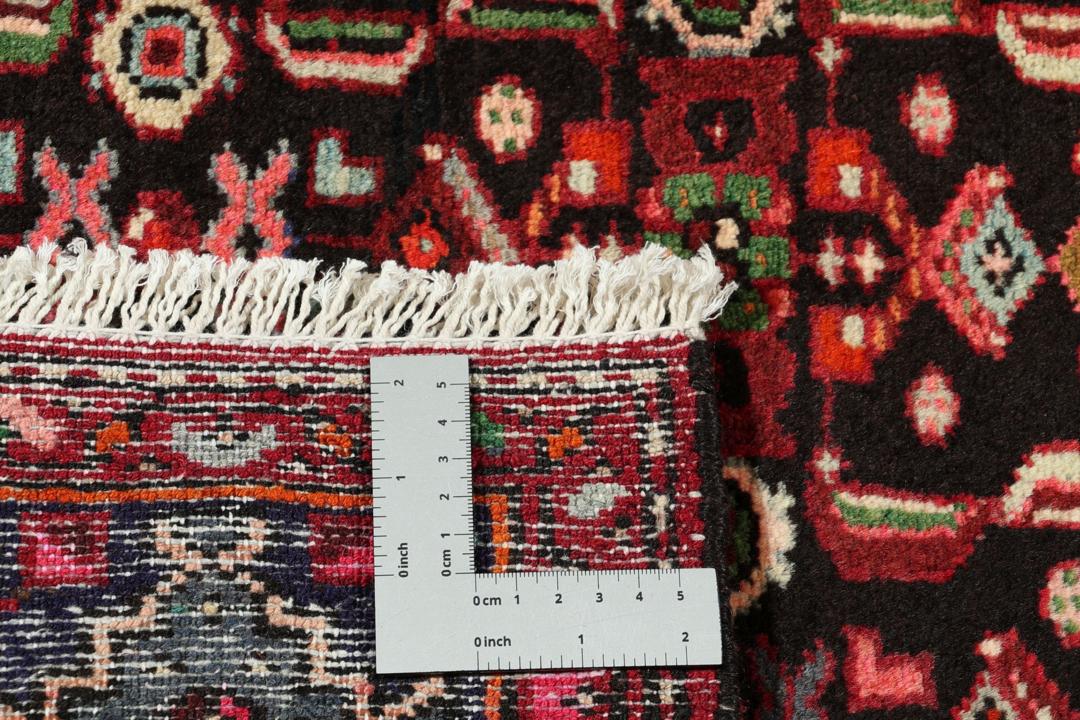
Hamadan rugs originate from one of the oldest cities in the Middle East, a region known for its vibrant and diverse rug-making history. Located on the ancient trade routes, Hamadan has long served as a central hub where various tribal and village weaving traditions converge, resulting in a wide array of styles that are collectively recognised for their durability and spirited designs.
The term Hamadan refers to a broad category of rugs woven in the city itself and the surrounding hundreds of villages. These rugs are renowned for their use of sturdy wool and reliable construction techniques. The patterns often reflect the local heritage, incorporating motifs that have been passed down through generations of families, making every rug a historical document of the region's artistic evolution.
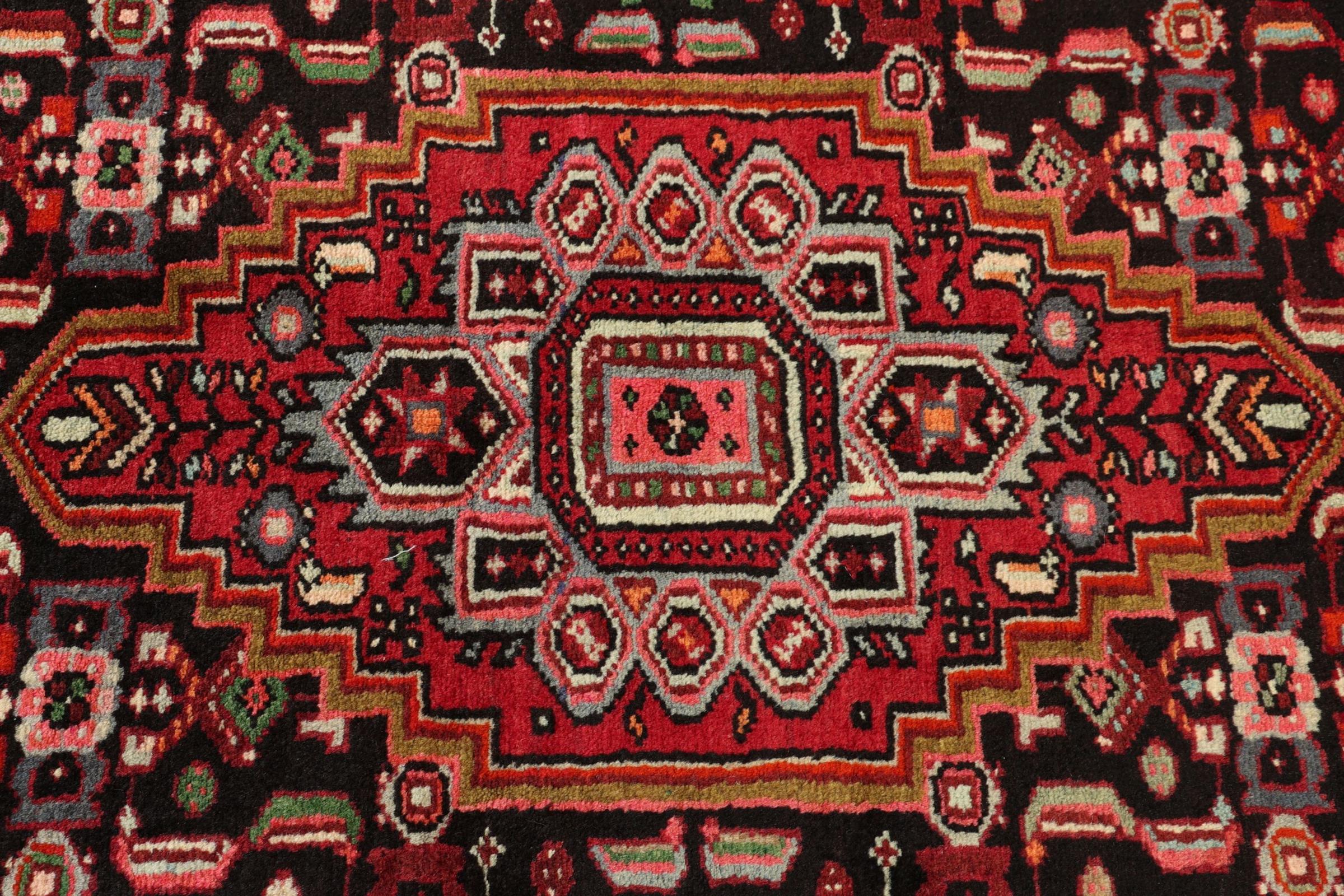
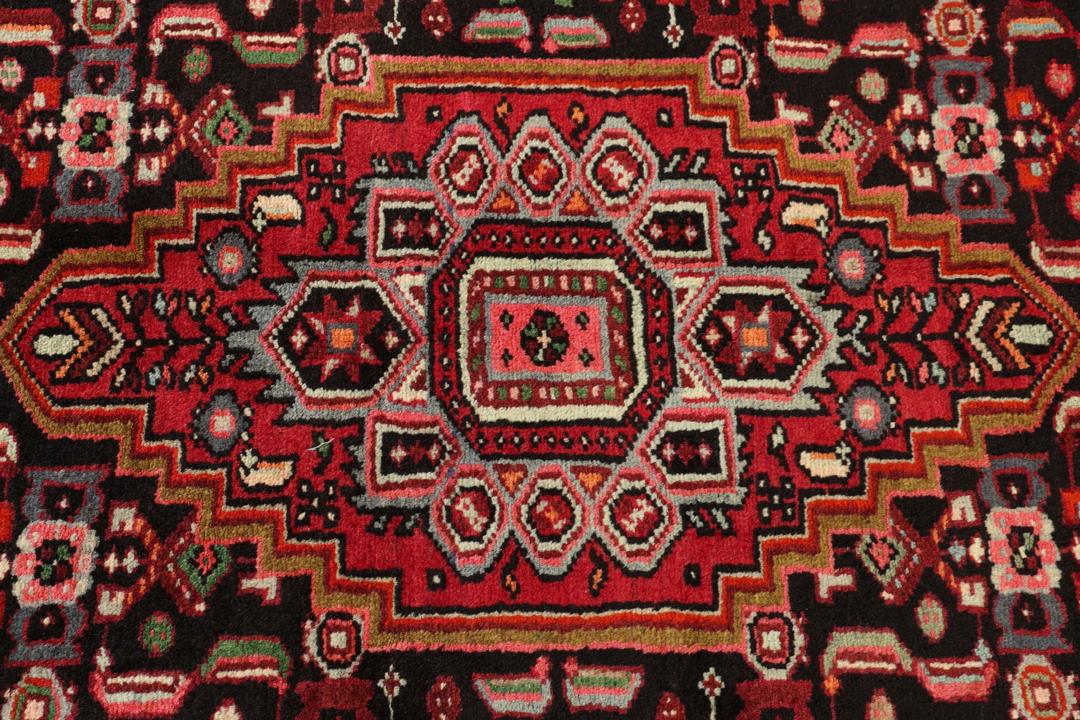
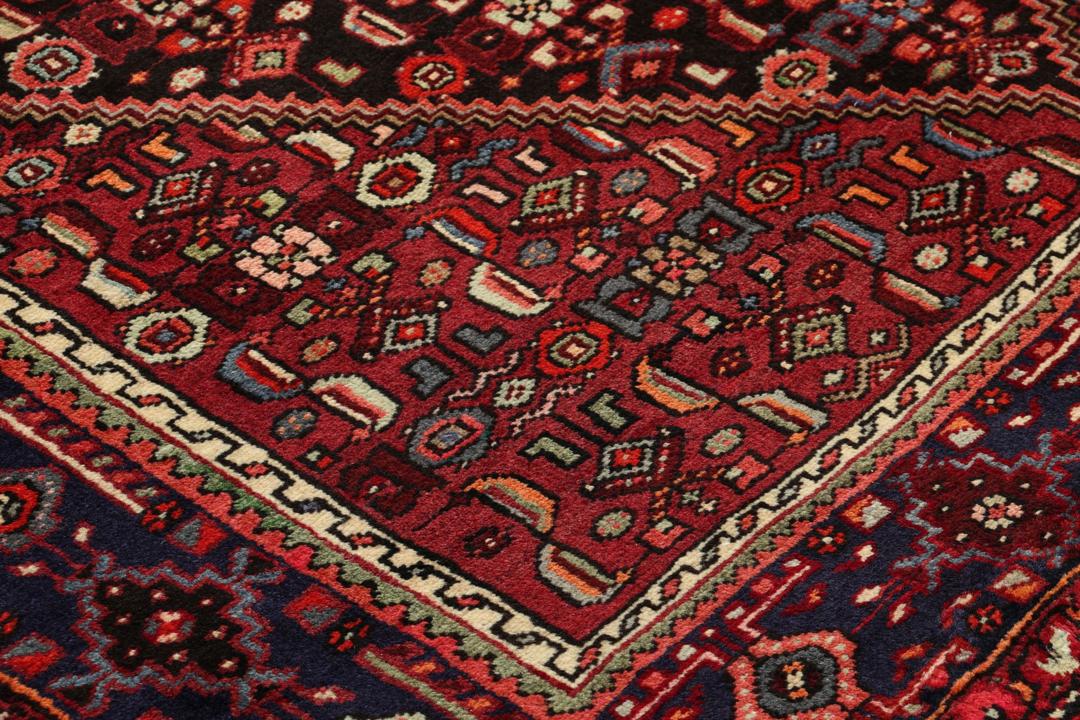
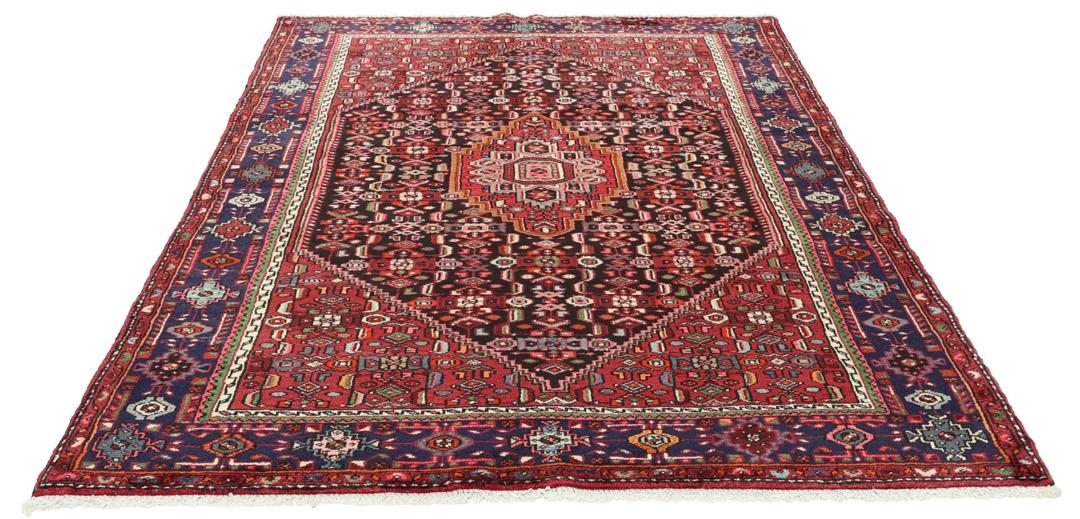
Signature elements of these rugs often include bold geometric medallions, stylised floral sprays, and the iconic Herati pattern, which features a central flower surrounded by leaves. The colour palettes are typically warm and earthy, often utilising deep reds and blues derived from natural dyes to create a look that is both striking and harmonious.
Owning a Hamadan rug is an investment in cultural heritage. These rugs are highly valued by collectors and enthusiasts alike for their authentic, village-made charm and the sheer skill required to produce them. By bringing one into your home, you are connecting with a centuries-old tradition that values both functional longevity and expressive design.