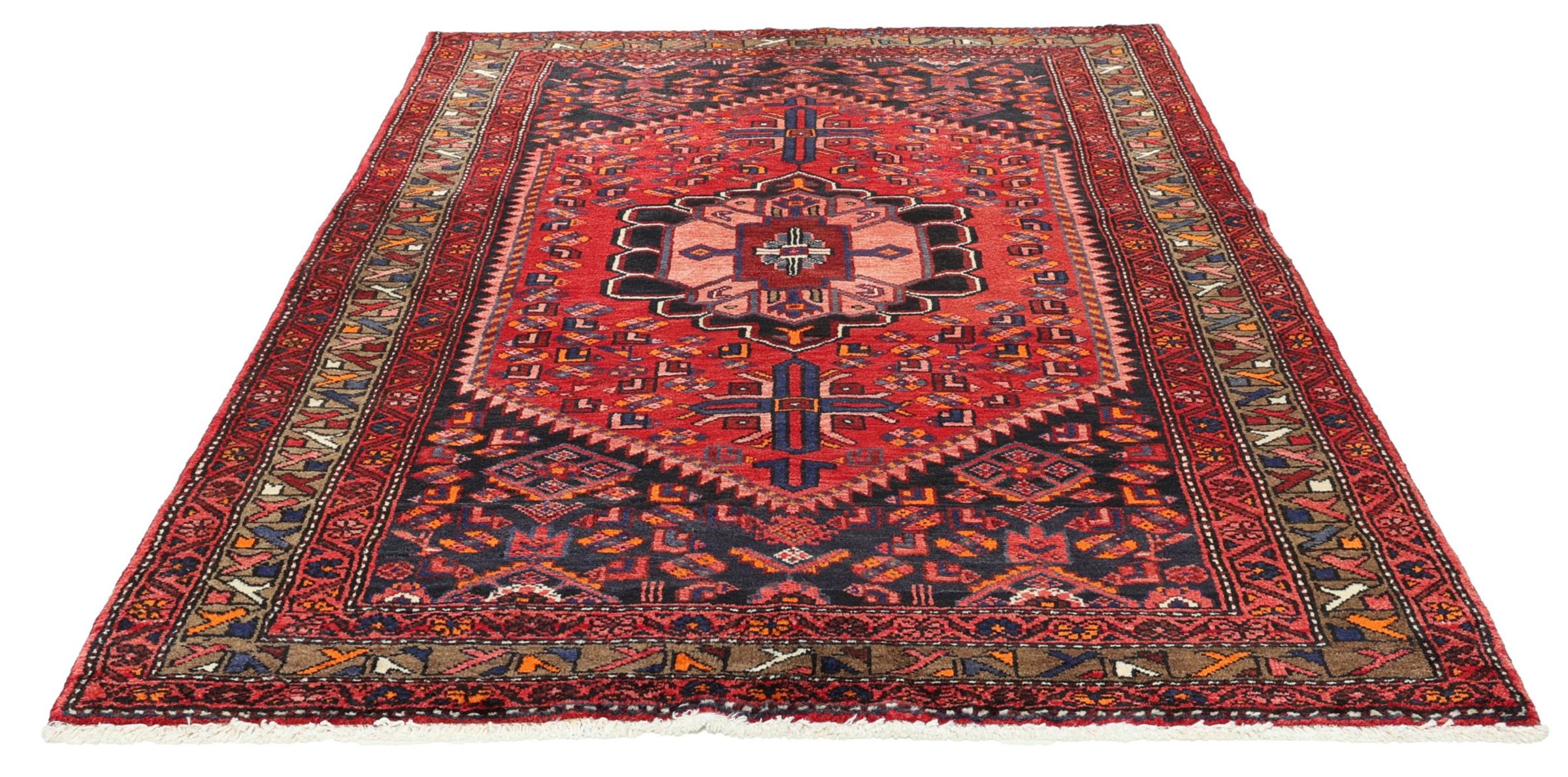
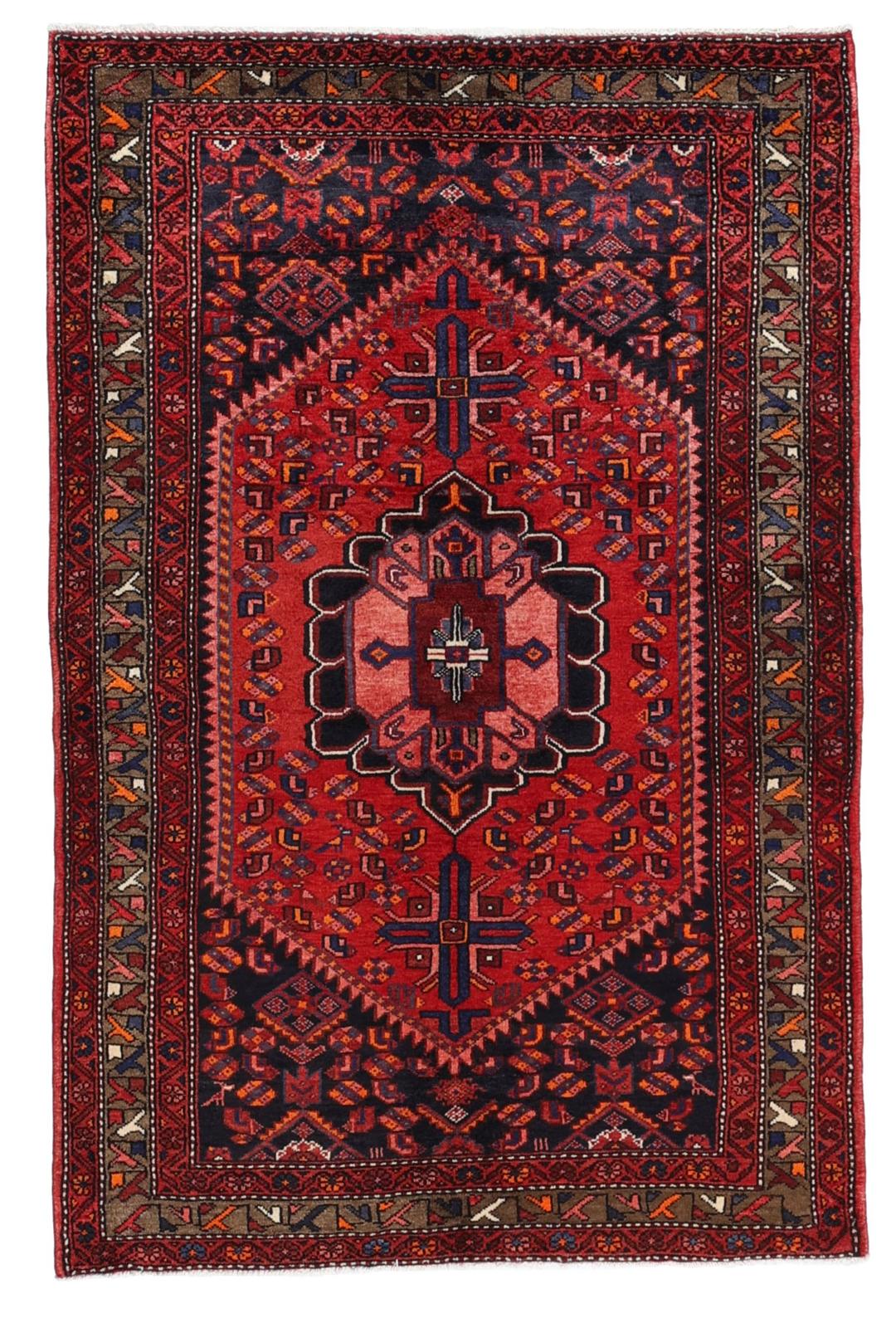
Hamadan rugs take their name from one of the oldest cities in the Middle East, a region that has served as a vital hub for trade and craftsmanship for centuries. Located in the western part of the region, Hamadan has long been a centre for a diverse range of weaving styles. While many rugs from this area are created in smaller surrounding villages, they all share a commitment to using local techniques that have been passed down through countless generations.
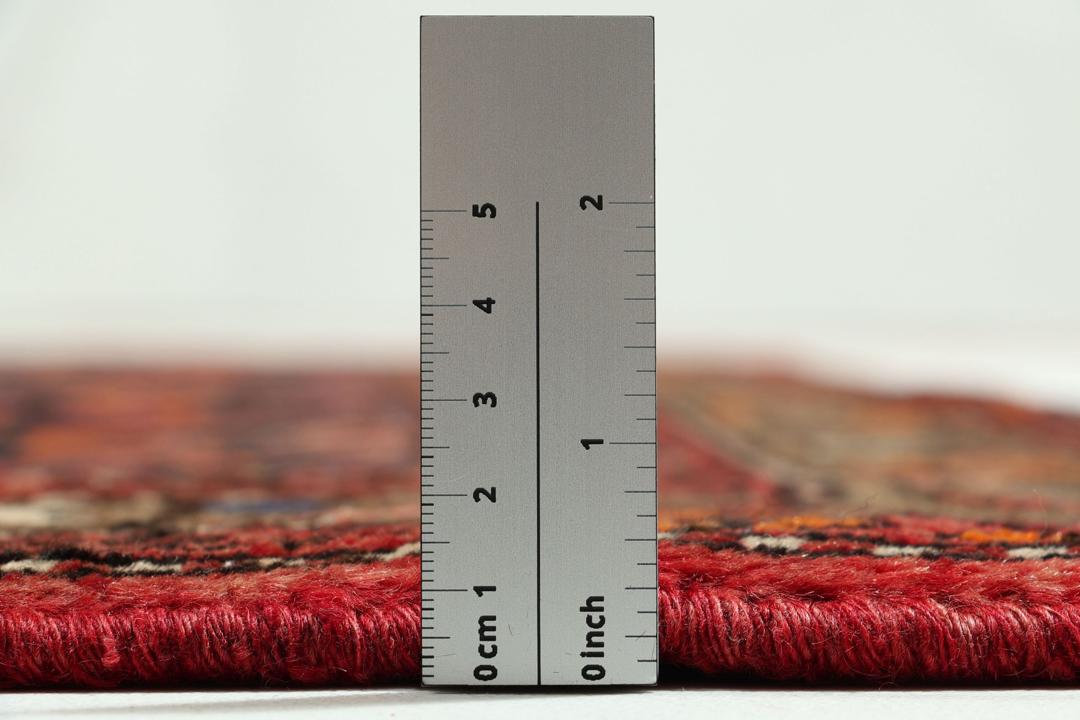
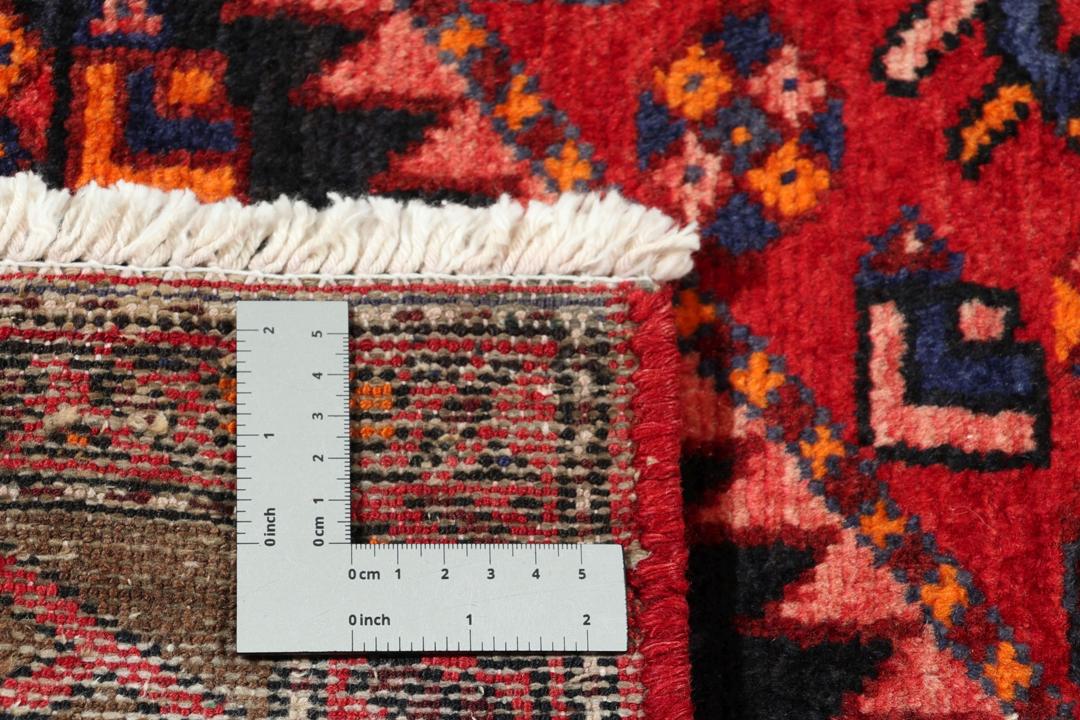
The term Hamadan often refers to a broad family of rugs, each reflecting the specific village or tribal identity of its maker. These rugs are known for their sturdy construction and the use of high-quality wool, which is often sourced from local mountain sheep. This regional tradition emphasises a practical, long-lasting construction that makes these rugs ideal for both daily use and as decorative accents that age with grace.
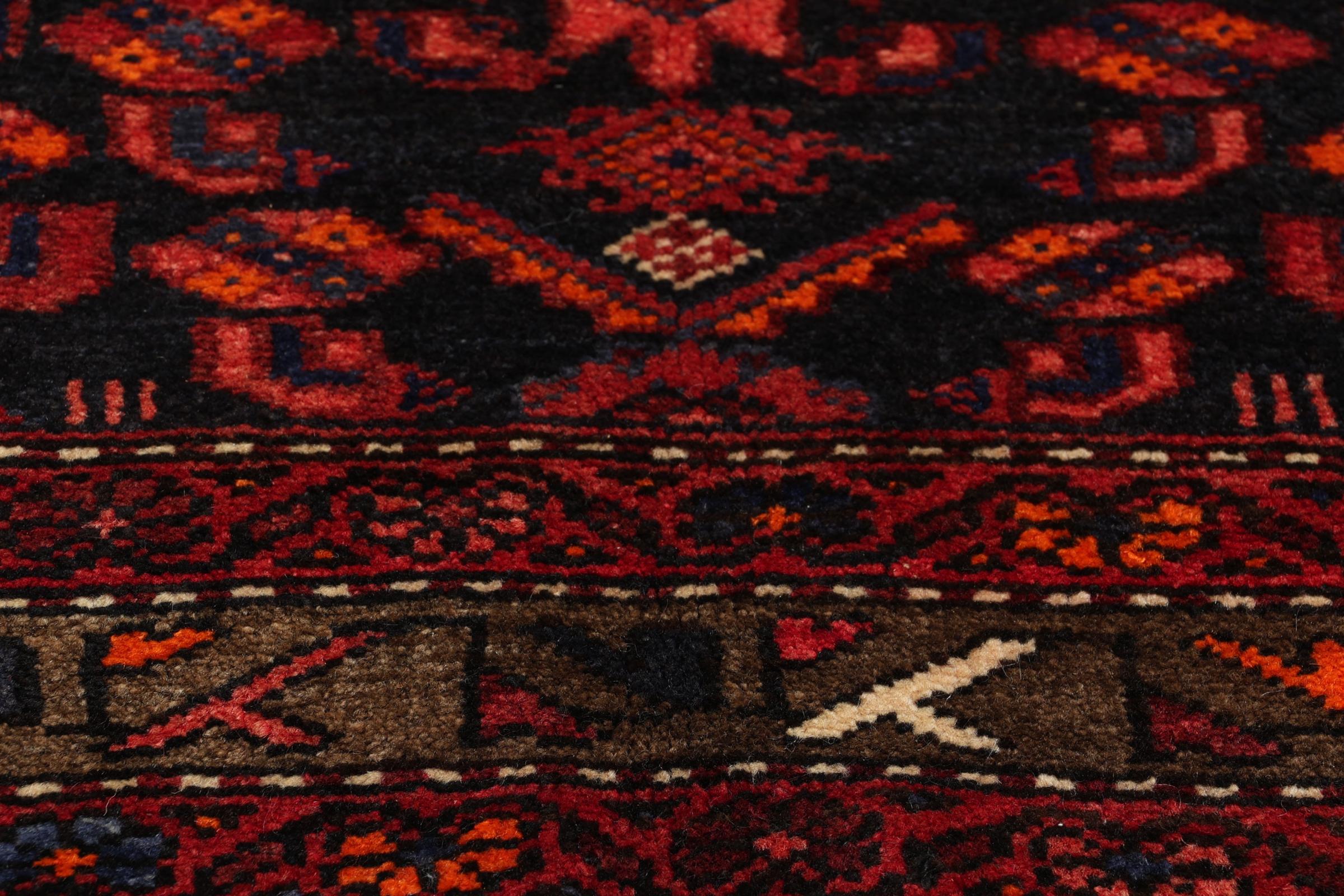
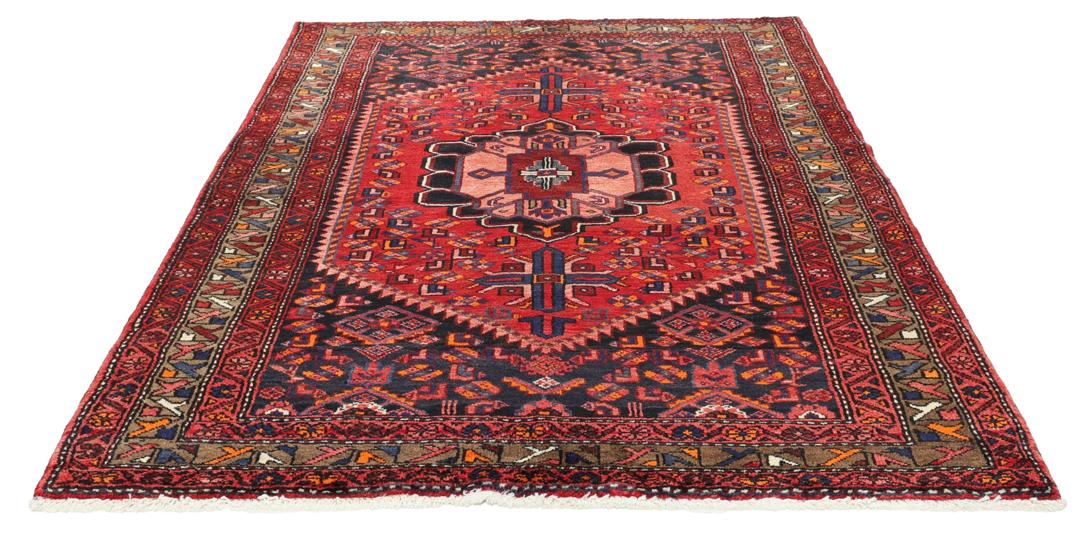
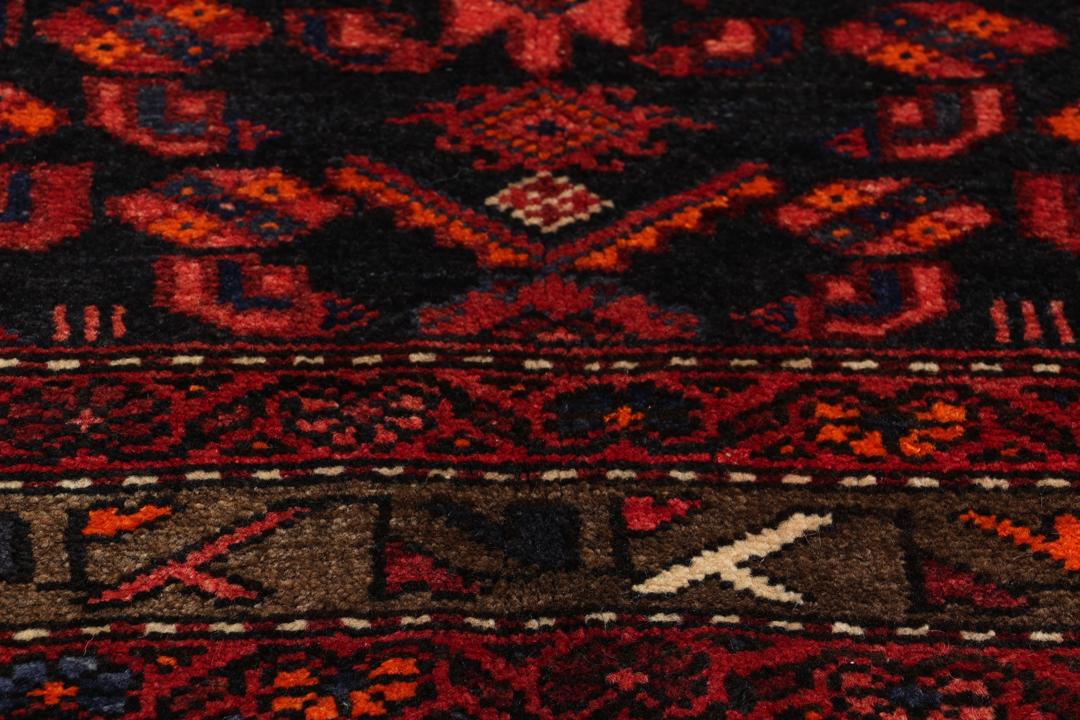
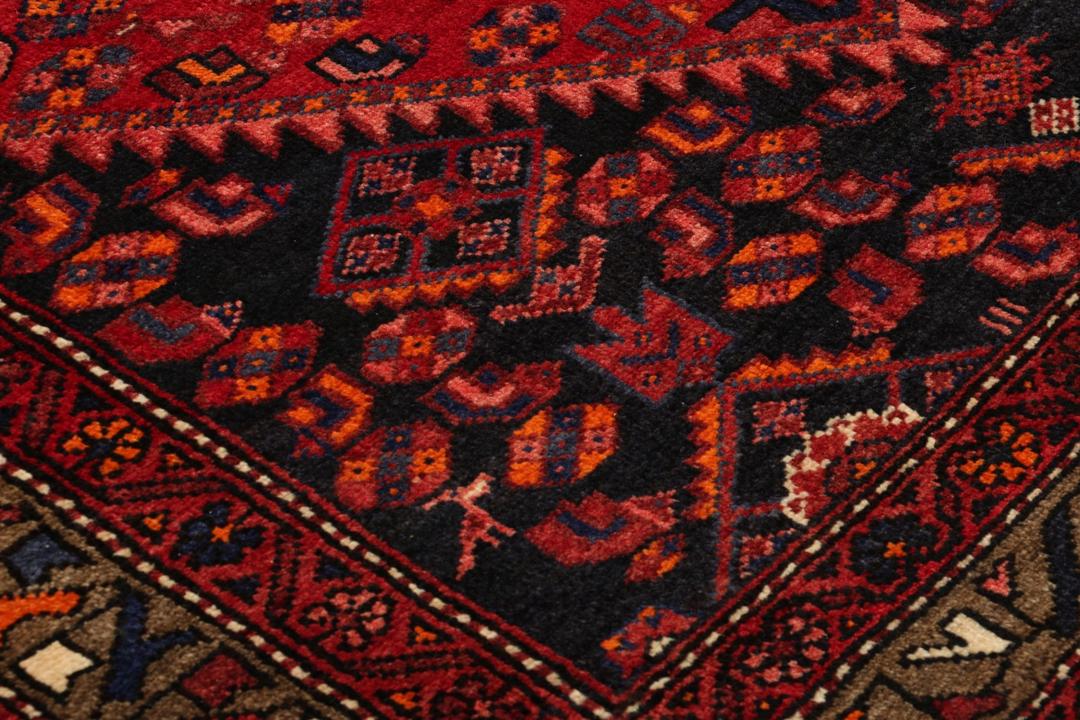
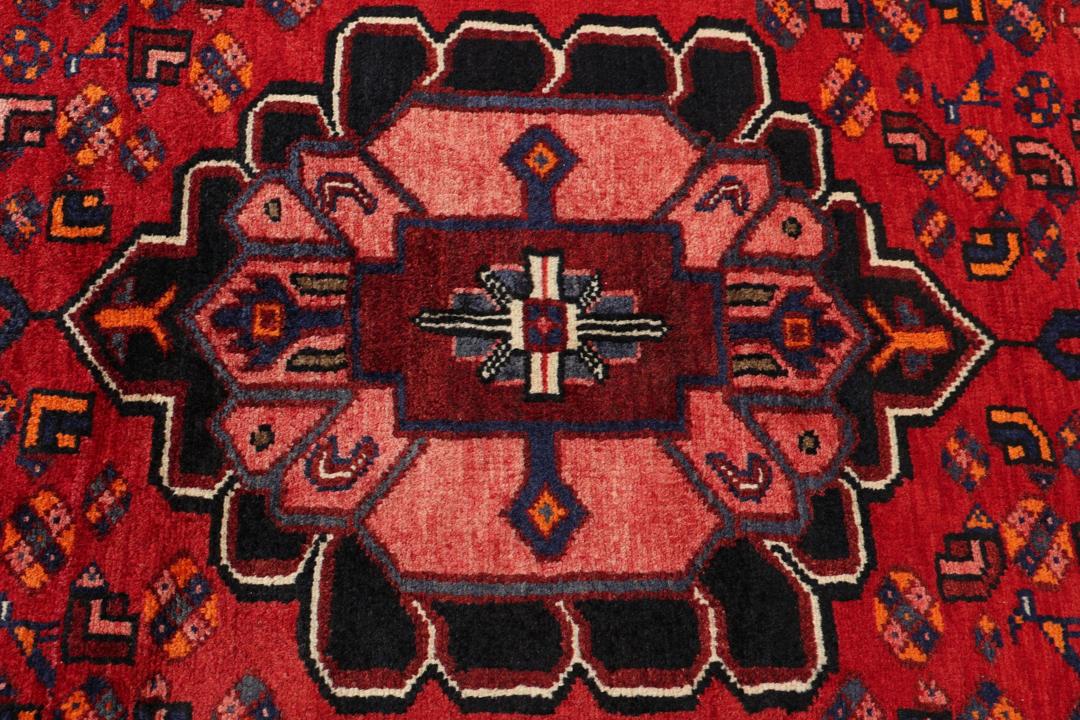
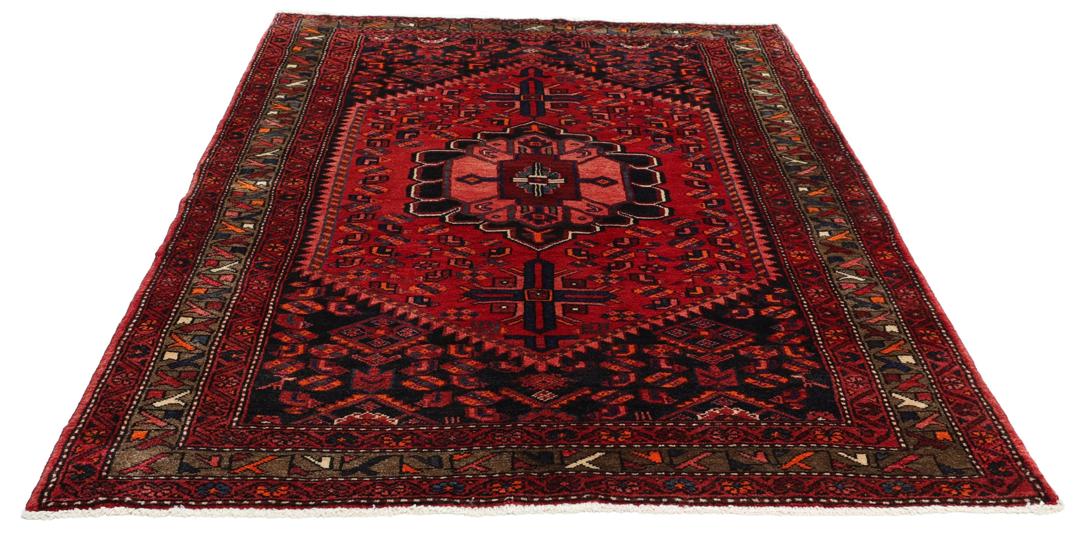
Visually, these rugs are celebrated for their bold use of geometric patterns and deep, earthy colour palettes. The centre is frequently dominated by a large, intricate medallion, often inspired by floral or tribal motifs, which is then surrounded by elaborate, repeating borders. This design language is a hallmark of the region, reflecting a blend of nomadic influences and settled urban design traditions that have evolved over centuries.
Collectors value these rugs for their authenticity and the clear connection they provide to a specific cultural heritage. Owning a Hamadan rug is an investment in human skill and a celebration of a tradition that refuses to be homogenised by modern industry. Each piece acts as a historical document, preserving the artistic choices and technical expertise of the artisan who brought it to life.