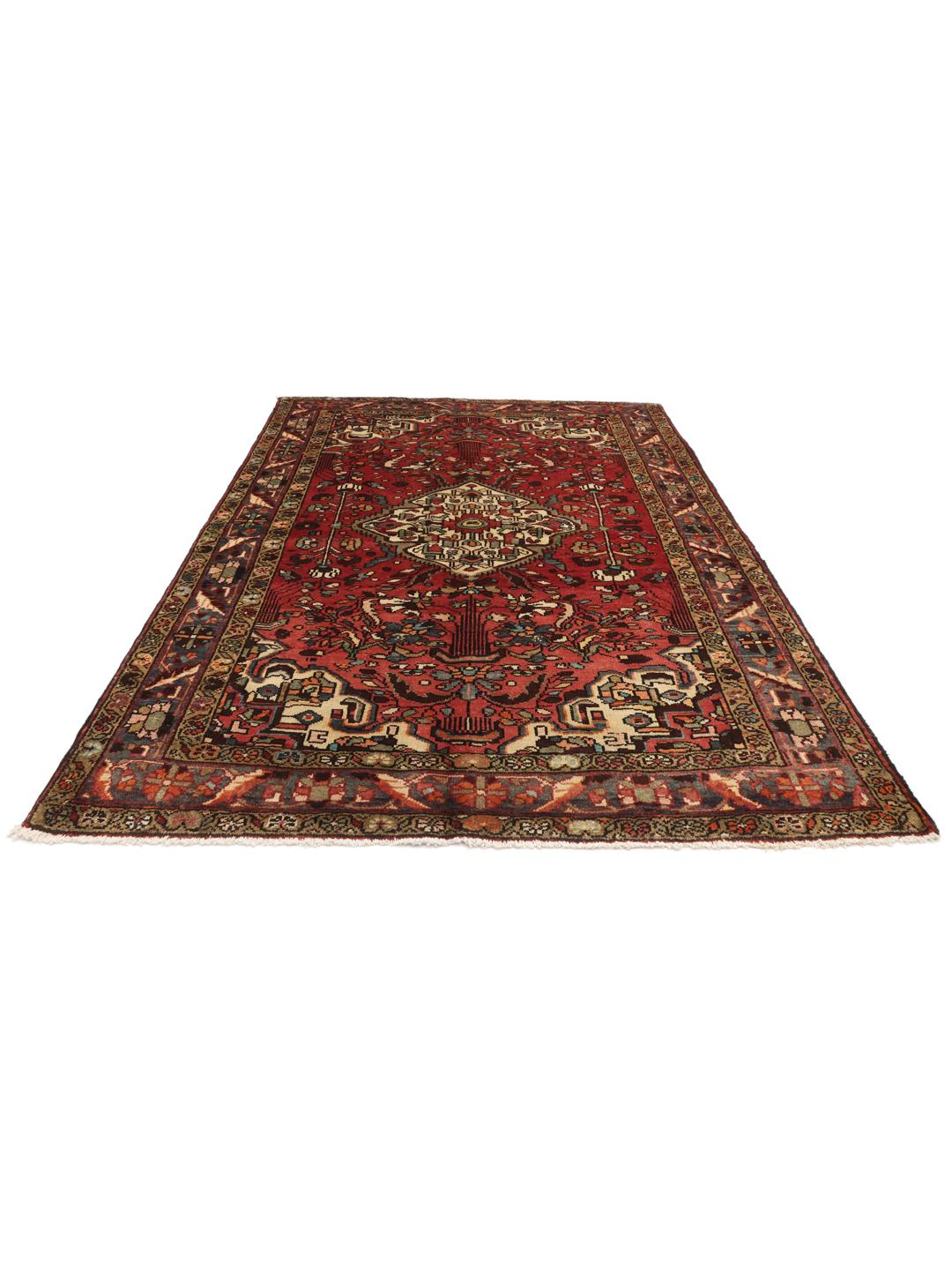
Hamadan rugs originate from one of the oldest cities in the Middle East, a region with a weaving tradition that stretches back centuries. Located in the mountainous west, Hamadan serves as a commercial hub for hundreds of surrounding villages, each contributing its own variations to the local style. This geographical diversity means that rugs from this area often exhibit a wonderful range of tribal and village-inspired designs.
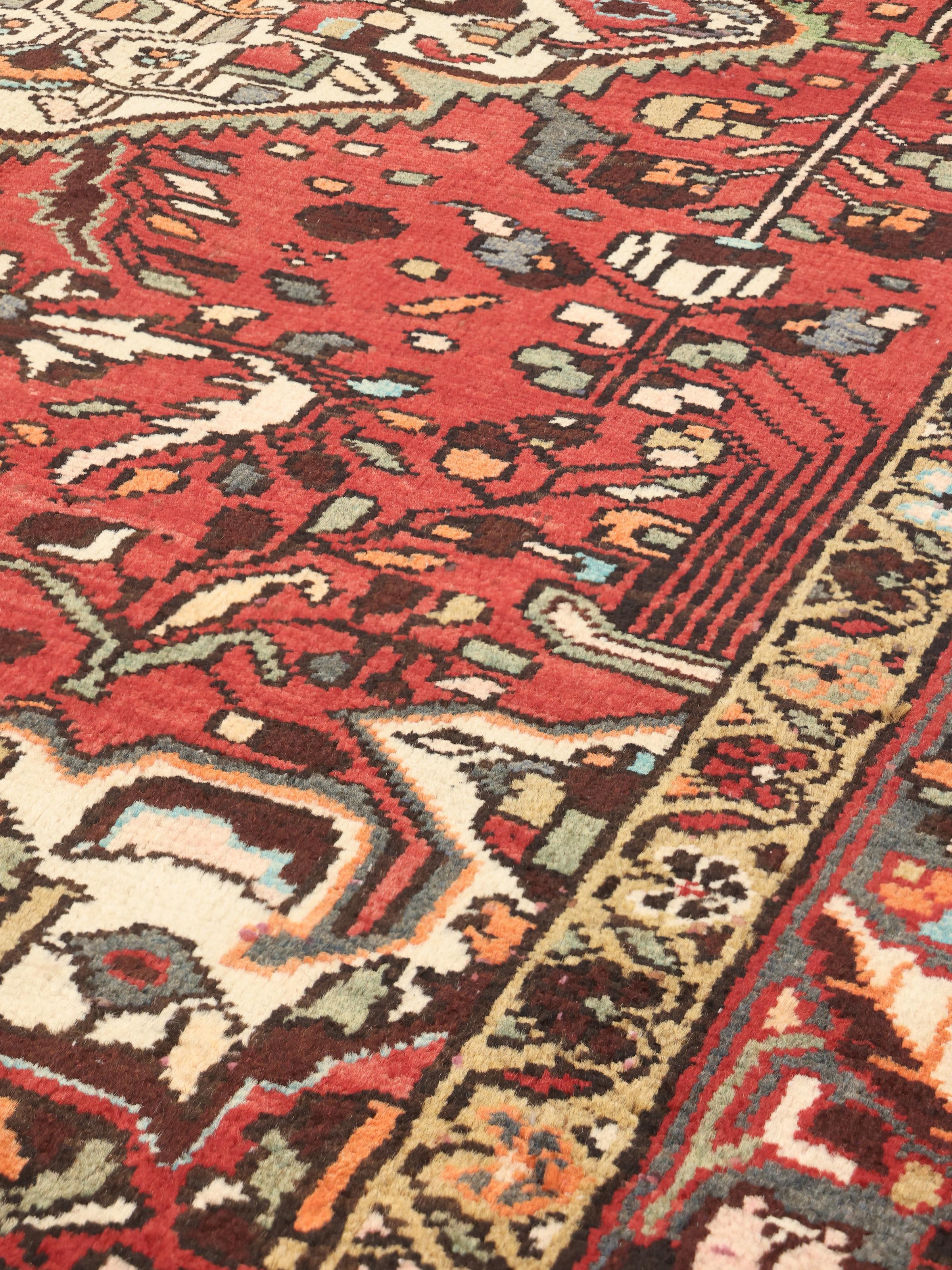
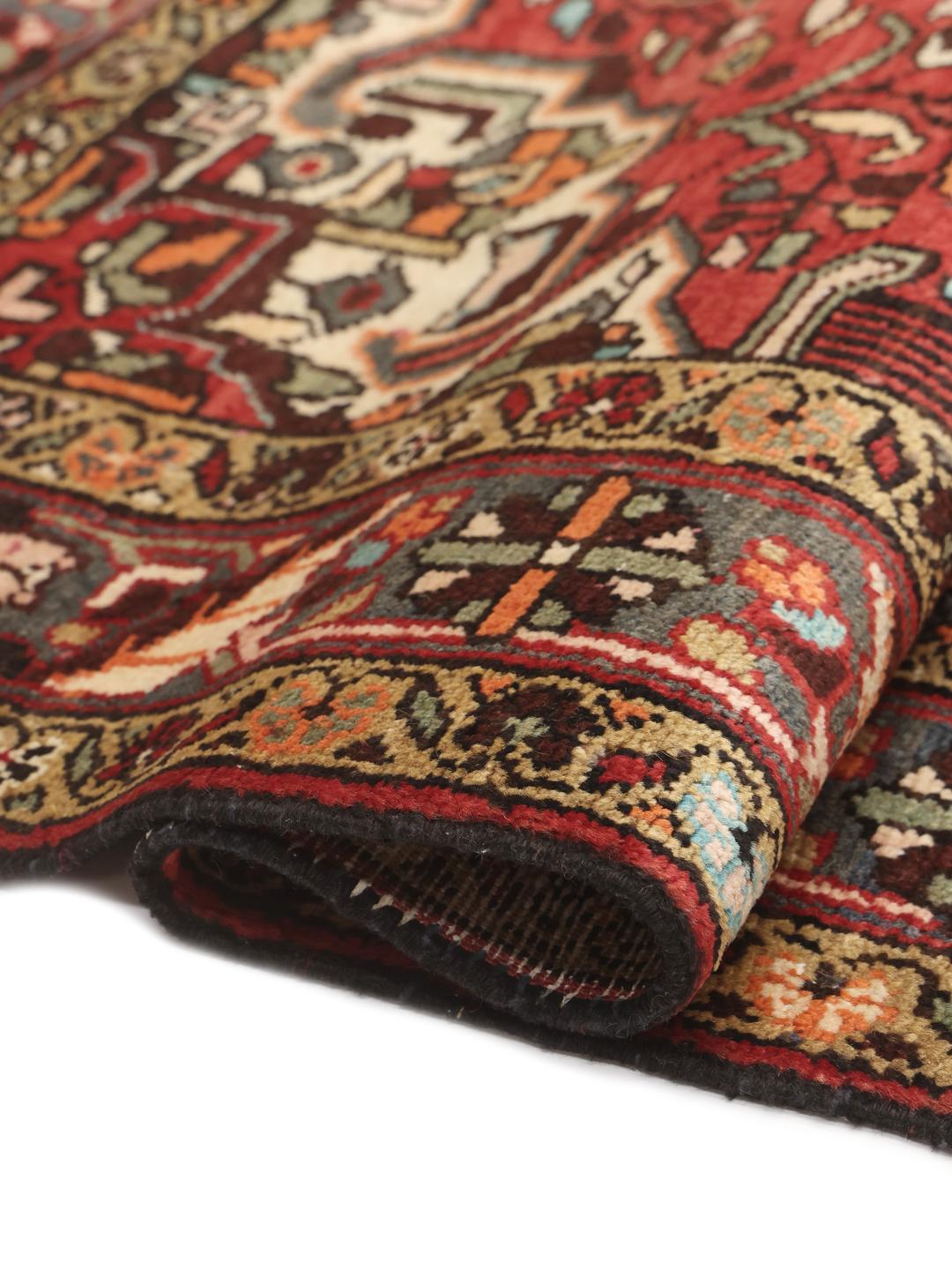
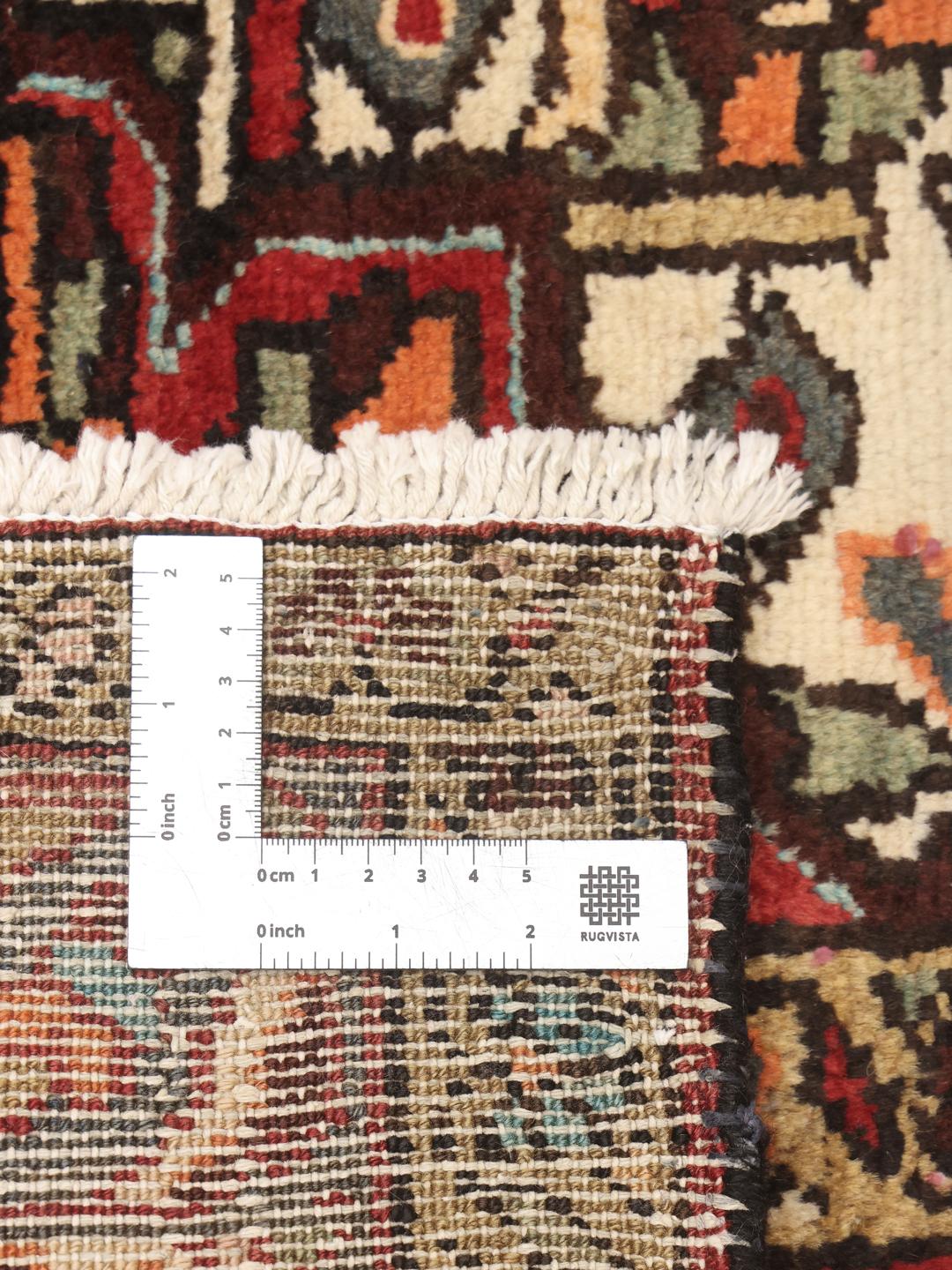
The craft of these rugs is defined by the use of high-quality wool, which is often sourced from local mountain sheep. The wool is typically spun with a natural resilience that makes these pieces incredibly long-lasting. By using traditional, time-tested methods, weavers ensure that every rug is not just a decorative item, but a durable piece of functional art that can withstand decades of daily use.
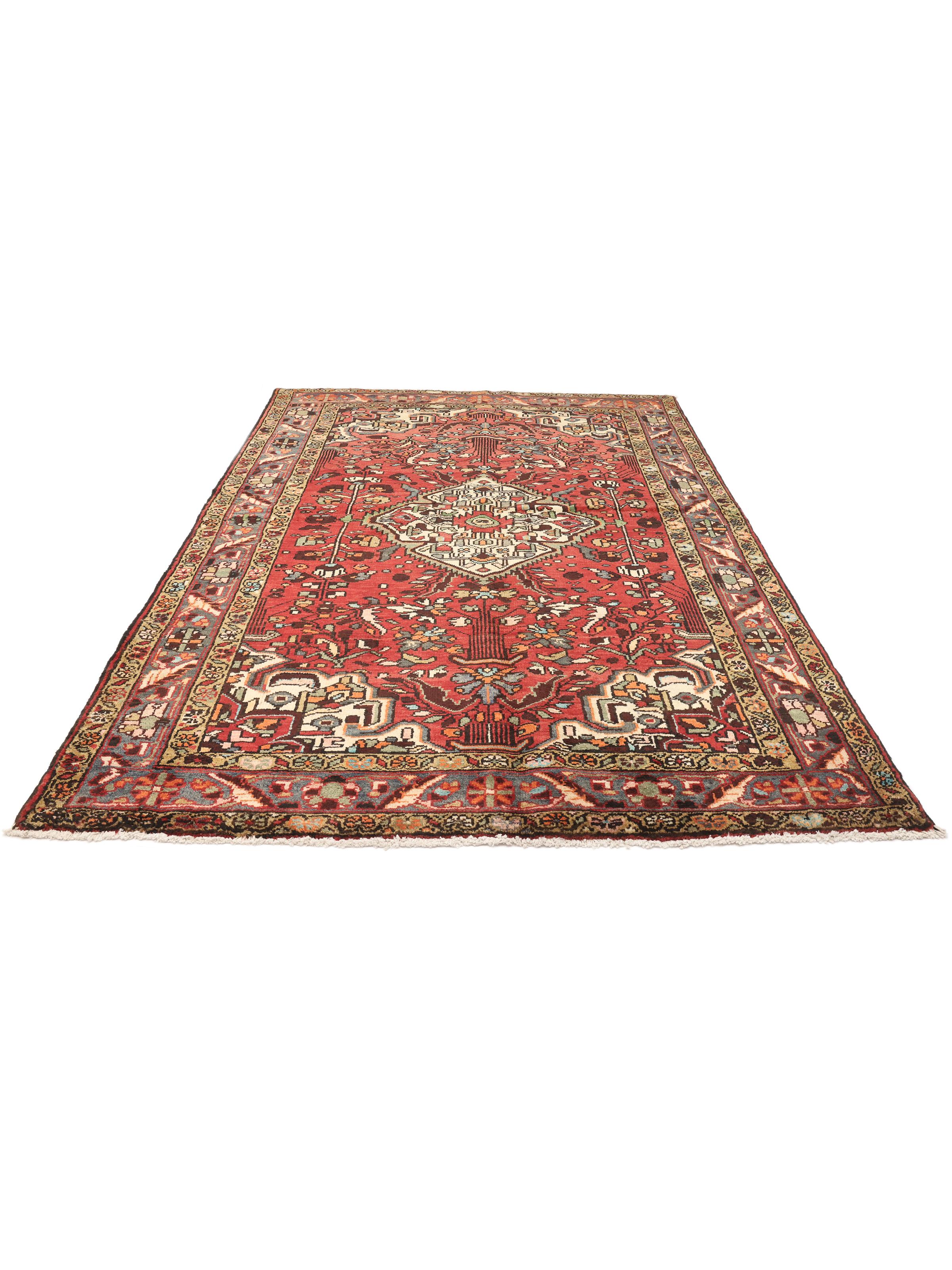
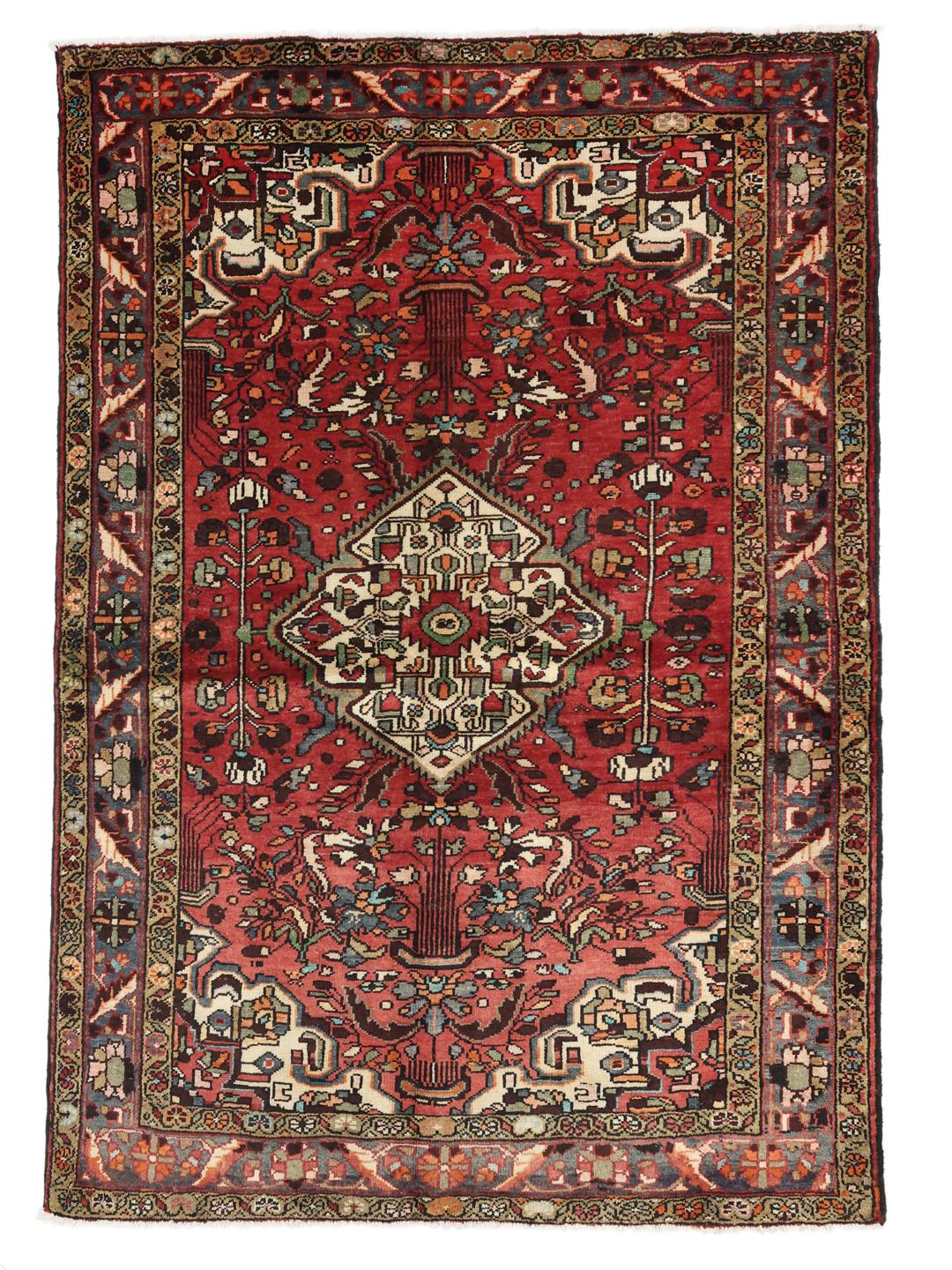
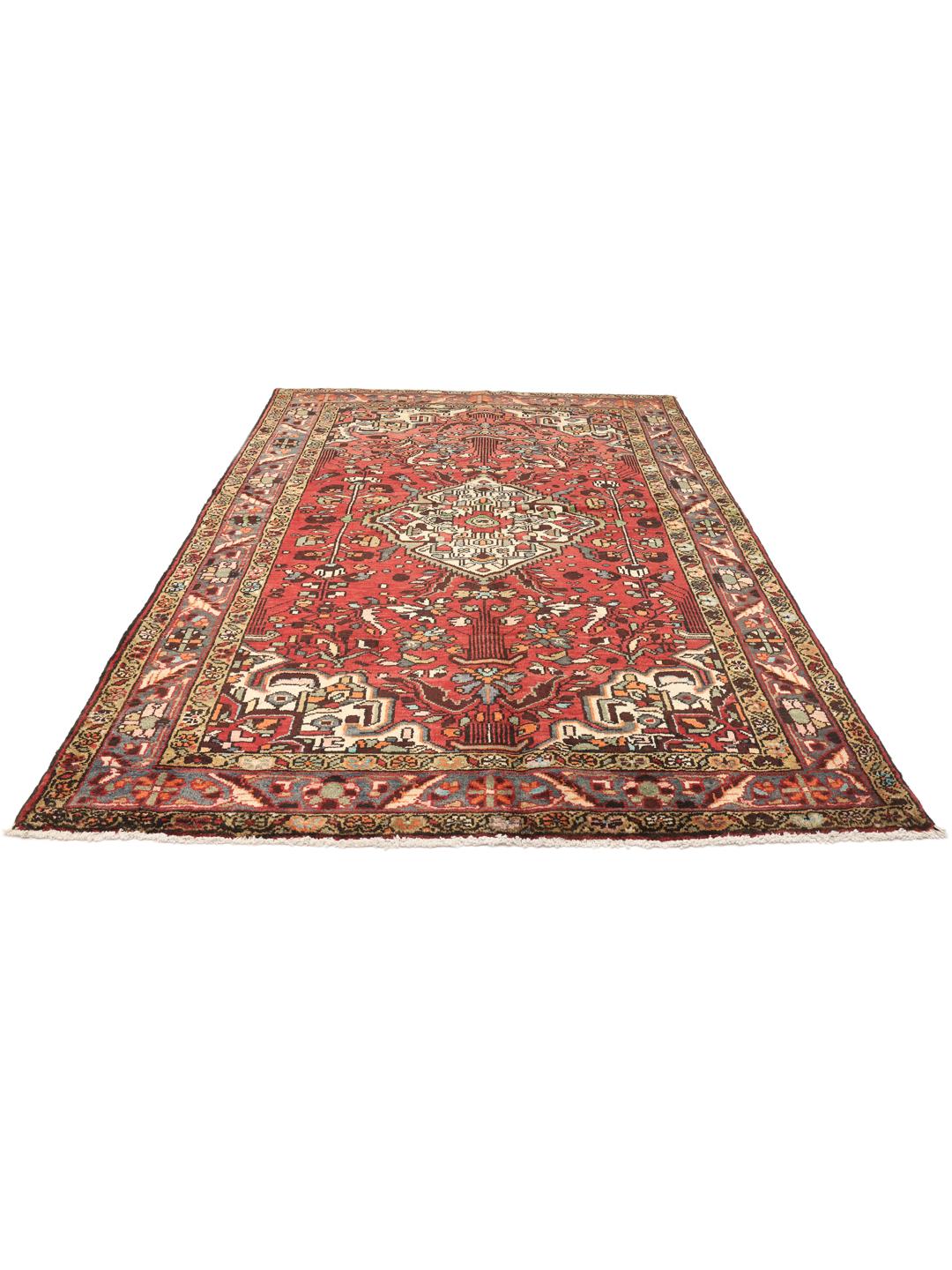
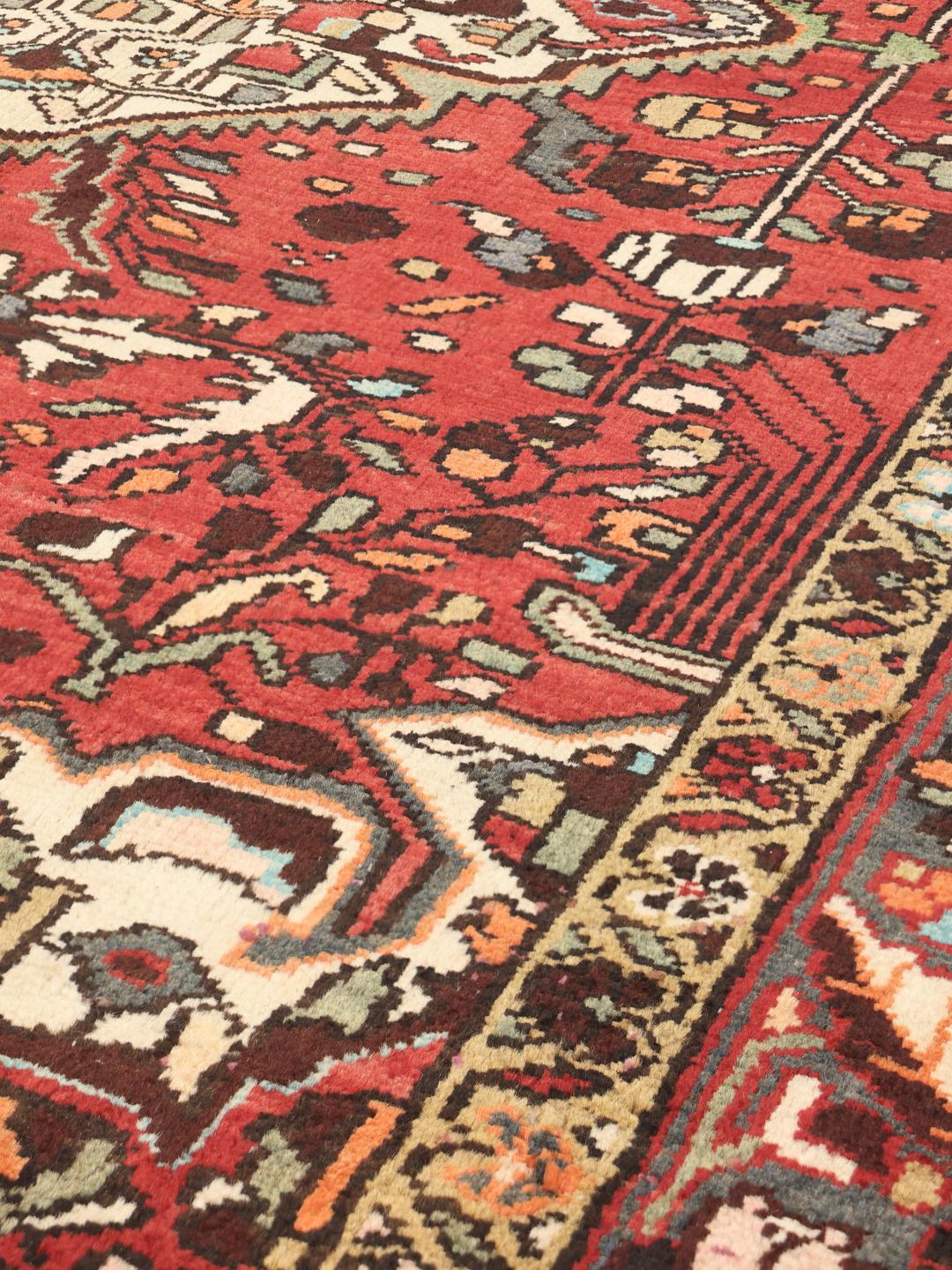
Visually, Hamadan rugs are famous for their bold, geometric interpretations of floral patterns and their iconic central medallions. The borders are often complex, featuring repeating motifs that frame the field with precision. While the classic palette is dominated by deep reds and blues, it is common to see accents of ivory, green, and gold, which add depth and contrast to the overall composition.
Collecting a Hamadan rug is a way to connect with a storied past. These rugs are highly valued for their authenticity and the skill required to produce them. Owning one is an investment in cultural heritage, representing a level of human dedication and aesthetic tradition that remains highly sought after by those who appreciate the beauty of hand-crafted floor coverings.