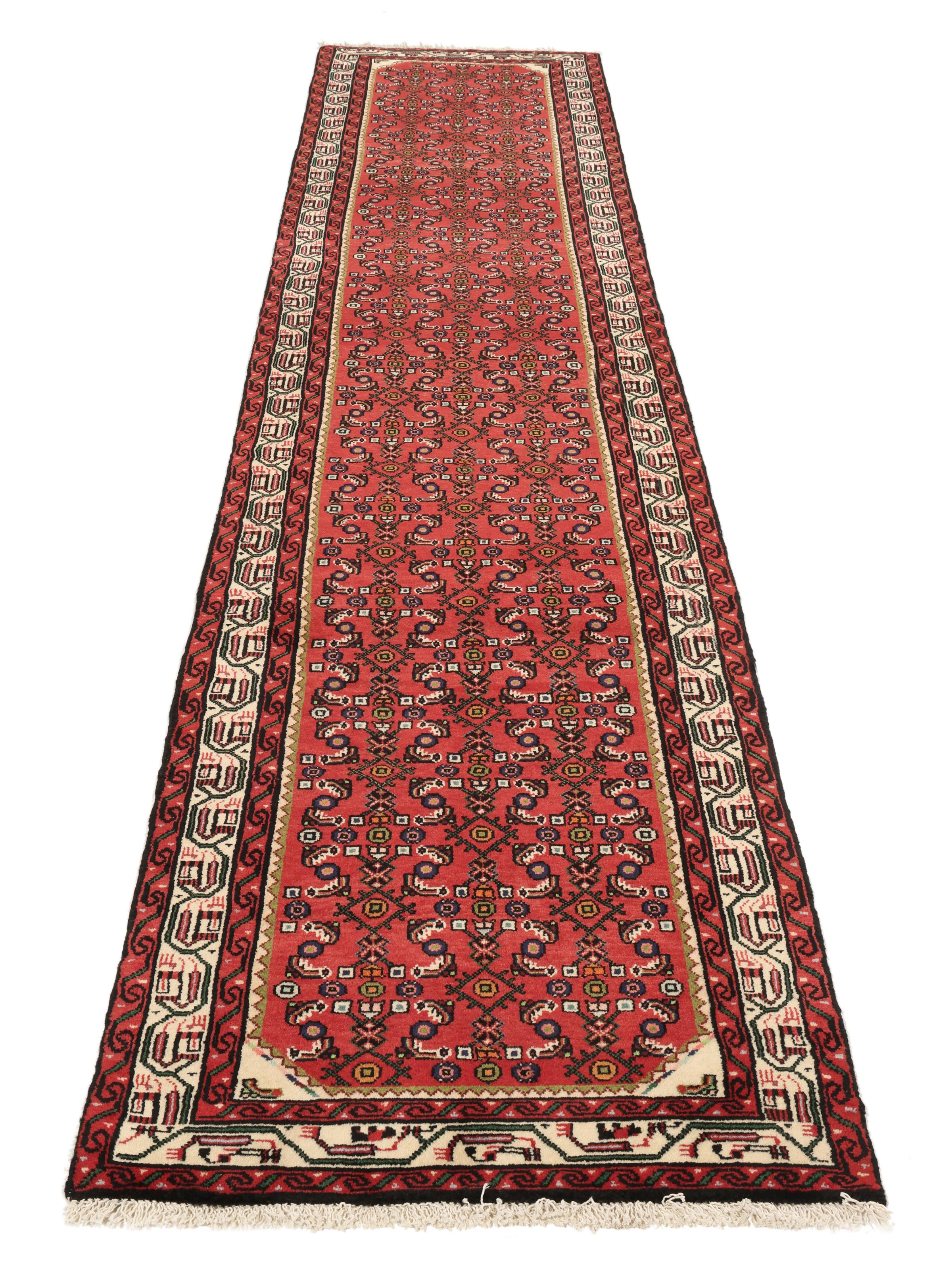
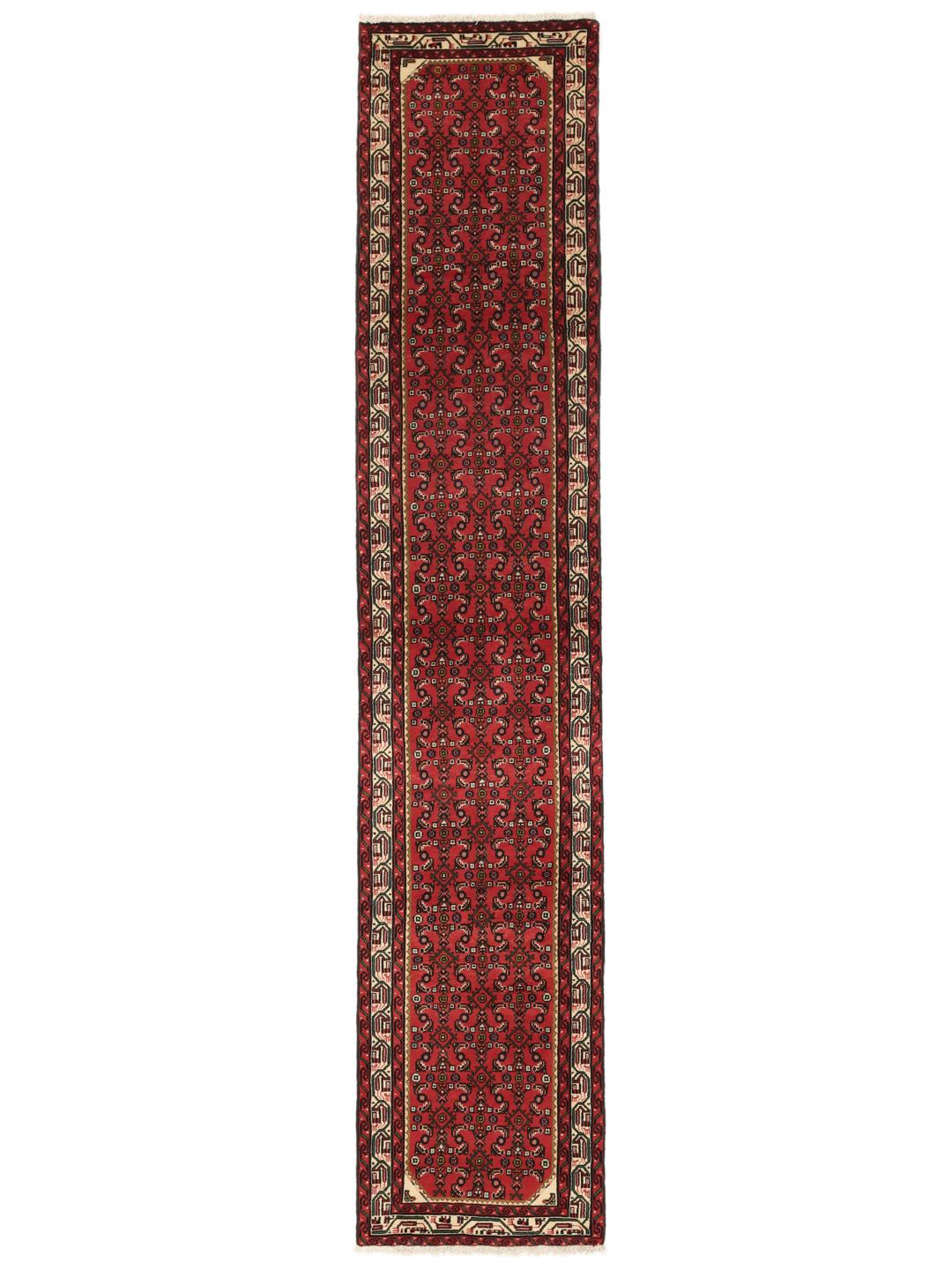
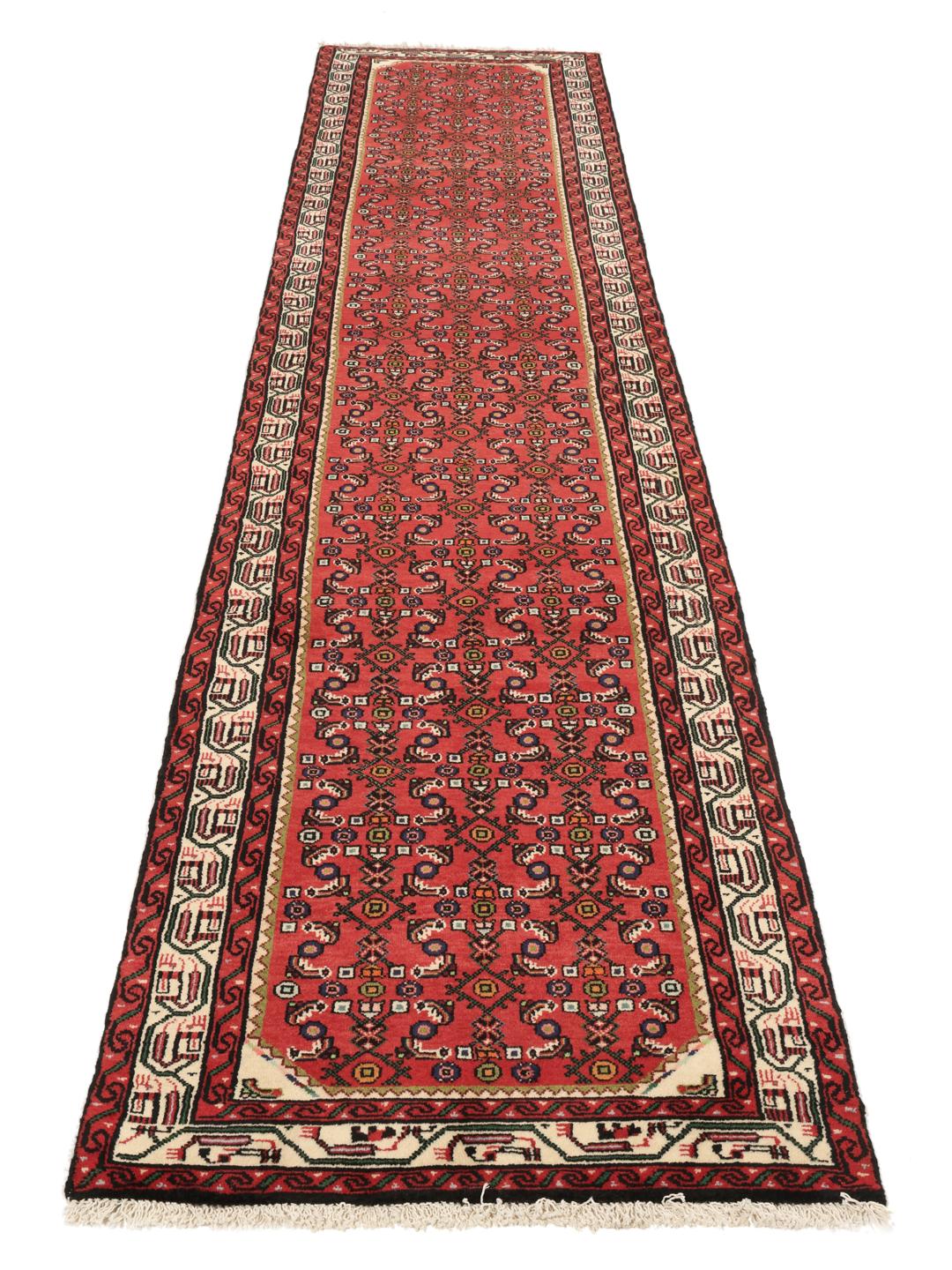
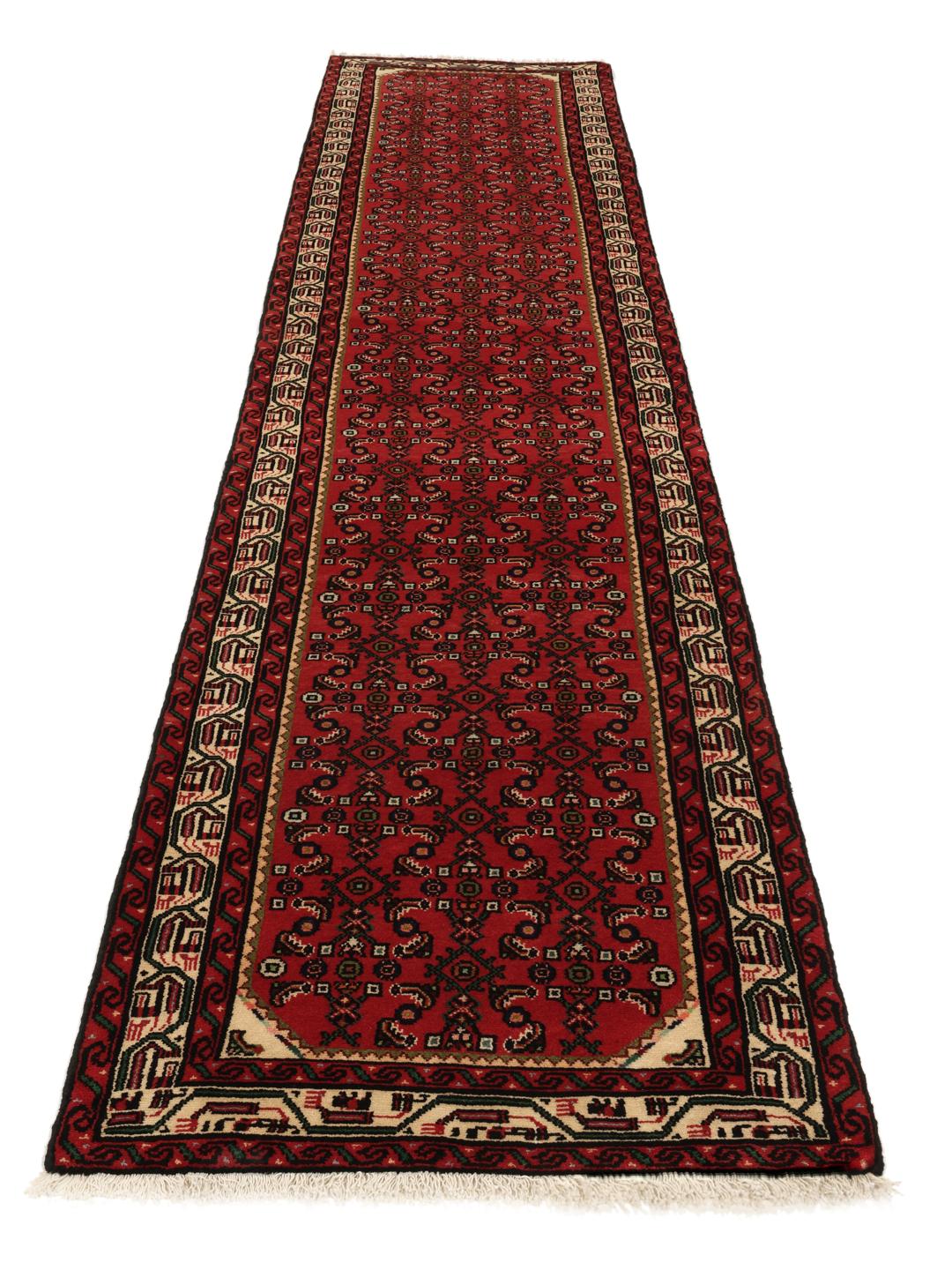
The Hamadan region in the Middle East is one of the most prolific and historically significant centres for rug weaving. Nestled in a mountainous area, the region has long been home to countless villages, each with its own subtle variations in weaving style and design. These rugs are highly regarded for their robust construction and the use of high-quality local materials, which have made them a staple in homes for centuries.
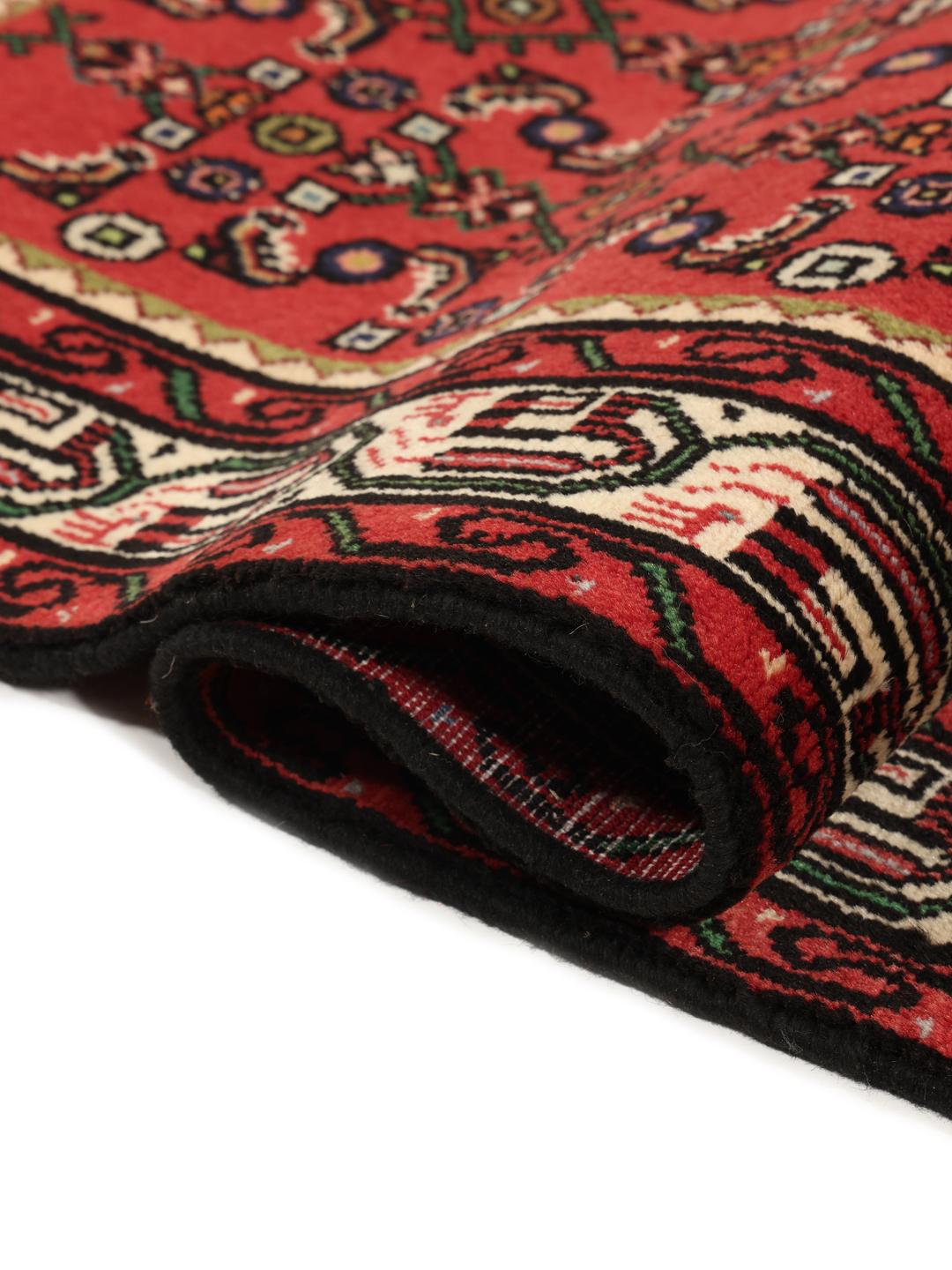
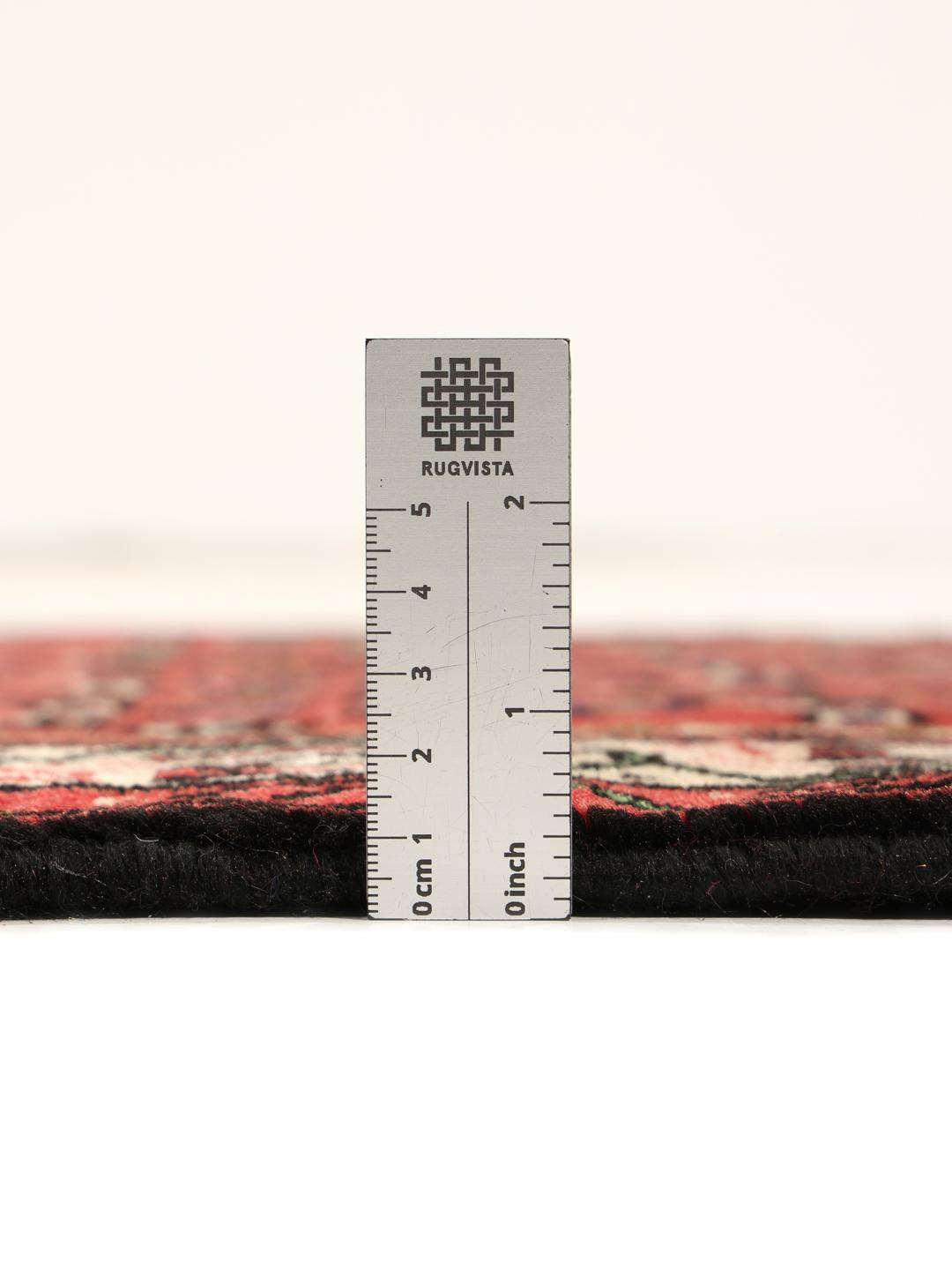
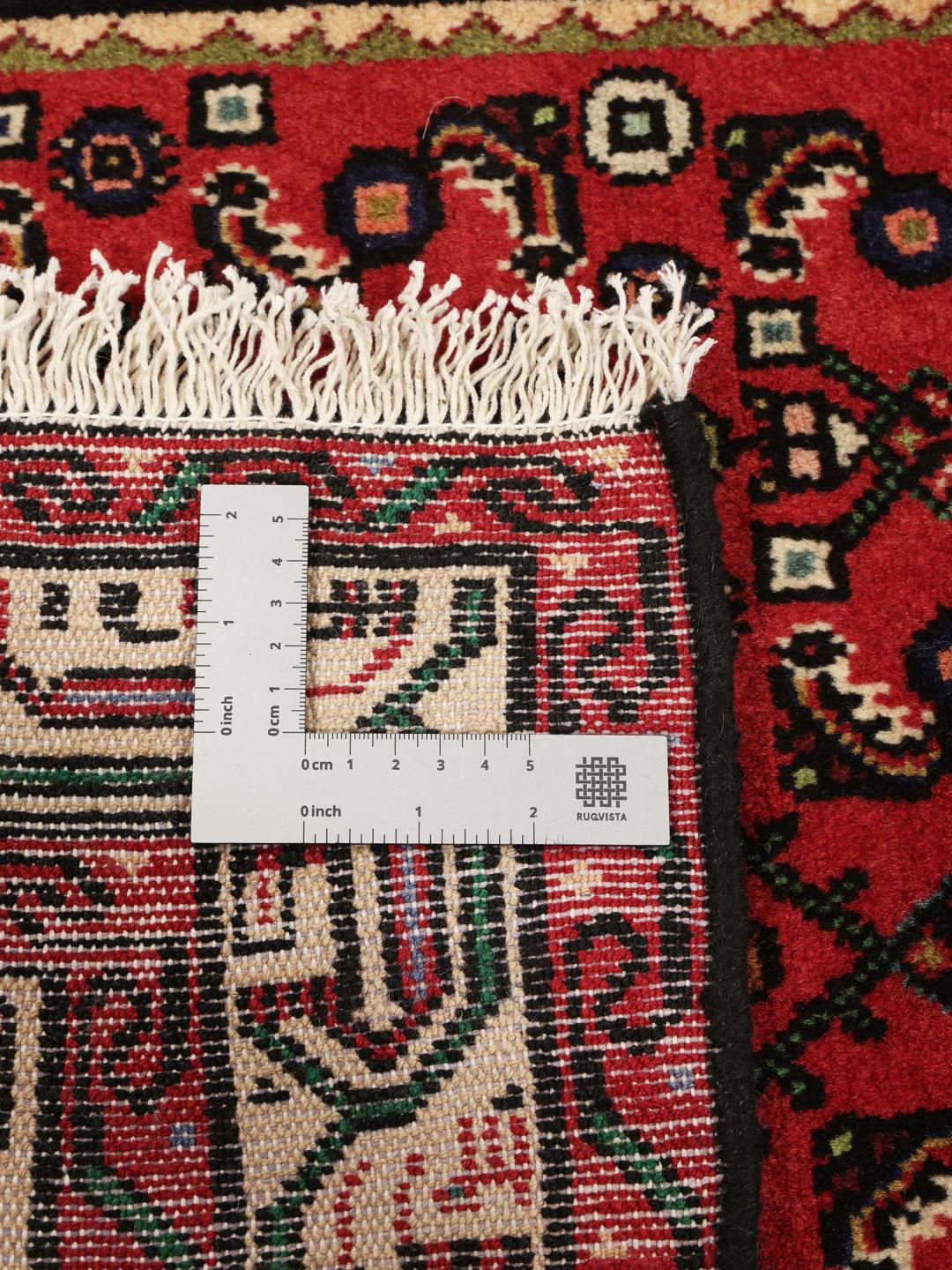
In the world of hand-knotted rugs, the term Hamadan refers to a broad tradition rather than a single style. These rugs are typically crafted with a sturdy foundation, which provides the necessary strength for the long, narrow runner format. This construction is a testament to the practical needs of the region, where rugs were designed to be both beautiful enough to serve as focal points and durable enough to handle the rigours of mountain life.
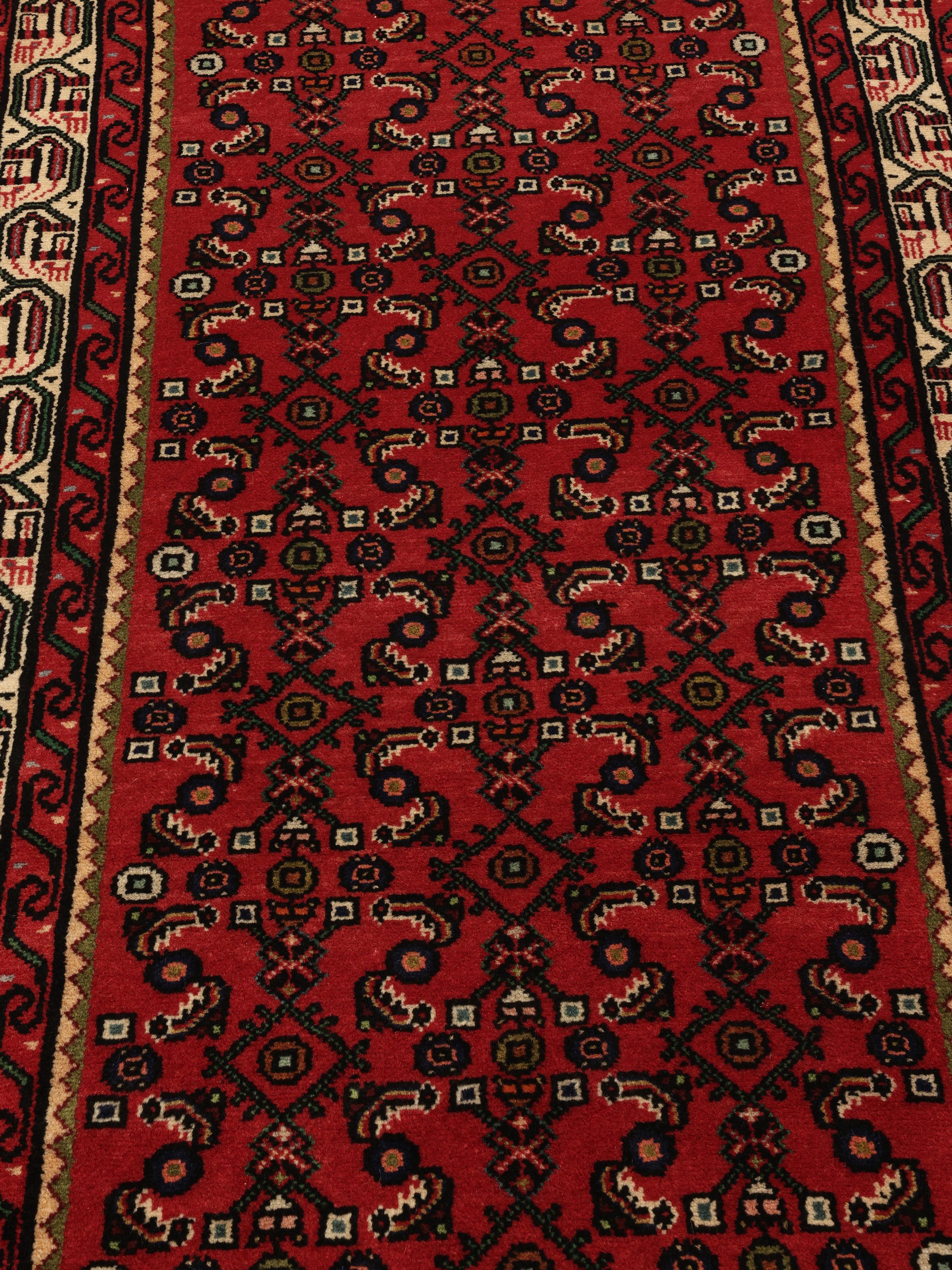
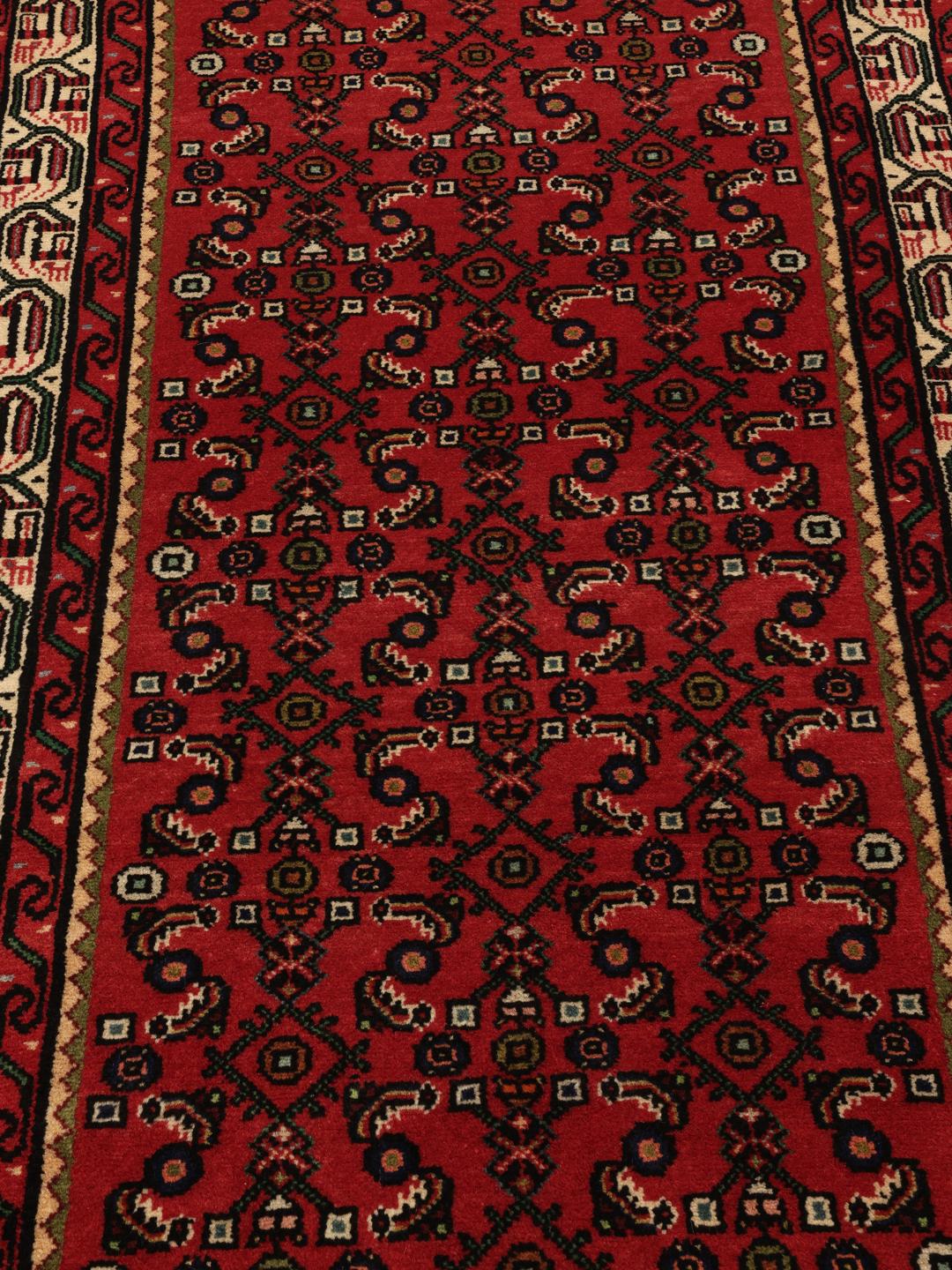
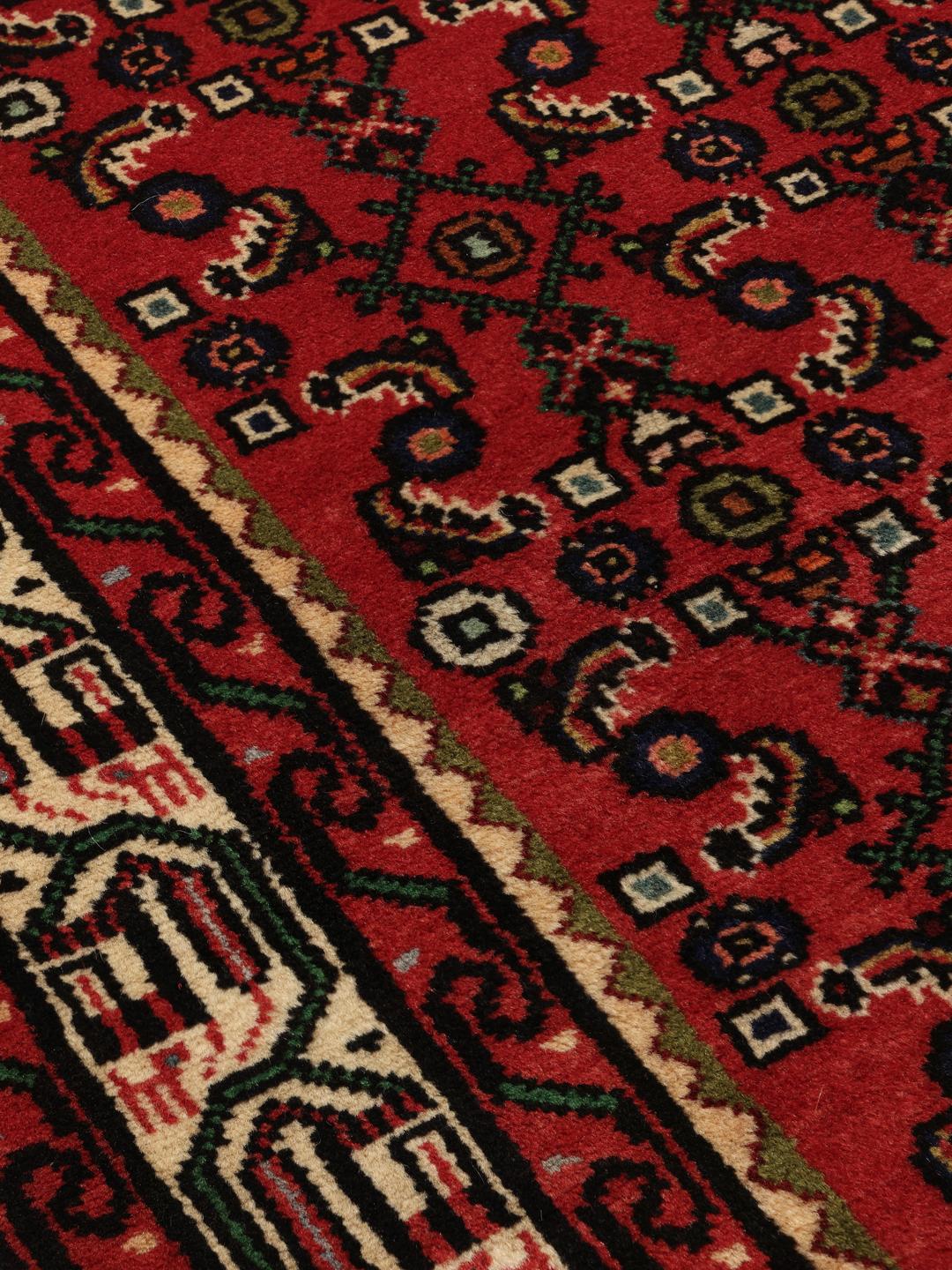
The design language of Hamadan rugs is remarkably diverse, often featuring geometric motifs, central medallions, or intricate floral patterns. The borders are frequently well-defined, framing the central field and creating a cohesive look that is both balanced and visually engaging. The use of deep, resonant colours is a hallmark of the tradition, with natural dyes often providing a richness that matures beautifully over time.
Collectors value these rugs for their authenticity and the clear link they provide to a centuries-old craft tradition. Owning a Hamadan is more than just purchasing a floor covering; it is an opportunity to house a piece of cultural history. The combination of local skill, traditional patterns, and long-lasting materials ensures that these rugs remain a cherished feature in any collection.