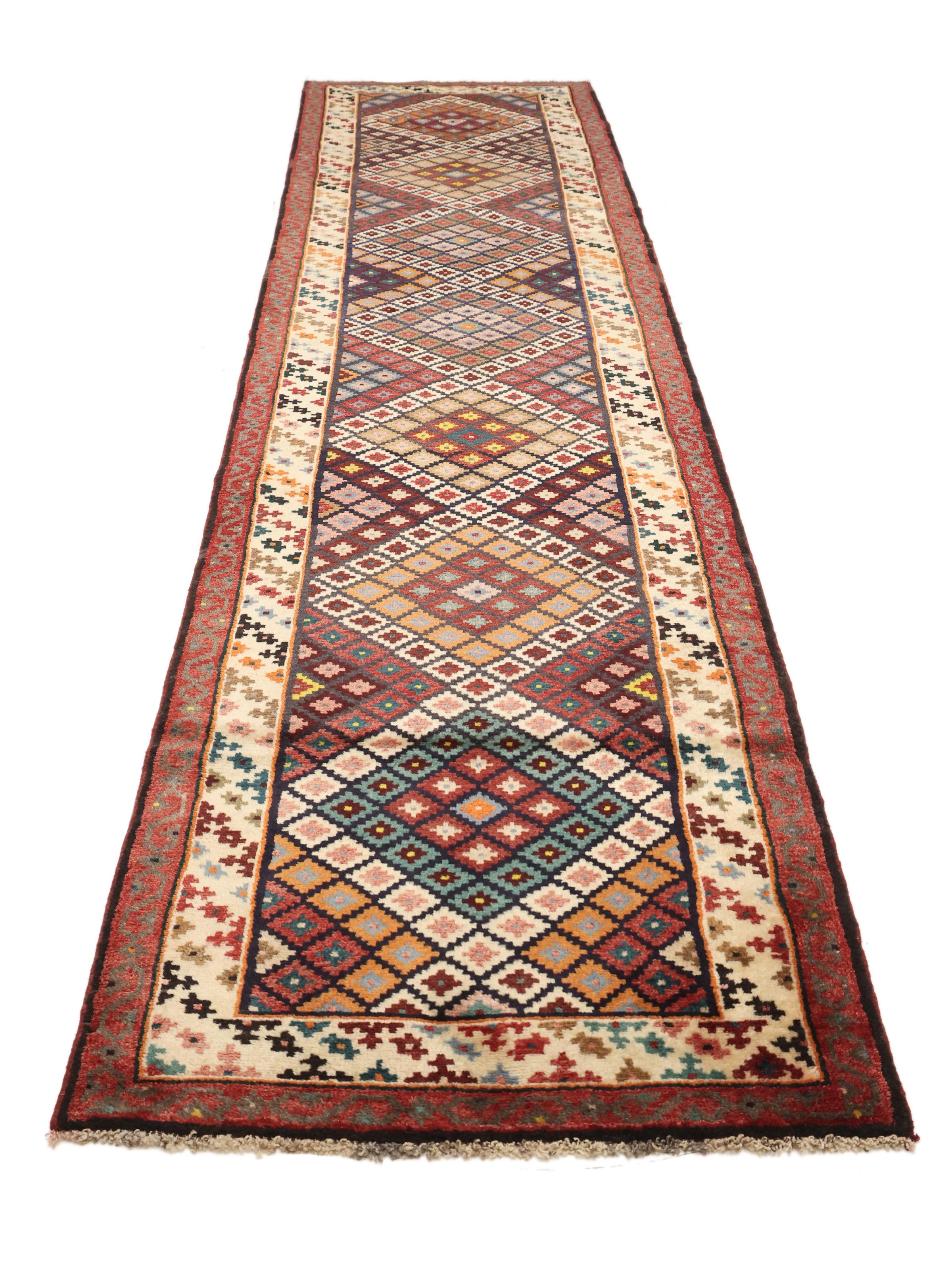
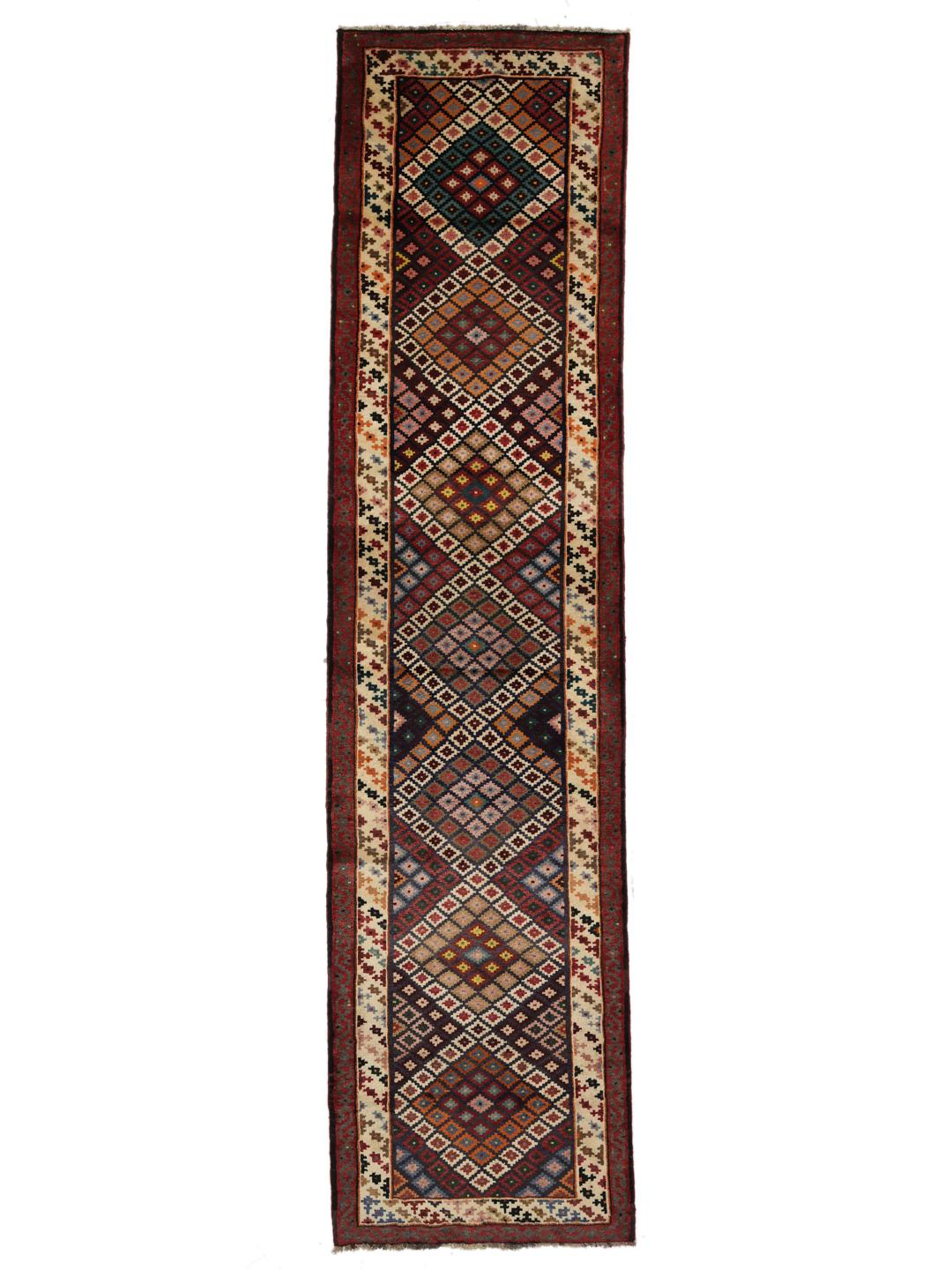
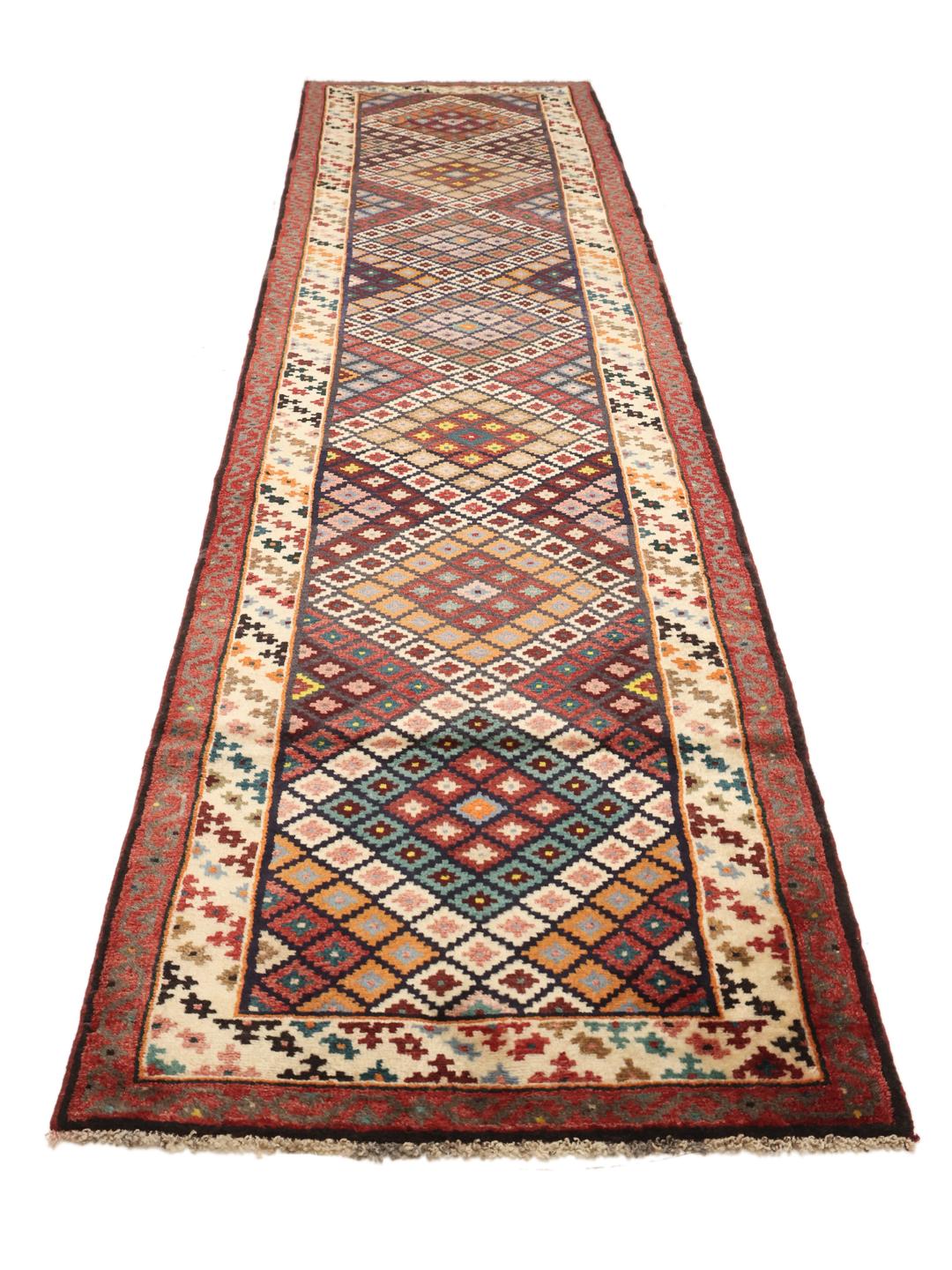
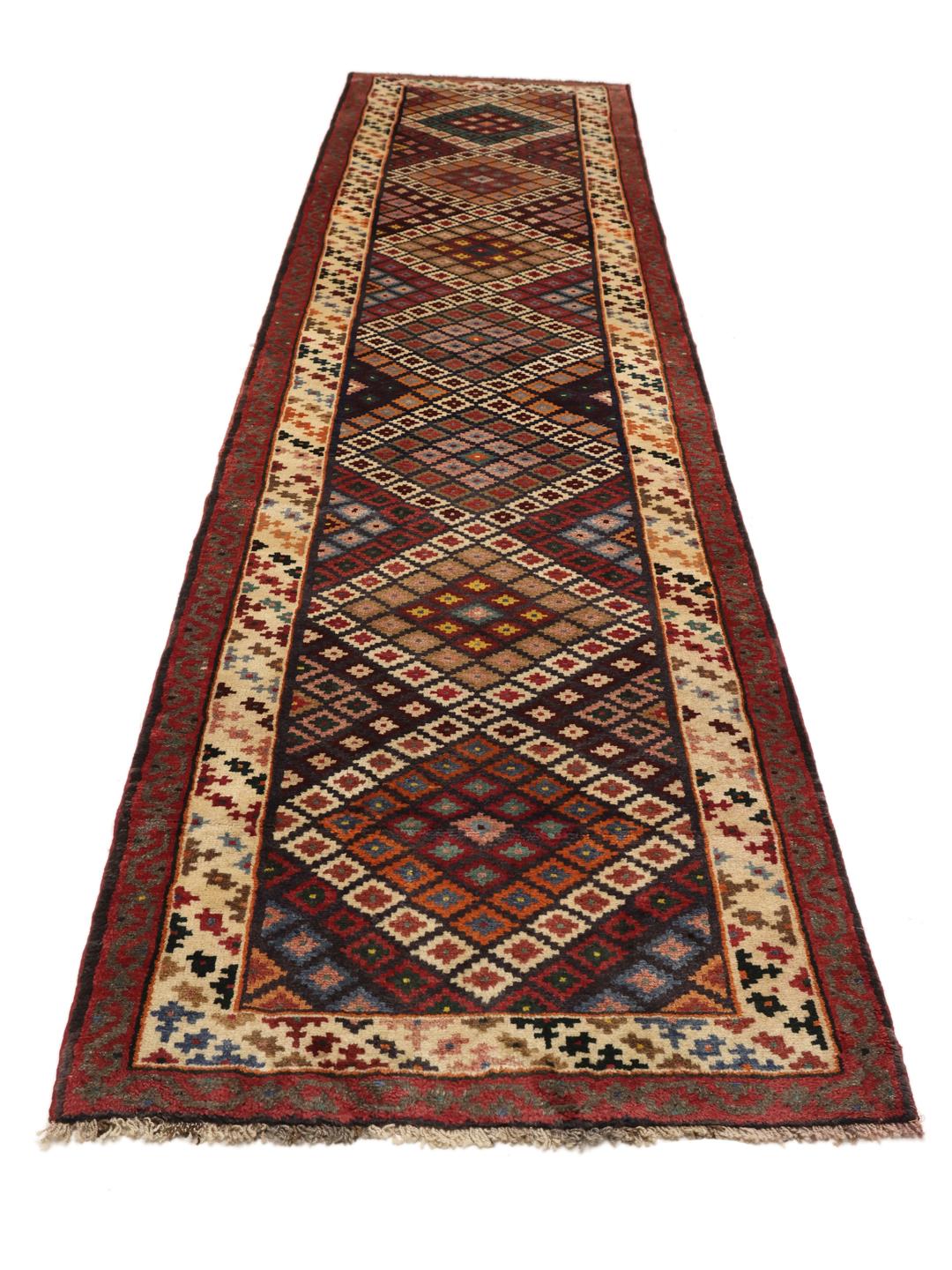
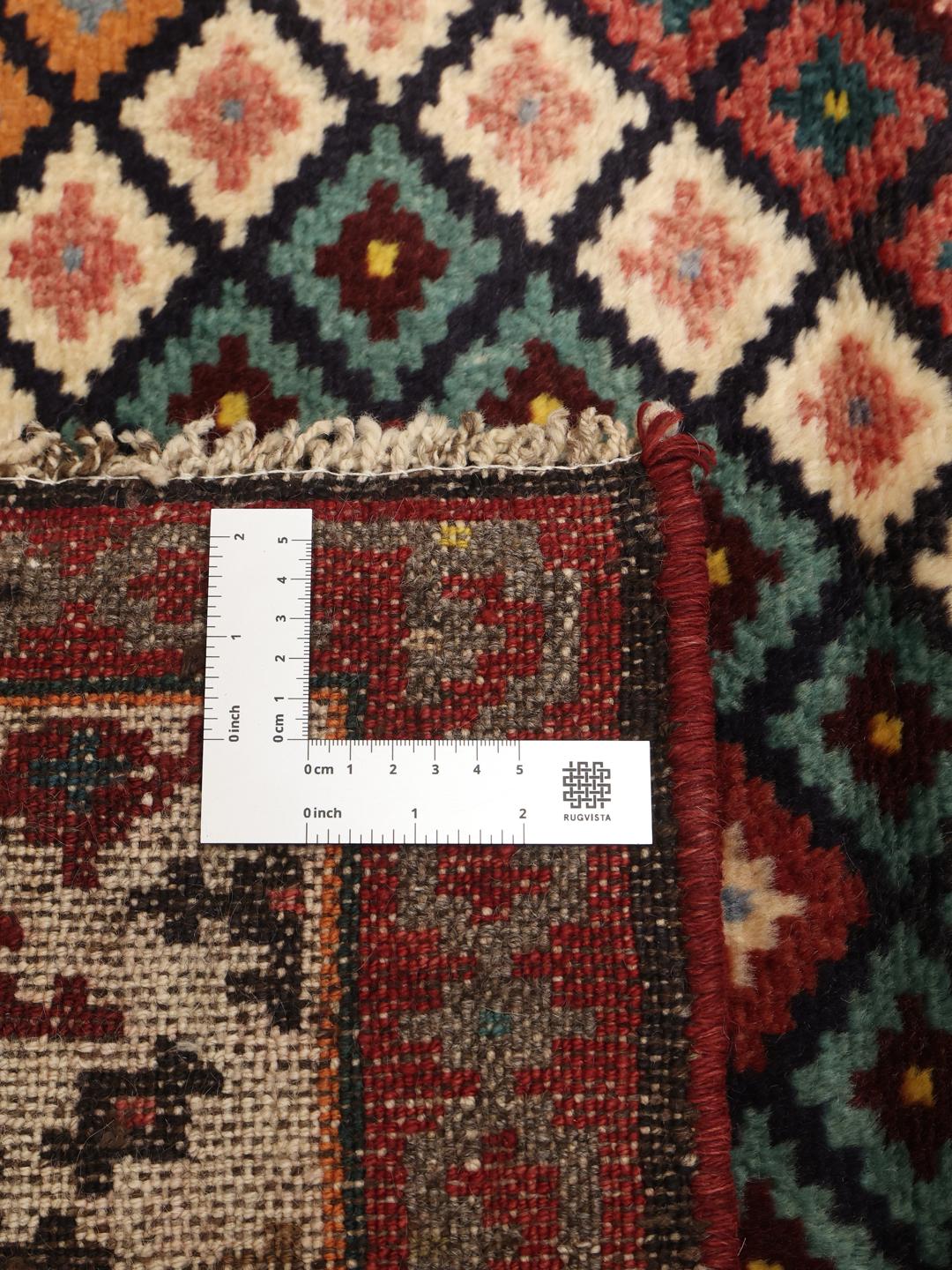
The Hamadan region in the Middle East is one of the most prolific and storied centres for rug production. Located in a mountainous area that has served as a crossroads for trade for centuries, the weaving traditions here are deeply rooted in the local culture. These rugs are renowned for their incredible variety, as they are produced in hundreds of surrounding villages, each contributing its own subtle variations in design and colour palette.
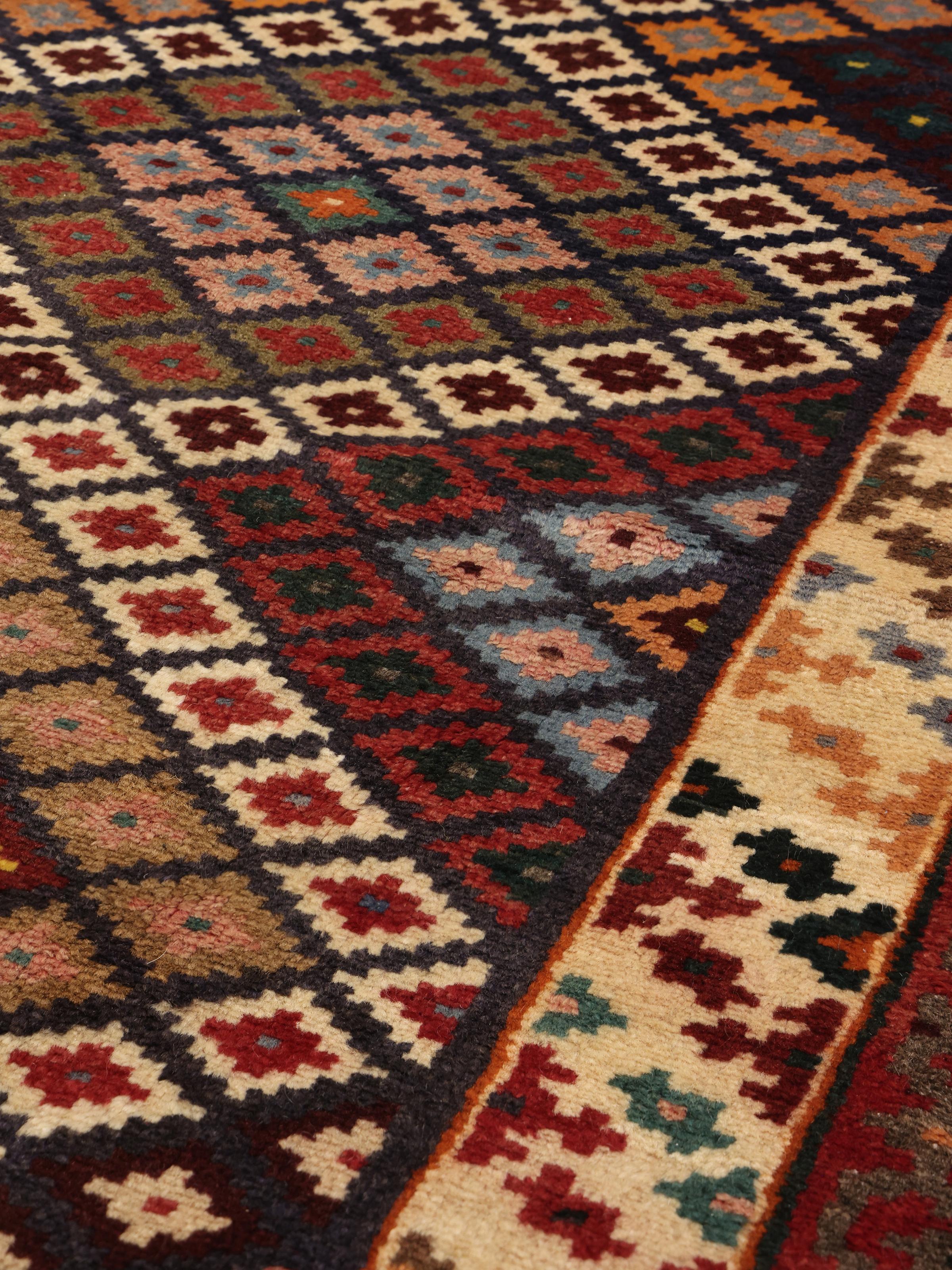
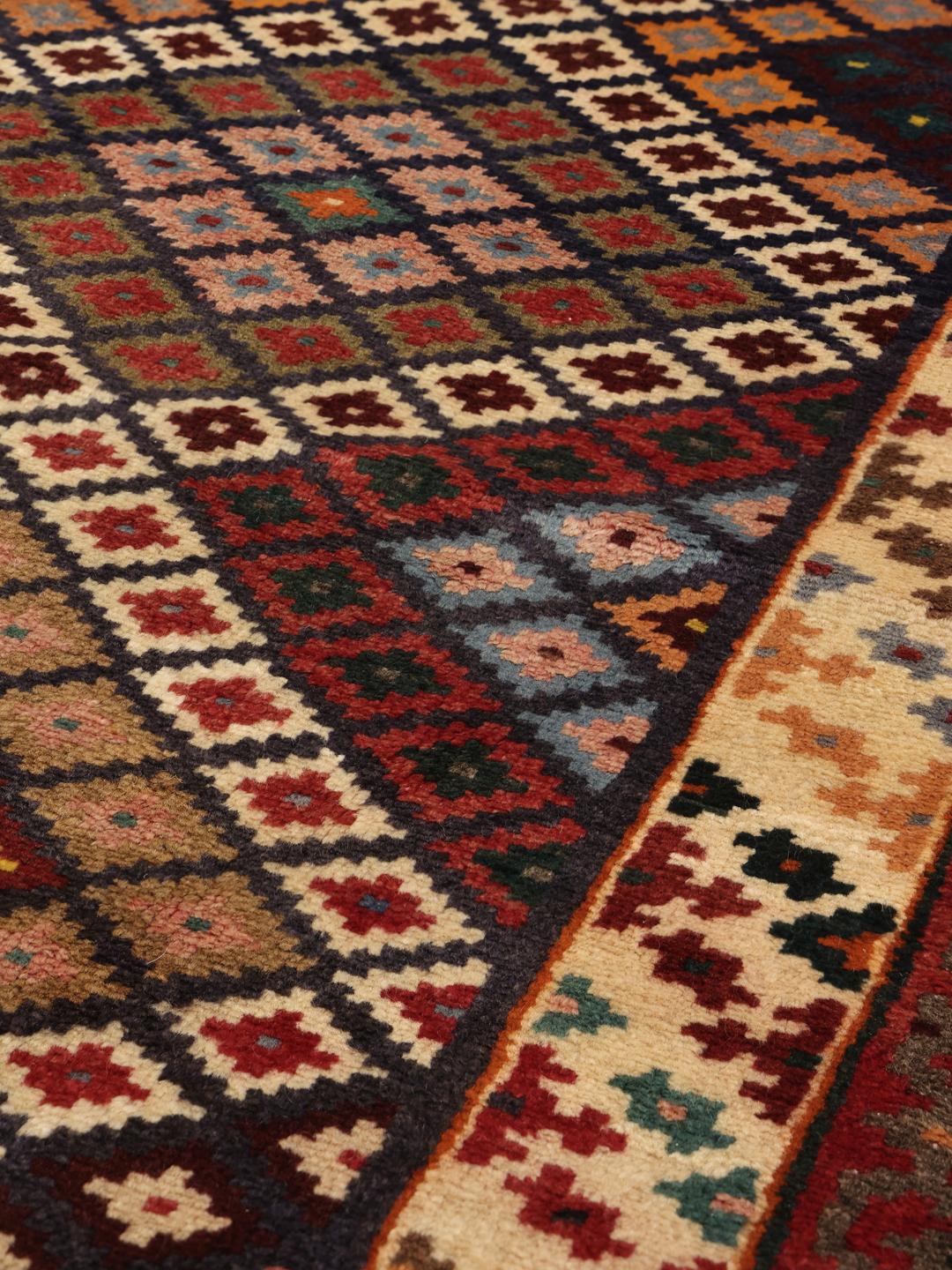
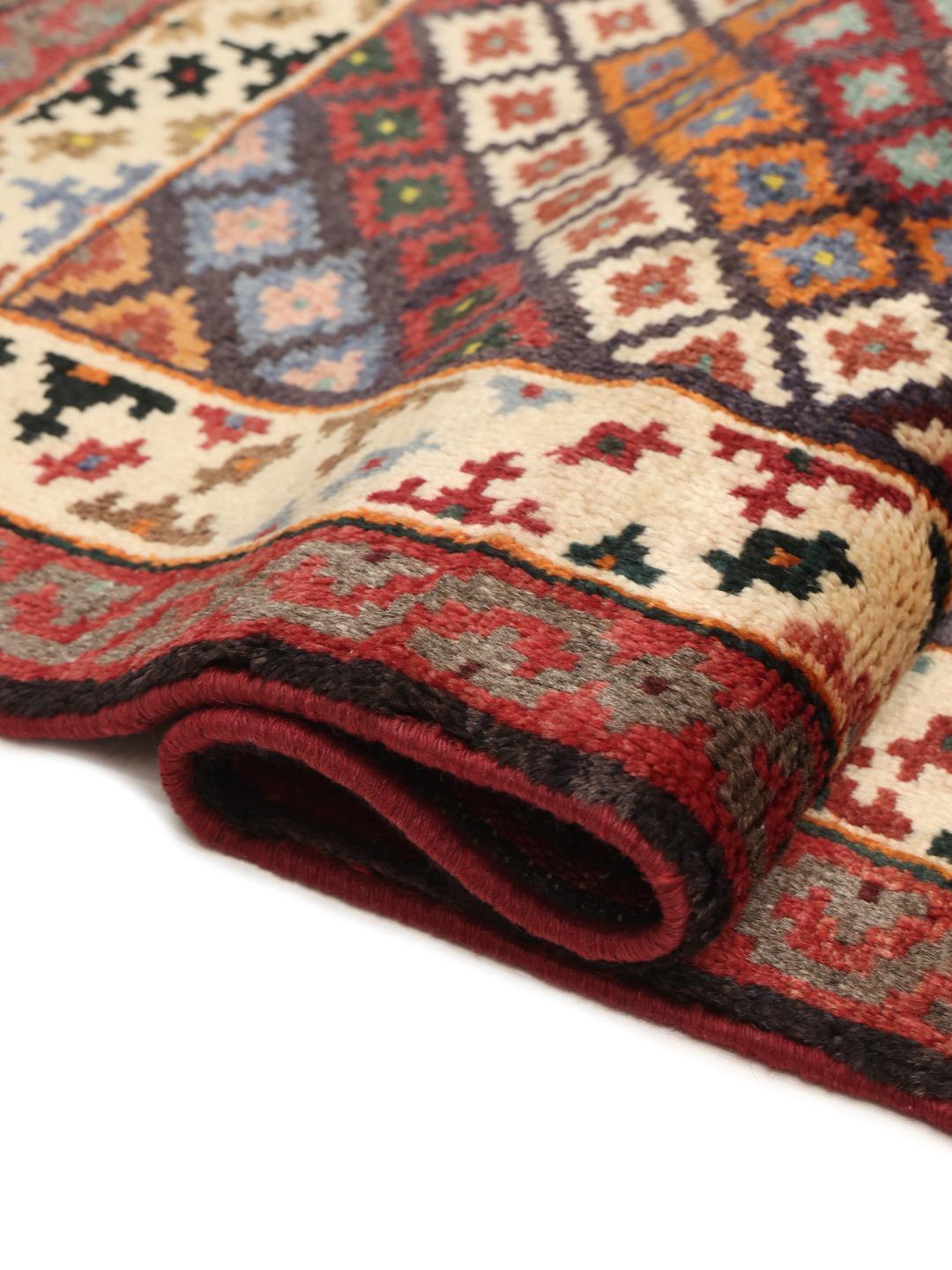
Technically, a Hamadan rug is defined by its robust construction and the use of high-quality, local wool. The weaving techniques passed down through generations focus on creating a dense, hard-wearing pile that can withstand the rigours of village life. This tradition of craft ensures that every rug produced in the region is built for endurance, making them highly prized for their ability to remain beautiful long after they have been placed in a home.
Visually, these runners are often characterised by bold geometric patterns, repeating medallions, and intricate decorative borders. The design language is energetic and often features a vibrant array of colours derived from traditional natural dyes. While they share a common lineage of motifs, the spontaneity of the village weavers means that you will often find charming, asymmetrical details that give each rug its own unique personality.
Owning a Hamadan rug is an investment in a living tradition. These pieces are not merely floor coverings but are cultural artefacts that tell the story of the artisans who made them. Collectors value them for their authenticity and the way they bridge the gap between ancient design traditions and the needs of a modern, stylish home.