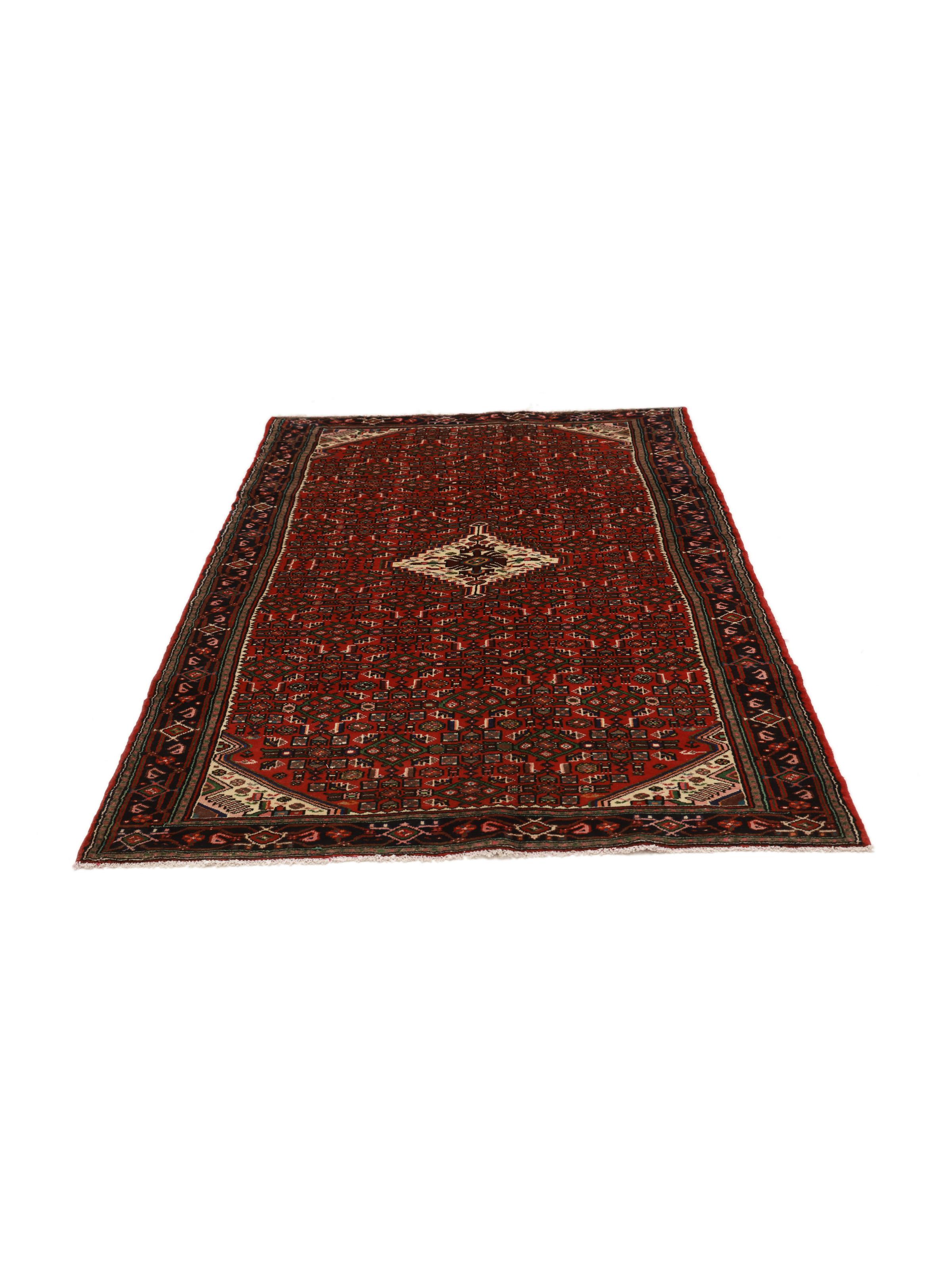
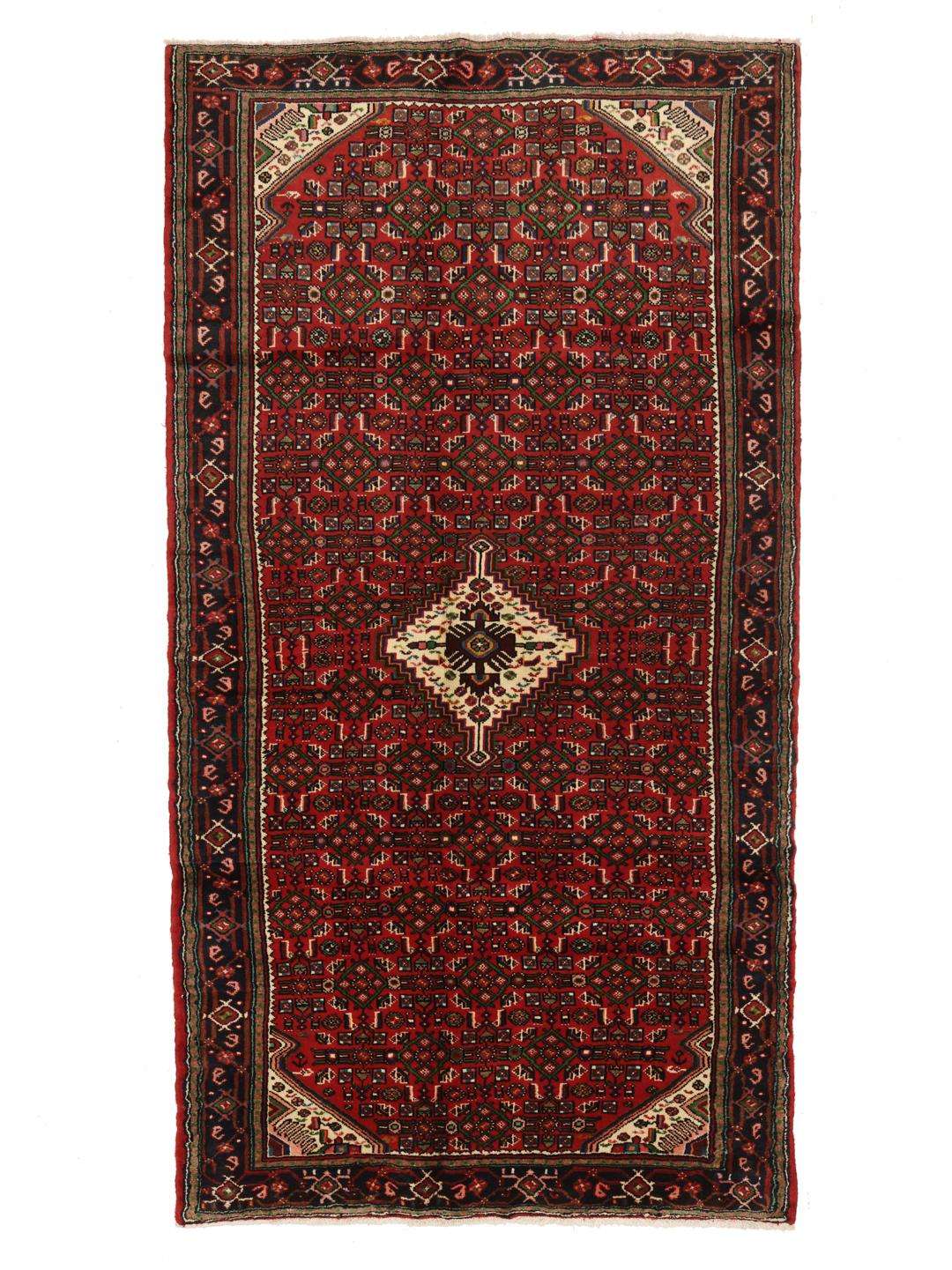
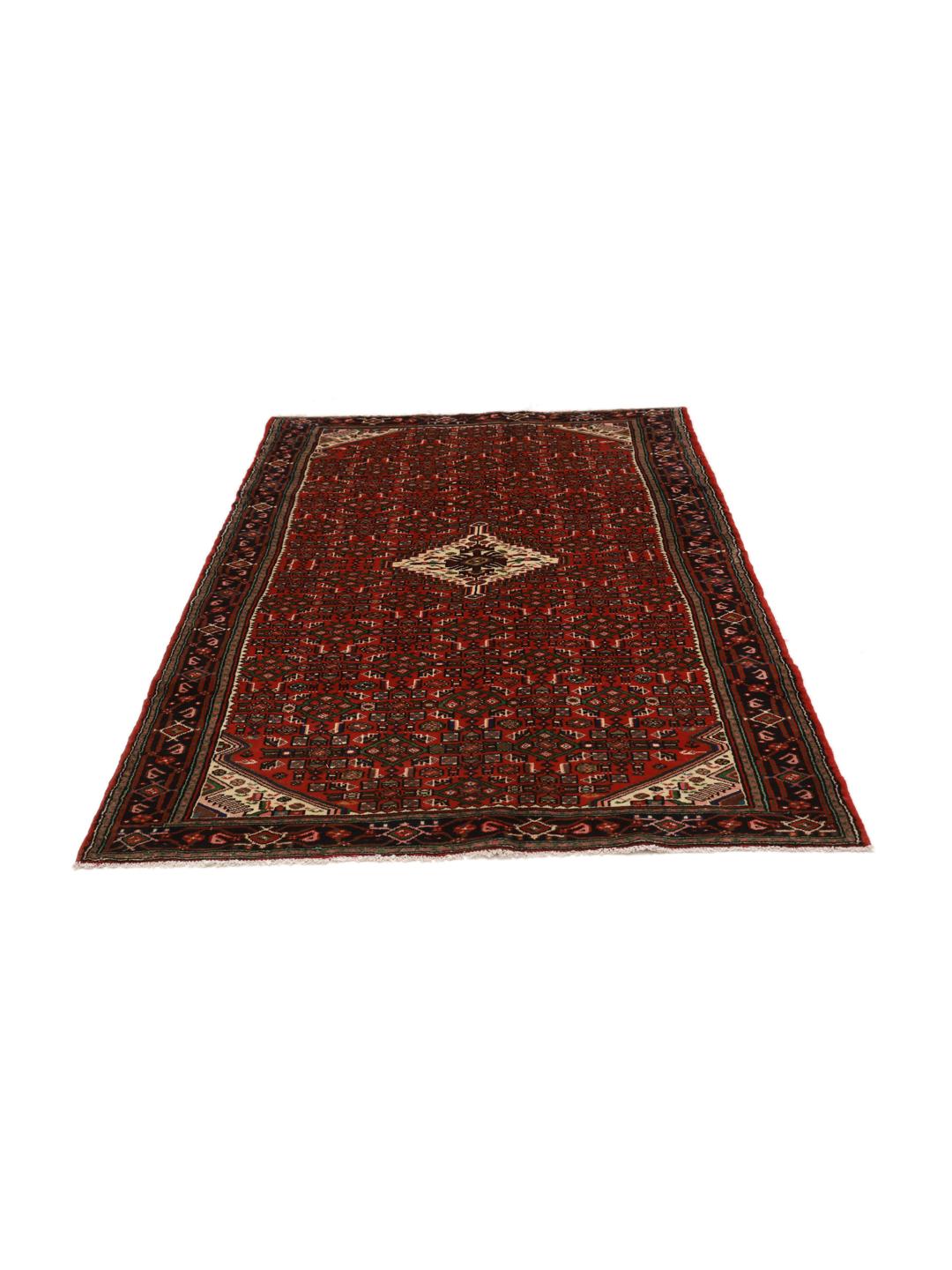
Hosseinabad rugs originate from a village of the same name in the Middle Eastern region, a place with a long-standing tradition of producing durable, high-quality floor coverings. These rugs are highly regarded for their robust construction and their ability to blend traditional regional motifs with a distinctive, earthy colour palette that feels at home in a variety of settings.
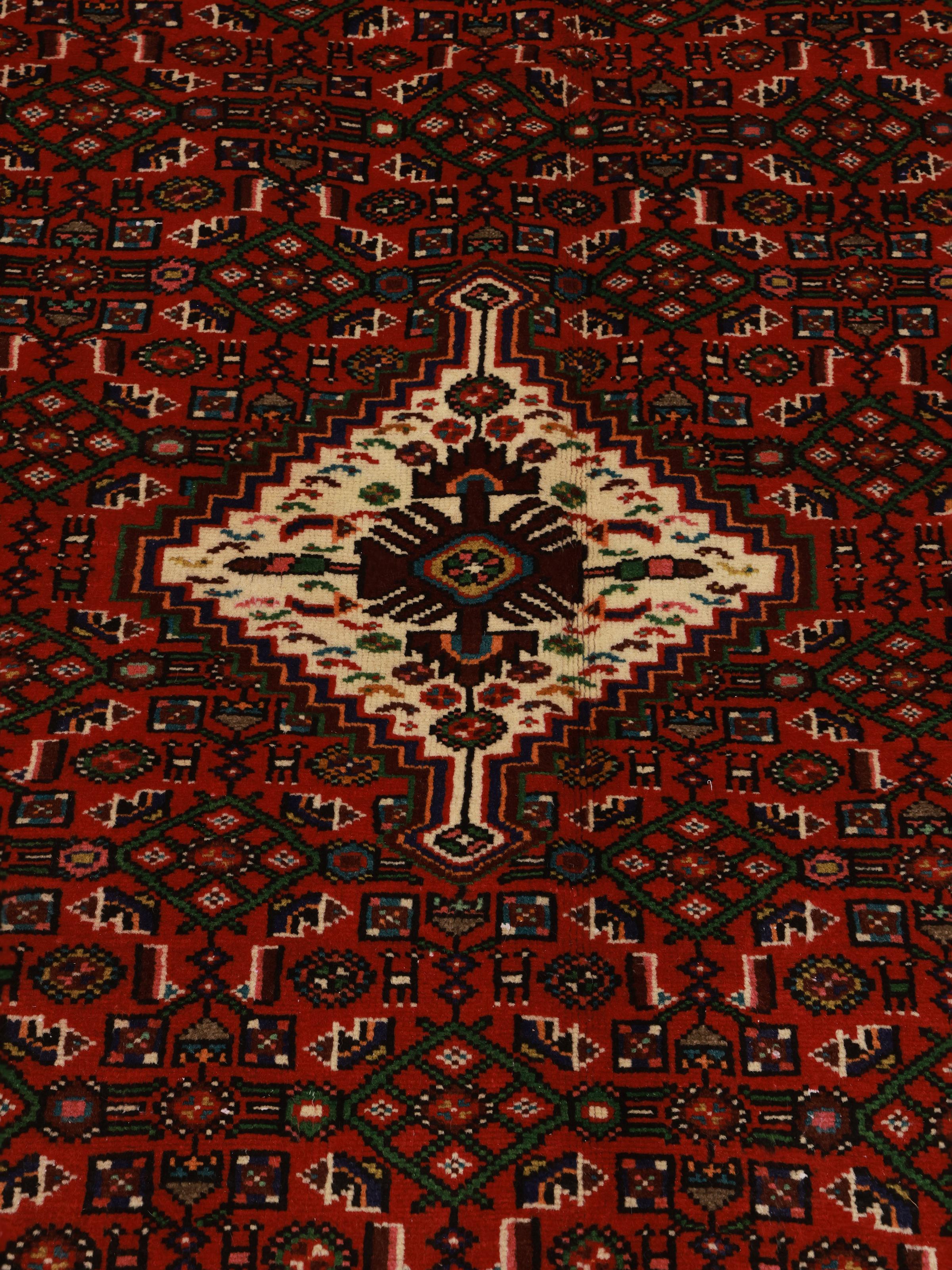
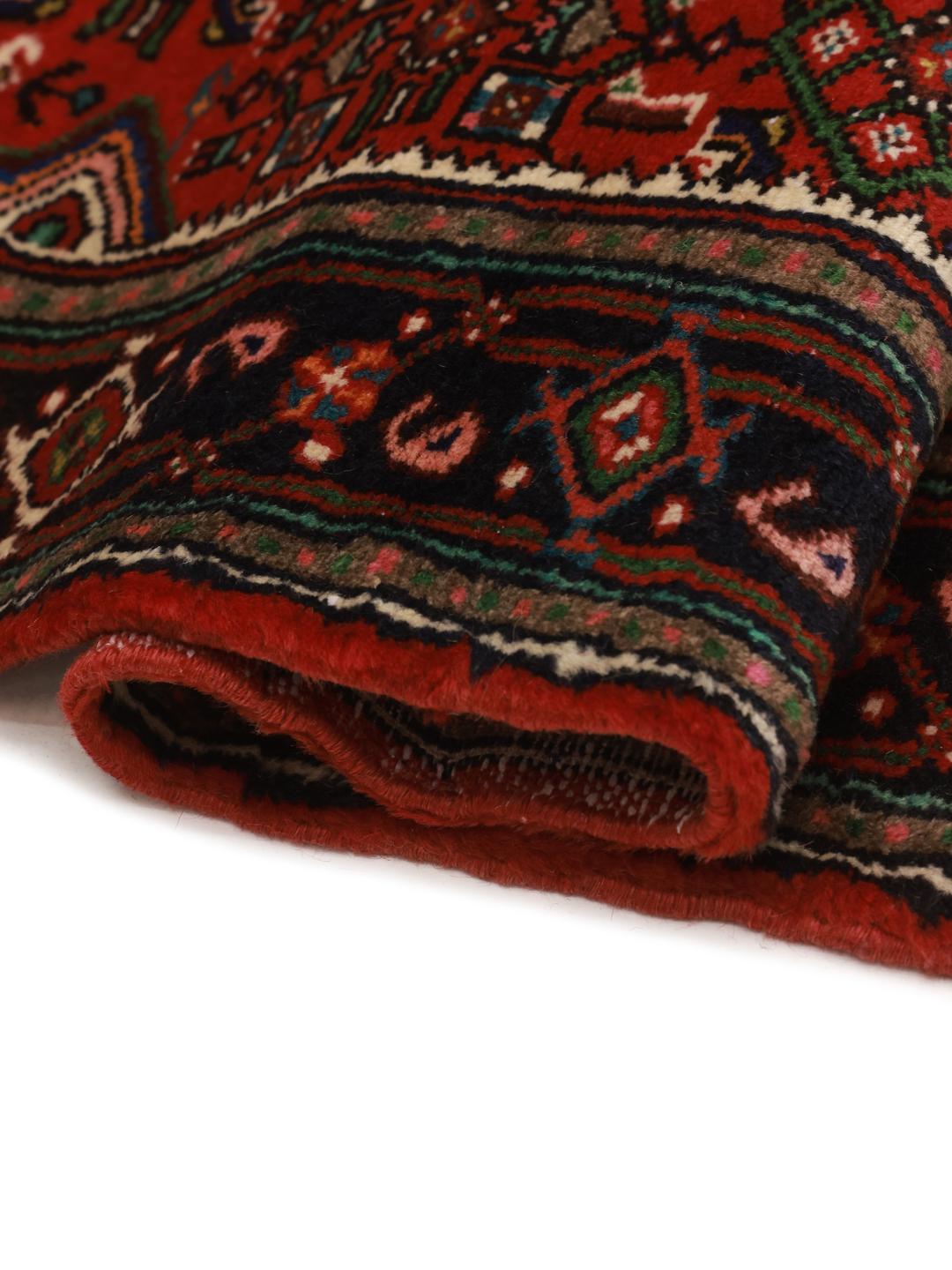
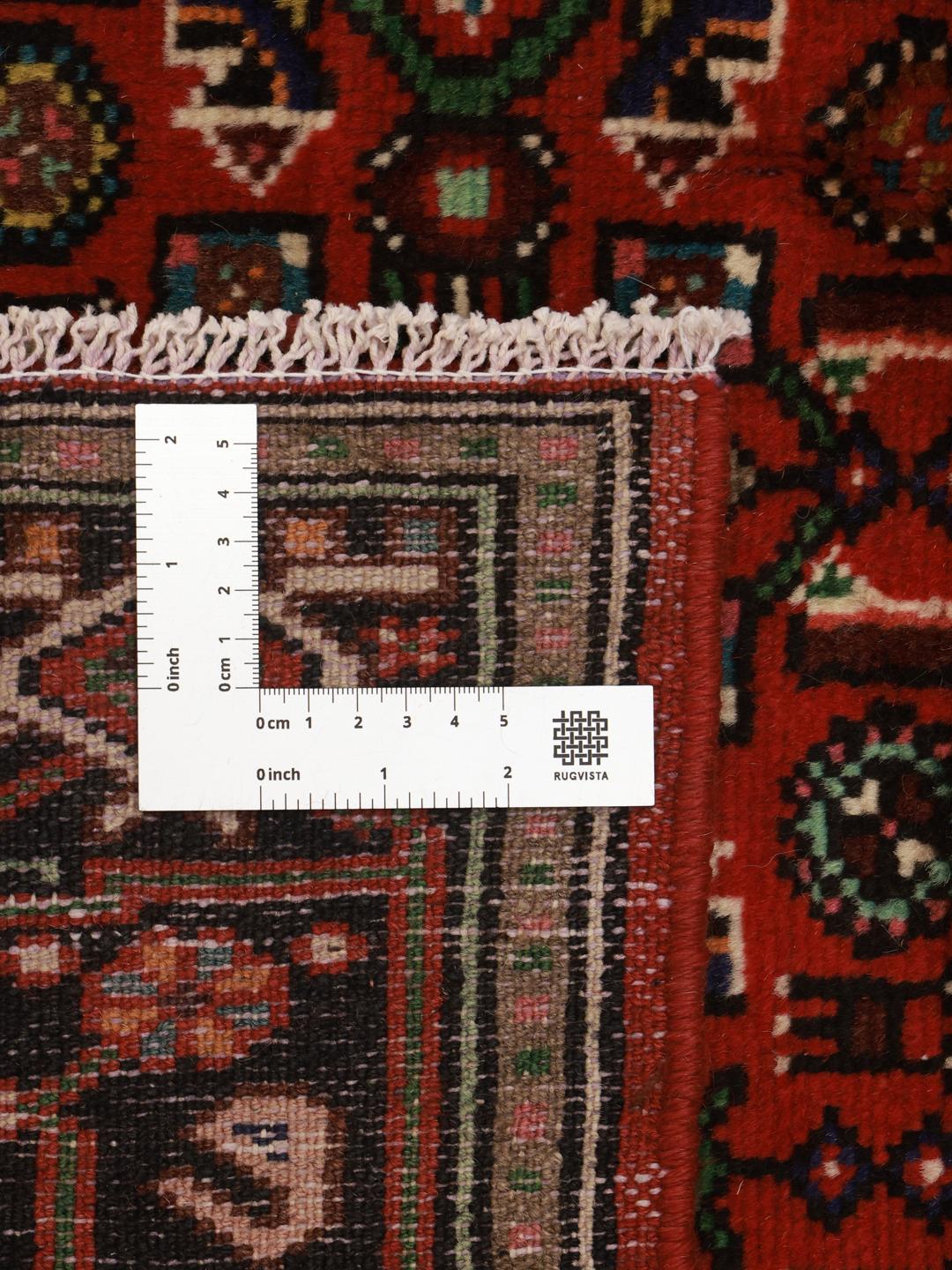
The construction of a Hosseinabad rug typically involves a sturdy foundation, which allows the dense wool pile to stand up to daily life. The term hand-knotted refers to the artisan's method of wrapping individual strands of yarn around the warp threads, a technique that is essential for creating the fine detail and long-lasting pile characteristic of these rugs. This method is the hallmark of authentic, high-quality craftsmanship.
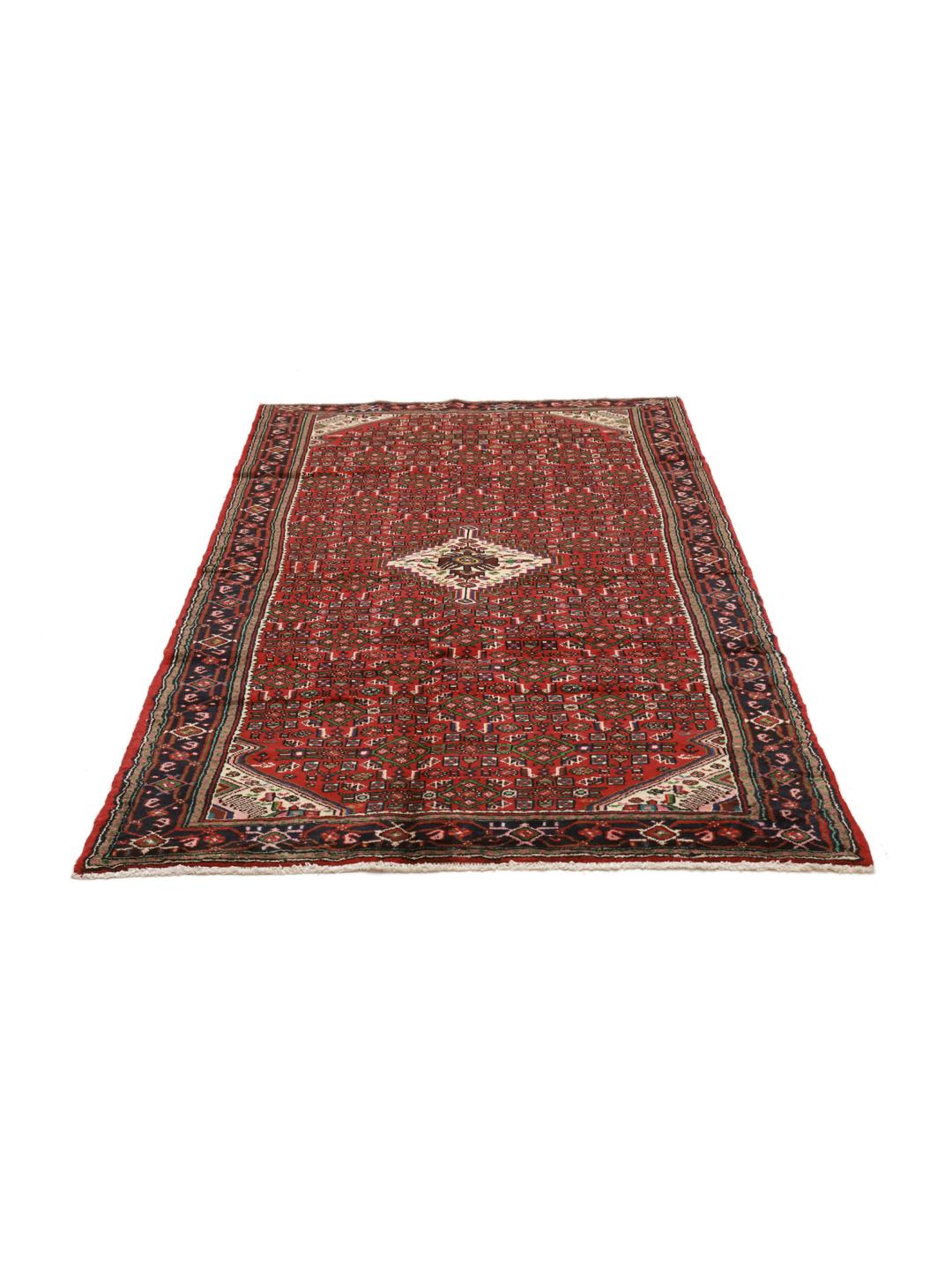
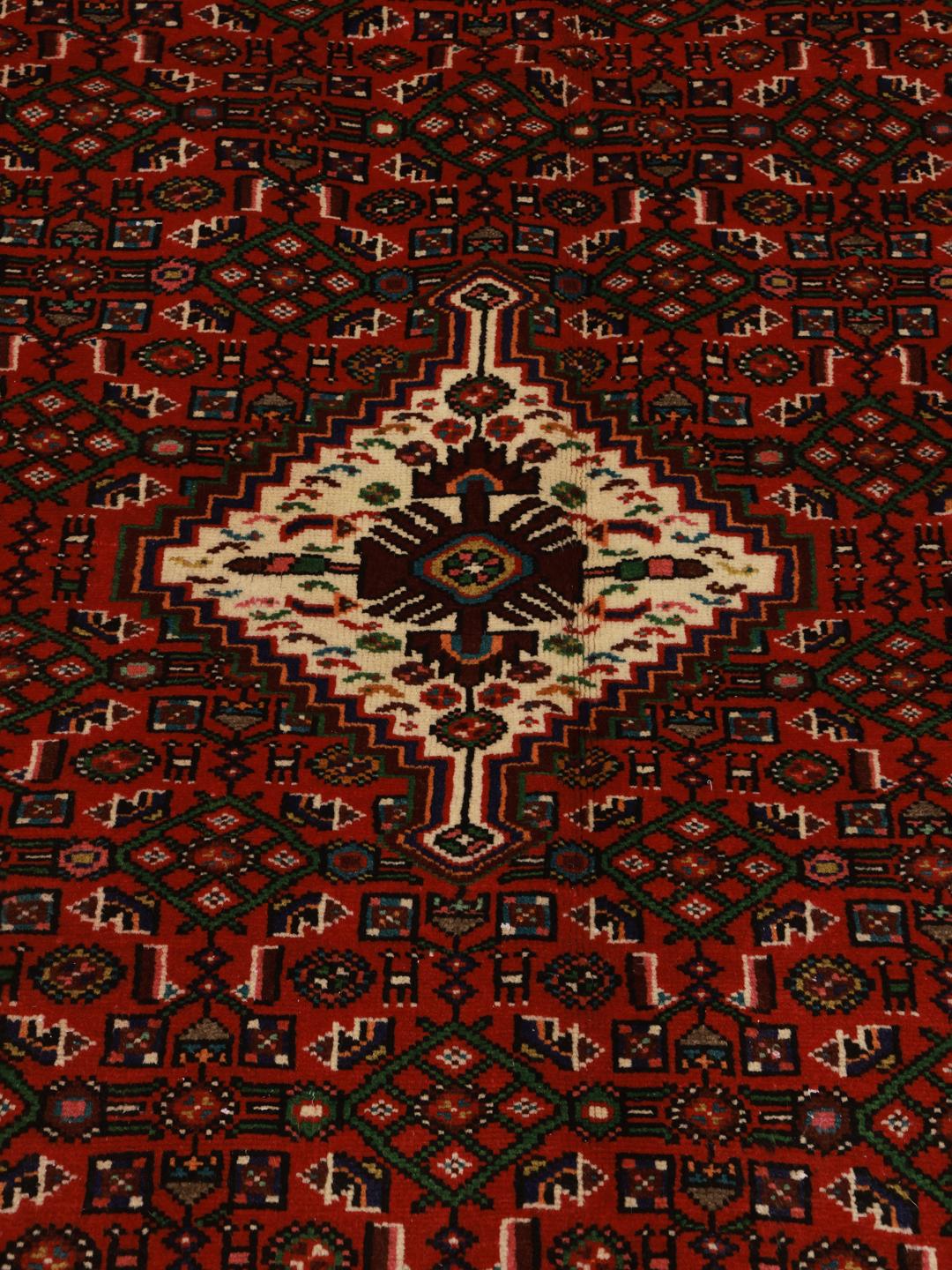
Visually, these rugs are often defined by their geometric and floral patterns, which frequently feature a central medallion surrounded by repeating motifs across the field. The use of deep red tones is a signature of this tradition, often contrasted with lighter shades like beige to create a balanced, harmonious look. The borders are typically formal and decorative, framing the central design with traditional patterns that tie the composition together.
Collecting a Hosseinabad rug is about more than just floor decor; it is about acquiring a piece of cultural heritage. These rugs are valued for their enduring quality and the human skill required to produce them. By choosing a hand-knotted piece, you are supporting a craft that has been passed down through generations, ensuring that these meaningful traditions continue to thrive in modern homes.