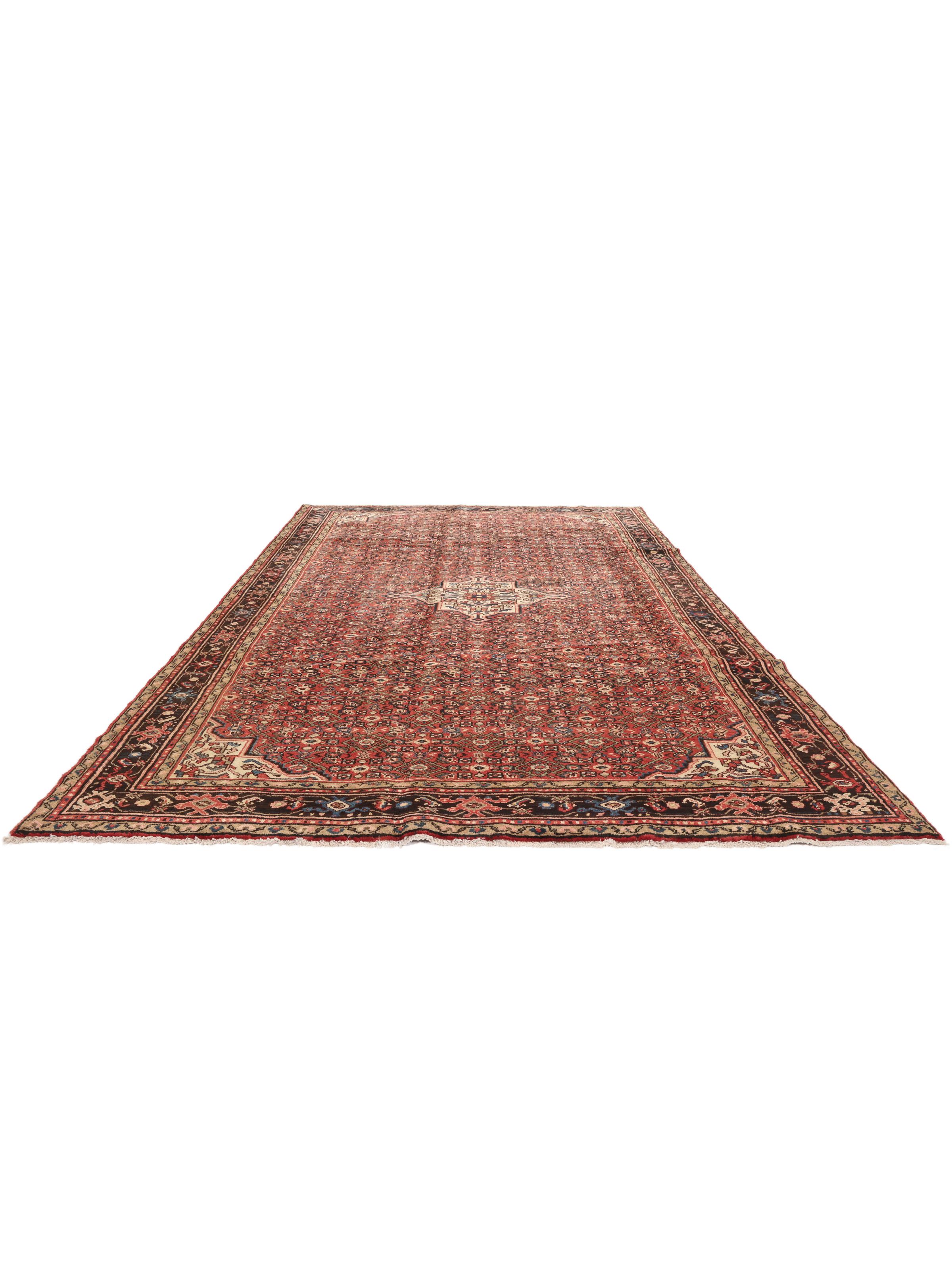
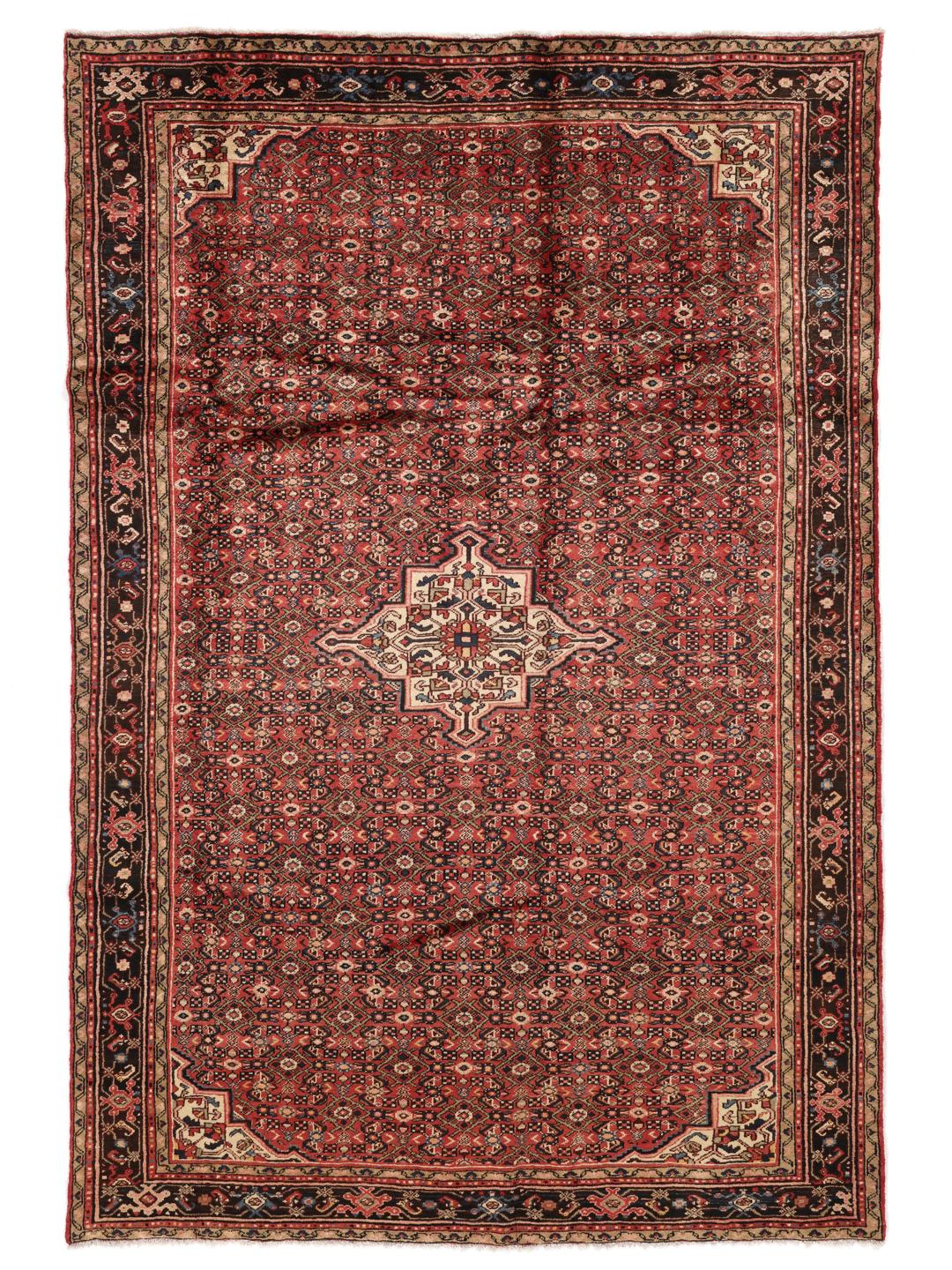
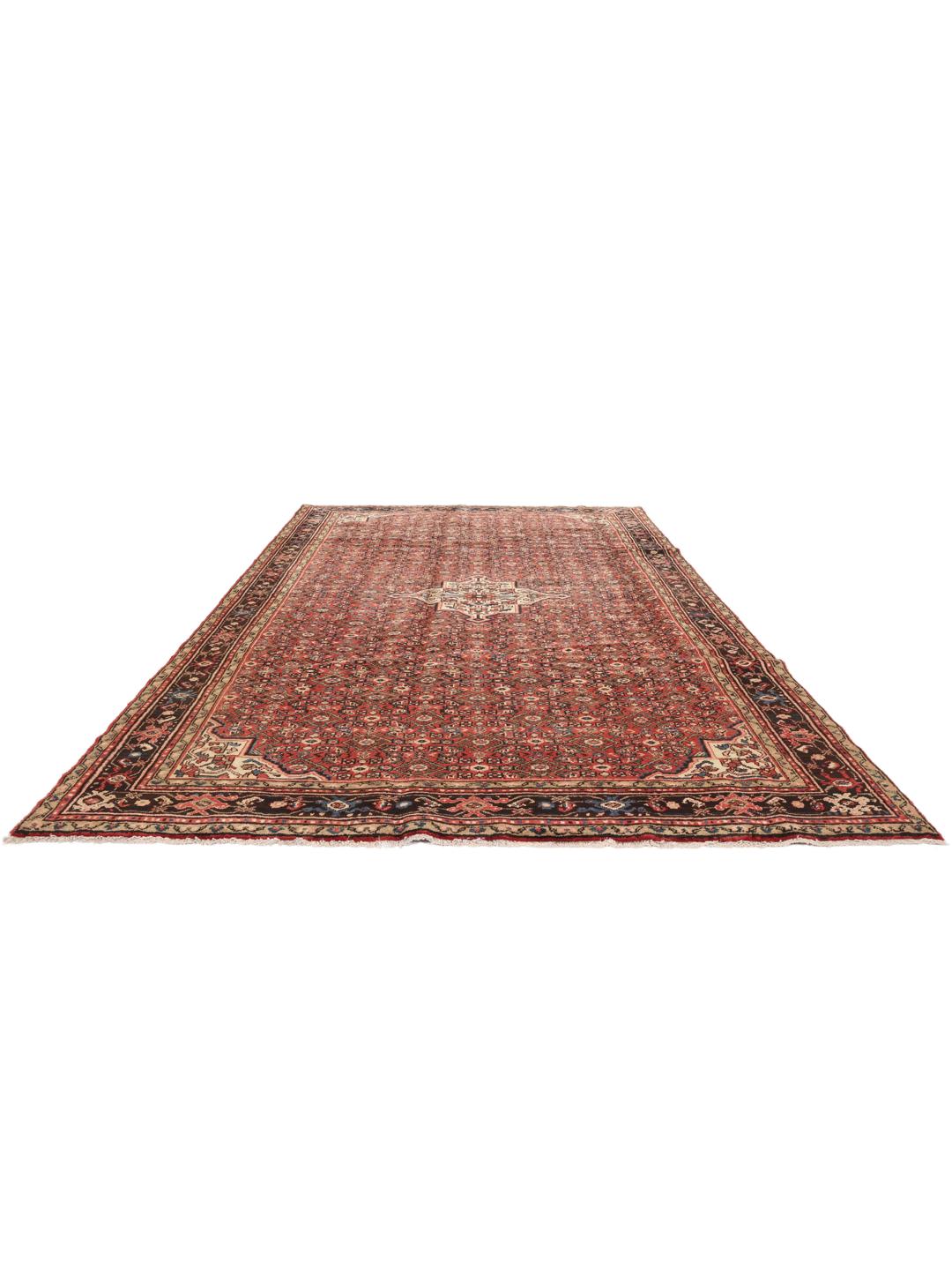
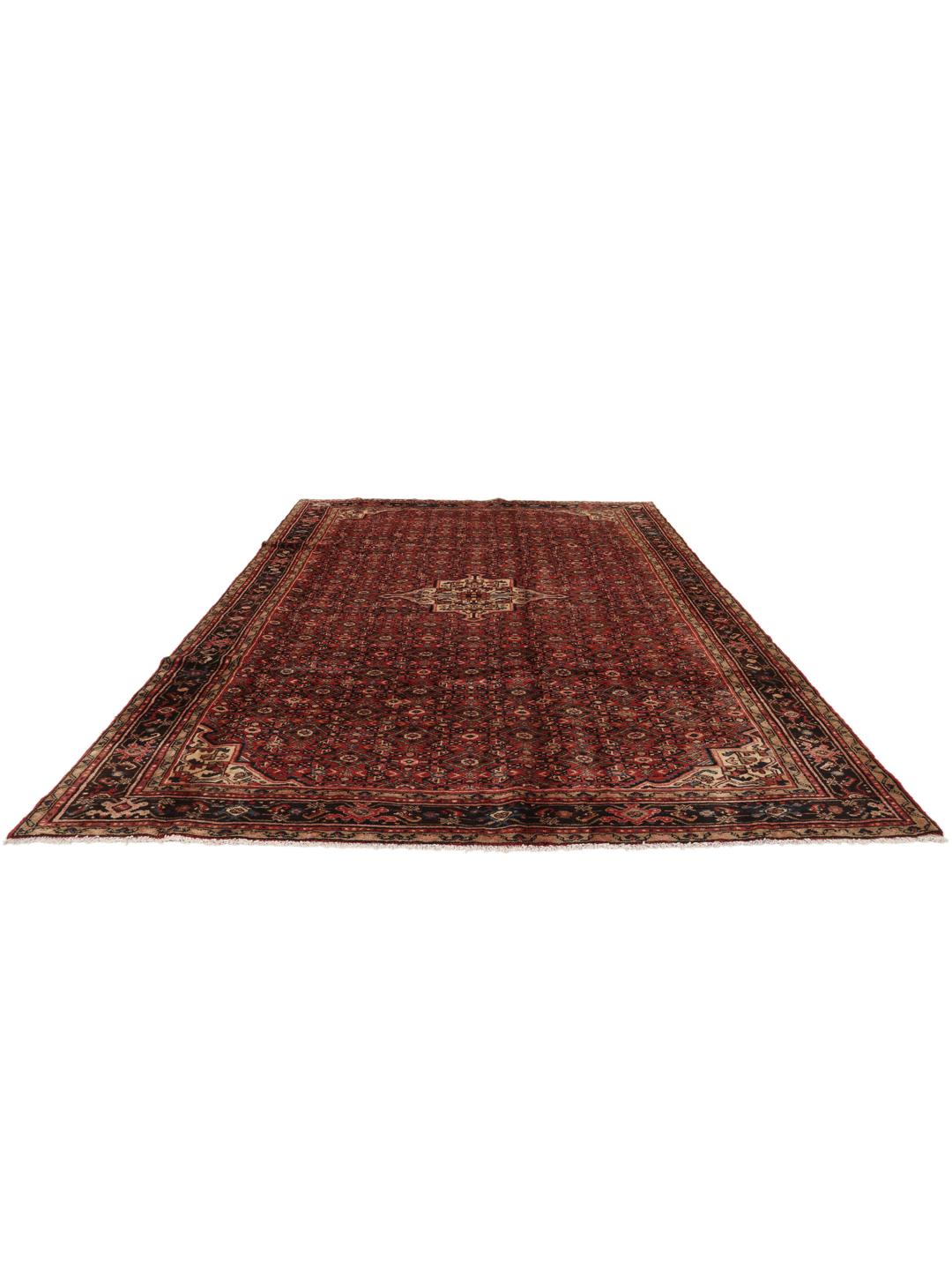
The Hosseinabad rug tradition originates from the Hamadan region in the Middle East, a historic area renowned for its long-standing weaving culture. These rugs are deeply connected to the rural traditions of the region, where weaving has served as a vital cultural expression for generations. The name Hosseinabad refers to the specific village or district where these distinct styles were developed and refined by local artisans.
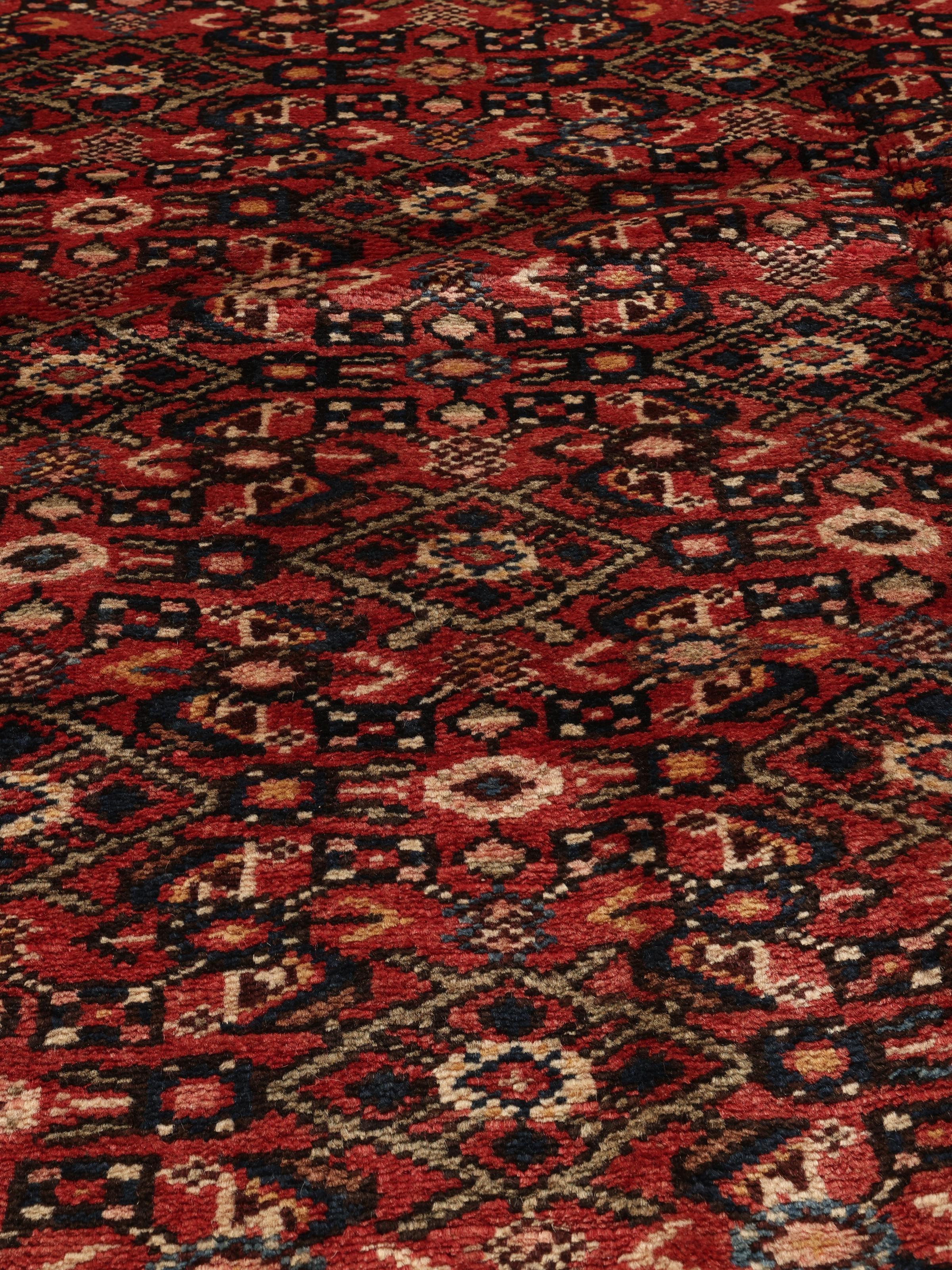
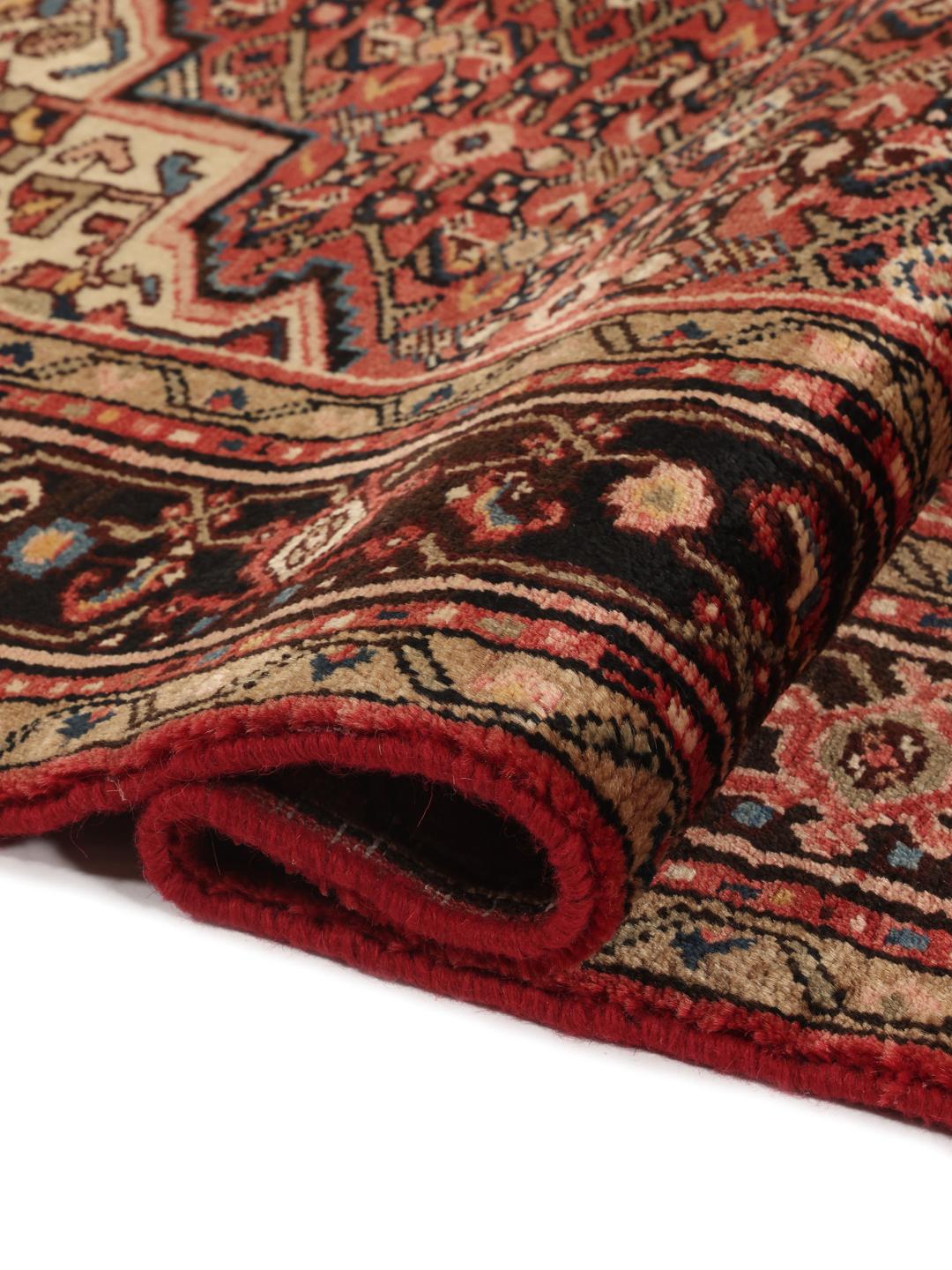
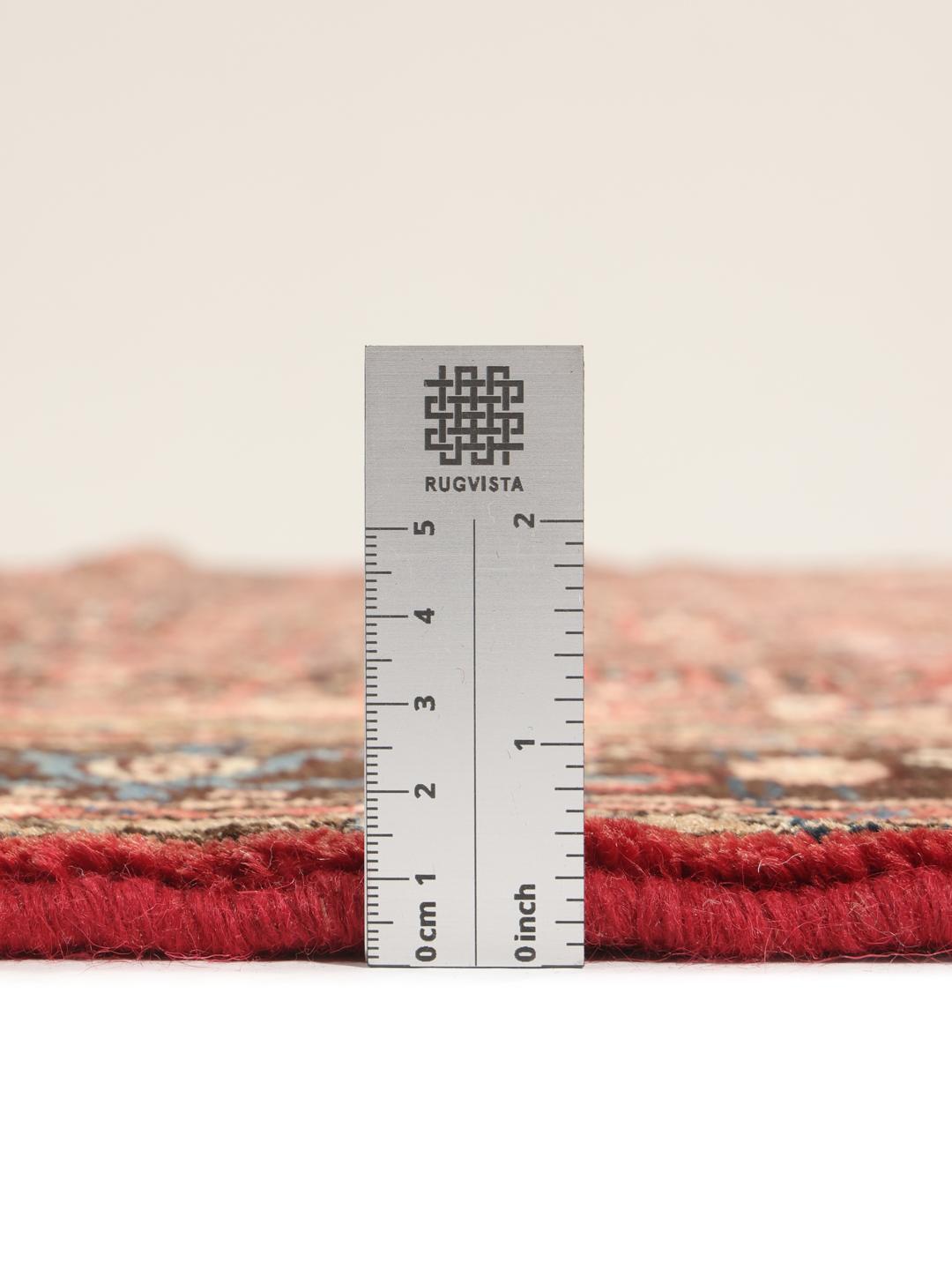
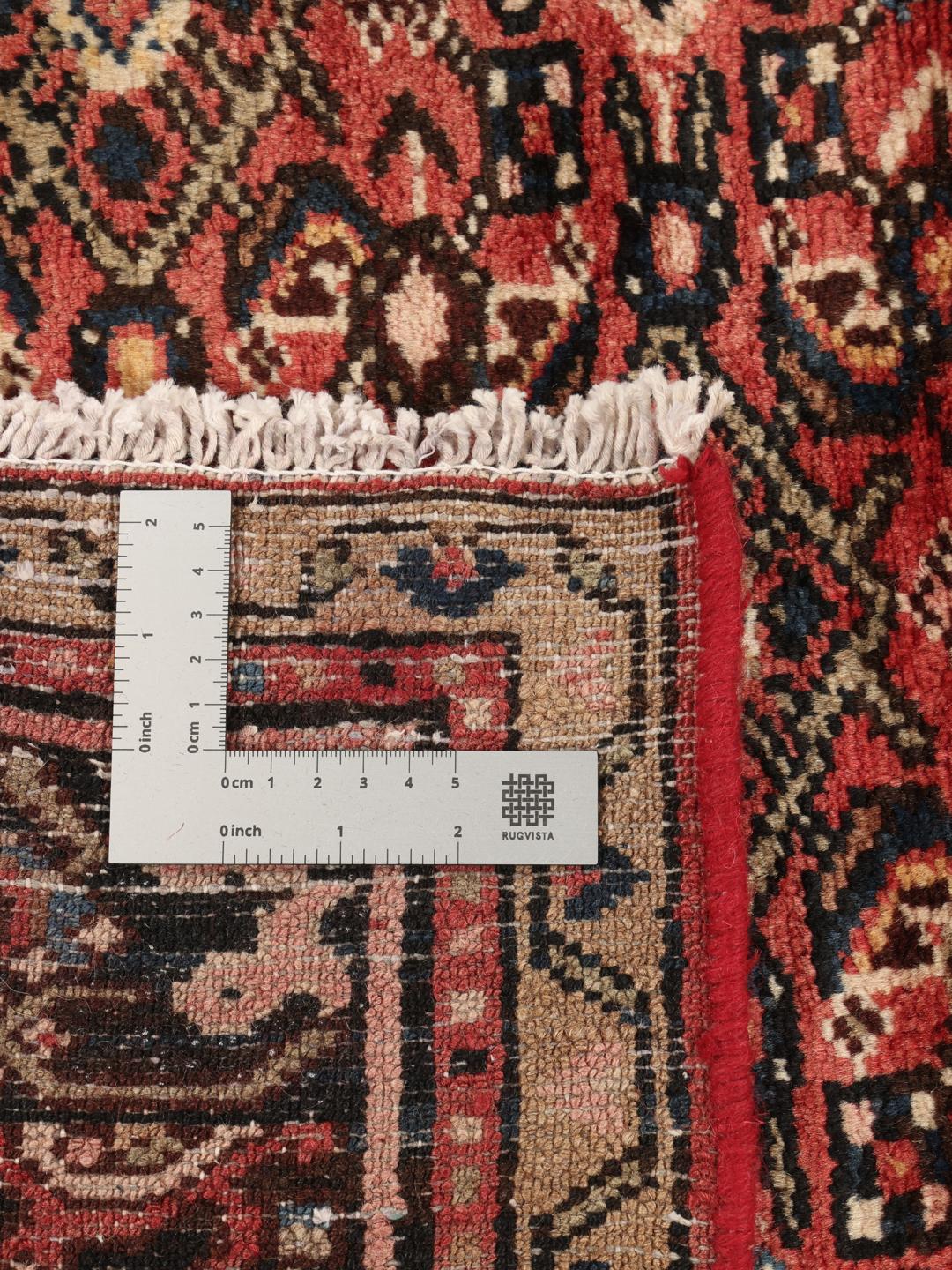
A defining characteristic of these rugs is the use of robust Wool, often sourced locally, which is prized for its resilience and ability to take on rich, deep dyes. The weaving technique emphasises a sturdy foundation, which makes these pieces exceptionally durable. This focus on long-term wearability is a hallmark of the regional style, intended to produce rugs that remain beautiful and functional even after decades of use in a busy home.
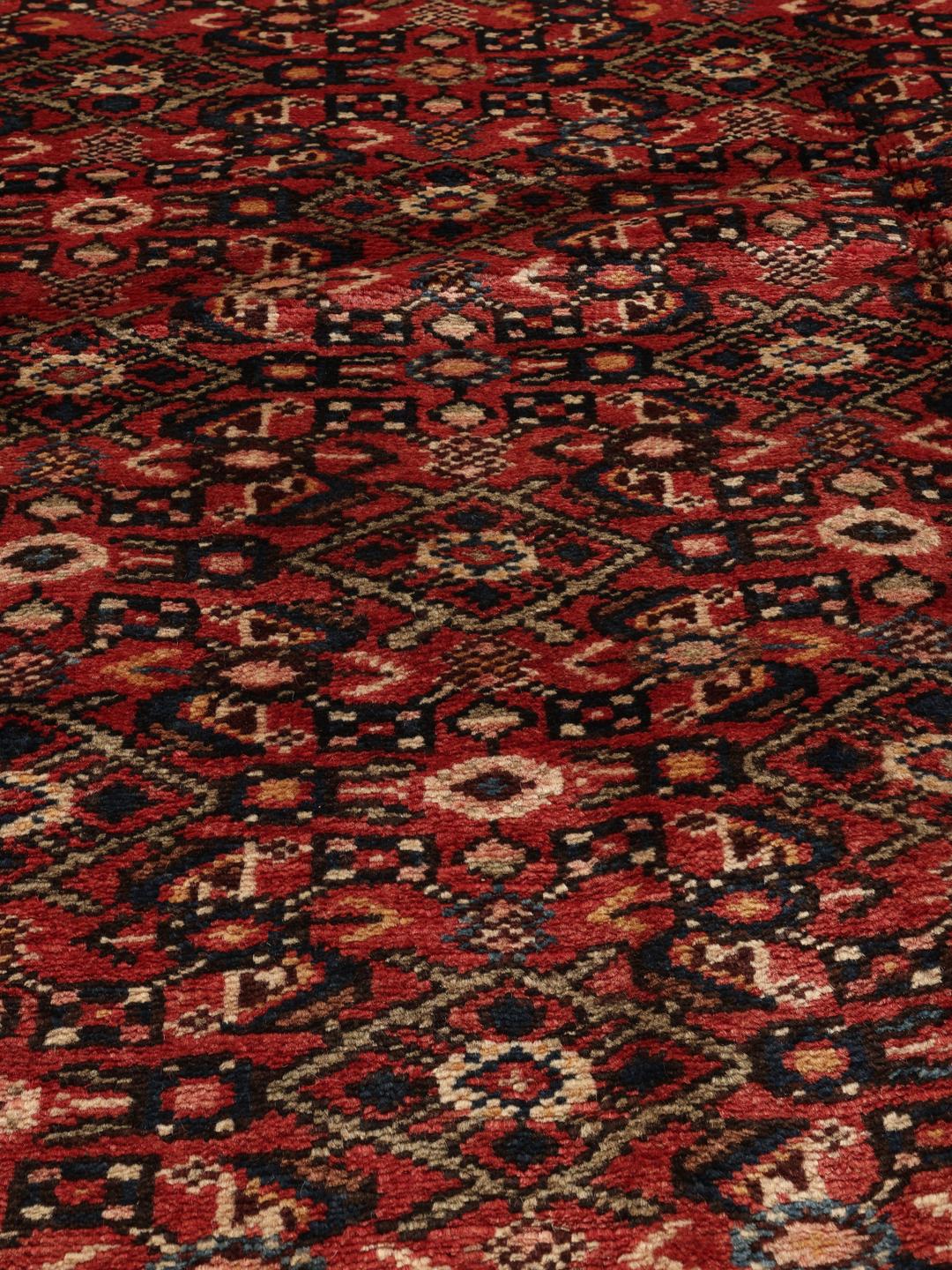
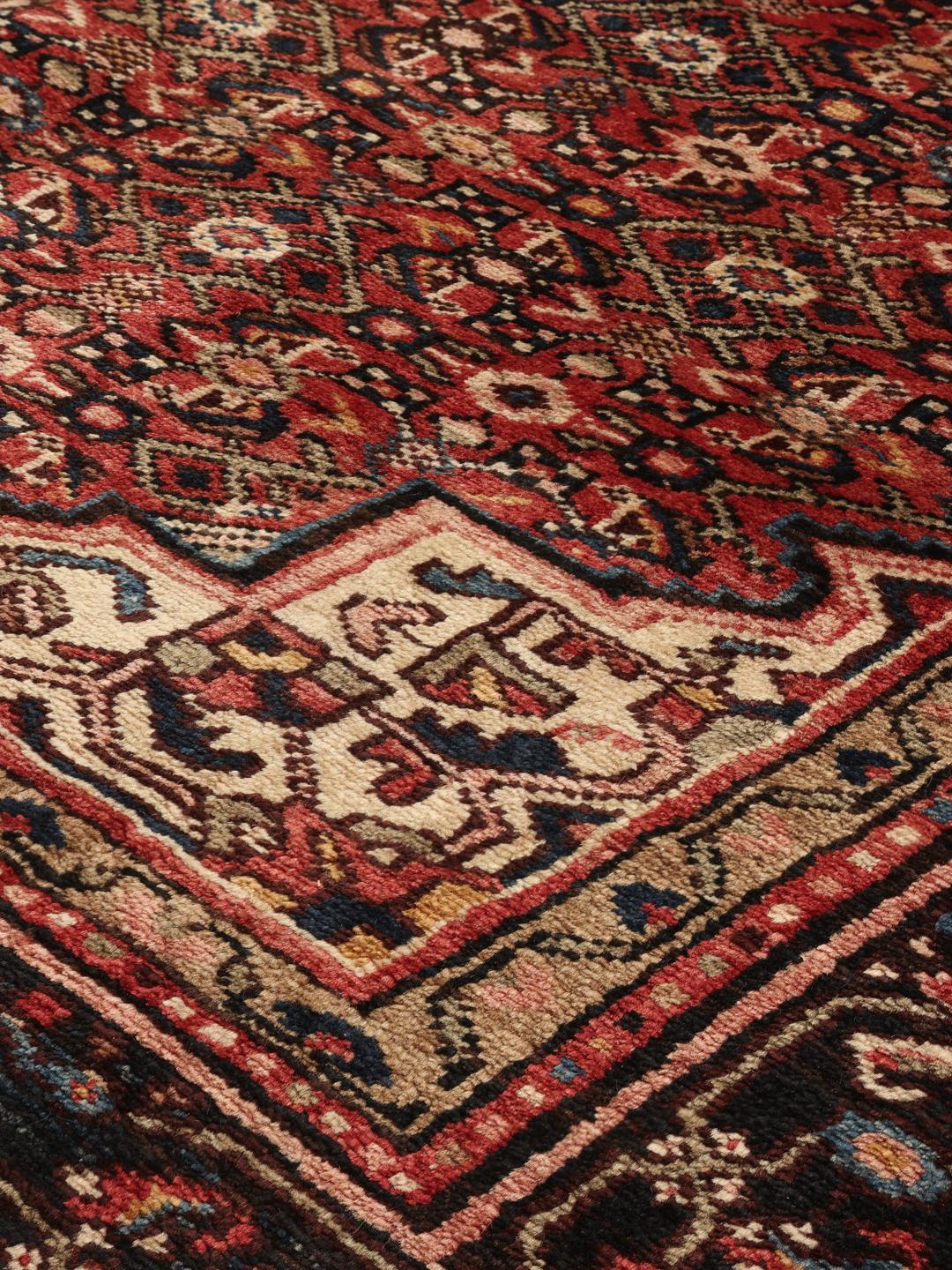
Visually, Hosseinabad rugs are known for their strong, geometric, and floral interpretations. While many feature a central medallion, the surrounding field is frequently filled with repeating patterns, such as the Herati motif, which creates a sense of rhythmic movement across the surface. The colour palette typically leans toward bold, deep reds and contrasting dark tones, creating a dramatic and classic aesthetic that is instantly recognisable to collectors.
Collectors value these rugs for their authenticity and the clear reflection of the weaver's personal touch. Owning a piece from this tradition is an opportunity to connect with a centuries-old craft that prioritises human skill over industrial speed. It is this cultural weight and the undeniable quality of the hand-knotted construction that ensure these rugs remain highly sought after by those who appreciate the beauty of enduring, traditional art.