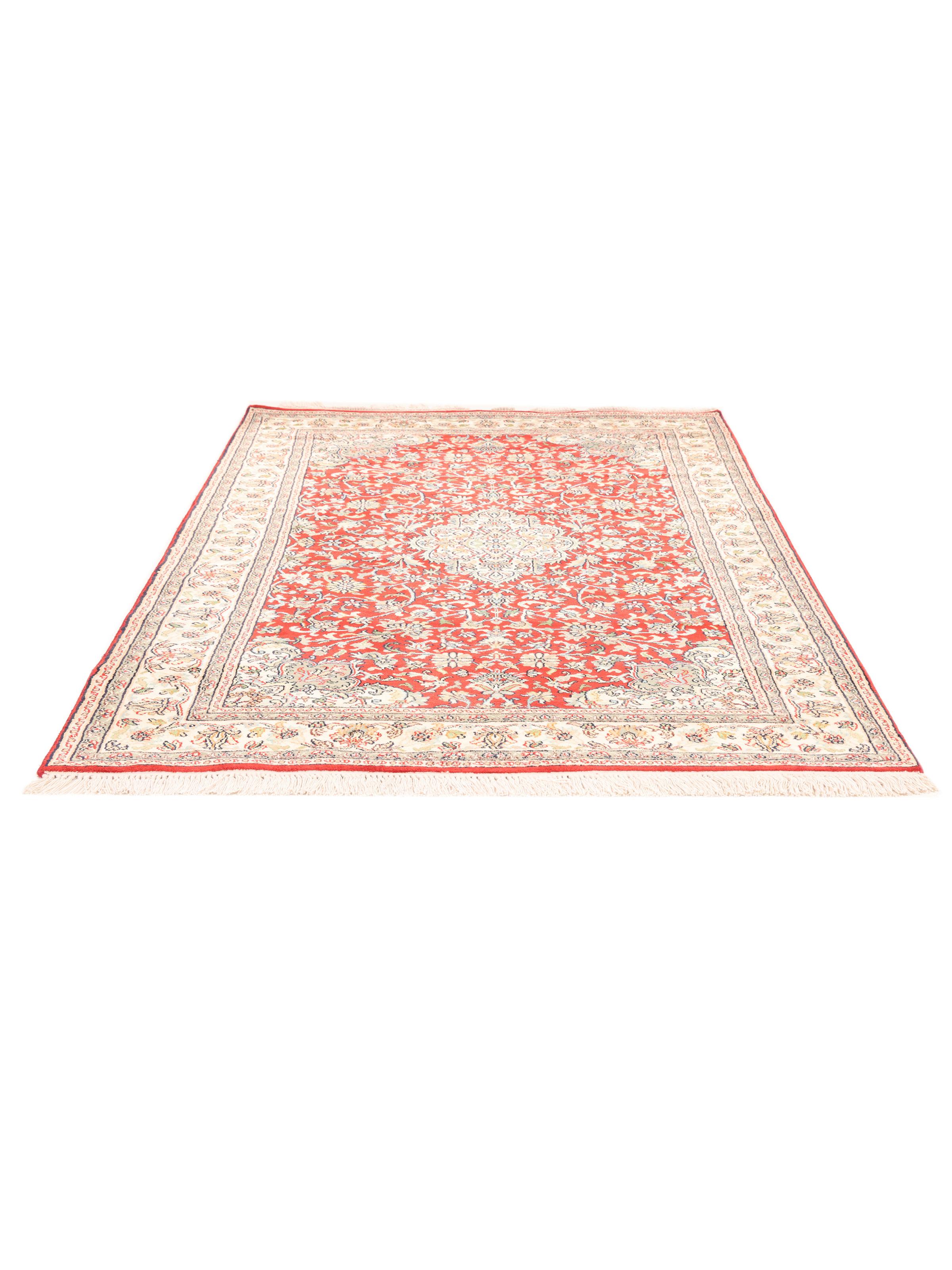
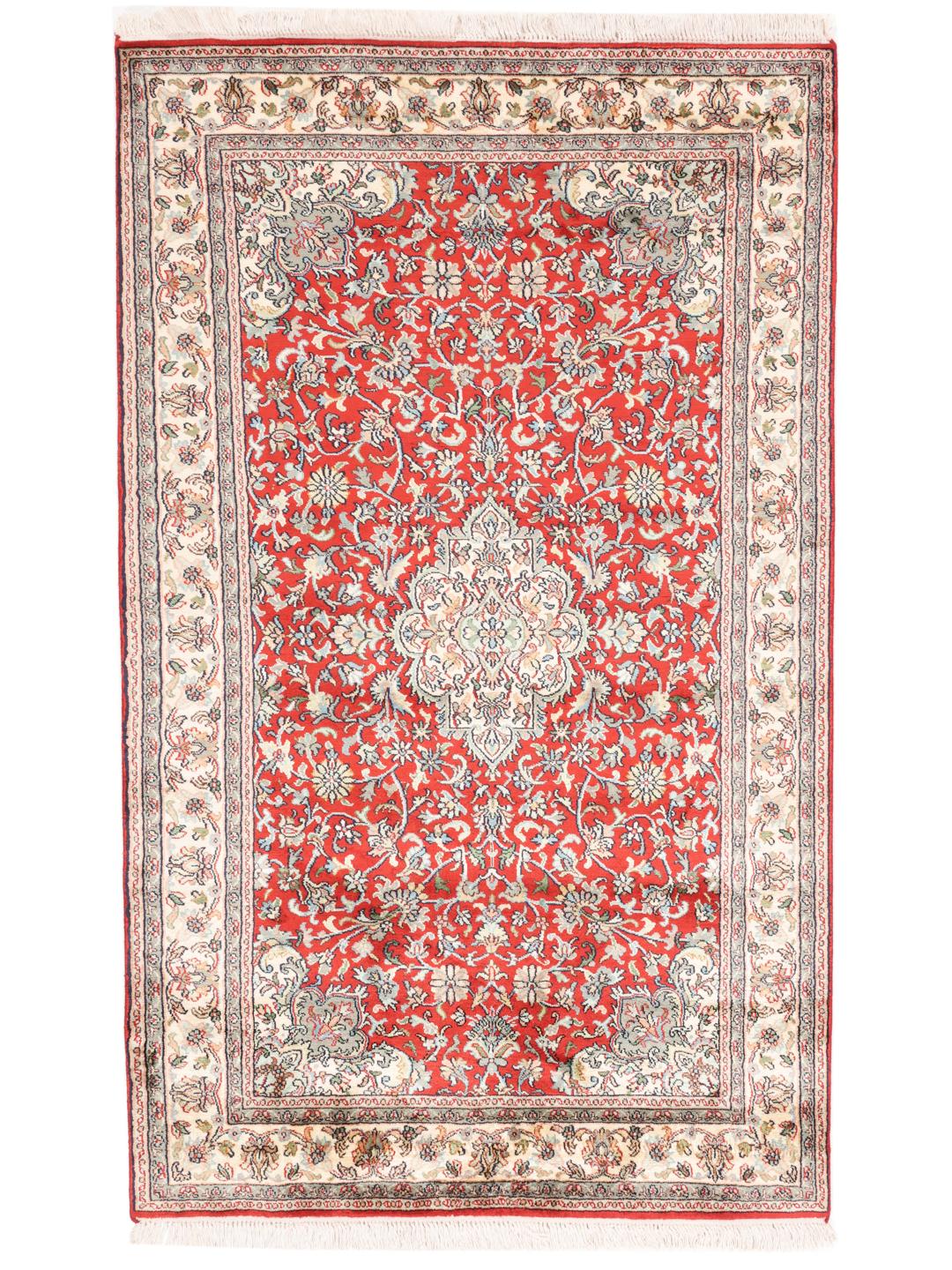
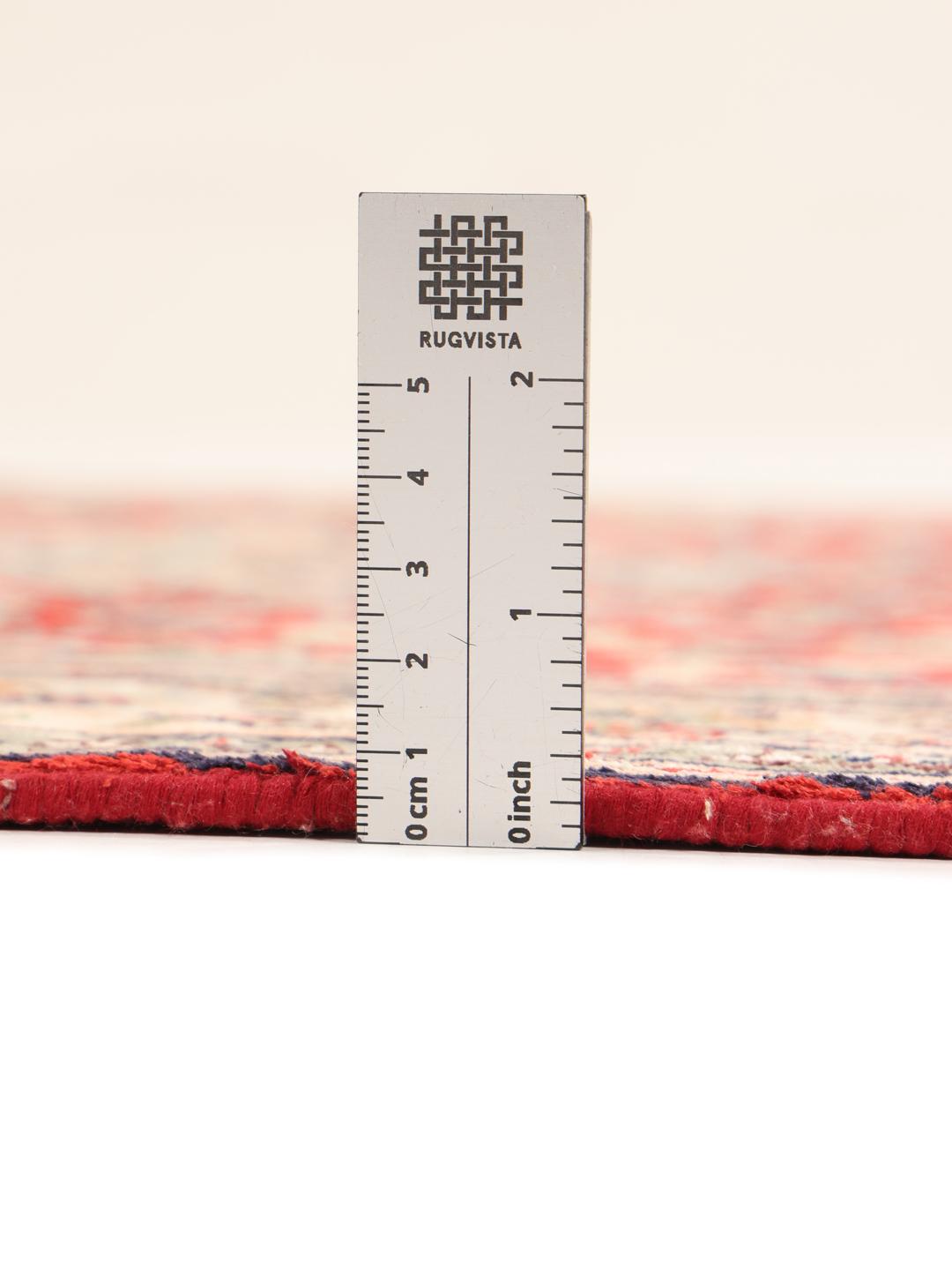
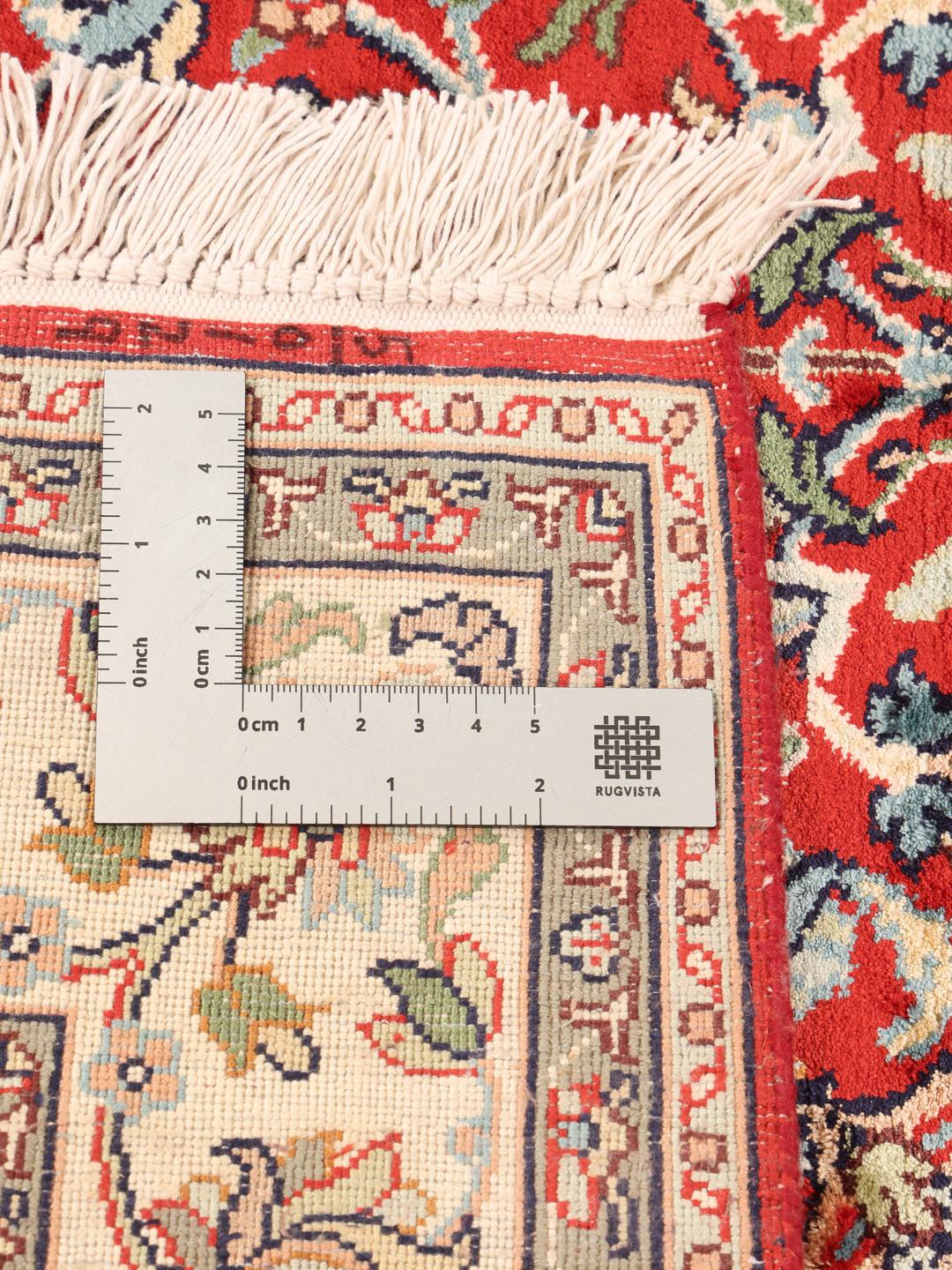
Kashmir silk rugs trace their origins to the 15th century, when the craft was introduced to Northern India by visiting Central Asian artisans. Over the centuries, the region developed a distinct style that fused local aesthetic sensibilities with the refined techniques of the Middle East, resulting in some of the most sought-after textile works in the world.
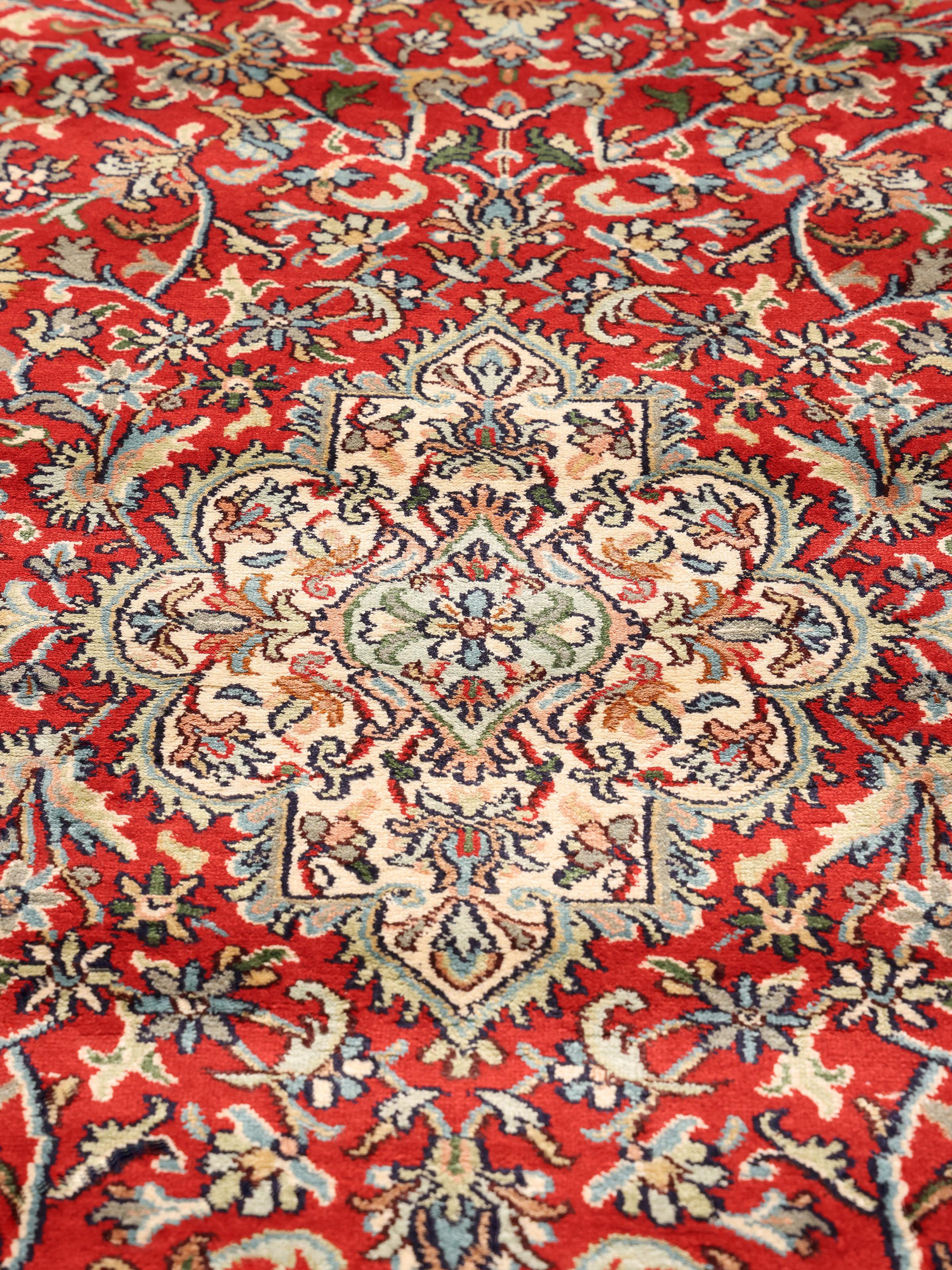
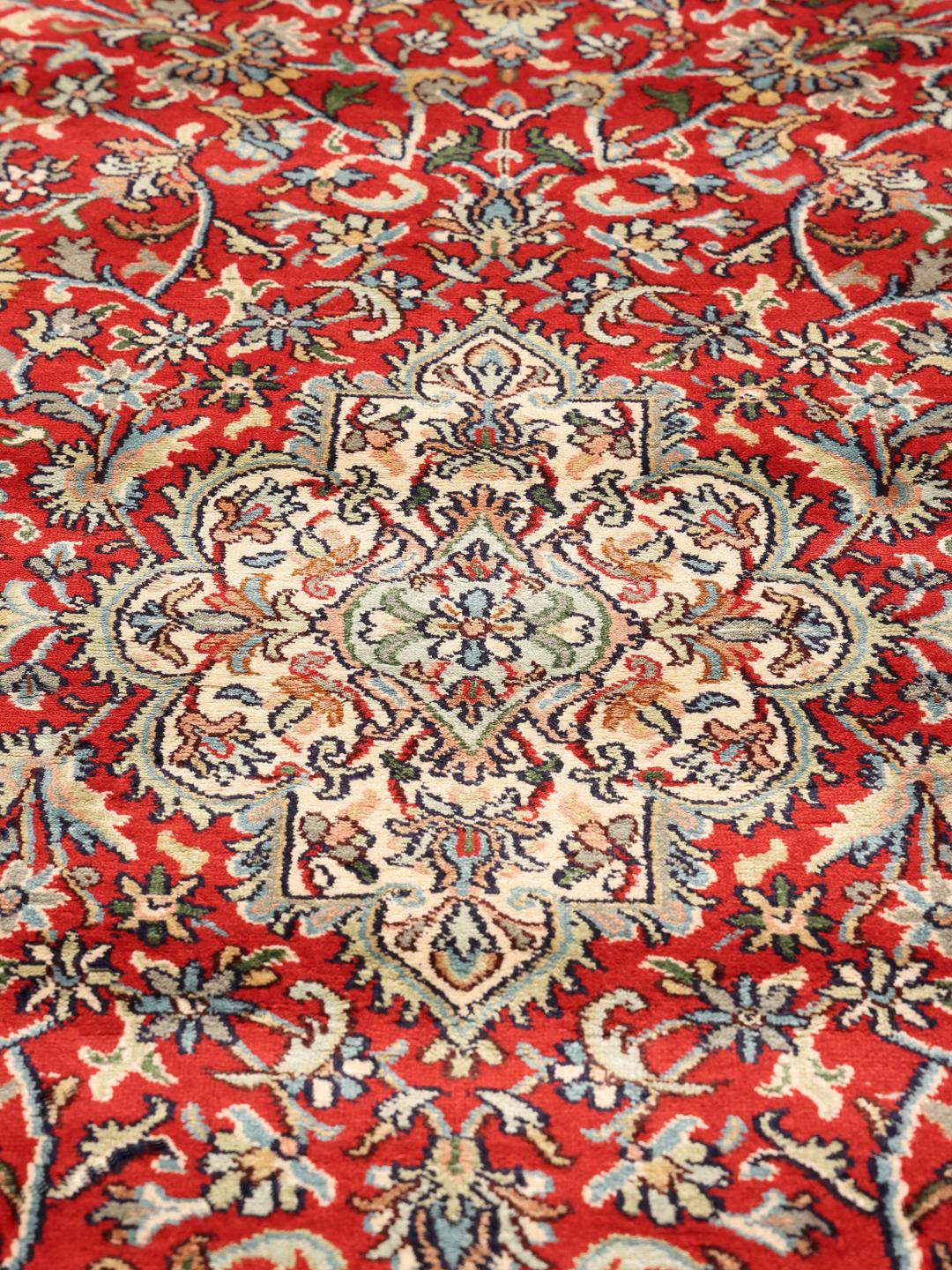
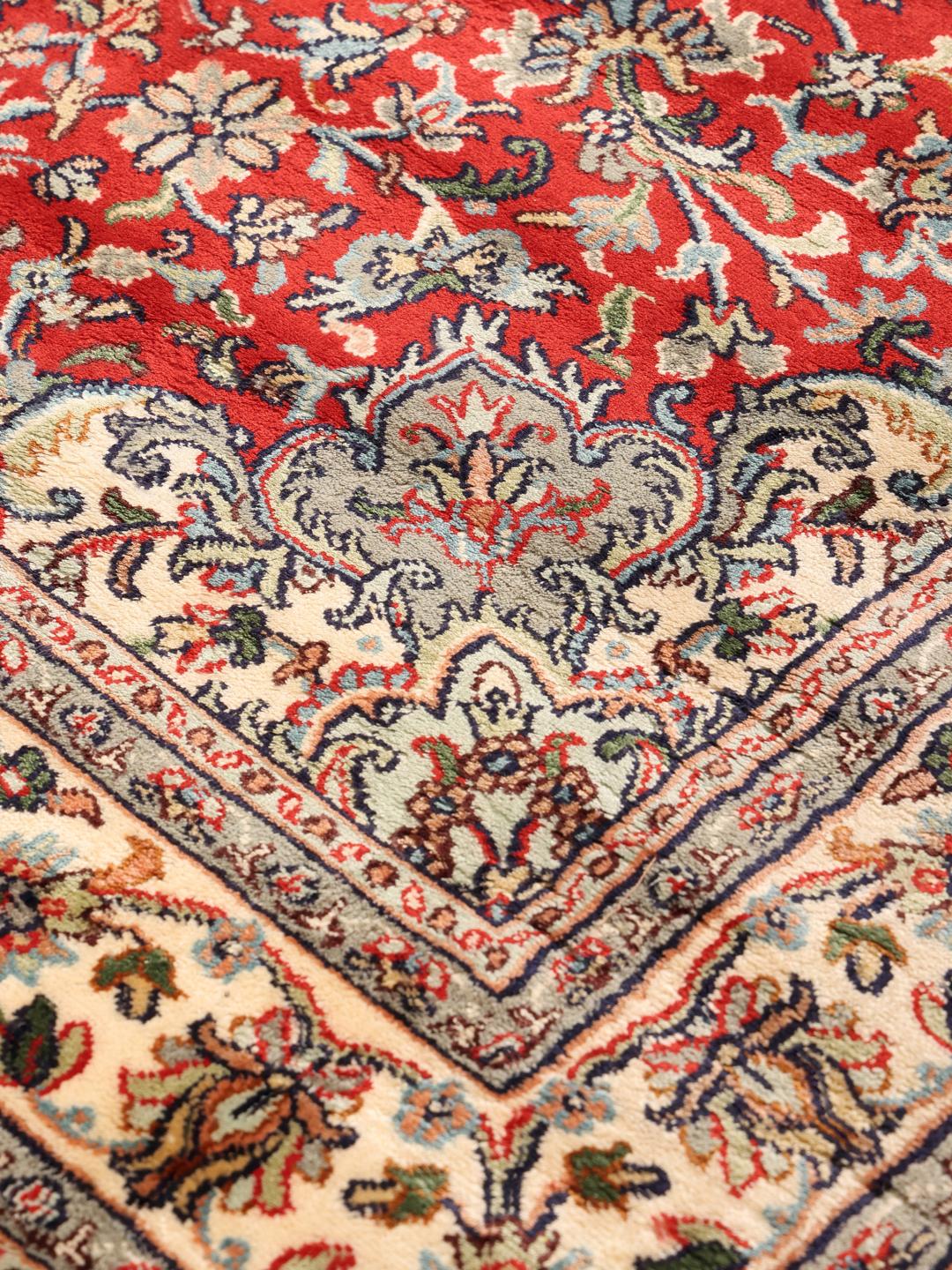
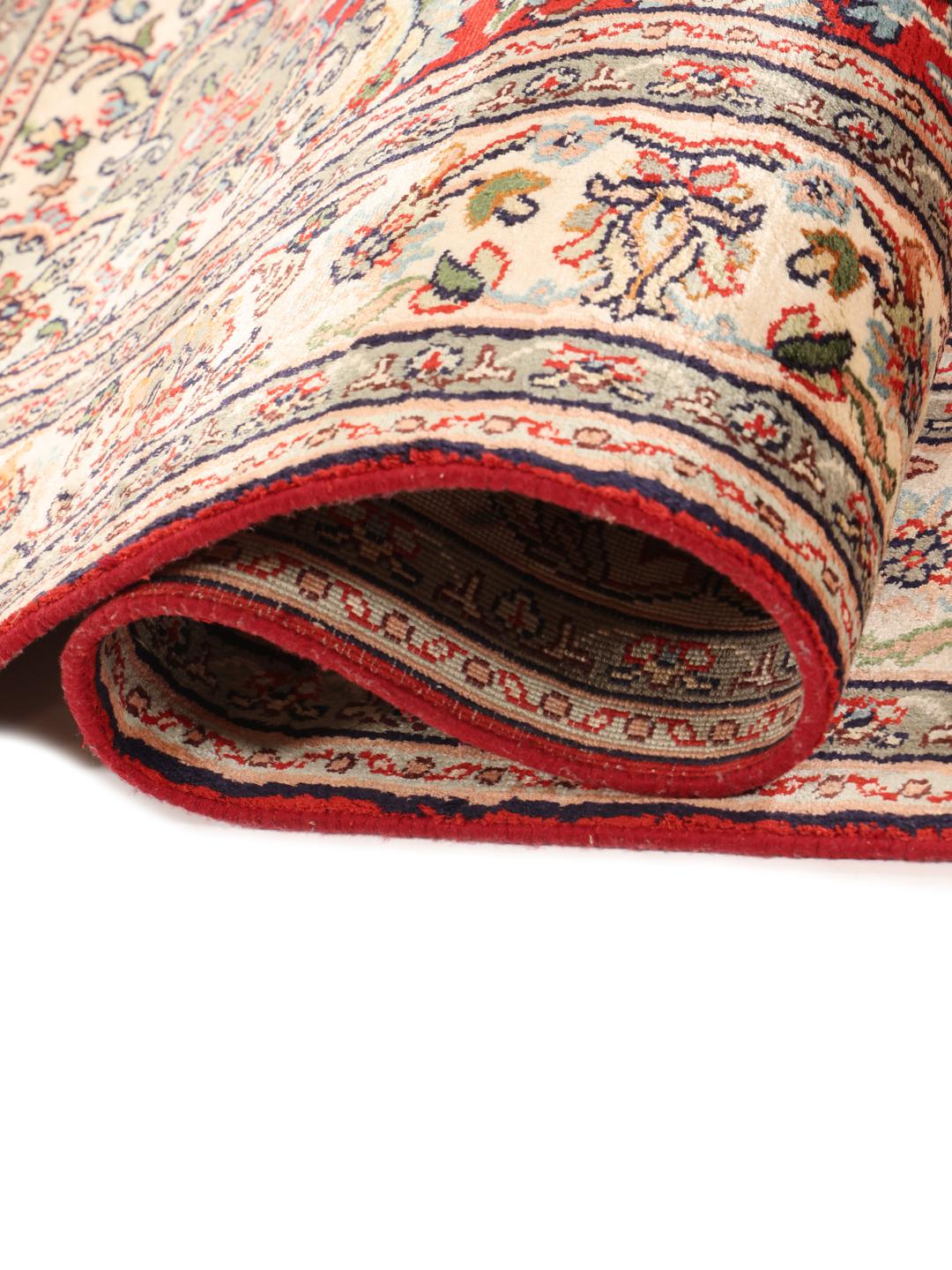
The term Kashmir silk refers not only to the origin but to the specific tradition of using fine silk threads to create highly detailed, thin, and lustrous piles. This material choice is significant because silk allows for much finer knotting than wool, enabling the creation of complex, curvilinear designs and subtle colour gradations that are hallmarks of this tradition.
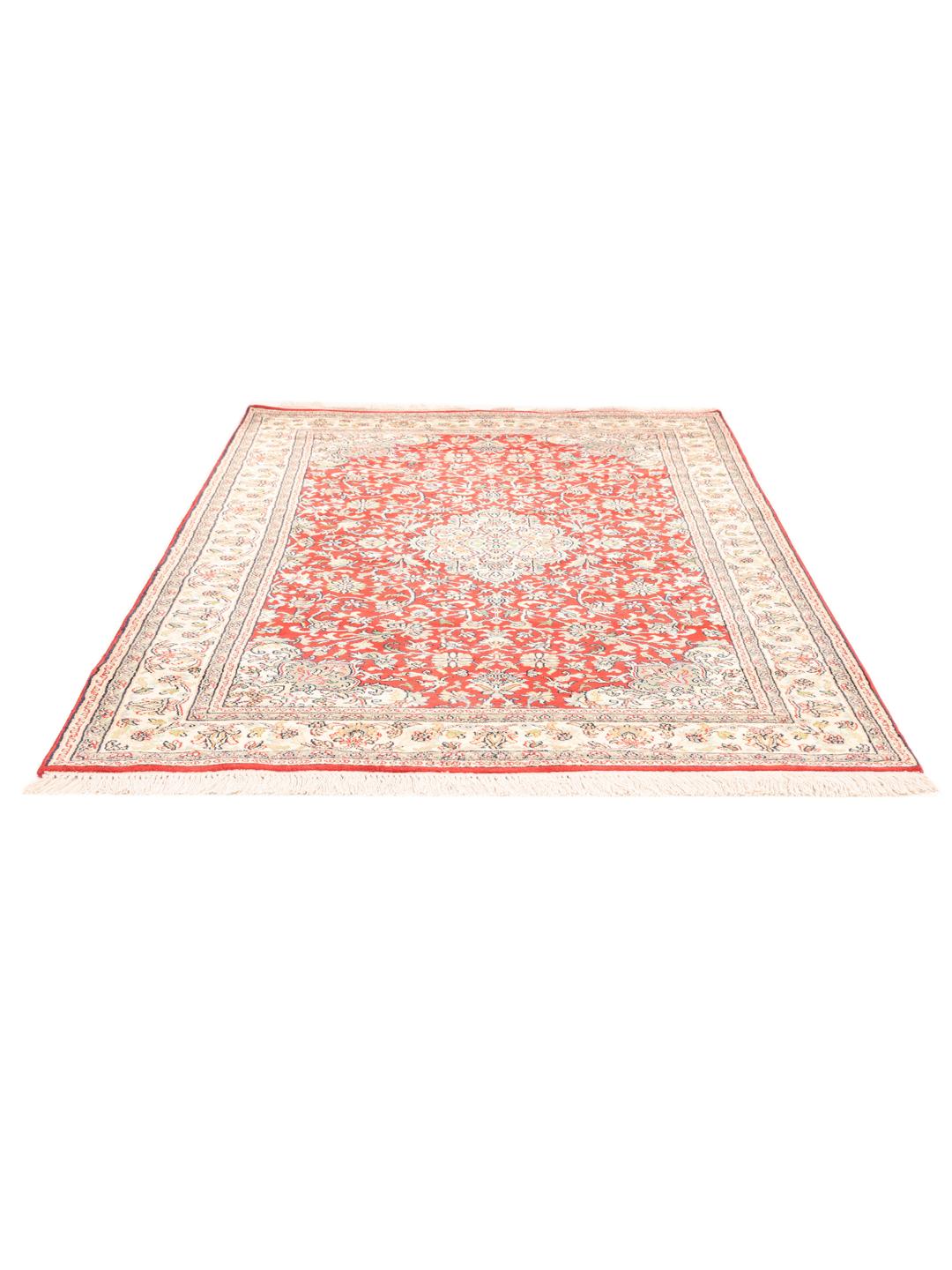
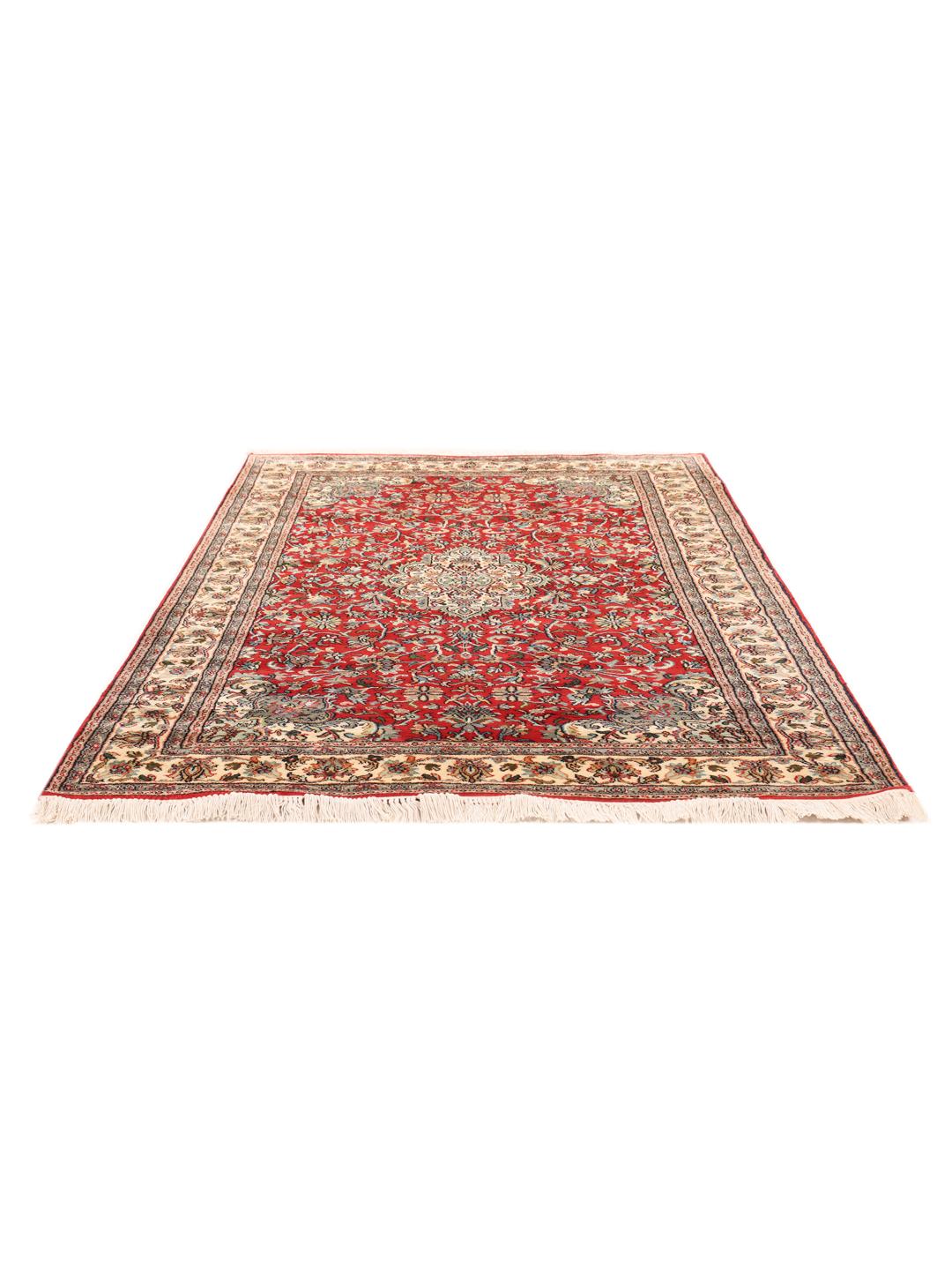
Signature design elements of these rugs often include the boteh, or paisley motif, and intricate floral sprays that fill the field. This particular rug exemplifies that tradition with its harmonious floral compositions and carefully balanced borders. Such patterns are typically inspired by the lush landscapes of the Kashmir valley, reflecting a deep connection to nature and a desire to bring its beauty indoors.
Owning a Kashmir silk rug is widely considered an investment in cultural heritage. These pieces are valued by collectors for their technical precision and the human story behind every knot. They represent a legacy of patience and skill, serving as a reminder of the enduring human capacity to create objects of lasting beauty.