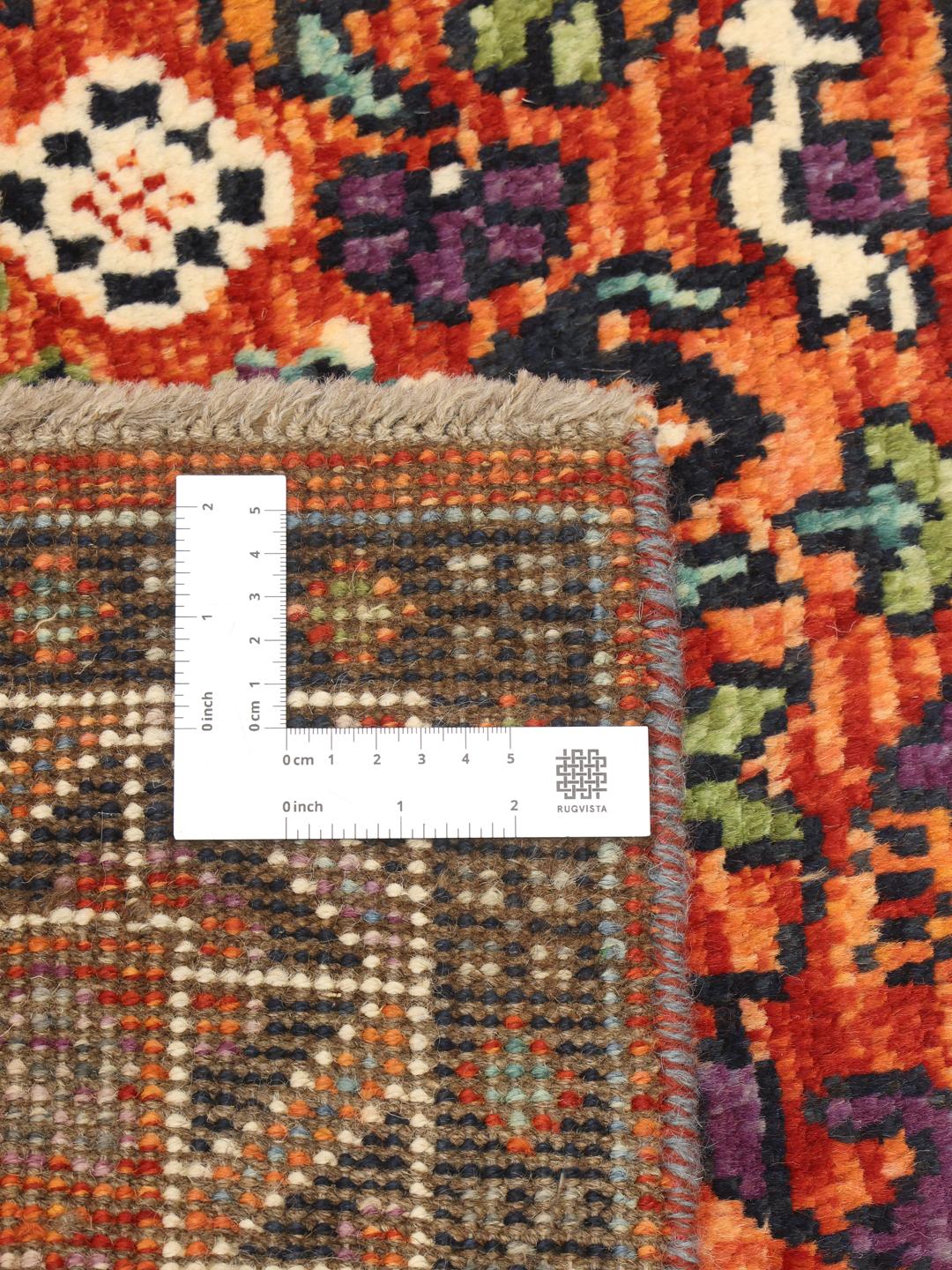
Kazak rugs are celebrated for their bold, geometric designs and their roots in the tribal weaving traditions of the Caucasus region. While the original Kazak rugs were produced by nomadic groups, the tradition has evolved over centuries, with Afghanistan becoming a major centre for high-quality, hand-knotted production that honours these ancient stylistic roots. This migration of craft has allowed the vibrant, expressive language of Kazak design to reach a wider audience of collectors and enthusiasts.
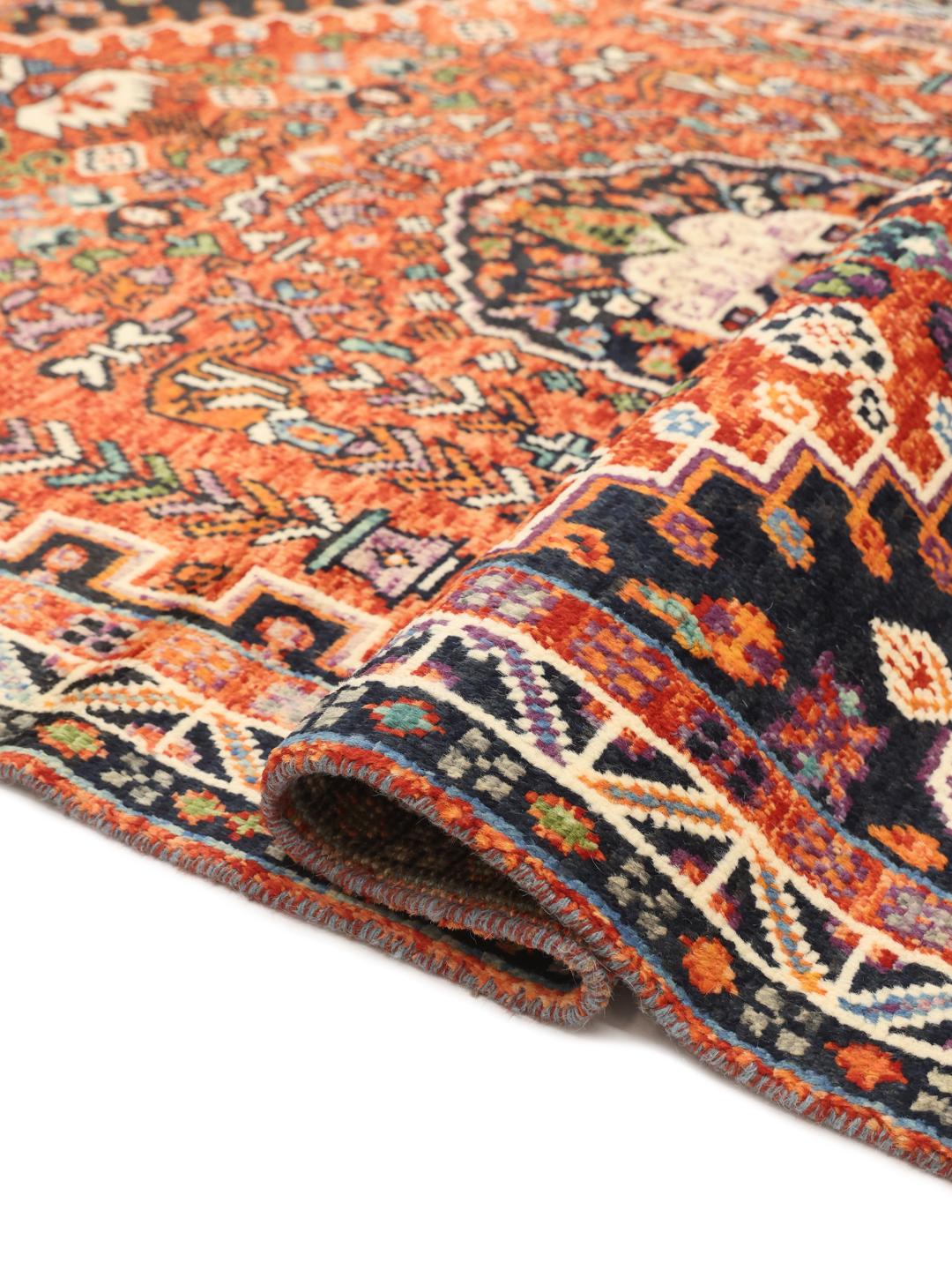
The term 'Kazak' refers to a specific aesthetic characterised by large, simplified geometric motifs and a strong, primary colour palette. These rugs are known for their sturdy construction, which is designed to withstand the rugged conditions of nomadic life. Today, this tradition lives on through the use of high-quality wool and traditional knotting techniques that prioritise both visual impact and long-lasting durability.
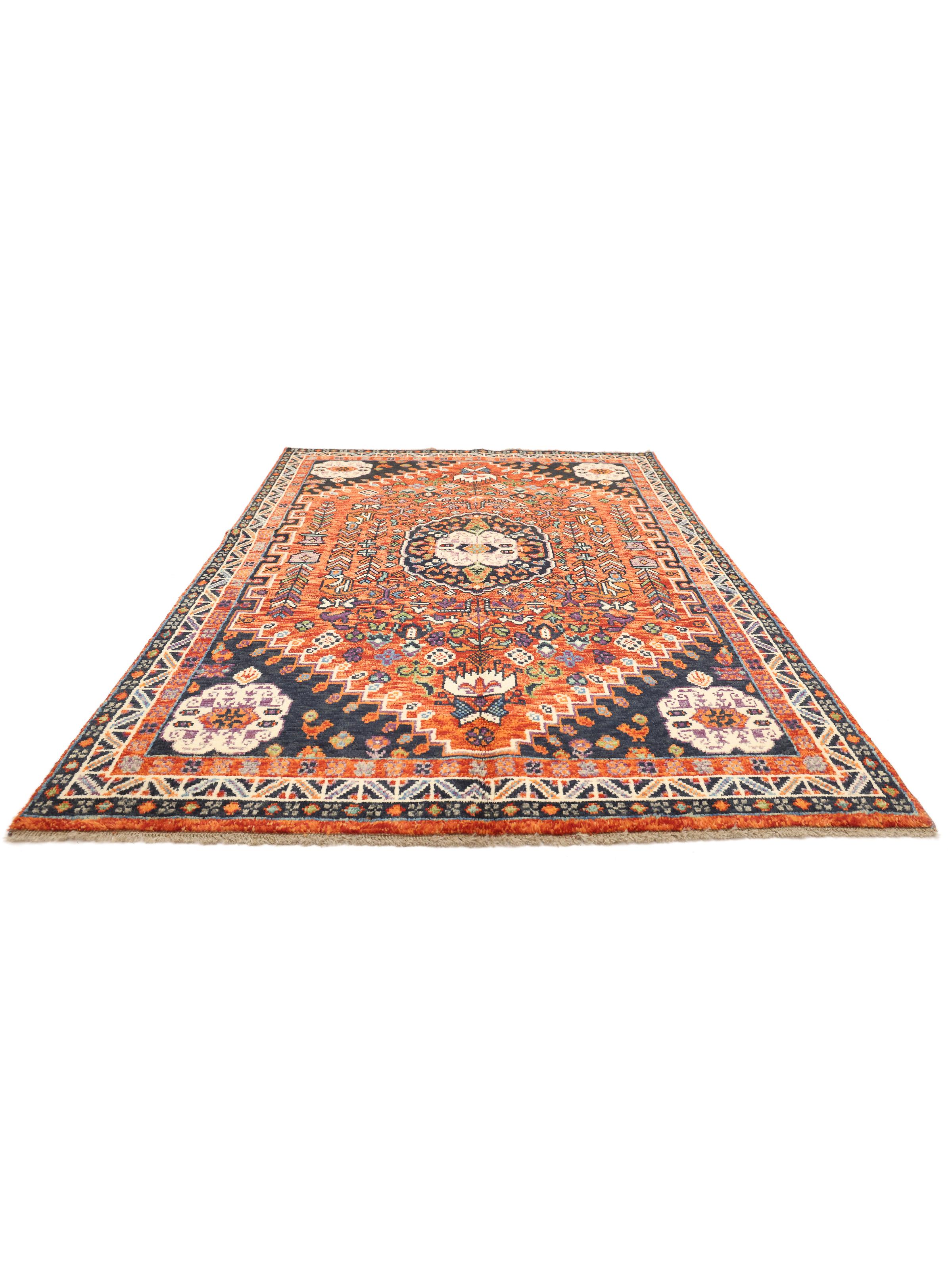
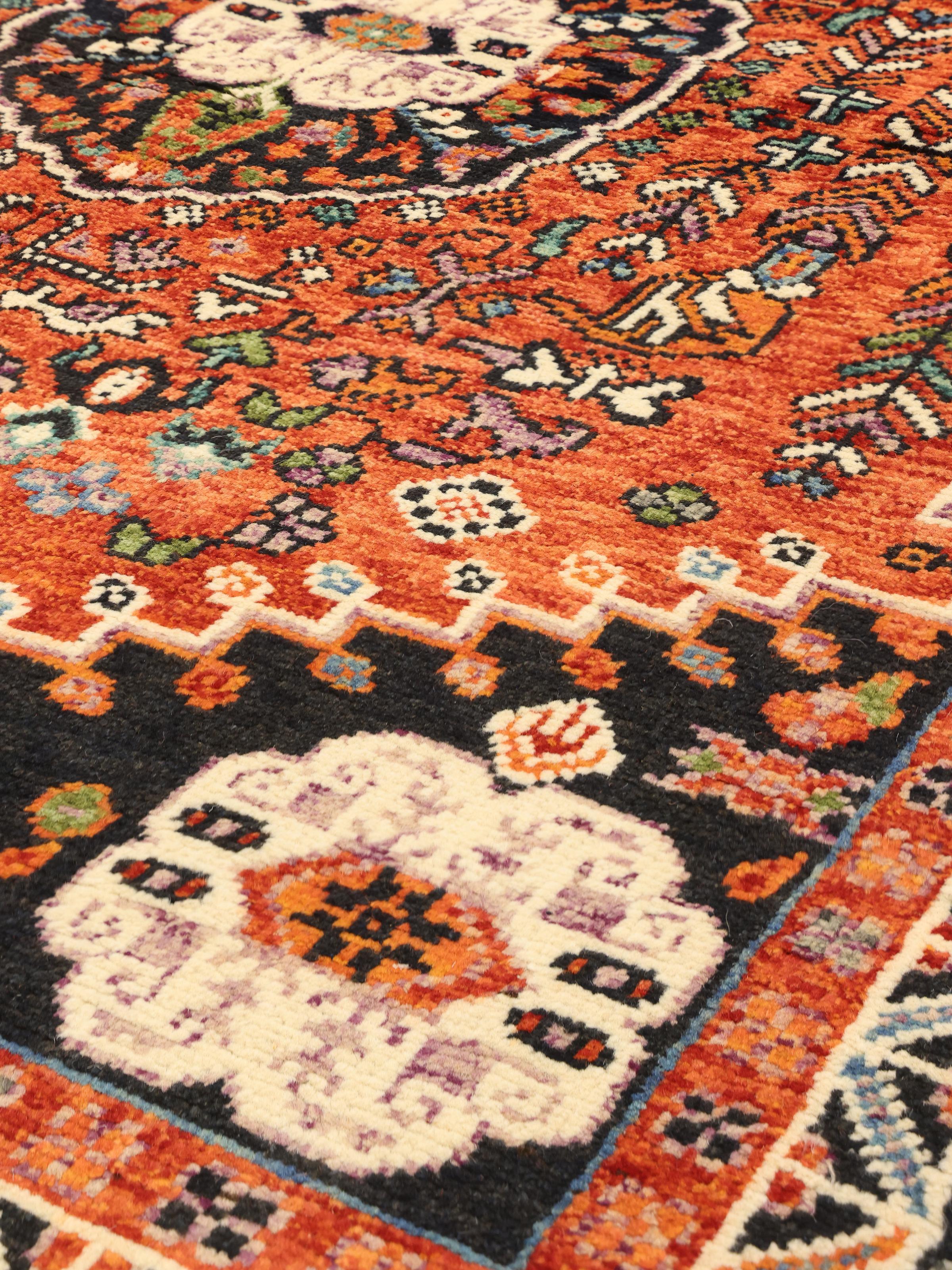
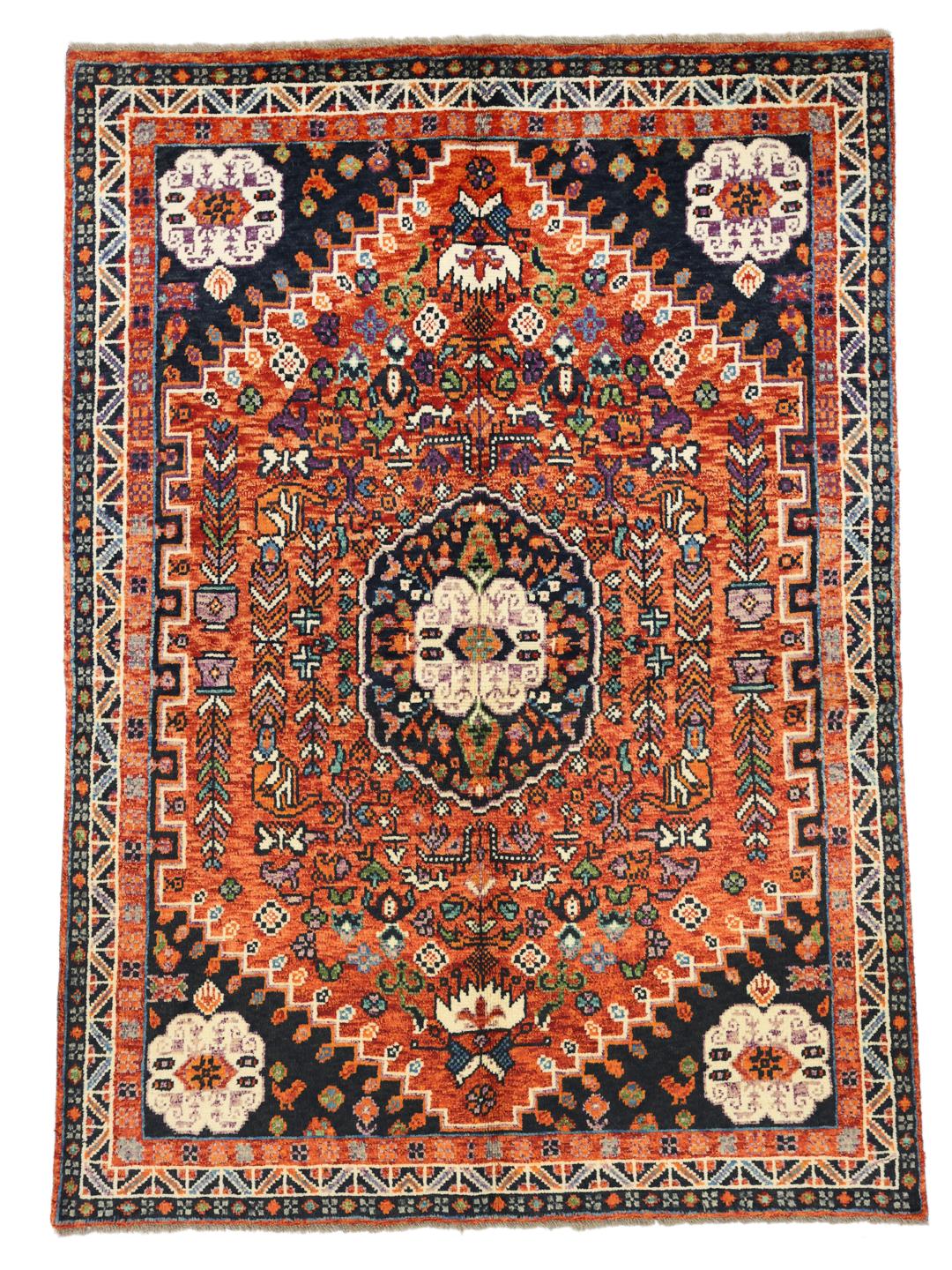
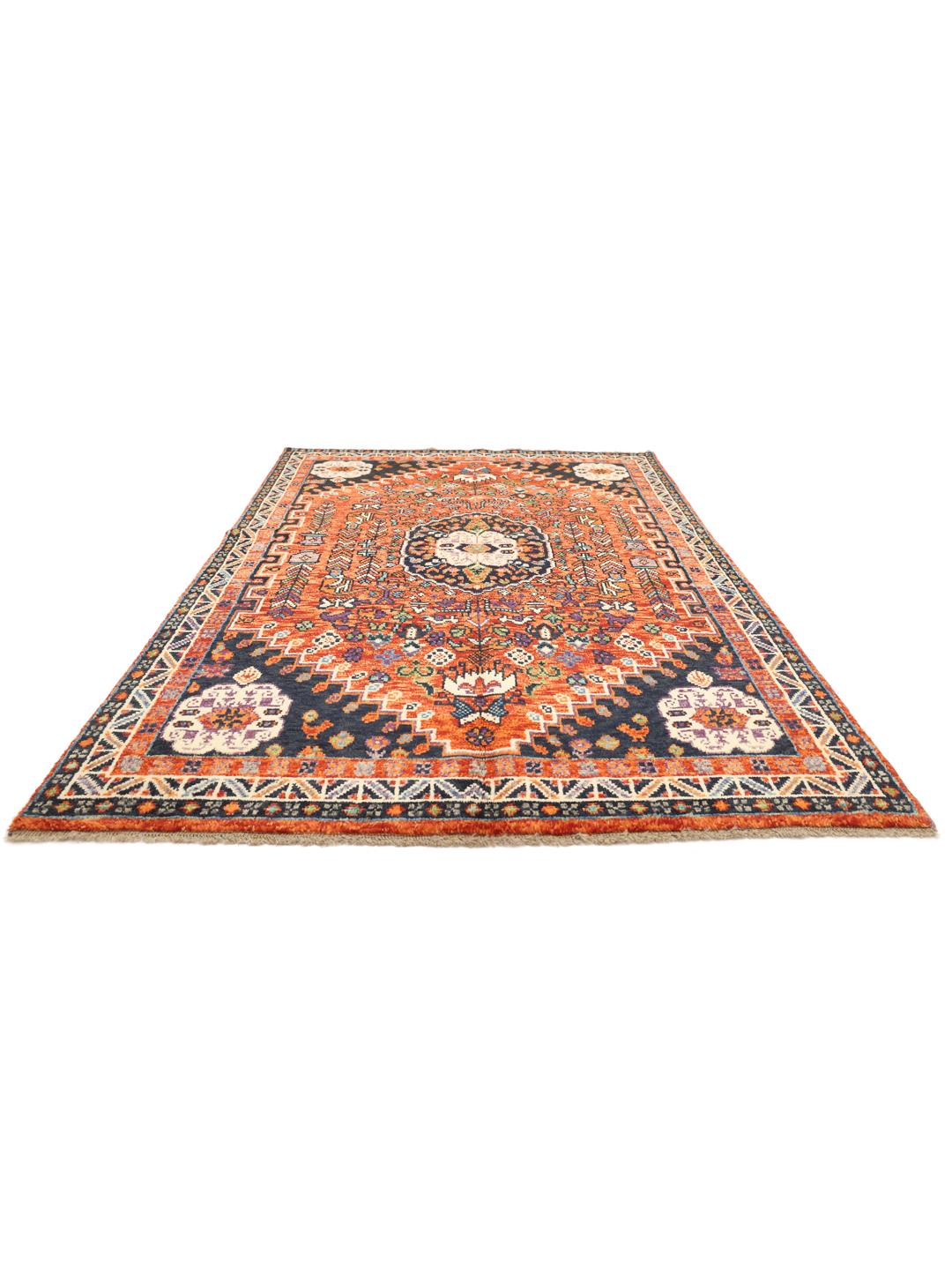
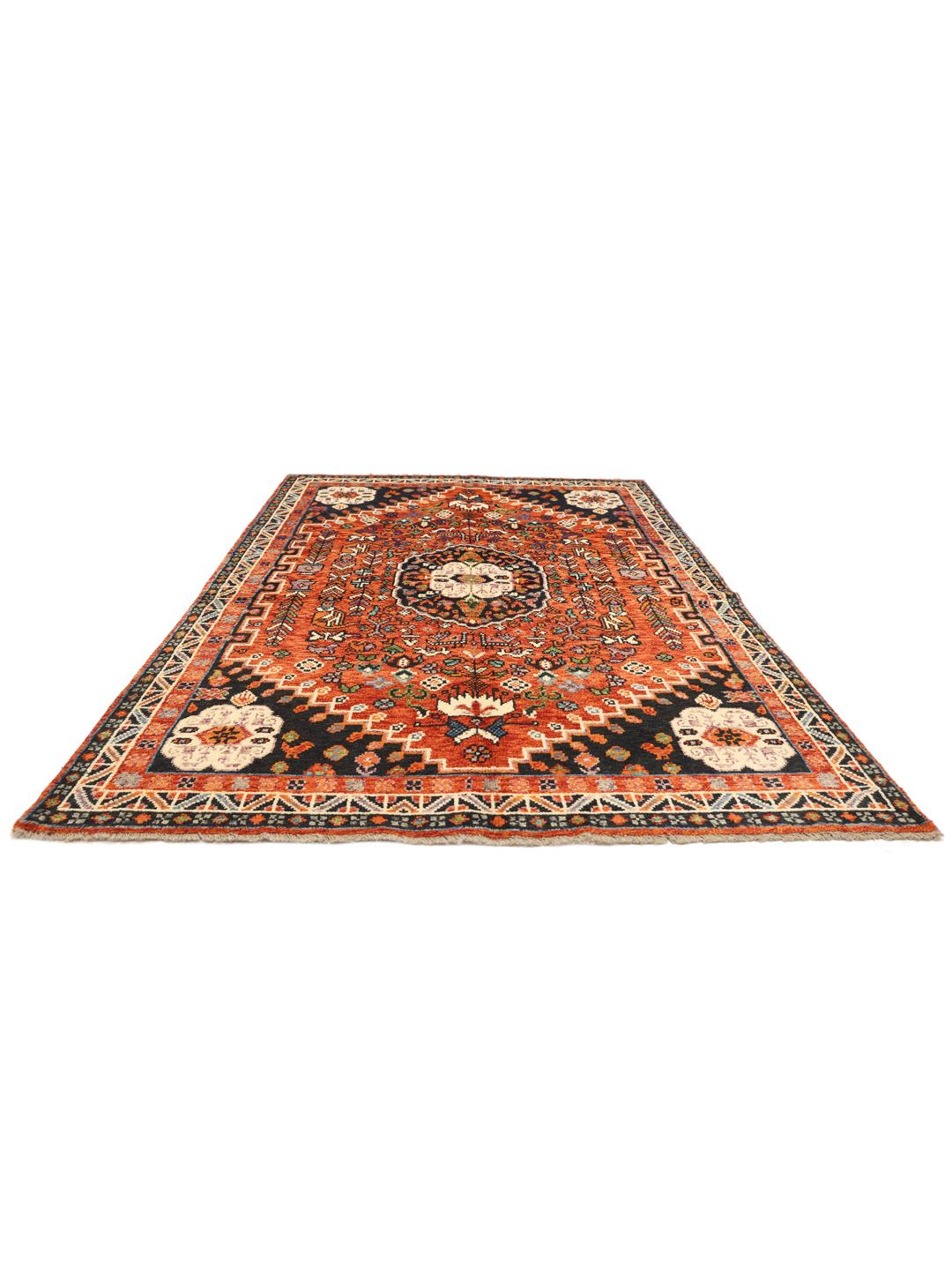
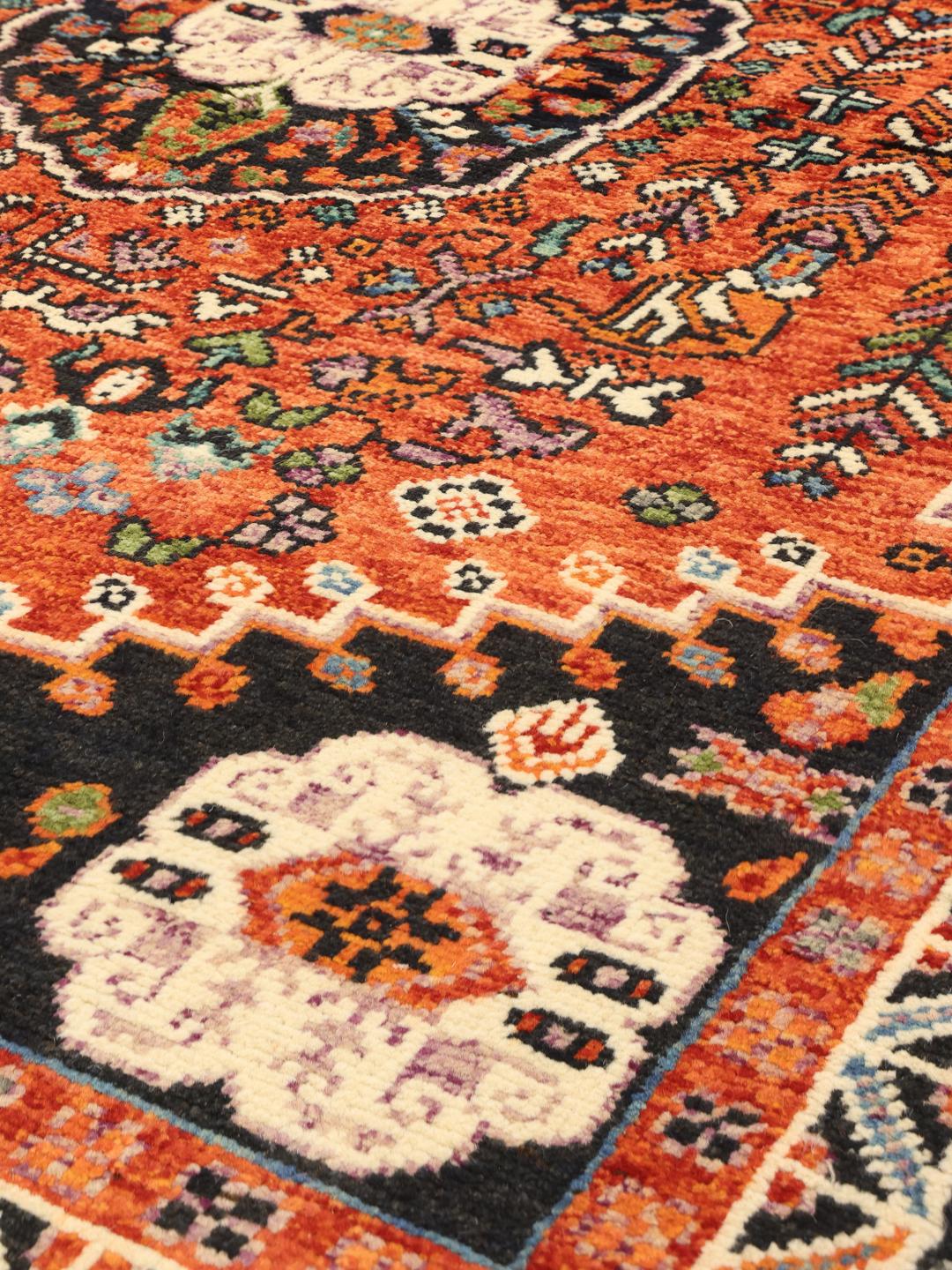
The design of this rug is dominated by classic geometric patterns, including the iconic central medallion and decorative borders that frame the composition. These motifs are not merely decorative; they are a visual language that has been passed down through generations. The use of vibrant, contrasting colours is a hallmark of the style, creating a sense of energy and balance that is instantly recognisable to those familiar with traditional rug weaving.
Owning a Kazak rug is an opportunity to connect with a rich cultural heritage. These pieces are valued for their authenticity and the human effort required to create them, making them more than just floor coverings. They are symbols of artistic expression and technical skill, serving as a reminder of the enduring beauty found in traditional crafts. Each rug is a testament to the weaver's ability to interpret history and translate it into a modern, functional object.