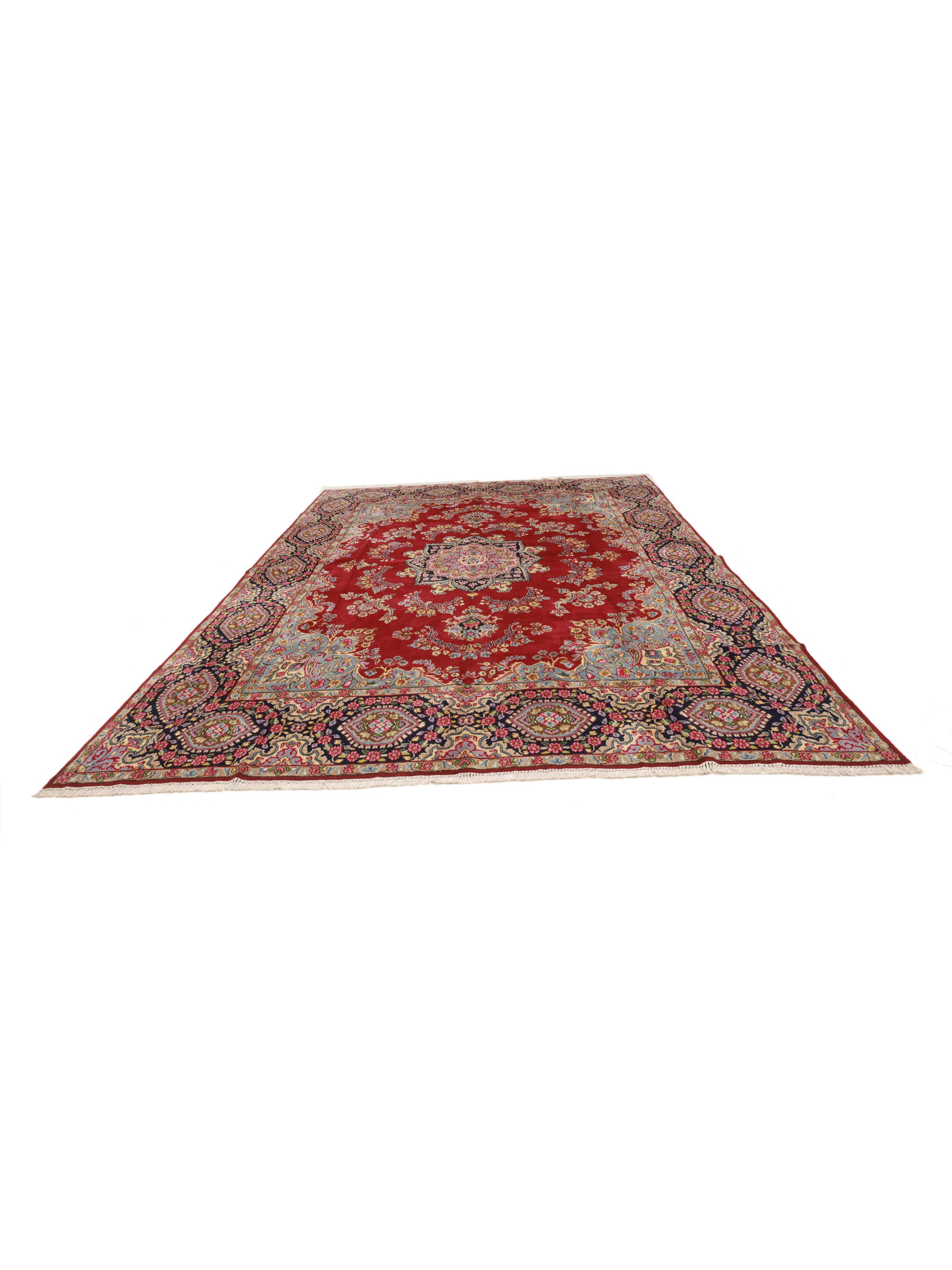
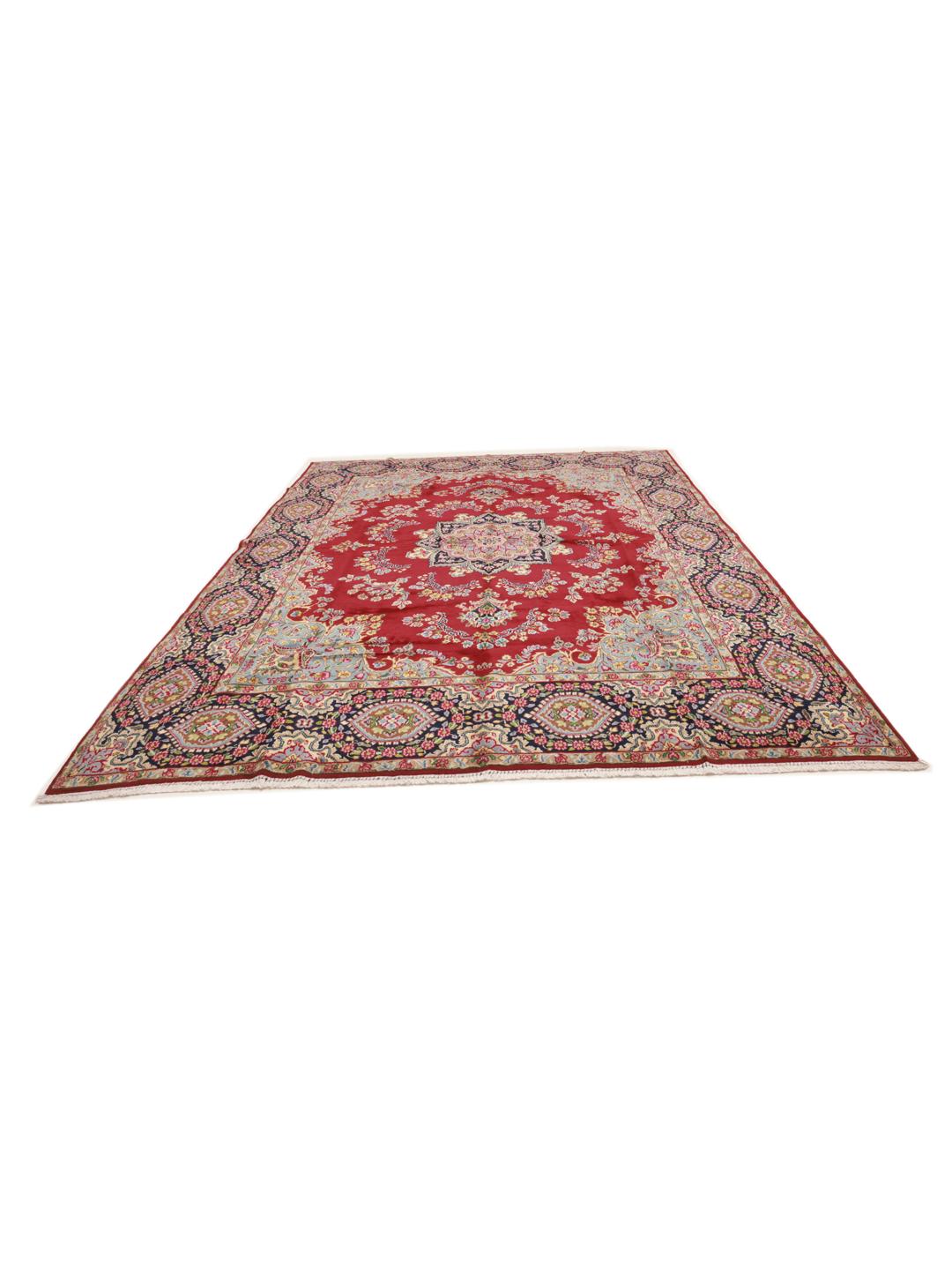
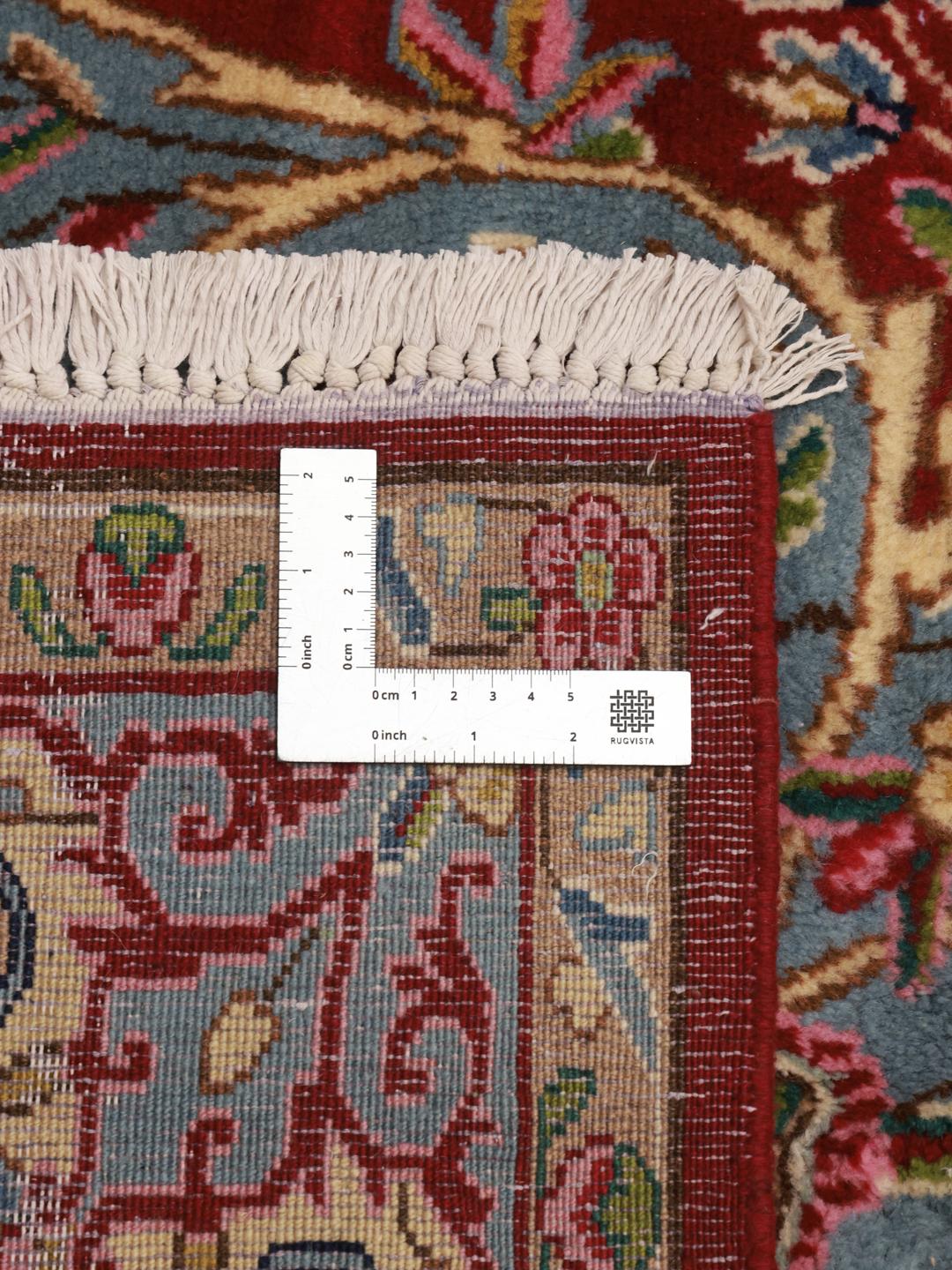
Kerman rugs originate from the city of Kerman, located in the high desert of the Middle East, a region with an ancient reputation for textile excellence. This city has long been recognised as a hub for artistic weaving, where the local climate and access to high-quality materials influenced the development of a distinct, sophisticated style. The tradition of Kerman weaving is deeply intertwined with the history of the Silk Road, acting as a crossroads for design influences that travelled across the continent.
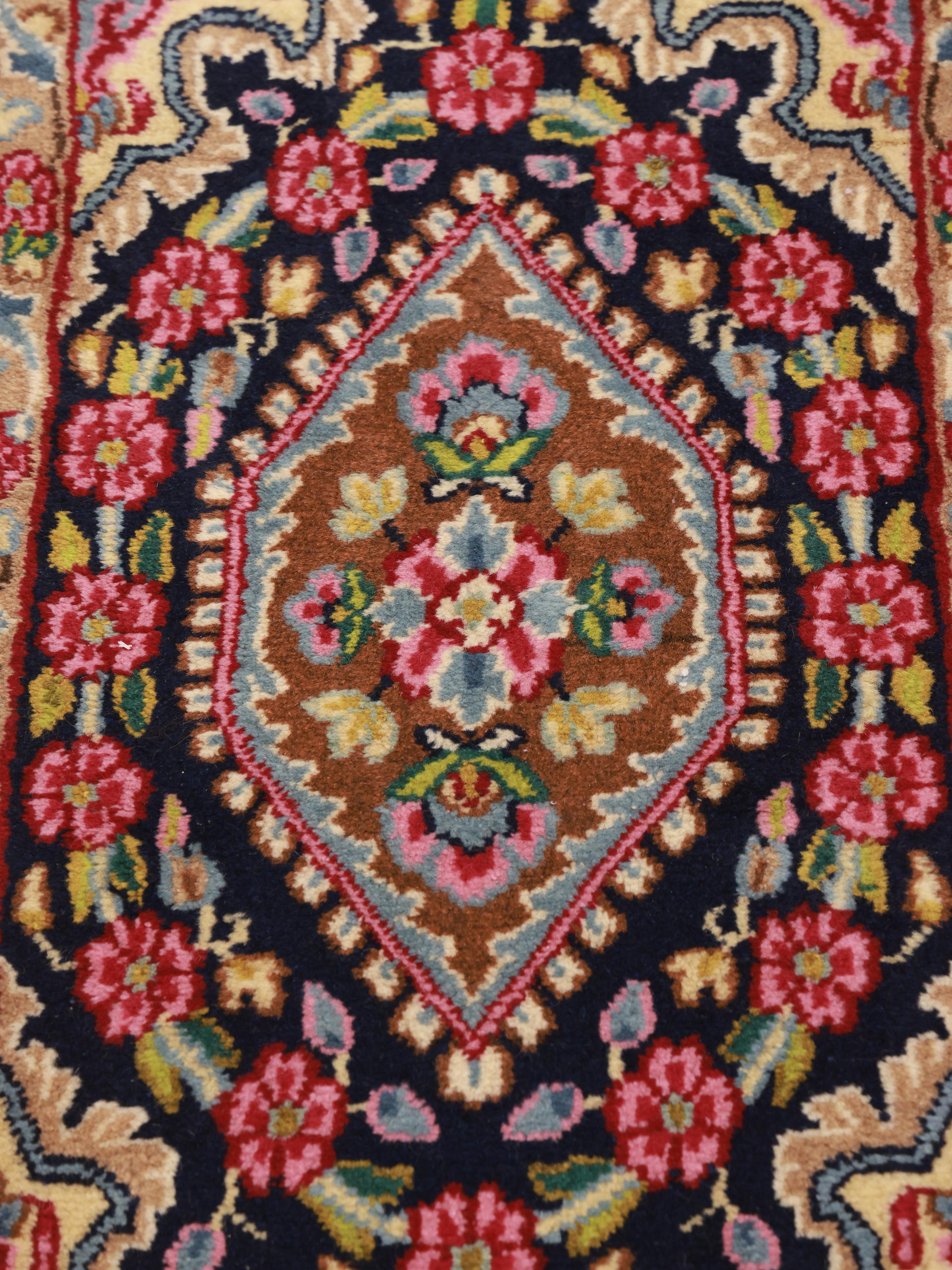
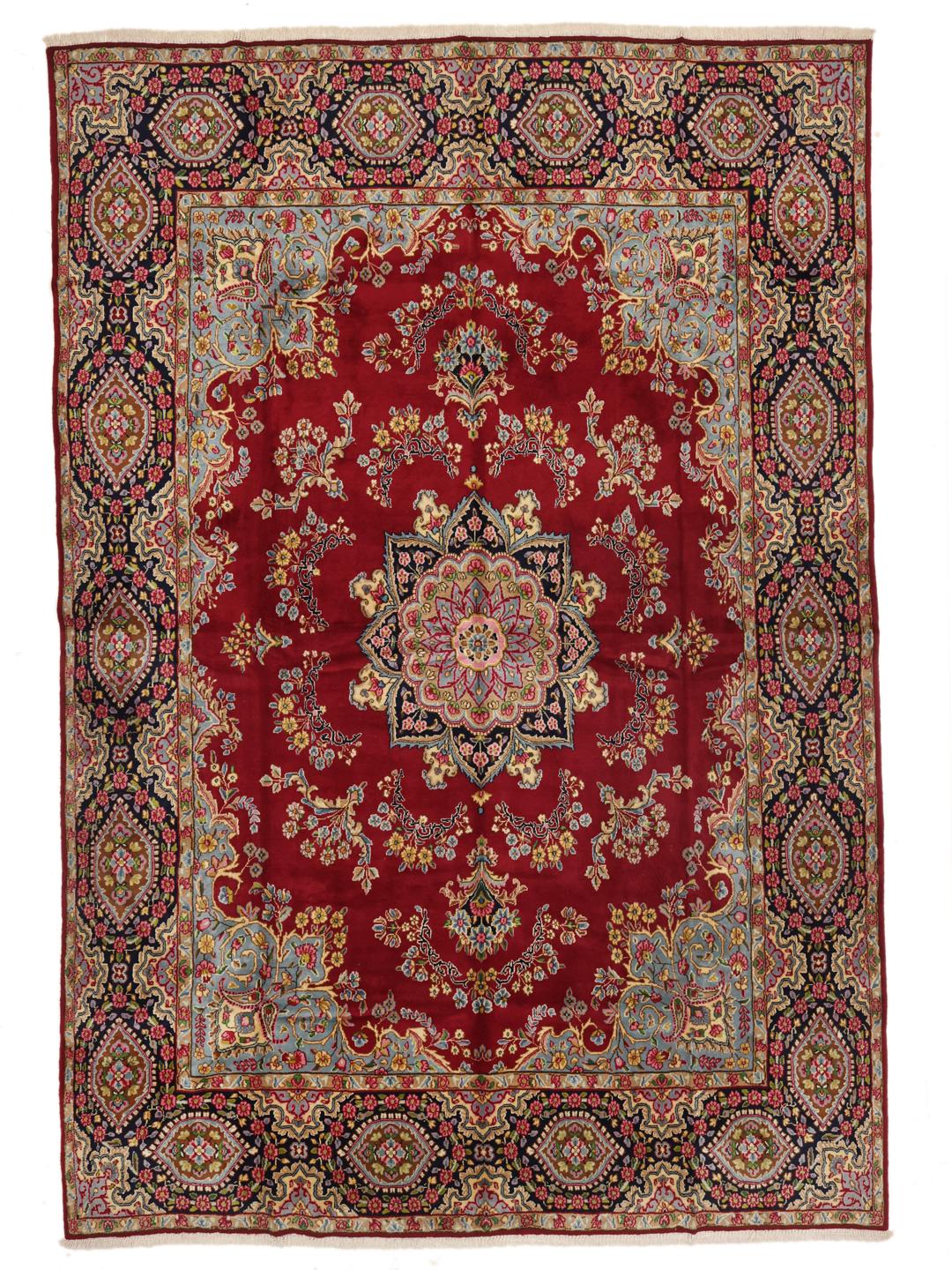
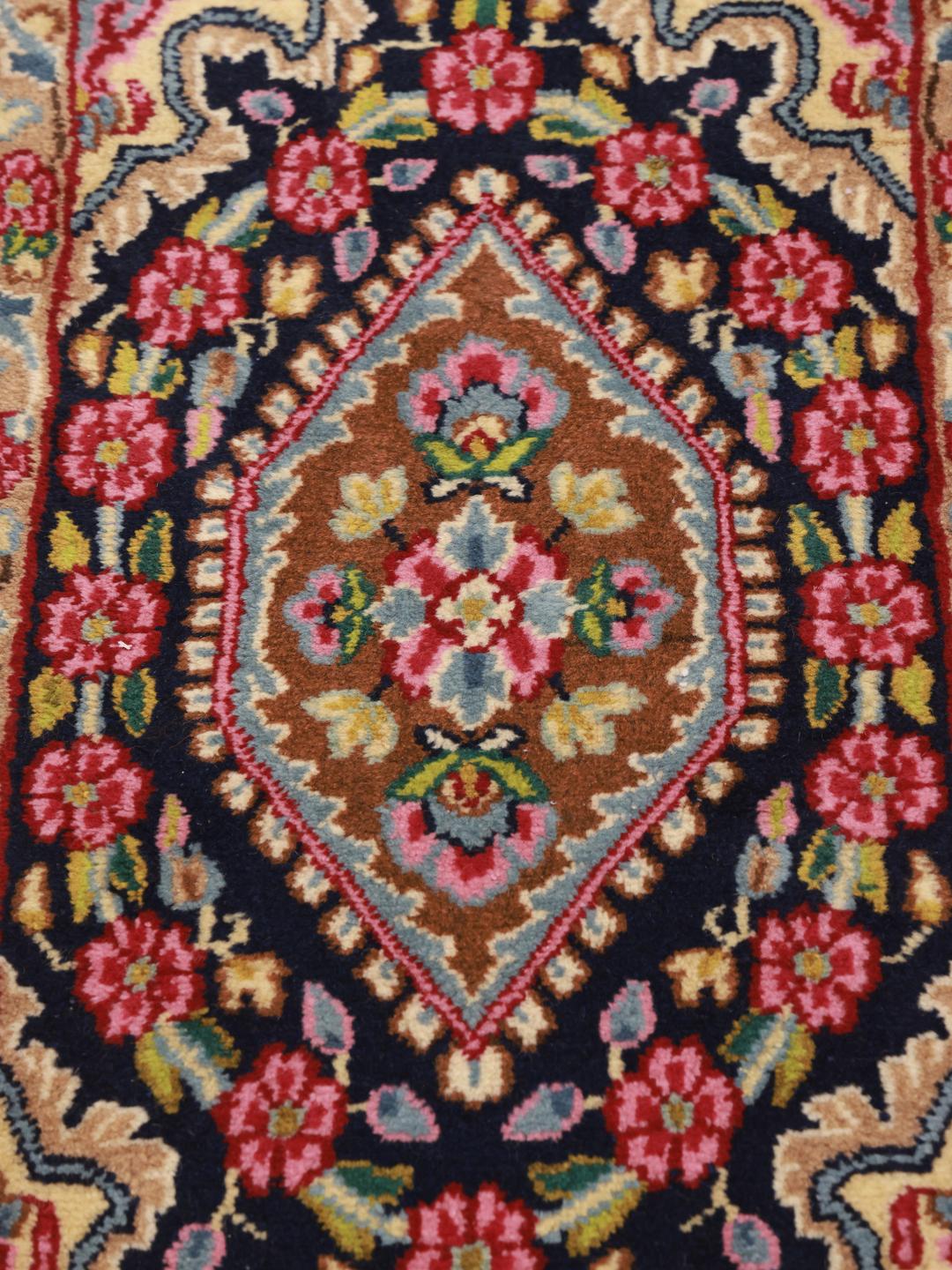
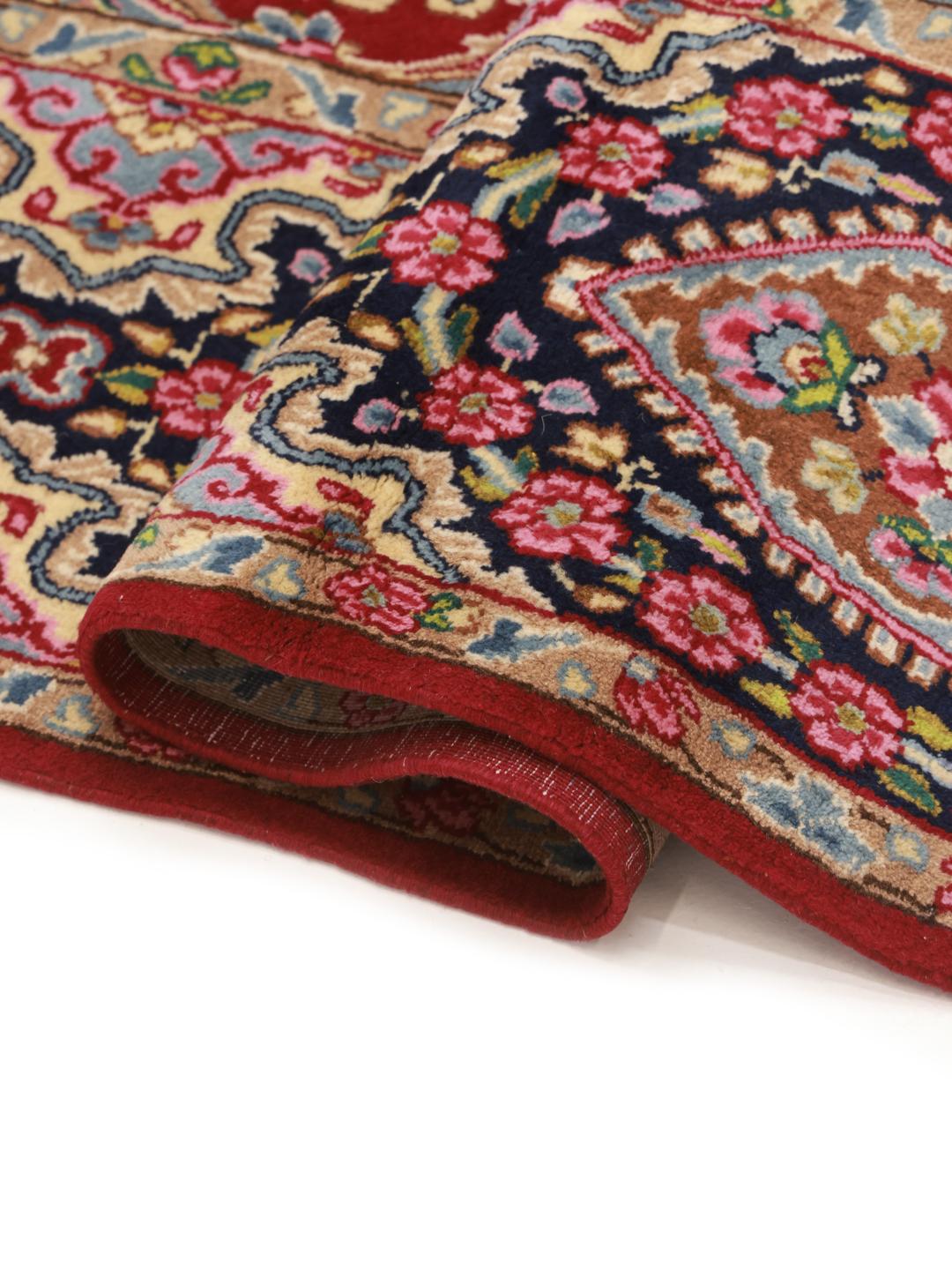
The technical mastery of Kerman weavers is legendary, often characterised by the use of complex floral designs and an immense variety of colours. These rugs are famous for their balanced, curvilinear compositions, which require a high level of mathematical precision and artistic vision. The term 'Kerman' itself has become synonymous with a specific standard of refinement, where the density of the knotting allows for the creation of incredibly detailed, realistic floral motifs that look almost like paintings rendered in wool.
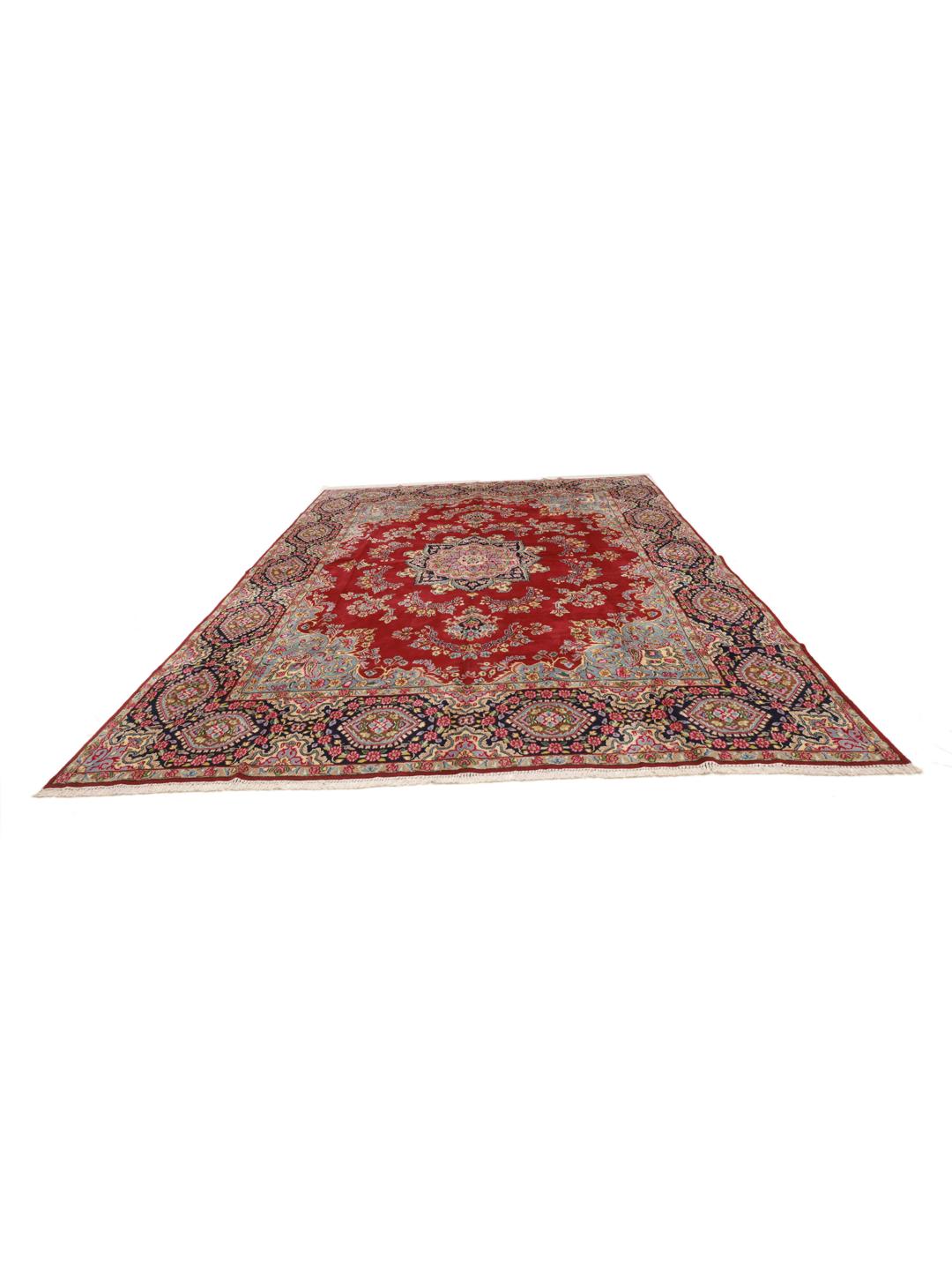
Signature elements of this tradition include the classic central medallion, often surrounded by a 'Shah Abbasi' floral pattern or intricate flowering vines that fill the field. The borders are typically just as detailed, featuring multiple guard stripes that frame the main design. While traditional Kerman rugs often favour a palette of deep reds, blues, and creams, the specific artistic choices made by individual weavers mean that each rug possesses a unique character and soul.
Collectors value Kerman rugs not just for their aesthetic beauty, but for their status as significant cultural artefacts. Owning a Kerman piece is seen as a commitment to preserving a lineage of craftsmanship that has survived through centuries of changing fashions. These rugs are more than just floor coverings; they are historical narratives woven by hand, representing a level of skill and artistic dedication that remains a benchmark for luxury textiles globally.