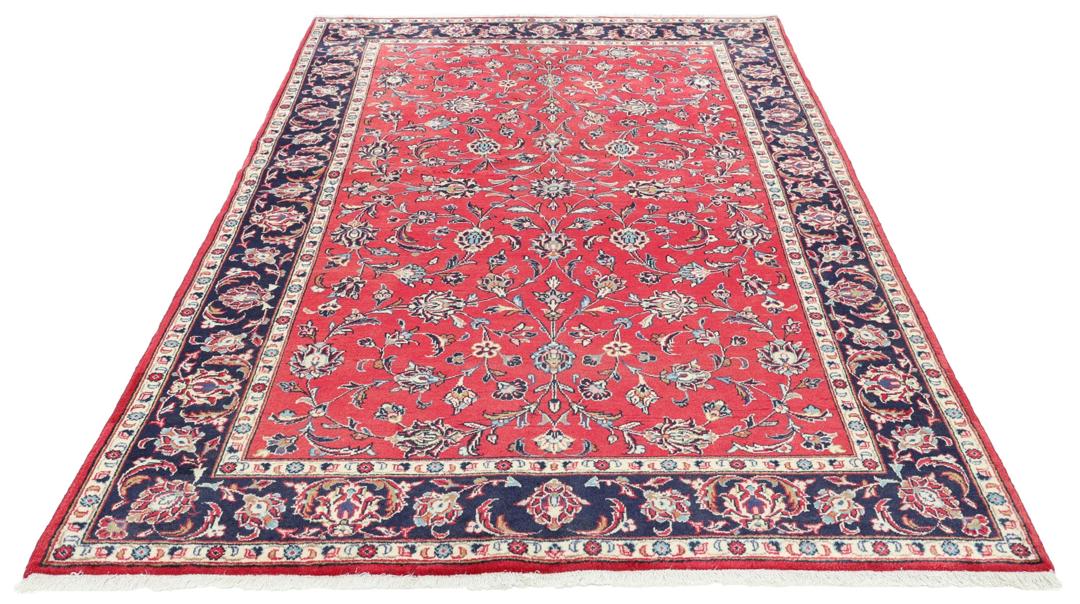
The Keshan rug tradition originates from the historic city of Kashan, a central hub in the Middle East famously situated on the ancient trade routes. For centuries, this region has been celebrated for its production of some of the most sought-after textiles in the world. The evolution of these rugs from early courtly commissions to the refined designs we see today reflects a deep cultural commitment to maintaining high standards of beauty and technical excellence.
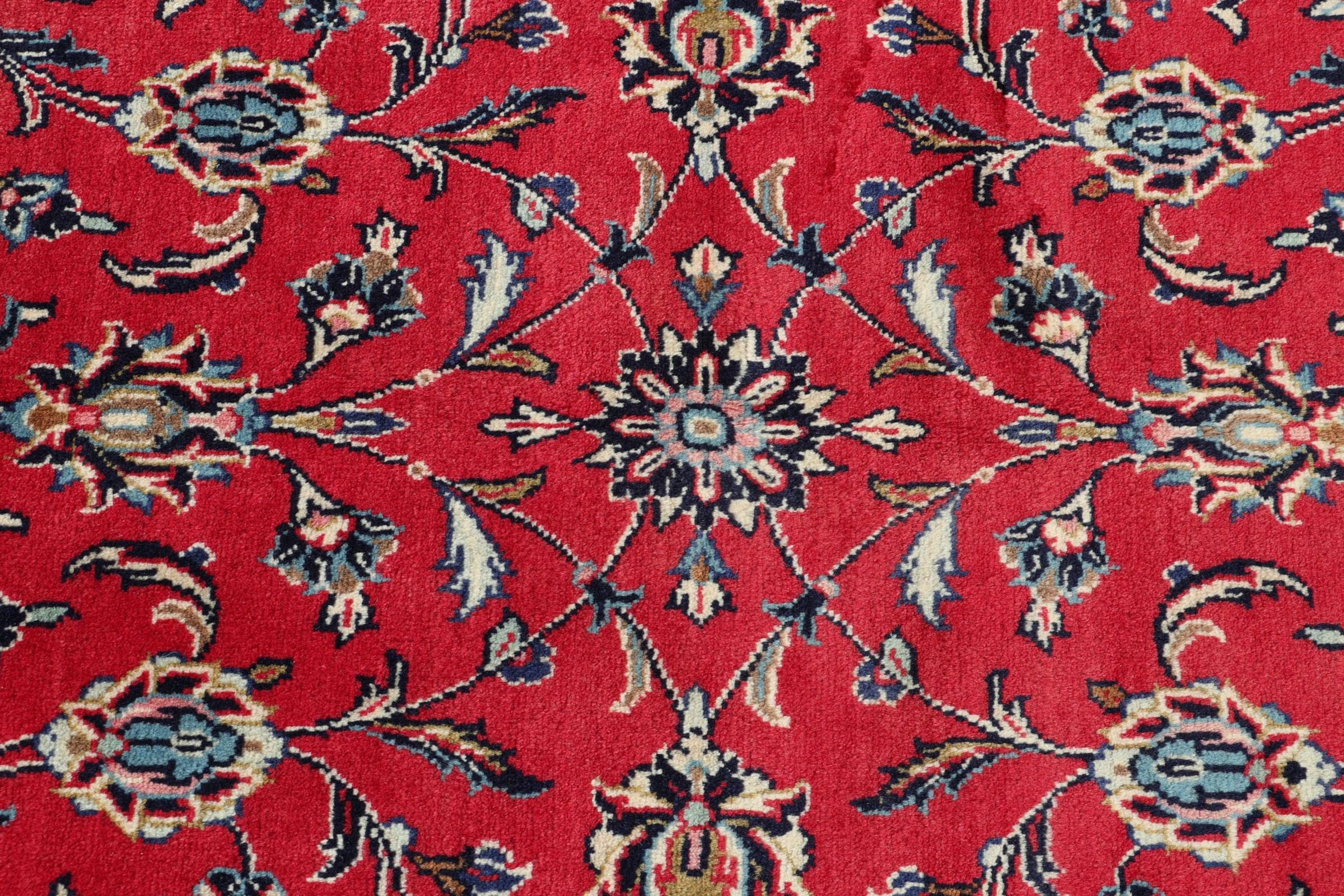
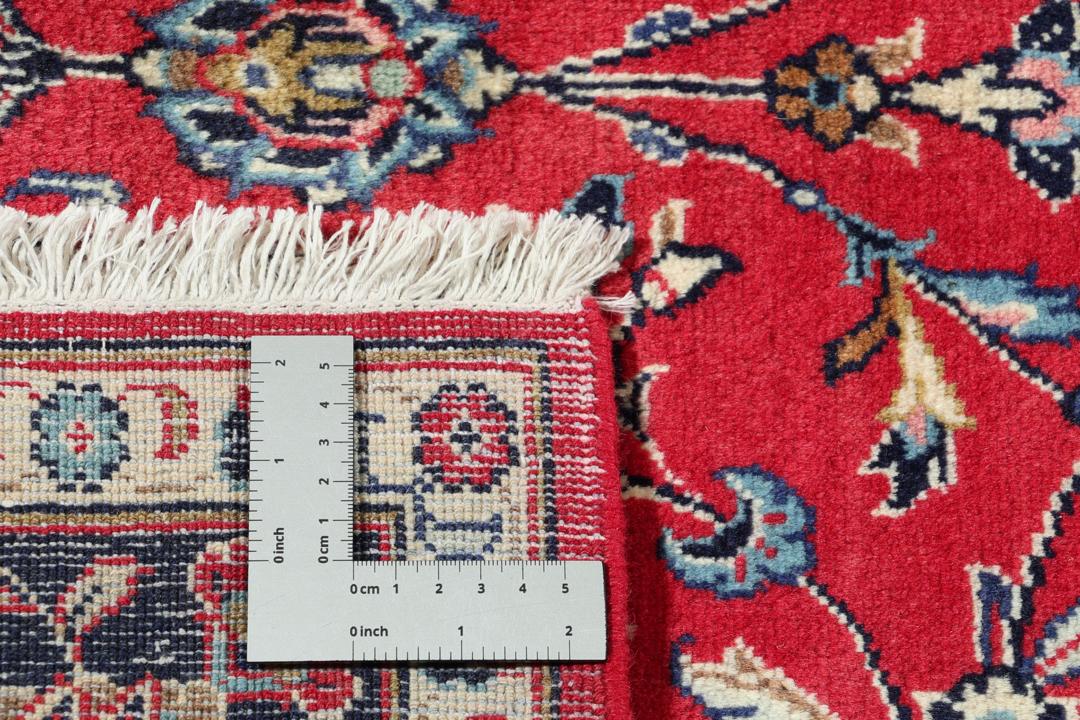
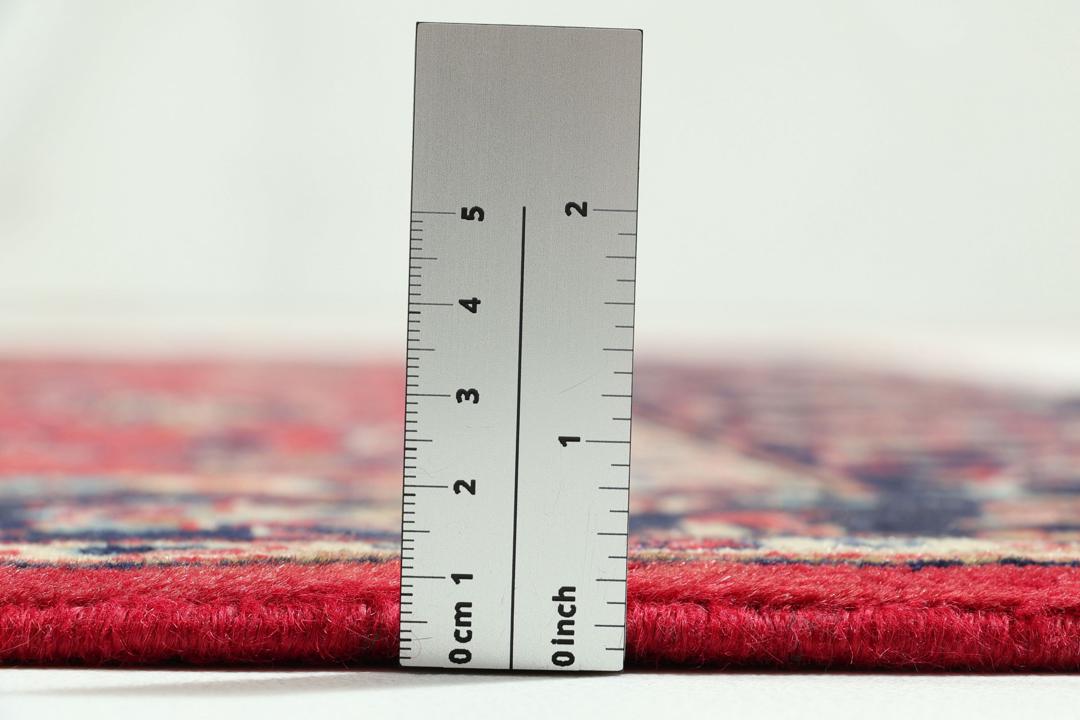
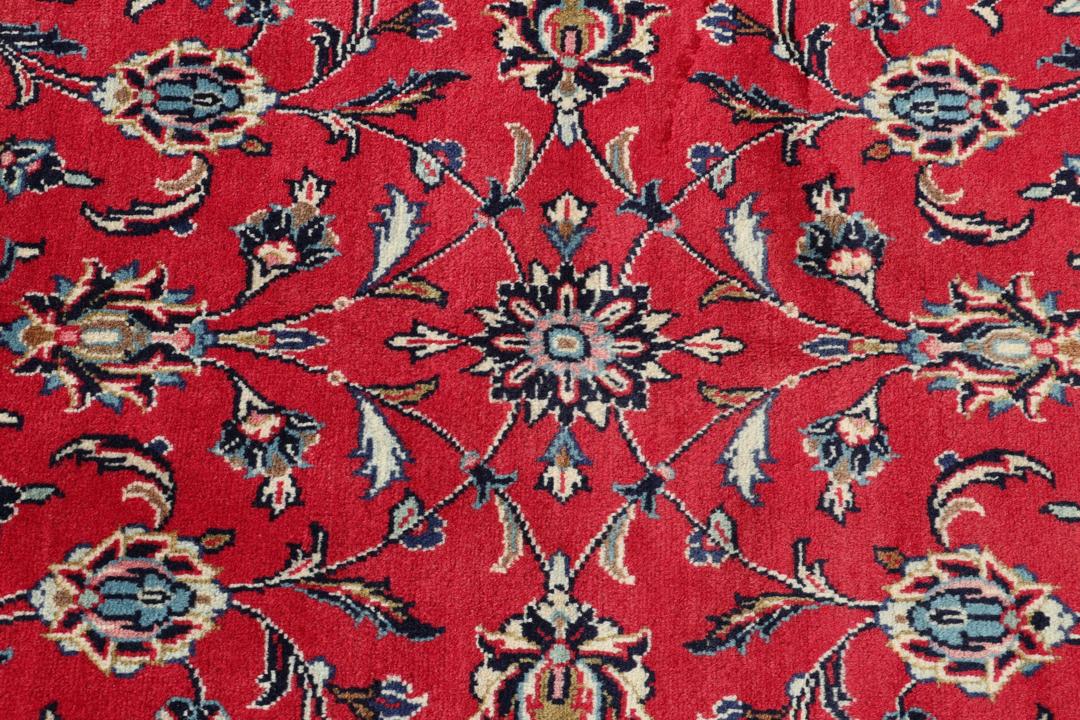
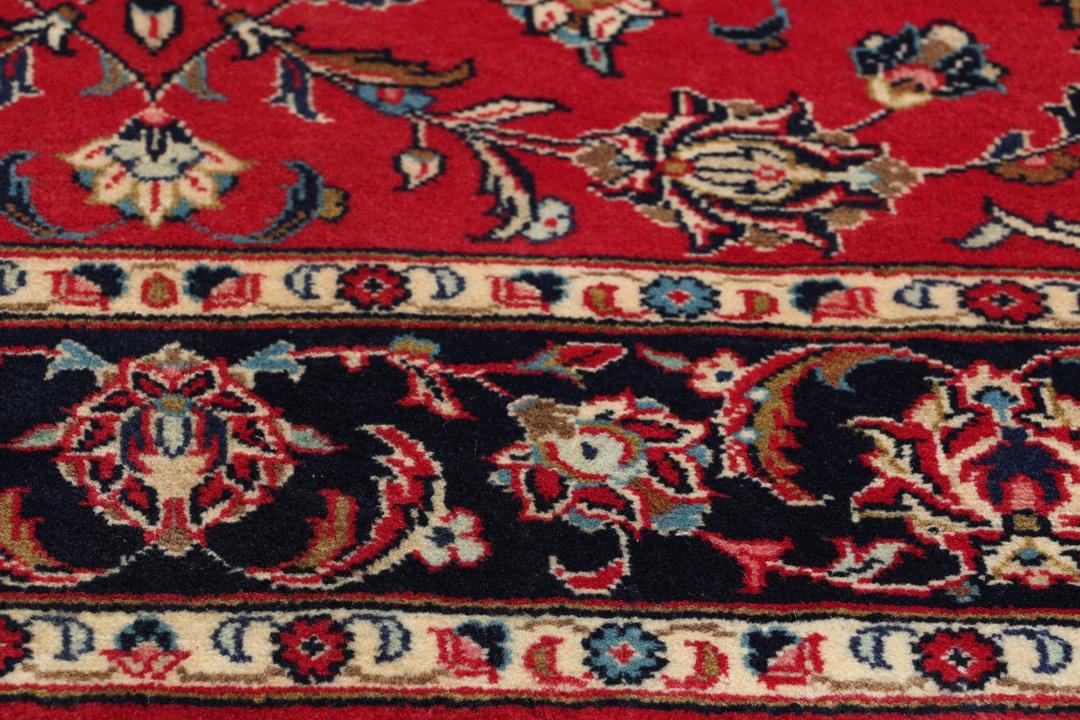
When we talk about the quality of a Keshan, we are referring to a long-standing tradition of using specific knotting techniques that result in a dense, durable pile. The term 'fine' signifies the precision with which these knots are placed, which is essential for achieving the intricate, curvilinear floral patterns that are the hallmark of this style. This dedication to technical precision ensures that the rug is not just a decorative item, but a long-lasting, high-performing textile.
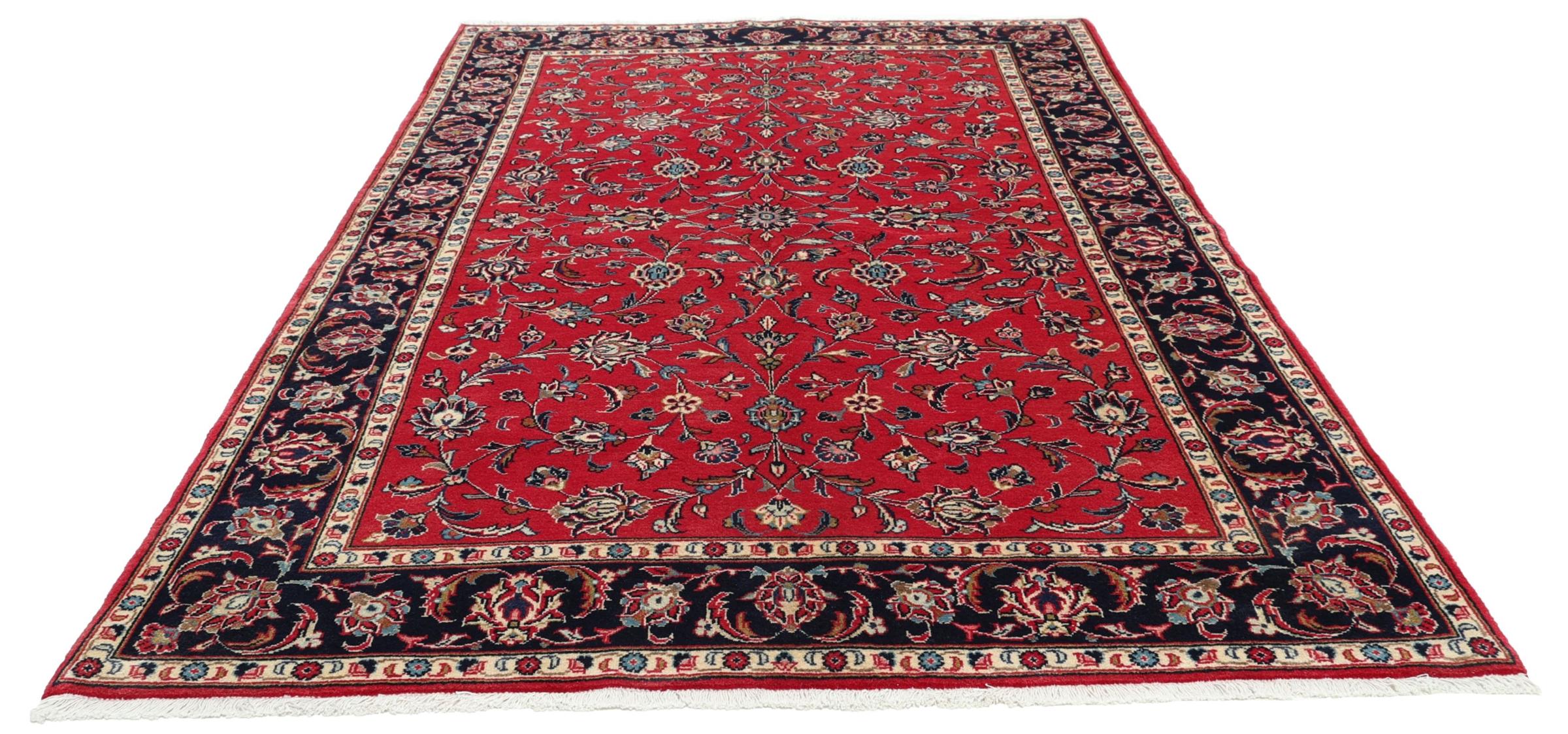
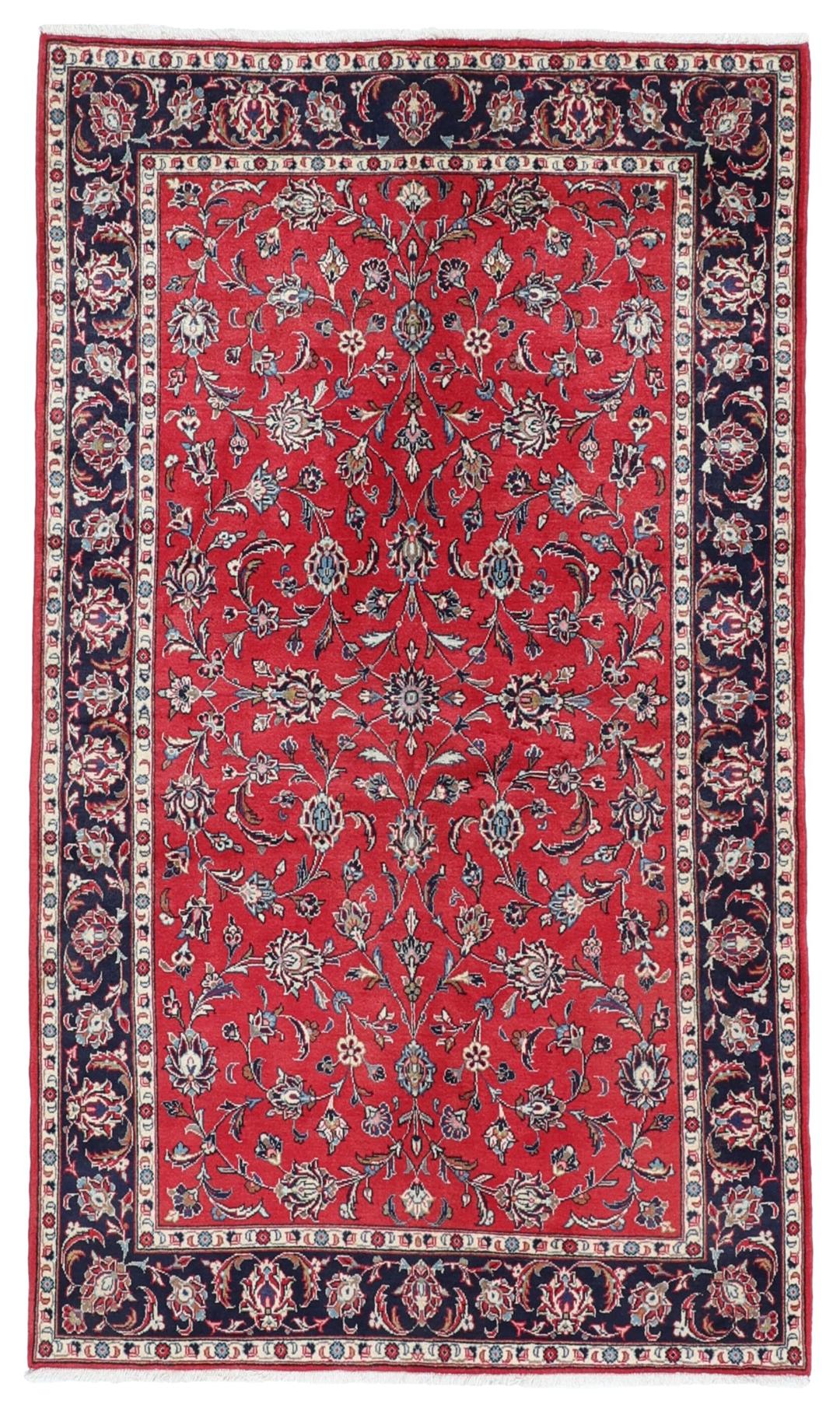
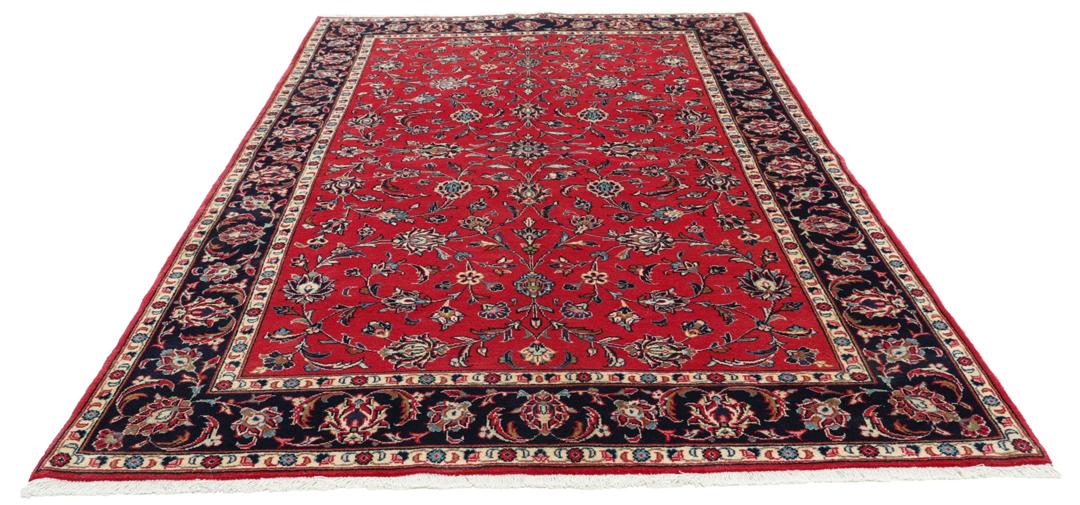
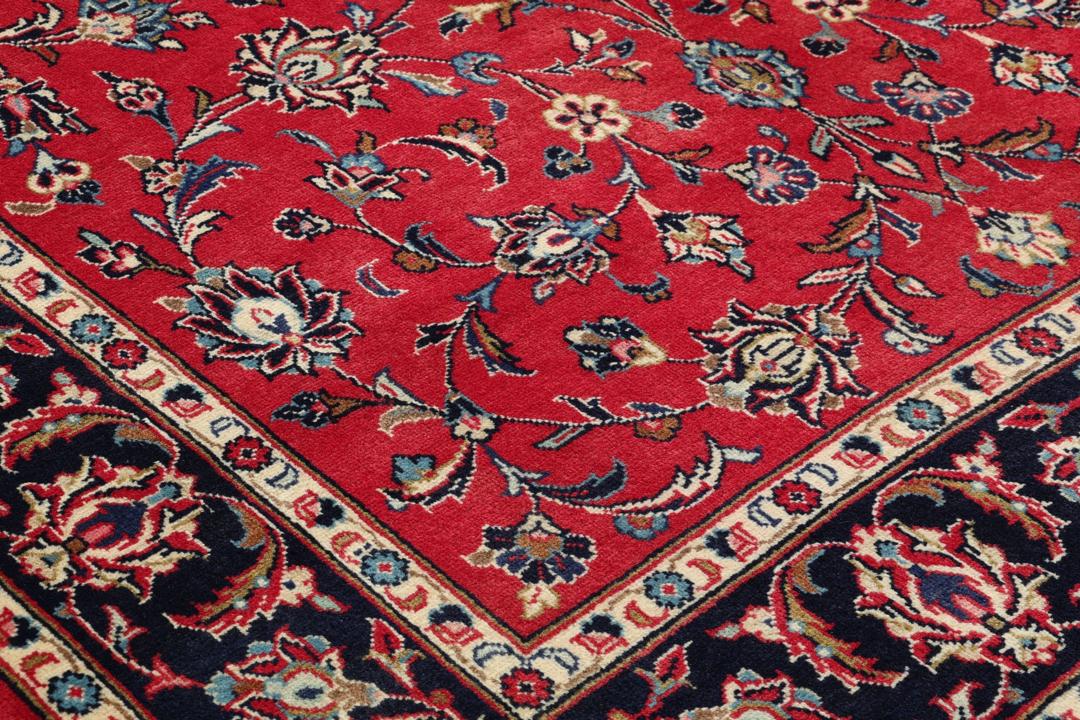
Visually, Keshan rugs are defined by their sophisticated floral vocabulary, often featuring a central medallion surrounded by lush, flowing vines, palmettes, and delicate blossoms. The contrast between the deep, often red or blue fields and the lighter, more detailed motifs is a classic design choice that creates a sense of depth and elegance. These rugs are highly prized for their ability to balance complex patterns within a structured, harmonious border.
These rugs are collected globally for their artistic integrity and the cultural heritage they carry. Owning a piece from this tradition is an investment in a craft that has survived through centuries, representing a bridge between the historical artistry of the Middle East and the modern home. Collectors value them not only for their beauty but for the narrative of skill and patience embedded in every square inch of the weave.