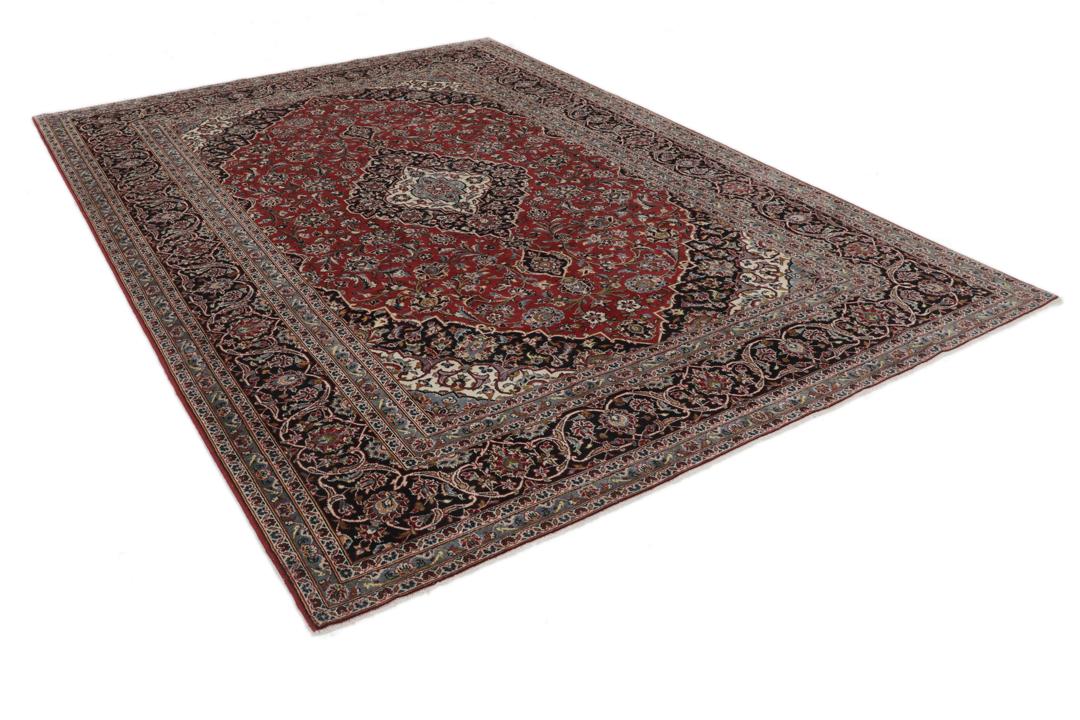
The Keshan rug tradition originates from the historic city of Kashan in the Middle East, a centre of trade and artistry along the ancient Silk Road. For centuries, this region has been renowned for its contribution to textile history, producing some of the most celebrated floor coverings in the world. The tradition of weaving in this area is deeply rooted in the cultural history of the region, where patterns were often inspired by local architecture and natural landscapes.
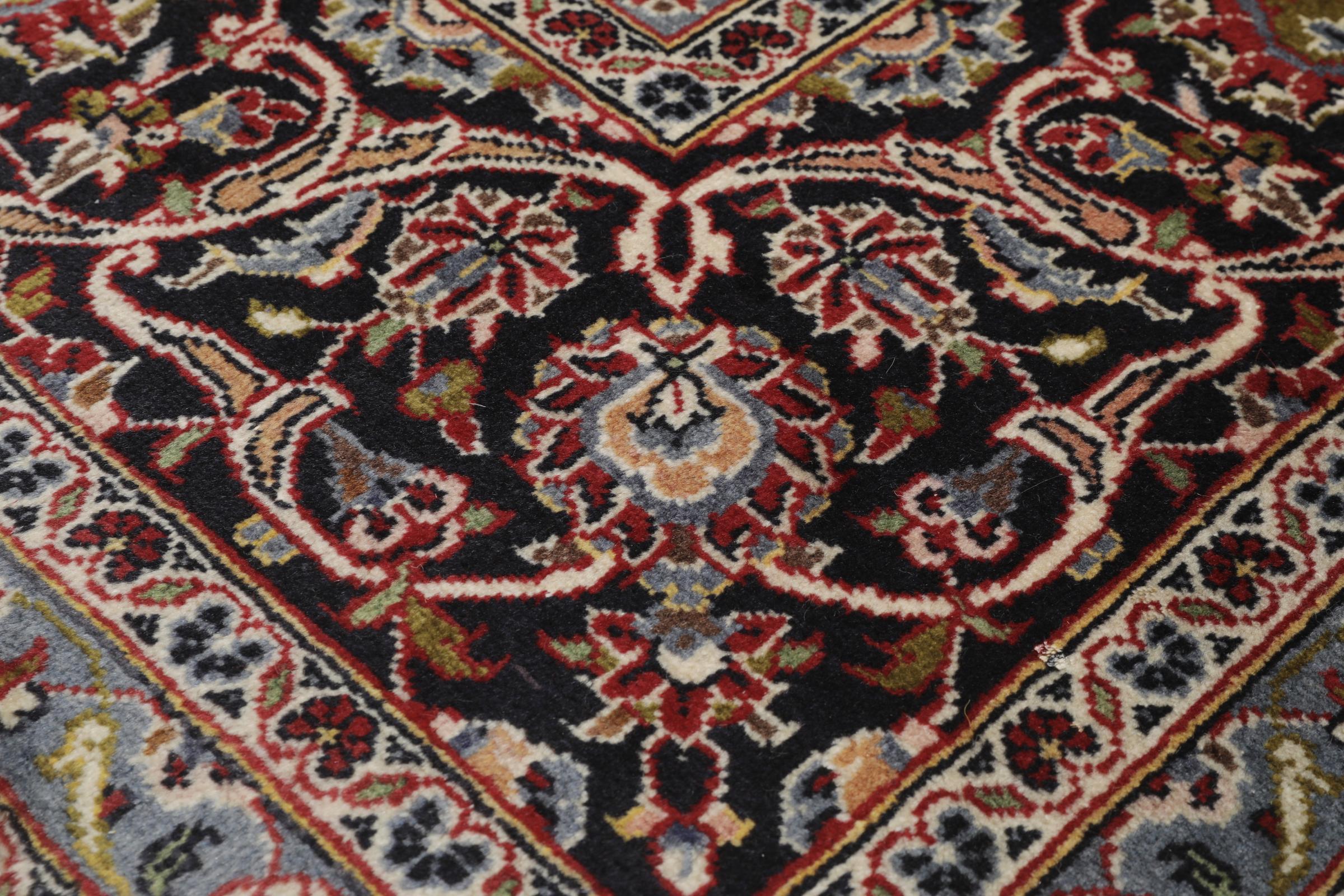
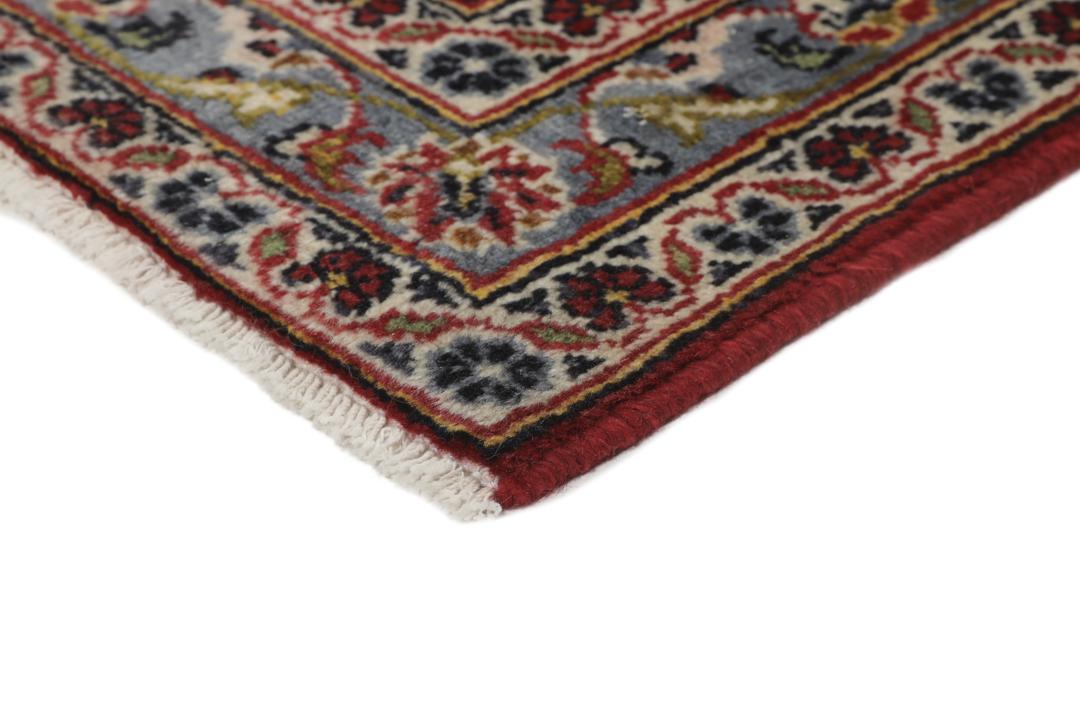
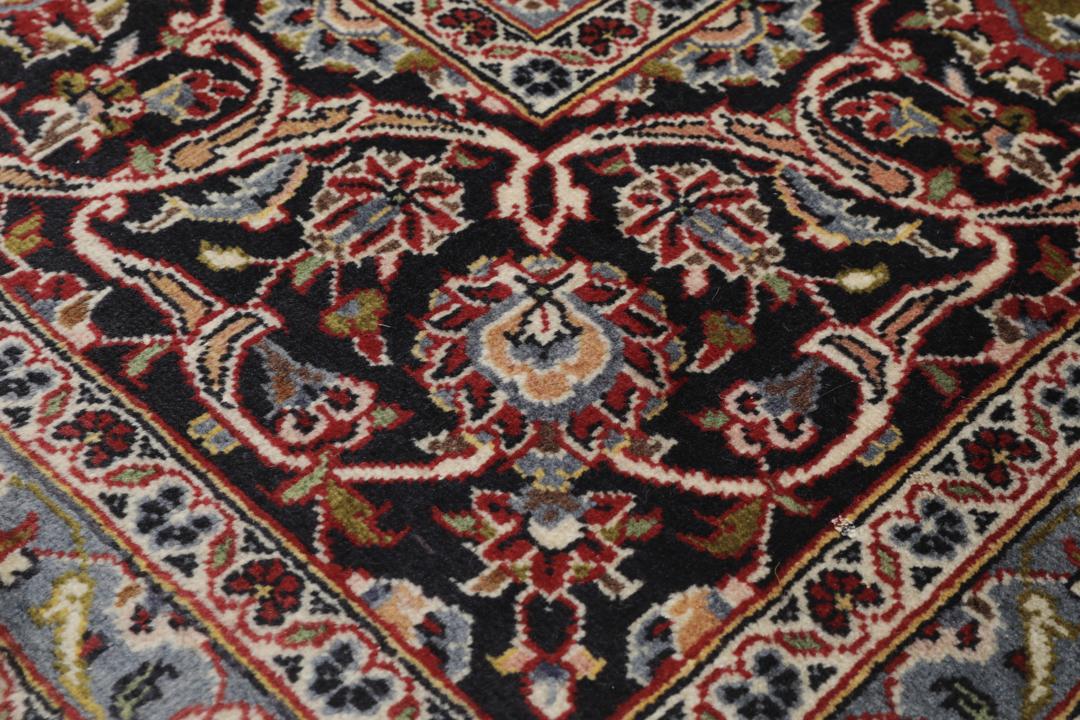
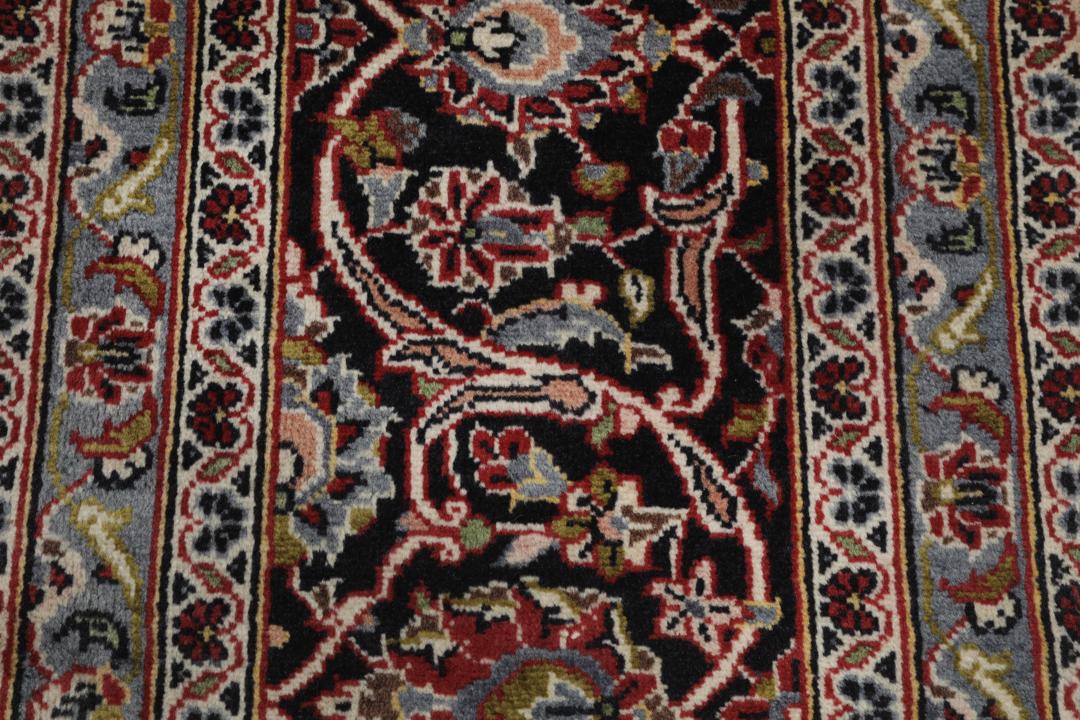
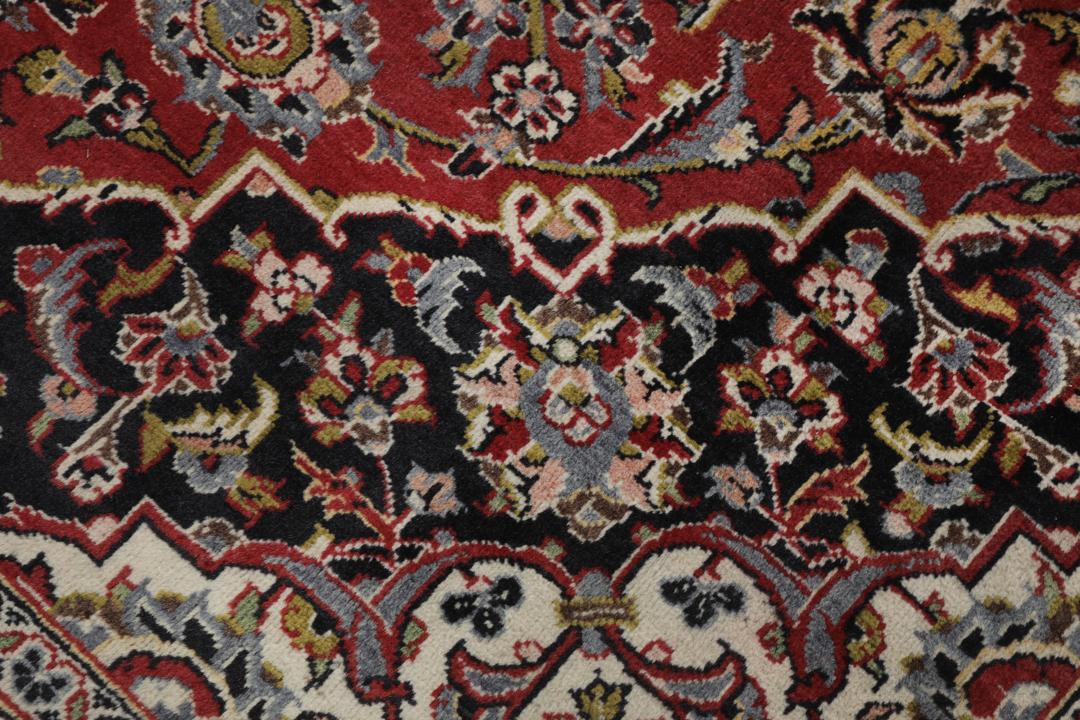
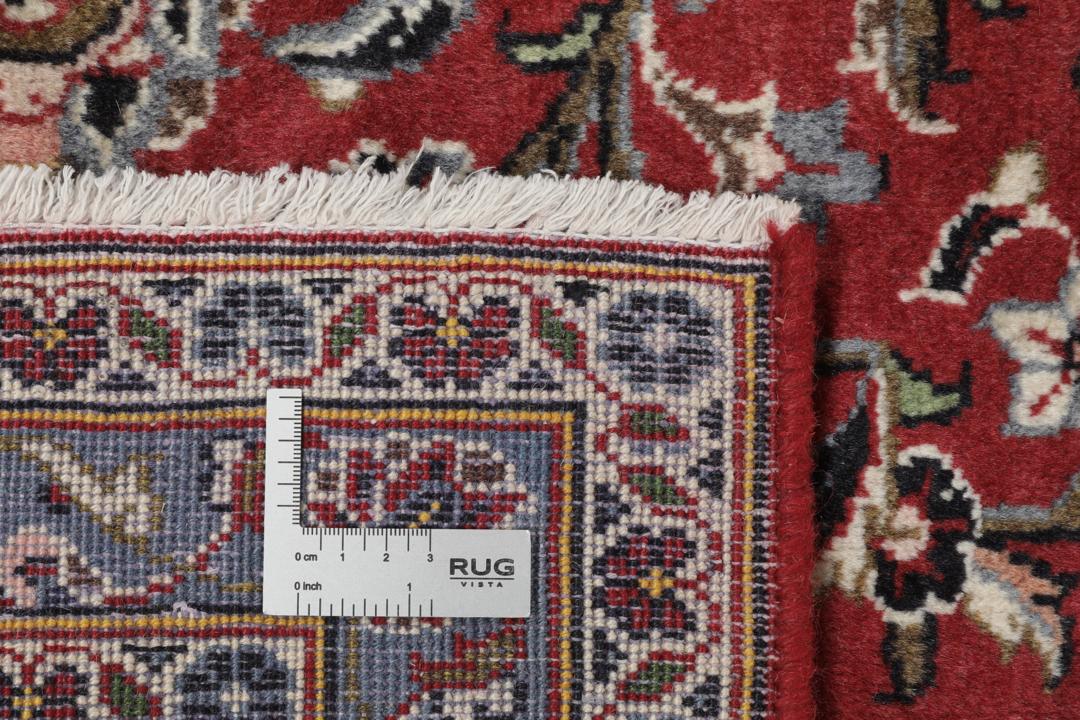
A defining feature of these rugs is the use of sophisticated knotting techniques that create a durable and lustrous surface. The term Keshan refers not only to the origin but to a specific aesthetic standard that emphasises balance and harmony. These rugs are often constructed with a high knot density, a technical choice that allows for the creation of intricate, curvilinear patterns that would be impossible to achieve with simpler weaving methods.
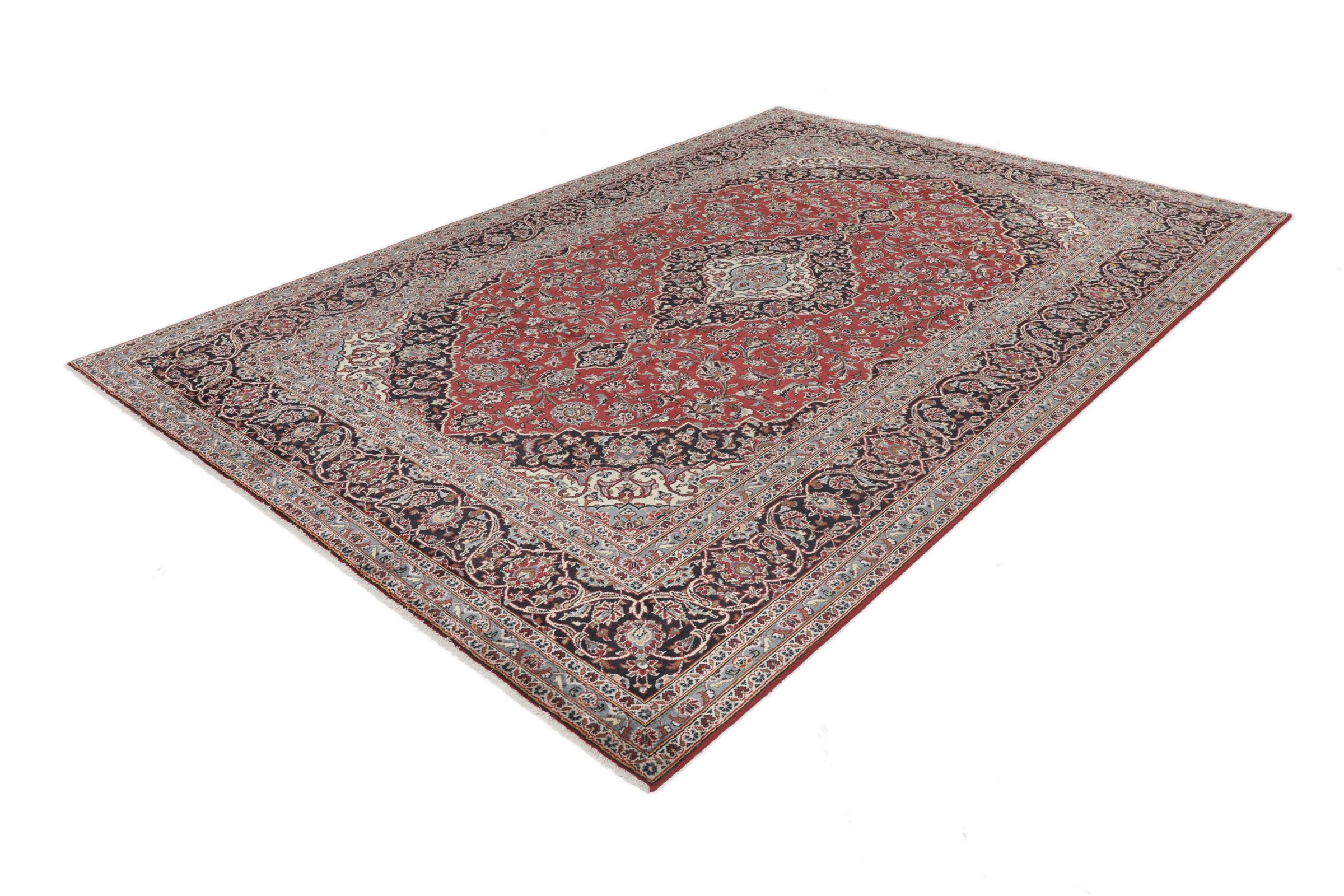
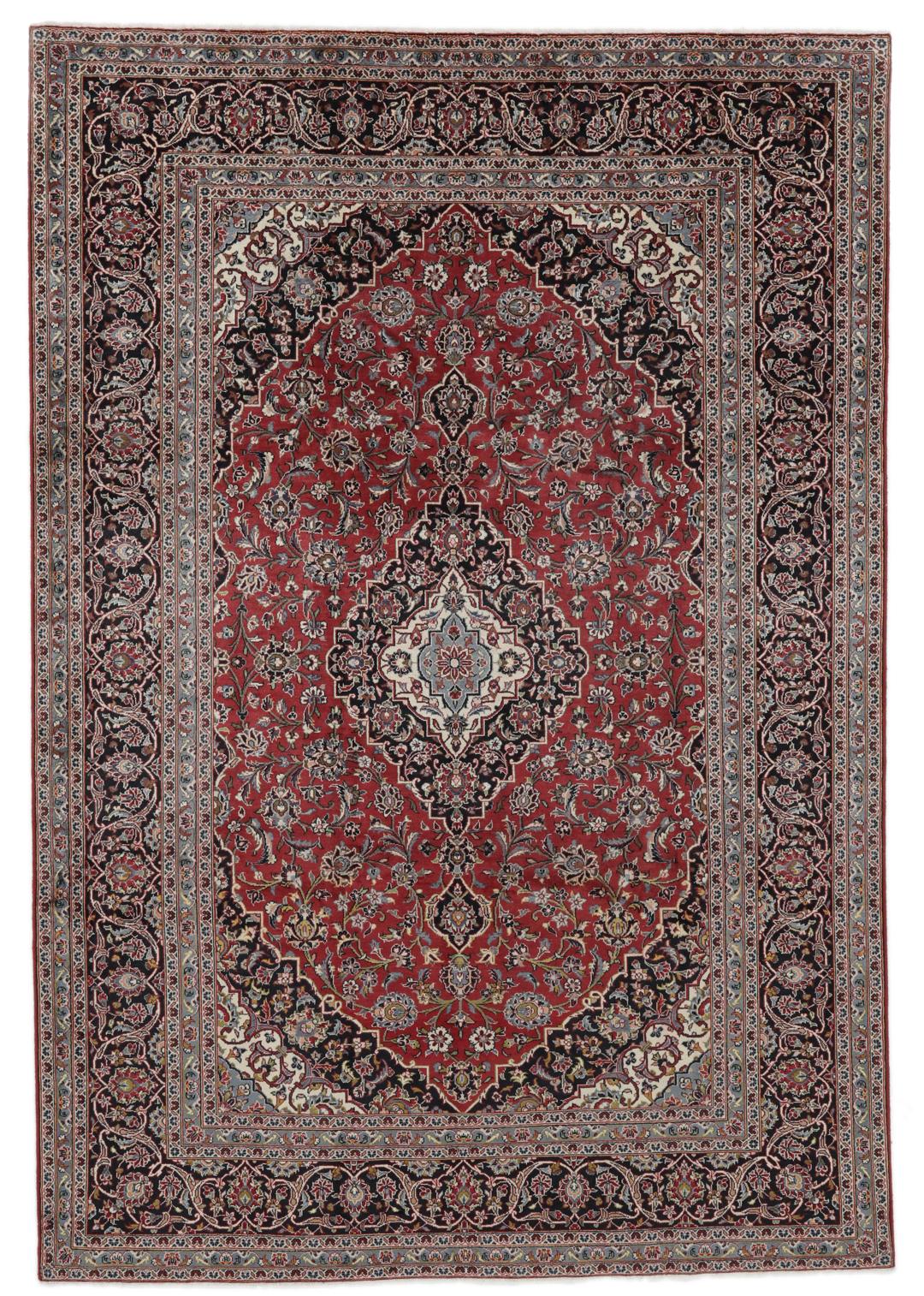
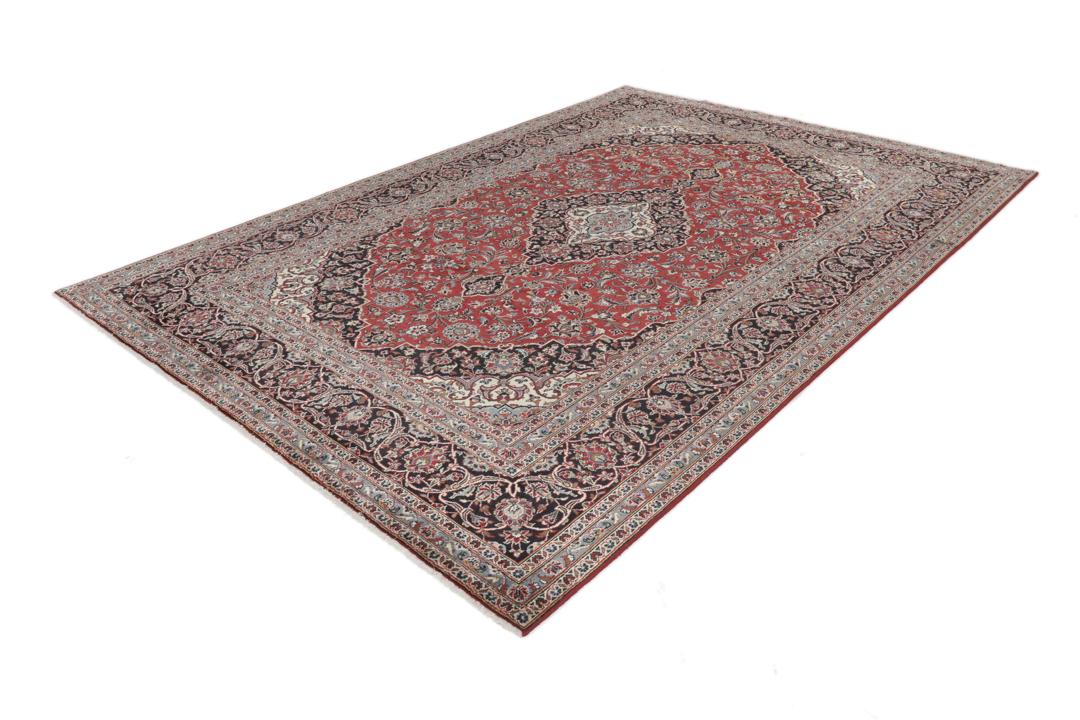
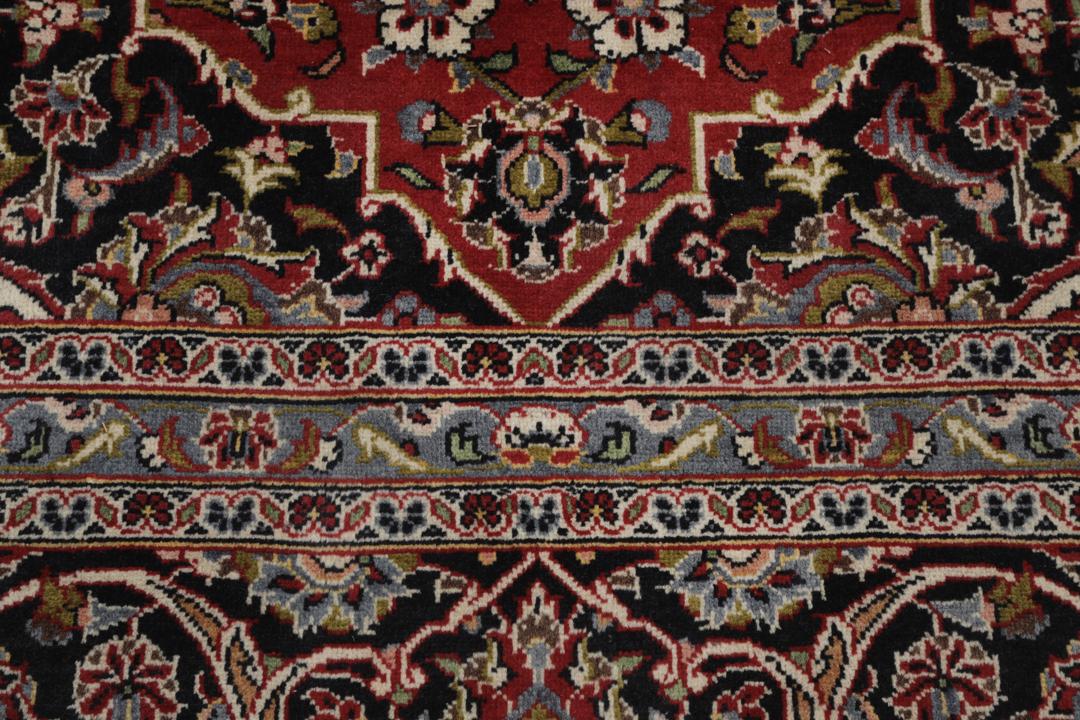
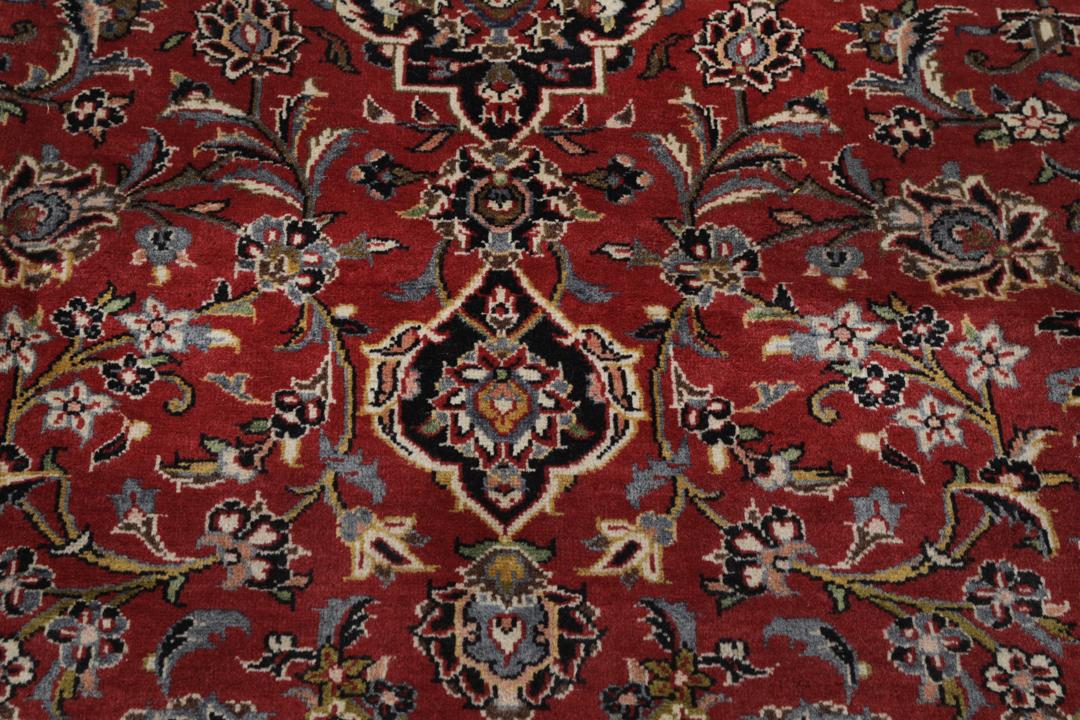
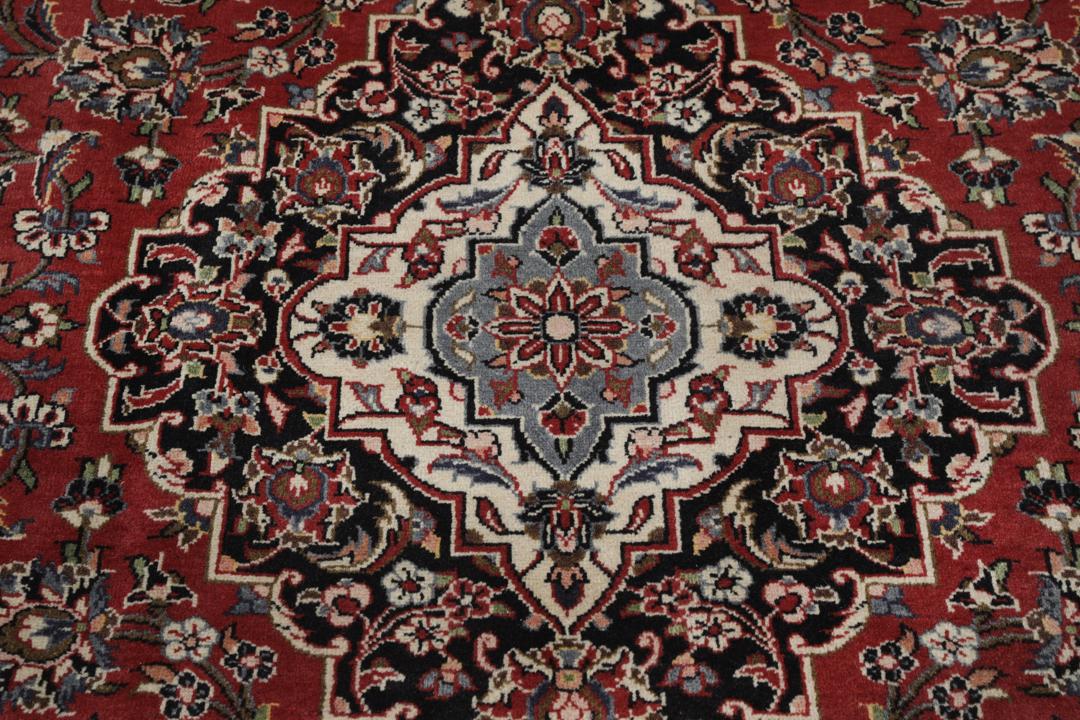
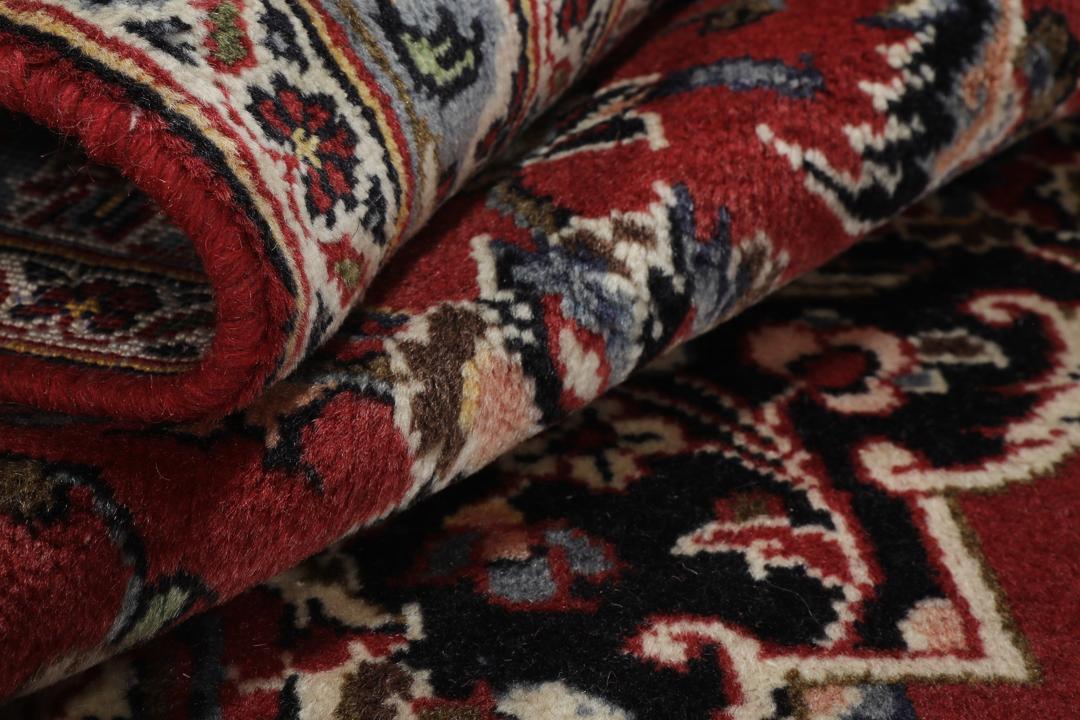
Visually, these rugs are characterised by a formal structure, typically centering on an elaborate medallion that serves as the heart of the design. This central motif is often surrounded by a dense field of floral sprays, palmettos, and scrolling vines, all enclosed by a wide, detailed border. While traditional colour palettes often lean toward deep reds, blues, and creams, the specific arrangement of these elements can vary, making every rug a unique reflection of the weaver's artistic vision.
Collecting a rug from this tradition is an investment in cultural heritage and human skill. Because they are made by hand using time-honoured methods, they are valued for their authenticity and the story they tell within a home. Owning such a piece is a way to preserve a long-standing craft, bringing a sense of history and human connection into your living space that modern items simply cannot replicate.