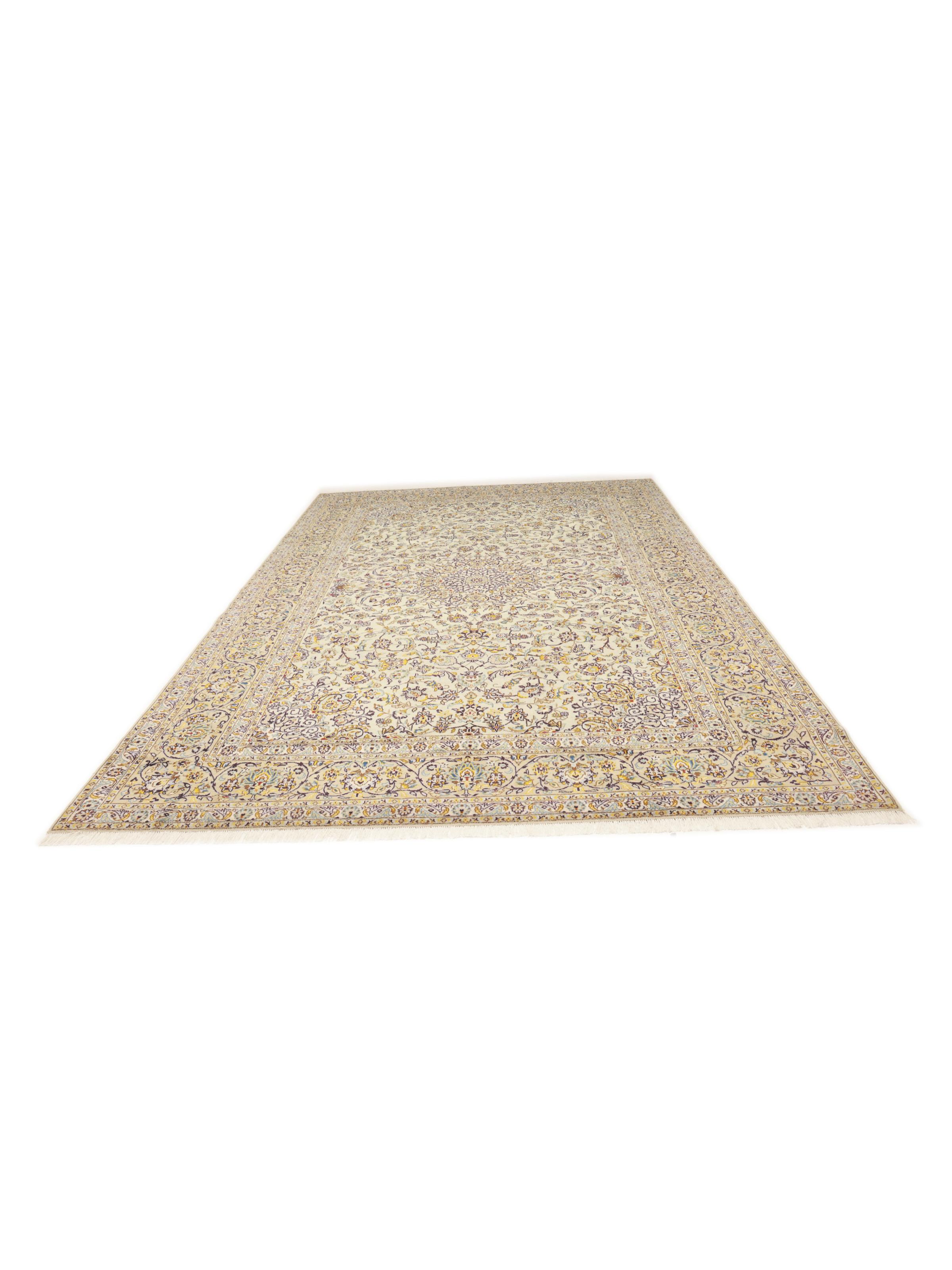
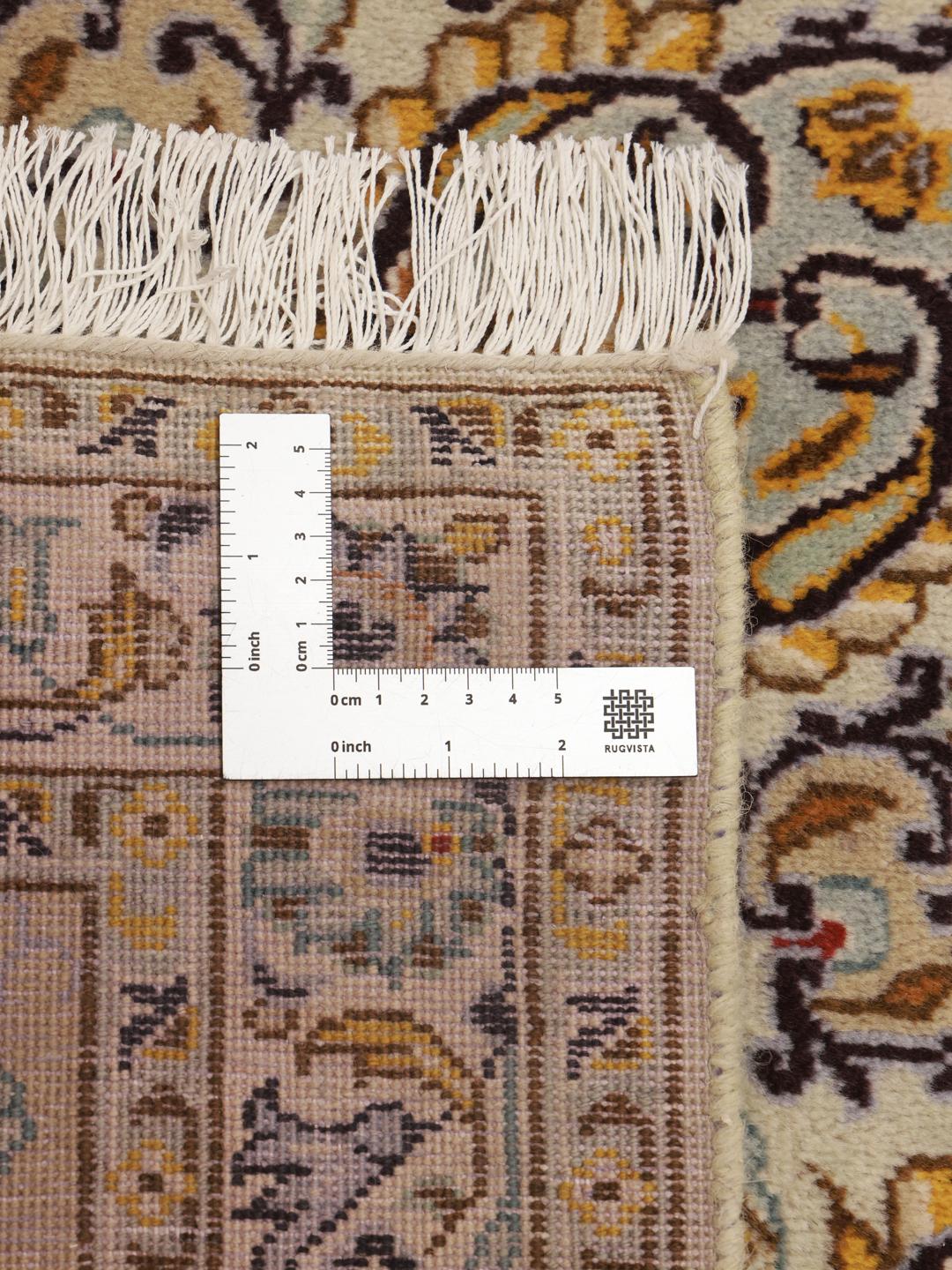
The Keshan rug tradition finds its roots in the historic city of Kashan, a desert oasis that has served as a centre for textile excellence for centuries. Known for its proximity to the Silk Road, the region developed a reputation for producing some of the most sought-after rugs in the Middle East, often drawing inspiration from the opulent gardens and architectural motifs of the area.
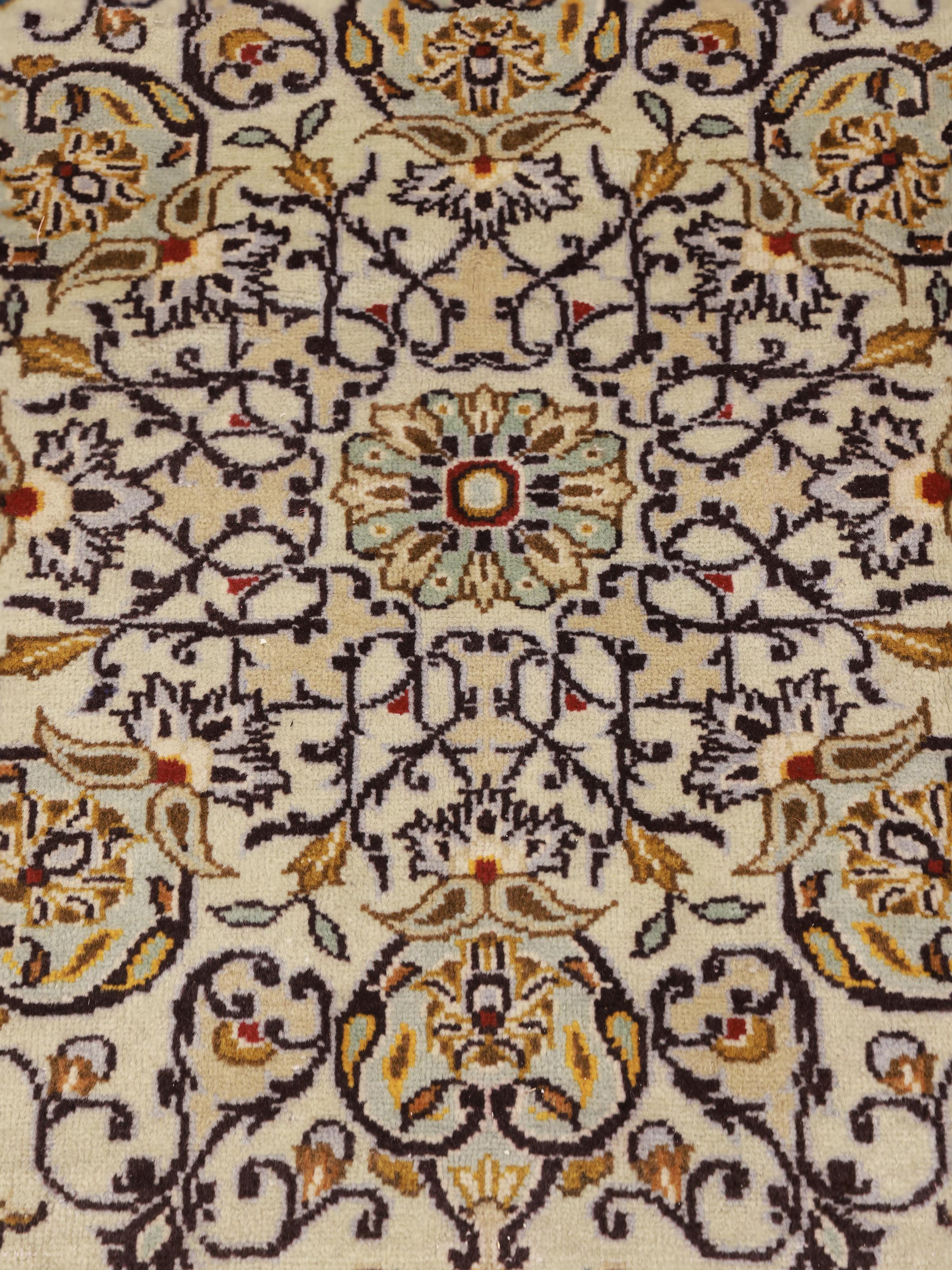
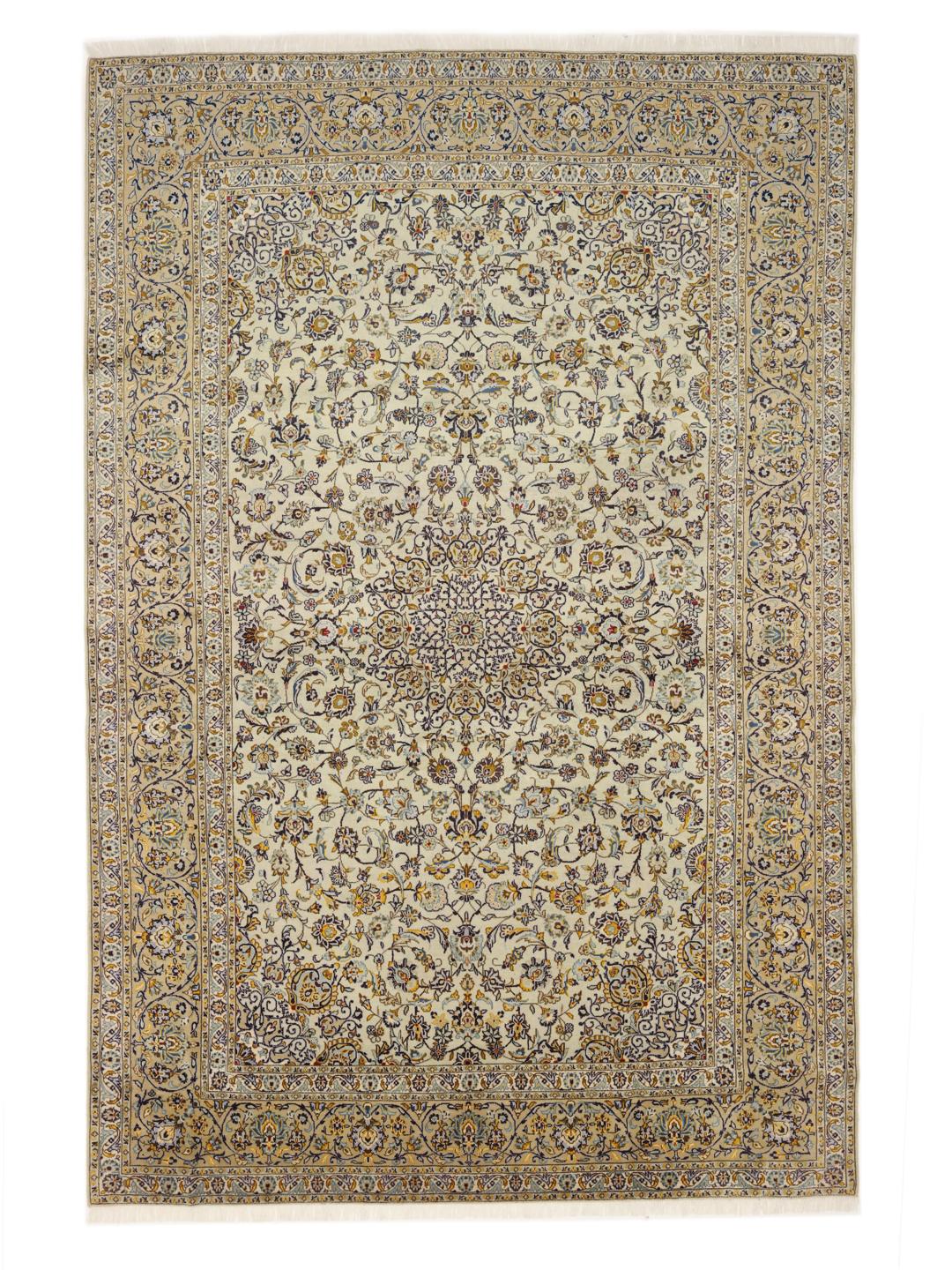
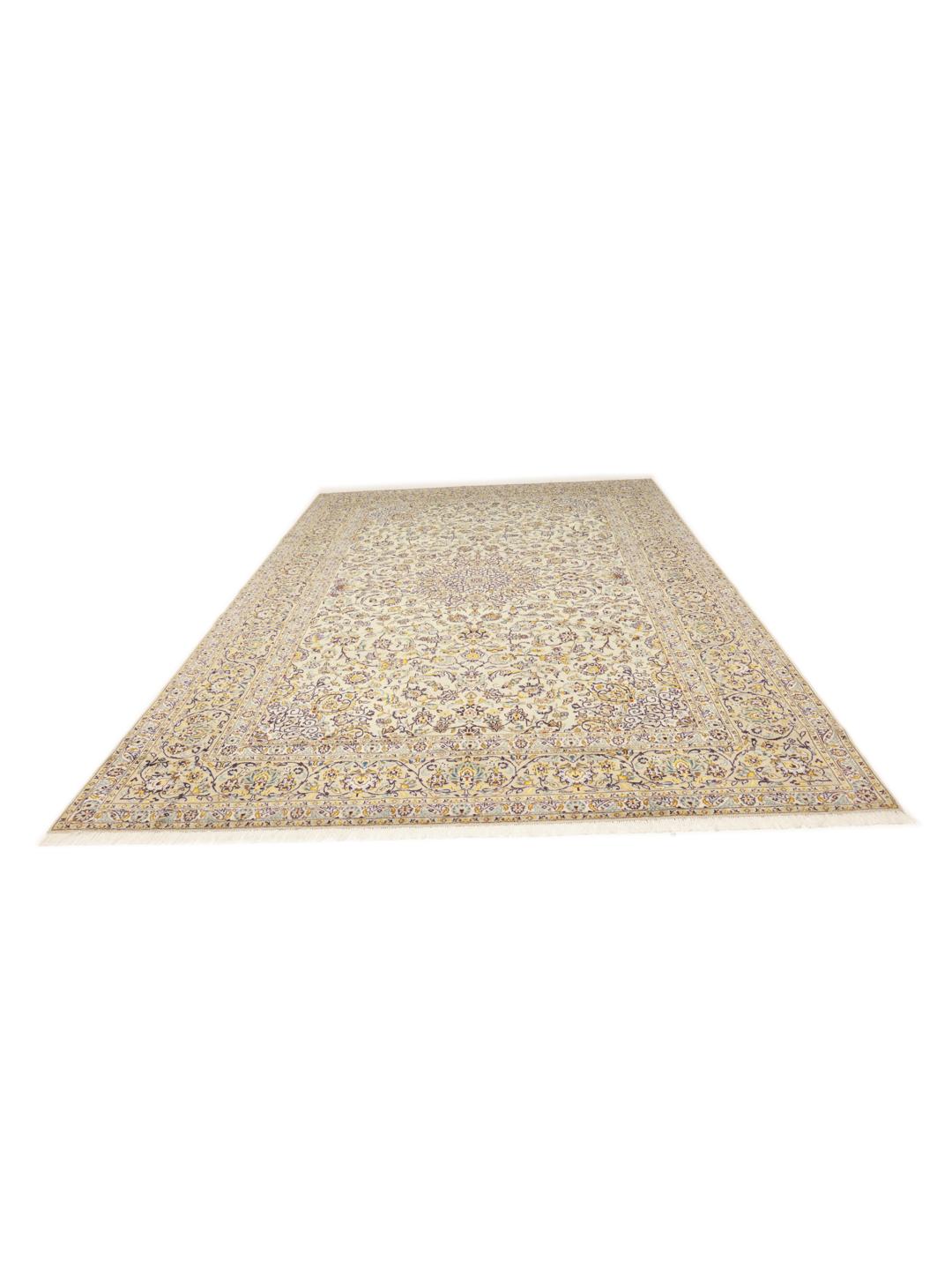
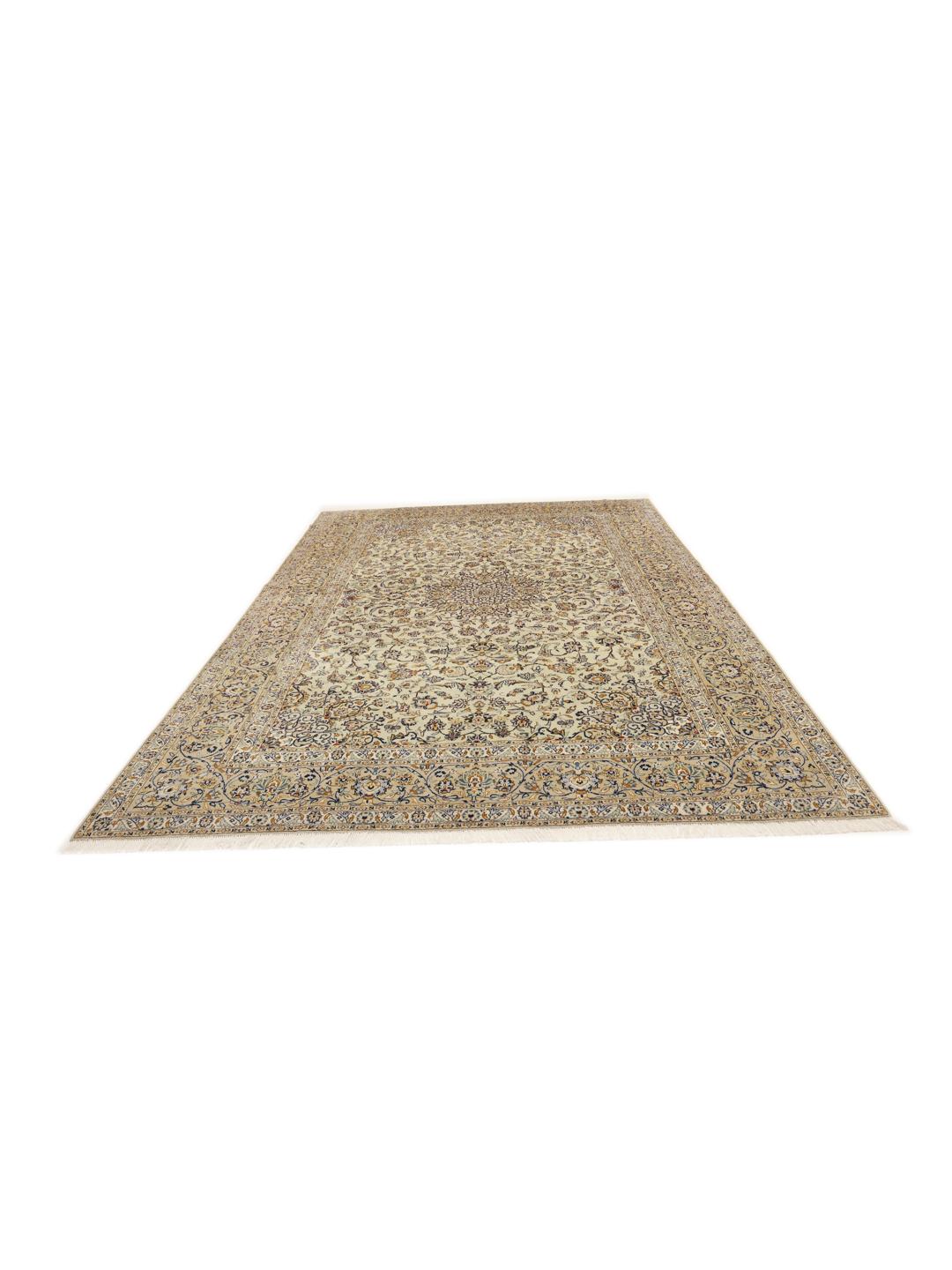
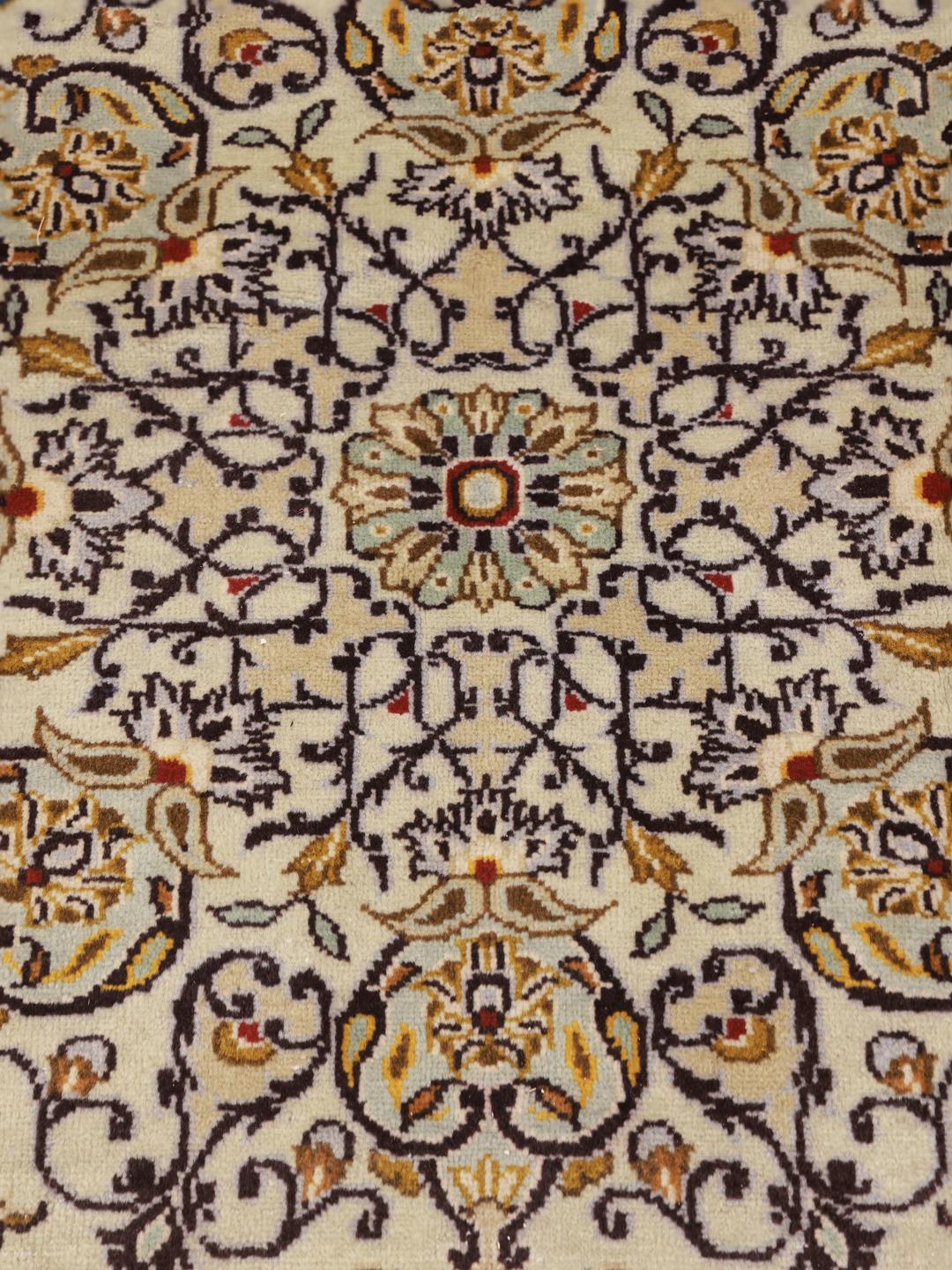
The term Keshan refers to both the origin and a distinct style of weaving that emphasises precision and balance. These rugs are typically characterised by a central medallion surrounded by dense, flowing floral vines and palmettes. The technical skill required to execute these curved, organic lines is significant, distinguishing these pieces from more angular tribal styles.
A signature element of this tradition is the harmonious use of space, where the field is filled with elaborate botanical designs that seem to bloom across the surface. While traditional palettes often featured rich, deep tones, the evolution of the style has embraced lighter, more neutral shades that allow the complexity of the pattern to take centre stage without overwhelming a room.
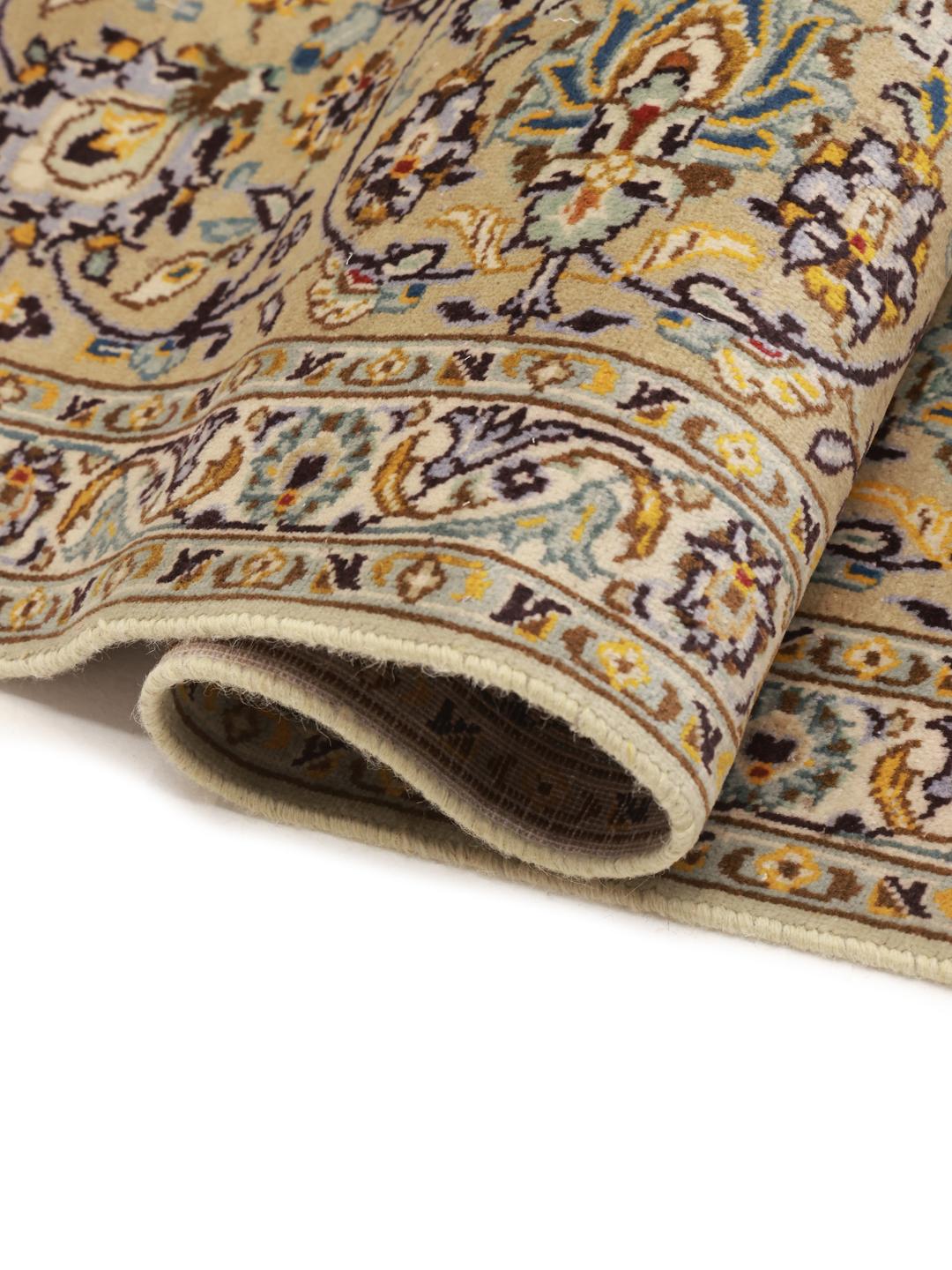
Collecting a Keshan rug is an investment in cultural heritage and human skill. Because each rug is created by hand, it carries the unique signature of its maker, making it a valuable piece that connects the owner to a long lineage of Middle Eastern craft. It is this combination of aesthetic beauty and historical weight that makes these rugs highly prized by collectors worldwide.