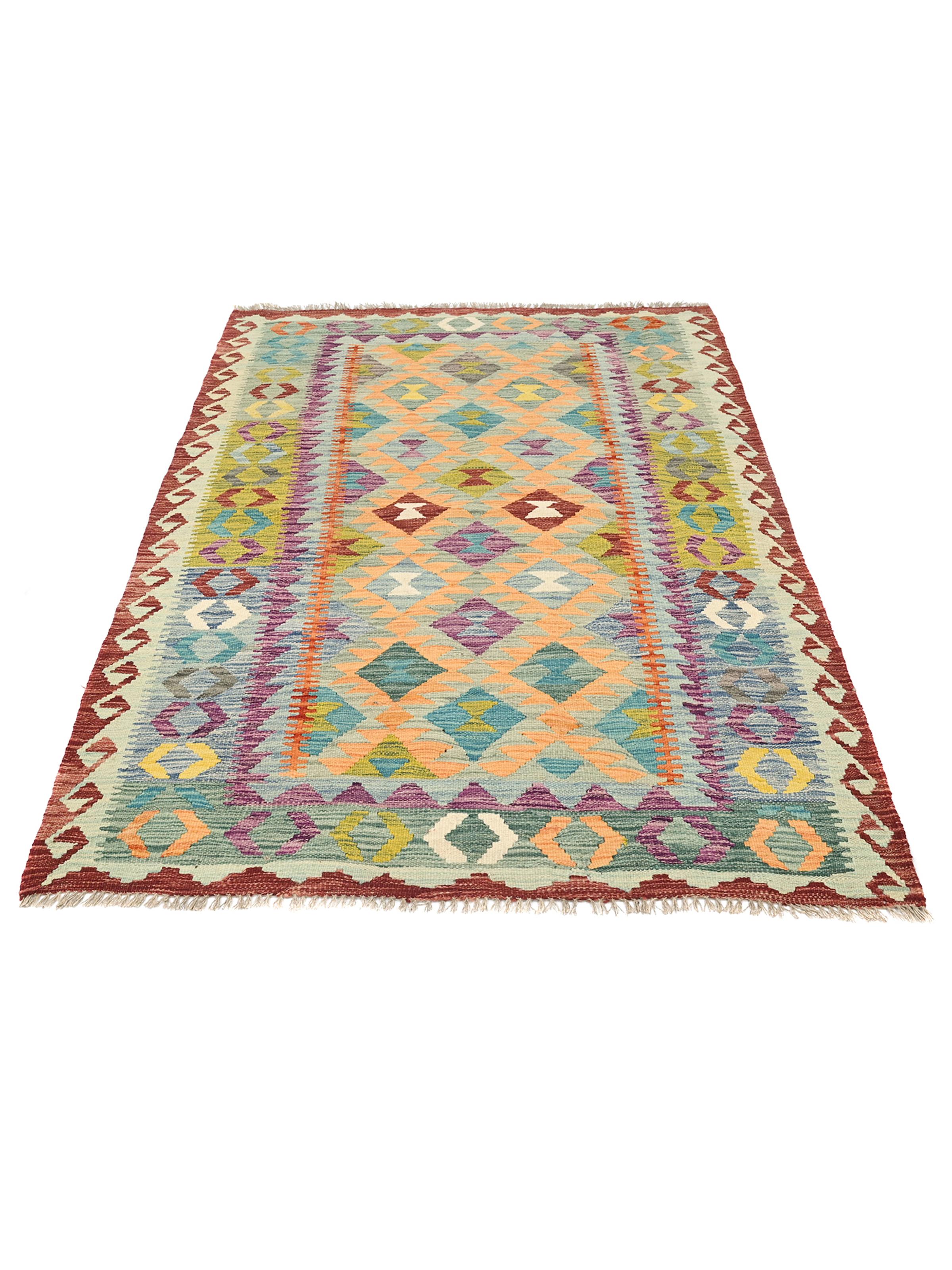
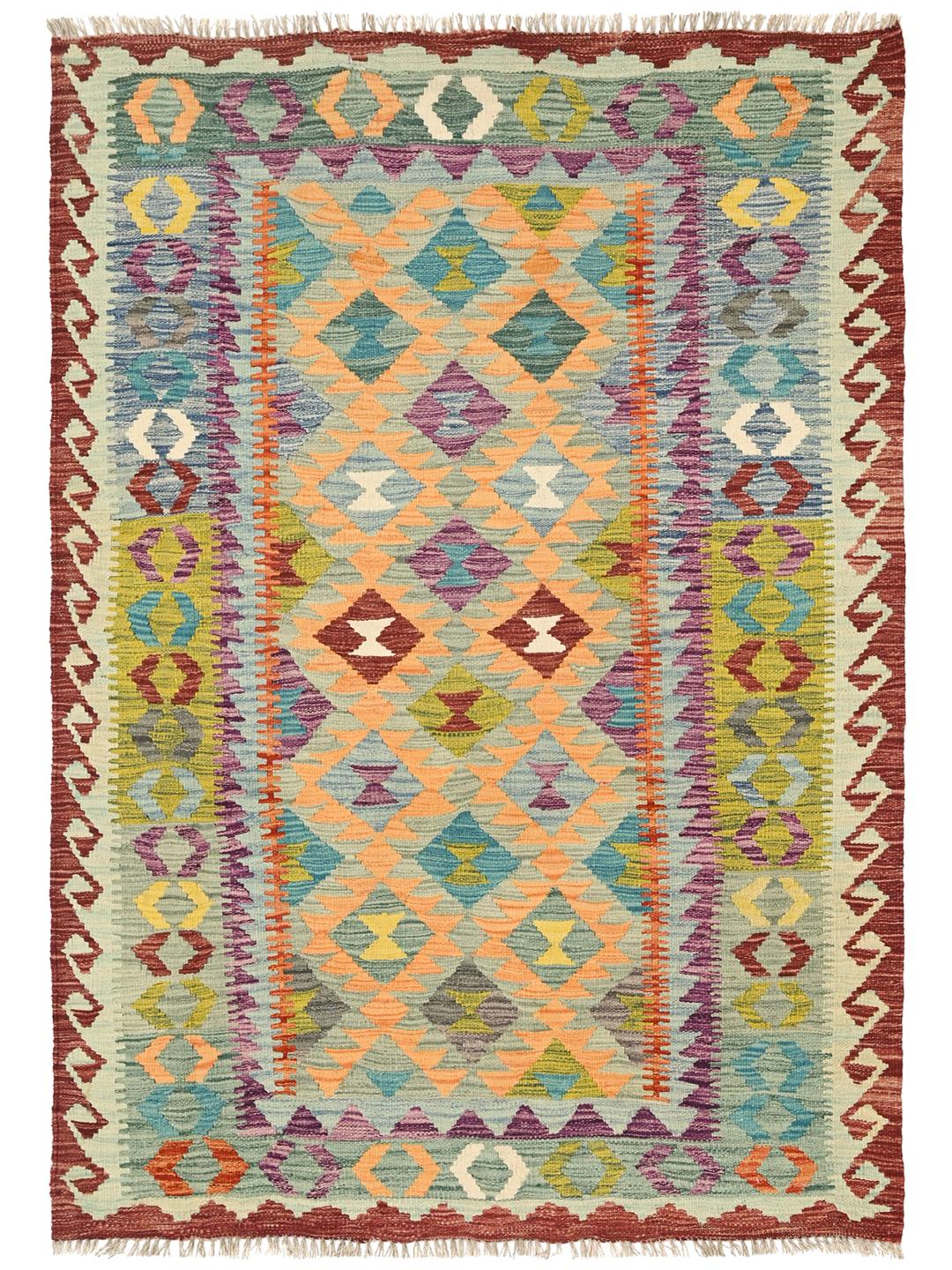
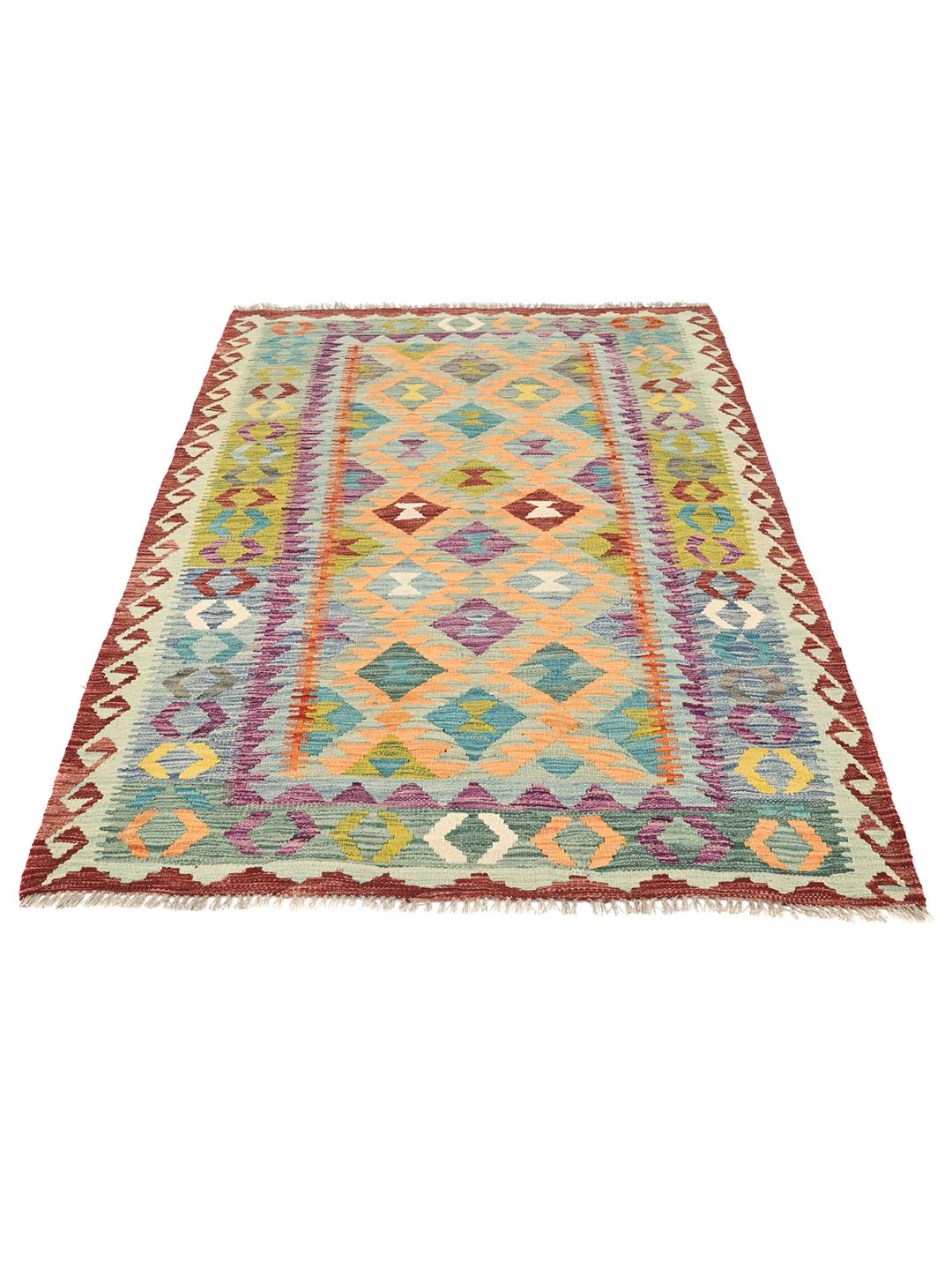
Kelim rugs, or kilims, are deeply rooted in the nomadic traditions of the Middle East and Central Asia. Historically, these flatweave textiles were essential for nomadic tribes, serving as versatile floor coverings, wall hangings, and storage bags due to their durability and ease of transport. The Afghan Kelim specifically represents a rugged, storied tradition where design is passed down through generations.
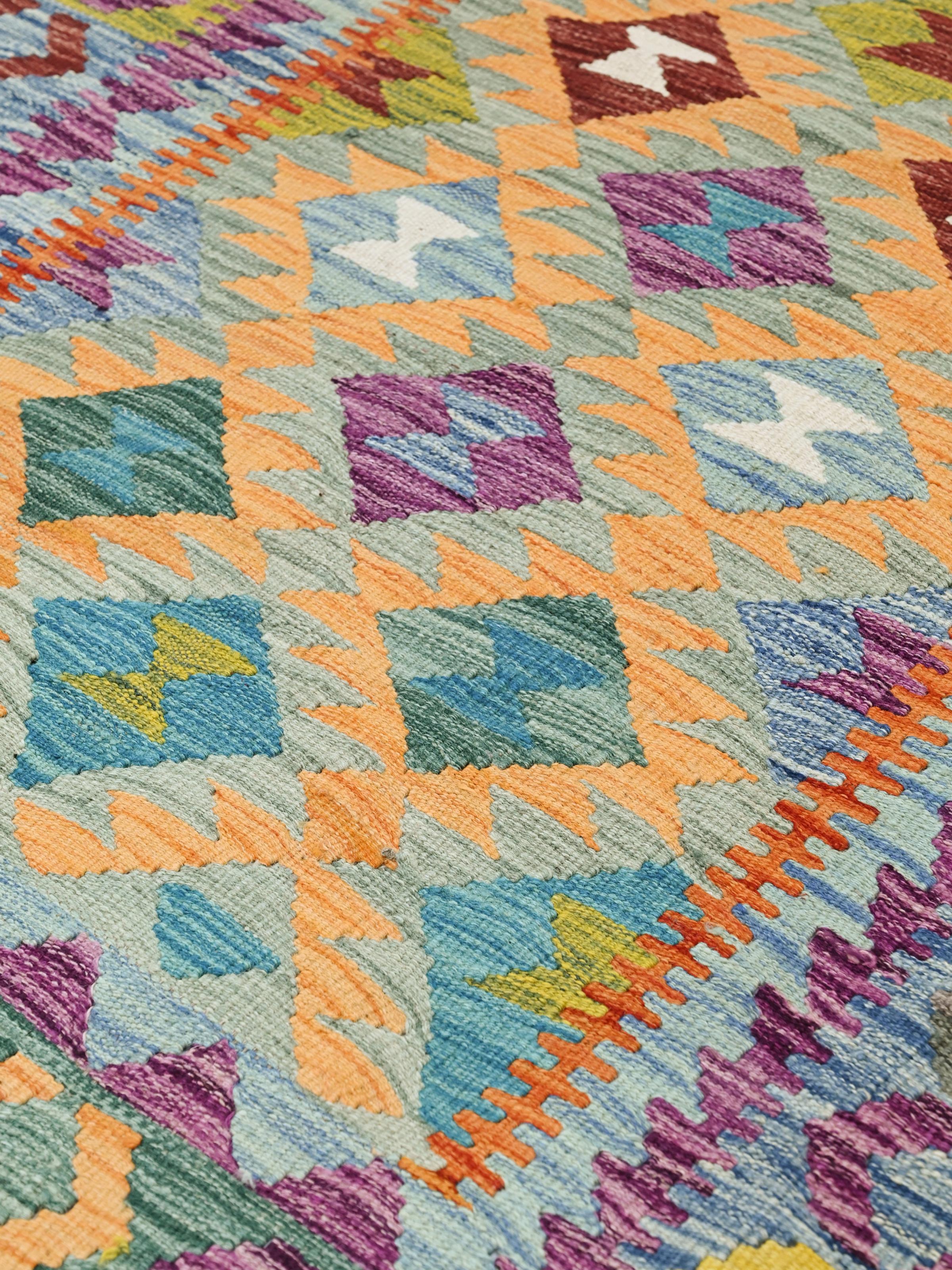
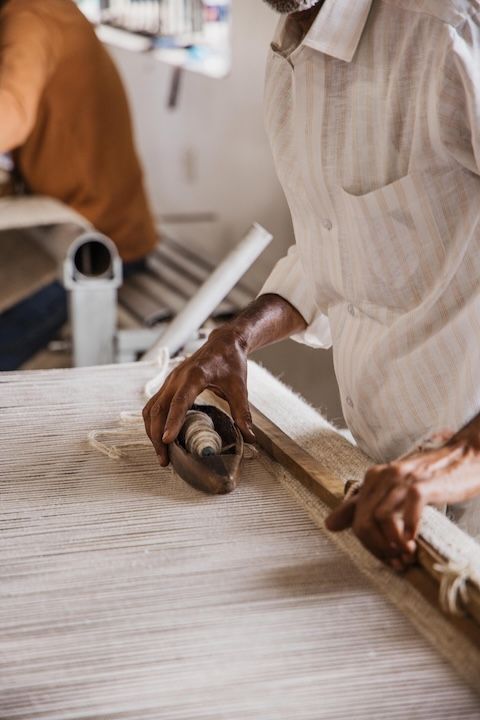
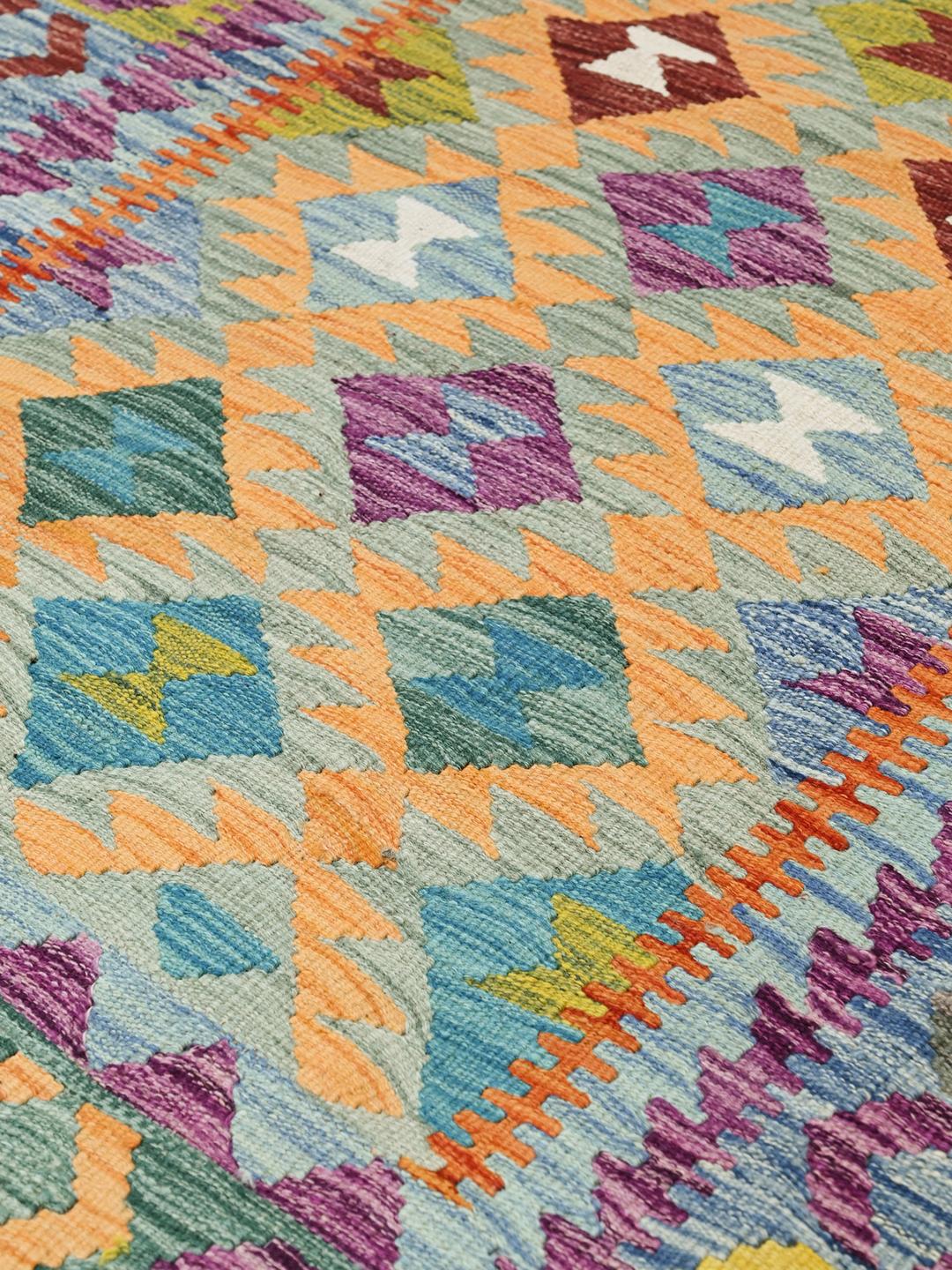
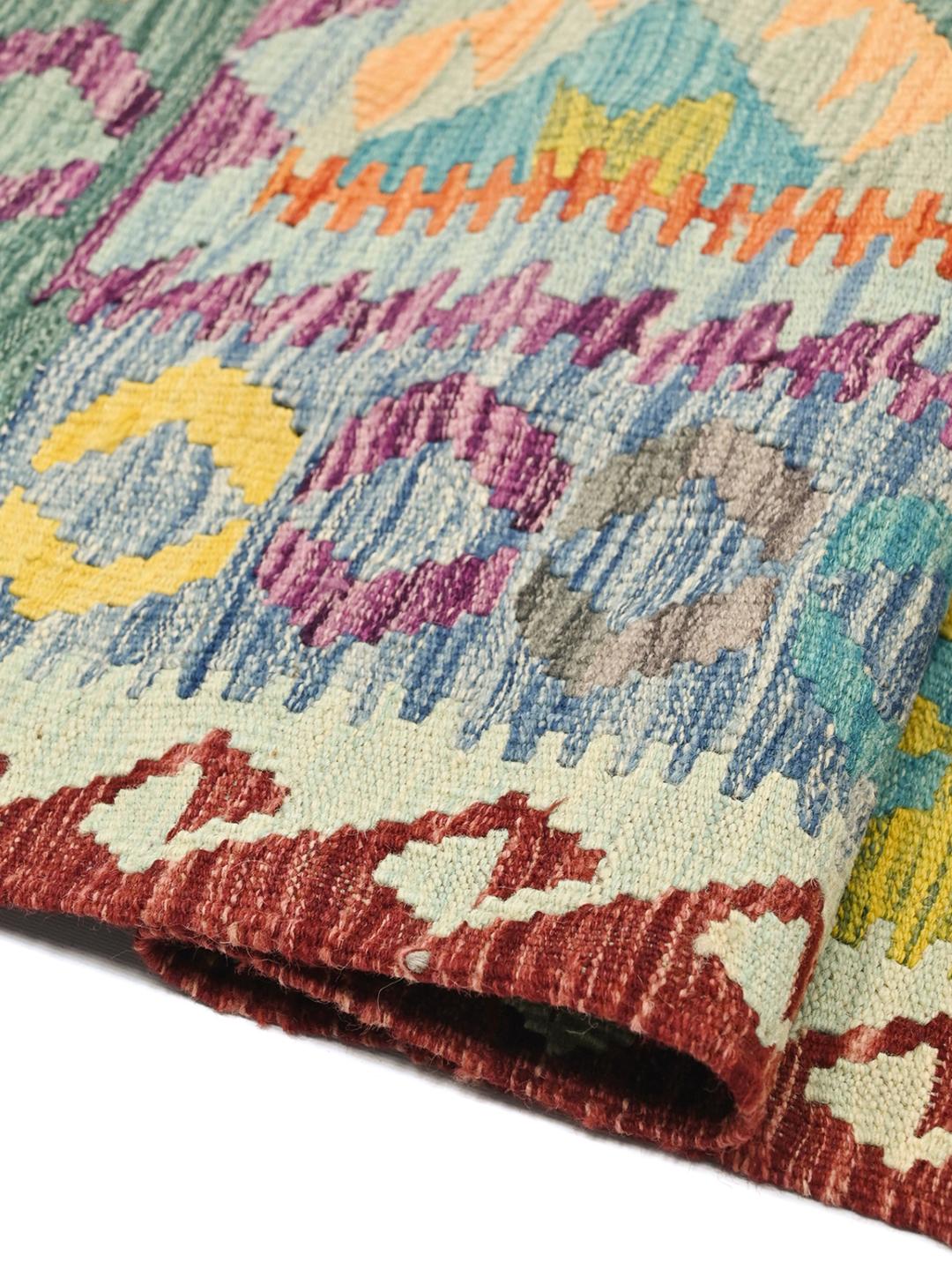
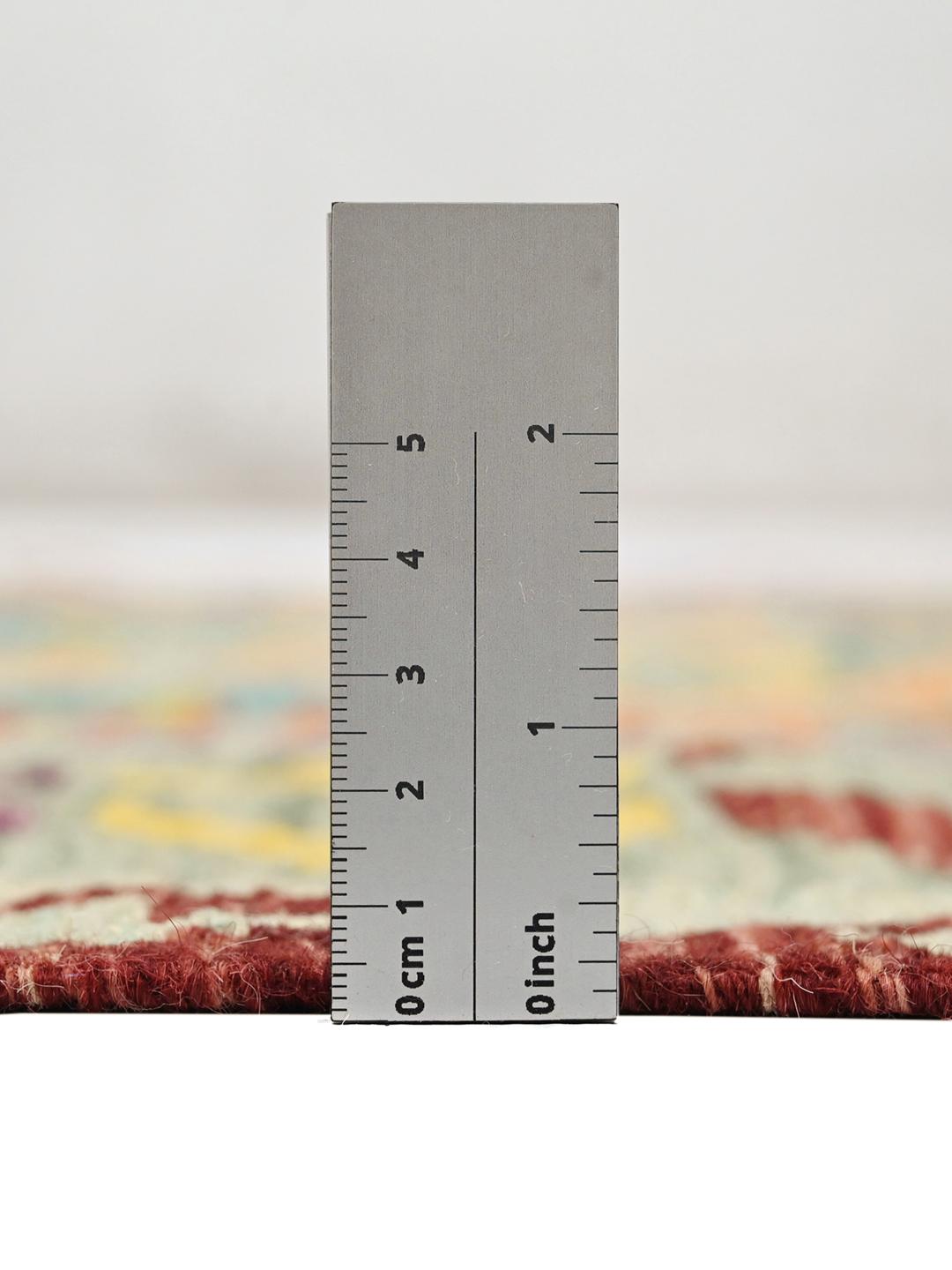
The term 'Kelim' refers to the specific technique of slit-weave tapestry. Unlike pile rugs, these are created by interlocking the weft threads tightly around the warp, which results in a smooth, reversible surface without a raised pile. This technique allows for the crisp, bold geometric shapes that are the hallmark of the style, as the weaver is not restricted by the need for knot density in the same way as knotted rugs.
Visually, these rugs are defined by their geometric language—diamonds, triangles, and stylized floral motifs are common, often organised in rhythmic, repeating bands or central medallions. The use of vibrant, often natural dyes creates an aesthetic that is both bold and grounded, reflecting the landscape and cultural identity of the weavers in Afghanistan.
Today, these pieces are highly valued by collectors and interior enthusiasts alike for their historical weight and authentic artistry. Owning an Afghan Kelim is more than just a decorative choice; it is an appreciation of a craft that has survived centuries of migration and change, preserving a unique form of cultural expression that remains as relevant today as it was in the past.