The Kelim weaving tradition is deeply rooted in the history of the Middle East and Central Asia. Historically, these flat-woven textiles were essential for nomadic tribes who required durable, portable, and versatile floor coverings, bags, and blankets that could withstand the rigours of a migratory lifestyle.
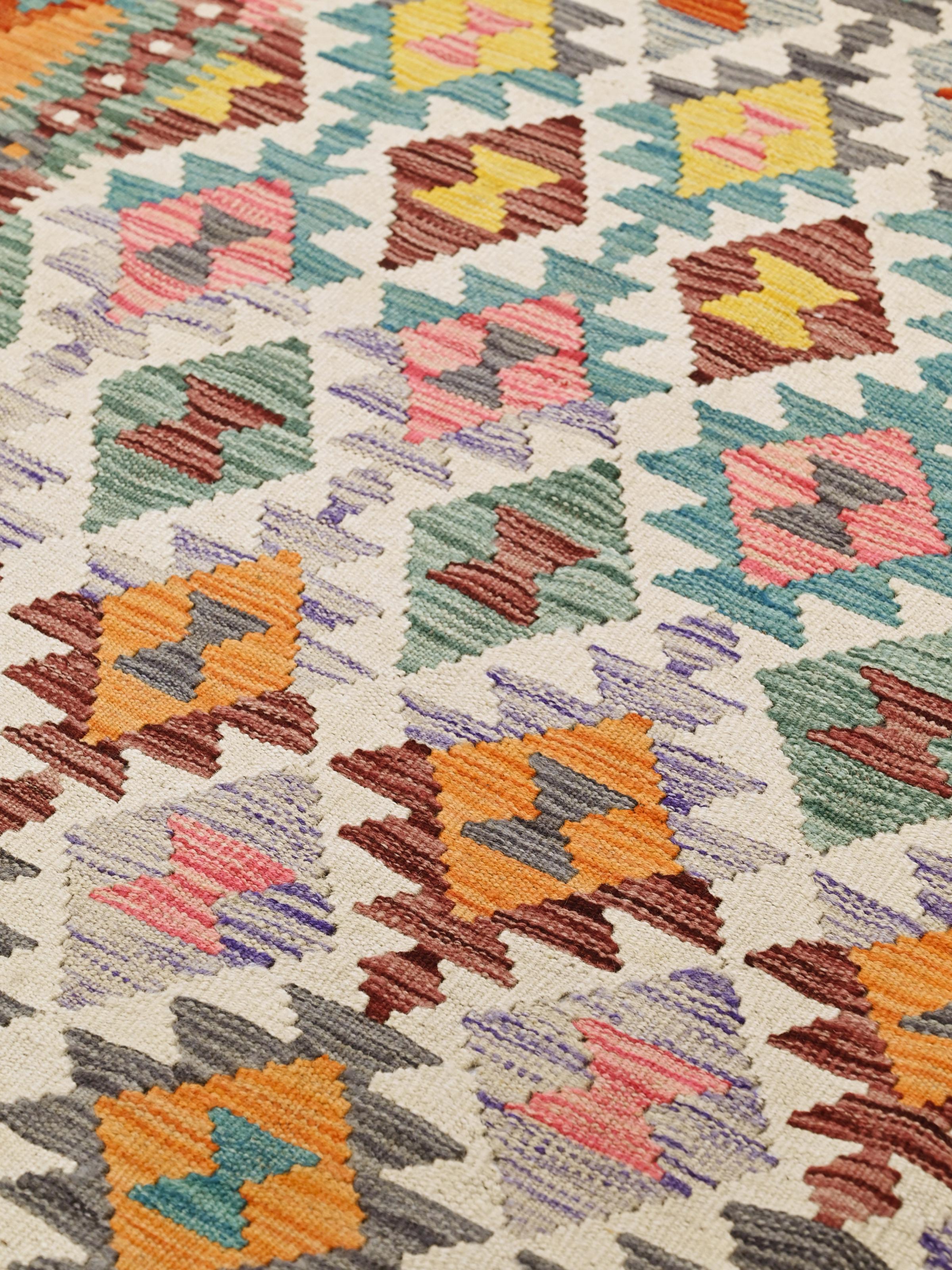
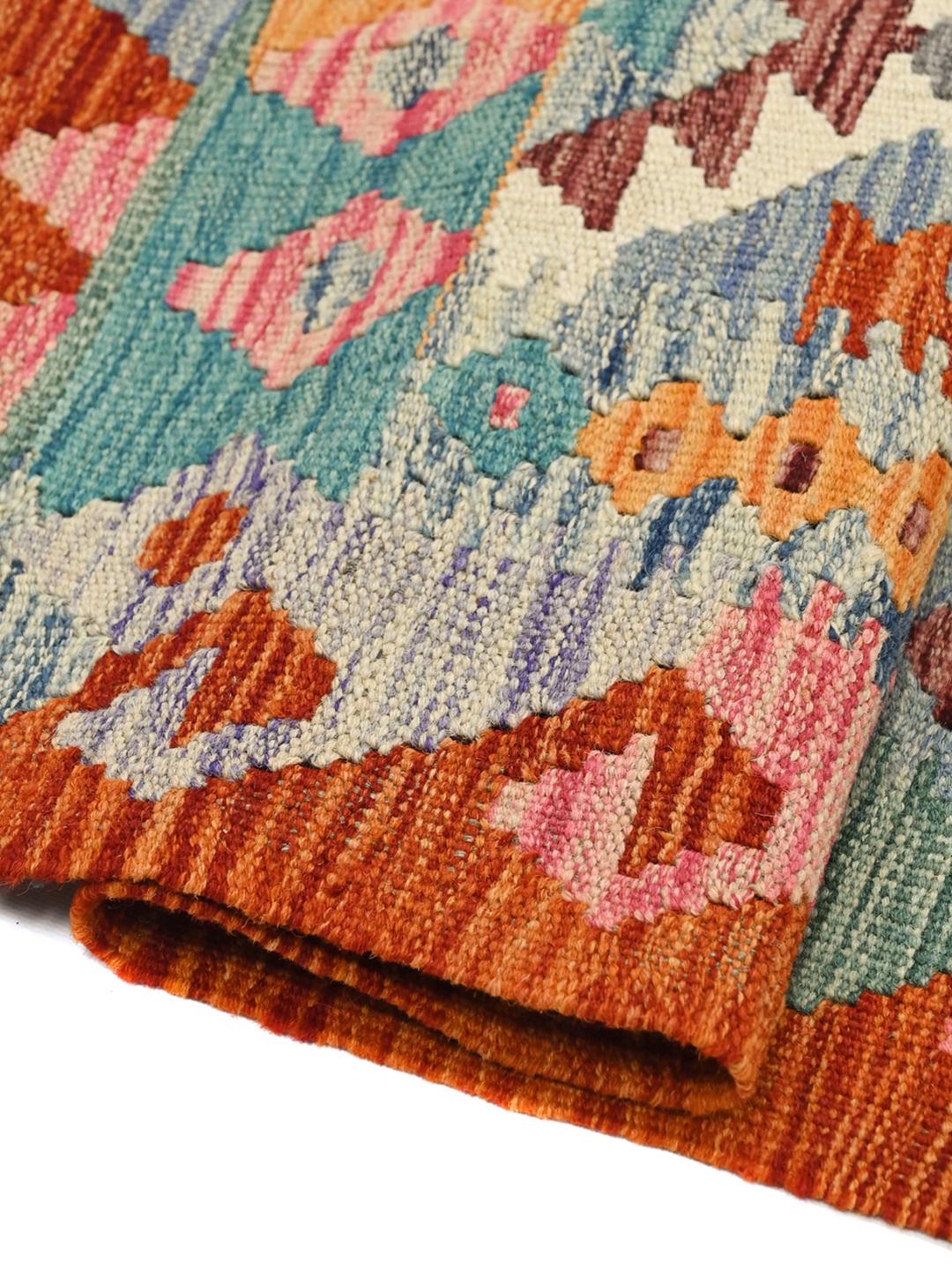
The term 'Kelim' refers specifically to the technique of interweaving the coloured weft threads through the warp to create a pattern. Unlike knotted rugs, this approach results in a flat, reversible surface that is both lightweight and incredibly resilient, reflecting a mastery of tension and thread management.
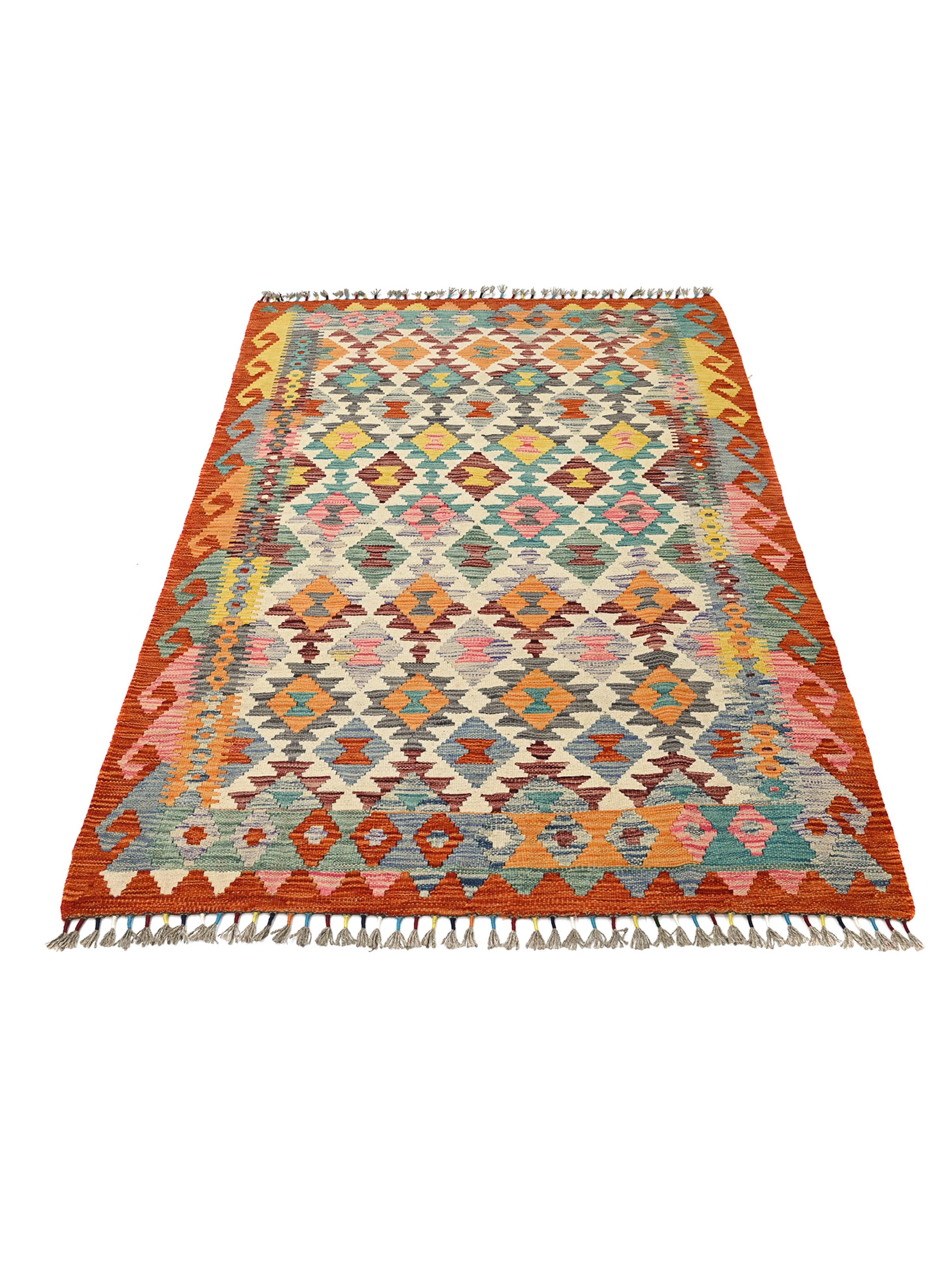
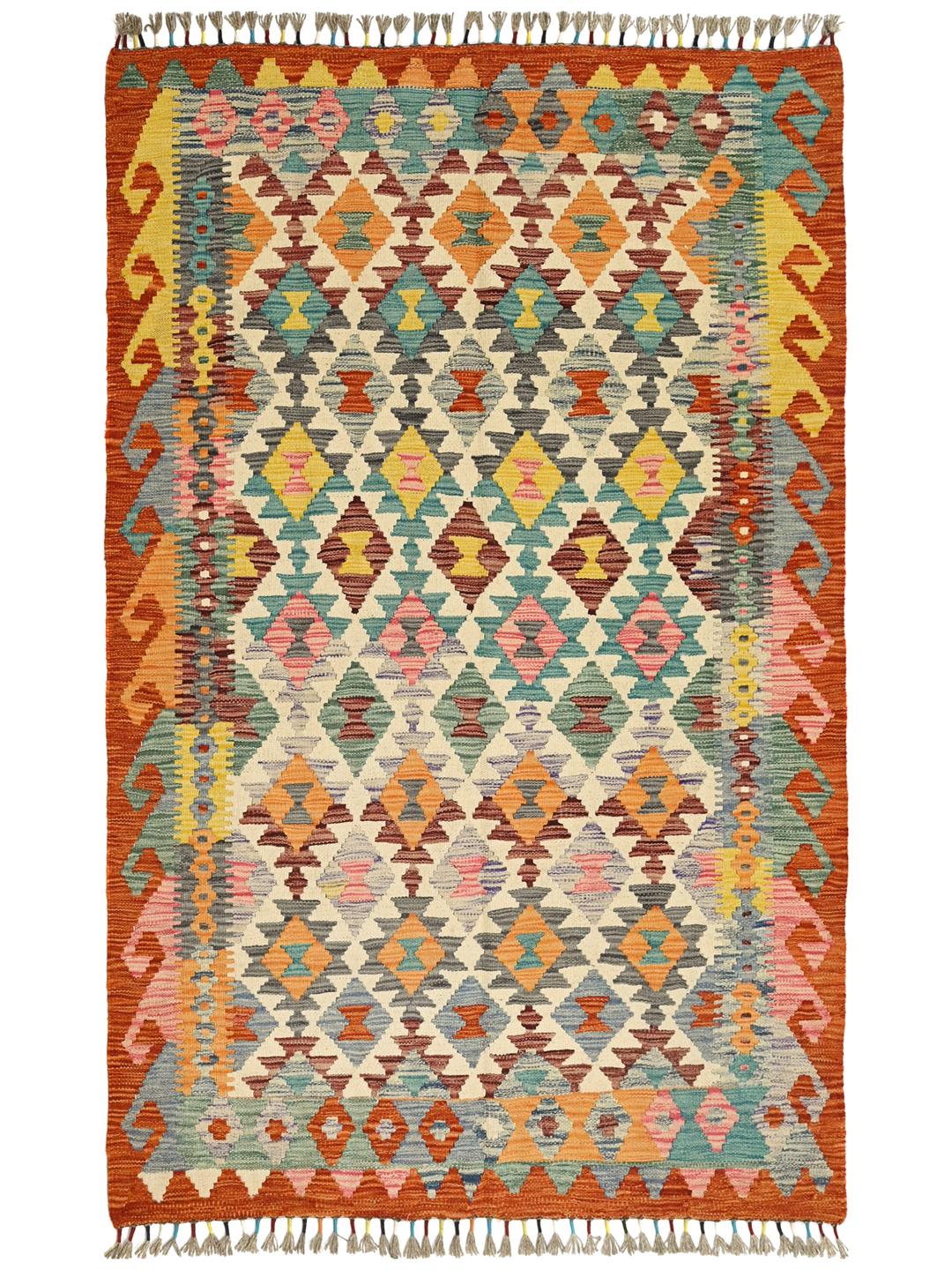
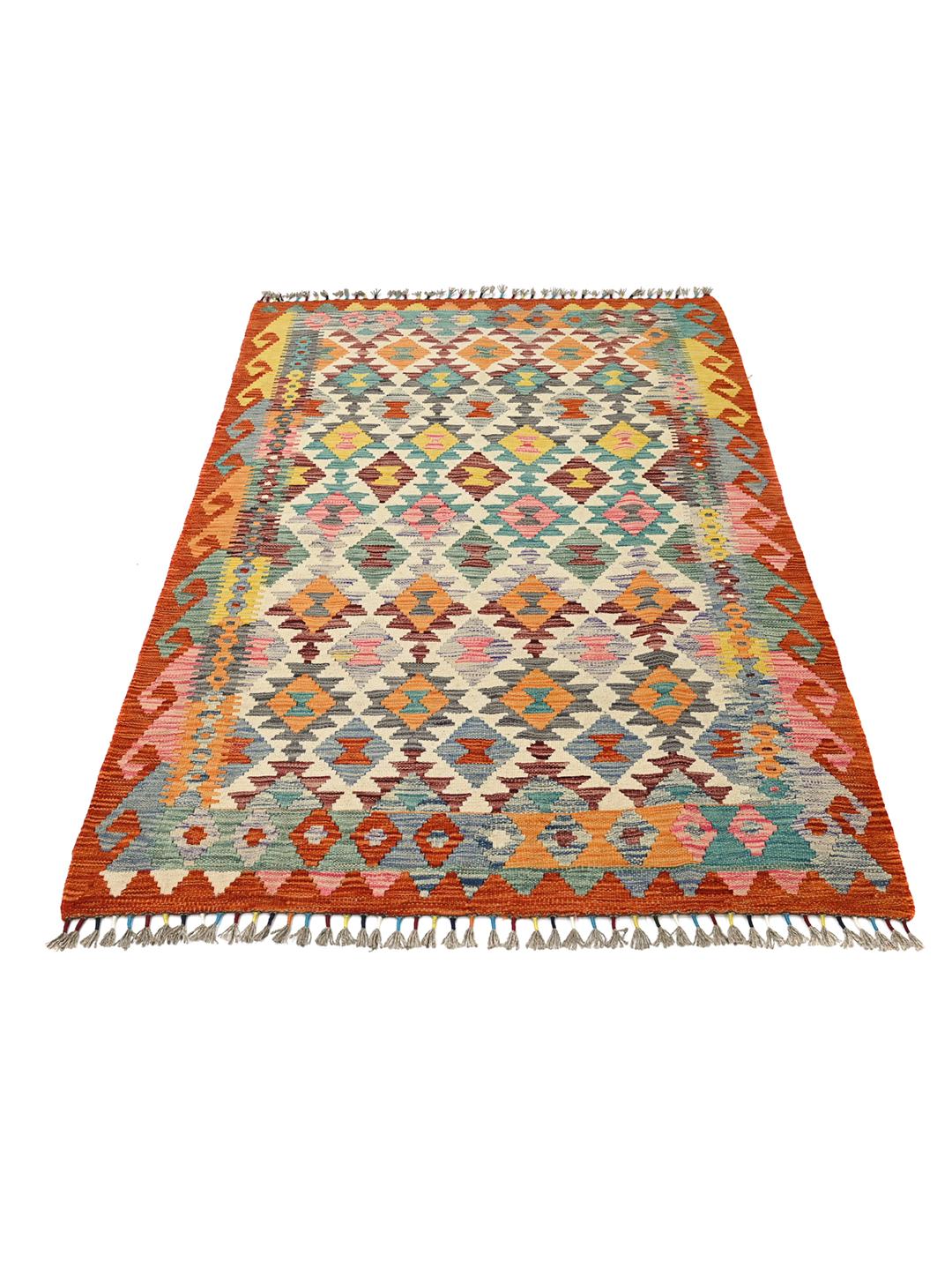
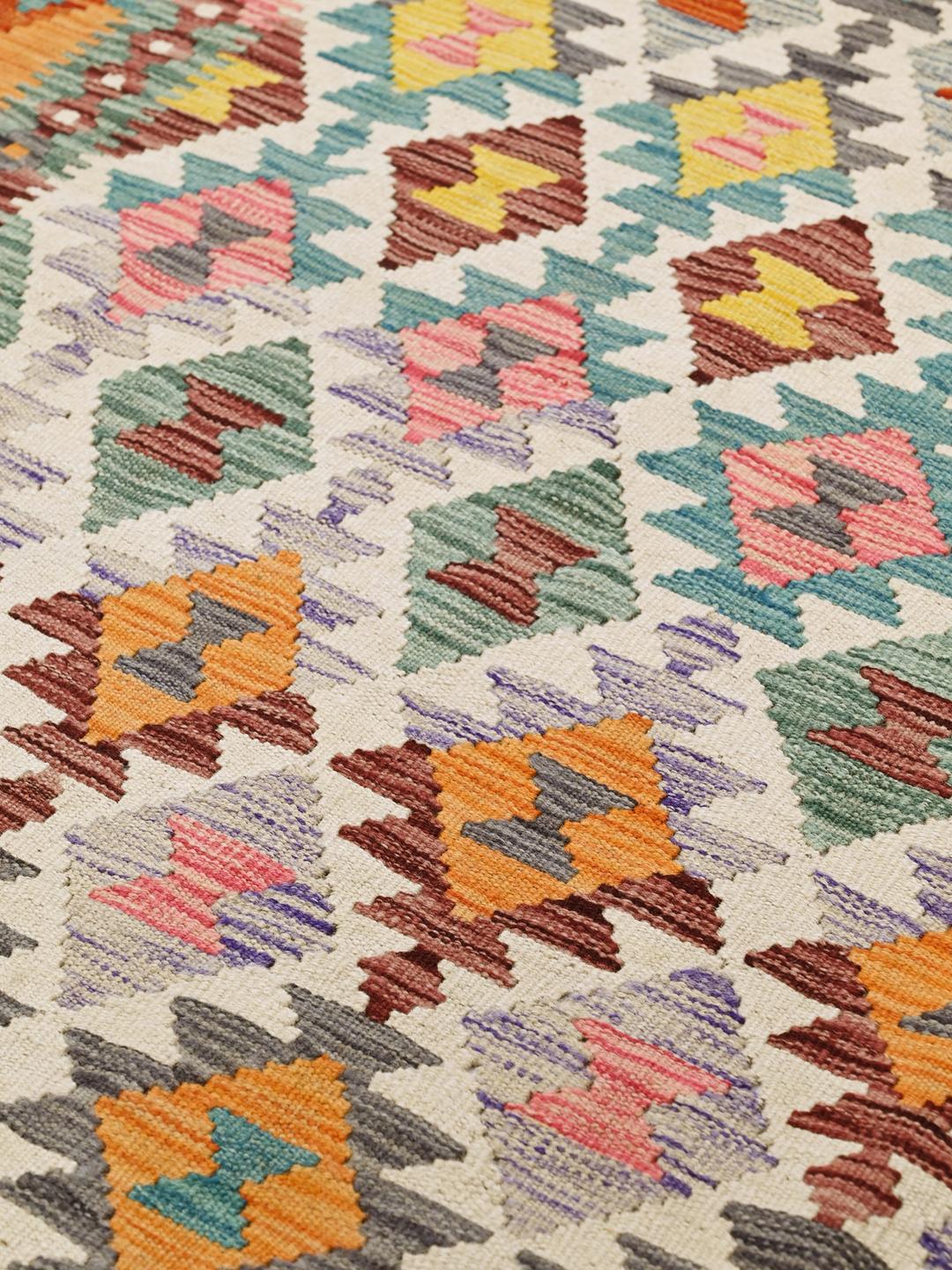
Visually, these rugs are defined by their geometric language. The diamond motifs and repeating shapes seen here are classic elements of the Afghan tradition, often representing protection or tribal identity. The bold use of colour is characteristic of the region's historical preference for natural dyes derived from plants, roots, and minerals.
Owning an Afghan Kelim is a way to connect with a legacy of human skill that has been passed down through generations. These pieces are highly valued by collectors not only for their aesthetic beauty but for the cultural narrative woven into every thread, making them a meaningful addition to any thoughtful home.