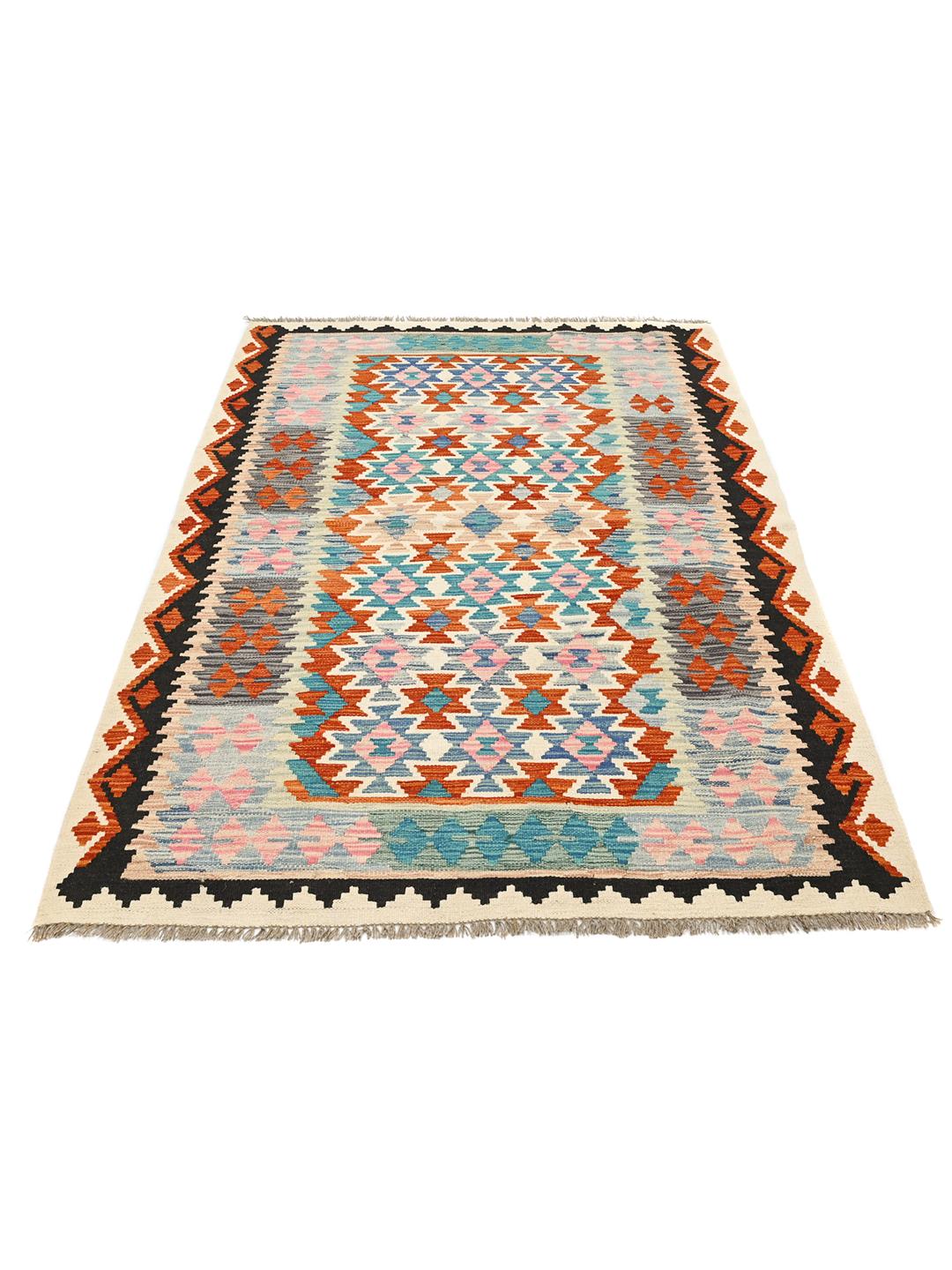
The Kelim tradition is deeply rooted in the nomadic and village cultures of the Middle East and Central Asia. Historically, these flat-woven rugs were essential functional items for travelling tribes, used as floor coverings, wall hangings, and storage sacks due to their durability and ease of transport. The Afghan Kelim, in particular, has evolved from these nomadic roots into a highly sought-after style known for its distinct, earthy palette and bold, angular designs.
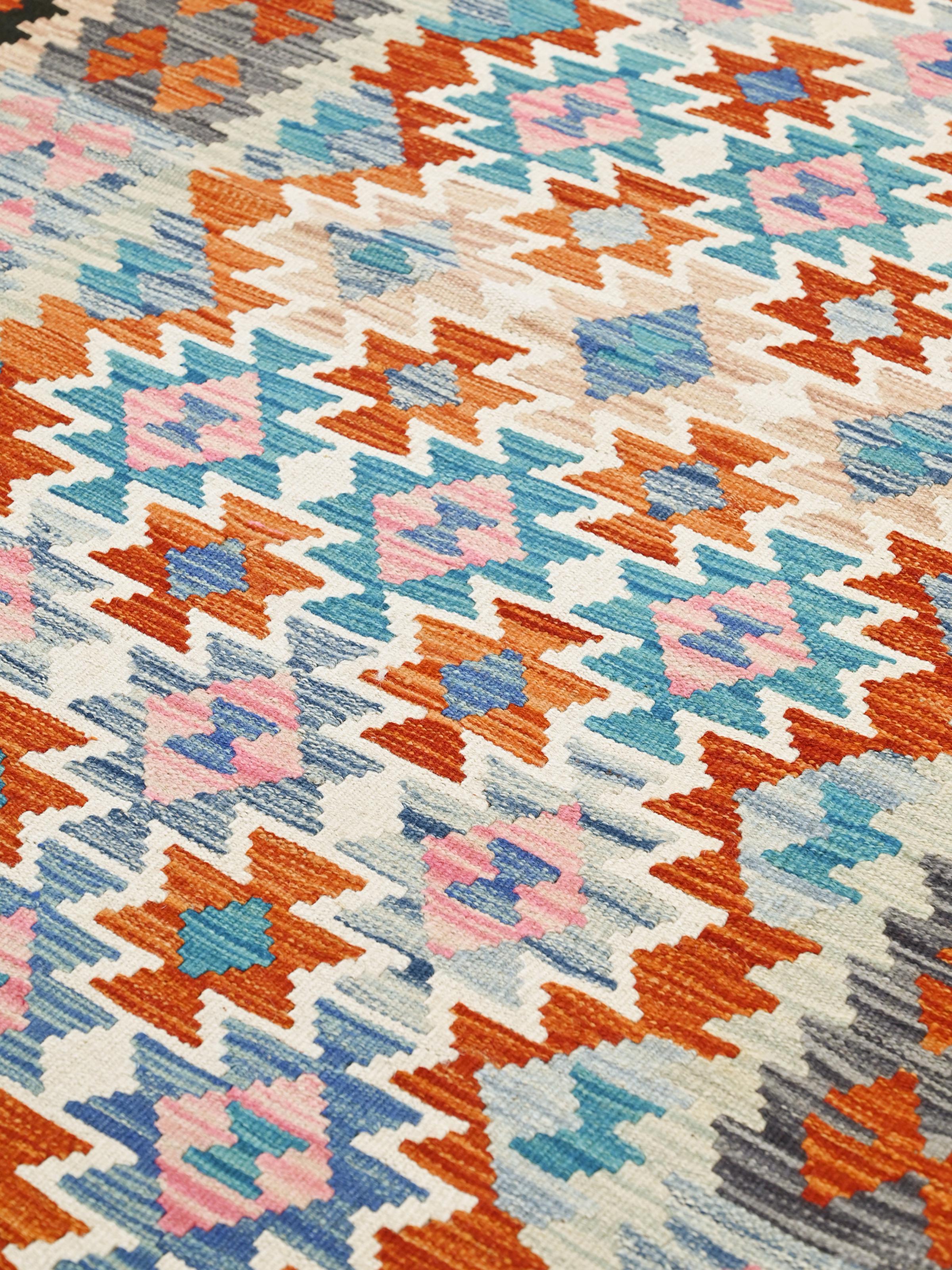
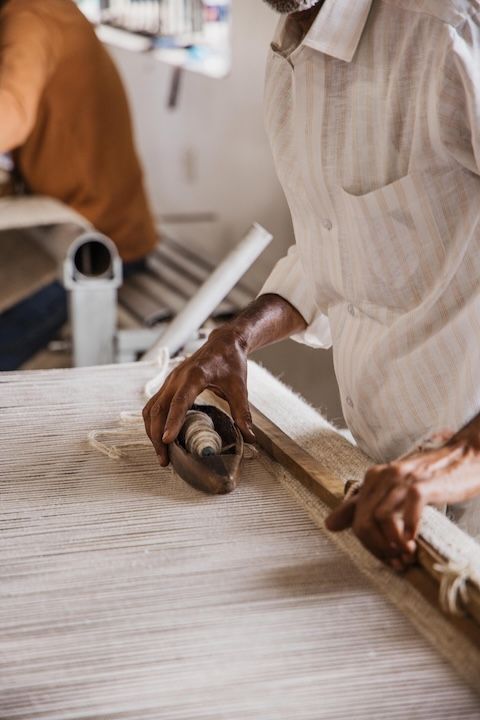
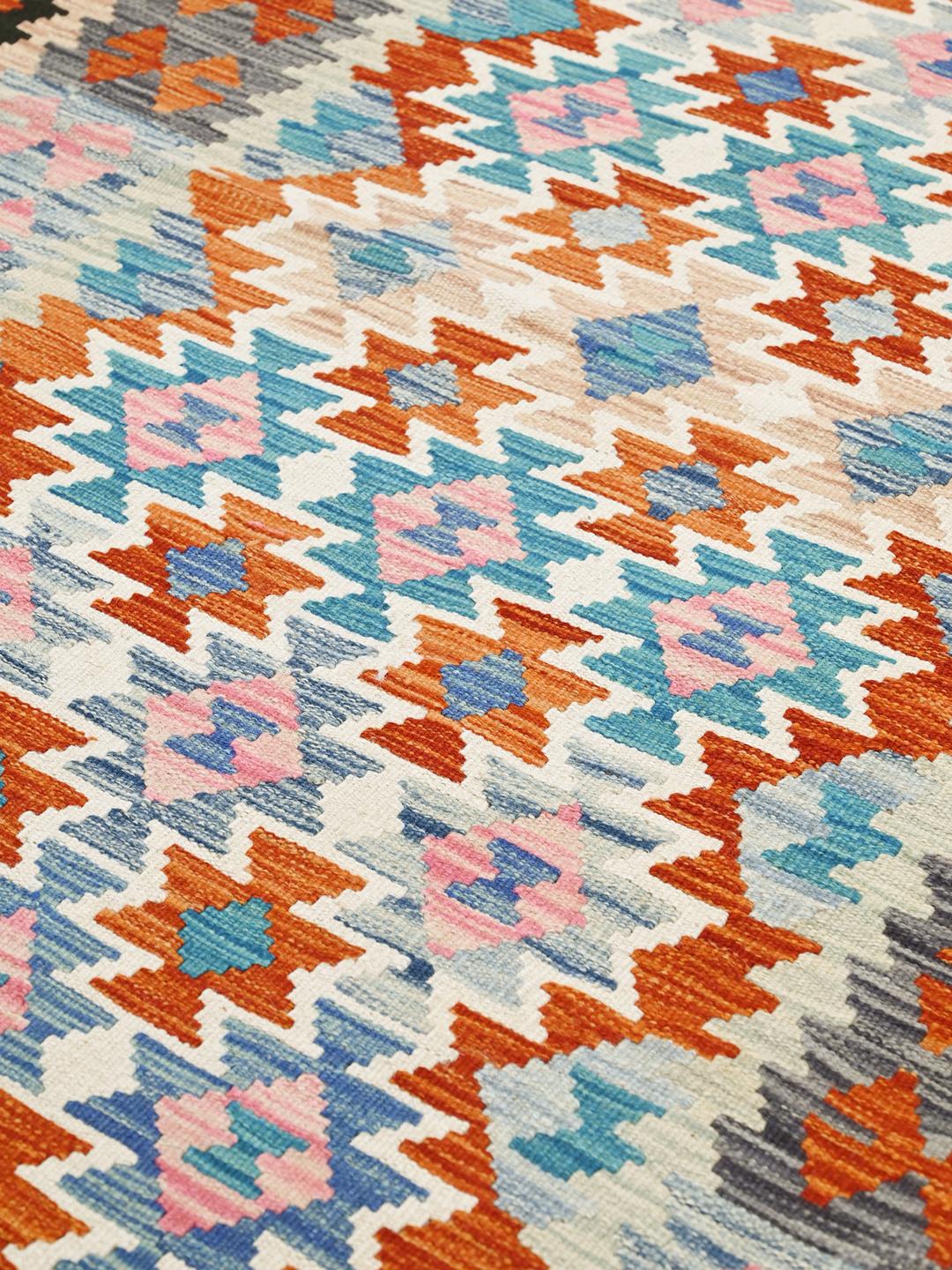
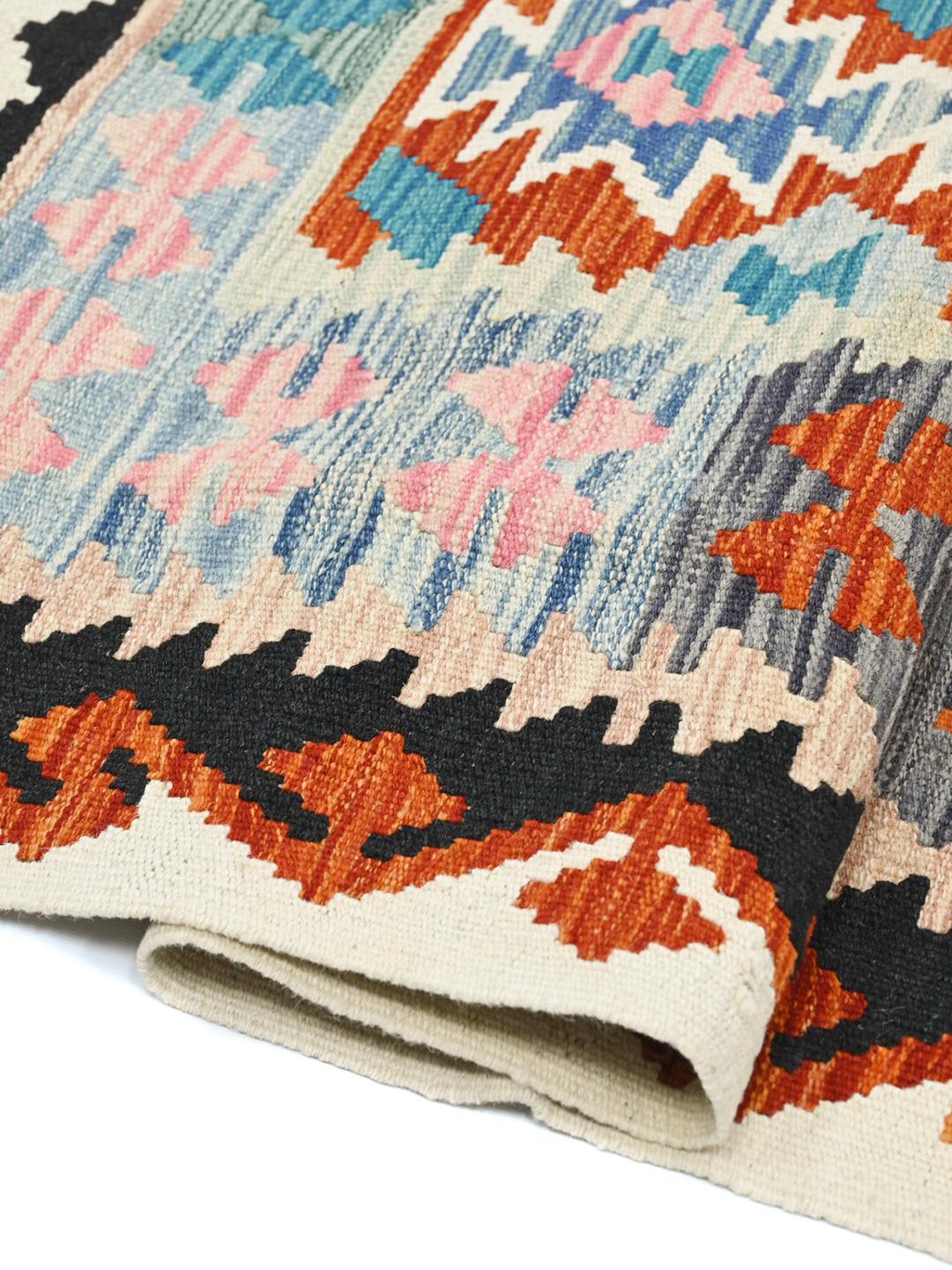
The term 'Kelim' refers specifically to the tapestry-weave technique where the weft strands are pulled tightly to cover the warp, resulting in a flat, pileless surface. This method demands a high level of expertise, as the weaver must manage the colour changes and structural integrity simultaneously. Because there is no pile to hide the structure, any inconsistency is immediately visible, which is why the quality of a Kelim is a direct reflection of the weaver's technical mastery.
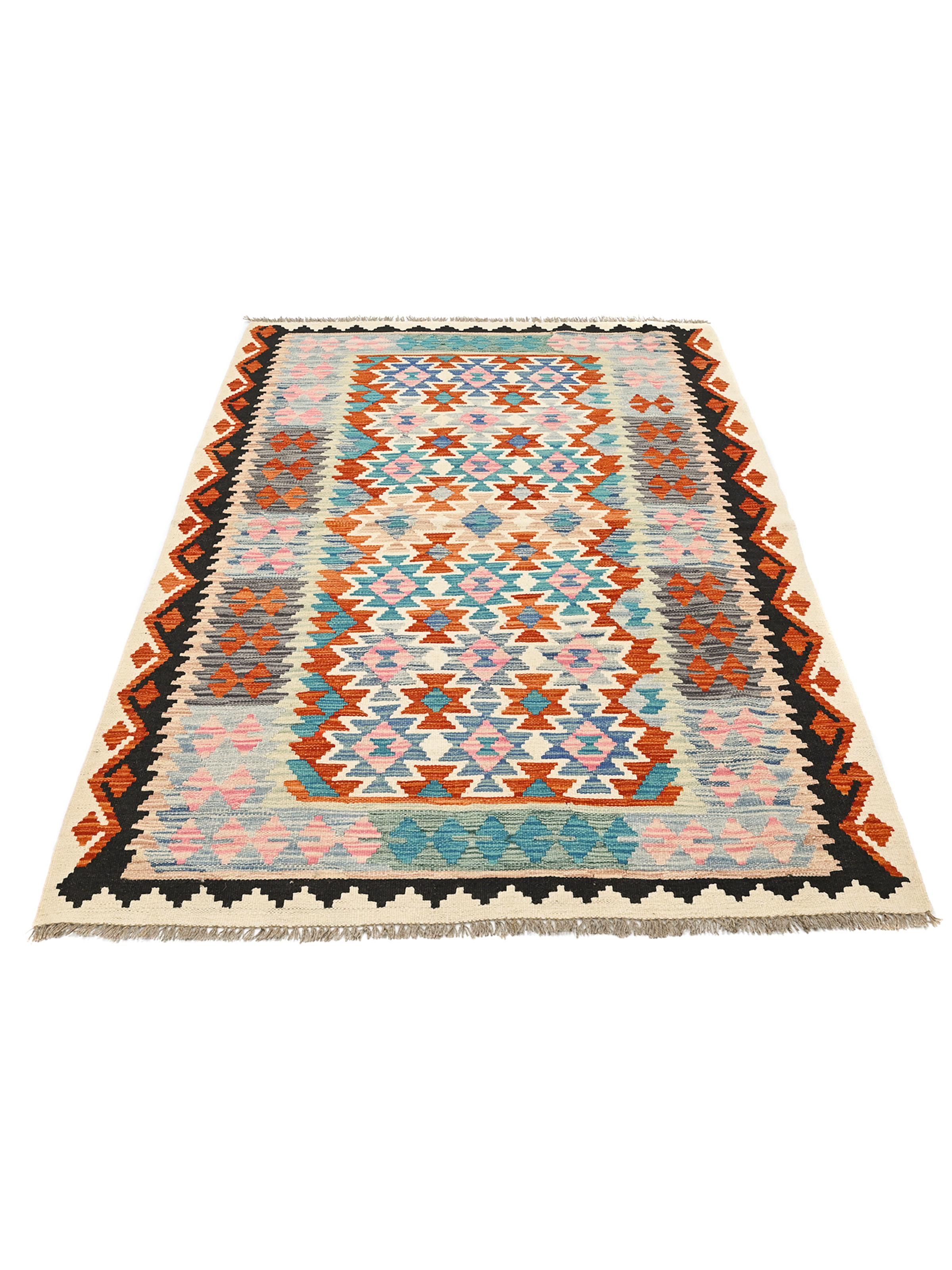
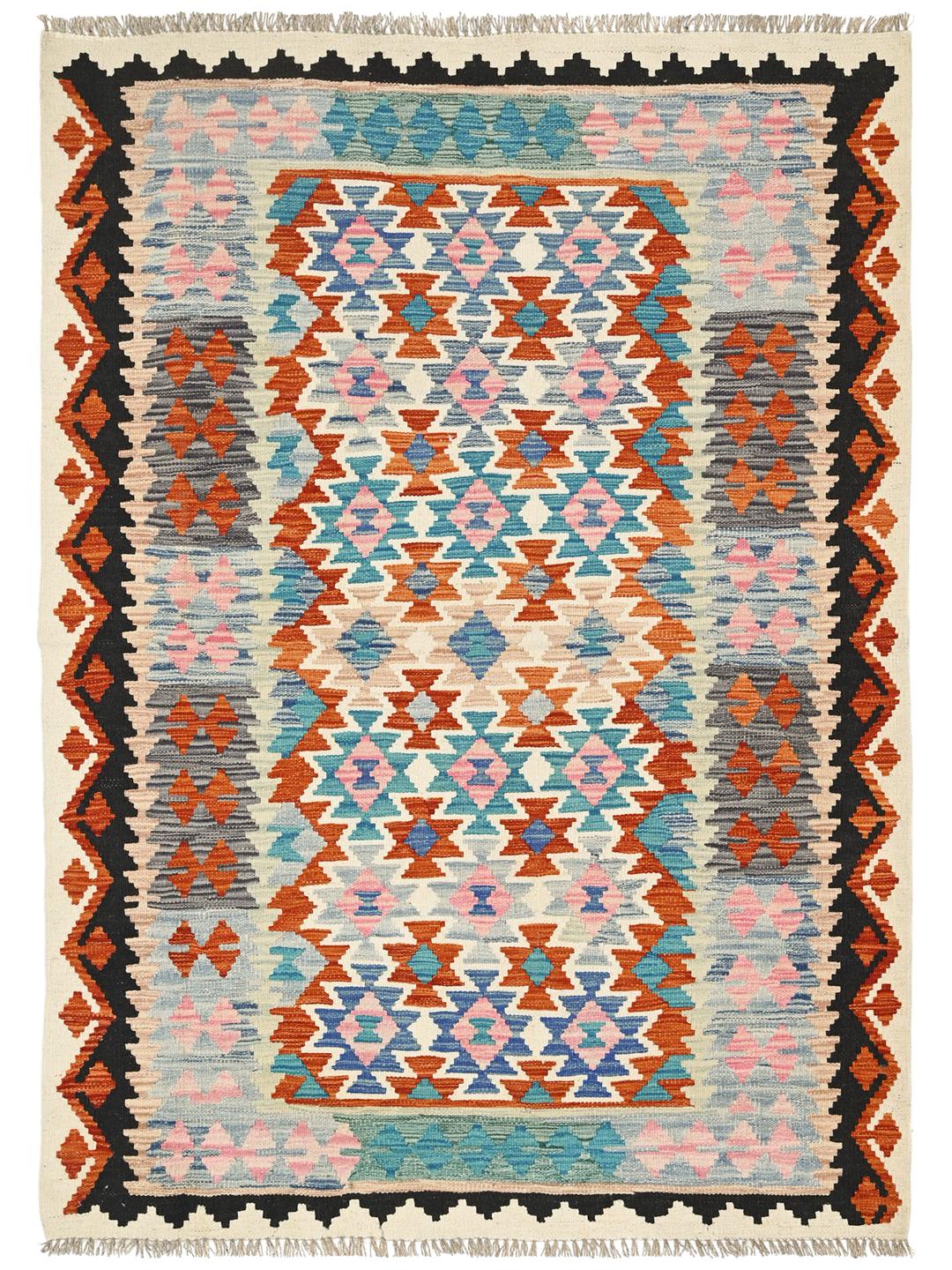
Visually, these rugs are defined by their geometric language. You will often see repeating motifs like diamonds, triangles, and zig-zags, which are not merely decorative but often carry symbolic meanings related to tribal identity, protection, or fertility. This specific piece showcases a vivid array of colours, which is a hallmark of the Afghan tradition, often using natural or high-quality synthetic dyes to achieve deep, lasting shades that contrast beautifully against one another.
Collectors value these pieces because they represent a living history of craft. Owning a Kelim is an investment in human skill and cultural continuity. Unlike mass-produced alternatives, these rugs carry the legacy of the region and the specific aesthetic choices of the community that created them, making them a meaningful addition to any collection for those who value heritage and artistic authenticity.