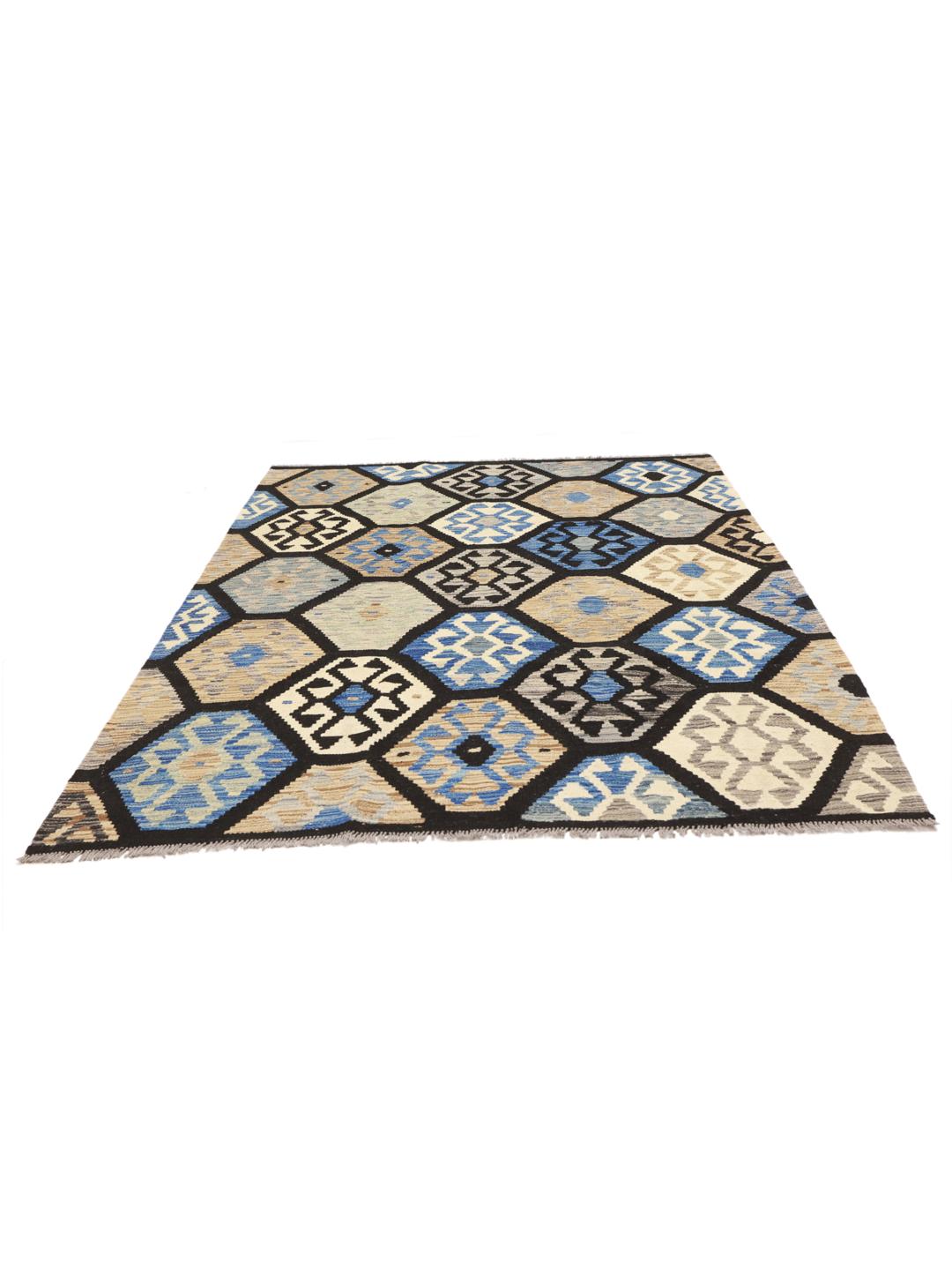
The Kelim tradition is deeply rooted in the nomadic cultures of the Middle East and Central Asia. Originally created by tribal groups for practical use as floor coverings, tent dividers, and saddlebags, these rugs were essential for daily life. The art of weaving has been passed down through generations, with each region developing its own distinct visual dialect.
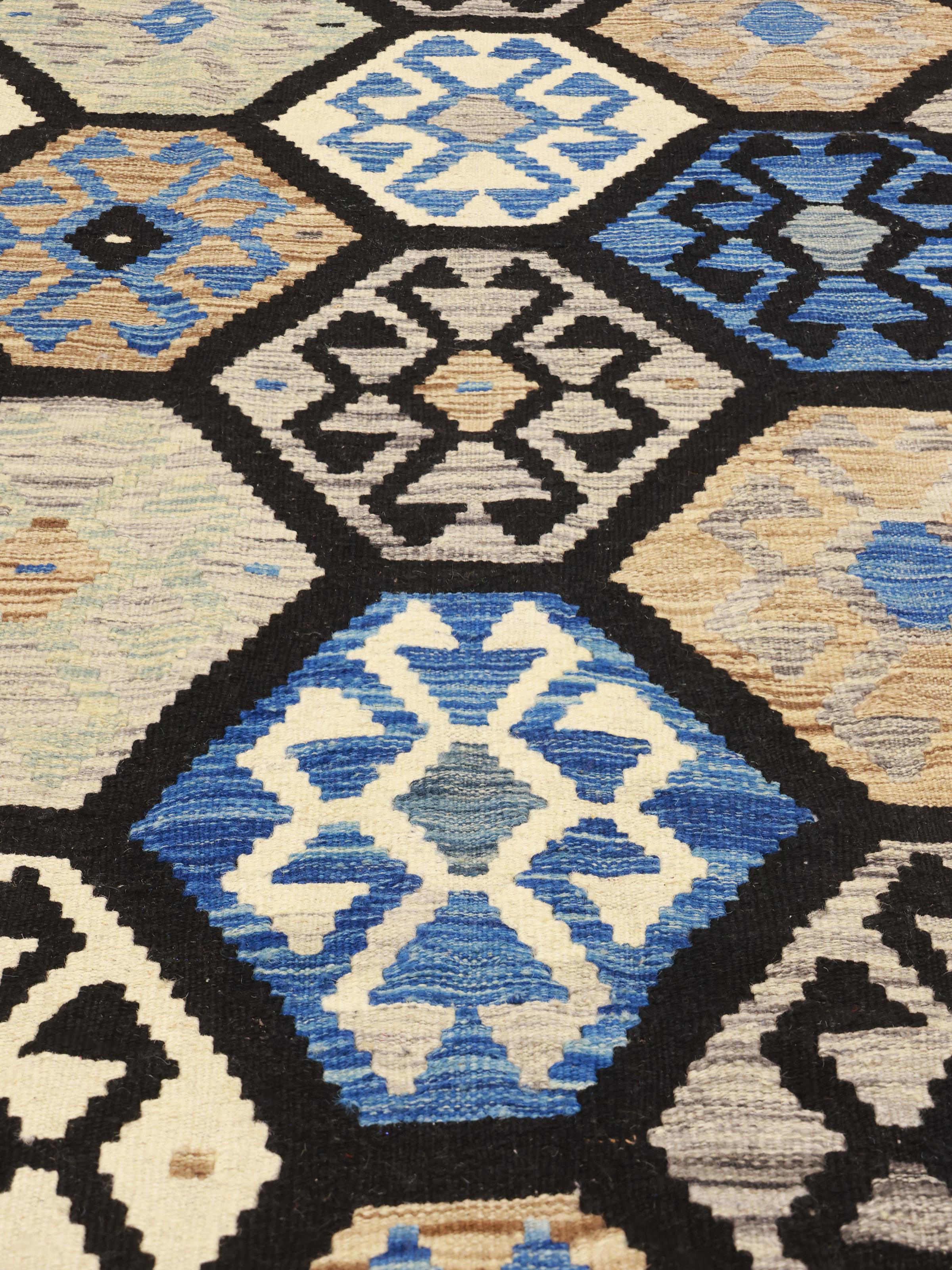
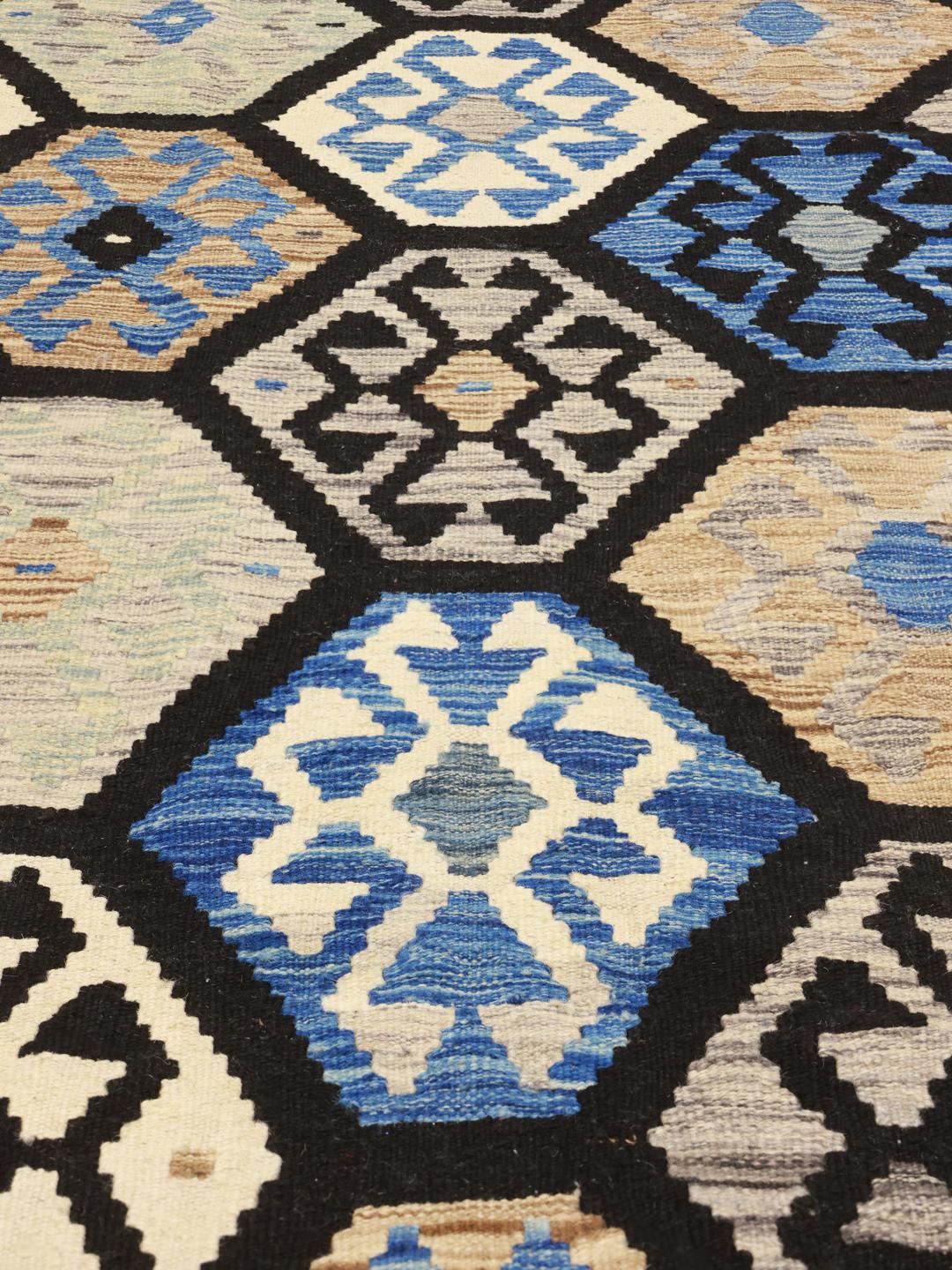
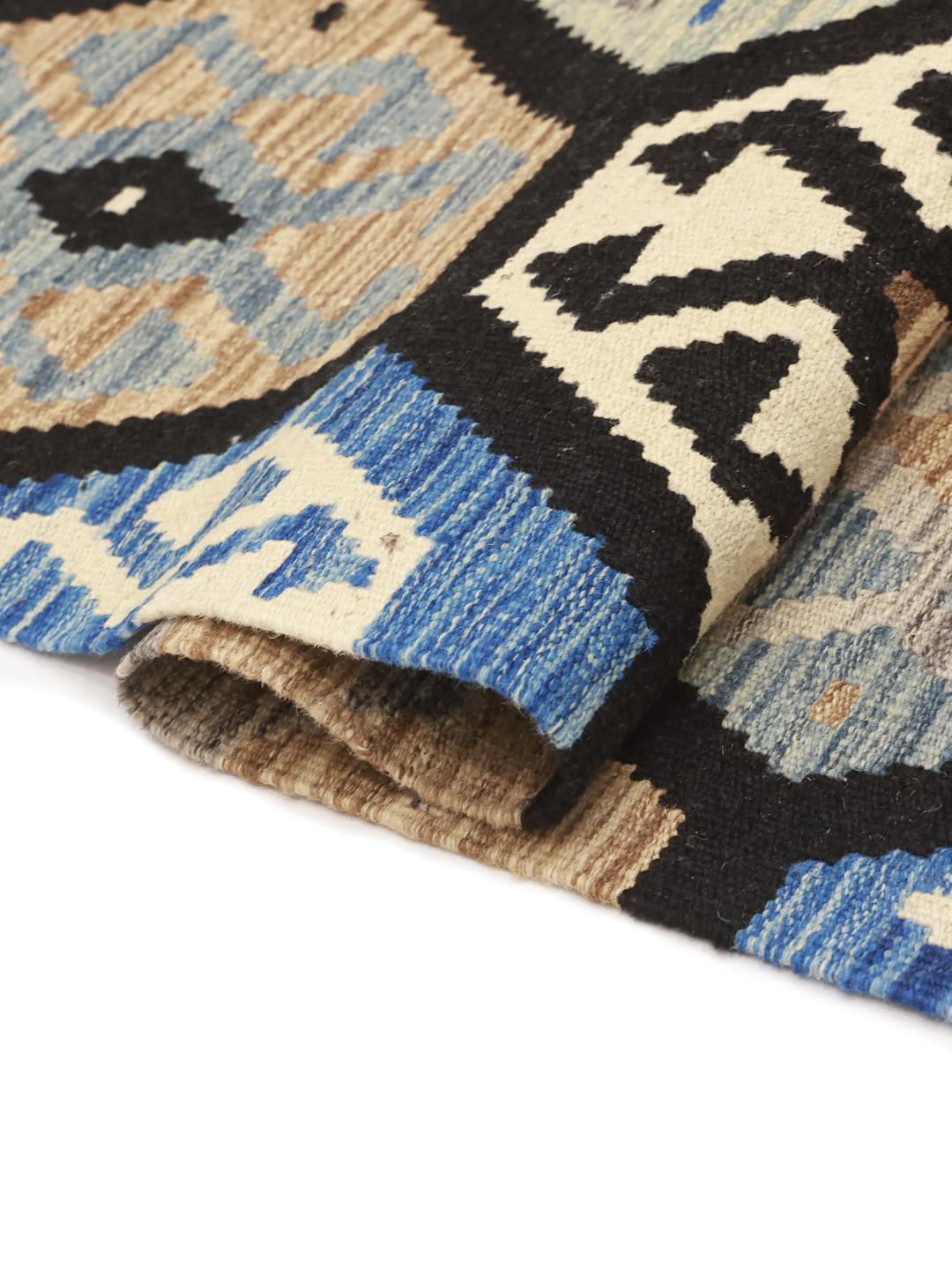
A Kelim is defined by its flat-weave construction, which lacks the pile found in traditional knotted rugs. This technique involves interweaving the warp and weft threads to create a durable, reversible fabric. This style of construction is highly valued for its clean lines and the way it highlights the precision of the weaver's work.
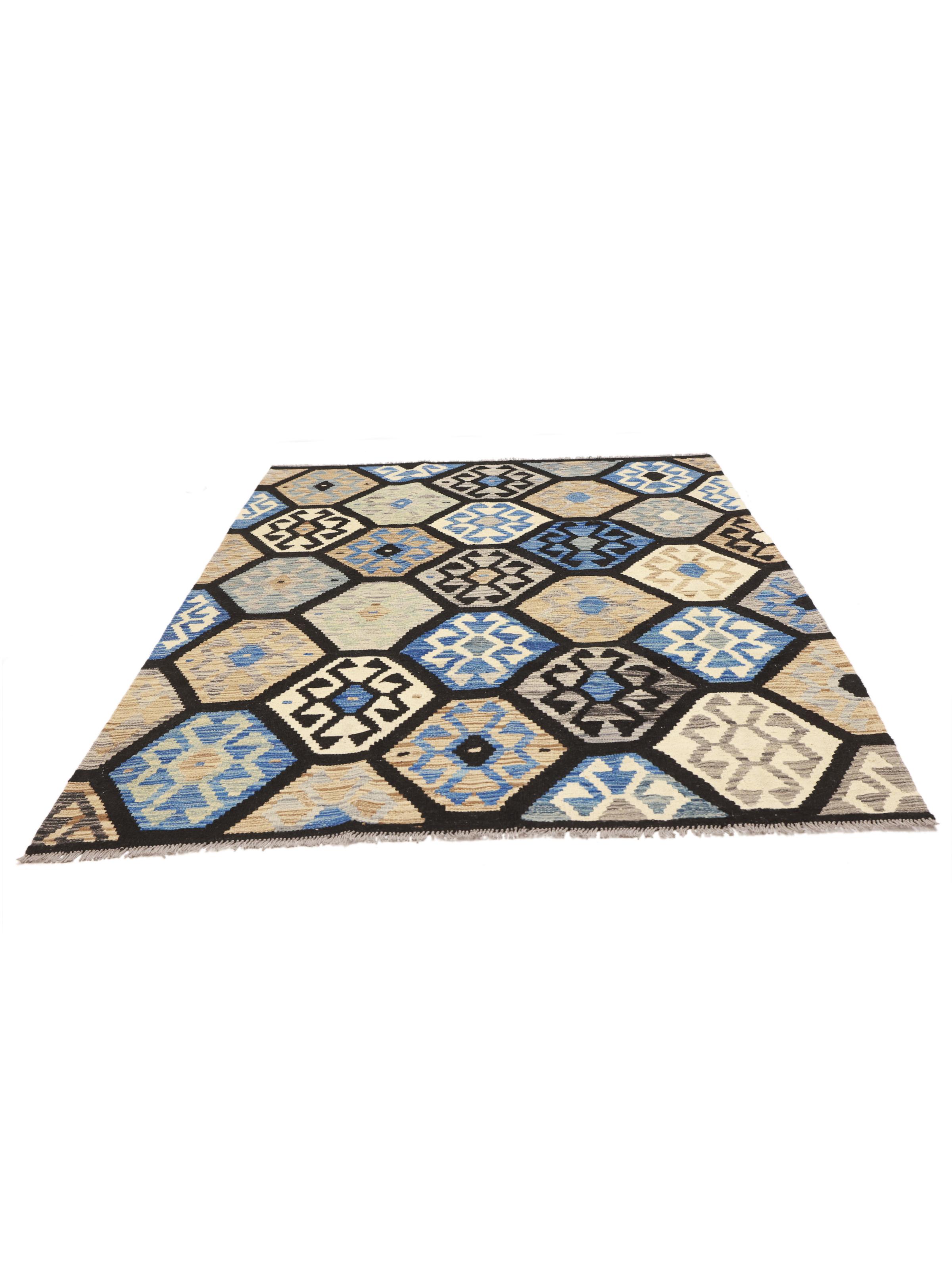
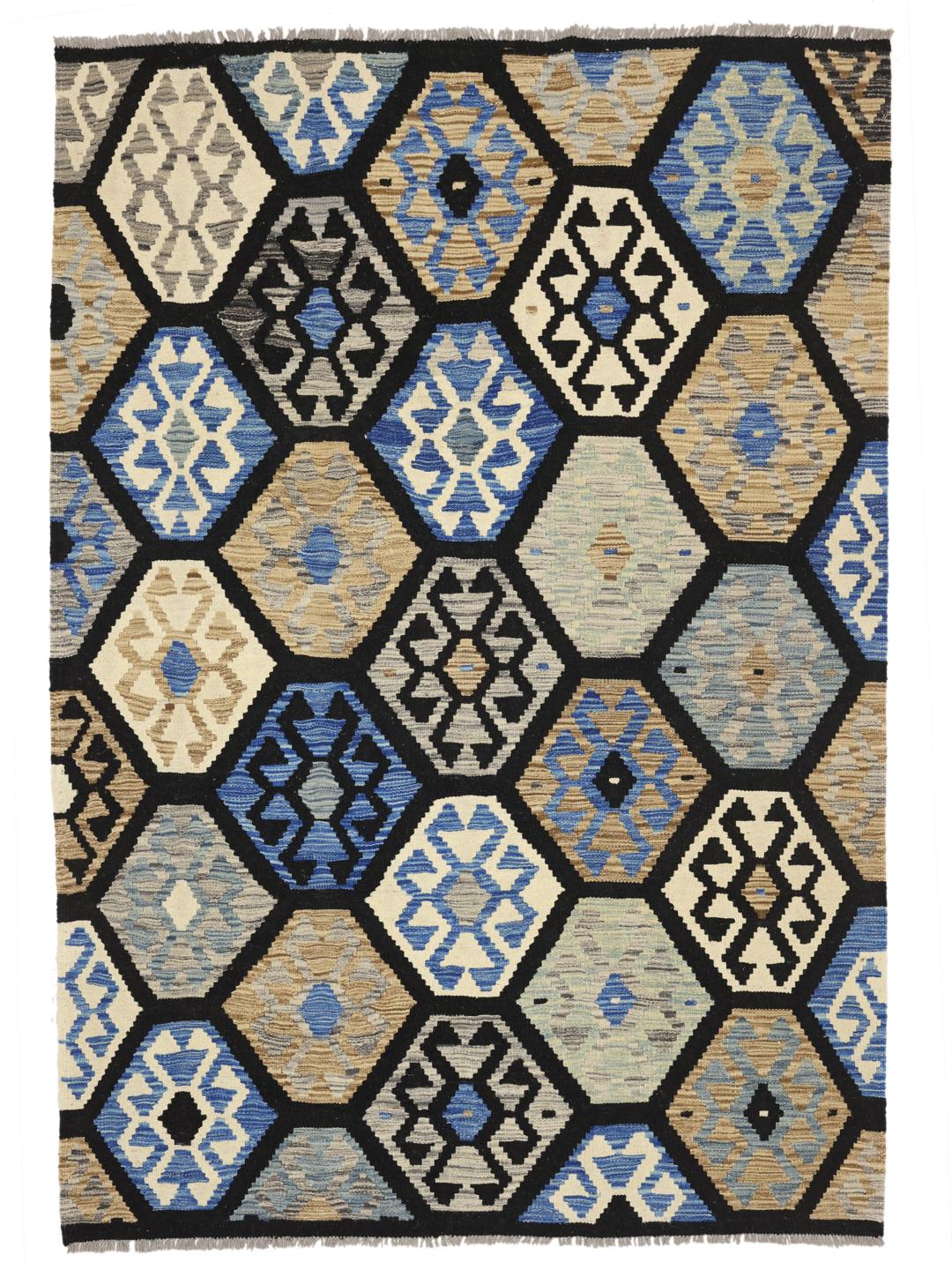
The signature design elements of Afghan Kelims often include bold geometric shapes, such as diamonds, hexagons, and stylised tribal motifs. The use of repeating patterns is a hallmark of the tradition, creating a rhythmic visual language that is both calming and sophisticated. The specific colour palette often reflects the natural dyes traditionally available in the region, focusing on deep blues, warm neutrals, and earthy tones.
Collecting a Kelim is an investment in cultural heritage and human skill. These pieces are valued for their authenticity and the way they bridge the gap between ancient nomadic traditions and modern home aesthetics. Owning such a rug means preserving a piece of history, where every thread tells a story of the artisan's vision and the enduring legacy of Middle Eastern craft.