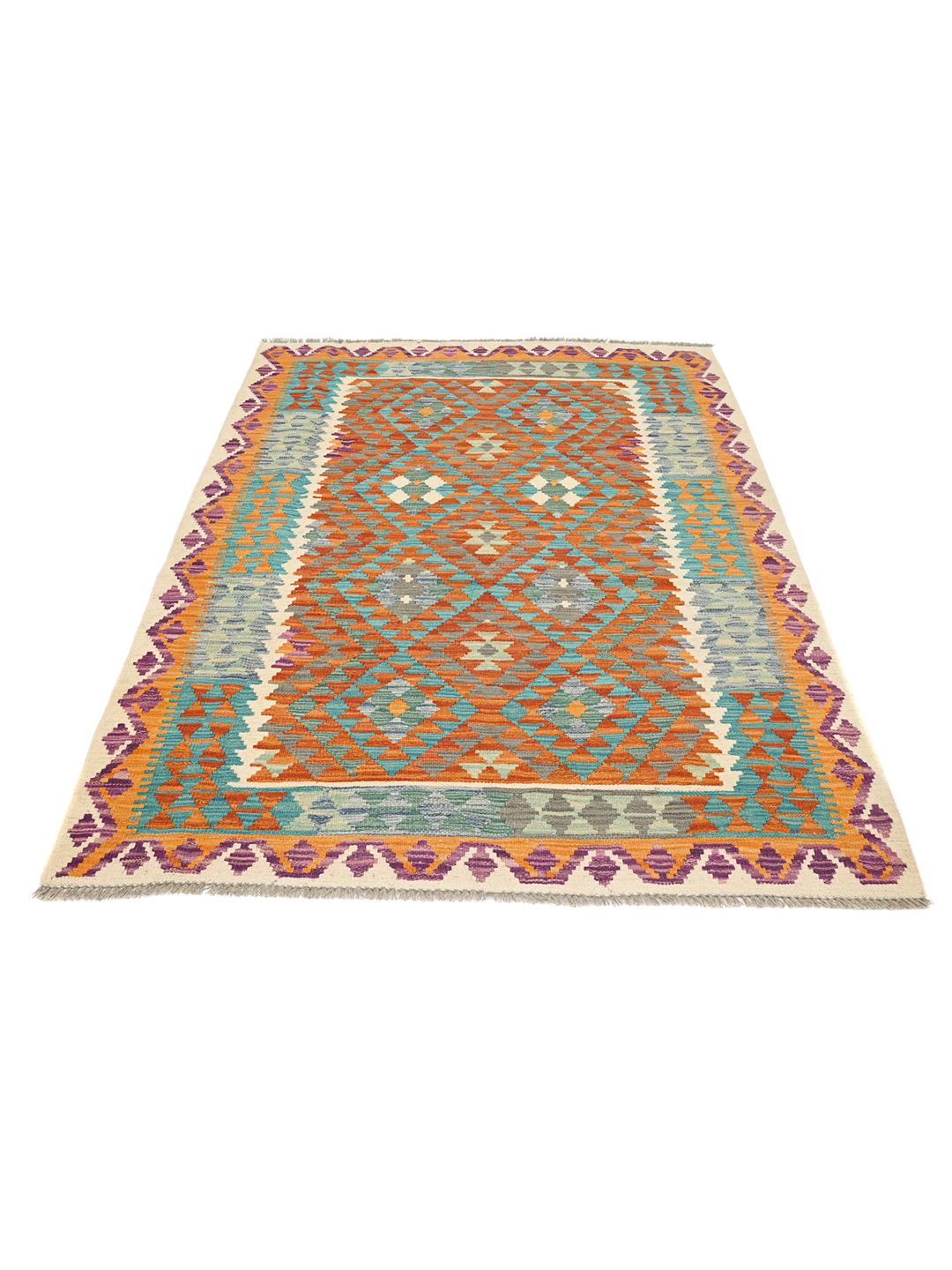
Kelim rugs have a storied history rooted in the nomadic traditions of the Middle East and Central Asia. These flat-woven textiles were originally created by tribal communities for practical purposes, serving as floor coverings, blankets, and storage sacks. Their portability and durability made them essential to the nomadic lifestyle, allowing families to easily pack and carry their most prized possessions across vast distances.
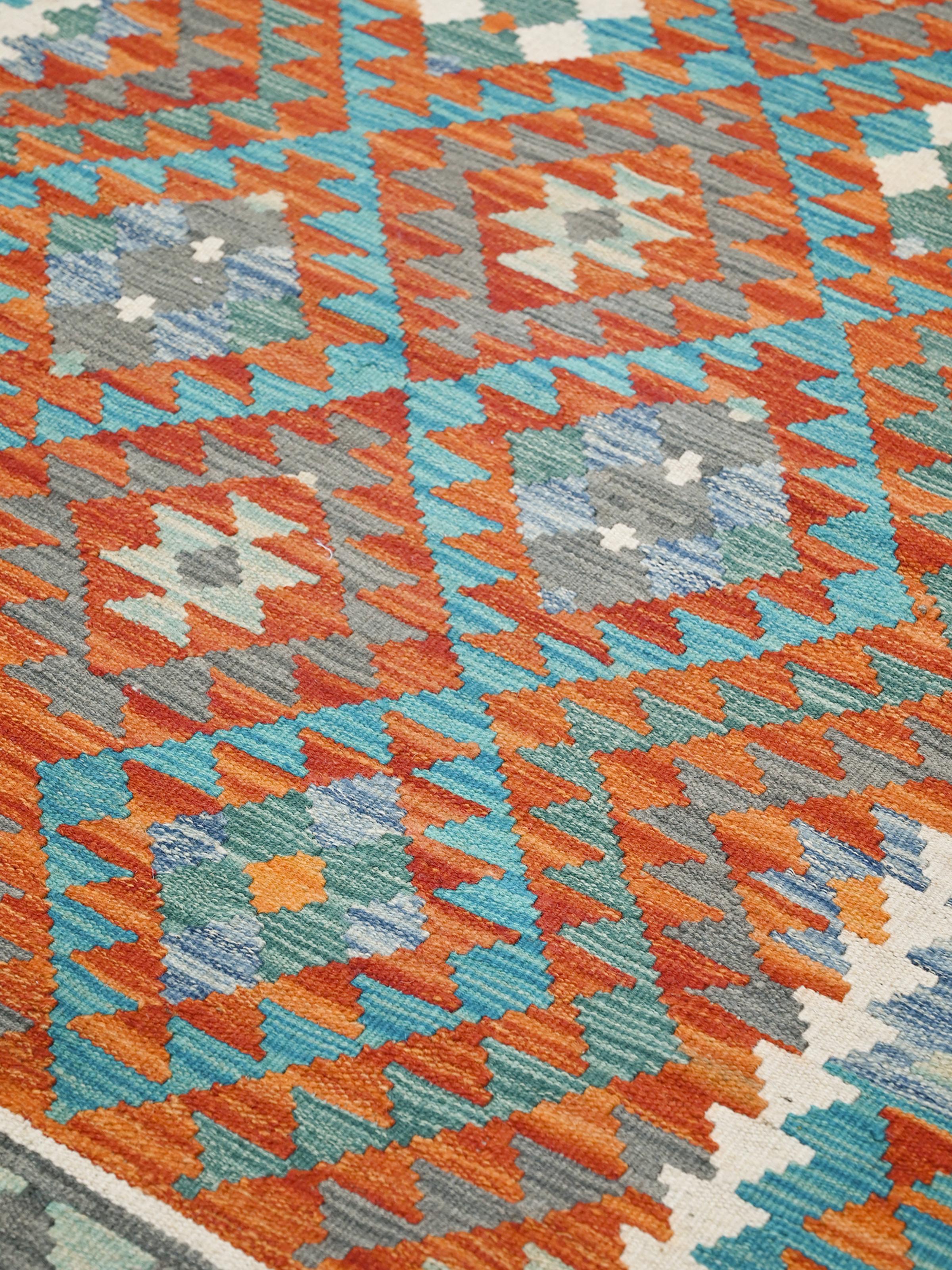
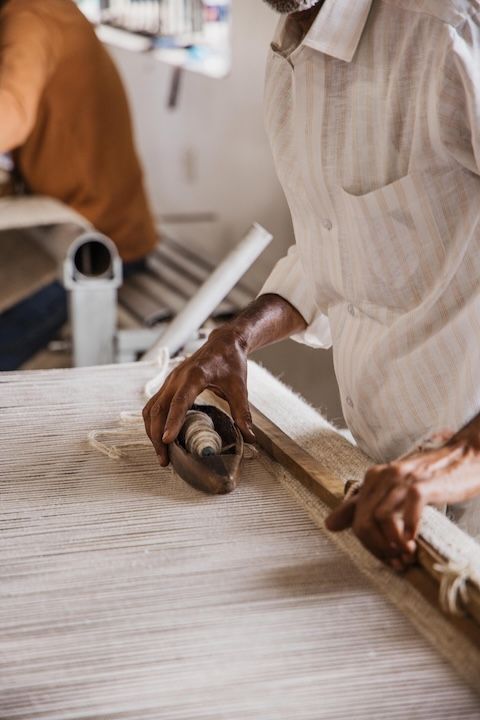
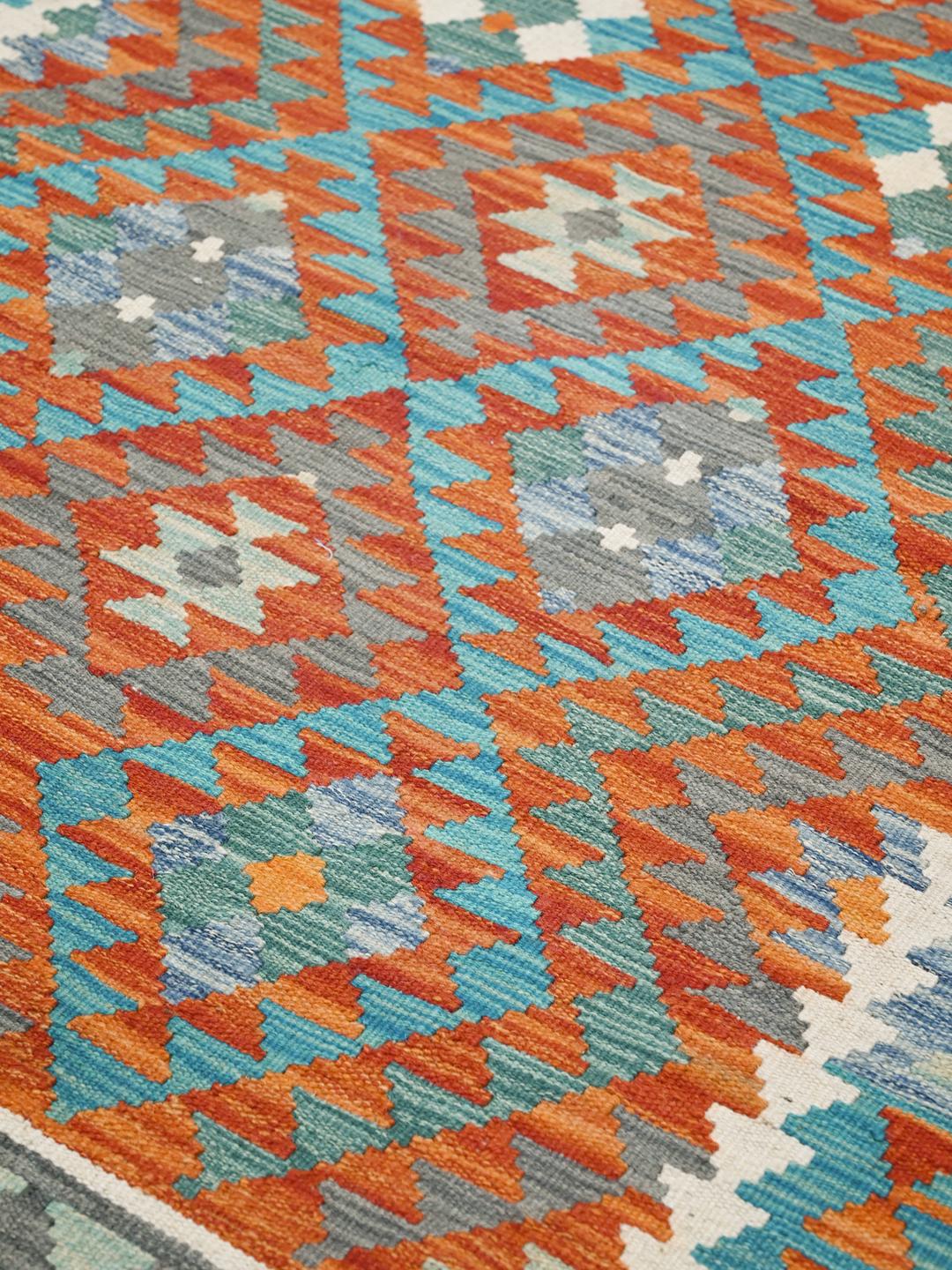
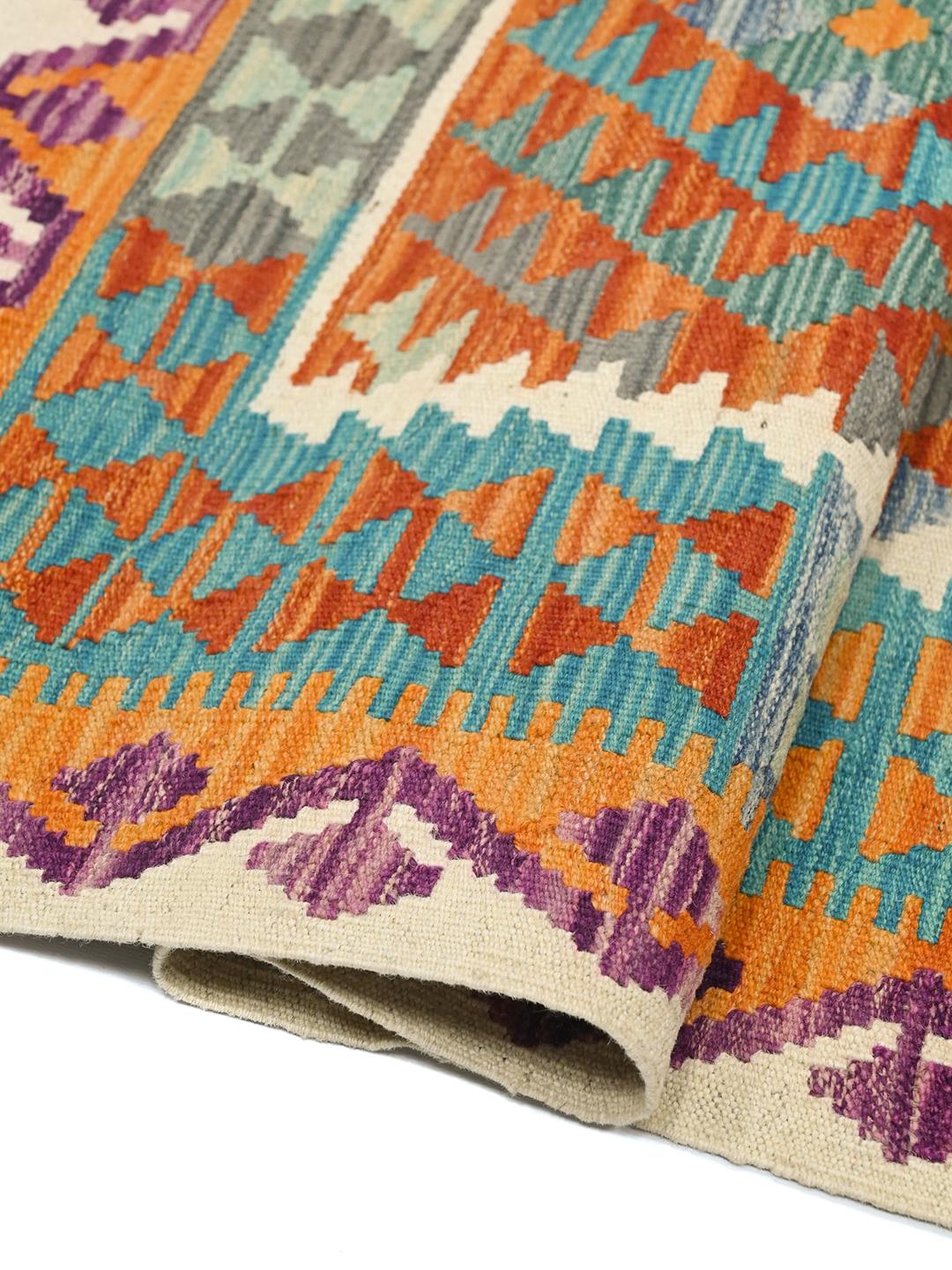
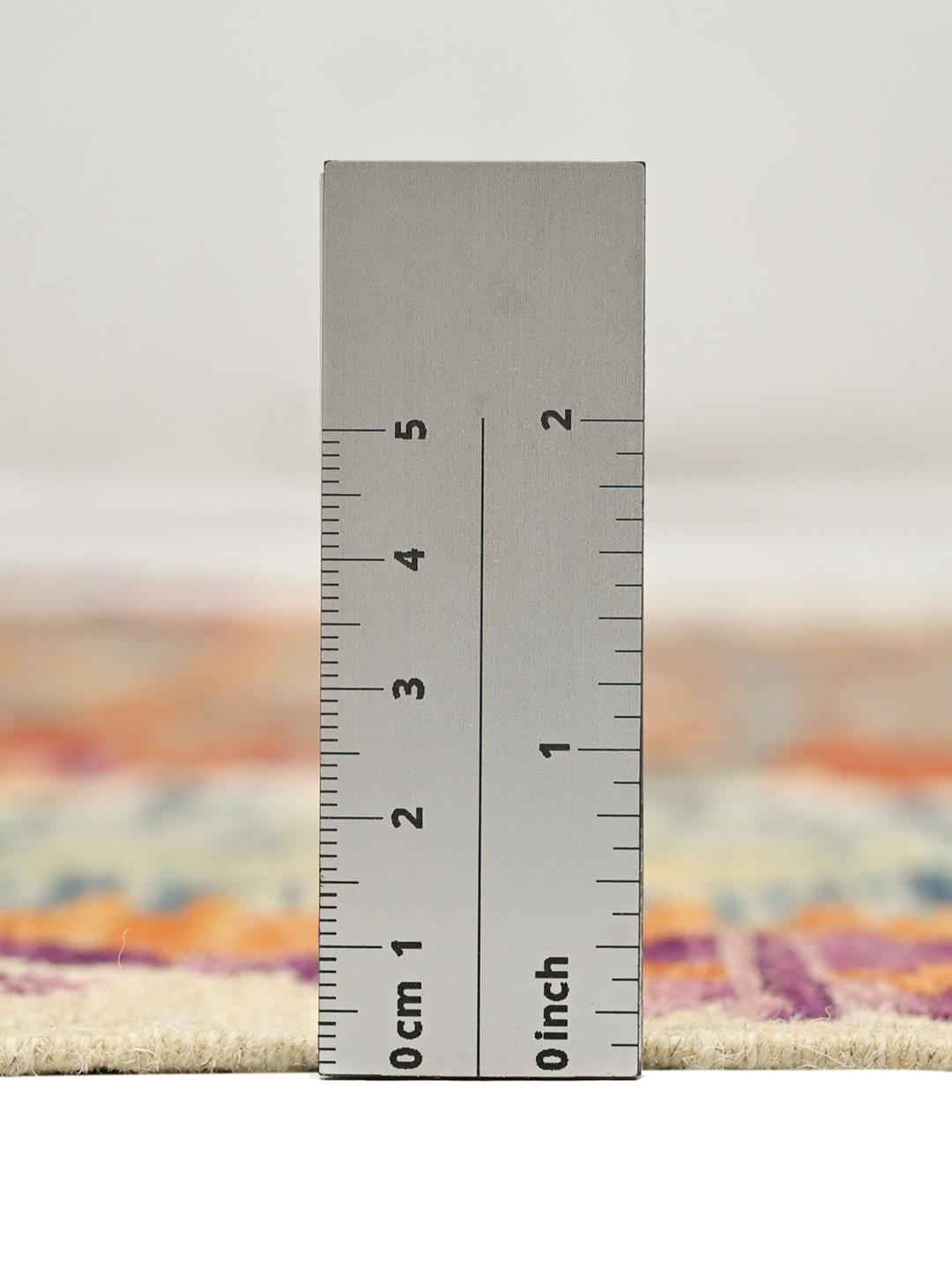
The term Kelim refers to the specific flat-weaving technique where the weft and warp threads are interlaced to create a smooth, pileless surface. This method is distinct because it does not involve knotting, but rather a tapestry-like construction. The quality of a Kelim is often determined by the tightness of this weave, which ensures that the rug remains robust and resistant to wear despite its thin profile.
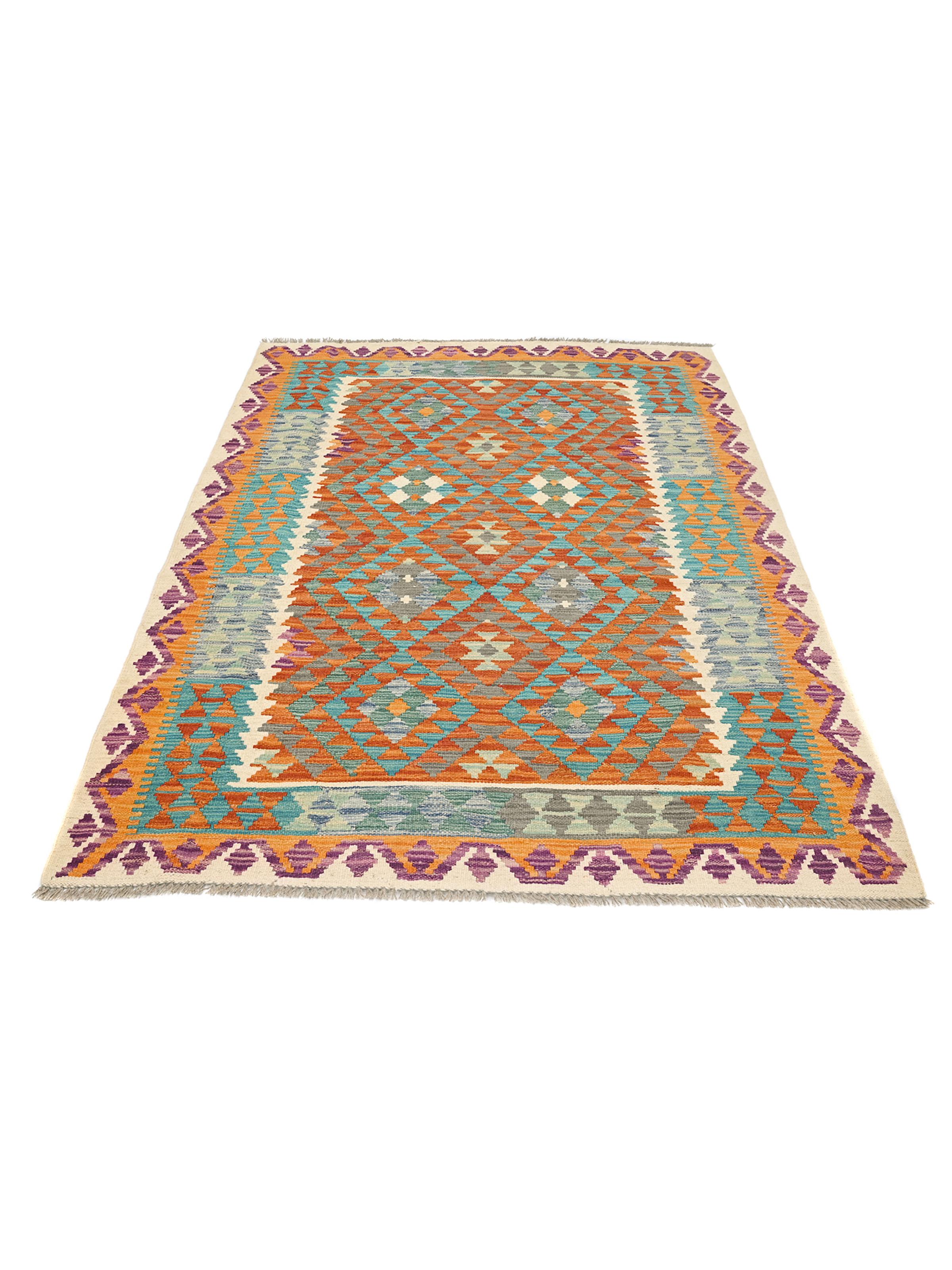
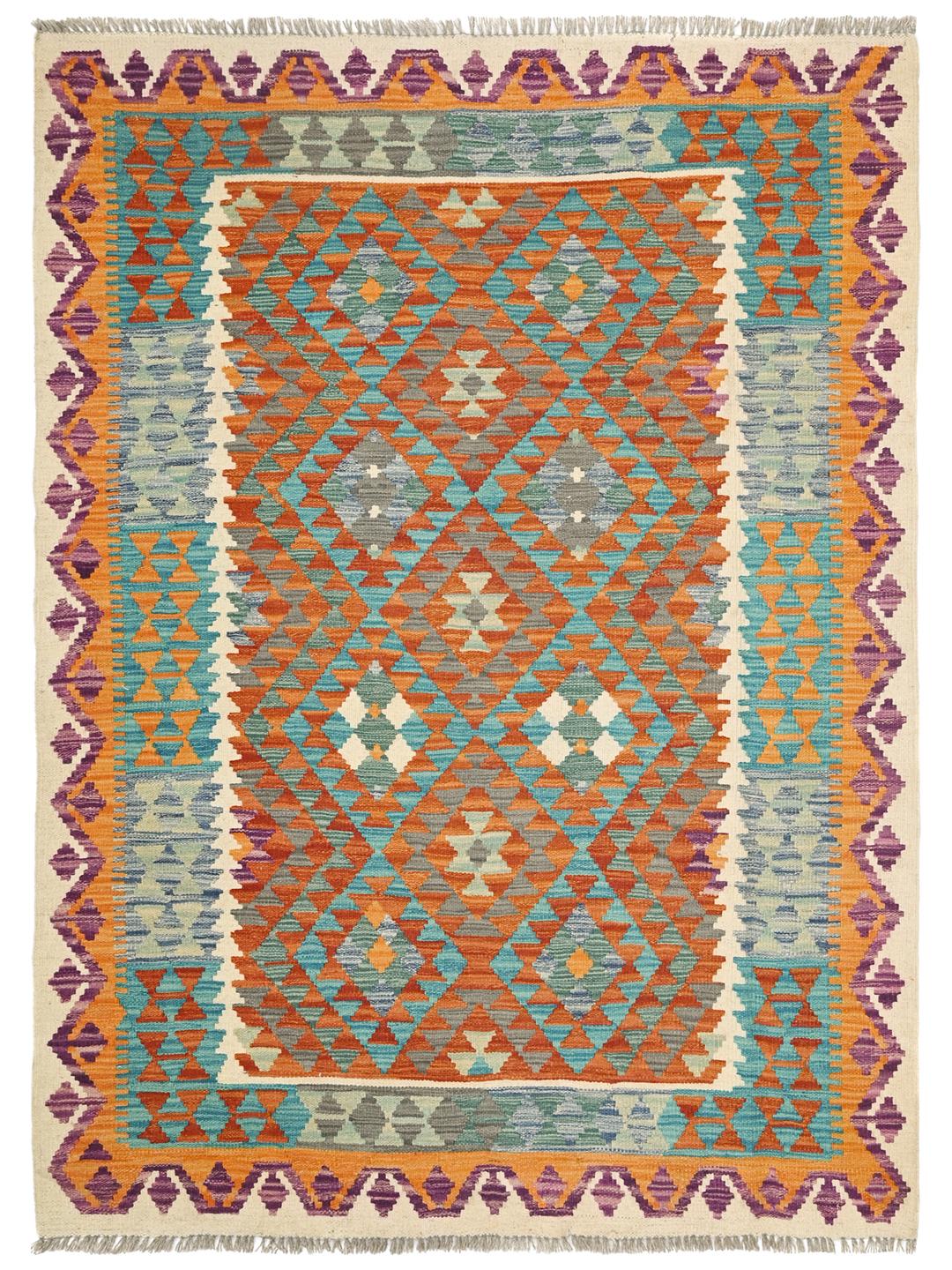
Signature design elements of Afghan Kelims often include bold, geometric motifs such as diamonds, triangles, and stylized floral shapes. These patterns are not merely decorative but often hold symbolic meanings, reflecting the weaver's environment, beliefs, and tribal identity. The use of vibrant, natural-inspired colours is a hallmark of this tradition, designed to bring warmth and vitality into the home.
Collecting Kelim rugs is a way to preserve a rich cultural heritage that has been passed down through generations. These rugs are highly valued for their authenticity and the incredible skill required to execute such precise patterns without the use of mechanical aids. By owning an Afghan Kelim, you are participating in a long-standing tradition of craftsmanship that celebrates both artistic expression and functional durability.