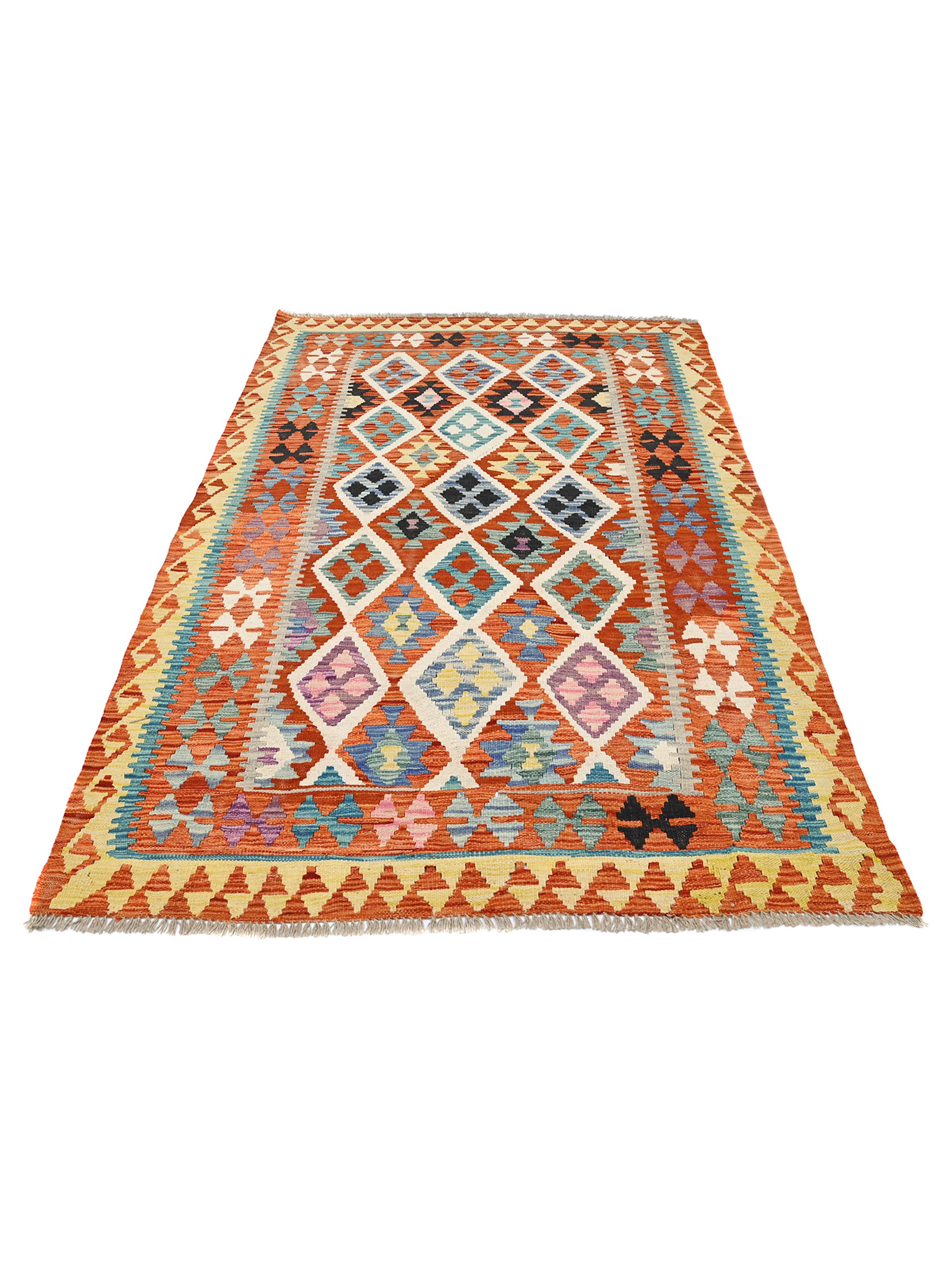
The Afghan Kelim tradition is deeply rooted in the nomadic history of the Middle East, where flat-woven rugs served as essential, portable items for daily life. These rugs were traditionally used as floor coverings, tent partitions, and storage bags, designed to be durable enough for travel yet beautiful enough to provide a sense of home in ever-changing environments.
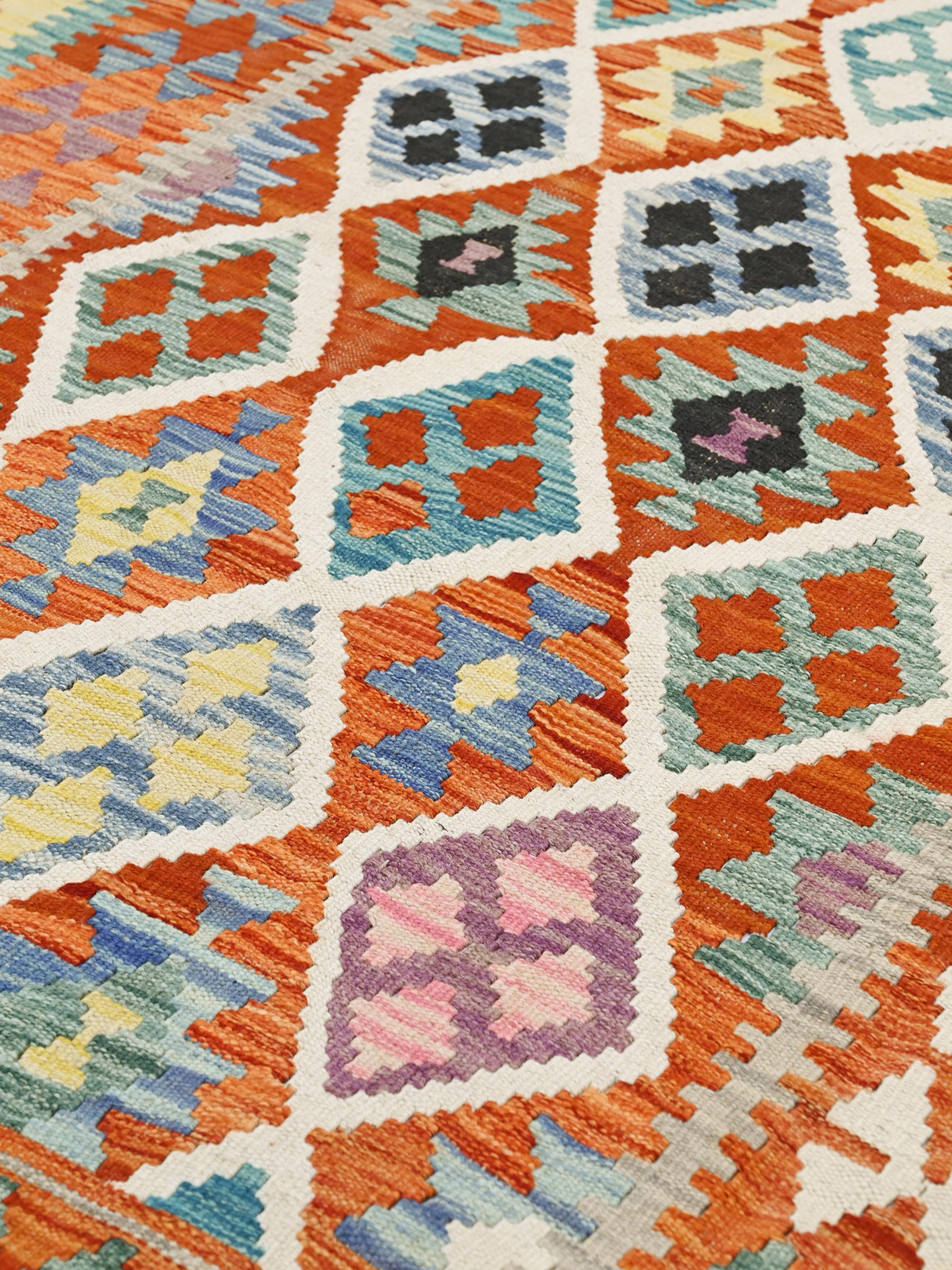
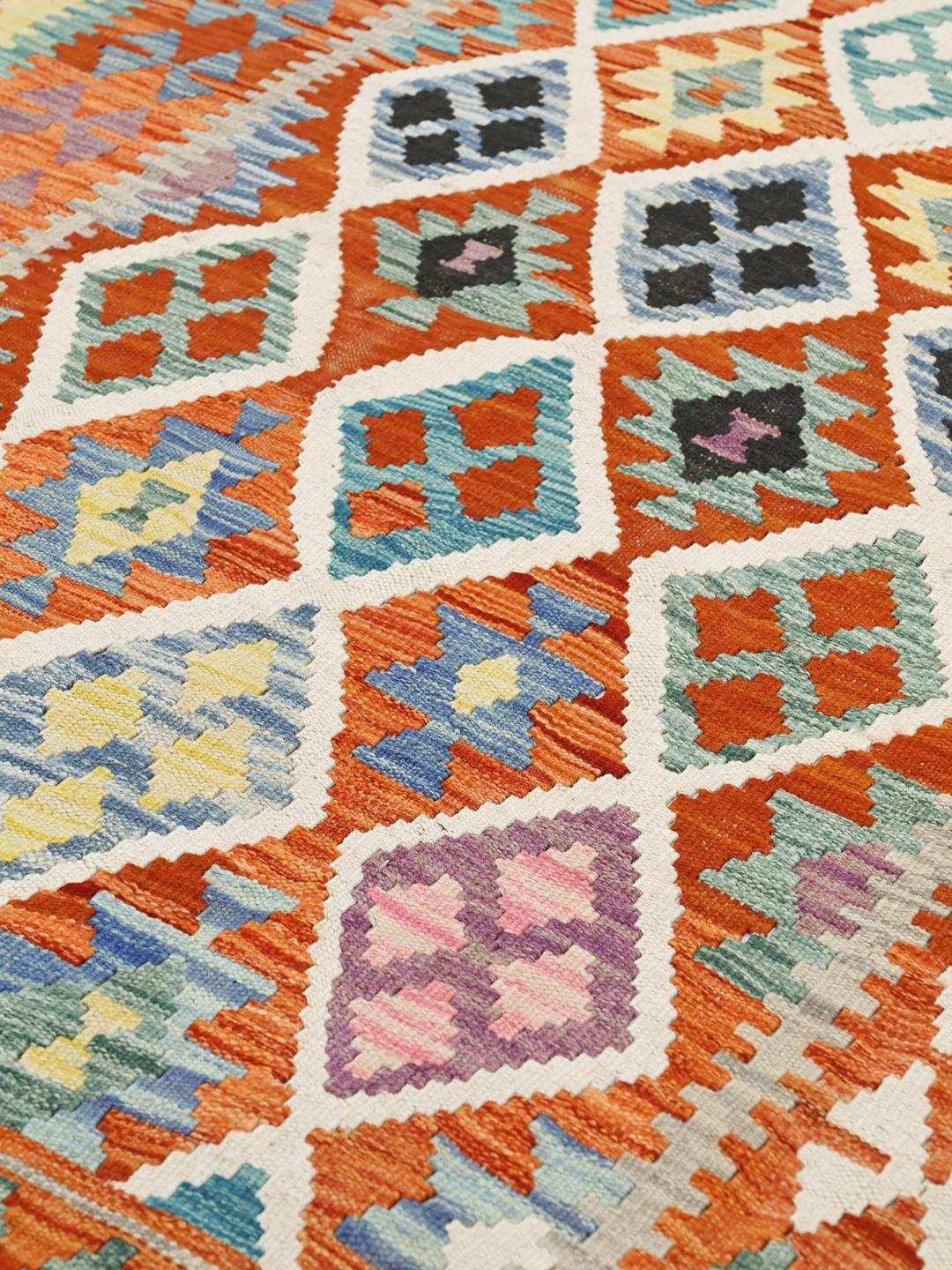
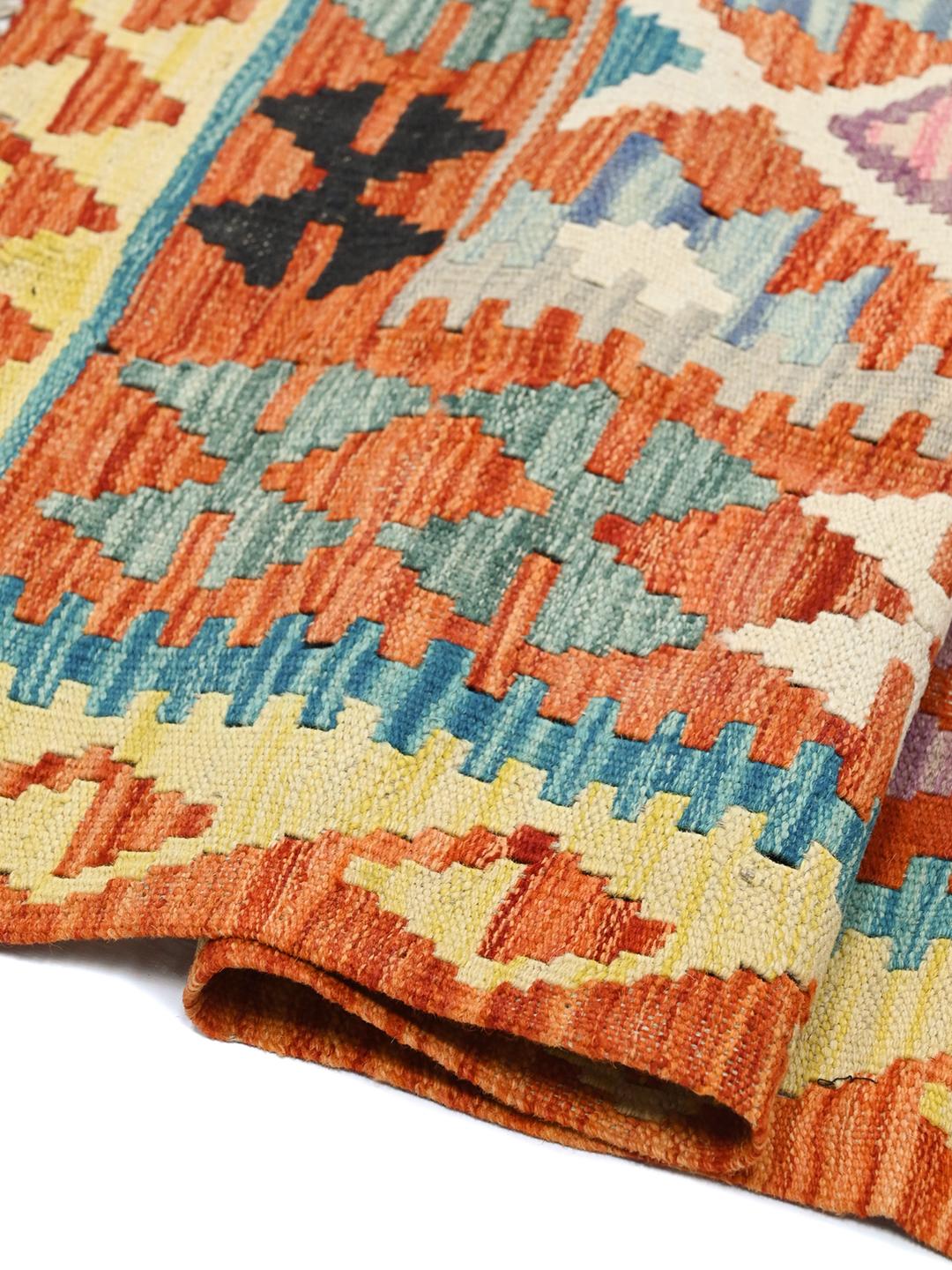
A Kelim is defined by its lack of a pile, achieved through a slit-weave technique where the weft threads are passed back and forth to create distinct shapes and blocks of colour. This method results in a reversible rug, meaning both sides can be used, which significantly extends the lifespan of the piece and showcases the incredible precision required during the weaving process.
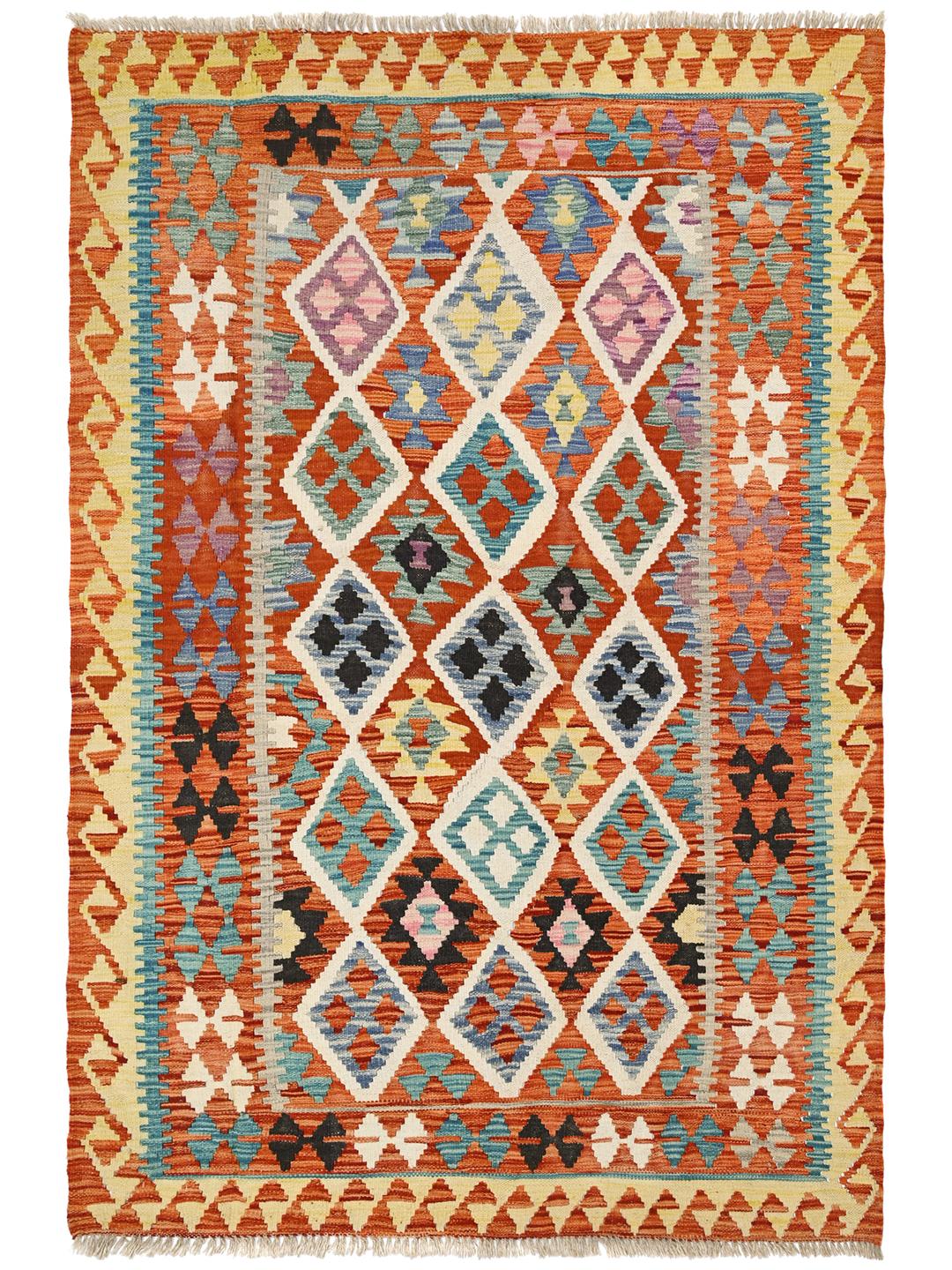
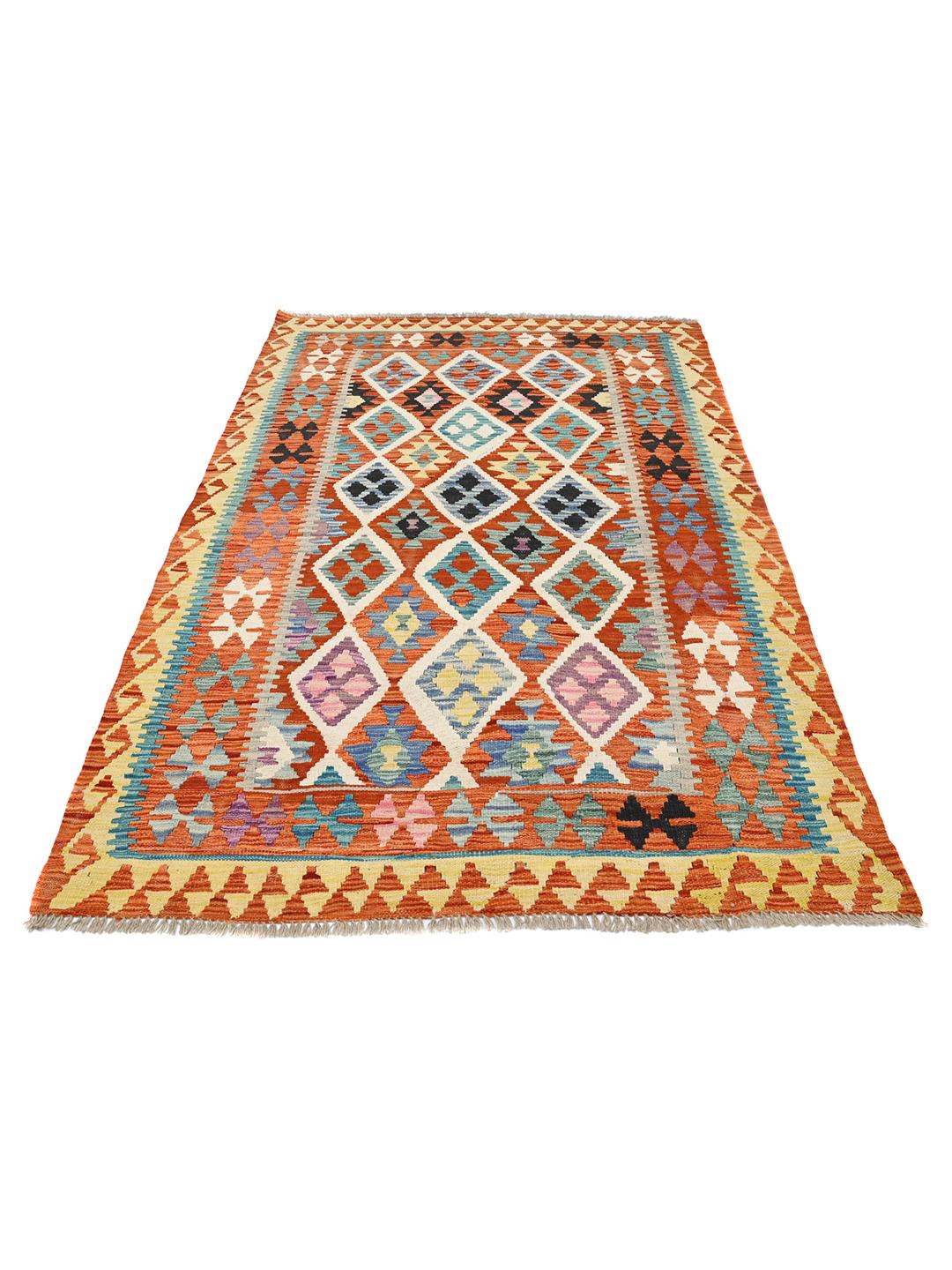
Visually, these rugs are celebrated for their bold geometric motifs, particularly the diamond shapes that often dominate the field. These patterns are not merely decorative but often carry symbolic meanings related to protection, fertility, and the weaver's personal narrative. The use of vibrant, locally sourced dyes gives these rugs their characteristic depth and warmth, creating a visual language that is both ancient and strikingly relevant to modern design.
Collecting an Afghan Kelim is an investment in cultural continuity. These pieces are highly valued by enthusiasts for their authenticity and the way they bridge the gap between traditional nomadic utility and contemporary aesthetic needs. By bringing such a rug into your home, you are preserving a craft that has been passed down through families for centuries, celebrating the skill and cultural identity of the weavers.