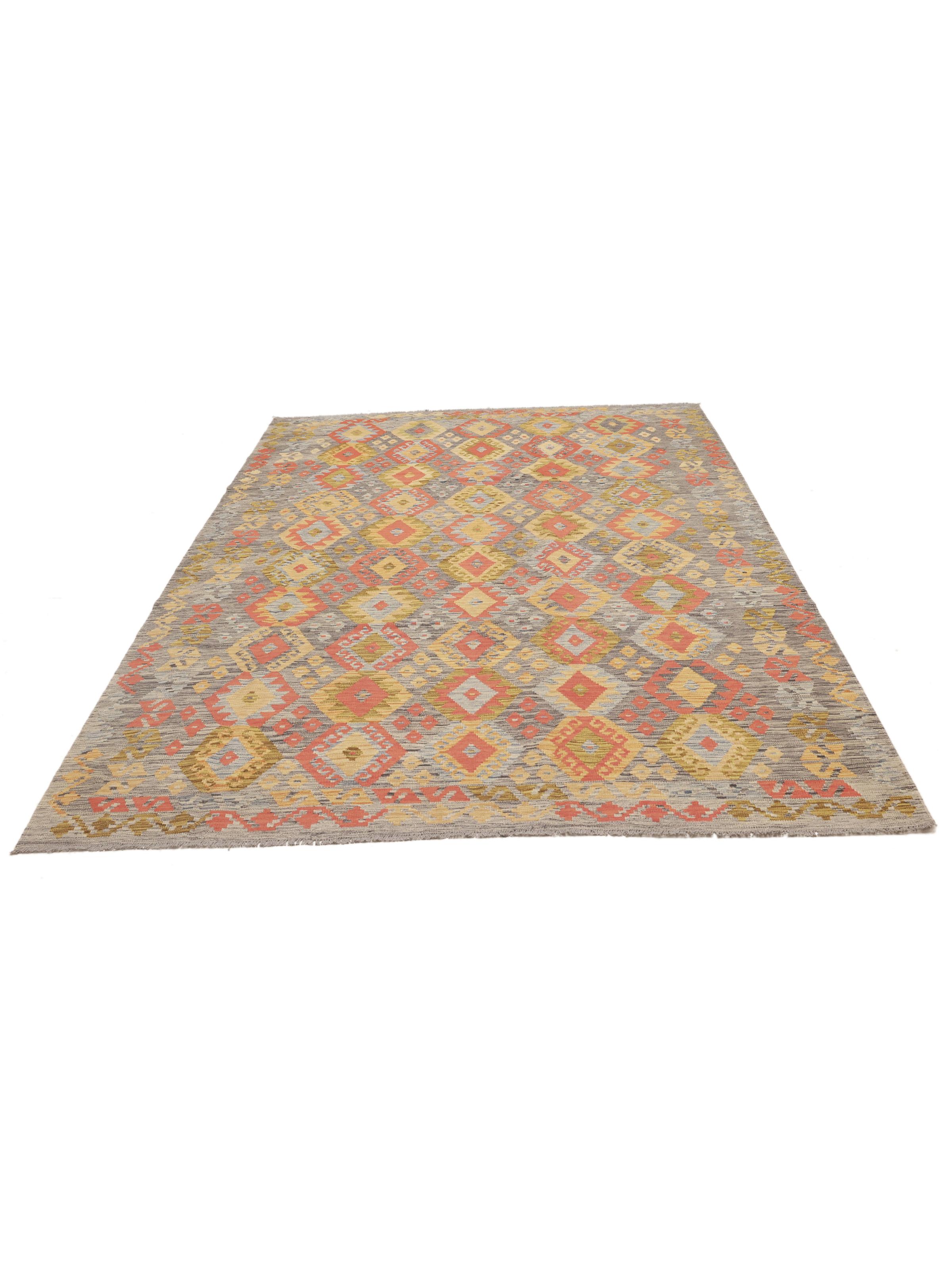
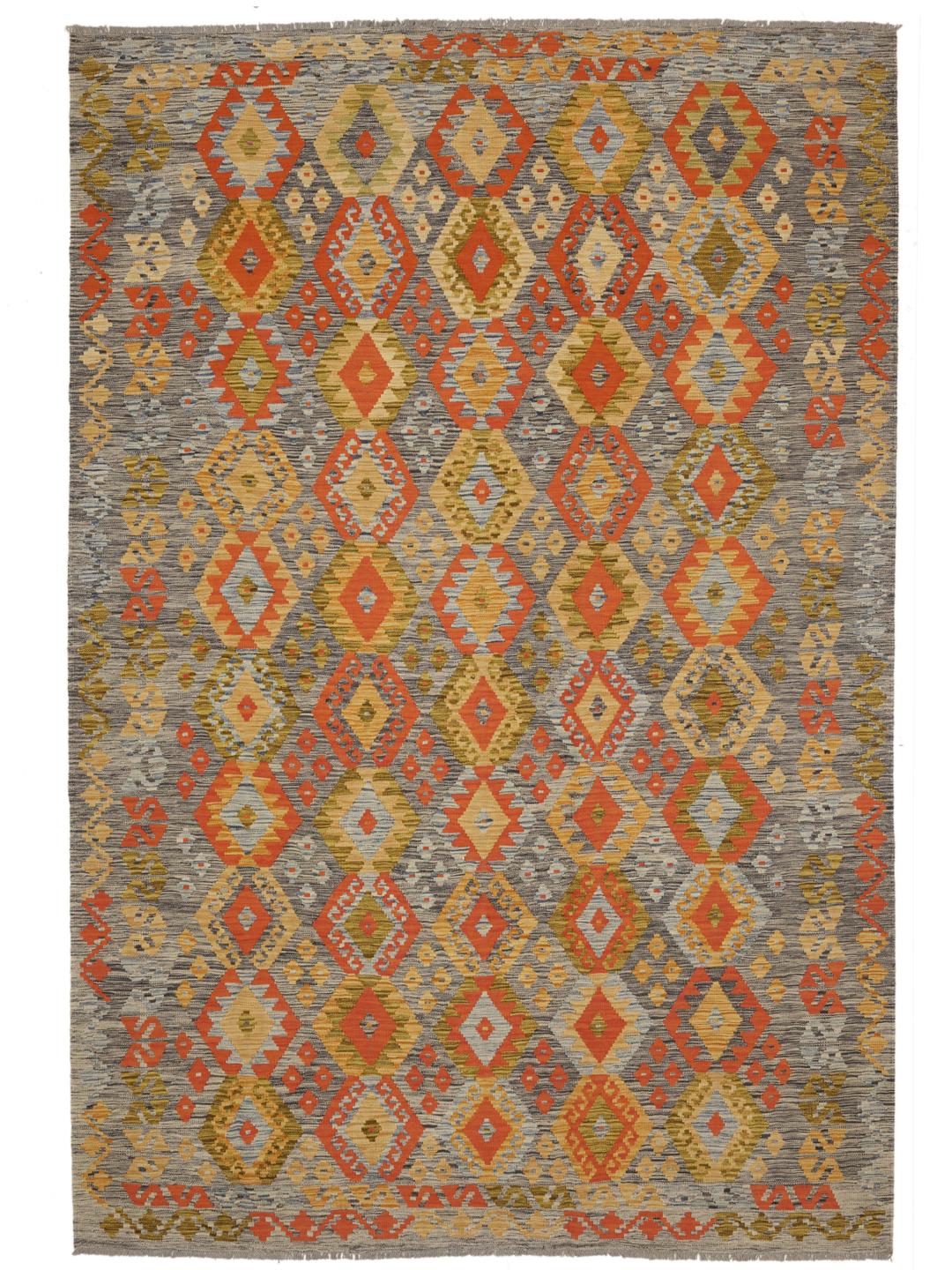
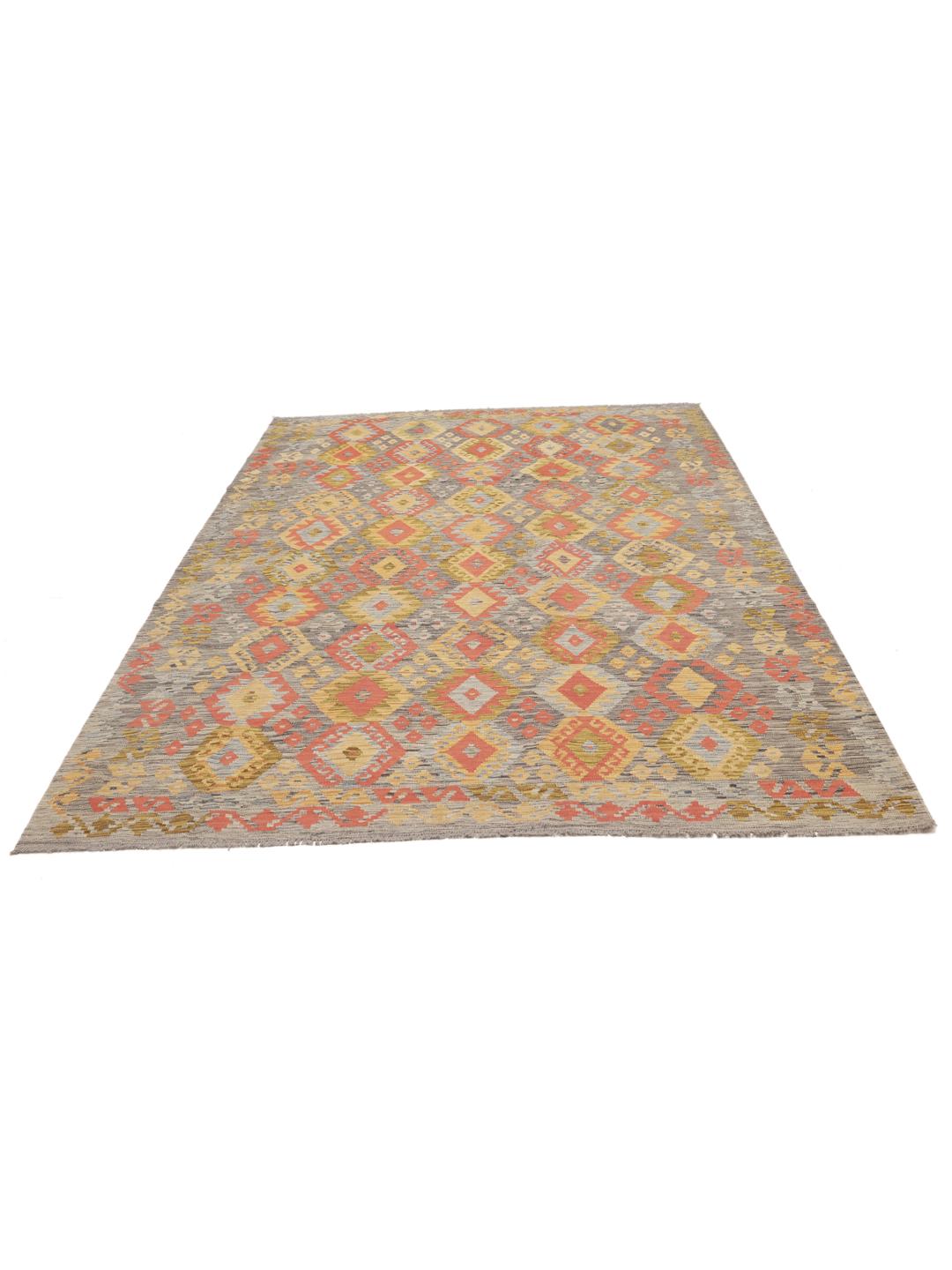
The tradition of Kelim weaving in Afghanistan is deeply rooted in the nomadic history of the region. These rugs were historically created by tribal groups to serve as functional, portable floor coverings and wall hangings, designed to be both durable enough for life on the move and beautiful enough to reflect the identity of the weaver and their community.
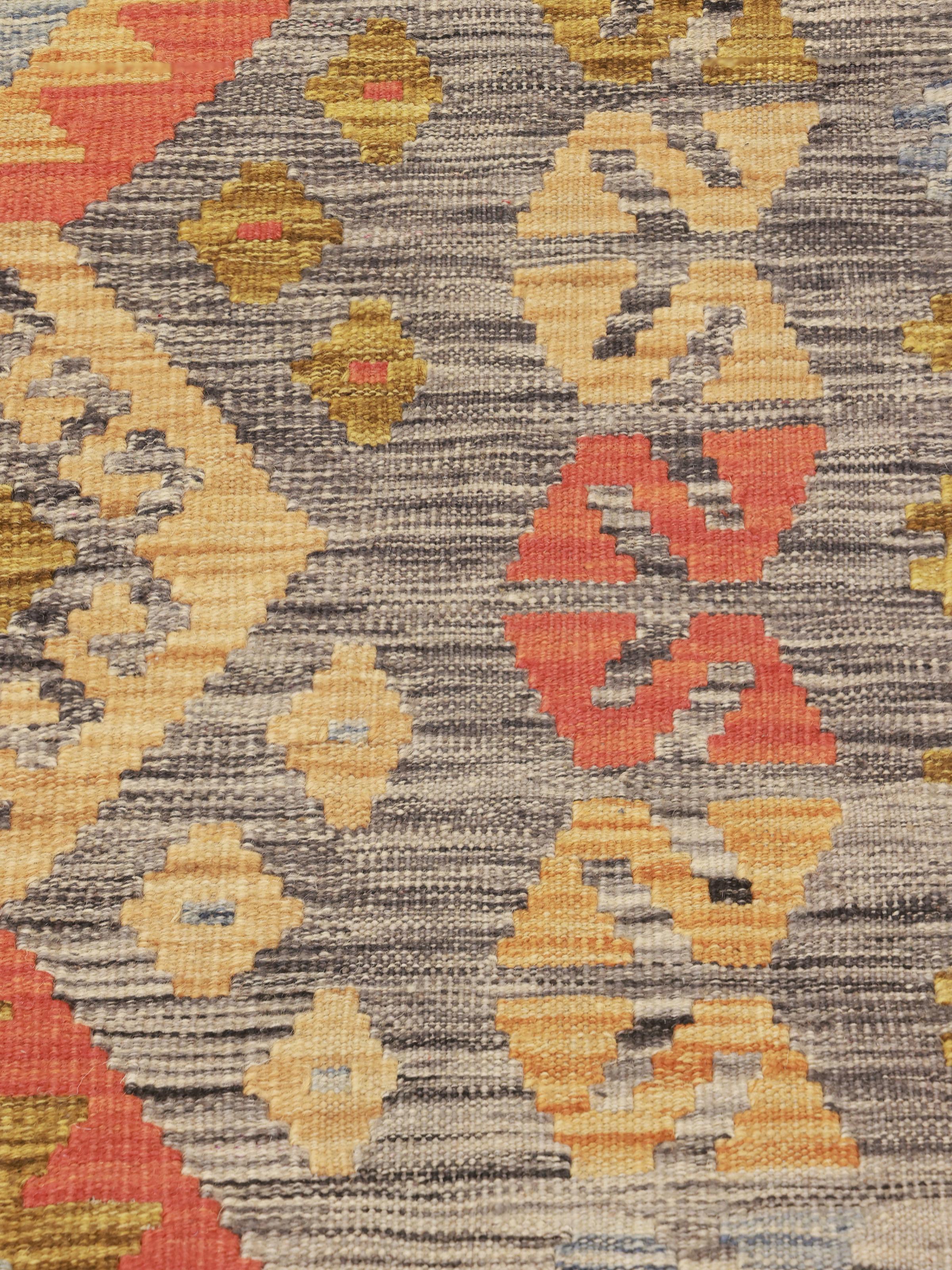
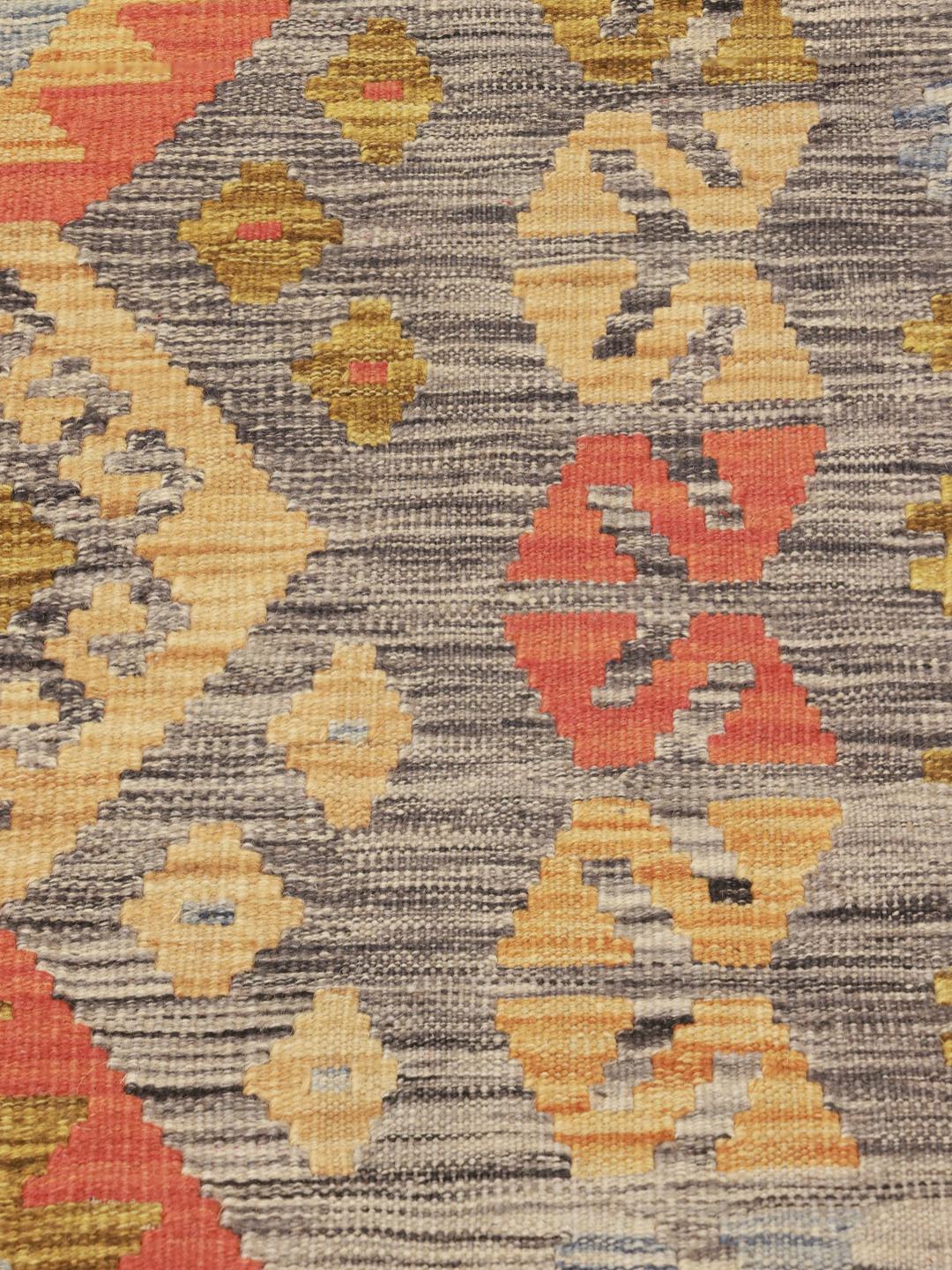
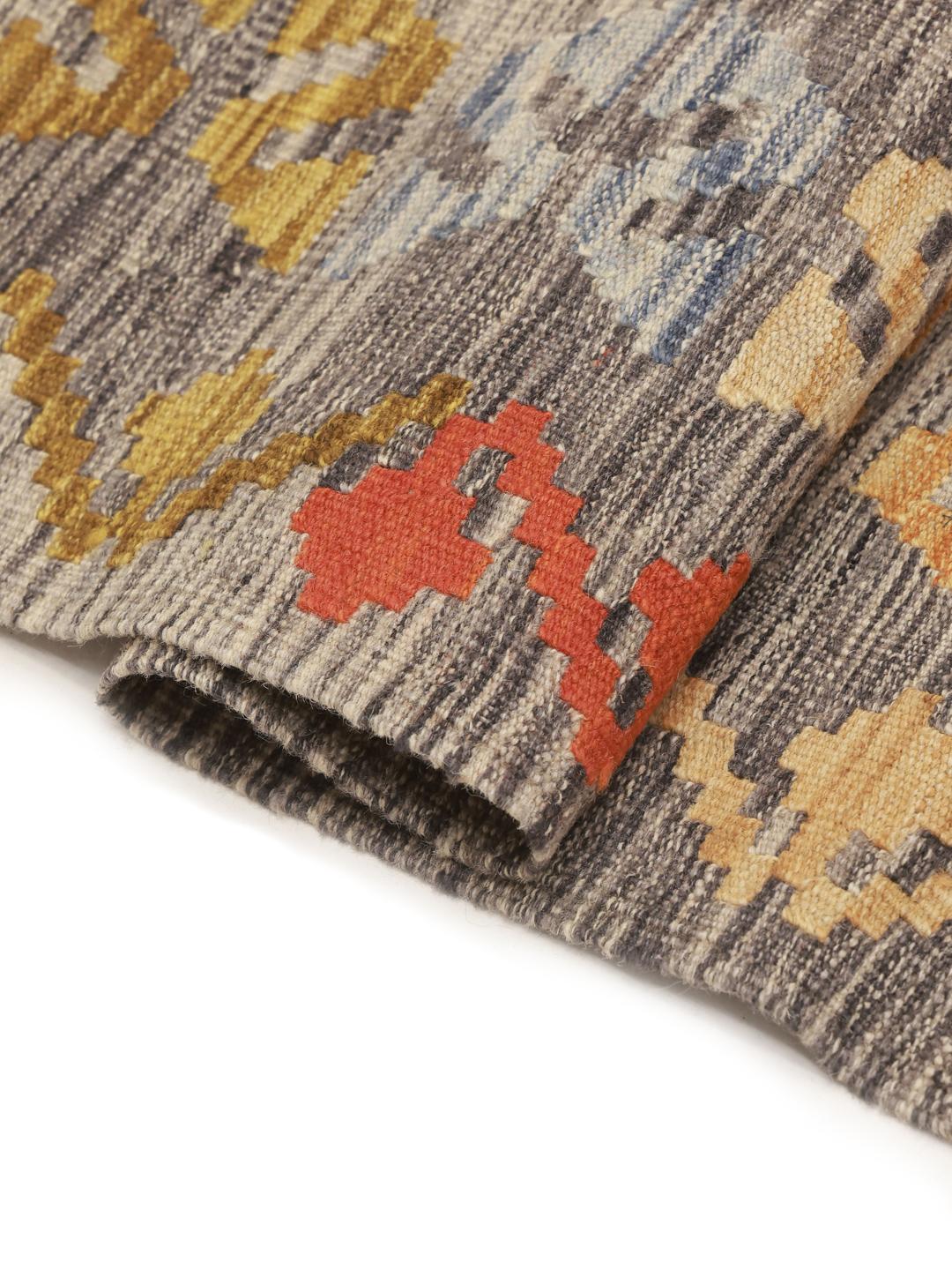
The term 'Kelim' refers specifically to the flat-weaving technique where the weft threads are pulled tightly to cover the warp threads completely, creating a rug with no pile. This method is essential for achieving the clean, sharp geometric lines that define the aesthetic of these pieces, allowing for intricate patterns that are visible on both sides of the fabric.
Design-wise, these rugs are characterised by their bold use of geometric shapes, particularly diamonds, triangles, and stylised floral motifs. These patterns are not merely decorative but often hold cultural symbolism related to protection, fertility, and the natural world, passed down through generations of families who maintain these specific weaving traditions.
Collecting Afghan Kelims is a way of preserving a vital piece of artisanal heritage. Because they are handmade without the use of modern machinery, each rug carries the subtle variations of the weaver's hand, making them highly valued by those who appreciate the intersection of historical craft and authentic, soulful home design.