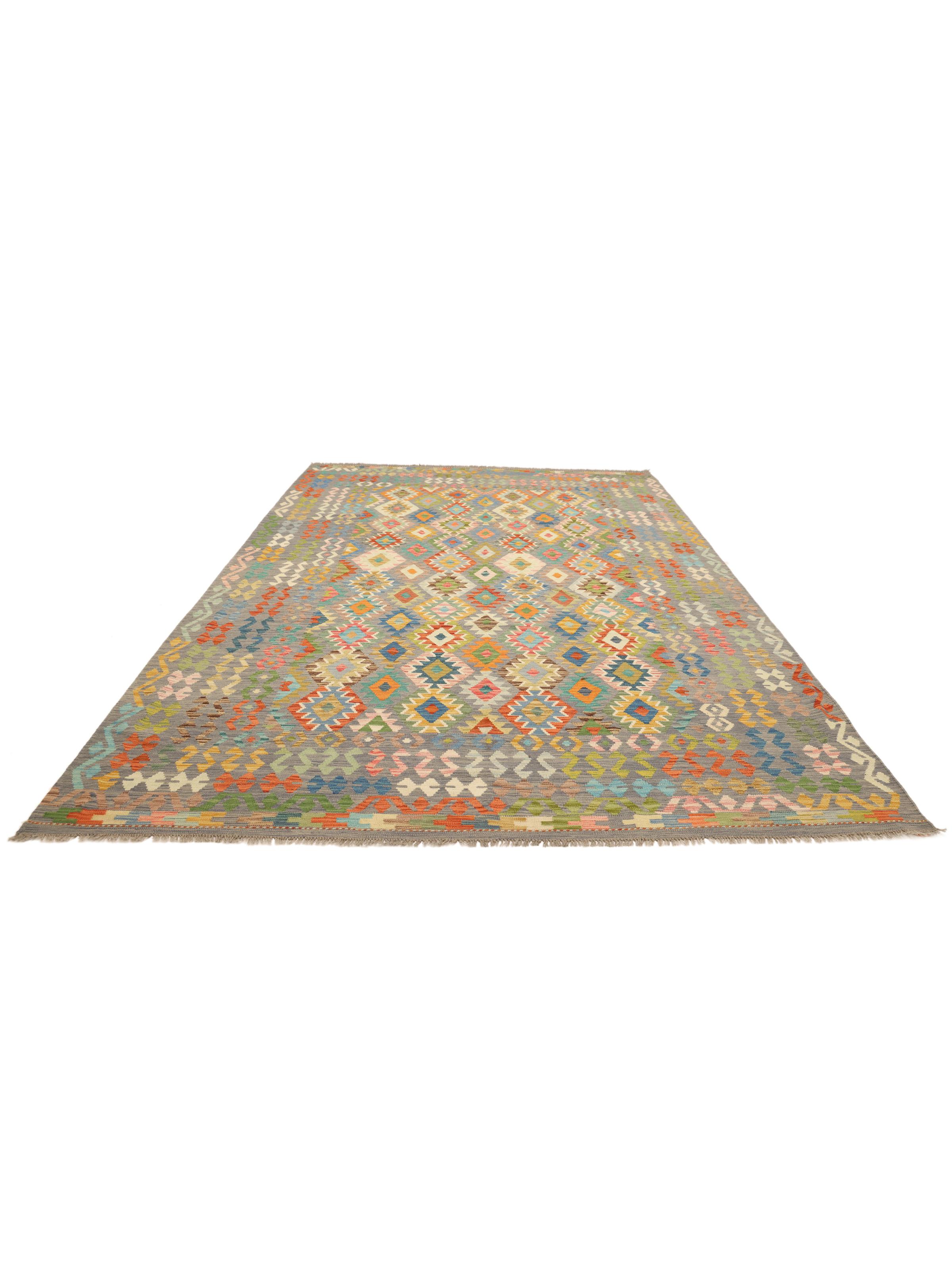
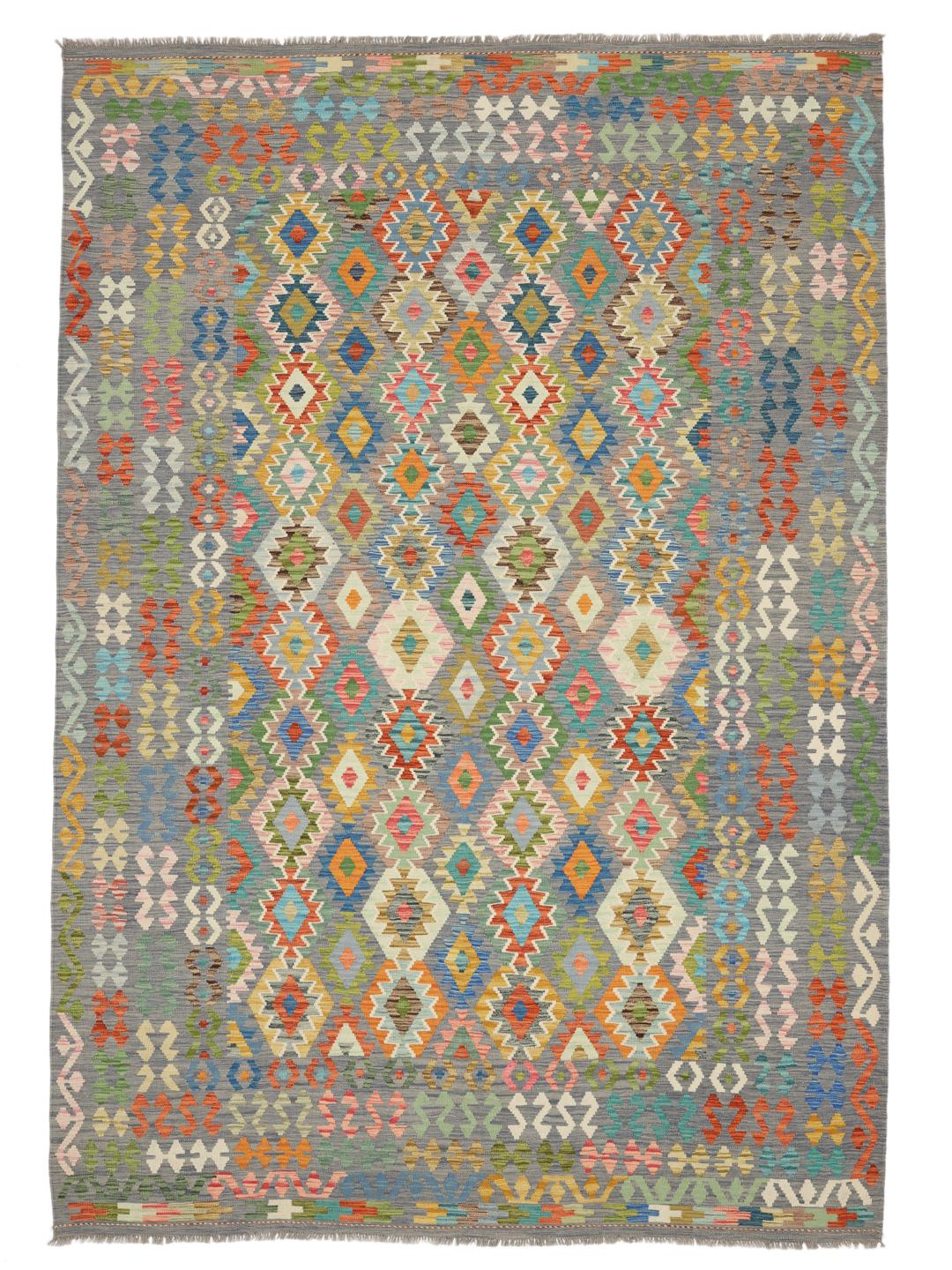
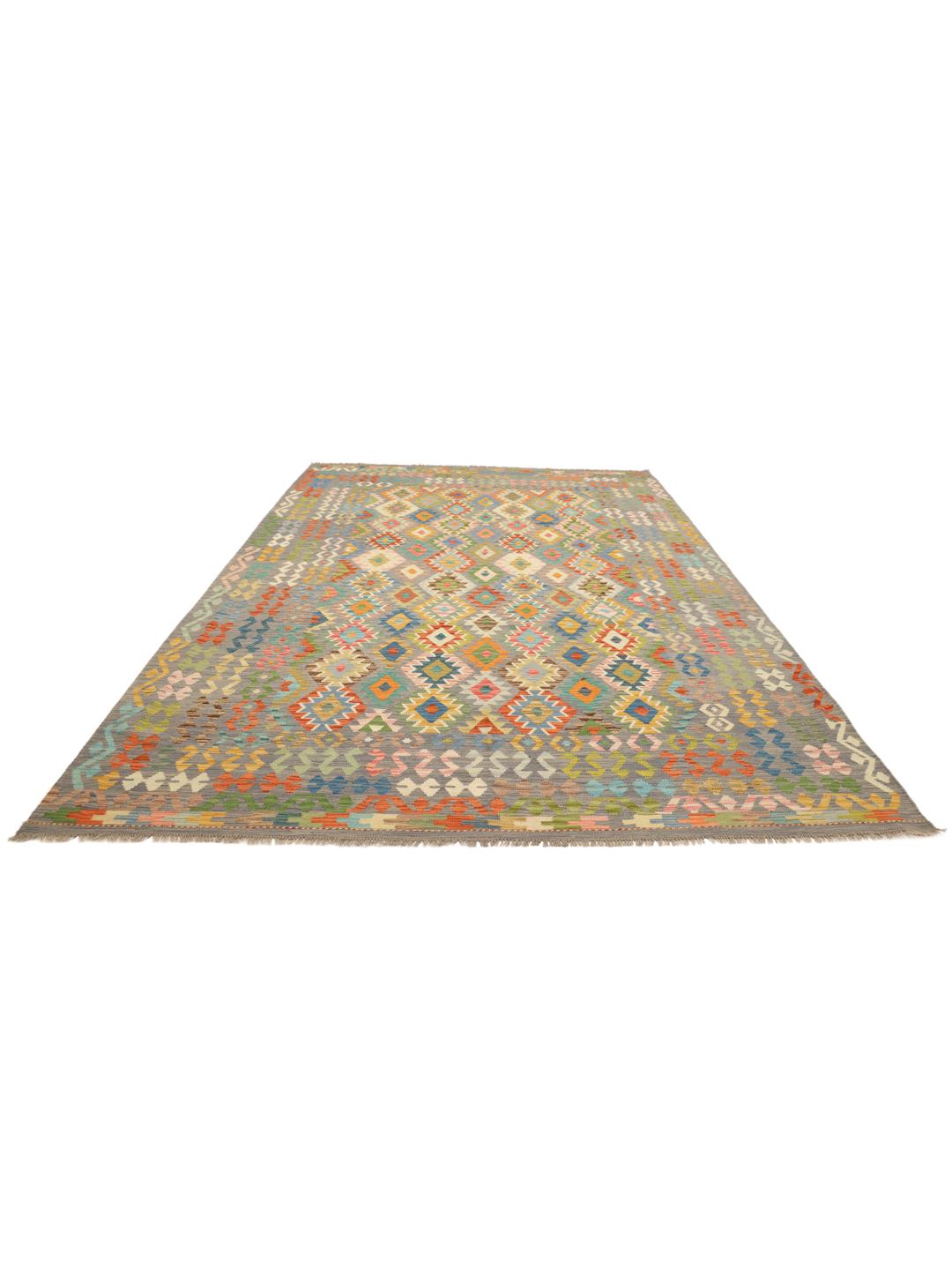
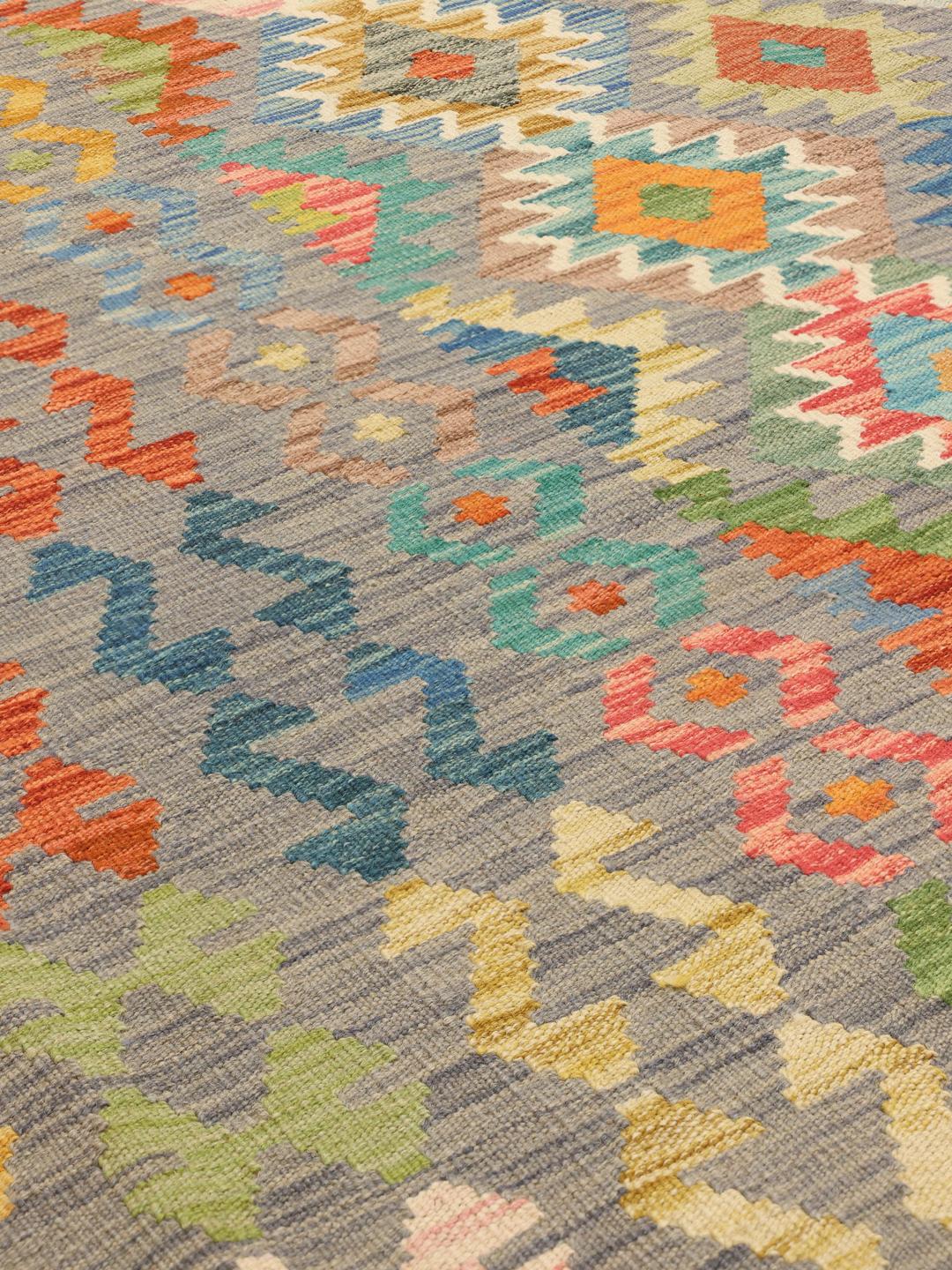
Kelim rugs from Afghanistan are rooted in a long tradition of nomadic weaving, where textiles were created not just for beauty, but for the practical needs of daily life. These rugs have evolved from functional floor and wall coverings into highly sought-after collector pieces, representing the intersection of Middle Eastern heritage and artistic expression.
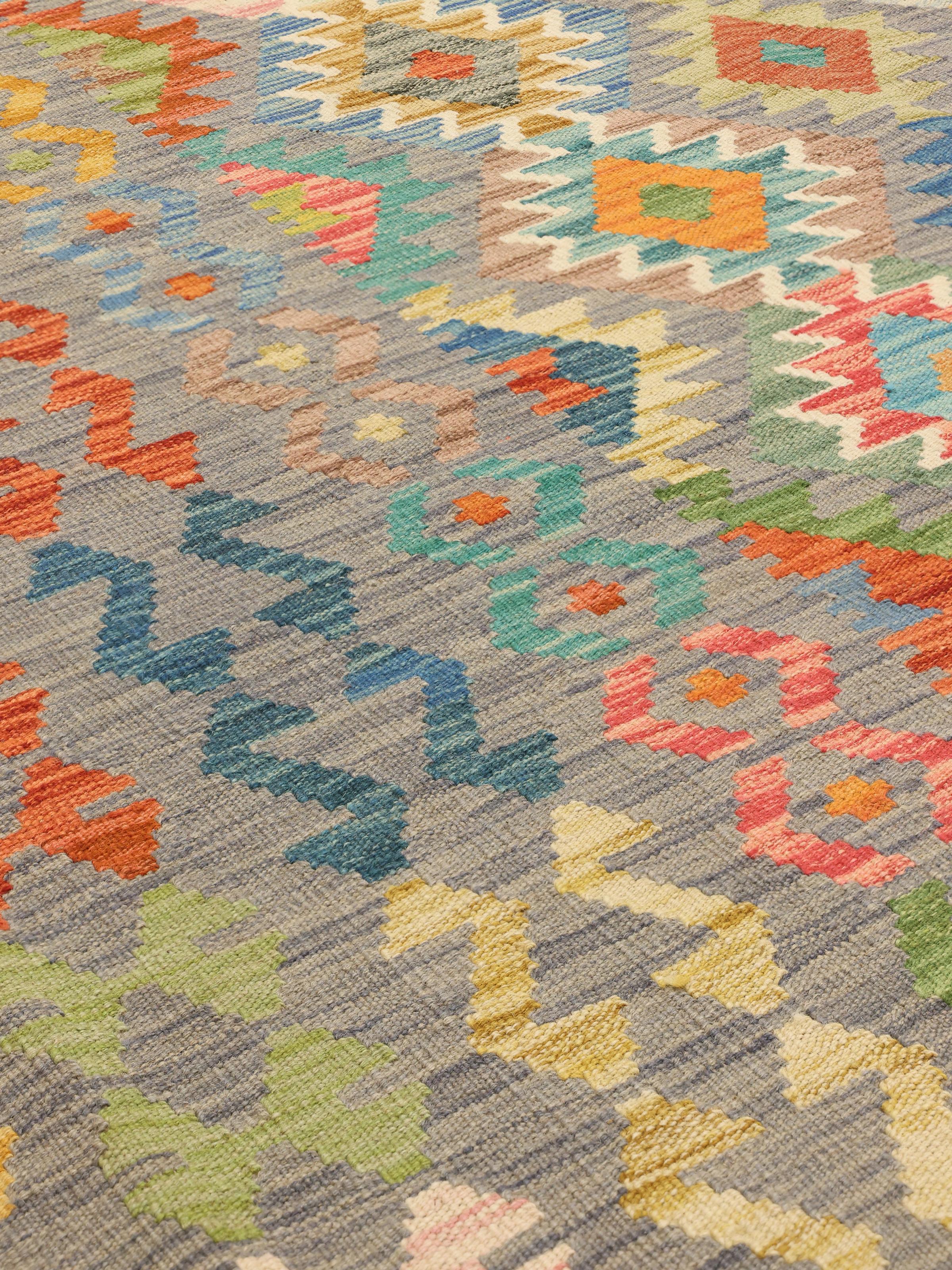
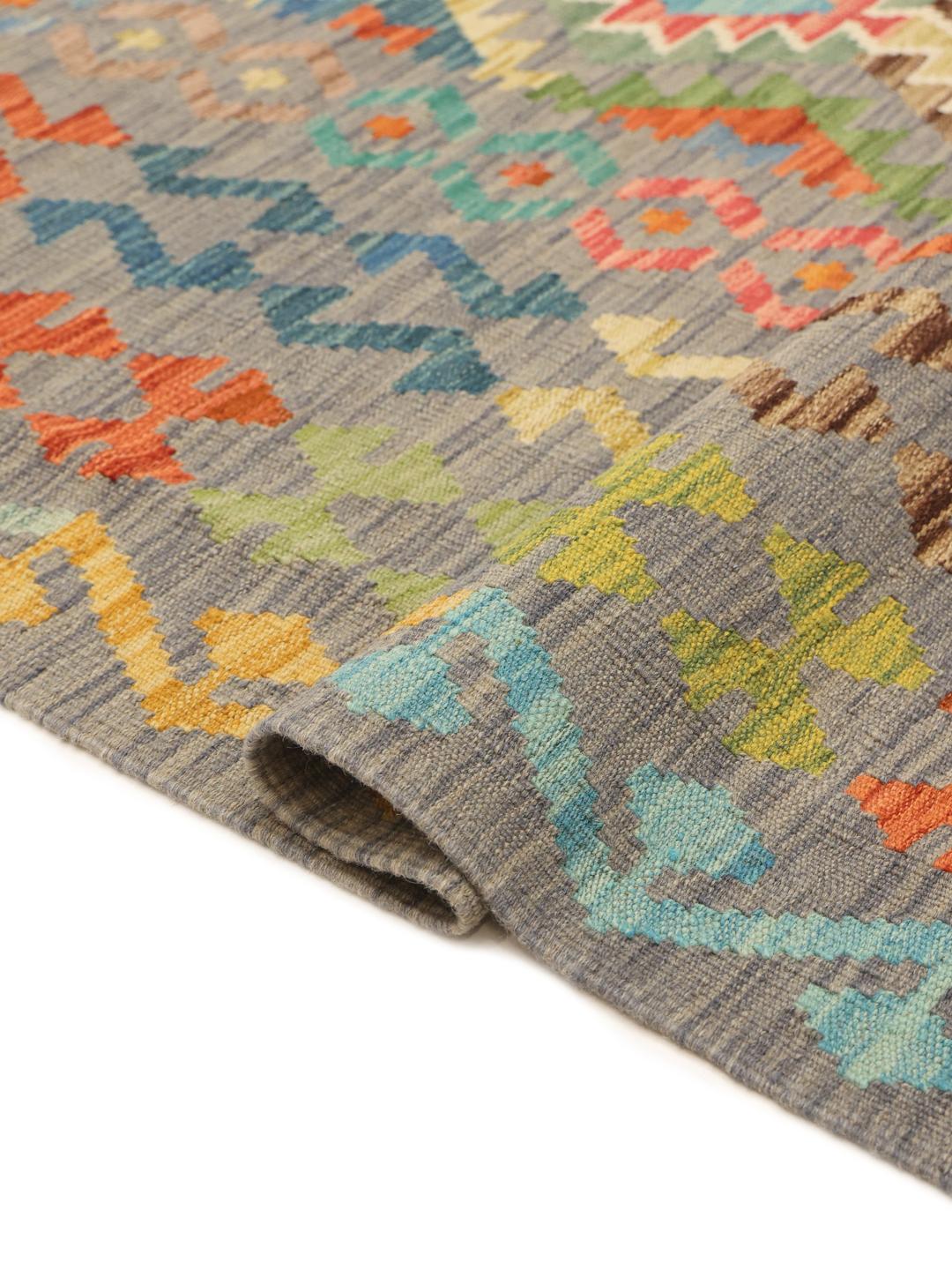
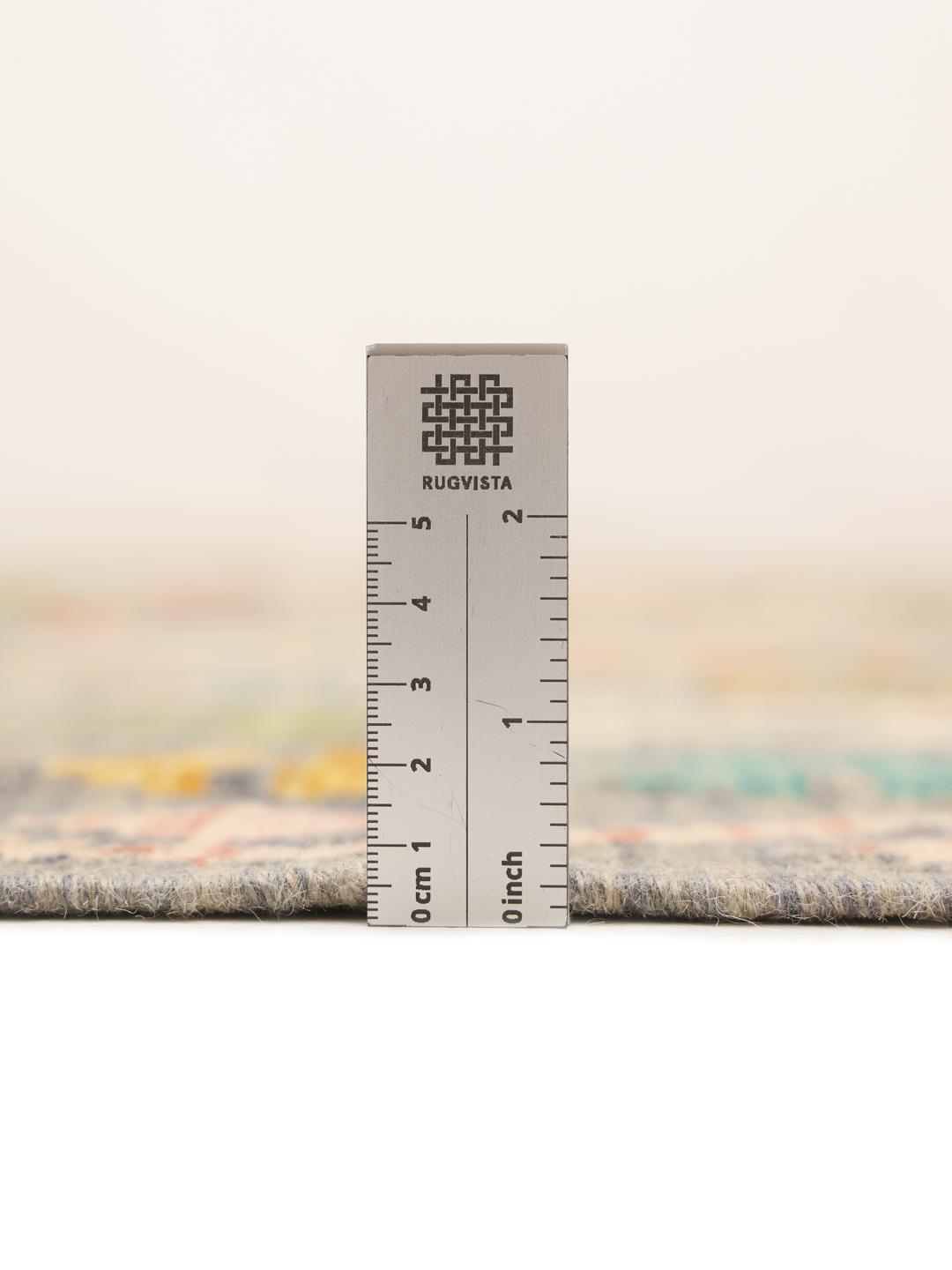
The term 'Kelim' refers to the specific flat-weave technique employed, which results in a rug without a pile. By interweaving the warp and weft threads, the weaver creates a thin, durable, and reversible textile. This construction method allows for the sharp, clean lines and bold geometric patterns that are the hallmark of the Afghan style.
Signature design elements often include repeating diamond medallions, stepped triangles, and intricate borders, all rendered in a vibrant array of colours. These motifs are not merely decorative but often carry symbolic meanings related to protection, fertility, and the landscape, reflecting the cultural identity of the tribal communities that have preserved these patterns for generations.
Collecting an Afghan Kelim is an investment in cultural history and refined craftsmanship. These rugs are valued for their ability to bring warmth and a sense of history into a home, serving as a testament to the endurance of traditional skills in an increasingly automated world.