The Kelim tradition in Afghanistan is deeply rooted in the nomadic history of the region. These flat-woven rugs were historically crafted by tribes for practical use in tents, serving as floor coverings, wall hangings, and storage bags. Over generations, these functional items have evolved into highly prized pieces of art that bridge the gap between ancient necessity and modern interior design.
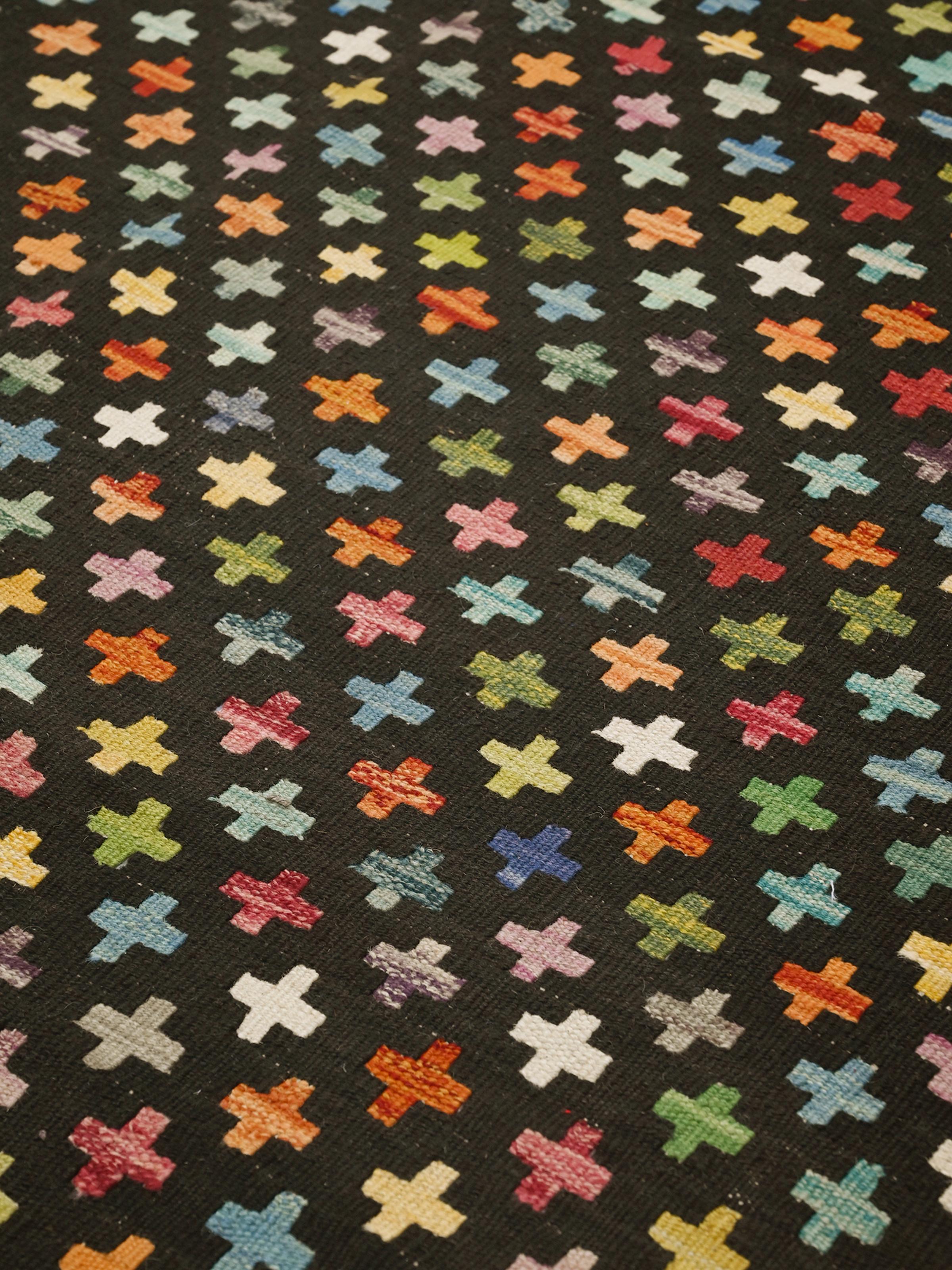
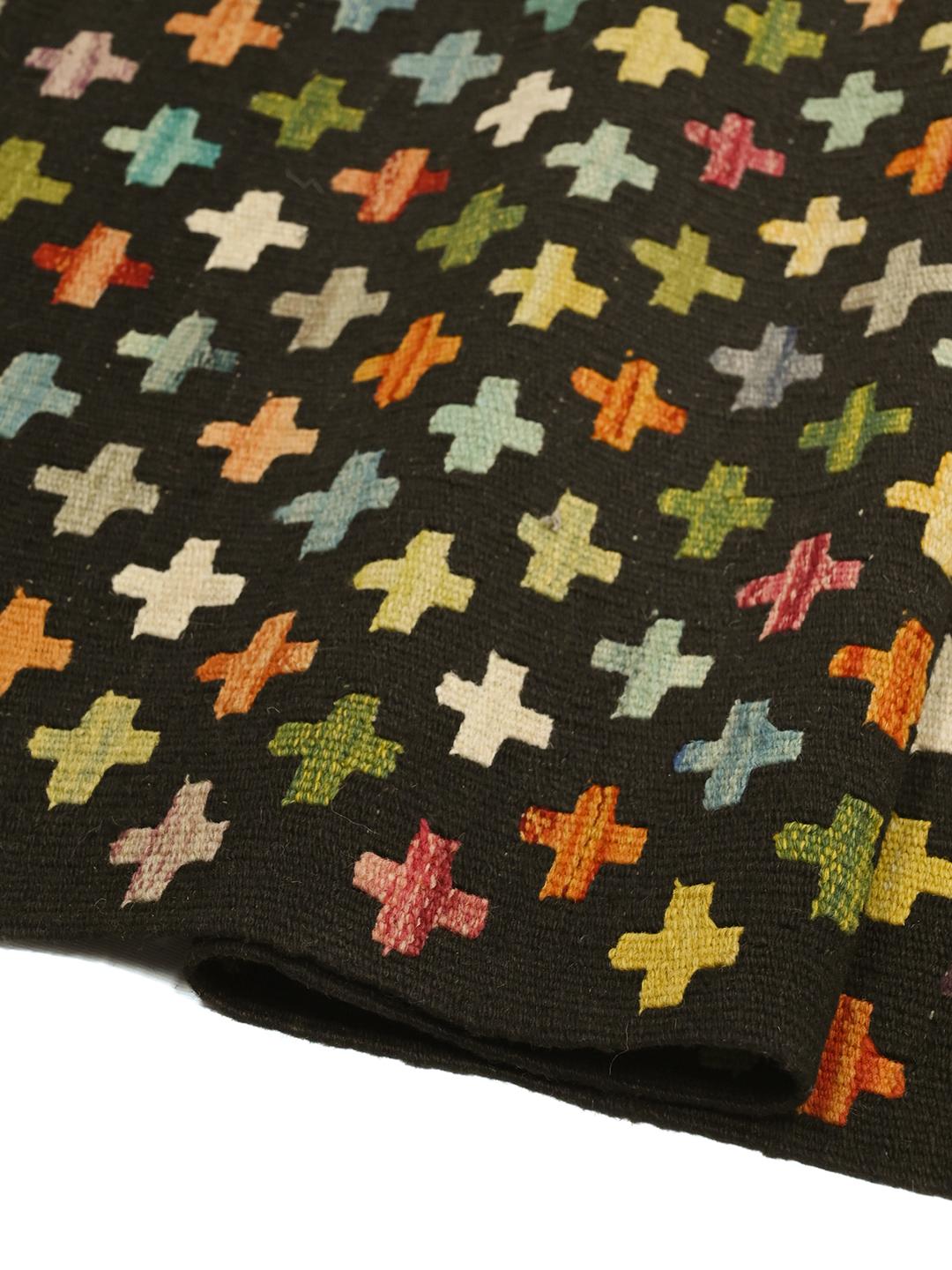
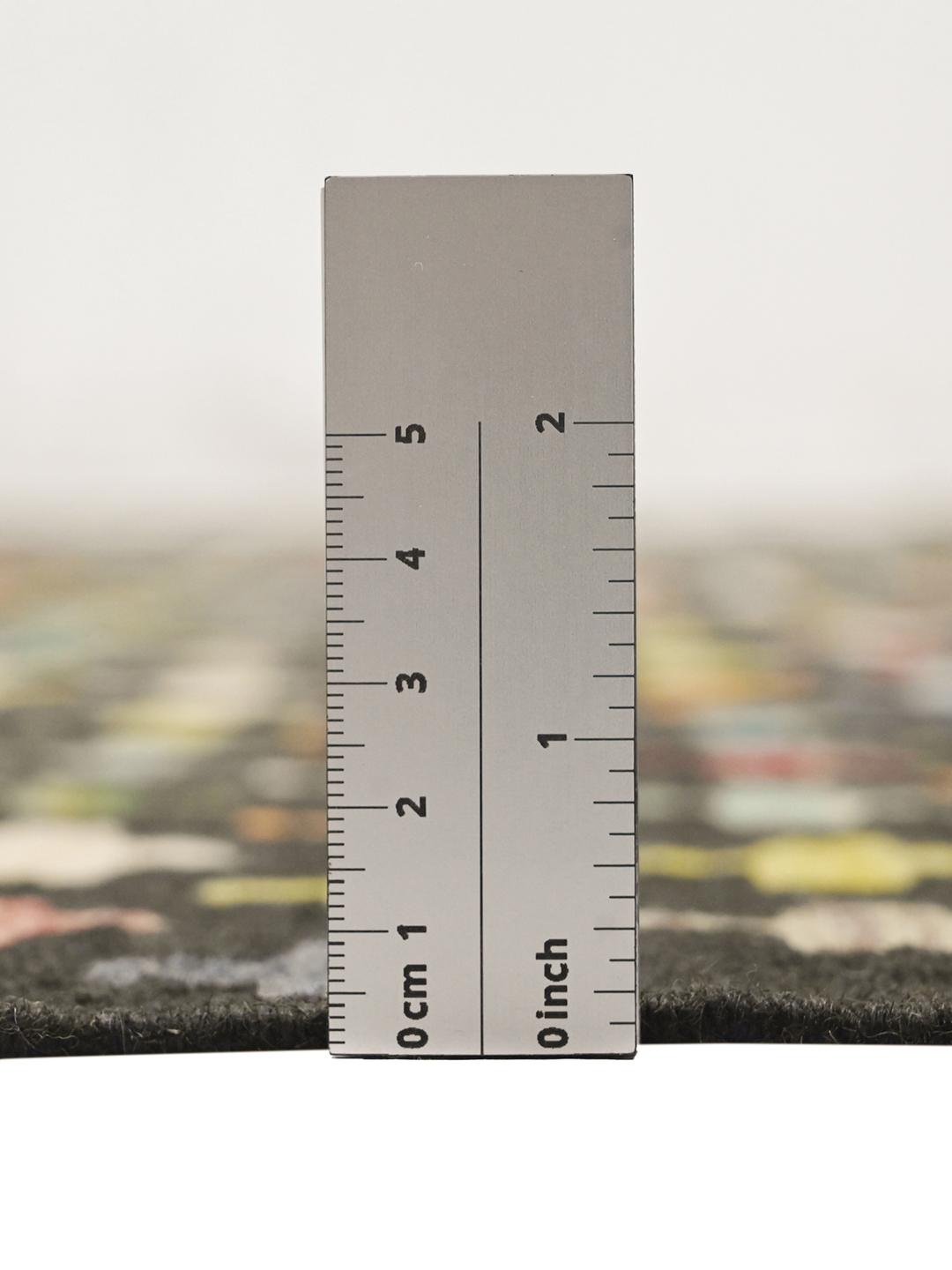
A Kelim is defined by its lack of a pile, created by the interlocking of warp and weft threads. This technique allows for sharp, geometric patterns and a lightweight yet durable result. The absence of pile means that the design is often visible on both sides, a hallmark of the craft that highlights the precision of the weaver’s work.
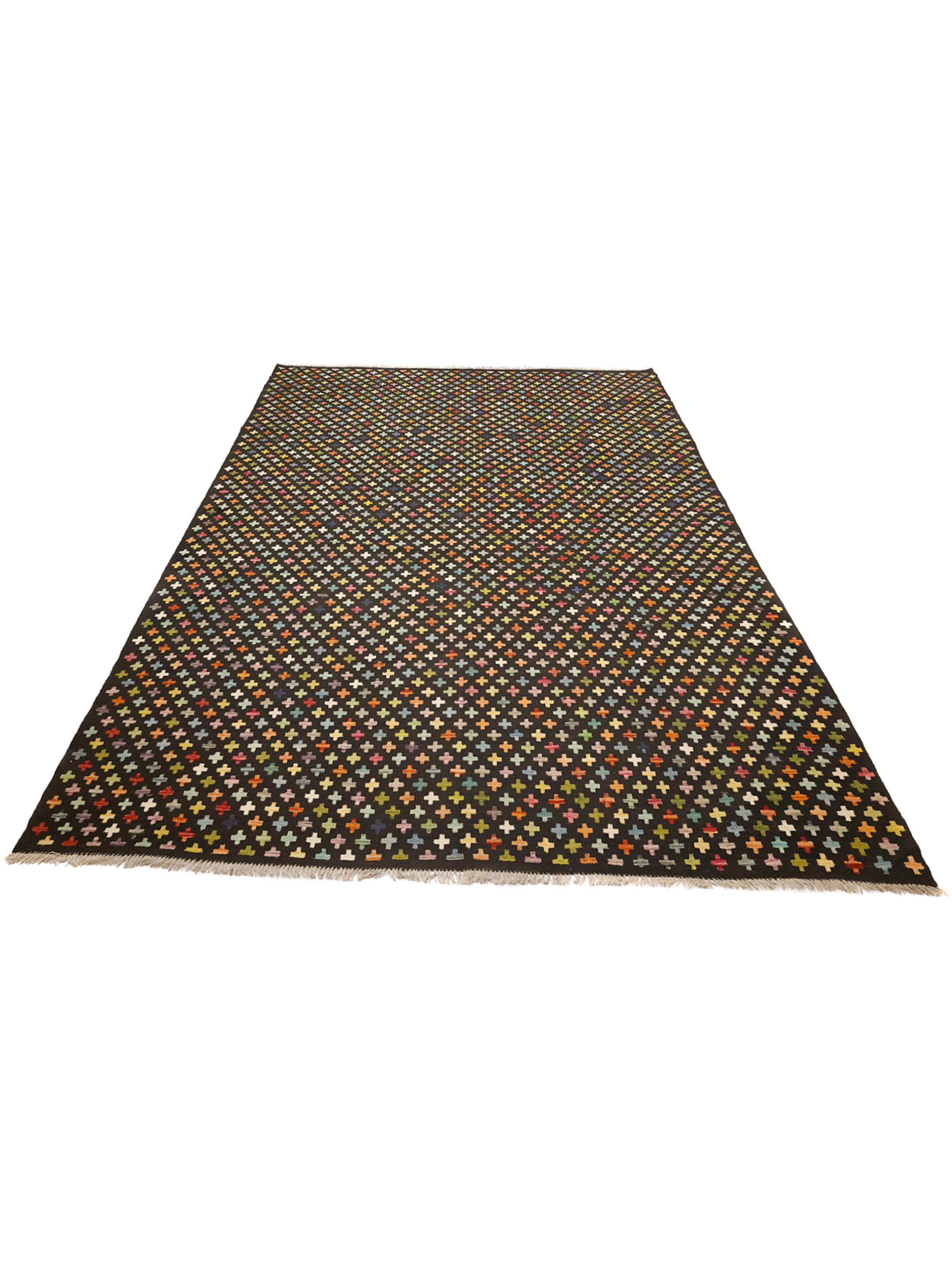
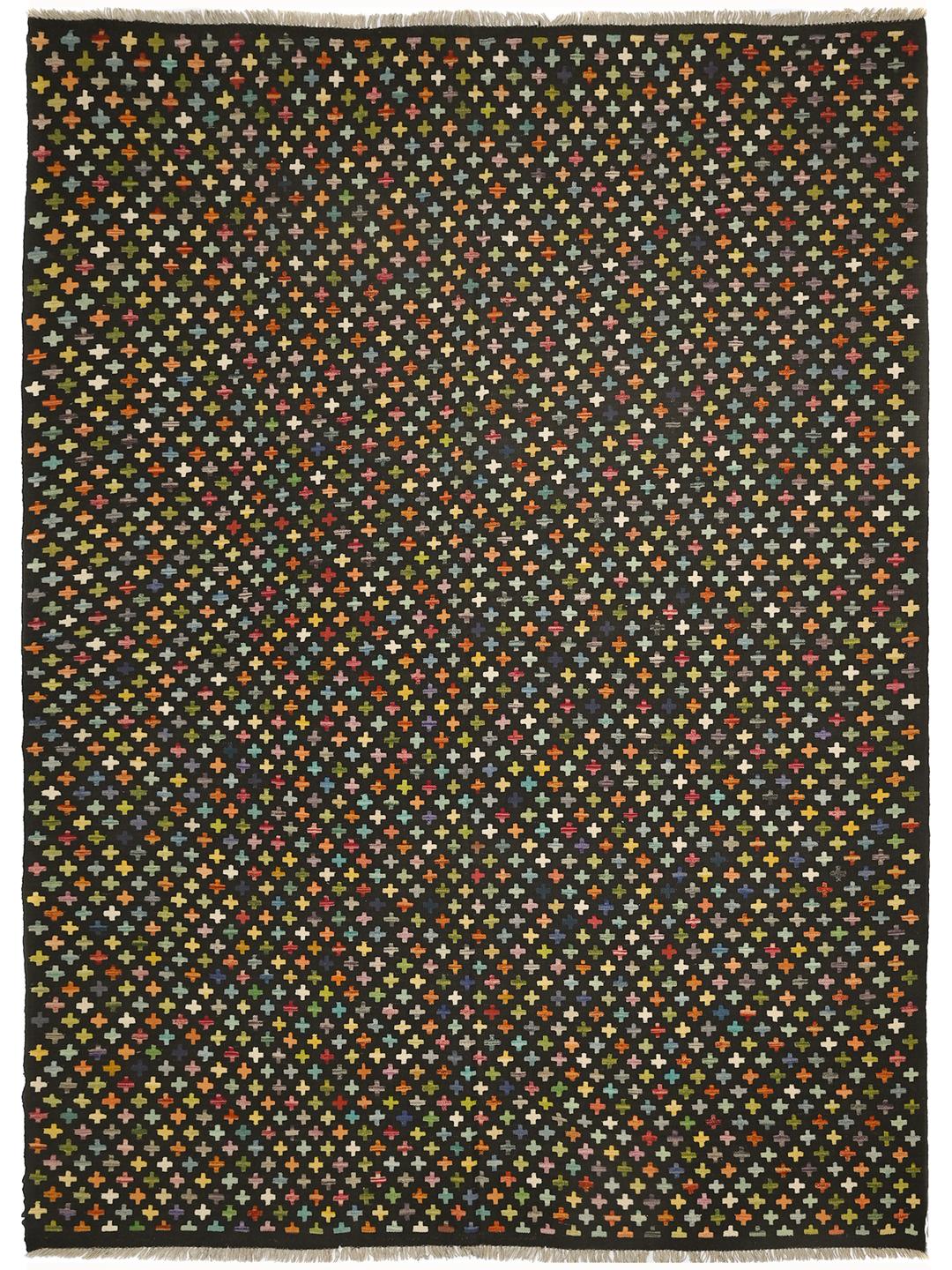
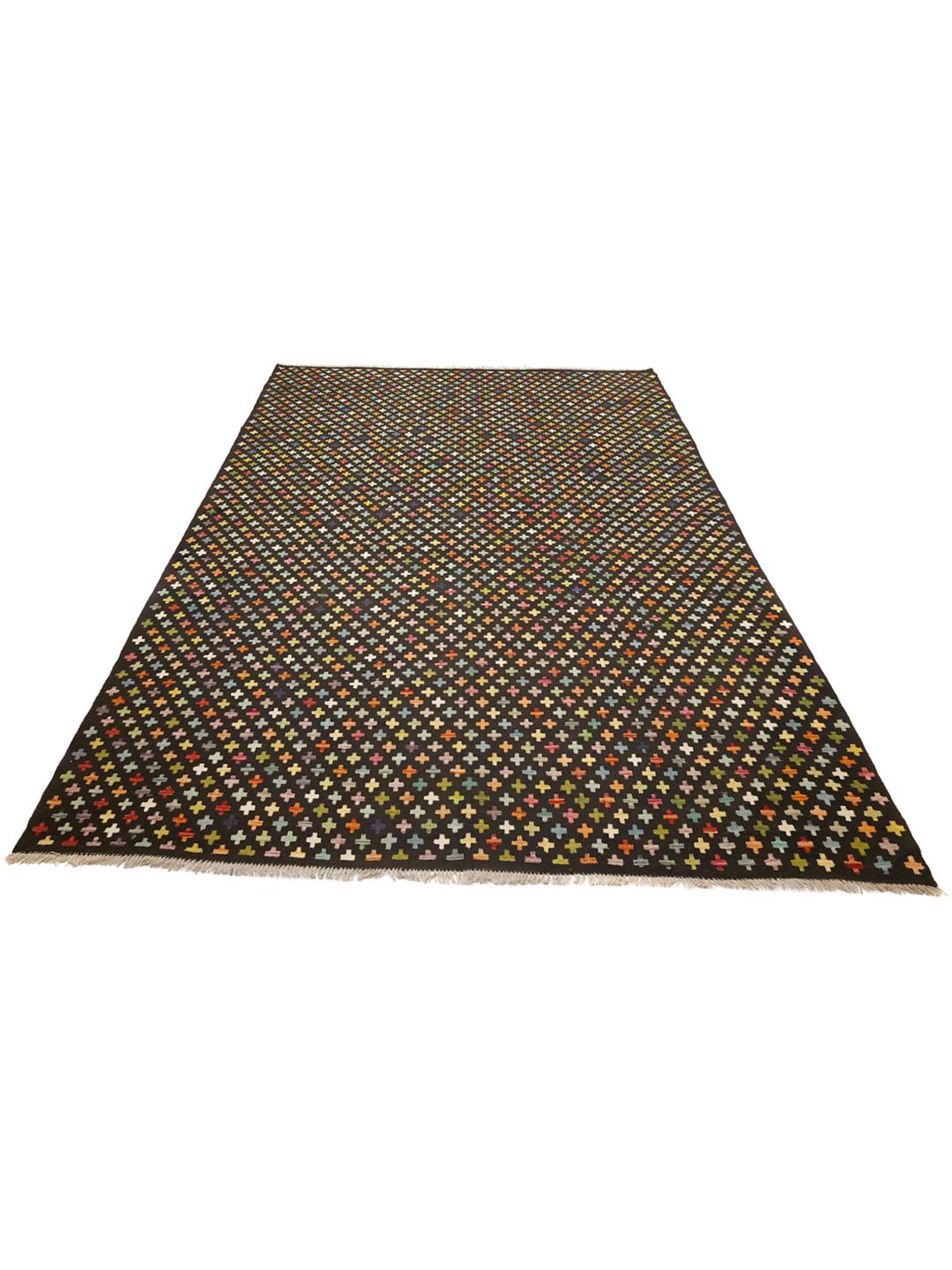
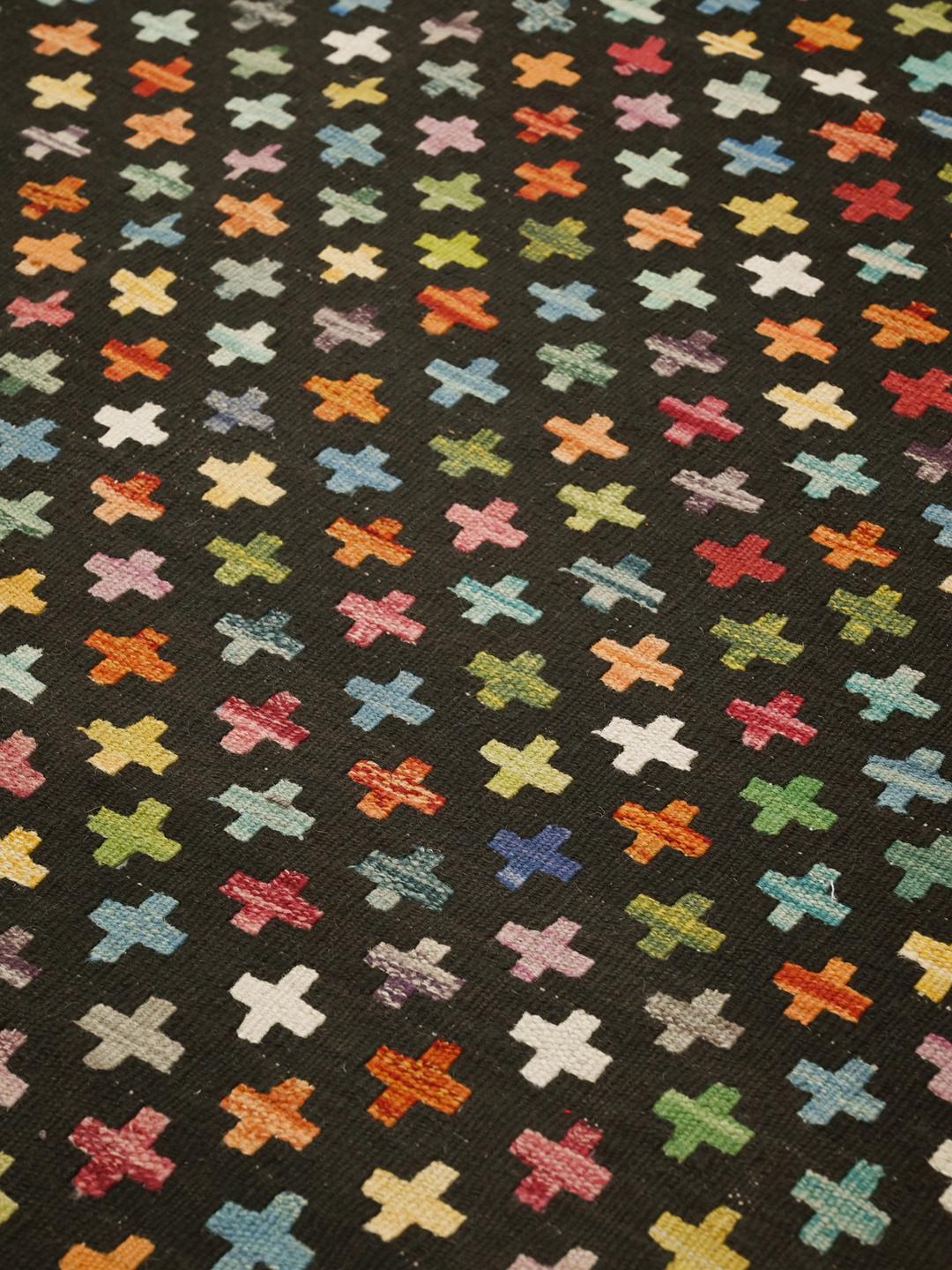
The design language of Afghan Kelims is famously geometric, often featuring bold symbols that carry cultural significance. The cross motifs seen here are a classic element, used to create a sense of balance and rhythm across the field. The use of a dark, moody background to highlight vibrant, varied colours is a stylistic choice that adds a contemporary edge to these traditional motifs.
Collecting an Afghan Kelim is an investment in human skill and cultural heritage. Each rug tells the story of the region and the individual weaver who created it, preserving techniques that have been passed down through families for centuries. By choosing a one-of-a-kind piece, you are supporting the continuation of this vital craft.