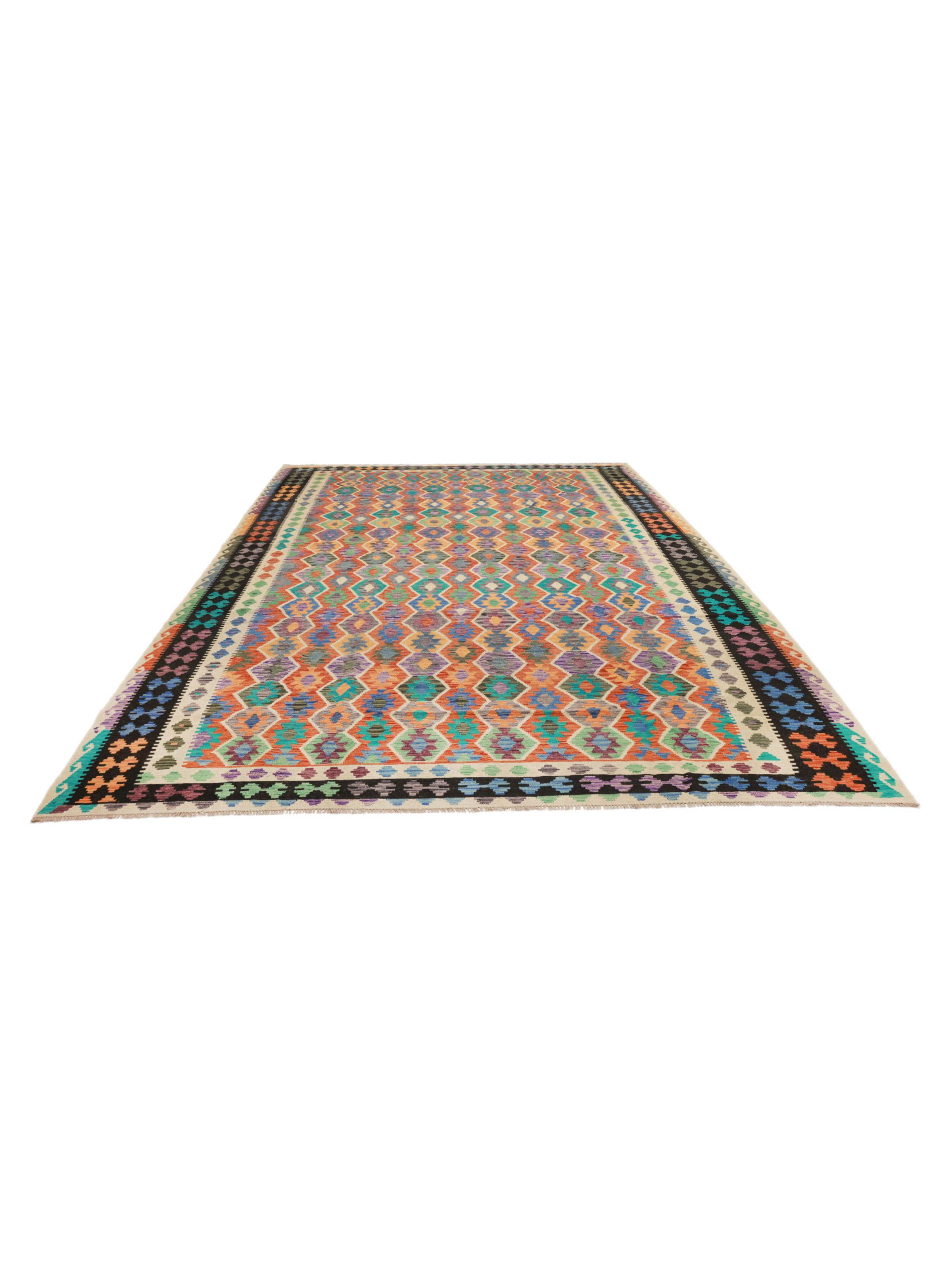
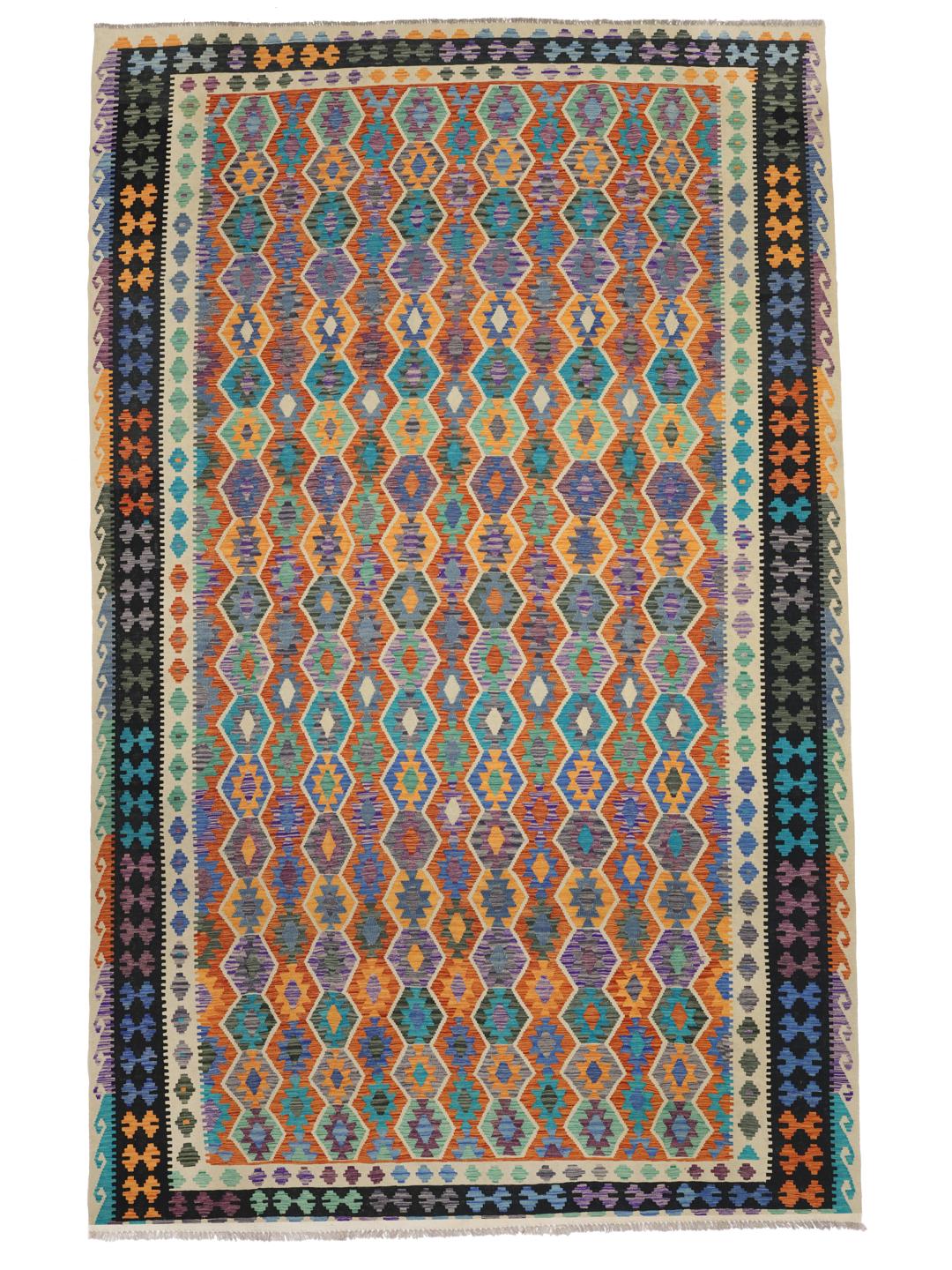
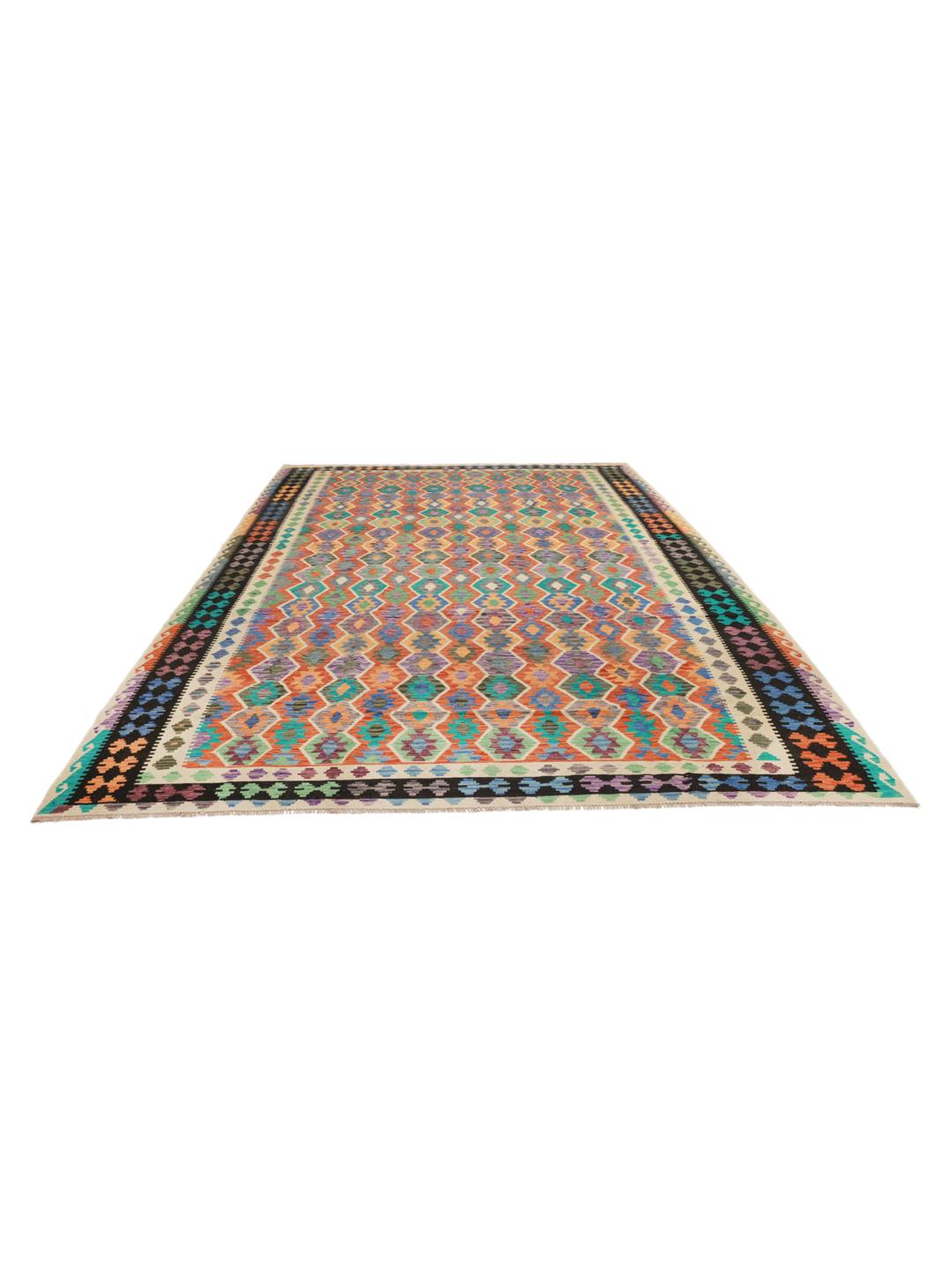
Kelim rugs have long been a cornerstone of the textile traditions of the Middle East and Central Asia. The Afghan Kelim, in particular, is celebrated for its direct, bold aesthetic and its ability to tell stories through geometric symbolism. These rugs originated as functional items for nomadic tribes, designed to be easily transported, durable, and versatile enough to serve as floor coverings, wall hangings, or storage bags.
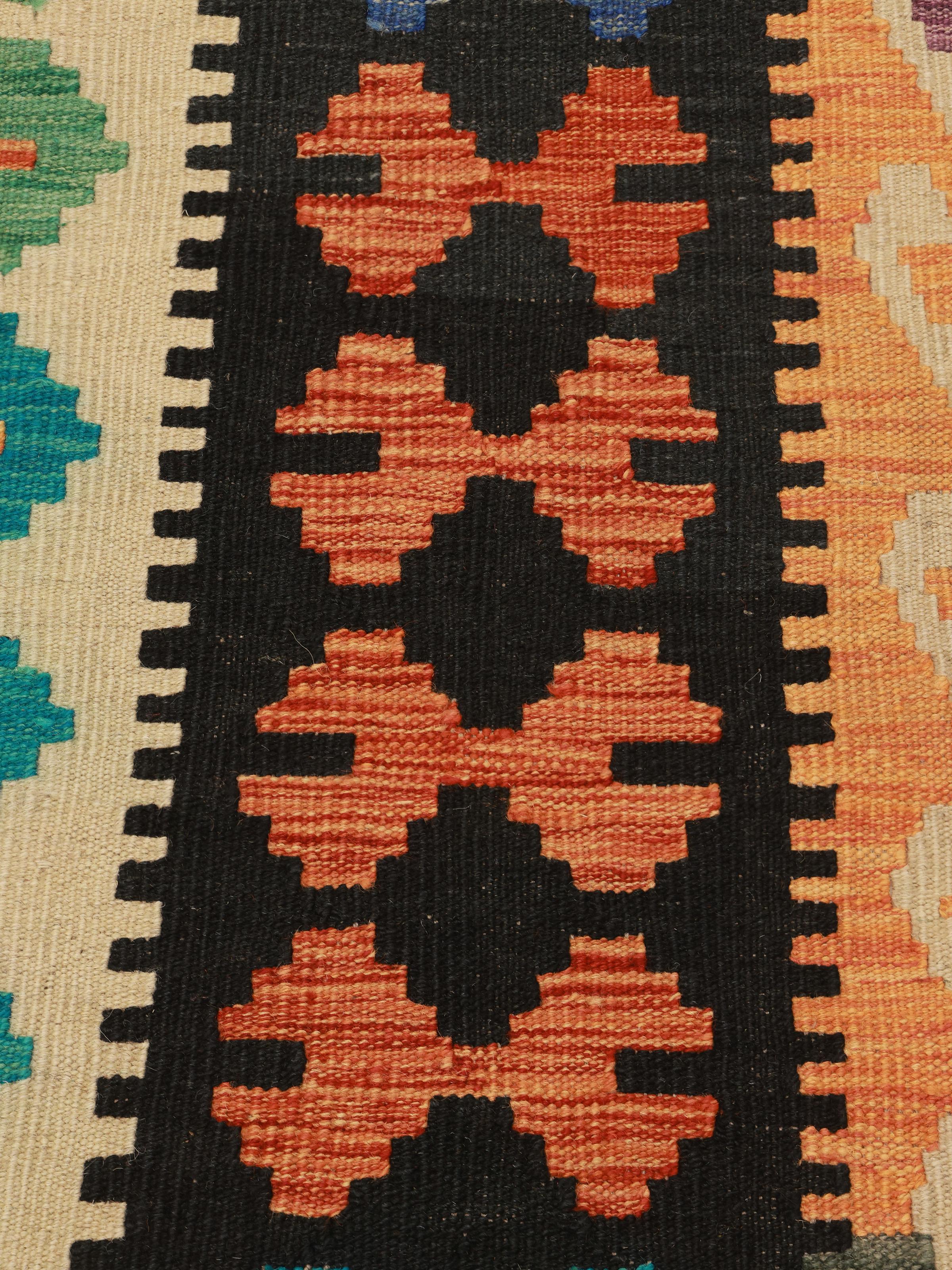
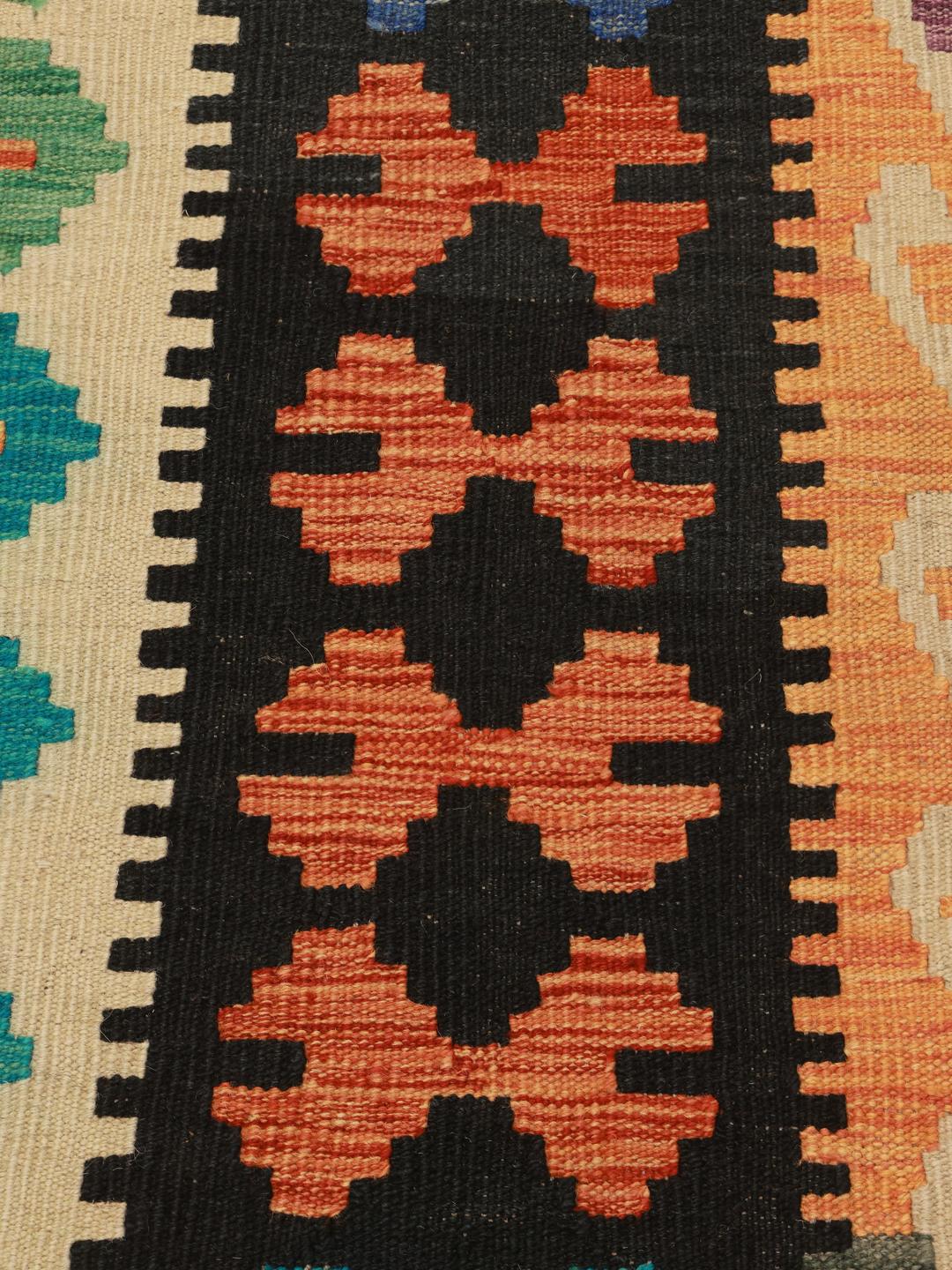
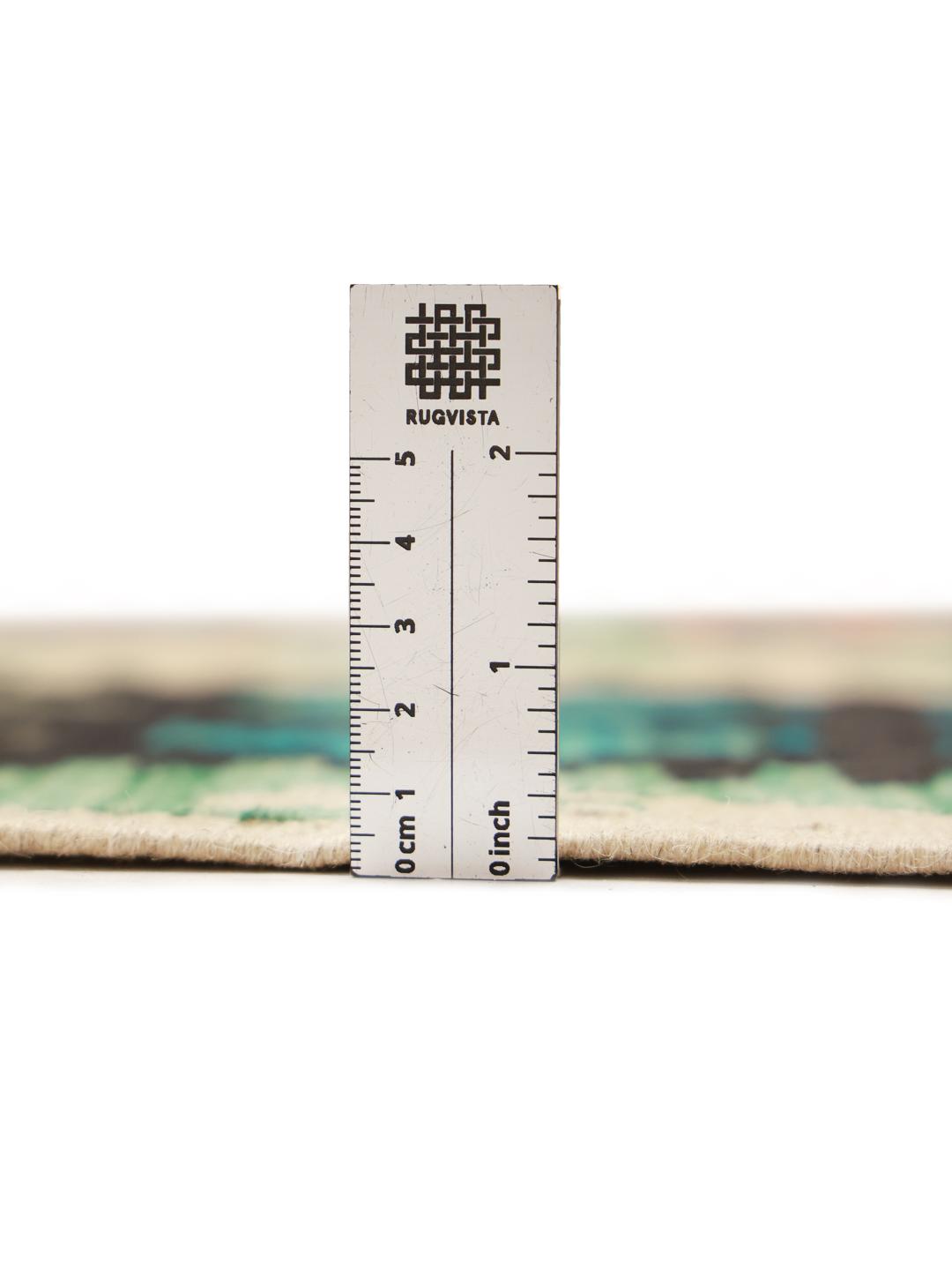
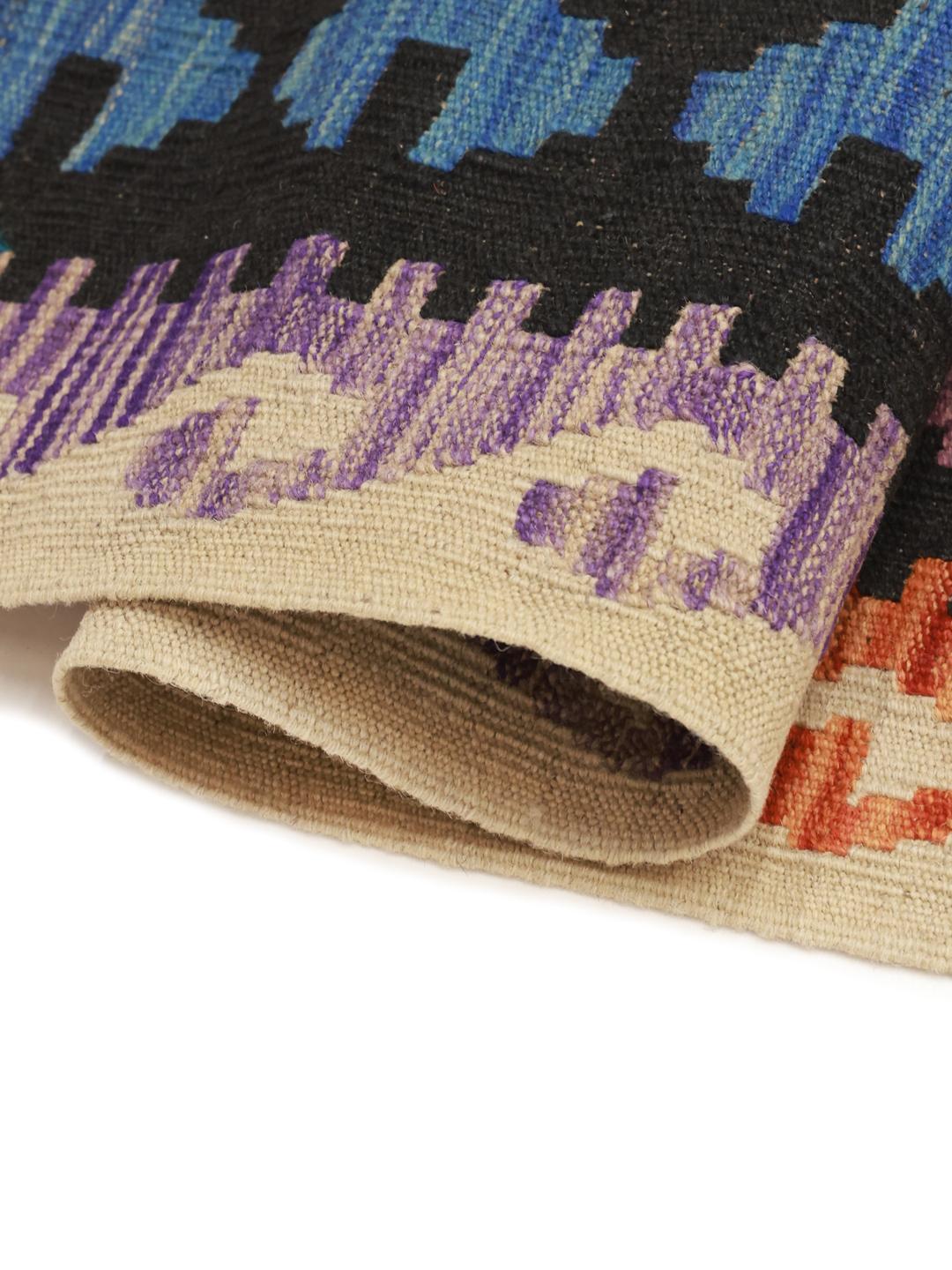
The term 'Kelim' refers to a flat-weaving technique where the weft threads are passed through the warp threads to create the pattern, resulting in a rug without a pile. This technique is what gives these pieces their characteristic thin, lightweight, and reversible nature. The absence of a pile requires the weaver to be incredibly precise, as every colour change and geometric transition must be managed perfectly within the structural grid of the warp and weft.
Signature design elements of the Afghan Kelim include a strong reliance on geometric motifs such as diamonds, hexagons, and stylized tribal symbols. These patterns are often framed by elaborate decorative borders that act as a visual anchor. The use of vibrant, saturated colours is a hallmark of the tradition, reflecting the natural dyes historically available in the region. Each motif often carries cultural significance, passed down through generations of families who have kept the art of Kelim weaving alive.
Today, these rugs are highly valued by collectors and interior designers alike for their authenticity and their ability to bridge the gap between ancient tradition and modern living. Owning an Afghan Kelim is an investment in cultural heritage, representing a level of skill and human effort that remains largely unchanged by the modern world. It is a piece that connects your home to a long-standing history of artistic expression and resilience.