The Kelim tradition is deeply rooted in the history of the Middle East and Central Asia. Historically, these flat-woven rugs were created by nomadic tribes as versatile, functional textiles used for everything from floor coverings to bags and saddle covers. Over centuries, the craft evolved into the sophisticated artistic tradition we recognise today, with Afghanistan emerging as a primary hub for these distinct, durable, and highly decorative pieces.
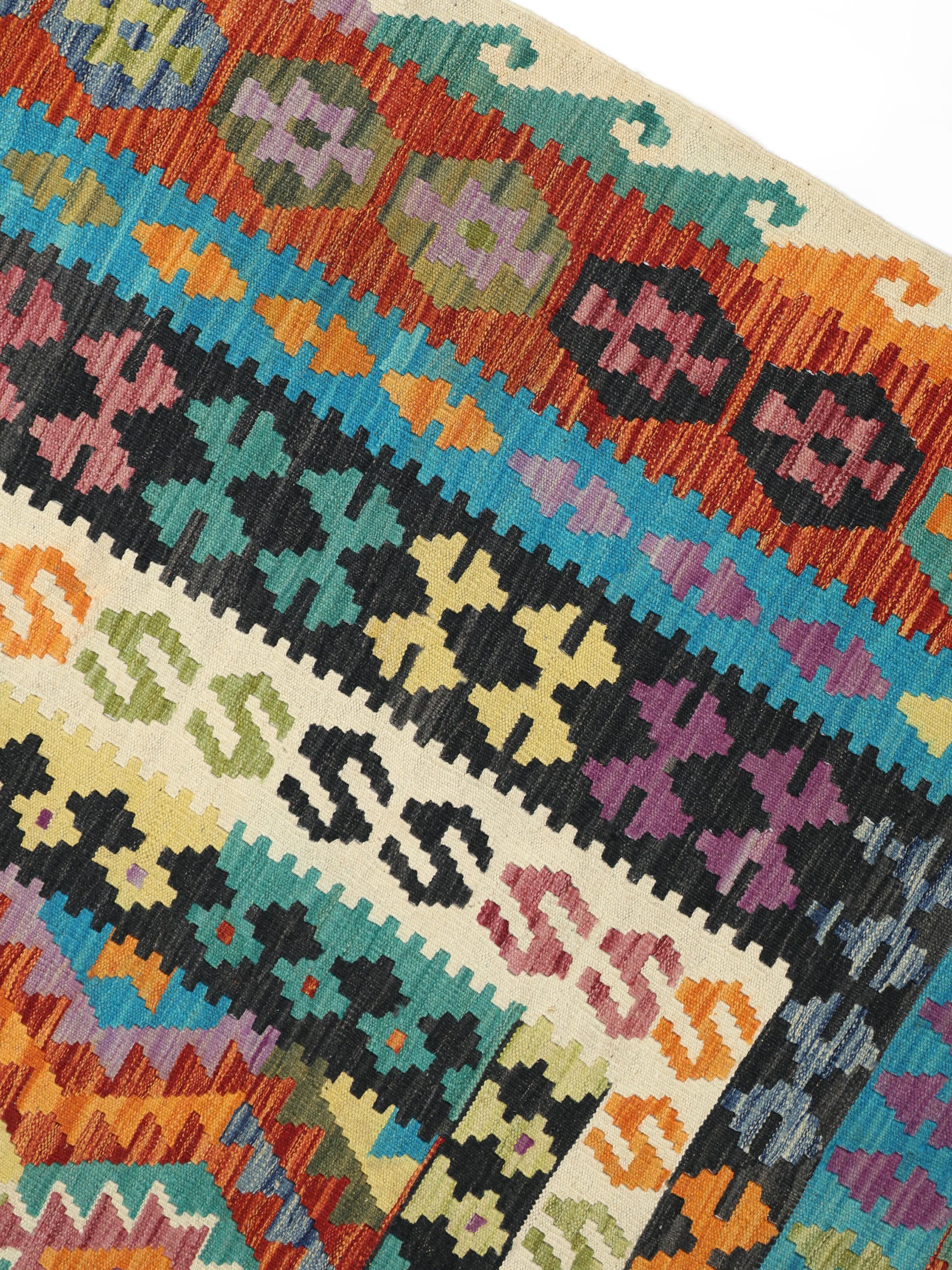
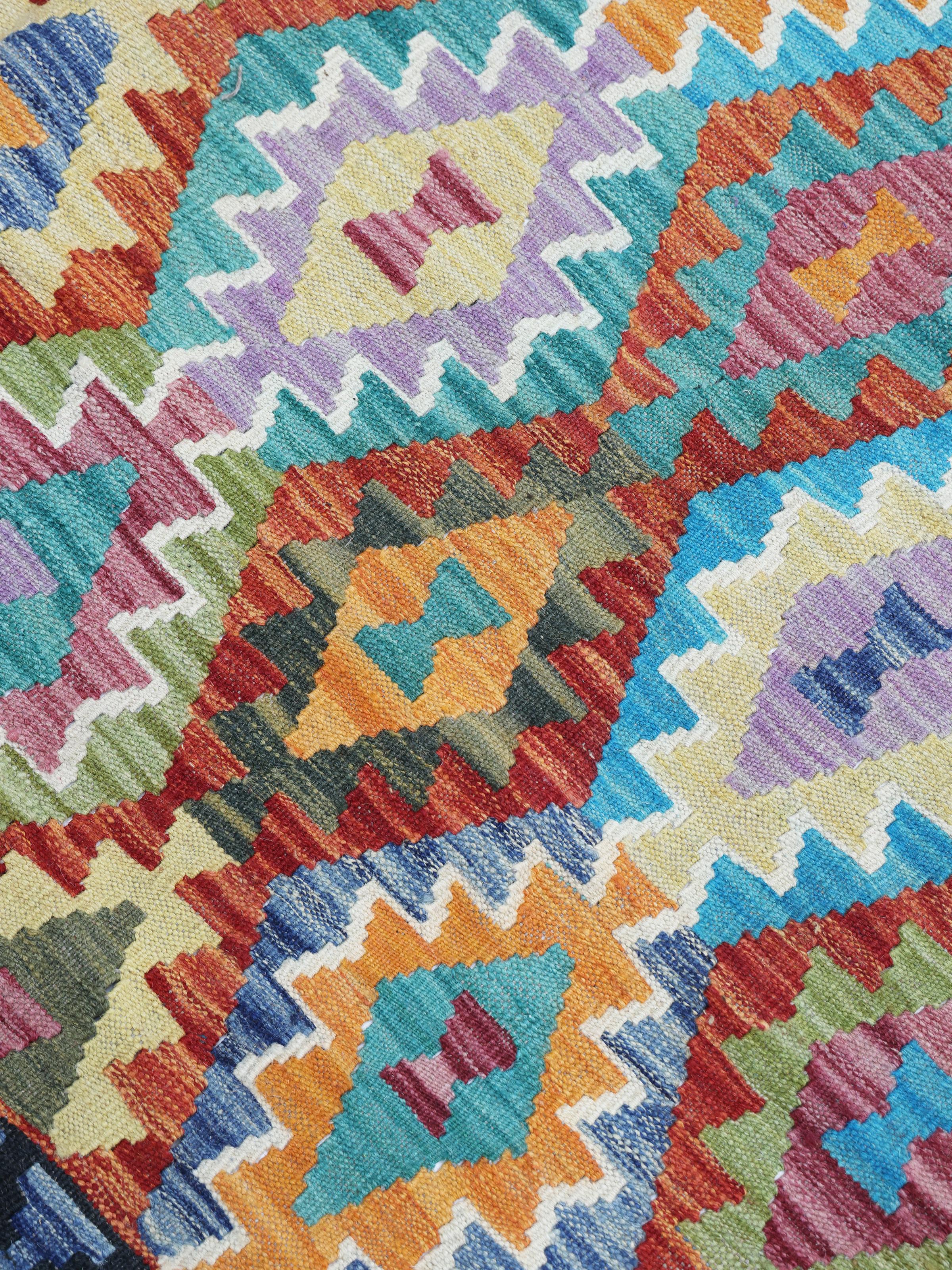
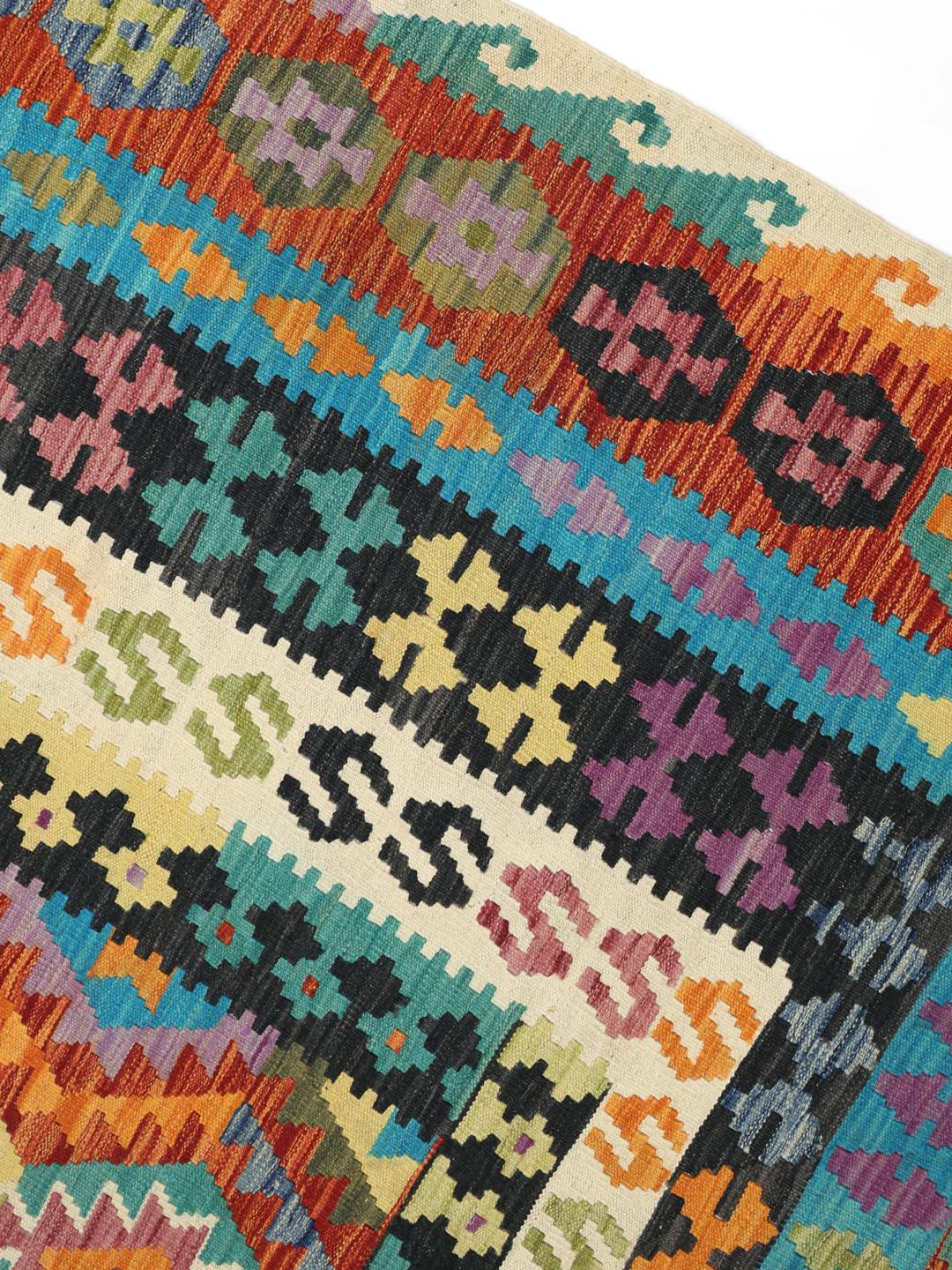
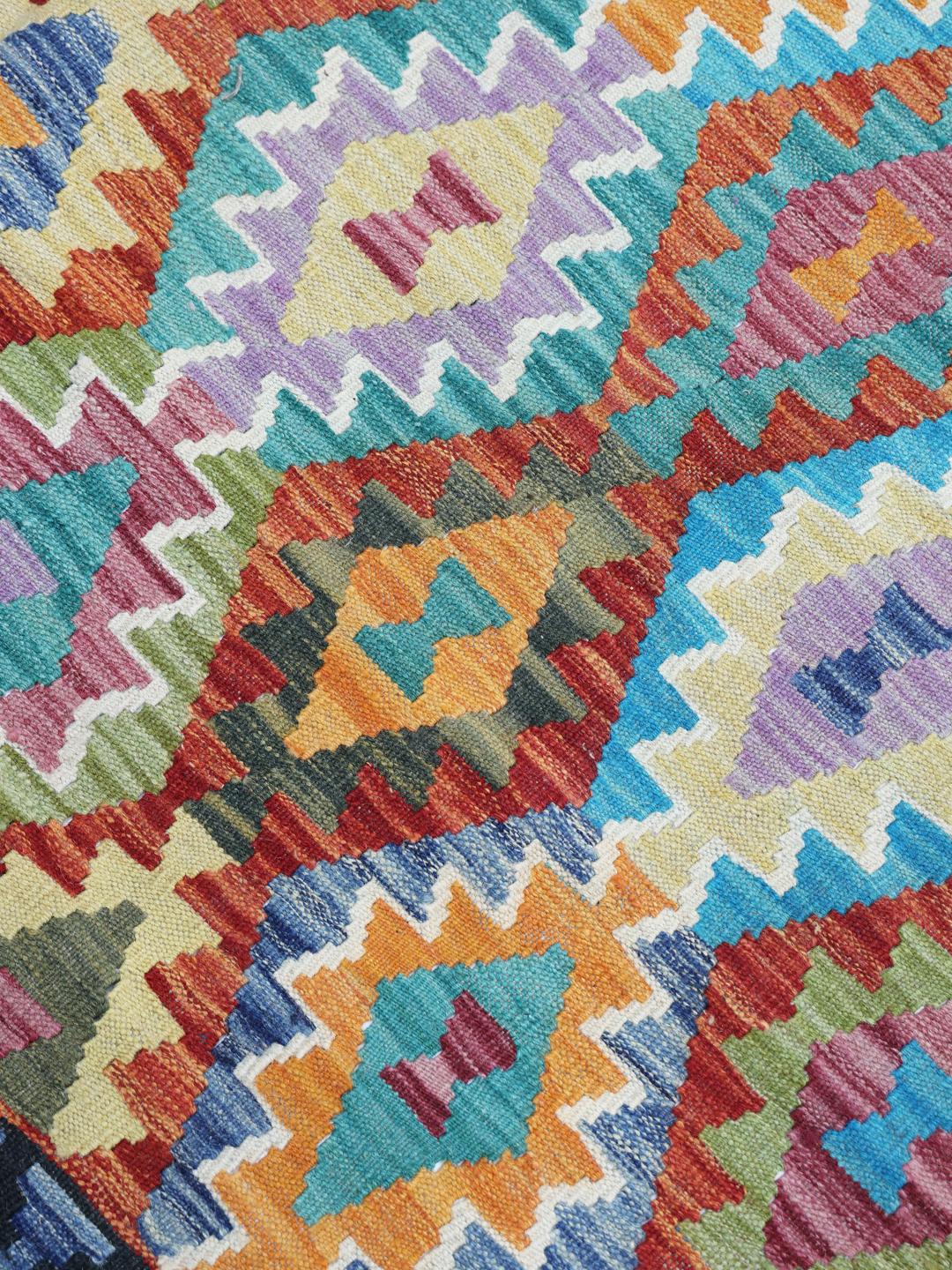
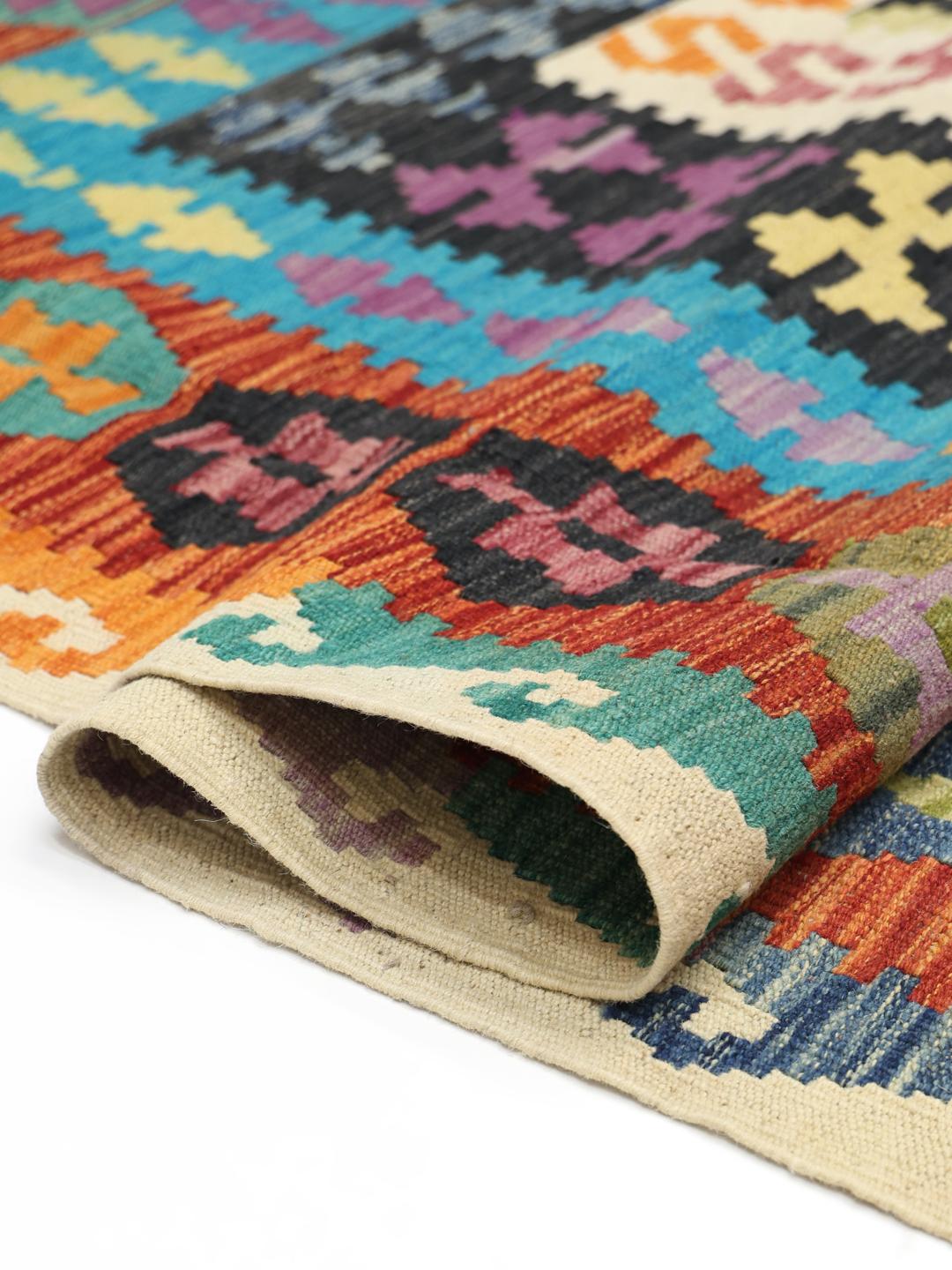
A Kelim is defined by its slit-weave technique, where the weft threads are woven back and forth around the warp to create distinct blocks of colour. This method does not involve knots, resulting in a thin, reversible textile with a smooth surface. This technical approach is essential to the category's aesthetic, allowing for the precise, sharp-edged geometric patterns that make these rugs so visually striking and sought after by collectors.
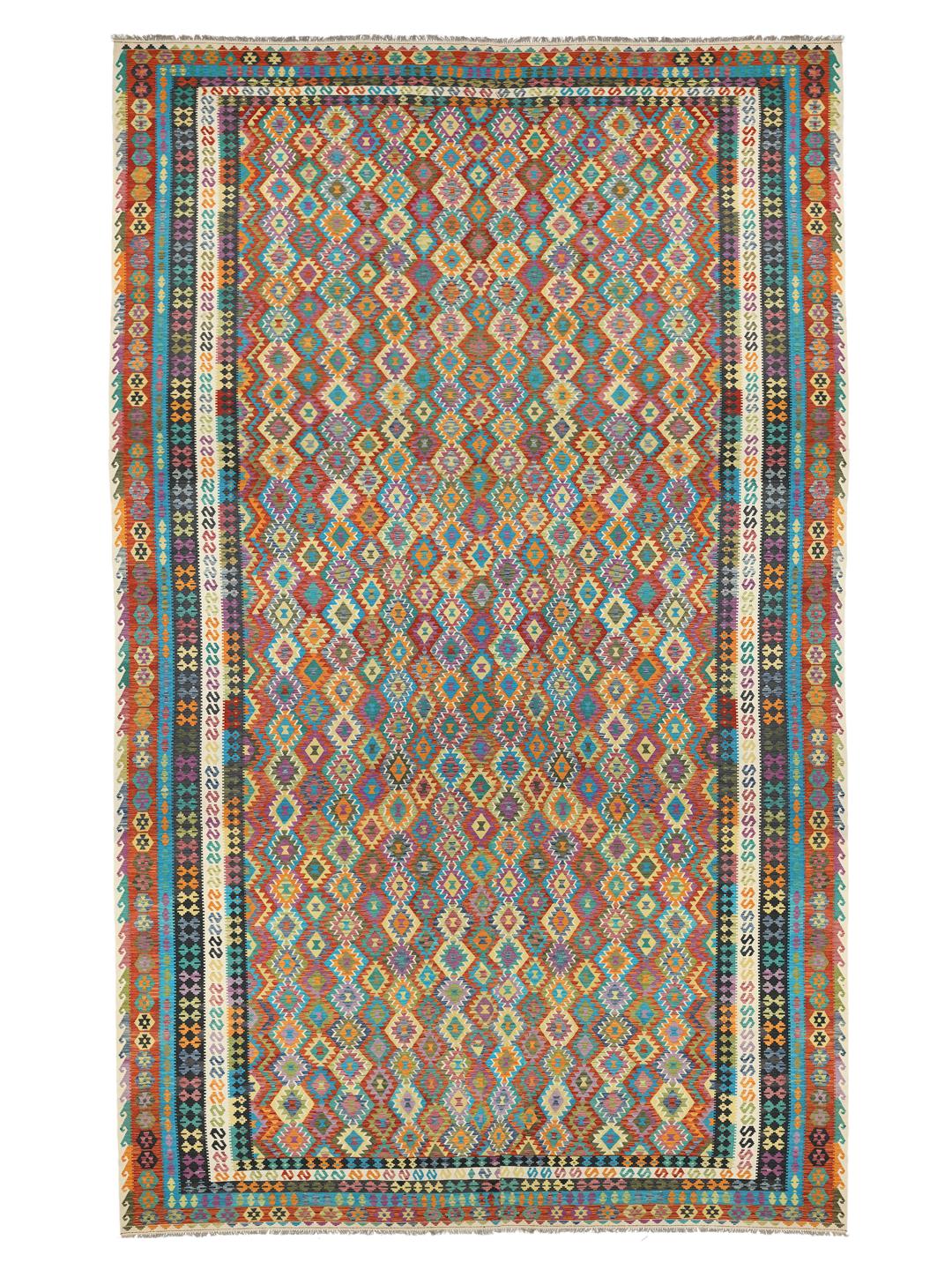
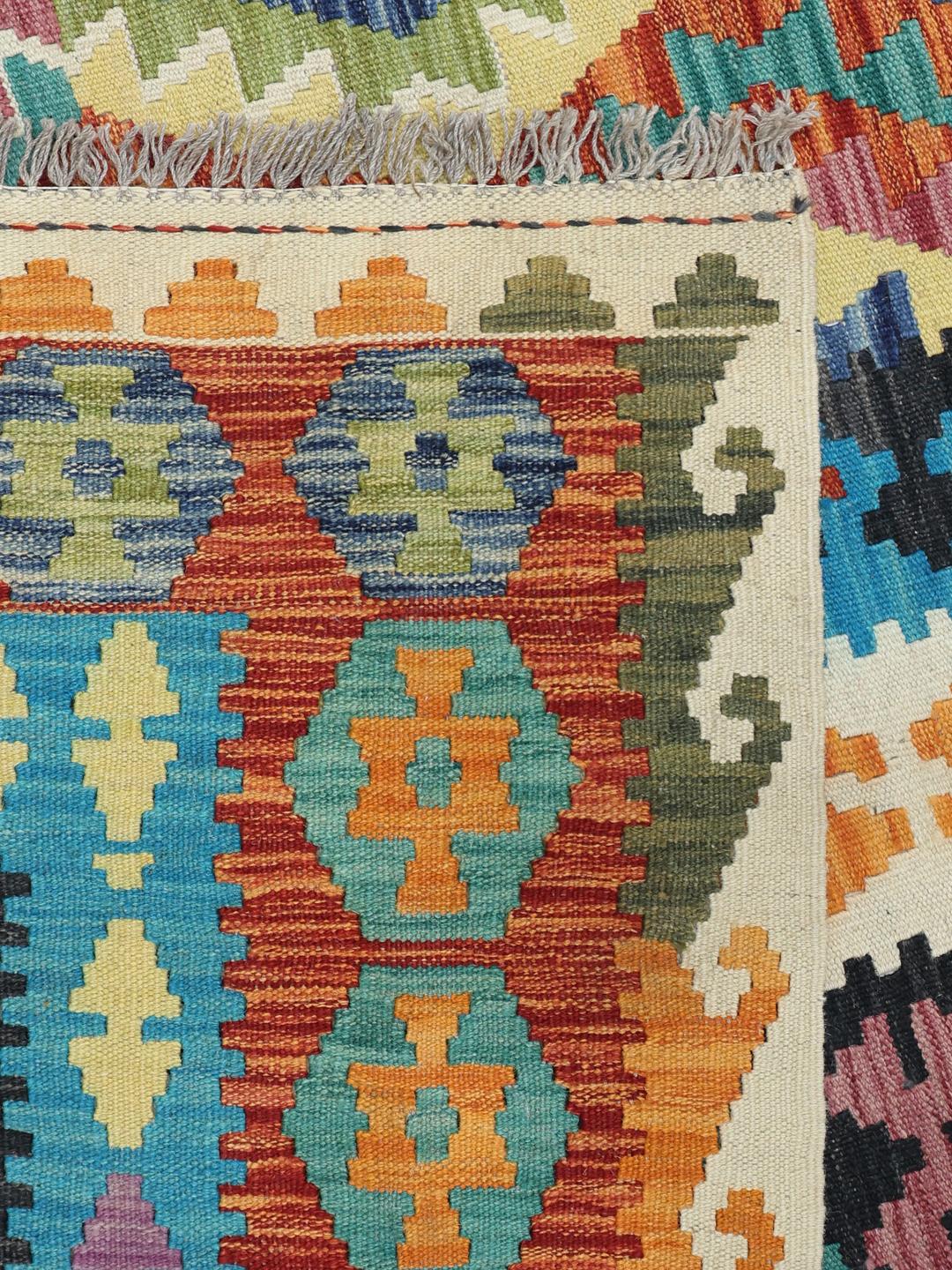
Signature design elements of the Afghan Kelim often include bold, repeating geometric motifs such as diamonds, triangles, and stylized floral shapes. These patterns are typically arranged in symmetrical grids or rows, framed by intricate, multi-layered borders. The use of vibrant, earthy tones is a hallmark of the tradition, with colours often derived from natural dyes that age beautifully over time, giving the rug a sense of character and history.
Owning an Afghan Kelim is more than just purchasing a floor covering; it is an investment in cultural heritage. These rugs are highly valued for their ability to bridge the gap between ancient nomadic traditions and modern interior design. Collectors cherish them for their authenticity, the immense skill required to produce them, and the fact that each piece tells a story of the specific region and weaver that brought it to life.