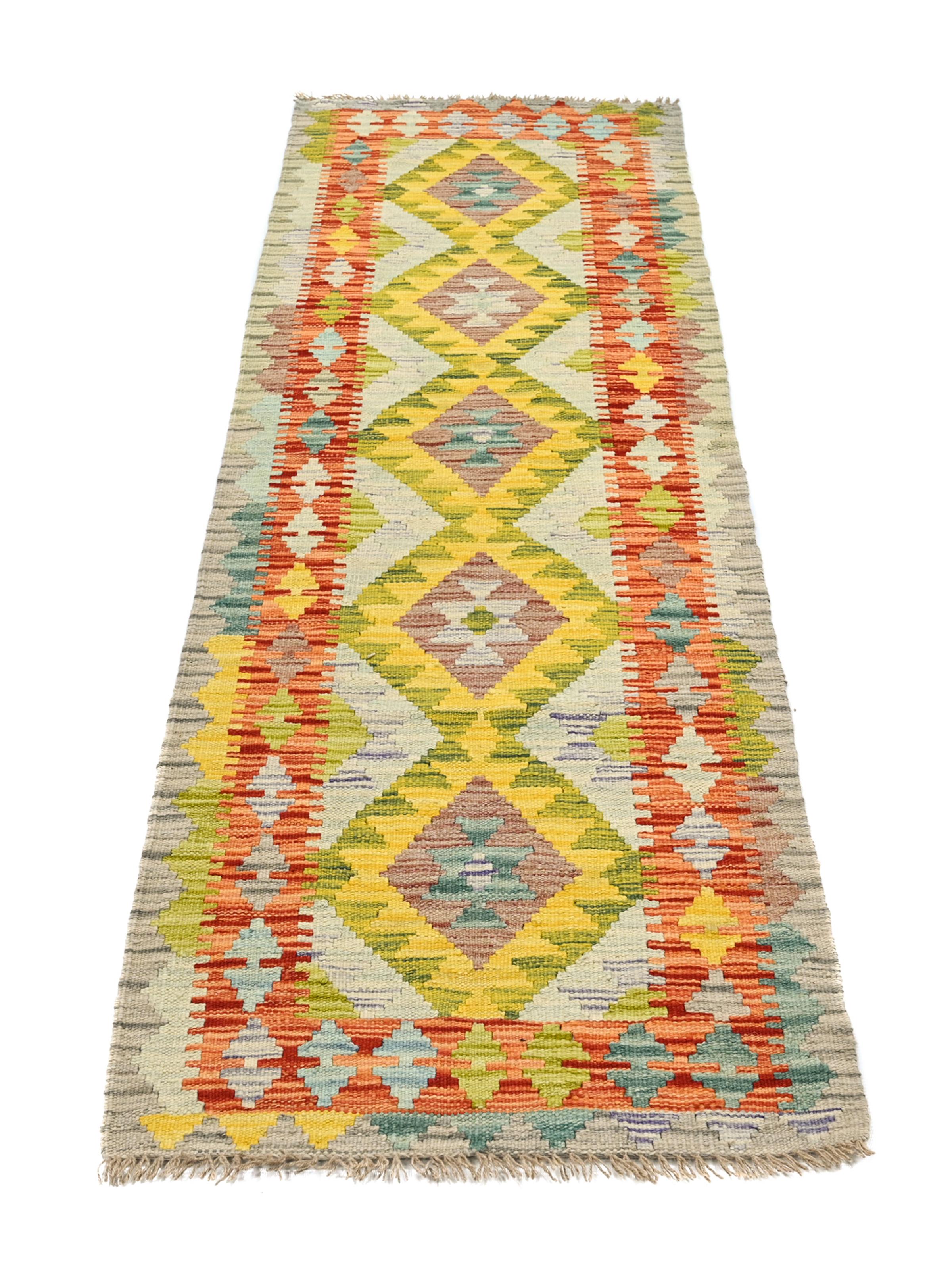
Kelim rugs have long been a cornerstone of nomadic and village life across the Middle East and Central Asia, serving as both functional floor coverings and artistic expressions of tribal identity. Traditionally, these flat-woven pieces were crafted for their versatility, easily moved and repurposed as blankets, wall hangings, or floor mats in the shifting lives of the weavers.
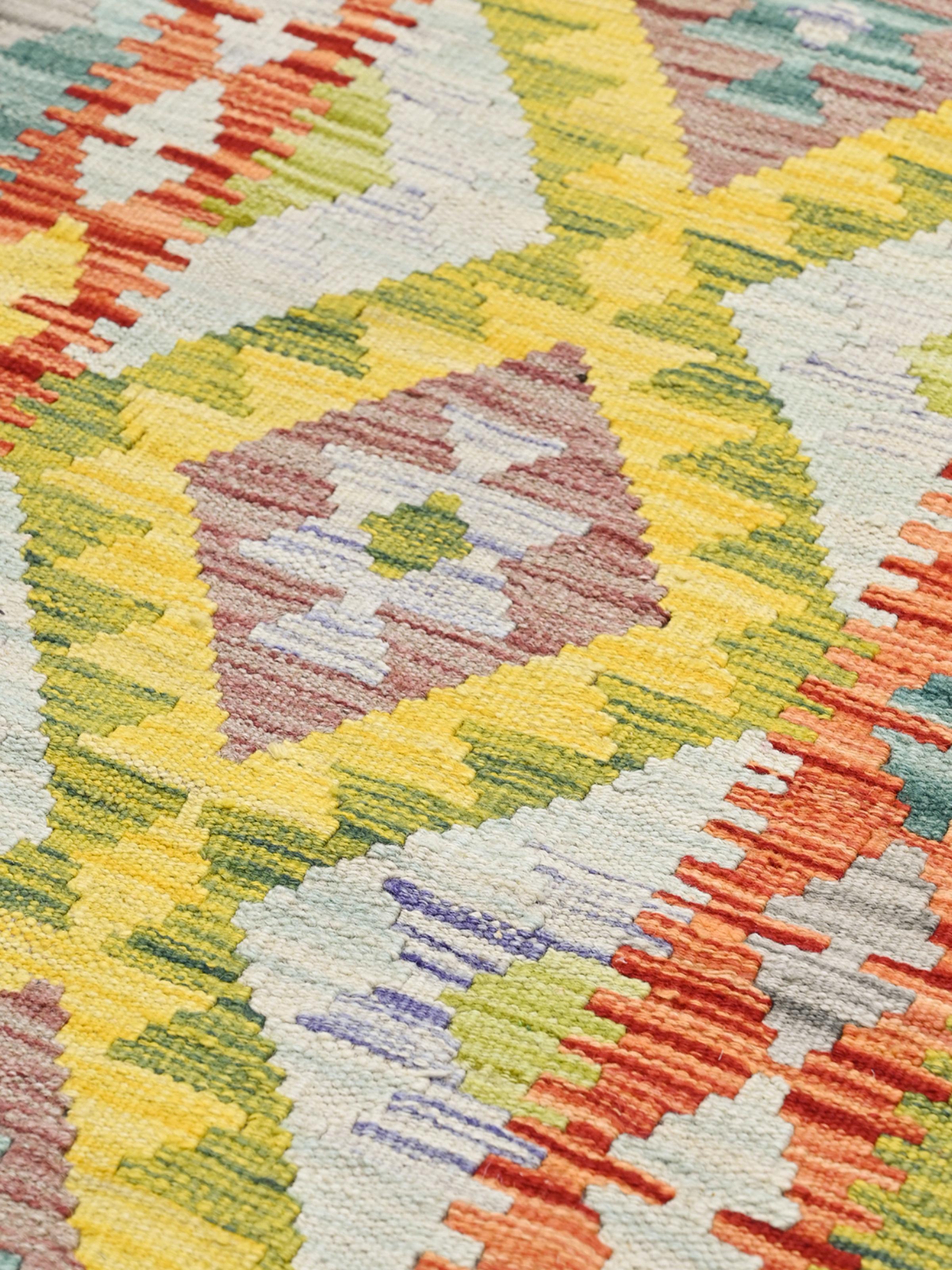
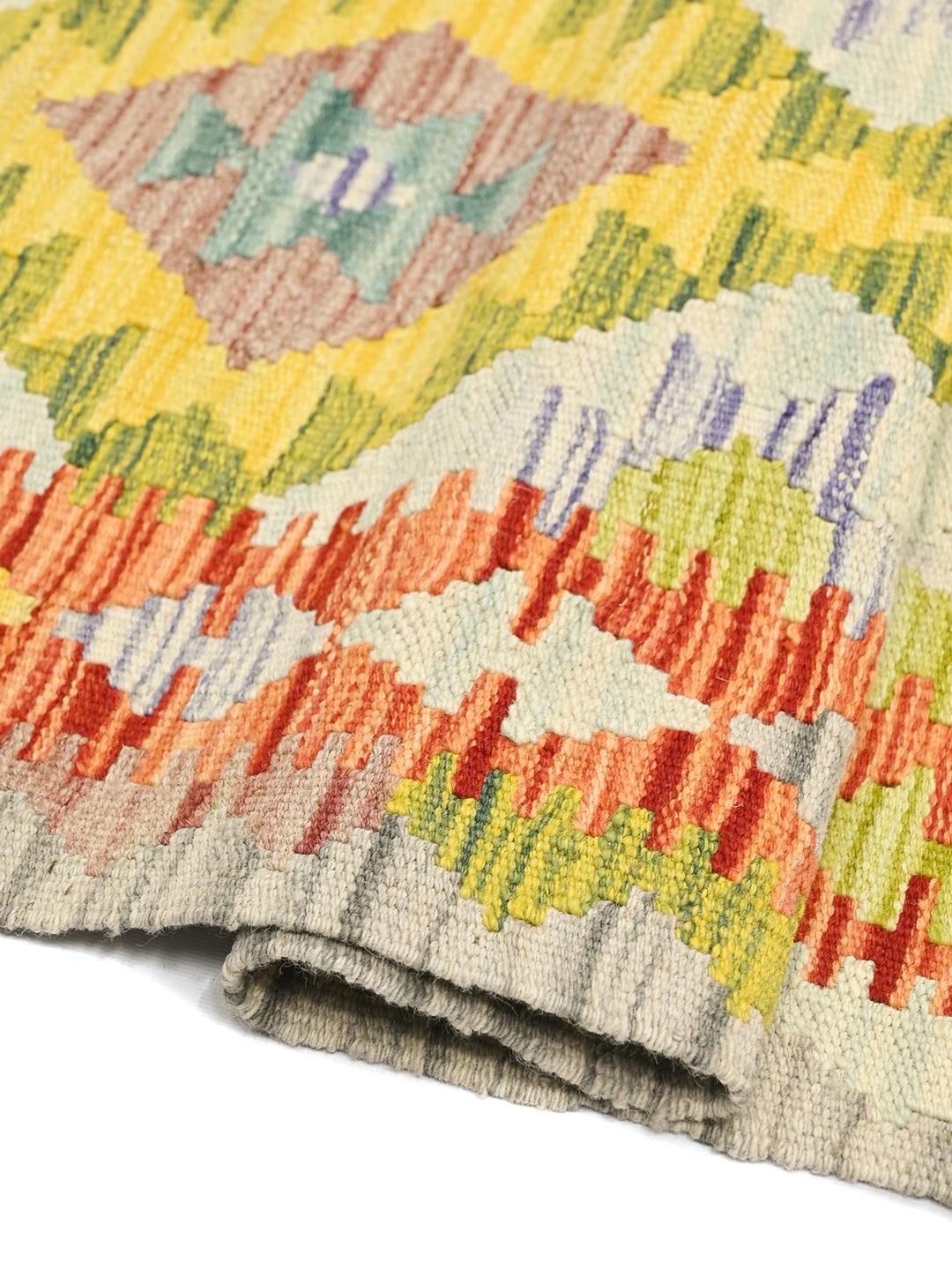
The term Kelim refers to the specific slit-weave technique used to create these rugs. By interweaving the coloured weft strands with the warp, artisans avoid the use of a pile, resulting in a lightweight yet exceptionally durable textile. This technical approach allows for the sharp, clean-edged geometric patterns that have become the hallmark of the style.
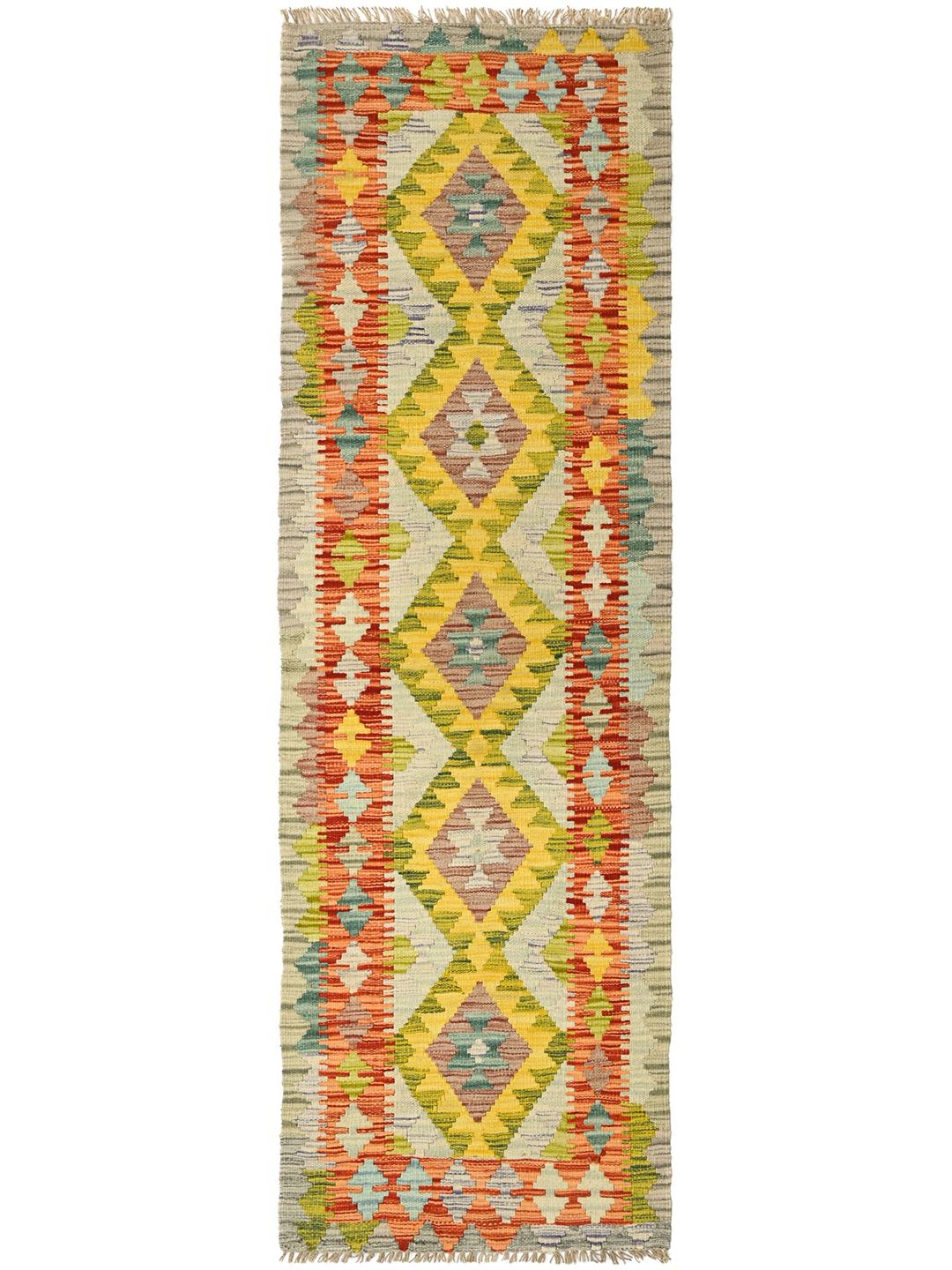
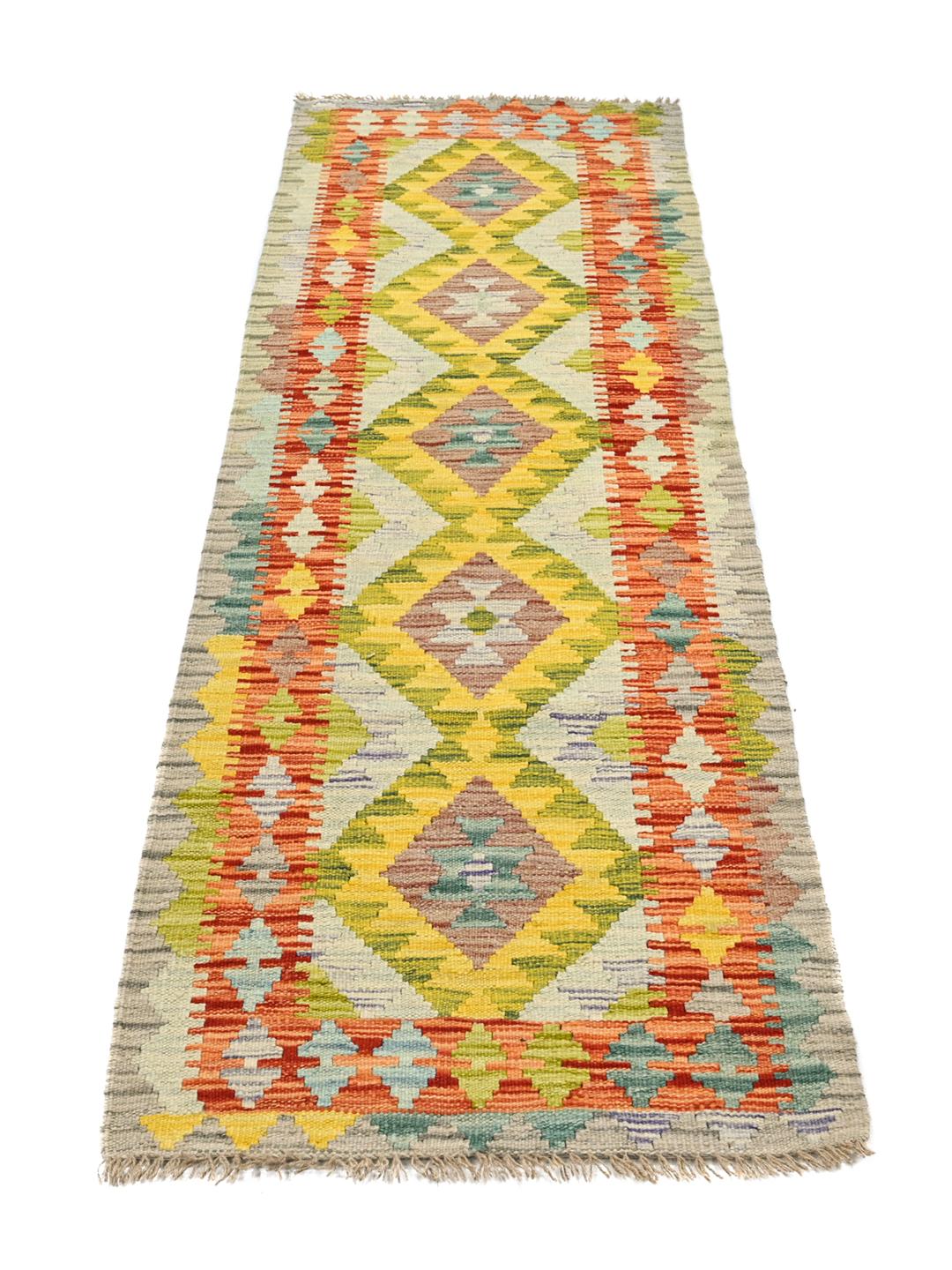
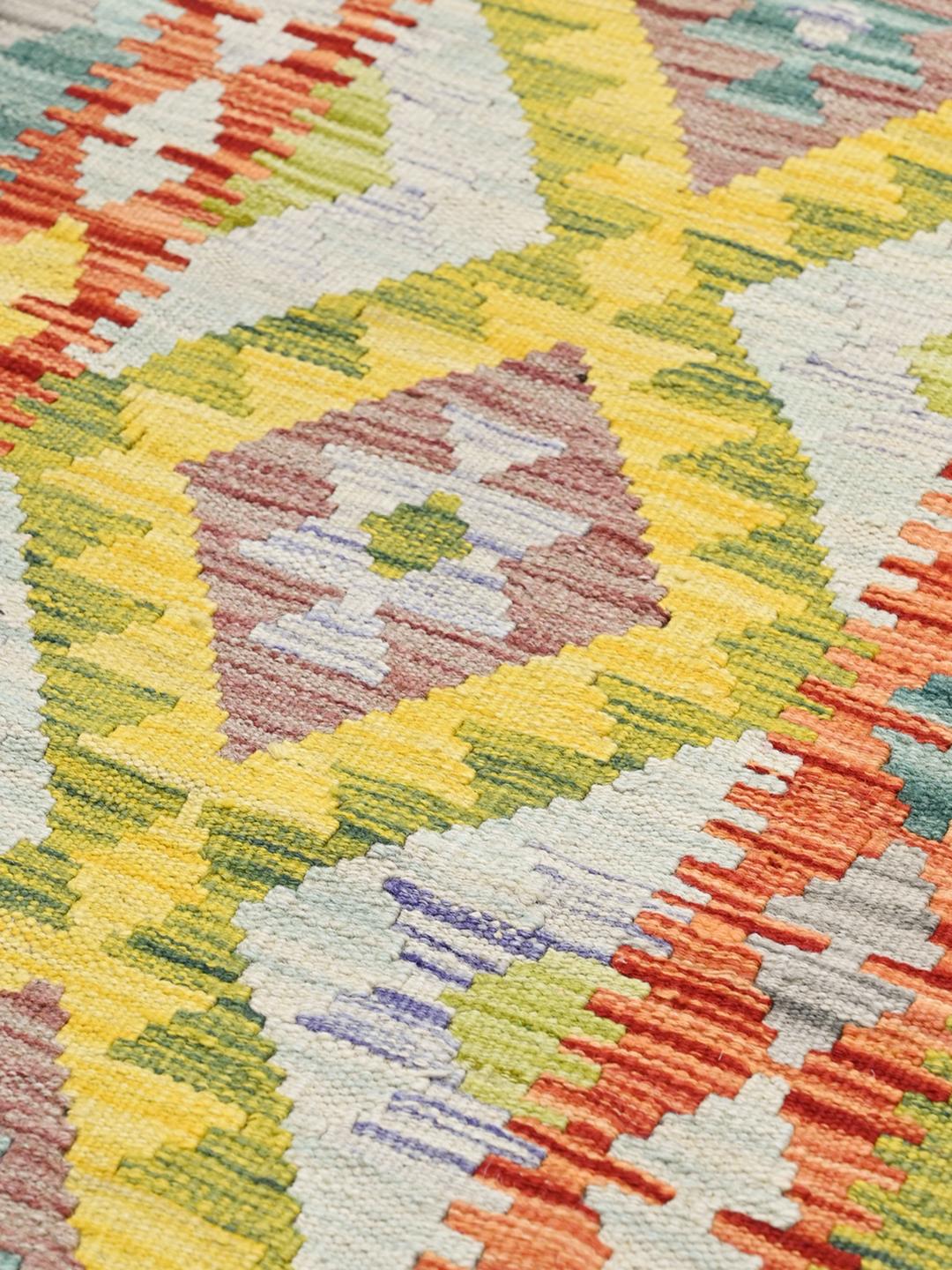
Signature design elements in these Afghan pieces often include bold diamond medallions and stepped motifs, which are frequently arranged in repeating sequences. These patterns are not merely decorative but are rooted in a rich visual language that has been passed down through generations, with colours derived from natural sources that have evolved to include the vibrant, modern palettes seen today.
Owning an Afghan Kelim means participating in a tradition that values skill, memory, and the human touch. These rugs are collected for their ability to bridge the gap between ancient craft and contemporary home aesthetics, offering a piece of cultural heritage that is as durable as it is visually compelling.