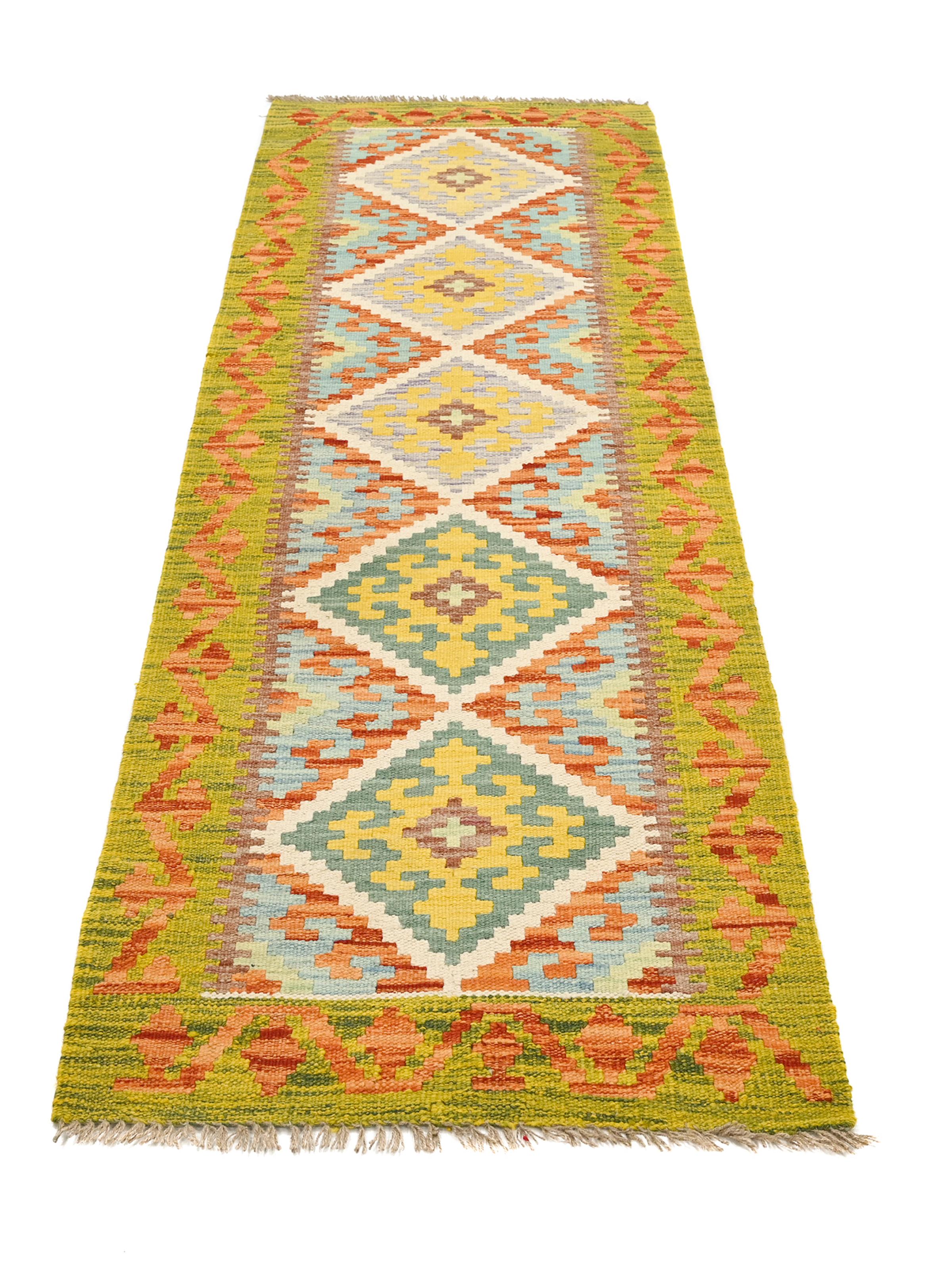
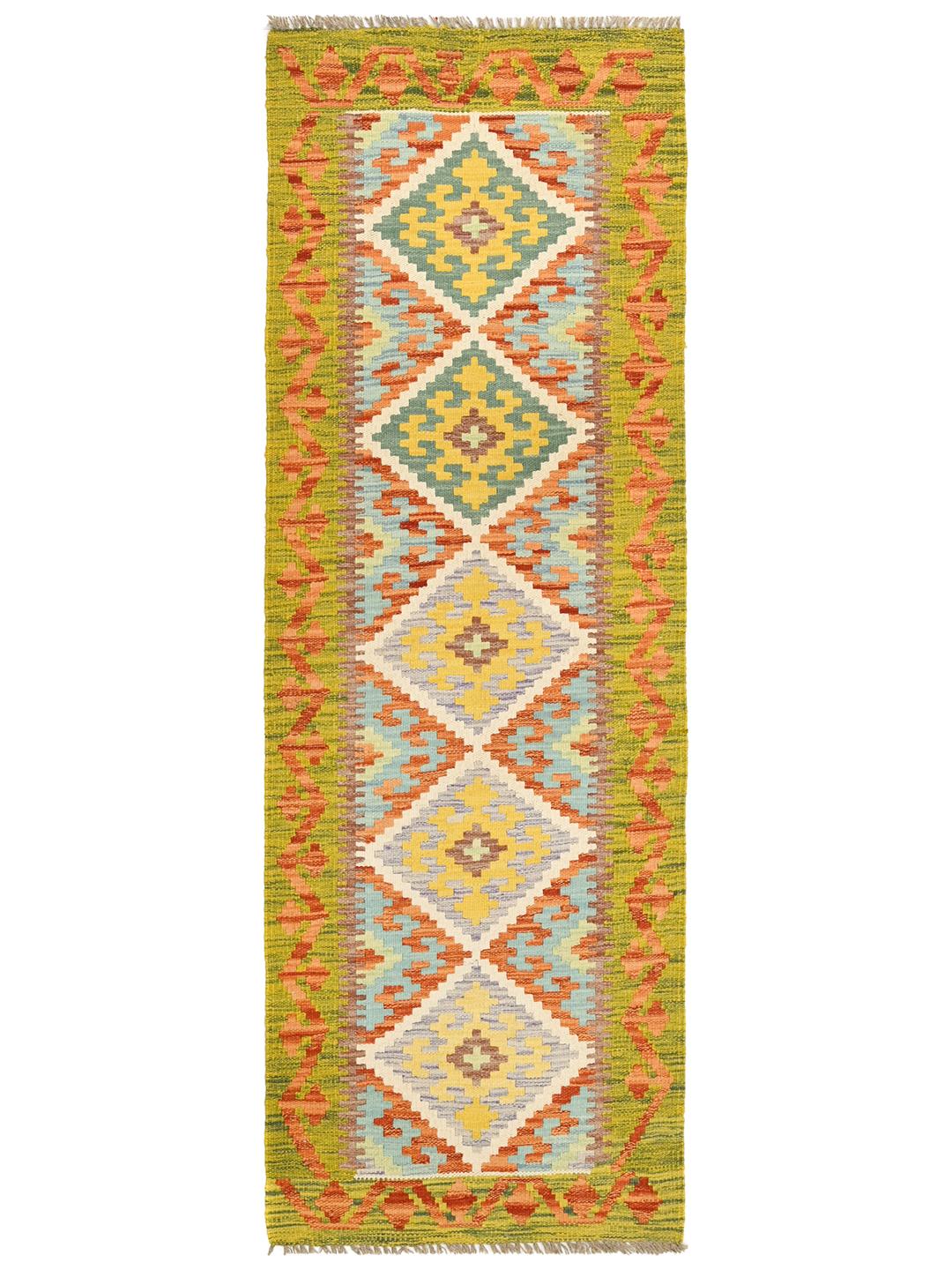
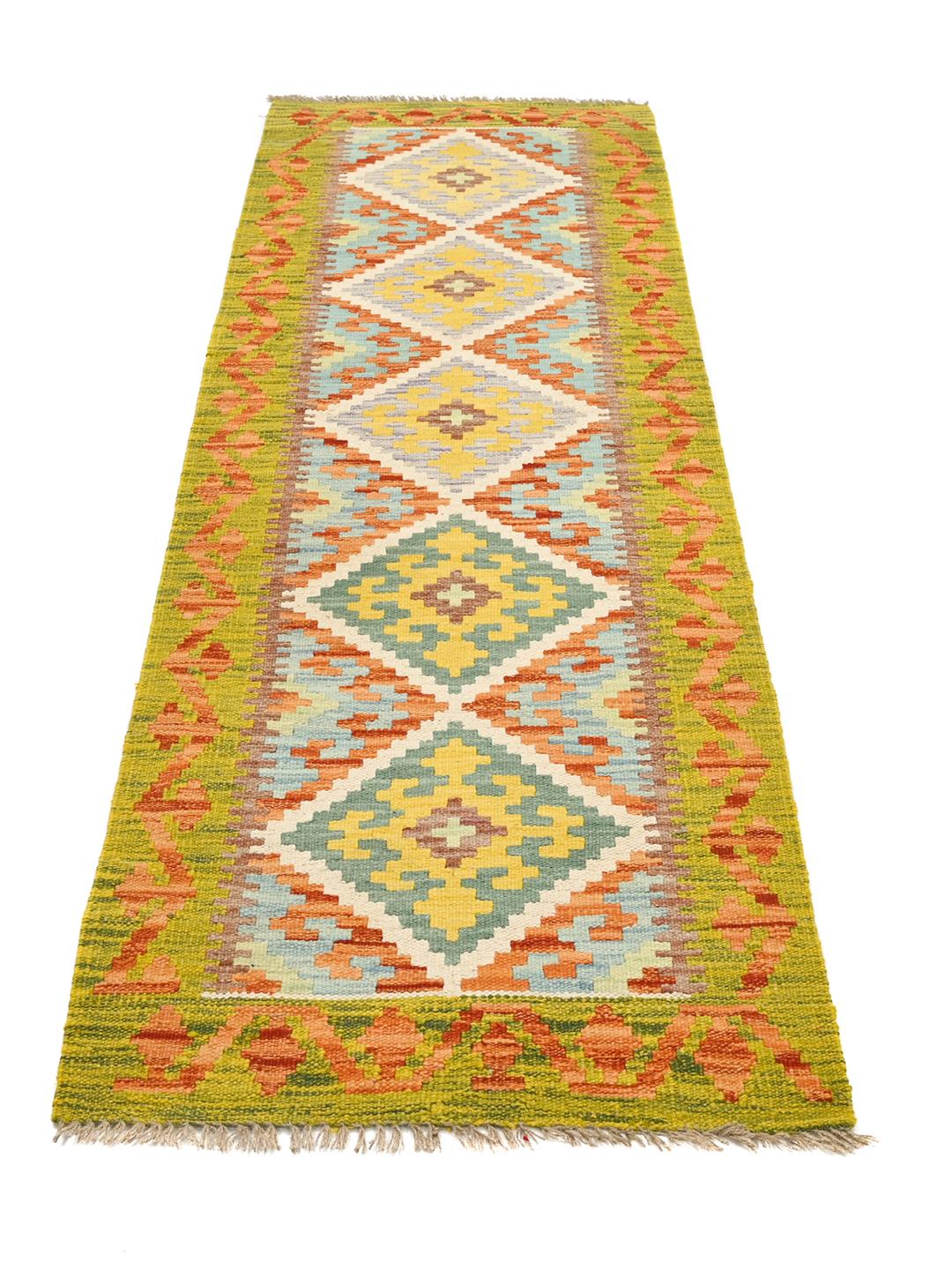
The Kelim rugs of Afghanistan are celebrated for their deep historical roots and their ability to bridge ancient traditions with modern interior needs. These flat-woven textiles have been produced for centuries across the Middle East and Central Asia, serving both functional purposes in nomadic life and as expressions of cultural identity.
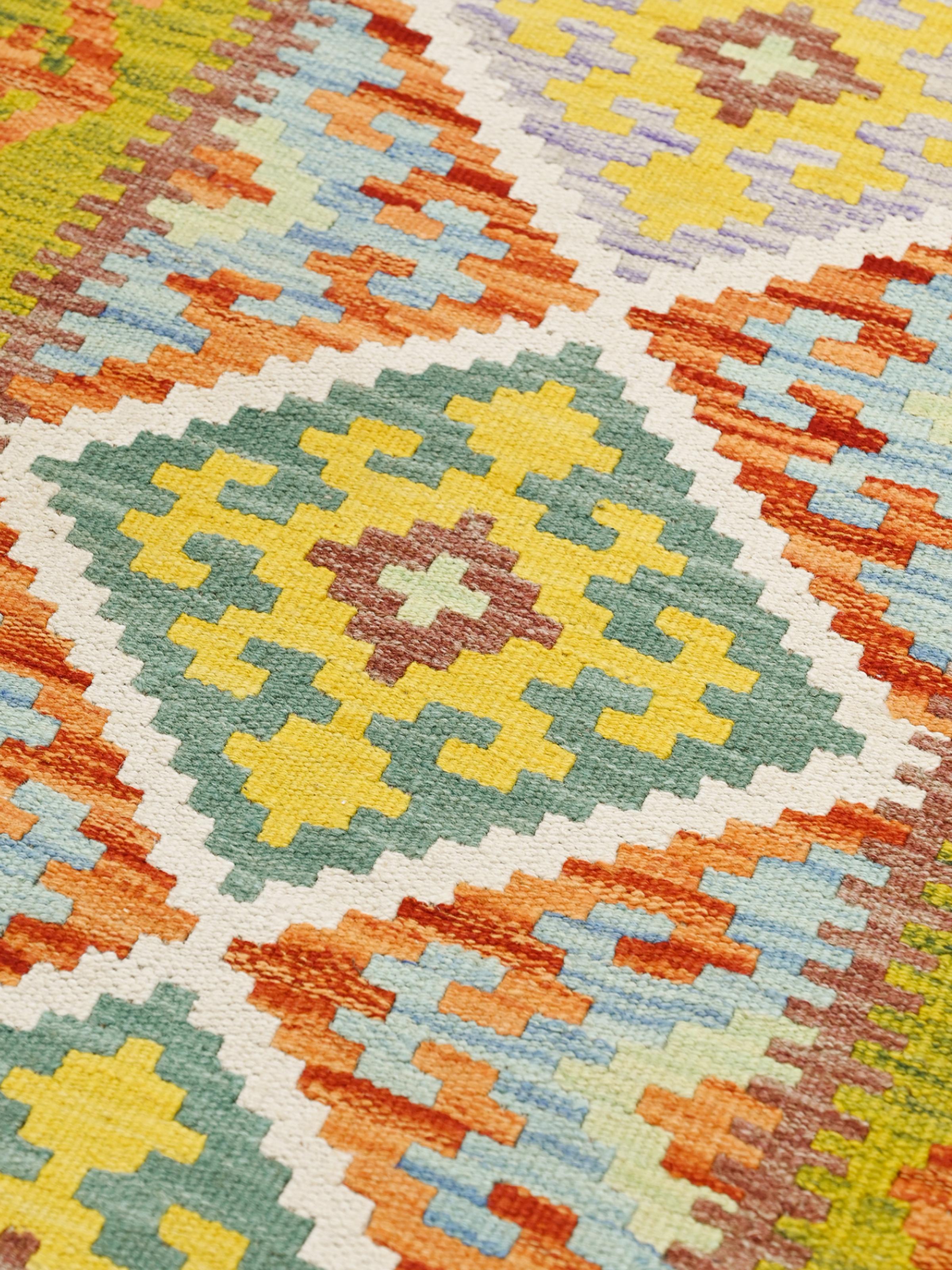
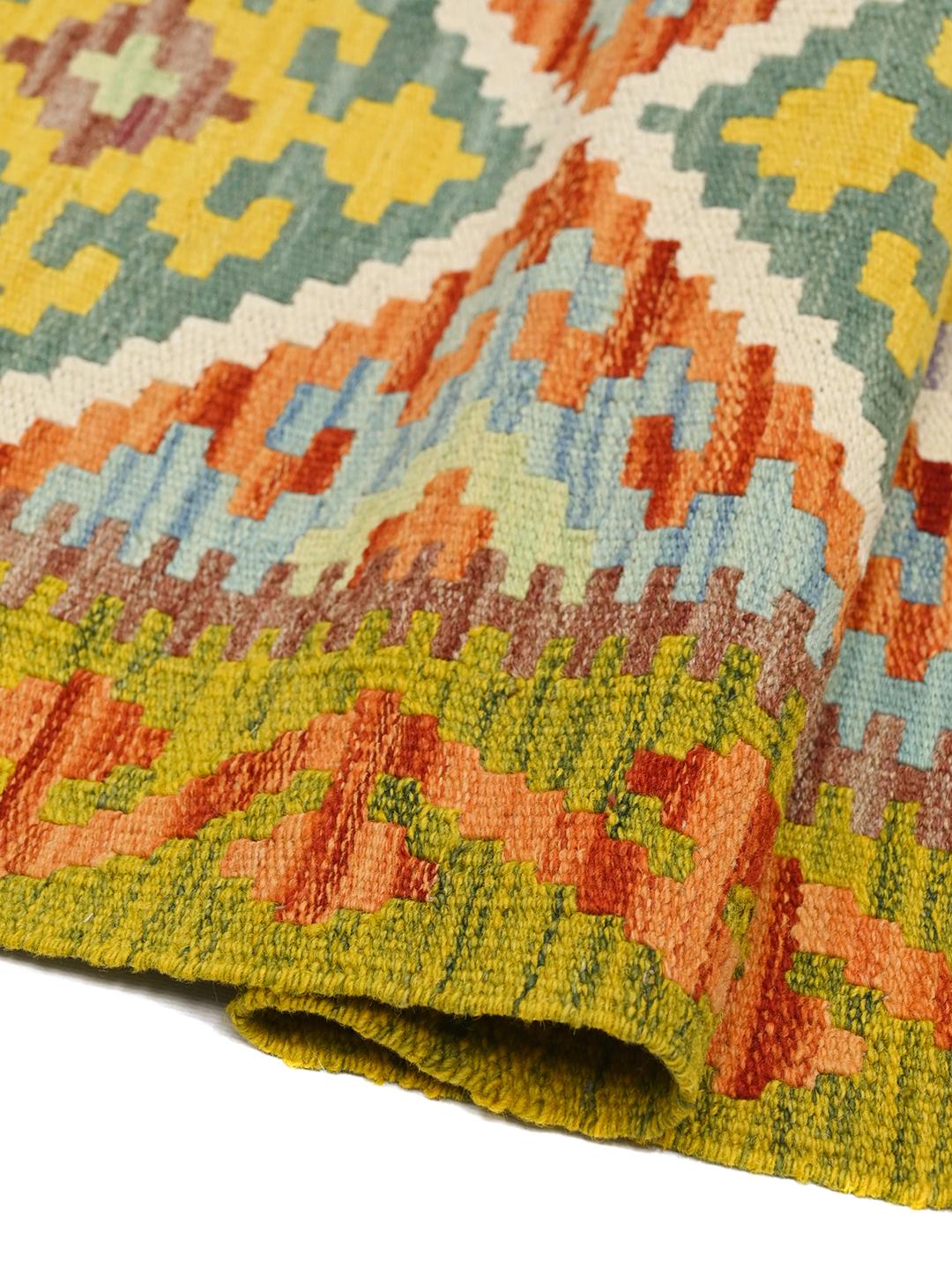
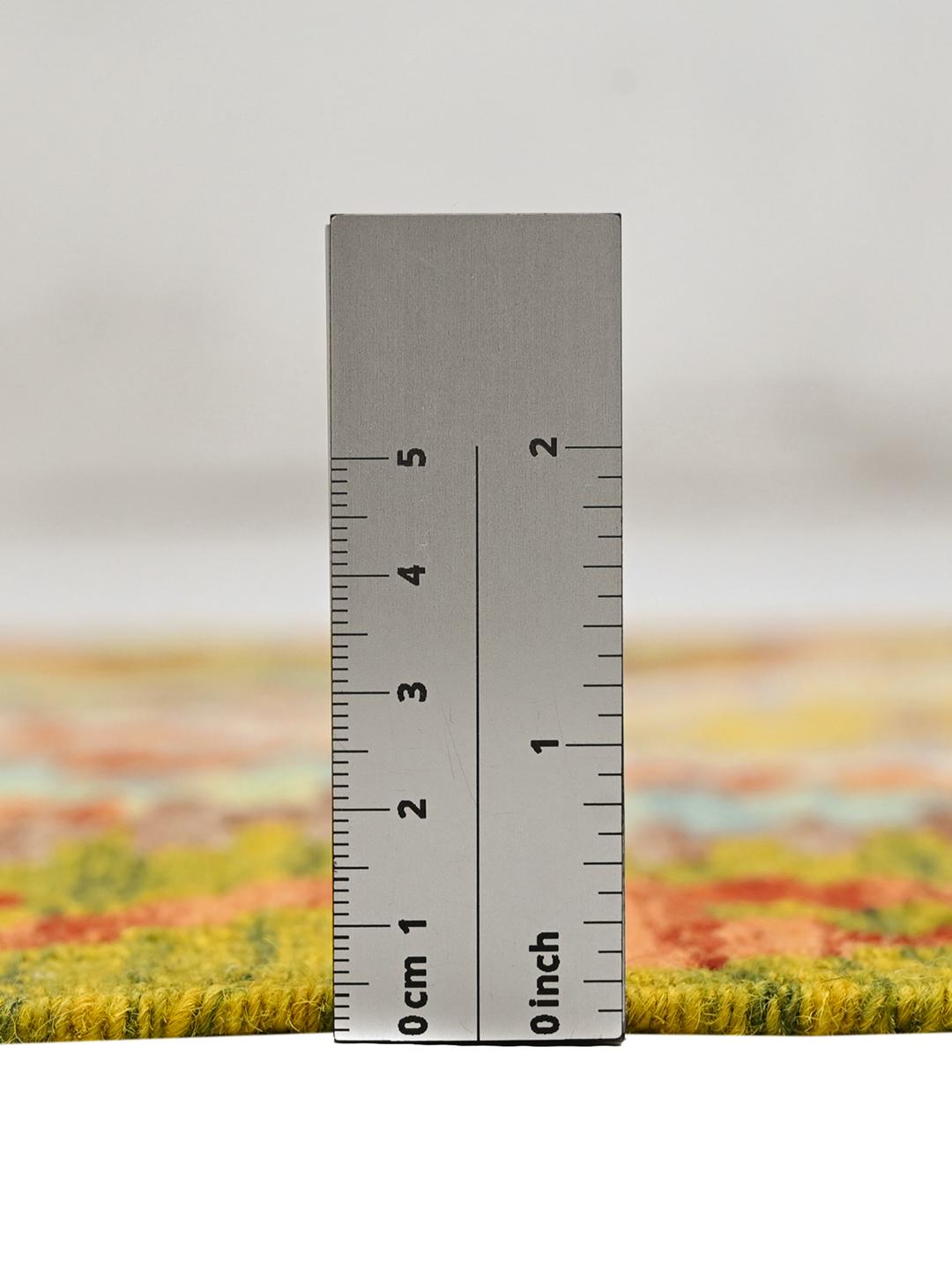
A Kelim is defined by its flat-woven construction, which lacks the raised pile found in traditional knotted rugs. This technique relies on the weft yarns being passed over and under the warp yarns to create the design, resulting in a lightweight, reversible, and versatile textile that has remained popular for generations due to its durability and clean aesthetic.
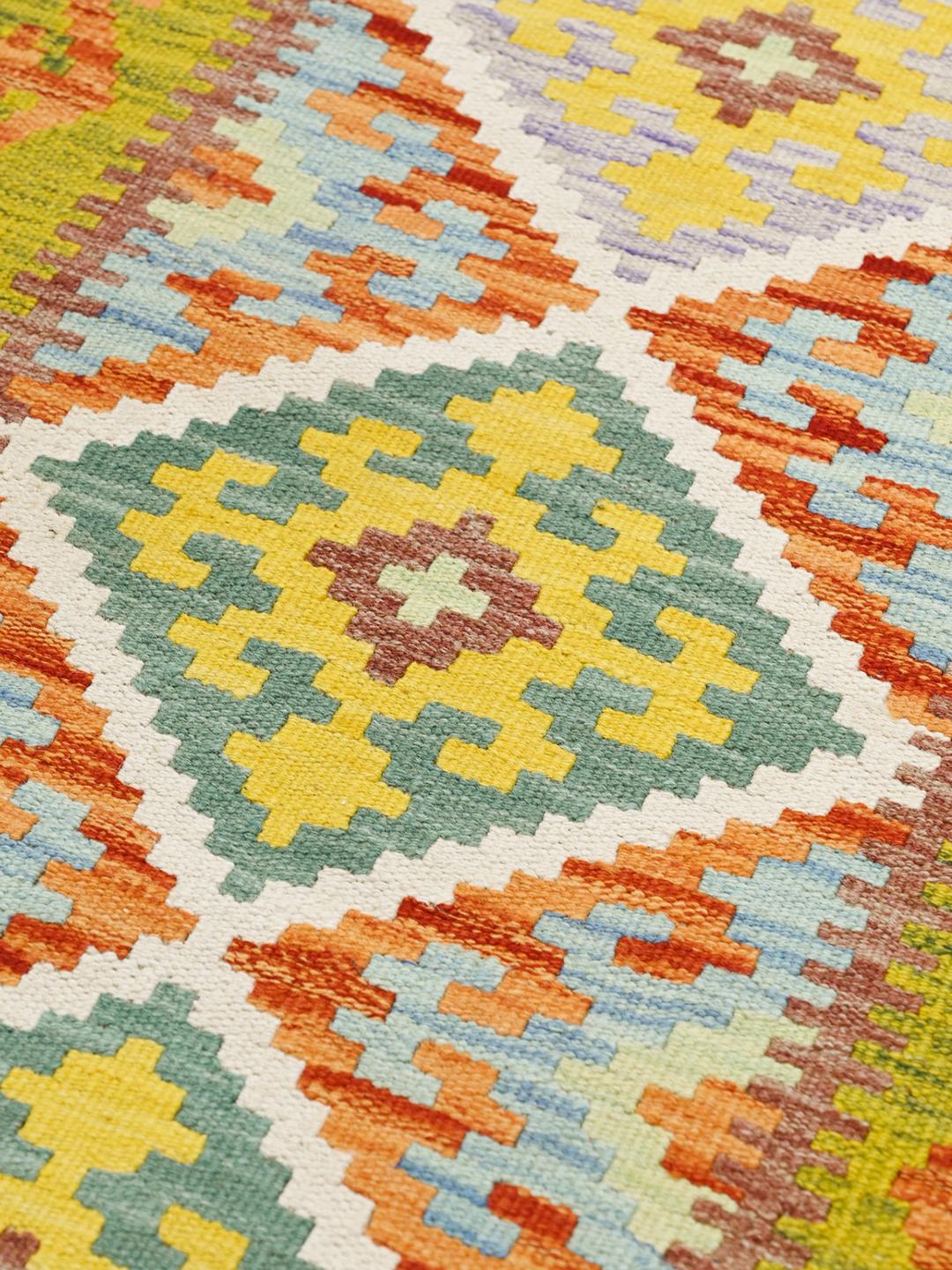
The signature design elements often include bold geometric shapes such as diamonds, triangles, and intricate borders, all rendered in vibrant, natural dyes. These patterns are not merely decorative but often hold symbolic meanings, reflecting the local landscapes, tribal affiliations, and the creative spirit of the weavers who produce them.
Owning an Afghan Kelim is more than just purchasing a floor covering; it is an investment in a living heritage. These rugs are highly valued by collectors for their authenticity and the human story woven into every thread, serving as a reminder of the enduring skill and cultural depth of their origins.