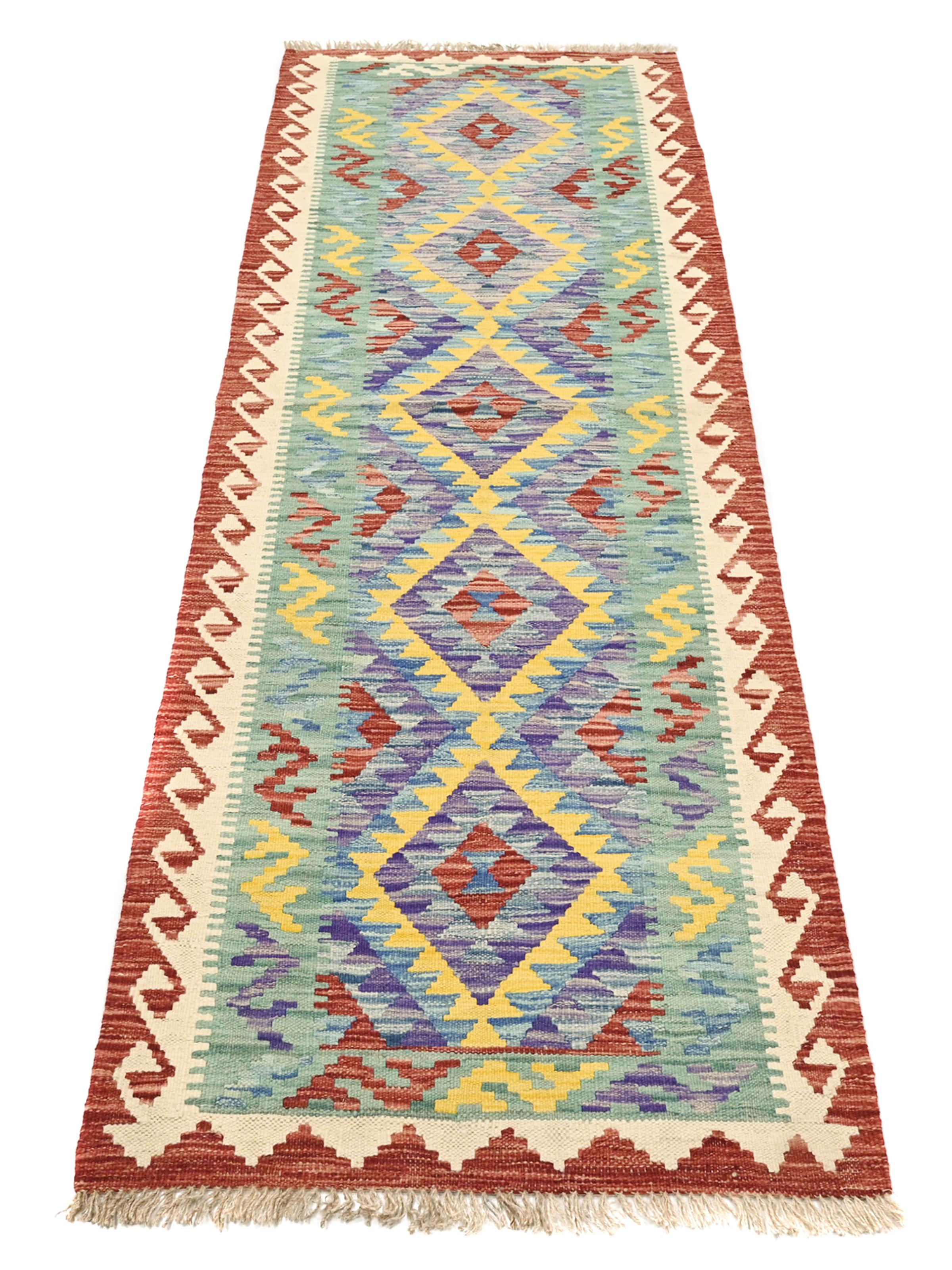
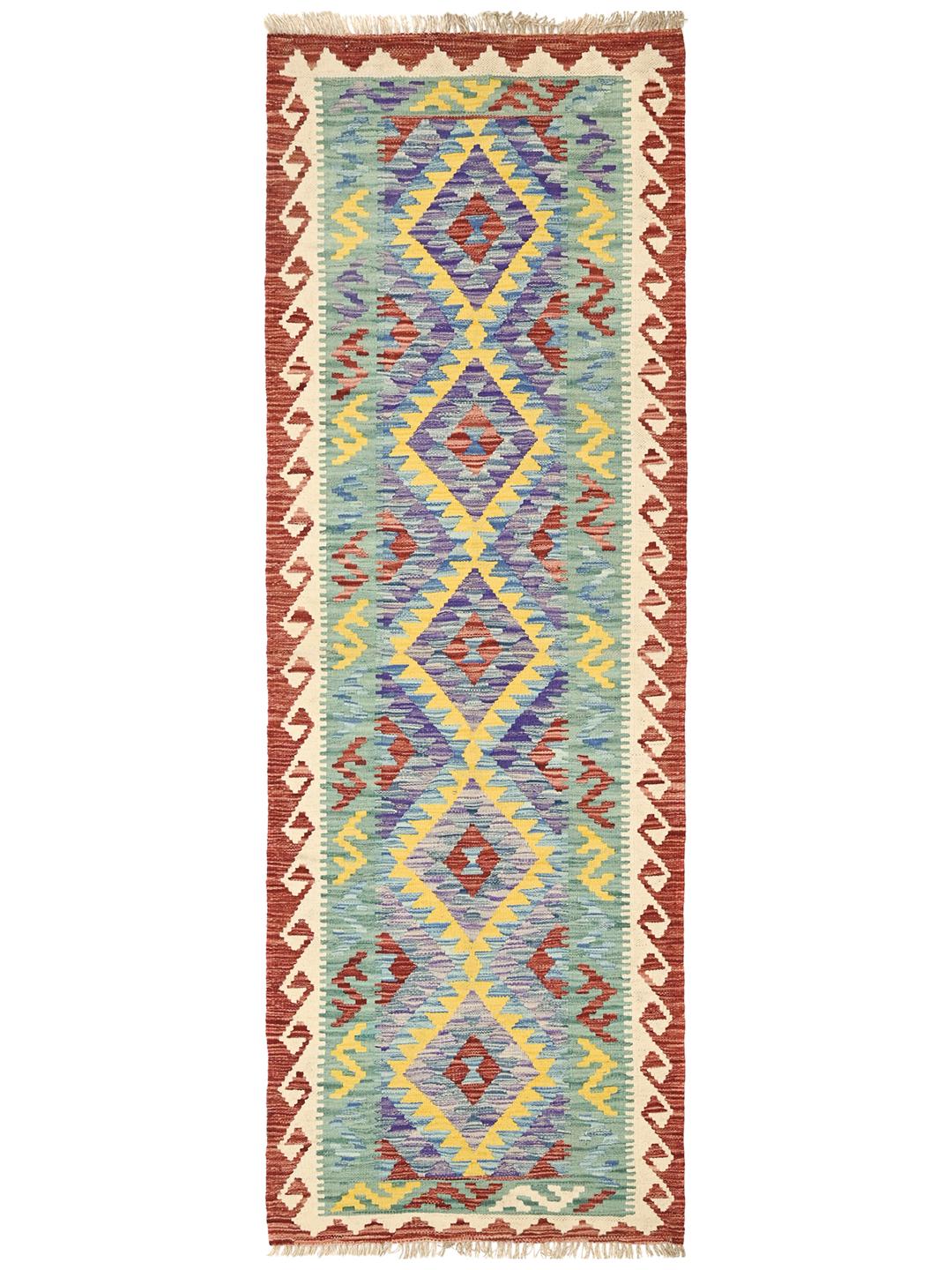
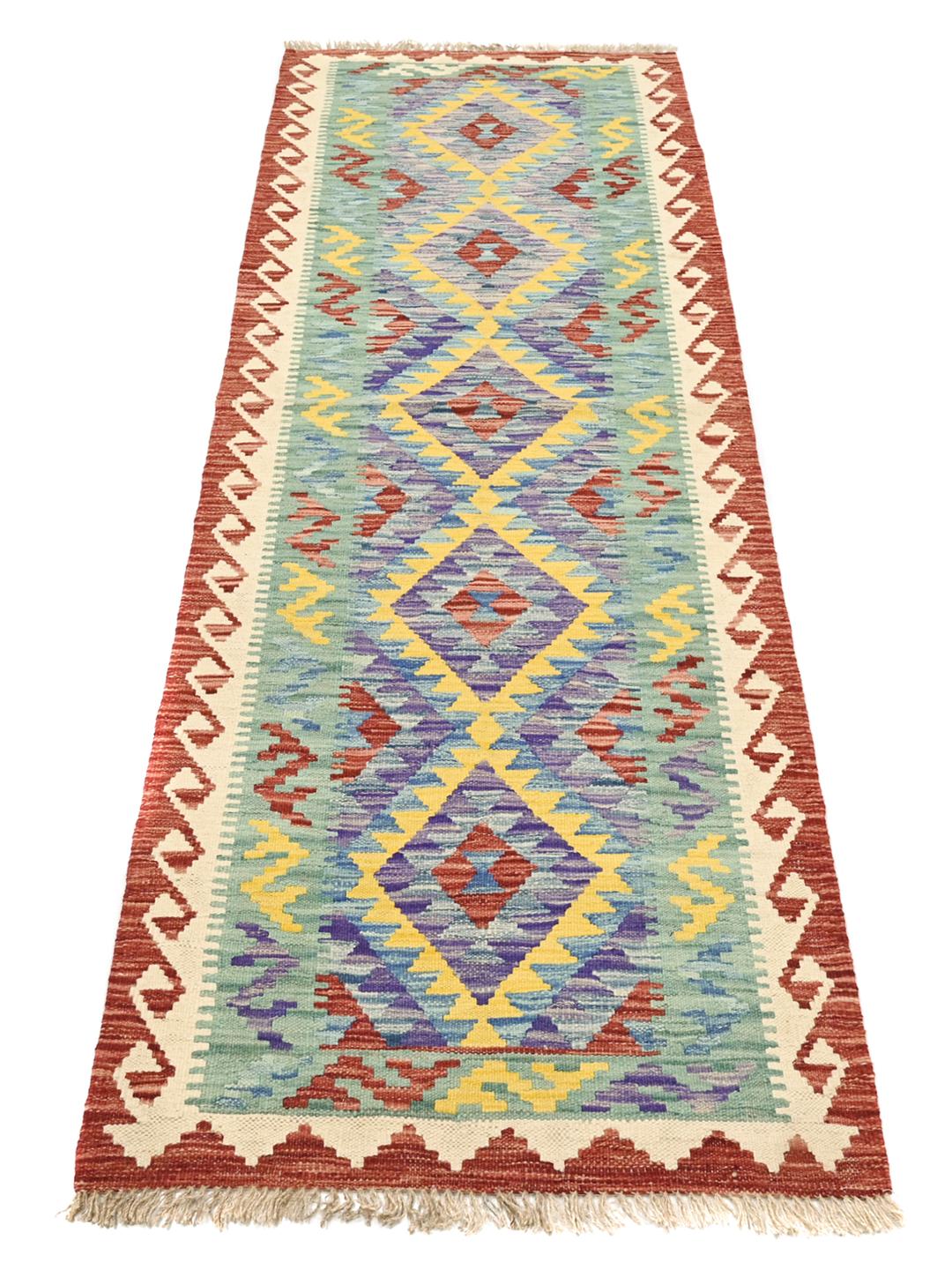
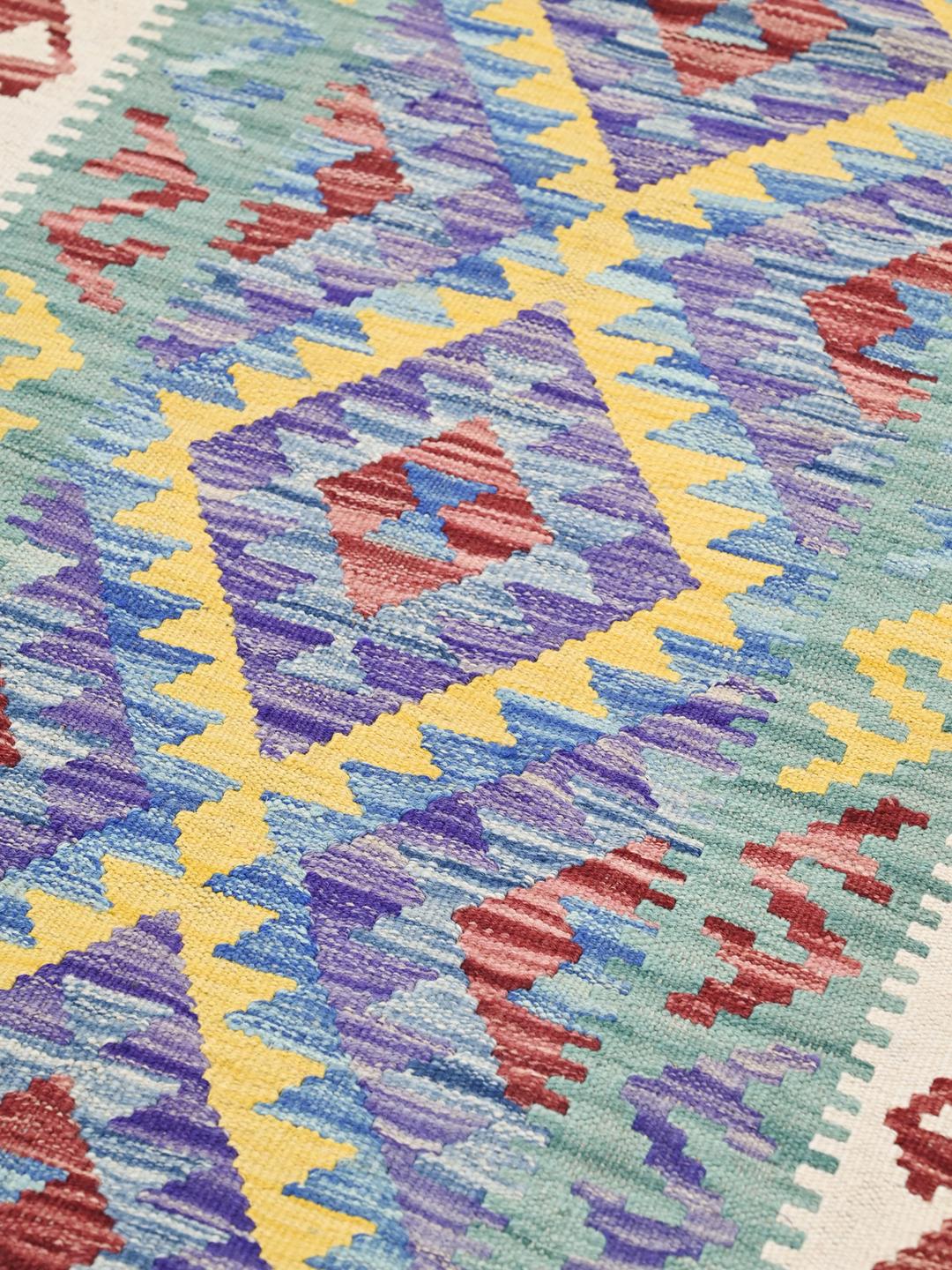
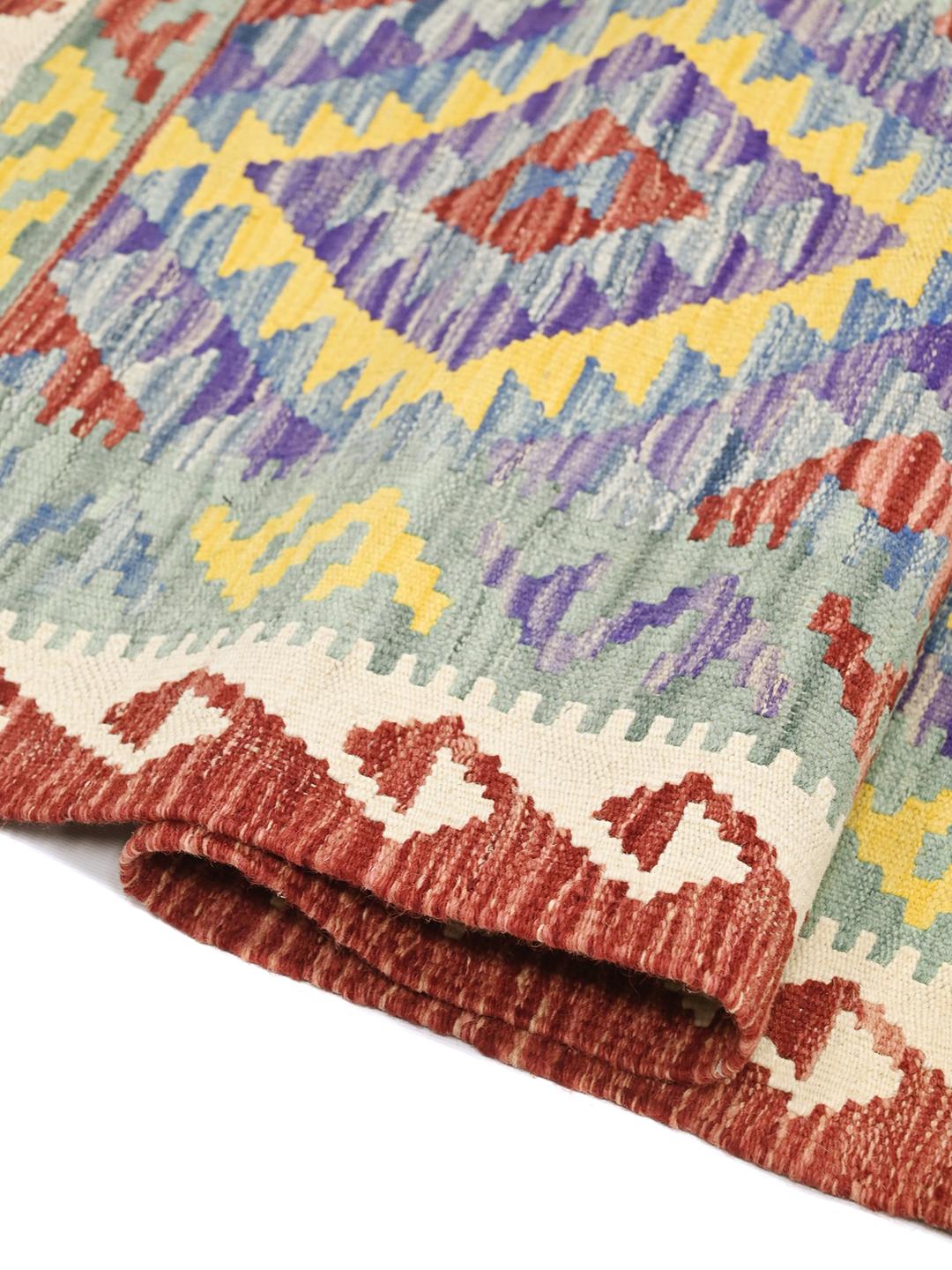
The Kelim rugs of Afghanistan are celebrated for their rich heritage and connection to the nomadic cultures of the Middle East. These flat-woven textiles have been produced for generations, serving both practical needs in portable homes and as expressions of cultural identity through intricate, symbolic patterns.
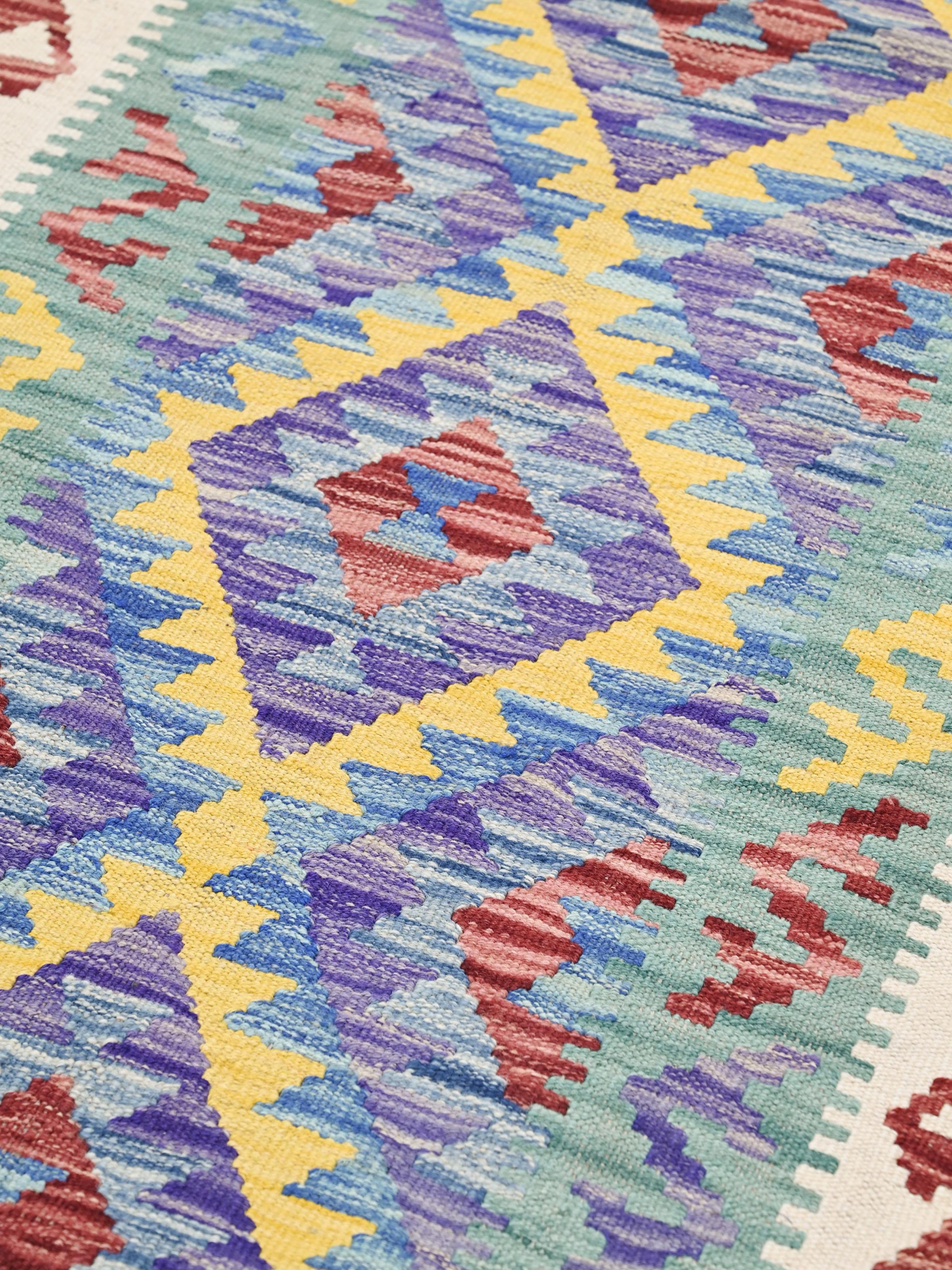
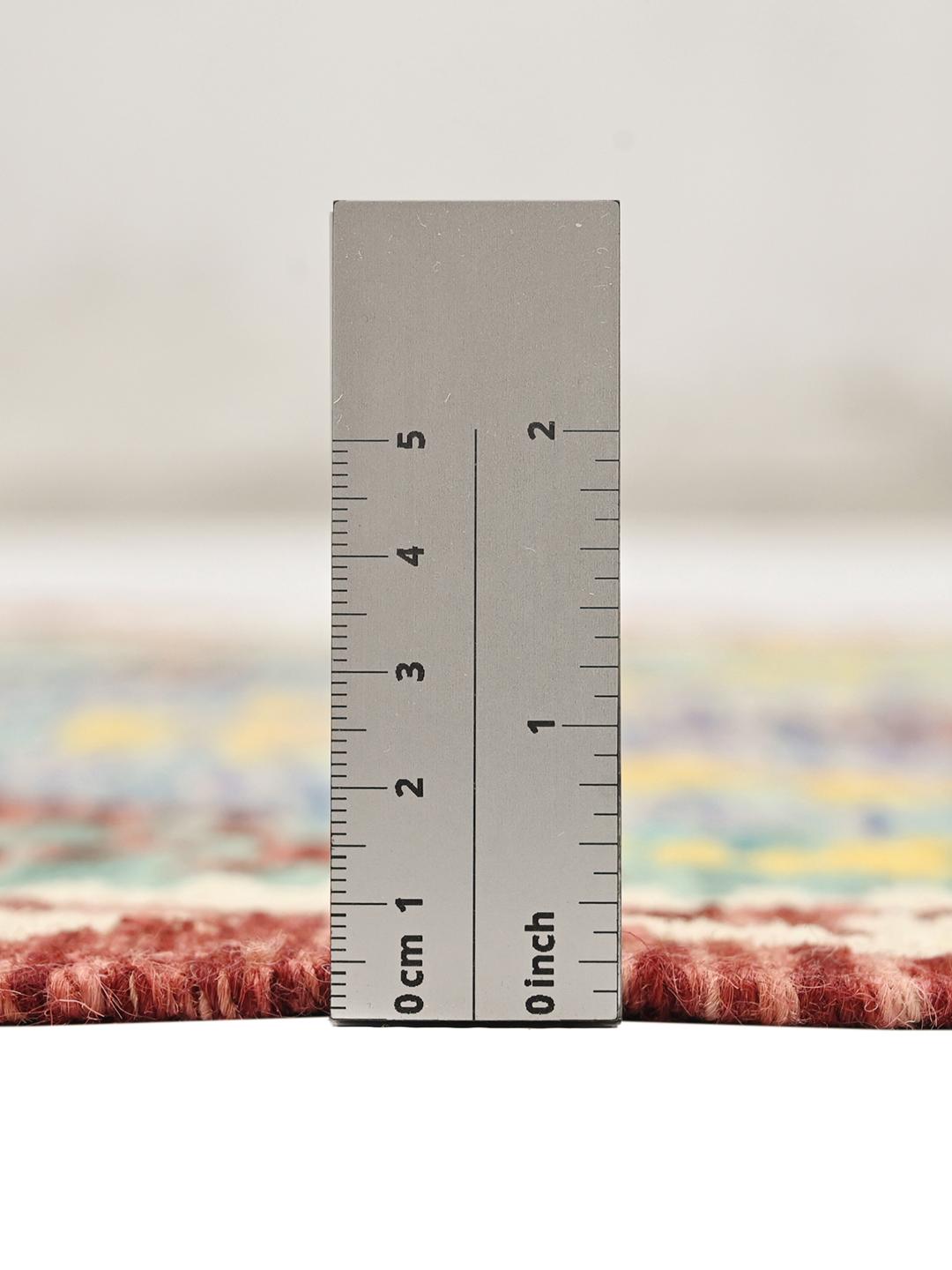
A kelim is defined by its flat-woven construction, which avoids the pile found in traditional knotted rugs. This technique involves wrapping the coloured Wool weft around the warp threads, a method that results in a lightweight, portable, and remarkably durable fabric that is often reversible.
The signature design elements of these rugs include bold, geometric motifs such as diamonds and triangles, which are often arranged in repeating sequences. These patterns are rooted in tribal traditions, with each shape and colour choice often carrying deeper meanings related to protection, prosperity, or the natural landscape of the region.
Collecting these rugs is an investment in human skill and cultural continuity. They are valued for their authentic, rustic aesthetic and the way they bridge the gap between ancient craft and contemporary living, offering a sophisticated way to ground a space with history and artistry.