The Kelim tradition in Afghanistan is deeply rooted in the nomadic lifestyle of the region, where rugs were historically crafted as functional, portable items for daily use. These flat-woven textiles have evolved over centuries, serving as essential components of home life in the Middle East. Today, they are celebrated for their ability to bridge the gap between ancient artistry and contemporary interiors.
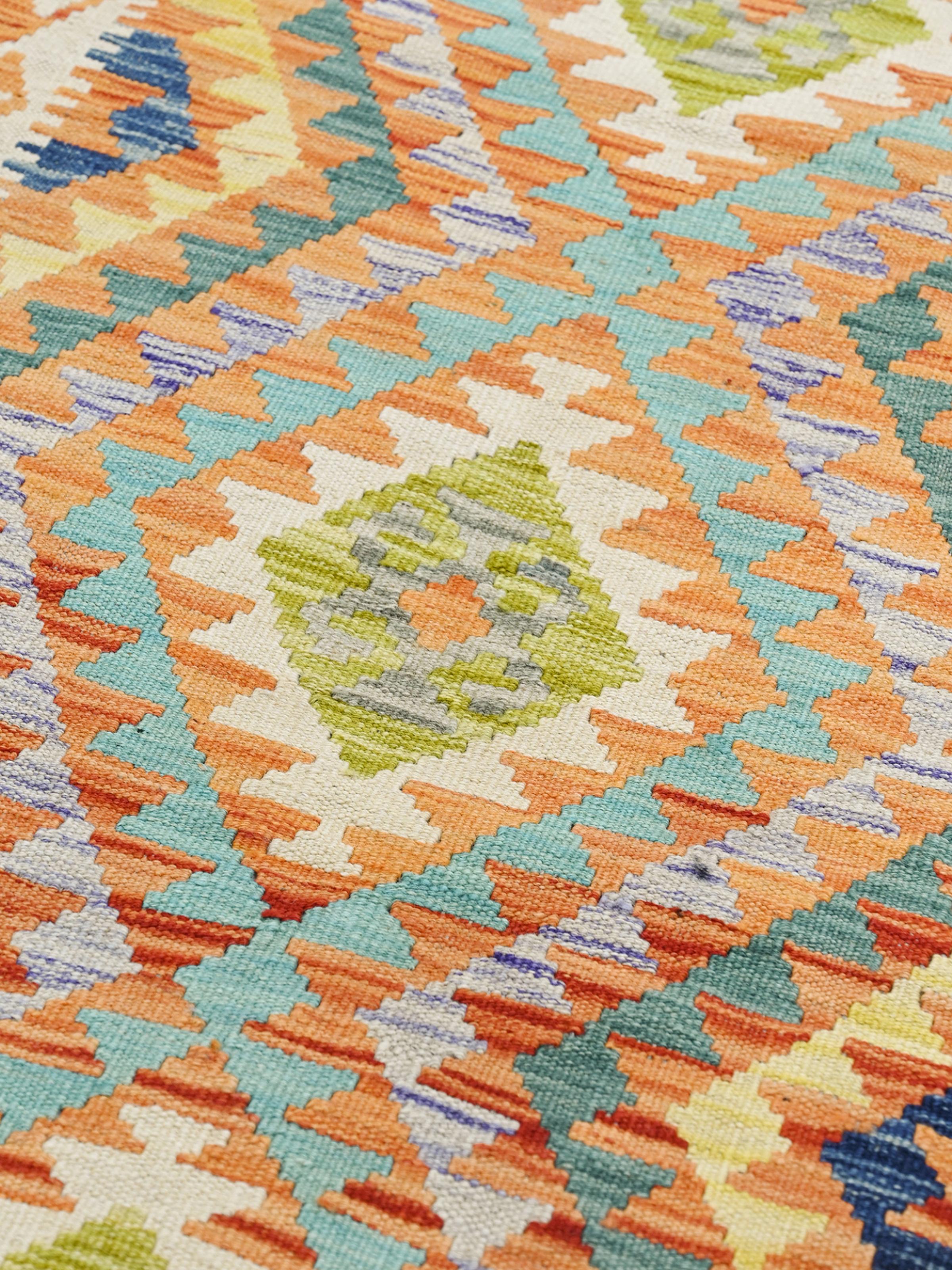
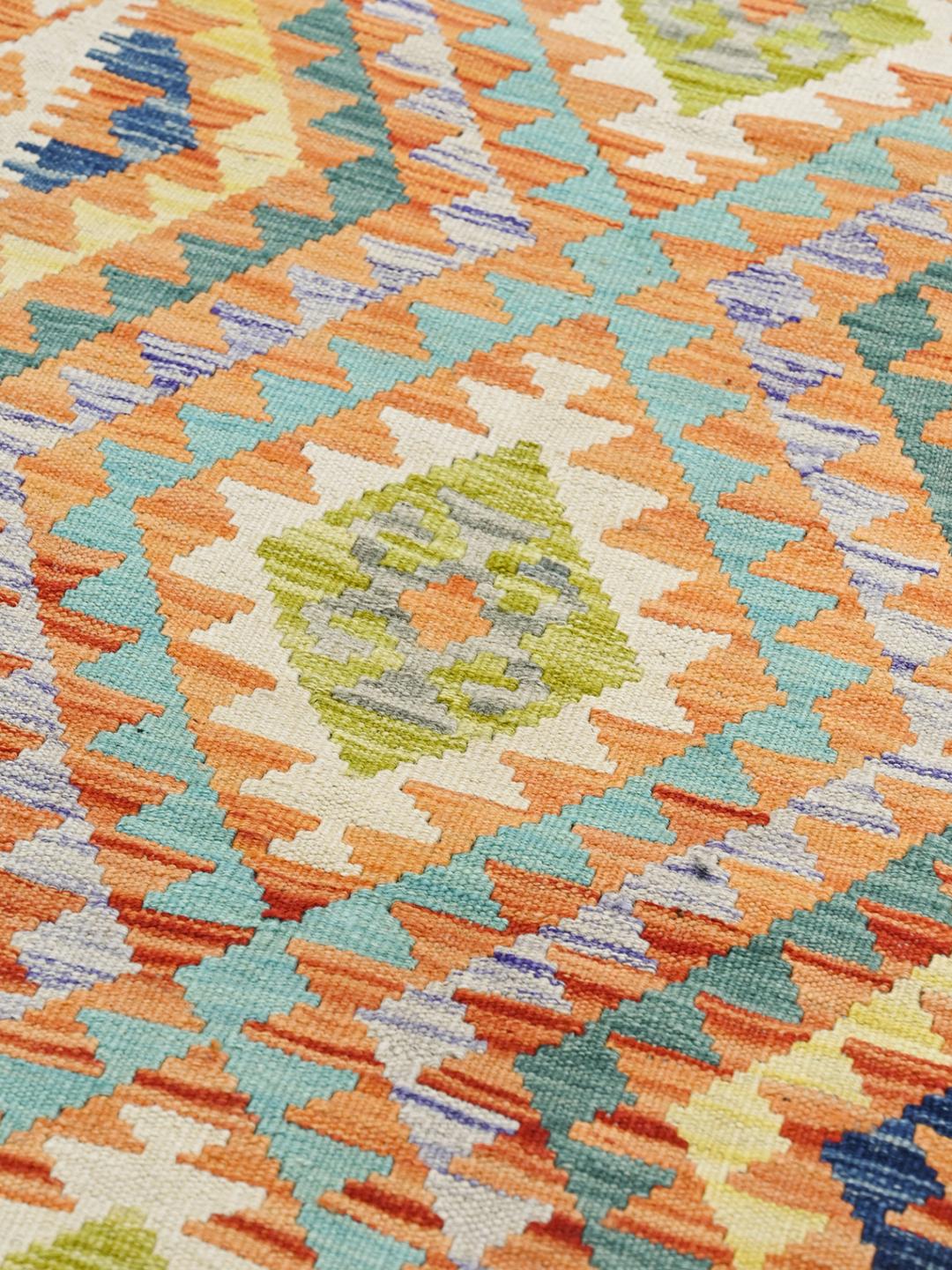
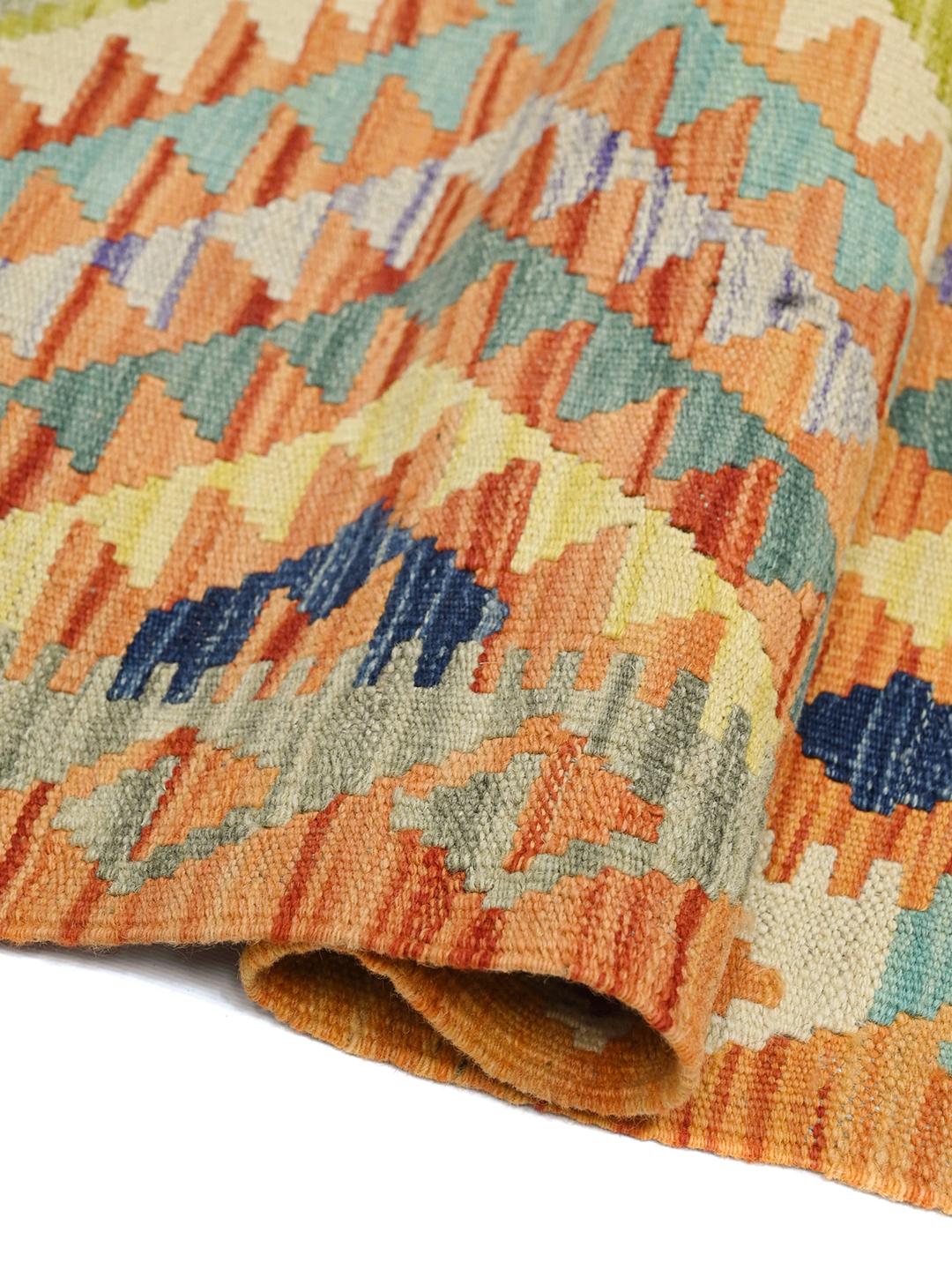
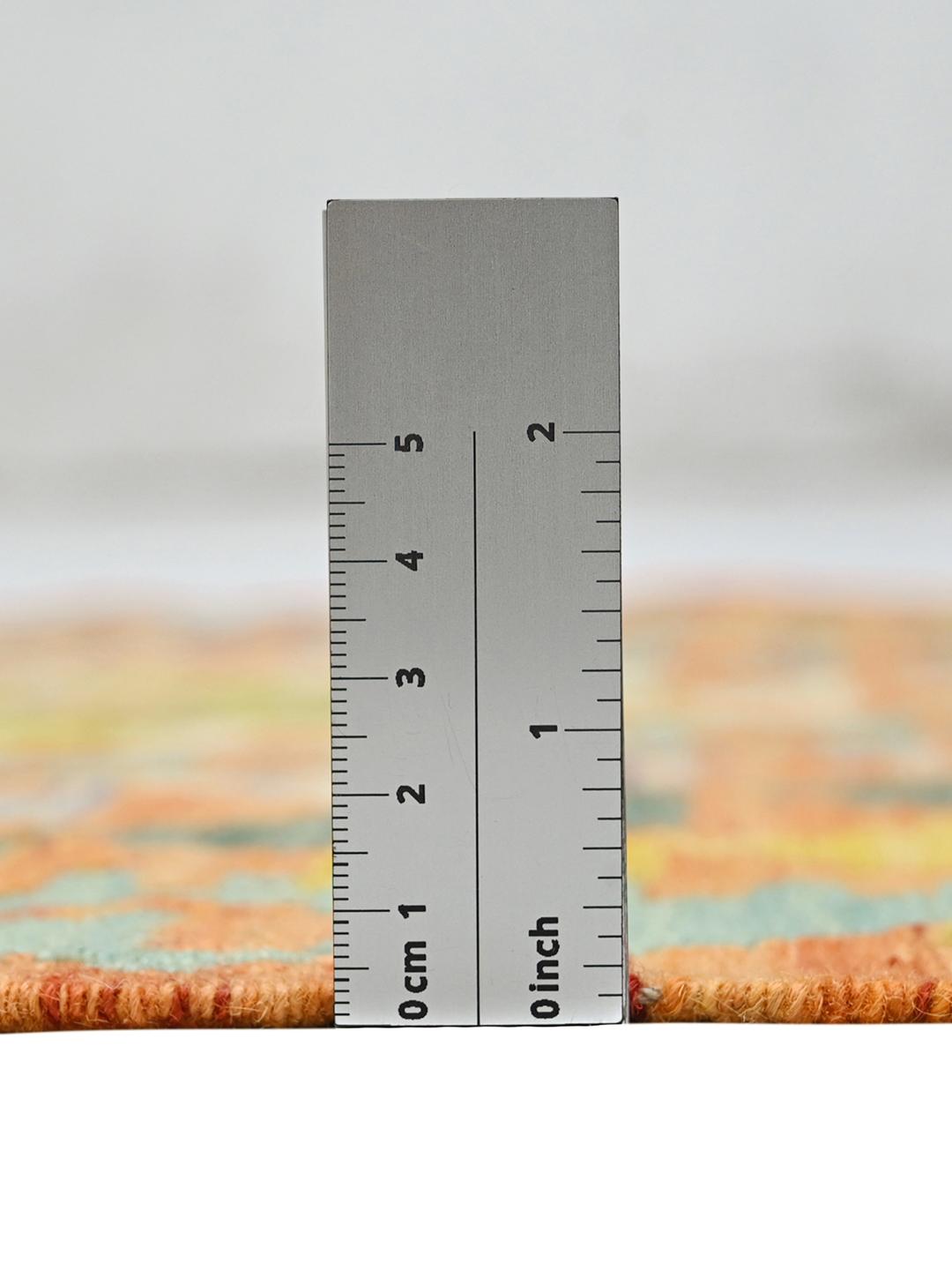
The term 'Kelim' refers to a specific technique where the weft and warp threads are interwoven to create a flat, pileless surface. This method is highly valued for its resulting durability and clarity of pattern. By avoiding the thick pile of knotted rugs, the weaver can achieve sharp, precise geometric designs that remain crisp and clear over time, making them a favourite for those who appreciate clean, graphic aesthetics.
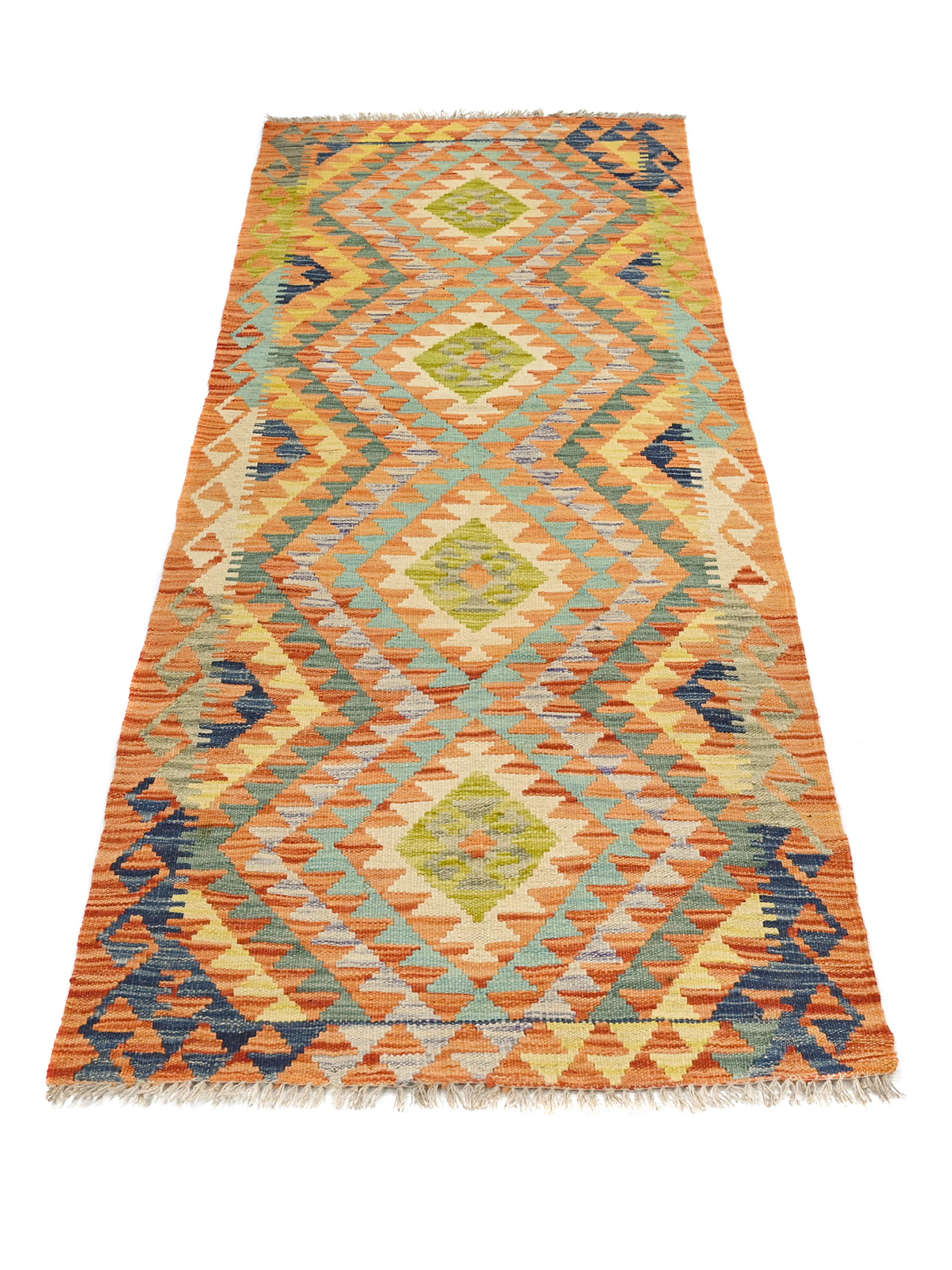
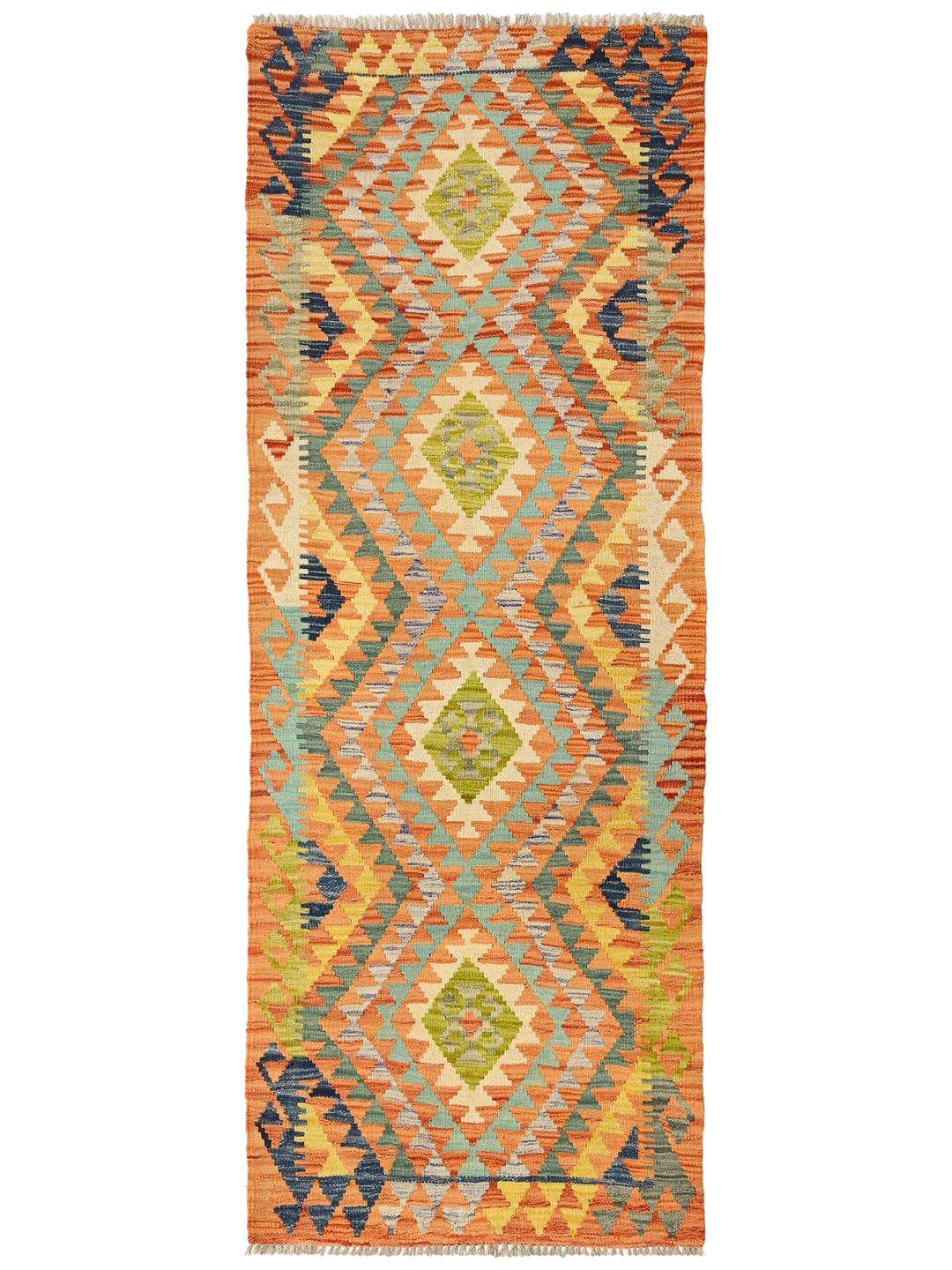
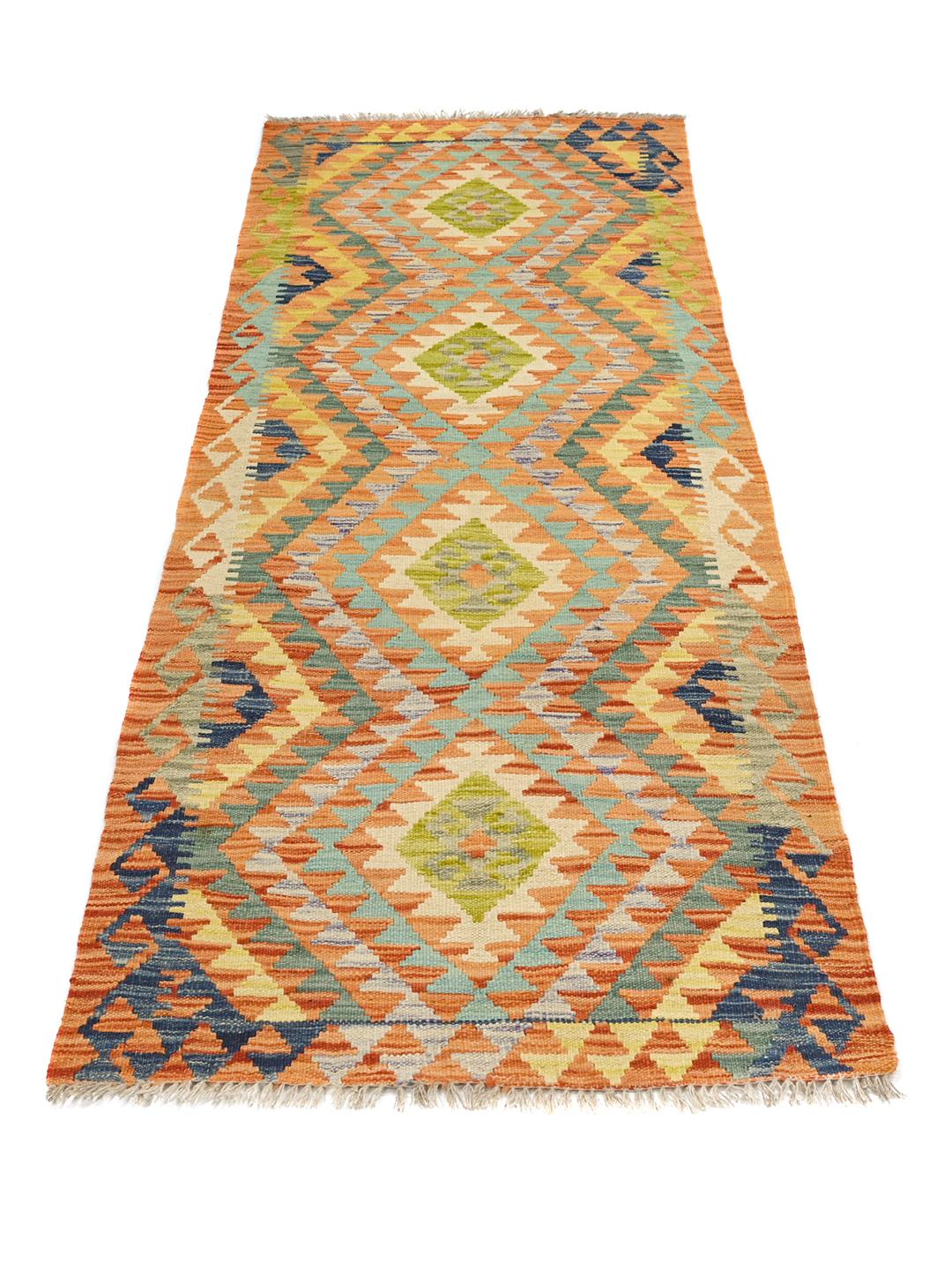
Signature design elements of these runners include repeating diamond motifs and bold, angular borders. The patterns are often symbolic, reflecting the cultural identity and storytelling traditions of the weaving communities. The use of vibrant, natural-toned colours is a hallmark of this style, intended to bring brightness and energy to traditional living spaces.
Collecting Afghan Kelims is an investment in cultural heritage. Each rug carries the signature of its maker and the collective knowledge of generations of weavers. By owning such a piece, you are participating in a living history, preserving a craft that values human skill and traditional materials over industrial speed.